
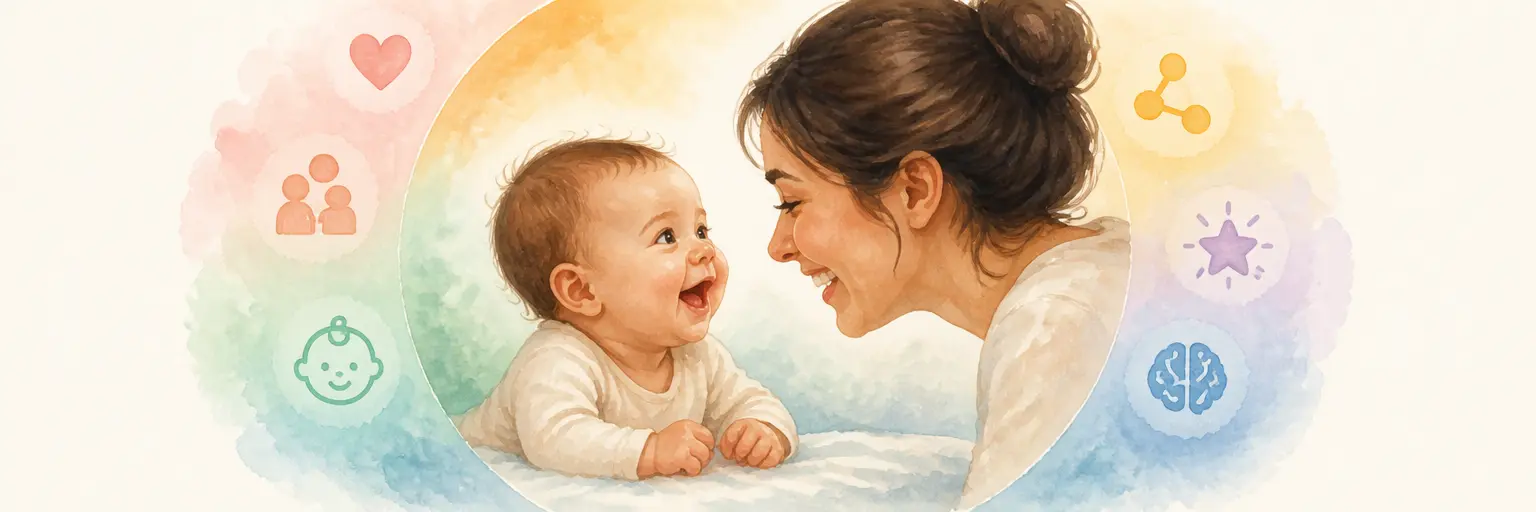
How to Create a Stimulating Environment for Social Development
Discover the joy of your baby’s first smiles and giggles 😊 These early social interactions are delightful signs of growing communication, emotional development, and bonding. Learn when to expect these developmental milestones, how to encourage responsive smiles through eye contact, talking, and play, and when to seek professional guidance. Support your baby’s social development with practical, reassuring tips from BabyCareHub—your trusted resource for confident first-time parenting.
6 articles
The Joy of Baby's First Smiles: A Celebration of Early Connections
The Connection Between Social Interaction and Emotional Regulation
Baby's First Social Interactions: A Journey of Discovery and Connection
The Science Behind Baby's Giggles: Understanding Early Social Development
Baby's Social Development: Recognizing Milestones and Challenges
👶 Early Social Interaction: Baby's First Smiles and Giggles
Welcome to BabyCareHub’s guide to early social interaction, where first-time parents can learn about a baby’s first smiles, giggles, eye contact, facial expressions, and joyful responses. These early social milestones are important signs of growing emotional connection, communication, and brain development. Discover what to expect, how to encourage your baby’s social development, and when to discuss concerns with a pediatrician.
😊 Understanding Your Baby’s First Social Smiles
A baby’s first smile is an exciting developmental milestone. In the early weeks, newborn smiles may happen during sleep or as a reflex. Around the second month, many babies begin showing responsive social smiles when they see a familiar face, hear a parent’s voice, or enjoy gentle interaction.
Every baby develops at a unique pace, so the timing of a first smile can vary. Parents can encourage this milestone through warm eye contact, soft talking, singing, smiling, and face-to-face play. These simple activities help babies connect emotions with familiar caregivers and support early social communication.
👀 Eye Contact and Facial Expressions
Eye contact is one of the earliest forms of baby communication. As vision develops, babies gradually become more interested in faces and may look toward a parent during feeding, cuddling, or conversation. Watching facial expressions helps infants begin to understand emotions and social responses.
Parents may notice their baby studying their eyes, mouth, and changing expressions. Responding with a smile, raised eyebrows, or a gentle voice encourages serve-and-return interaction. These everyday exchanges support bonding, attention skills, language development, and emotional security.
😂 When Babies Start Giggles and Laughter
Baby giggles often appear after social smiles, commonly during the early months of infancy. A baby may laugh in response to a parent’s voice, playful movement, gentle tickling, silly sounds, or familiar games such as peekaboo. Early laughter is a meaningful sign of social engagement and enjoyment.
To encourage giggles, keep play gentle, predictable, and responsive to your baby’s mood. Pause when your baby looks away or seems overstimulated, then try again later. Positive, back-and-forth play helps babies learn that their reactions can influence the people around them.
💞 Building Connection Through Everyday Interaction
Parents do not need special toys or complicated activities to support early social development. Feeding, diaper changes, bath time, cuddling, and bedtime routines all provide opportunities for conversation and connection. Narrate what you are doing, imitate your baby’s sounds, and allow time for your baby to respond.
Consistent, loving interaction helps build trust and a strong caregiver-baby bond. Try holding your baby close, using a calm voice, copying facial expressions, and following your baby’s interests. These habits promote early communication, emotional development, social awareness, and secure attachment.
🧸 Simple Activities to Encourage Social Development
Short periods of face-to-face play can help your baby practice smiling, eye contact, listening, and turn-taking. Sing a repetitive song, make gentle facial expressions, read a picture book, or play peekaboo. Choose activities that match your baby’s age and energy level.
Watch for signs that your baby needs a break, such as turning away, yawning, fussing, or becoming unusually quiet. Respecting these cues teaches your baby that communication is responsive and safe. Frequent, relaxed interaction is more valuable than long or structured play sessions.
🩺 When to Discuss Social Milestones With a Pediatrician
Developmental timelines can vary, but parents should share questions or concerns with a healthcare professional. If your baby rarely responds to faces or voices, does not appear to make eye contact, or does not show social smiles as expected, a pediatrician can review hearing, vision, development, and overall health.
Seeking guidance does not mean something is necessarily wrong. Early conversations can provide reassurance, practical activities, or referrals for additional support when appropriate. Keep track of new behaviors and mention any changes in your baby’s social interaction during regular checkups.
❓ Frequently Asked Questions About Baby’s First Smiles and Giggles
When do babies usually start smiling socially?
Many babies begin showing social smiles around 6 to 12 weeks, although some may smile earlier or later. A social smile usually happens in response to a parent’s face, voice, or interaction rather than during sleep.
When do babies start giggling?
Babies often begin giggling during the early months, commonly after they have started smiling socially. Laughter may be triggered by familiar voices, playful sounds, gentle movement, or games such as peekaboo. The timing varies from baby to baby.
How can I encourage my baby to smile and laugh?
Spend time face-to-face, smile often, talk or sing softly, imitate your baby’s sounds, and try gentle games. Give your baby time to respond and stop if they become tired or overstimulated. Responsive interaction is the best way to encourage social development.
Is it normal if my newborn smiles while sleeping?
Yes. Newborns may smile, grimace, or make other facial expressions while sleeping because of reflexes and developing nervous system activity. These early smiles are different from the responsive social smiles that usually emerge during the following weeks.
When should I contact a pediatrician about social interaction?
Talk with your pediatrician if your baby does not seem to respond to faces or voices, rarely makes eye contact, or you have concerns about hearing, vision, smiling, or communication. A healthcare professional can assess your baby’s individual development and recommend appropriate next steps.