
Parenting Well-being
Discover practical, compassionate guidance for parenting well-being at BabyCareHub 💛 Find expert-backed tips for managing new-parent stress, strengthening relationships, building a reliable support network, balancing work and family life, practicing self-care, and recognizing when postpartum depression or anxiety may require professional help. Feel more confident, supported, and emotionally prepared throughout your journey into parenthood.
 Self-Care for New Parents: Tips and Strategies
 Balancing Work and New Parenthood
 Postpartum Depression and Anxiety: Recognizing Symptoms and Seeking Help
 Building a Support Network for New Parents
 Managing Stress and Overwhelm as a New Parent
 Relationship Changes After Having a Baby: Navigating as a Couple
Parenting Well-being is an essential part of creating a healthy, confident, and supported family life. At BabyCareHub, we help first-time parents understand the emotional, physical, and practical challenges that can arise after having a baby. From adjusting to new responsibilities and managing sleep deprivation to protecting your mental health and strengthening relationships, this category offers clear, compassionate guidance for every stage of early parenthood.
Explore expert-informed advice on new parent stress, postpartum mental health, relationship changes, self-care, work-life balance, and building a reliable support network. Each guide is designed to help parents feel less overwhelmed, recognize when additional support may be needed, and develop realistic strategies for caring for themselves while caring for their baby.
💞 Relationship Changes After Having a Baby: Navigating as a Couple
Having a baby can transform communication, intimacy, routines, and household responsibilities. This section explores common relationship changes after childbirth and provides practical advice for couples adjusting to parenting together. Readers can learn how to discuss expectations, divide baby-care tasks, handle disagreements, and stay emotionally connected during demanding early months.
Expect guidance on communication after having a baby, postpartum intimacy, shared parenting responsibilities, and maintaining a strong relationship. The content encourages patience, teamwork, and honest conversations while recognizing that relationship stress is common and does not mean a couple is failing.
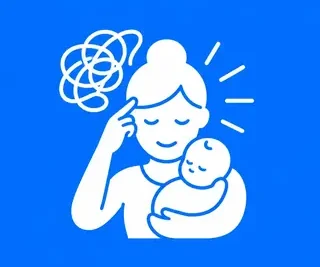
🌿 Managing Stress and Overwhelm as a New Parent
Newborn care can feel overwhelming, especially when parents are coping with interrupted sleep, feeding concerns, constant decision-making, and limited personal time. This subcategory offers realistic ways to manage daily stress, organize essential tasks, and respond calmly when parenting feels exhausting or unpredictable.
Readers will find stress management strategies for new parents, grounding techniques, planning tips, and advice for asking for help. The focus is on achievable steps rather than perfection, helping parents protect their energy and build confidence in everyday baby care.
🤝 Building a Support Network for New Parents
A strong support network can make the transition to parenthood safer, easier, and less isolating. This section explains how to identify trustworthy sources of practical and emotional support, including partners, family members, friends, healthcare professionals, parenting groups, and local community services.
Discover how to communicate your needs, accept appropriate help, and create a support plan for feeding, childcare, meals, appointments, and rest. Building support for new parents can reduce stress, strengthen mental well-being, and help families feel more connected during the newborn stage.
🧠 Postpartum Depression and Anxiety: Recognizing Symptoms and Seeking Help
Postpartum depression and postpartum anxiety can affect any parent, regardless of previous mental health history. This section explains possible emotional, behavioral, and physical symptoms, including persistent sadness, intense worry, panic, irritability, guilt, hopelessness, difficulty bonding, and frightening thoughts.
Readers will learn when symptoms may require professional attention and how to seek help from a doctor, midwife, therapist, or mental health service. Postpartum mental health support is available, and early care can make a meaningful difference. If someone may be in immediate danger or thinking about self-harm or harming the baby, contact local emergency services or a crisis hotline immediately.
💼 Balancing Work and New Parenthood
Returning to work or managing employment while caring for a baby involves emotional, financial, and logistical challenges. This subcategory covers parental leave planning, childcare decisions, pumping or feeding arrangements, flexible work options, and the emotional adjustment of being away from your baby.
Find practical ideas for work-life balance with a newborn, communicating with employers, sharing responsibilities, and creating routines that support both career goals and family needs. The guidance recognizes that every household has different resources, schedules, and priorities.
🛁 Self-Care for New Parents: Tips and Strategies
Self-care is not selfish; it is a vital part of sustainable parenting. This section provides manageable self-care ideas for parents who have limited time and energy, including rest, nutrition, hydration, gentle movement, emotional check-ins, personal hygiene, and short periods of relaxation.
Expect realistic self-care tips for new parents that can fit around newborn routines. The goal is not to achieve a perfect schedule but to identify small, repeatable actions that support physical recovery, emotional resilience, confidence, and long-term family well-being.
❓ Frequently Asked Questions About Parenting Well-being
What does parenting well-being mean?
Parenting well-being includes a parent’s physical health, emotional stability, mental health, relationships, sense of support, and ability to manage daily responsibilities. It also involves recognizing personal limits and seeking help when needed.
How can new parents manage stress and overwhelm?
Start by focusing on essential tasks, lowering unrealistic expectations, accepting practical help, and taking short recovery breaks when possible. Sharing responsibilities, staying hydrated, eating regularly, and speaking with a healthcare professional can also help manage ongoing stress.
How do I know if I may have postpartum depression or anxiety?
Possible signs include persistent sadness, excessive worry, panic, hopelessness, severe irritability, loss of interest, intense guilt, sleep problems unrelated to the baby’s schedule, or difficulty functioning. Contact a healthcare professional for an assessment, especially if symptoms last, worsen, or feel difficult to control.
How can having a baby affect a relationship?
A baby can change routines, intimacy, communication, finances, and the division of household work. These changes are common, but regular check-ins, respectful communication, shared planning, and support from trusted people can help couples adjust and remain connected.
When should a new parent ask for help?
Ask for help when stress, sadness, anxiety, exhaustion, or daily responsibilities feel unmanageable. Support may come from family, friends, parenting groups, healthcare professionals, therapists, or community services. Immediate help is essential if there are thoughts of self-harm or harm to the baby.