
The Joy of Baby's First Smiles: A Celebration of Early Connections

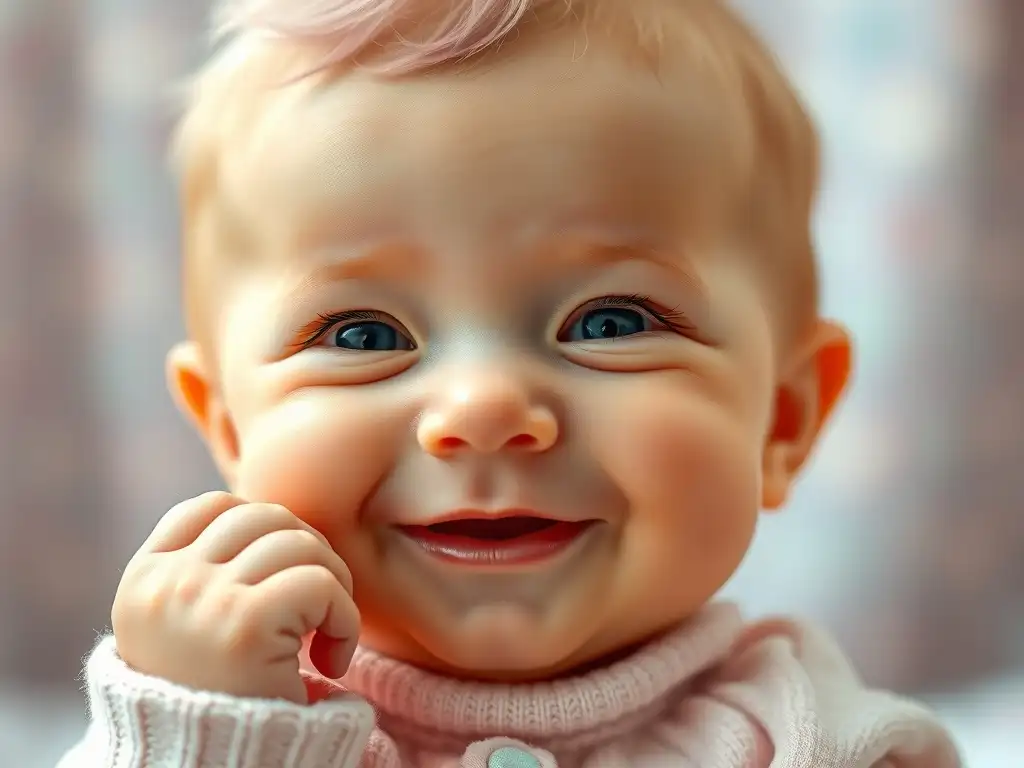
Welcome to BabyCareHub, your ultimate guide to navigating the incredible journey of parenthood! Are you ready to unlock the secrets to happy, healthy baby development? We'll equip you with the knowledge and confidence you need, step by step. Discover the heartwarming significance of Baby's first smile milestones and learn how these precious moments mark the beginning of a beautiful parent-child bond. Dive in and explore the world of newborn care – your adventure starts now!
- Understanding Baby's First Smile Milestones: A Developmental Journey
- Decoding Your Baby's Smiles: Types and Meanings
- Boosting Your Baby's Smiling: Activities and Interactions
- Baby's First Smile: A Milestone to Cherish
- Addressing Concerns: When to Seek Professional Advice
- Frequently Asked Questions
- Final Reflection: The Enduring Power of a Baby's First Smile
- Unveil Your Baby's Unique Smile Story!
Understanding Baby's First Smile Milestones: A Developmental Journey
The arrival of a baby brings immense joy, and among the many precious moments, the first smile holds a special place. This seemingly simple act marks a significant developmental leap, signifying the burgeoning capacity for social interaction and emotional connection. This article explores the fascinating journey of baby's first smiles, providing a timeline of this milestone and helping new parents differentiate between reflexive and true social smiles.
Understanding these nuances will deepen your appreciation for your baby's development and strengthen the bond you share. We'll delve into the developmental significance of these early smiles, highlighting their role in building crucial early connections and laying the foundation for future social interactions. Learning to recognize these smiles is a key element in understanding your baby's communication style and responding appropriately, fostering a nurturing and responsive environment for their growth.
Prepare to embark on a heartwarming exploration of this incredible developmental milestone – your baby's first smile! 🎉
When Do Babies Start Smiling? The Timeline of Early Smiles
New parents eagerly await that first precious smile, often wondering when it will grace their little one's face. The timeline varies, but understanding the stages helps manage expectations. While some babies might offer fleeting smiles as early as a few weeks old, these are often reflexive, triggered by internal sensations rather than social interaction.
The appearance of true social smiles, however, typically emerges between 6 and 8 weeks of age. These smiles are purposeful and directed at caregivers, indicating a growing awareness of their presence and an emotional response to their interaction. By 3 to 4 months, smiles become more frequent and exuberant, reflecting a growing understanding of social exchanges and the joy of connection. This is a period of rapid development where babies actively seek out interactions and respond with delight to familiar faces and voices.
It's important to remember that each baby develops at their own pace. Some might reach this milestone slightly earlier or later, and this is perfectly normal. Remember to celebrate each smile, no matter when it arrives! 👶
Differentiating between a reflexive smile and a true social smile can be initially challenging for new parents. Reflexive smiles, often appearing in the first few weeks of life, are spontaneous and typically occur during sleep or while the baby is in a relaxed state. These are involuntary responses to internal stimuli, such as feelings of contentment or satisfaction. They lack the deliberate quality and direct engagement characteristic of social smiles.
On the other hand, true social smiles are deliberate and directed. They are a response to external stimuli, primarily the presence and interaction of caregivers. These smiles are typically accompanied by other signs of engagement, such as eye contact, cooing, and gurgling. They're often broader, more prolonged, and filled with a noticeable warmth and joy. The key difference lies in the intentionality and engagement demonstrated in the social smile. Observing these subtle nuances helps parents understand their baby's communication and respond accordingly, fostering a strong emotional connection.
The significance of a baby's first social smile extends far beyond a simple facial expression. It marks a critical step in the development of social and emotional intelligence. These smiles are not merely cute; they are powerful indicators of a developing brain and a growing capacity for connection. They demonstrate the baby's ability to recognize familiar faces, respond to social cues, and express positive emotions. This interaction reinforces the parent-child bond, creating a positive feedback loop that strengthens attachment and promotes healthy emotional development.
Furthermore, social smiles are vital for stimulating further social interaction. When a baby smiles, caregivers respond with smiles, affection, and engagement, further reinforcing the positive exchange. This reciprocal interaction is essential for the baby's social and emotional learning, laying the foundation for future social skills and relationships. These early interactions are building blocks for healthy emotional regulation, social competence, and overall well-being throughout life. The joy of a baby's first smile is a testament to the powerful connection between parent and child, a celebration of the beautiful journey of early development. ❤️
Decoding Your Baby's Smiles: Types and Meanings
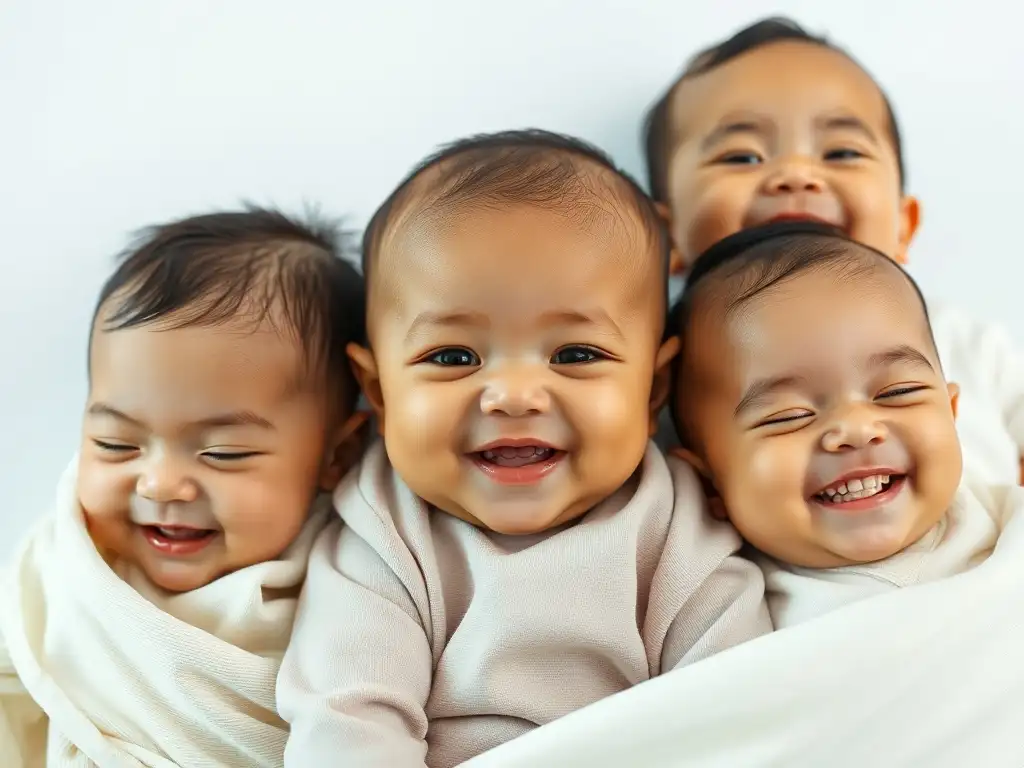
Smiling is a significant developmental milestone, and understanding the nuances of your baby's smiles can strengthen your bond and provide insights into their emotional development. While the first genuine smile might appear around 6-8 weeks, babies exhibit various facial expressions from birth that can be misinterpreted as smiles. It's crucial to differentiate between these early expressions and true, social smiles.
The Meaning Behind Different Types of Baby Smiles
There are several types of smiles a baby might display, each carrying a different meaning. Let's explore some common ones related to "Baby's first smile milestones":
- Reflexive Smiles (0-6 weeks): These smiles occur during sleep or while the baby is relaxed and are involuntary. They're not genuine social smiles as they aren't triggered by external stimuli. Think of them as a natural response to internal processes. They're often subtle, fleeting expressions.
- Social Smiles (6-8 weeks onwards): These are the smiles we often associate with "Baby's first smile milestones." These smiles are a conscious response to interaction, usually triggered by a caregiver's face, voice, or touch. They are often broader, more sustained, and accompanied by other signs of engagement, such as eye contact and cooing. These smiles mark a significant leap in your baby's social and emotional development.
- Duchenne Smiles (3-4 months onwards): Also known as genuine smiles, these are characterized by crinkling around the eyes (crow's feet) in addition to the mouth. This signifies a deeper emotional connection and joy. These smiles are a strong indicator of your baby's positive emotional state and their growing understanding of social interaction.
| Smile Type | Age Range | Characteristics | Meaning |
|---|---|---|---|
| Reflexive Smile | 0-6 weeks | Involuntary, during sleep or relaxation | Physiological response, not social interaction |
| Social Smile | 6-8 weeks+ | Response to interaction, often sustained and broad | Positive response to social stimuli, early bonding |
| Duchenne Smile | 3-4 months+ | Crinkling around eyes, broader mouth smile | Deep emotional connection, genuine joy |
Interpreting Your Baby's Facial Expressions Beyond Smiling
While smiles are a key indicator of positive emotion, remember that babies communicate through a range of facial expressions. Understanding these expressions is crucial for effective communication and care. For instance, a furrowed brow might indicate discomfort or concentration, while tightly pursed lips might suggest frustration or hunger. Observing these subtle cues alongside smiles provides a more complete picture of your baby's emotional landscape.
Learning to interpret these nuanced expressions is a continuous process, and paying close attention to your baby's individual cues is vital. Keep a watchful eye for changes in body language, too, as these can often accompany facial expressions and offer further clues. Remember that each baby is unique; what one baby expresses through a certain facial expression might be different for another.
Responding to Your Baby's Smiles: Encouraging Interaction
Responding enthusiastically to your baby's smiles is crucial for fostering their social and emotional development. When your baby smiles, respond with a smile, playful sounds, and gentle touch. This positive feedback loop strengthens the bond between you and your baby and encourages them to continue engaging socially. This positive reinforcement helps teach your baby the importance of social interaction and the joy of connection. Remember, even the smallest expressions of positive affection build a strong foundation for future social interactions.
Make eye contact, talk softly, and engage in playful games that elicit smiles and laughter. This interactive approach to responding to your baby's smiles is an investment in their emotional well-being and future social skills. It's a win-win situation for both parent and child! 🎉
Boosting Your Baby's Smiling: Activities and Interactions
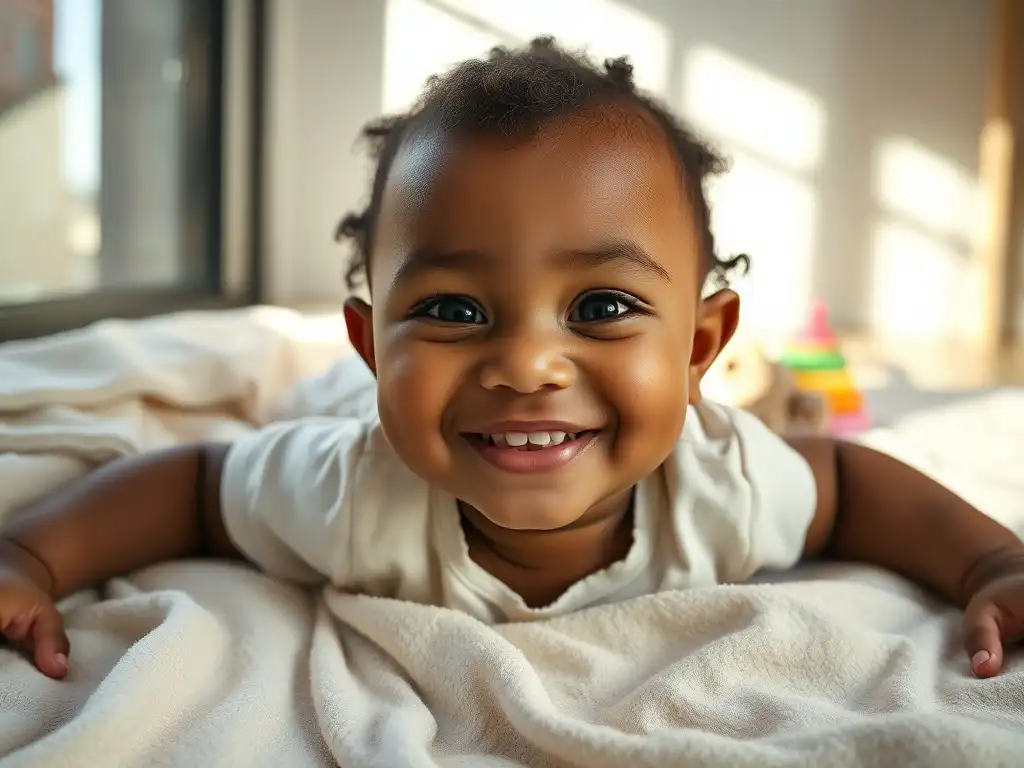
This section focuses on practical strategies to encourage those precious first smiles and giggles from your little one. Remember, every baby develops at their own pace, but these activities can significantly contribute to their early social and emotional development, building a strong bond between parent and child. We'll explore interactive games, the importance of physical touch, and the creation of a stimulating environment. Understanding your baby's cues and responding appropriately is key to fostering a positive and joyful experience for both of you. This is all part of reaching those important baby's first smile milestones.
Interactive Games to Elicit Smiles and Giggles
Simple games can be incredibly effective in eliciting smiles and laughter. The key is to keep them short, sweet, and engaging for your baby's attention span. Remember, newborns have limited focus, so brief interactions are best. Try these:
- Peek-a-boo: This classic game is a guaranteed smile-inducer. Cover your face with your hands and then suddenly reveal yourself with an enthusiastic "Boo!" The element of surprise is key.
- Making funny faces: Babies are fascinated by exaggerated expressions. Try sticking out your tongue, widening your eyes, or making silly noises.
- Singing songs and rhymes: The melodic nature of songs and rhymes is soothing and stimulating. Choose simple tunes with repetitive lyrics that your baby can easily follow. Try classics like "Twinkle Twinkle Little Star" or "Itsy Bitsy Spider."
- Rattle play: Introduce colorful rattles and let your baby explore their different sounds and textures. The visual stimulation combined with the auditory experience can be very engaging.
- Toy interaction: Use brightly colored toys with contrasting patterns and textures. Gently move them back and forth in front of your baby, encouraging them to follow the movement with their eyes.
Remember to observe your baby's reactions. If they seem tired or overwhelmed, take a break and try again later. The goal is to create positive associations with playtime and interaction, contributing to those important baby's first smile milestones.
The Power of Touch, Voice, and Eye Contact
Physical touch, your voice, and consistent eye contact are fundamental in fostering a loving and secure attachment with your baby. These seemingly simple interactions are crucial for stimulating their brain development and encouraging social engagement.
- Skin-to-skin contact: Holding your baby close, skin-to-skin, releases oxytocin, a hormone that promotes bonding and relaxation for both you and your baby. This is especially beneficial after feeding or during moments of distress.
- Gentle massage: A gentle massage can be both calming and stimulating. Use soft, gentle strokes to relax your baby and enhance the bonding experience. Pay attention to their cues; if they seem uncomfortable, stop immediately.
- Soft talking and singing: Babies respond to the sound of your voice. Use a soft, gentle tone, and sing lullabies or talk to them about your day. The sound of your voice is comforting and reassuring.
- Eye contact: Maintain consistent eye contact with your baby during interactions. This shows them that you are present, engaged, and attentive to their needs. It helps build trust and strengthens your connection.
Consistent and loving interaction using these techniques can significantly impact your baby's development and contribute to those cherished baby's first smile milestones. It's about building a strong foundation of love and connection.
Creating a Stimulating and Loving Environment
Your baby's environment plays a significant role in their development. Creating a stimulating and loving atmosphere can greatly enhance their social and emotional growth, paving the way for those first delightful smiles.
- Brightly colored mobiles: Hang a mobile above your baby's crib with brightly colored objects. The visual stimulation can capture their attention and encourage them to focus.
- Soft, textured toys: Provide a variety of soft toys with different textures and shapes for your baby to explore. This helps stimulate their senses and encourages them to reach, grasp, and explore.
- Quiet and calm atmosphere: Create a calm and peaceful environment for your baby. Minimize noise and distractions, allowing them to focus on their surroundings and interactions with you.
- Consistent routines: Establishing consistent routines for feeding, sleeping, and playtime can provide your baby with a sense of security and predictability. This contributes to their overall well-being and emotional development.
By focusing on these environmental factors, and combining them with the interactive activities and nurturing techniques discussed above, you can create an optimal environment for your baby's development, fostering those precious baby's first smile milestones and strengthening your bond as parent and child. Remember, patience and consistency are key!
Baby's First Smile: A Milestone to Cherish
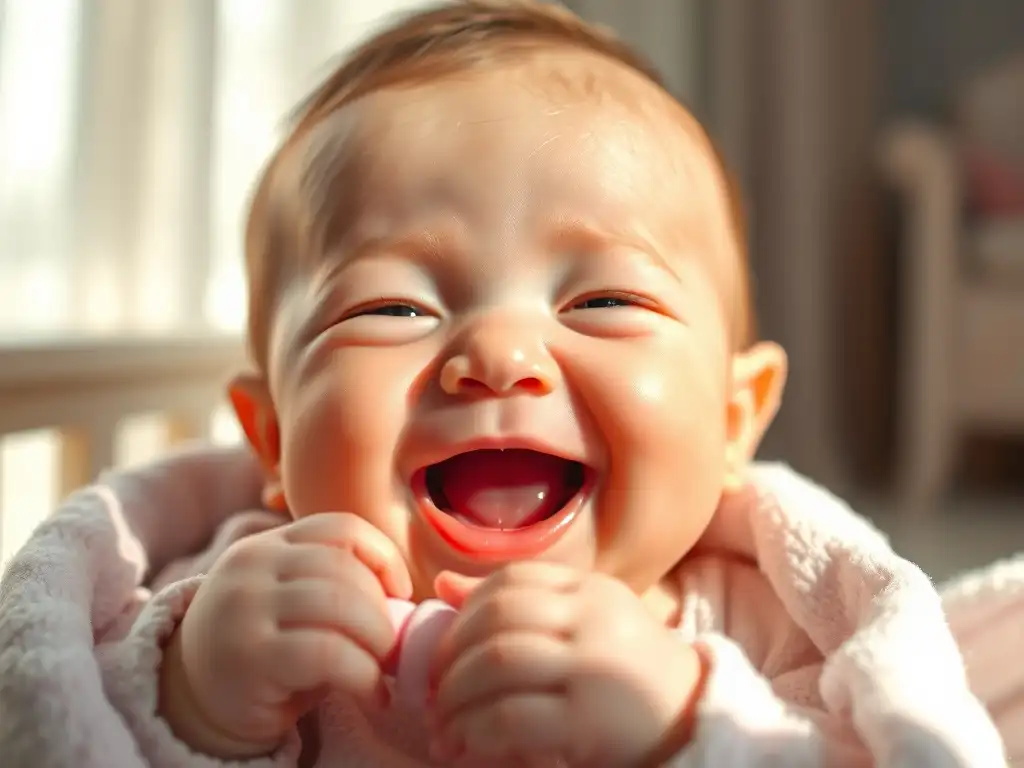
This section focuses on the significance of a baby's first smile as a crucial developmental milestone. It's more than just a cute expression; it marks a significant step in your baby's social and emotional development, signifying the strengthening of their neurological connections and their growing ability to interact with the world around them.
The timing of this precious moment varies, but understanding the typical timeframe and what influences it can help parents appreciate this unique stage of their baby's journey. We'll explore the factors that contribute to this milestone and how parents can nurture their baby's development to encourage these early expressions of joy.
Capturing Those Precious Moments: Photography and Memory-Keeping
The first smile is a fleeting moment, but one you’ll want to remember forever. Capturing this milestone through photographs and videos is a wonderful way to preserve the memory. Consider these tips for capturing the perfect shot:
- Optimal Lighting: Natural, soft light is best. Avoid harsh shadows. A window with diffused sunlight is ideal.
- Camera Ready: Have your camera or phone ready before attempting to elicit a smile. Being prepared will help you capture the spontaneous moment.
- Patience is Key: Babies aren't on a schedule. Be patient and relaxed; a stressed parent often translates to a stressed baby.
- Special Touches: Consider incorporating props that are significant to you and your family, like a favorite blanket or stuffed animal, to personalize the pictures.
- Beyond Photos: Keep a special journal or scrapbook dedicated to documenting your baby's development. Write down the date and any details you remember about the day of their first smile. Include details like the time of day, what you were doing, and how you felt. This adds a personal touch beyond just the image.
Consider creating a digital photo album, too. This allows for easy sharing with loved ones, and many platforms offer advanced searching and organization capabilities. Remember, the goal isn’t perfect professional photos; it’s about capturing the authenticity and joy of the moment. It's about preserving the memory of this special developmental milestone – your baby's first smile.
The arrival of a baby brings immense joy, and sharing this special milestone with loved ones is a natural and fulfilling experience. Announcing your baby's first smile can strengthen family bonds and create lasting memories for everyone involved. Consider several ways to share this precious moment:
- Social Media: Many parents choose to share photos and videos of their baby's first smile on social media platforms. Remember to be mindful of privacy settings and only share with those you're comfortable with.
- Family Gatherings: A family gathering is a perfect opportunity to showcase this precious moment, allowing grandparents, aunts, uncles, and other family members to share in the joy.
- Video Calls: If family lives far away, video calls provide a great way to share this special moment live. Seeing the smile in real-time adds a special dimension.
- Personalized Announcements: Create a personalized announcement card or email to share the news with loved ones who may not be able to see the baby in person. This could include a photo of the baby's first smile and a short message about this special occasion.
Sharing this milestone helps build a supportive network around your baby and family. It’s a way to celebrate the joy and share the wonder of this special time. This sharing is an integral part of the experience, fostering connection and creating a lasting memory for everyone involved.
Celebrating This Special Developmental Milestone
Celebrating your baby's first smile is a deeply personal experience. There's no right or wrong way to mark this occasion. Focus on what feels meaningful to you and your family. Here are a few ideas to consider:
- A Small Gift: A small, symbolic gift to commemorate the occasion, such as a framed photo of the first smile, a special piece of jewelry engraved with the date, or a personalized baby book, can be a wonderful way to remember this moment.
- A Special Meal: Sharing a special meal with your partner or family can be a wonderful way to celebrate. This allows for reflection and the sharing of joy.
- A Quiet Moment: Sometimes, the best celebration is a quiet moment of reflection, savoring the wonder of this new stage in your baby's development.
Remember, the true celebration lies in acknowledging and cherishing the significance of this milestone. It's a testament to your baby's progress and the unique bond you share. It marks a significant step in your baby's developmental journey, showcasing their burgeoning social and emotional intelligence. Your baby's first smile is a moment to treasure and celebrate—a milestone that marks the beginning of a lifetime of joy and connection. Enjoy this beautiful journey!
Addressing Concerns: When to Seek Professional Advice
A baby's first smile is a joyous milestone, a beacon of connection in the early parent-child relationship. While most babies smile within the expected timeframe, understanding potential deviations and knowing when to seek professional advice is crucial for ensuring your little one's healthy development. This section focuses on identifying potential concerns related to delayed smiling and guiding you towards the appropriate resources. Remember, early intervention is key in addressing any developmental delays. This information is for educational purposes and should not replace professional medical advice.
Delayed Smiling: Understanding Potential Causes and Next Steps
While the timing of a baby's first genuine smile varies, a significant delay can sometimes indicate underlying issues. A "genuine" smile is different from a reflexive smile – it's a broader, more expressive smile often triggered by social interaction, not just gas or comfort. Several factors might contribute to delayed smiling:
- Premature birth: Babies born prematurely may reach developmental milestones, including smiling, later than full-term infants. Their neurological development needs more time to mature. The degree of prematurity significantly impacts this timeline.
- Underlying health conditions: Certain neurological or genetic conditions can affect a baby's development and may delay the onset of smiling. This includes conditions that may impact muscle tone or neurological pathways responsible for facial expressions.
- Sensory processing difficulties: Some babies might have difficulties processing sensory information, impacting their responsiveness to social cues and potentially delaying their smiles. This can manifest as heightened sensitivity to light, sound, or touch.
- Feeding difficulties: Chronic feeding problems and associated stress can also impact a baby's overall development and social engagement, indirectly influencing the timing of their first smile. A baby constantly distressed by feeding might not have the energy or emotional capacity to smile.
- Rare cases: In rare instances, delayed smiling could be linked to more severe conditions requiring specialized medical attention. It's crucial to consult a professional if you have any concerns.
It's important to note that a delayed smile doesn't automatically indicate a problem. Many babies simply develop at their own pace. However, consistent monitoring and open communication with your pediatrician are vital. If you notice a significant delay or have any concerns about your baby's development, seeking professional advice is crucial.
When to Consult Your Pediatrician or Child Development Specialist
Consulting a professional is recommended if your baby shows any of the following:
- Absence of social smiles by 6 months of age: While variations exist, the absence of genuine social smiles by this age warrants a check-up.
- General developmental delays: Delayed smiling often accompanies other developmental delays, such as difficulty holding their head up, rolling over, or reaching for objects. These combined delays should be addressed promptly.
- Lack of responsiveness to social cues: If your baby seems unresponsive to your voice, face, or attempts at interaction, it’s essential to seek professional evaluation.
- Other concerning behaviors: Unusual irritability, excessive crying, or other atypical behaviors should be brought to the attention of your pediatrician.
Your pediatrician can conduct a thorough assessment, including a physical examination and developmental screening. They can then refer you to a child development specialist or other relevant professionals if needed. Early intervention services can provide crucial support and guidance, helping your baby reach their full potential.
Resources and Support for Parents
Navigating the complexities of infant development can be challenging. Remember, you're not alone. Numerous resources are available to provide support and guidance:
- Your pediatrician: Your pediatrician is your first point of contact for any concerns related to your baby's health and development.
- Child development specialists: These specialists assess and address developmental delays and provide tailored support for parents.
- Online support groups: Connecting with other parents facing similar challenges can provide valuable emotional support and practical advice.
- Local parent-child programs: Many communities offer programs designed to support early child development, providing educational resources and social interaction opportunities.
The journey of parenthood is filled with joys and challenges. By staying informed, actively monitoring your baby's development, and seeking professional help when needed, you can ensure your baby thrives and enjoys a healthy start in life. Remember, early intervention is key to addressing any concerns promptly and effectively. Always prioritize open communication with your healthcare provider.
Frequently Asked Questions
When can I expect my baby's first smile?
Most babies will show their first social smiles between 6 and 8 weeks old. Before that, they might have reflexive smiles, but these are not true social smiles. It's a truly joyous milestone!
A social smile is a meaningful, responsive smile directed at a person, usually a caregiver. It's different from a reflexive smile, which is often spontaneous and not directed at anything in particular. Look for a warm, engaged expression.
Is there a range of normal for baby's first smiles?
Yes, there's some variability. While 6-8 weeks is typical, some babies might smile a little earlier or later, and it's still considered within the normal range if it's before 12 weeks. Don't worry if your baby is slightly outside this timeframe.
My baby is older than 8 weeks and hasn't smiled yet. Should I be concerned?
If your baby is showing other signs of healthy development, such as eye contact and interaction, a slightly delayed smile isn't usually cause for alarm. However, it's always best to consult your pediatrician if you have any concerns about your baby's development.
How can I encourage my baby to smile?
Interaction is key! Talk, sing, and make silly faces at your baby. Skin-to-skin contact and playing gentle games can also help encourage those precious smiles. Enjoy this special bonding time!
Final Reflection: The Enduring Power of a Baby's First Smile
The simple act of a baby's first smile, a seemingly insignificant milestone, holds profound significance in shaping the parent-child bond and underscores the enduring power of human connection. This seemingly small event is a powerful testament to the incredible capacity for love and the intricate development of the human brain, a moment etched forever in the memories of parents worldwide. The joy it brings transcends cultural boundaries and speaks to the universal human experience of parenthood.
The impact of that first smile ripples far beyond the immediate family. It's a moment that shapes our understanding of love, responsibility, and the profound responsibility of nurturing a new life. It's a reminder of the innate human capacity for empathy and connection, a capacity that is crucial for building healthy societies. The most important thing a father can do for his children is to love their mother.
– Theodore Hesburgh. This quote, while focusing on the parental relationship, highlights the interconnectedness of these early bonds and their lasting influence on a child's development and well-being. The joy of that first smile is a foundational element in this crucial network of love.
Now, consider your own experiences with babies and young children. Remember the overwhelming feeling of love and connection you felt, or perhaps witnessed in others. Reflect on the power of those early interactions and how they shaped your own understanding of love and relationships. Embrace the joy of these precious moments, for they are the building blocks of a lifetime of connection and understanding. Cherish the smiles, the coos, the tiny grasps of a hand – these are the moments that define the beautiful journey of parenthood and the enduring power of human connection.
Unveil Your Baby's Unique Smile Story!
Thank you for joining us on this heartwarming journey into the world of baby's first smiles! We hope you enjoyed learning about the significance of those precious moments and the ways to nurture those early bonds. Ready to take the next step?
- Capture those smiles! Create a dedicated photo album—physical or digital—to cherish these fleeting moments forever. Add dates, times, and even little anecdotes about what made your baby smile. This will be a treasured keepsake for years to come.
- Share your baby's most captivating smile with our BabyCareHub community! Post a picture in the comments below and inspire other parents with your joy.
- Explore different activities and games that encourage smiling and interaction. Try making silly faces, singing songs, or using colorful toys—the possibilities are endless!
What unique milestone or smile-worthy moment are you most looking forward to with your little one?