
Baby's Social Development: Recognizing Milestones and Challenges

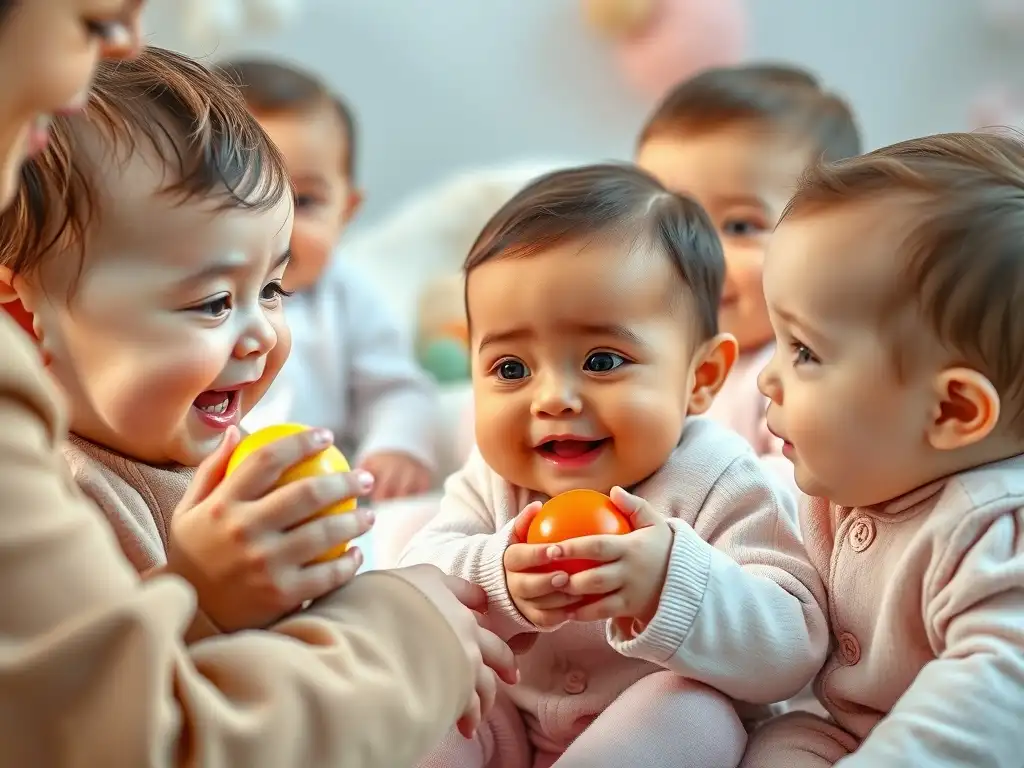
Welcome to BabyCareHub, your ultimate guide to navigating the incredible journey of parenthood! Are you curious about the fascinating world of your baby's social development? We'll unlock the secrets of baby social development milestones, helping you understand what to expect and how to support your little one's growth at every stage. Discover the key milestones and potential challenges ahead – prepare to be amazed by your baby's progress and empowered to nurture their blossoming personality. Let's embark on this exciting adventure together!
- Understanding Baby Social Development Milestones: A Comprehensive Guide
- Key Social Development Milestones in the First Year
- Common Challenges in Baby Social Development
-
Supporting Your Baby's Social Development
- Creating a Stimulating and Interactive Environment: Playtime and Social Opportunities
- Engaging in Face-to-Face Interactions: The Importance of Eye Contact and Vocalization
- Reading and Singing to Your Baby: Stimulating Language Development
- Responding to Your Baby's Cues: Building Emotional Intelligence
- Seeking Professional Help When Needed: Early Intervention Strategies
- When to Seek Professional Advice Regarding Baby Social Development
-
Frequently Asked Questions
- What are some key social development milestones for babies?
- How can I encourage my baby's social development?
- What if my baby is not meeting the expected social milestones?
- How does a baby's temperament affect their social development?
- What are some common challenges parents face regarding baby's social development?
- Final Reflection: Nurturing the Seeds of Social Connection
- Unlock Your Baby's Social Potential
Navigating the world of parenthood, especially for first-time parents, can feel overwhelming. One area that often sparks curiosity and sometimes concern is a baby's social development. Understanding the typical milestones in social interaction is crucial for parents to feel confident in their parenting journey and to identify potential areas needing further attention.
This comprehensive guide will explore key social development milestones in babies, providing a framework for understanding your little one's progress and fostering healthy social-emotional growth. We will delve into the fascinating journey of your baby’s social development, from their earliest interactions to the development of strong bonds with their caregivers. This guide will help you recognize key milestones, address common challenges, and celebrate the unique journey of your baby's social growth.
Remember that every baby develops at their own pace, and this guide serves as a helpful reference, not a rigid standard. Always consult with your pediatrician if you have any concerns about your baby's development.
During the first three months of life, your baby's social world is primarily centered around basic interactions and responses to stimuli. While they may not yet engage in complex social exchanges, they are actively learning and building the foundations for future social skills. You'll likely observe some key developmental milestones:
- Reflexive Smiles: Newborns often exhibit reflexive smiles, which are involuntary and not yet truly social. These smiles are usually triggered by internal factors or physical sensations.
- Social Smiles: Around 6-8 weeks, you'll likely see the emergence of true social smiles. These smiles are a response to external stimuli, such as your voice, face, or touch, indicating the beginning of social interaction.
- Cooing and Gurgling: Your baby may start to coo and gurgle, experimenting with sounds and attempting to communicate. These sounds are early precursors to language development and are a crucial part of social interaction.
- Responding to Faces: Babies at this age are drawn to faces, particularly those of their caregivers. They may follow faces with their eyes and respond with focused attention, laying the groundwork for future face-to-face interactions.
The following table summarizes the typical social milestones during this period:
| Age Range (Weeks) | Milestone | Description |
|---|---|---|
| 0-4 | Reflexive Smiling | Involuntary smiles, not yet social. |
| 6-8 | Social Smiling | Smiles in response to external stimuli, like faces and voices. |
| 8-12 | Cooing and Gurgling | Experimenting with sounds, early forms of communication. |
| 8-12 | Responding to Faces and Voices | Shows focused attention to faces and responds to familiar voices. |
Remember to cherish these early interactions! Talking, singing, and making faces at your baby strengthens your bond and fosters their social development.
As your baby enters the 3-6 month period, their social repertoire expands significantly. They become more adept at recognizing and responding to social cues from others.
- Increased Responsiveness: Babies at this age become increasingly responsive to facial expressions, vocalizations, and body language. They will start to anticipate interactions and show clear preferences for certain individuals, especially caregivers.
- Turn-Taking in Interactions: A crucial milestone during this period is the emergence of turn-taking in social interactions. This involves engaging in back-and-forth exchanges, such as babbling and responding to your babbling.
- Laughing: Genuine laughter typically emerges around 4-6 months, marking a significant leap in social and emotional development. This is a joyous milestone signifying their enjoyment of social interactions.
- Differentiation of Emotions: Babies begin to differentiate between different emotional expressions, such as happiness, sadness, and surprise, further enriching their social understanding.
This stage is characterized by a significant increase in reciprocal interaction. The baby is no longer just passively receiving stimuli but actively participating in social exchanges.
Between 6 and 9 months, the development of secure attachment with primary caregivers becomes a central focus. This period is marked by the strengthening of social bonds and the development of more sophisticated social behaviors.
- Stranger Anxiety: Many babies begin to exhibit stranger anxiety around this time, showing distress when approached by unfamiliar individuals. This is a normal developmental milestone indicating their growing awareness of social boundaries and their preference for familiar faces.
- Separation Anxiety: Similar to stranger anxiety, separation anxiety may also emerge, with babies showing distress when separated from their primary caregivers. This highlights the development of a strong attachment bond.
- Joint Attention: Babies begin to engage in joint attention, sharing focus on an object or event with another person. This signifies a significant step forward in their understanding of shared experiences and social communication.
- Showing Affection: Babies at this age may start to show more overt signs of affection, such as hugging, kissing, or cuddling. This signifies the deepening of their emotional bonds with caregivers.
This period is crucial for the development of a secure attachment, which lays the foundation for healthy social and emotional development throughout life. Responding sensitively to your baby's needs during this time is essential for fostering a strong and secure attachment bond. Providing consistent care, responding to their cues promptly, and offering plenty of physical affection all contribute to a positive social-emotional development.
Early Communication: Babbling, Gestures, and Turn-Taking (9-12 Months)
Between 9 and 12 months, your baby's social development explodes with advancements in communication. This isn't just about saying "mama" or "dada"—although those are exciting milestones! It's about a much richer tapestry of interactions woven from babbling, gestures, and the crucial skill of turn-taking.
You'll likely notice a significant increase in babbling during this period. Your baby may string together consonant-vowel combinations like "bababa" or "dadada," experimenting with sounds and their effect on you. This isn't just random noise; it's their way of practicing language and engaging with you. Respond enthusiastically to their babbling, mimicking their sounds and expanding on them. This back-and-forth exchange is crucial for language development and strengthens your bond. For example, if your baby babbles "ba-ba," you could respond with "ba-ba-ba! That's a great sound! What are you saying?"
Gestures become increasingly sophisticated. Instead of just pointing, your baby might use gestures to communicate specific needs or desires. They might point at a toy they want, wave goodbye, or reach out for your hand. These gestures demonstrate a growing understanding of symbols and their ability to use them to influence their environment. Actively encourage and interpret these gestures. If your baby points at a cookie jar, you might say, "Oh, you want a cookie! Let's get one." This connection between gesture and understanding builds their vocabulary and confidence in communicating.
Perhaps the most significant milestone in this period is the development of turn-taking. This is the foundation of conversation. You'll see it in simple games like peek-a-boo or patty-cake, where your baby anticipates your actions and responds accordingly. They learn to wait for their turn, to engage in a reciprocal exchange, and to understand the rhythm of interaction.
This ability to participate in turn-taking is a vital predictor of future language and social skills. Even seemingly simple interactions like sharing a book or singing songs together contribute to this crucial development. The more you engage in these interactive activities, the better your baby will understand the social dynamics of communication. Remember, consistent, positive interaction is key to nurturing this budding social skill.
Celebrate every attempt at communication, no matter how small, to encourage further growth and development in your baby's social skills. This period sets the stage for future complex communication, making it a truly exciting time in your baby's life. The development of these skills is a crucial step towards building strong social connections and fostering healthy communication patterns.
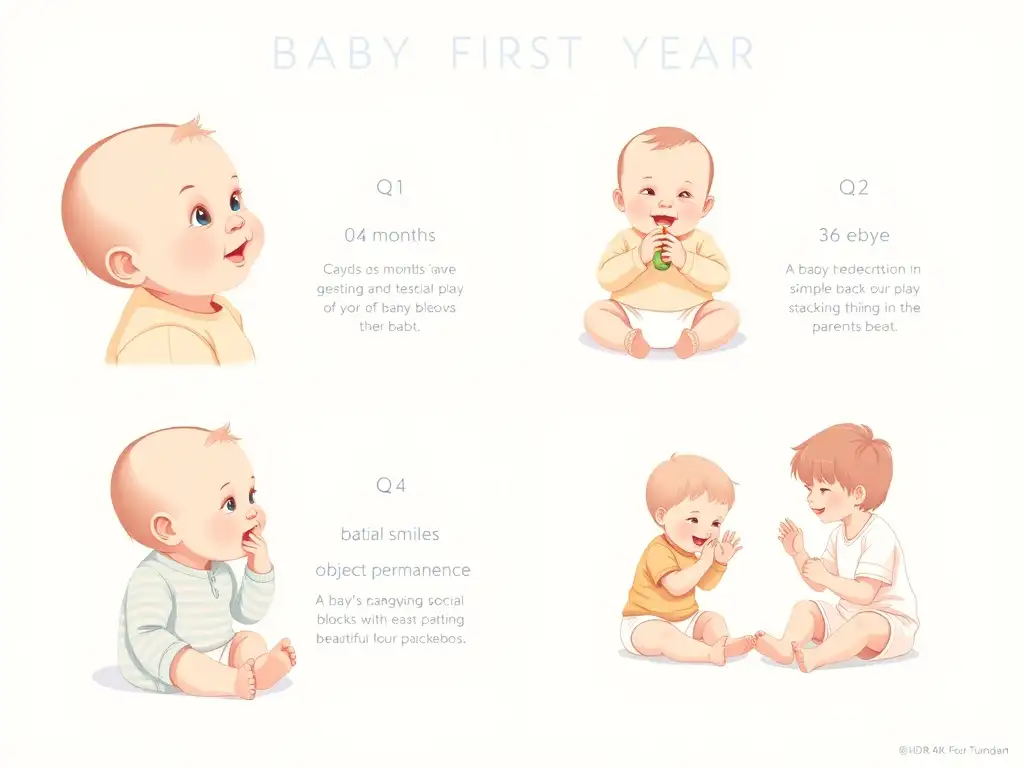
This section details key social development milestones your baby will likely reach within their first year. Understanding these milestones helps you appreciate your baby's progress and identify potential areas needing further attention. Remember, every baby develops at their own pace, so variations are normal. However, significant delays warrant consultation with your pediatrician. This information focuses on typical baby social development milestones, offering insights into your little one's burgeoning social world.
Smiling and Laughing: The Development of Expressive Communication
The first smiles and laughs are joyous milestones marking a significant leap in your baby's social and emotional development. While early reflexive smiles might occur in the newborn phase, the truly meaningful, social smiles emerge around 2 to 3 months of age. These smiles are often triggered by faces, voices, and positive interactions. Think of it as your baby's way of saying, "I see you, and I like you!"
By 4 to 6 months, you'll likely see more frequent, broader smiles, often accompanied by gurgles and coos. These are signs of active engagement and enjoyment of social interaction. The emergence of laughter typically follows, usually around 4 months, but can extend to 6 or even 7 months in some babies. This laughter is often triggered by playful interactions, like peek-a-boo or tickling.
The development of expressive communication through smiles and laughter is crucial. It strengthens the bond between you and your baby, encouraging further interaction and positive feedback loops. This early communication lays the foundation for more complex social interactions in later stages. Observing the timing and frequency of these expressions can help you gauge your baby's social progress and emotional well-being. Remember to document these precious moments! 👶
Responding to Names and Simple Commands: Early Language Comprehension
Another crucial baby social development milestone is the ability to respond to their name and simple commands. While your baby might not understand the meaning of words fully at this stage, they begin to associate sounds with actions and people. Around 6 months, your baby might start turning their head when you call their name, indicating recognition. This is a significant step in language comprehension and social responsiveness.
By 8 to 12 months, your baby's understanding of simple commands like "wave bye-bye" or "give me the toy" should improve significantly. They might not always obey perfectly, but their attempts to follow instructions demonstrate their growing understanding of language and their connection to the people around them. This responsiveness indicates their increasing ability to participate in social interactions, understanding requests and expectations.
This progress reflects the rapid development of their brain's language processing centers and their growing awareness of their environment and the people within it. The ability to follow simple commands is a key indicator of healthy social development and cognitive abilities. Keep interacting, talking, and singing to your baby—it significantly contributes to their language acquisition and social-emotional growth.
Stranger Anxiety and Separation Anxiety: Understanding Normal Developmental Fears
Stranger anxiety and separation anxiety are common developmental milestones, typically emerging between 6 and 8 months of age, though the onset and intensity vary significantly between babies. Stranger anxiety manifests as distress or apprehension when encountering unfamiliar people. Separation anxiety involves distress when separated from primary caregivers, typically the parents.
These anxieties are not signs of a problem; rather, they indicate your baby's developing sense of self and their growing understanding of attachment. They are learning to differentiate between familiar and unfamiliar faces and are developing a strong bond with their primary caregivers. This bond provides a sense of security and comfort, and separation from that security source causes distress.
While these anxieties can be challenging for parents, understanding their developmental significance helps manage them effectively. Gentle reassurance, maintaining consistent routines, and gradually exposing your baby to new people in a controlled environment can help alleviate these anxieties. Remember, these feelings are normal, and they eventually subside as your baby's understanding of the world expands and their sense of security strengthens. Patience and understanding are key during this phase. ❤️
Developing Preferences for Specific People: The Building of Secure Attachments
By around 2 to 3 months of age, babies begin to show a clear preference for familiar faces, particularly their primary caregivers. This isn't just about recognizing faces; it's about the development of genuine attachment. This preference manifests in various ways: a calmer demeanor in the presence of familiar individuals, a more pronounced smile or gurgle of delight, and a greater willingness to engage in interactive play.
The baby's brain is actively working to build a secure base—a feeling of safety and comfort—with these key individuals. This secure attachment is crucial for their future emotional and social well-being. A securely attached baby feels confident to explore their environment knowing they have a safe haven to return to.
This preference isn't solely based on who feeds them or changes their diapers, though these actions certainly contribute. It's a complex interplay of factors including the consistency of care, the responsiveness of the caregiver to the baby's cues, and the overall quality of the interaction. A caregiver who consistently responds to a baby's cries, offers soothing comfort, and engages in playful interaction fosters a stronger sense of security and attachment.
Conversely, inconsistent or unresponsive caregiving can lead to insecure attachment, potentially impacting the baby's later social and emotional development. This is why consistent and loving care is so paramount in a baby's early life. It's the foundation upon which all future relationships are built.
The development of these preferences and attachments is a gradual process. It's not an overnight event. You'll likely notice a subtle shift in your baby's behavior as they become more attuned to specific individuals. Observe their reactions; they'll provide valuable insights into their growing social understanding and the development of their preferred relationships.
Remember, every baby develops at their own pace, so there's no need for comparison. Focus on providing a nurturing and responsive environment to support your baby's unique journey. The establishment of secure attachments during this early period is a significant milestone in their social development, setting the stage for healthy relationships throughout life. This process lays the groundwork for the development of trust, empathy, and a secure sense of self.
Navigating the world of baby social development milestones can be both exciting and challenging. While most babies hit key milestones around the same time, variations exist, and some babies may face specific hurdles. Understanding these potential difficulties is crucial for providing appropriate support and fostering healthy social-emotional growth. This section focuses on common challenges, offering insights into identifying concerns and suggesting strategies for intervention.
Remember, early identification and intervention are key to ensuring your baby's optimal development. Always consult your pediatrician if you have any concerns about your baby's progress. This information is for educational purposes and should not replace professional medical advice.
Recognizing delays in baby social development milestones is important for early intervention. While the timing of these milestones can vary, significant delays might warrant a closer look. For instance, a baby who consistently fails to meet expected milestones, such as a lack of smiling by 6 months, limited response to their name by 12 months, or absence of meaningful interaction with caregivers, could be experiencing a delay.
Several factors can contribute to these delays. These include:
- Premature birth: Premature babies often require extra time to catch up developmentally.
- Underlying health conditions: Certain medical conditions can impact social development.
- Sensory processing difficulties: Babies with sensory sensitivities may struggle to process social cues effectively.
- Limited environmental stimulation: A lack of engaging interactions and opportunities for social learning can hinder development.
It's crucial to document your baby's progress. Keep a simple developmental checklist, noting when specific milestones are achieved. This record can be invaluable when discussing concerns with your pediatrician. For example, a helpful tracking system could include noting the first instance of smiling, babbling, pointing, and responding to their name. Remember, early intervention is key, so don't hesitate to seek professional advice if you notice significant delays.
Difficulties with social interaction often manifest as communication delays. While all babies develop at their own pace, persistent challenges with communication could indicate underlying issues. These challenges might include:
- Limited eye contact: A consistent lack of eye contact can be a sign of difficulty engaging socially.
- Reduced responsiveness to social cues: Failing to respond appropriately to smiles, gestures, or vocalizations can be a concern.
- Difficulty understanding and responding to simple instructions: This can manifest as a lack of response to simple commands like "come here" or "wave bye-bye".
- Delayed language development: Fewer vocalizations or slower language acquisition than expected for their age.
Addressing these difficulties might involve strategies like:
- Increased face-to-face interaction: Spend dedicated time engaging with your baby face-to-face, making eye contact, and using expressive vocalizations.
- Interactive play: Engage in activities that encourage back-and-forth communication, such as peek-a-boo and simple games.
- Early intervention programs: Professional help from therapists specialized in early childhood development can provide tailored support.
Consistent and patient interaction is crucial. Creating a nurturing environment rich in sensory stimulation and opportunities for communication can significantly impact a baby's social development. Remember to celebrate even small achievements, positively reinforcing their efforts.
Excessive Shyness or Anxiety: Helping Your Baby Feel Secure
Some babies exhibit excessive shyness or anxiety, impacting their social interactions. This might manifest as clinging behaviors, avoidance of new people or situations, or difficulty separating from caregivers. While some level of shyness is normal, excessive anxiety can hinder social development.
Understanding the underlying causes is essential. Factors contributing to excessive shyness or anxiety might include:
- Temperament: Some babies are naturally more cautious and reserved.
- Past experiences: Negative experiences, such as illness or stressful events, can impact a baby's social confidence.
- Parenting styles: Overly protective parenting can sometimes inadvertently increase anxiety.
Helping your shy or anxious baby feel secure involves:
- Creating a safe and predictable environment: Consistency in routines and interactions can provide a sense of security.
- Gradual exposure to new situations and people: Introduce new experiences slowly, allowing your baby to adjust at their own pace.
- Positive reinforcement: Praise and encouragement can build confidence and reduce anxiety.
- Seeking professional support: If anxiety significantly impacts your baby's daily life, consider seeking guidance from a pediatrician or child psychologist.
Remember that every baby is unique, and their social development journey will be different. Patience, understanding, and consistent support are key to nurturing healthy social-emotional growth. By proactively addressing potential challenges and celebrating milestones, you can help your baby thrive socially and emotionally.
Aggressive Behavior: Understanding and Managing Early Aggression
Aggressive behavior in babies might seem surprising, but it's important to understand that it's often a manifestation of their developmental stage and communication limitations. Babies, especially toddlers, lack the sophisticated communication skills to express frustration or unmet needs verbally. Instead, they might resort to hitting, biting, or kicking.
This isn't necessarily malicious; it's often a way of expressing themselves when they feel overwhelmed, tired, hungry, or simply don't know how else to get their needs met. For example, a baby who is teething might bite because of the discomfort, not out of a desire to hurt someone. Similarly, a tired baby might lash out because they lack the ability to articulate their fatigue.
Understanding the root cause of the aggressive behavior is crucial for effective management. Parents should try to identify triggers – is it always at a specific time of day? Is it related to hunger, tiredness, or a specific activity? Keeping a detailed journal can be incredibly helpful in identifying patterns. Once the triggers are identified, parents can implement strategies to mitigate the aggressive outbursts. This could involve offering the baby a comforting object, redirecting their attention to a different activity, or providing additional support during challenging situations.
Positive reinforcement is key. When the baby exhibits non-aggressive behavior, praise and encouragement should be given. This helps the baby learn to associate positive responses with calm behavior. Ignoring minor aggressive behaviors (unless they are directed at someone who could be hurt) can also be effective, as it removes the attention the baby may be seeking. However, it's vital to ensure that the baby understands that the behavior is unacceptable, even if it's not actively punished. This can be done through calm but firm communication.
Remember, consistency is essential. Parents and caregivers should maintain a unified approach to managing aggressive behavior. Inconsistent responses can confuse the baby and make it harder to modify their behavior. If the aggressive behavior is severe or persistent, or if you are concerned about your baby's development, consulting a pediatrician or child development specialist is crucial. They can offer personalized guidance and strategies, potentially ruling out underlying medical or developmental issues.
Early intervention is key to preventing the behavior from becoming entrenched. The goal isn't to suppress the baby's emotions, but to teach them healthier ways of expressing frustration and anger. This process requires patience, understanding, and a consistent approach from the caregivers. 👶
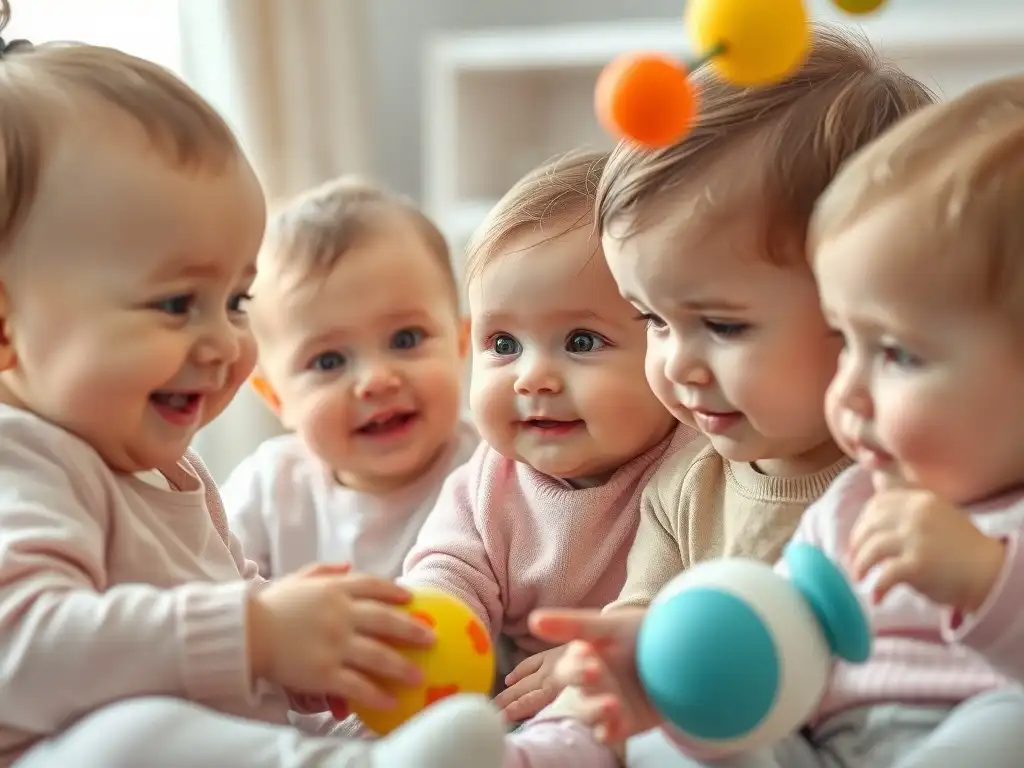
This section focuses on practical strategies to nurture your baby's burgeoning social skills, a crucial aspect of their overall development. Remember, every baby develops at their own pace, but consistent engagement and a stimulating environment significantly impact their social growth. We'll explore key areas to focus on, providing actionable advice to help you support your little one's journey. Consistent, loving interaction is key to fostering healthy baby social development milestones.
Creating a rich and engaging environment is paramount for your baby's social development. This doesn't require expensive toys; rather, it's about providing opportunities for exploration, interaction, and sensory stimulation. Think about incorporating these elements into your daily routine:
- Tummy time: Not just for physical development, tummy time also encourages your baby to engage with their surroundings, observe you, and practice lifting their head, strengthening neck muscles and improving eye contact – all crucial for social interaction. Aim for several short sessions throughout the day.
- Sensory play: Engage your baby's senses through varied textures, sounds, and sights. Soft blankets, crinkly toys, and brightly colored mobiles can be incredibly stimulating. Consider using different textured fabrics during playtime, like soft fleece, smooth silk, or rough burlap.
- Social interaction: Expose your baby to different people and environments. Safe and controlled interactions with family members and friends help your baby learn about social cues and different personalities. However, always prioritize your baby's comfort and avoid overwhelming them with too much stimulation at once.
- Playtime variety: Don't stick to the same routine every day. Introduce new toys and activities regularly to keep your baby engaged and prevent boredom. This variety helps stimulate their curiosity and encourages exploration, both essential components of social development. Even simple changes, like moving toys to different locations, can spark new interest.
Remember, the goal is not to create a perfectly structured playtime schedule, but to offer a variety of engaging experiences that nurture your baby’s curiosity and social skills. Observe your baby’s reactions and adjust accordingly.
Engaging in Face-to-Face Interactions: The Importance of Eye Contact and Vocalization
Face-to-face interaction is the cornerstone of early social development. These interactions lay the foundation for communication, emotional connection, and social understanding. Here’s how to maximize the impact of these precious moments:
- Eye contact: When interacting with your baby, maintain consistent eye contact. This helps them learn to recognize faces, understand emotions, and develop a sense of connection. Babies often respond well to soft gazes, and mimicking their expressions can strengthen the bond.
- Vocalizations: Use baby talk (infant-directed speech) which involves higher pitch, exaggerated intonation, and repetition. This helps your baby understand language patterns and develop their own vocalizations. Responding to your baby’s coos and gurgles with similar sounds encourages reciprocal communication.
- Imitation: Mirror your baby’s facial expressions and sounds. This helps them understand that their actions elicit responses, fostering a sense of agency and encouraging further interaction. This simple act can be incredibly powerful in building a strong parent-child bond.
- Turn-taking: Engage in back-and-forth interactions. Pause after speaking or making a sound, giving your baby time to respond. This establishes a communicative rhythm that lays the groundwork for more complex conversations later.
Regular, engaging face-to-face interactions are not just about playtime; they are essential for building a strong emotional connection and fostering healthy social and emotional development. This strengthens the bond between you and your baby, contributing to their overall well-being.
Reading and Singing to Your Baby: Stimulating Language Development
Reading and singing to your baby aren’t just enjoyable activities; they are powerful tools for stimulating language development, which is intrinsically linked to social skills. Here's how to incorporate these activities effectively:
- Reading aloud: Choose brightly colored board books with simple pictures and repetitive phrases. Point to the pictures as you read, and use expressive tones to keep your baby engaged. Even if your baby isn't understanding the words yet, the rhythm and intonation of your voice are stimulating.
- Singing songs: Nursery rhymes and lullabies are excellent for language development. The repetitive nature of these songs helps babies learn new words and sounds. Consider singing songs that involve actions, further engaging your baby physically and socially.
- Interactive reading: Make reading time interactive. Ask simple questions, like "Where's the dog? ", encouraging your baby to look at the pictures and engage with the story. This participatory approach fosters early communication skills.
- Variety of books: Introduce a variety of books with different themes and illustrations. This broadens your baby’s vocabulary and helps them associate words with objects and concepts, laying the groundwork for future social interactions and understanding.
Remember, the goal is to create a positive and enjoyable experience. Reading and singing should be a fun and engaging activity for both you and your baby, building a strong foundation for language acquisition and social development. The consistent exposure to language significantly impacts their baby social development milestones.
Responding to Your Baby's Cues: Building Emotional Intelligence
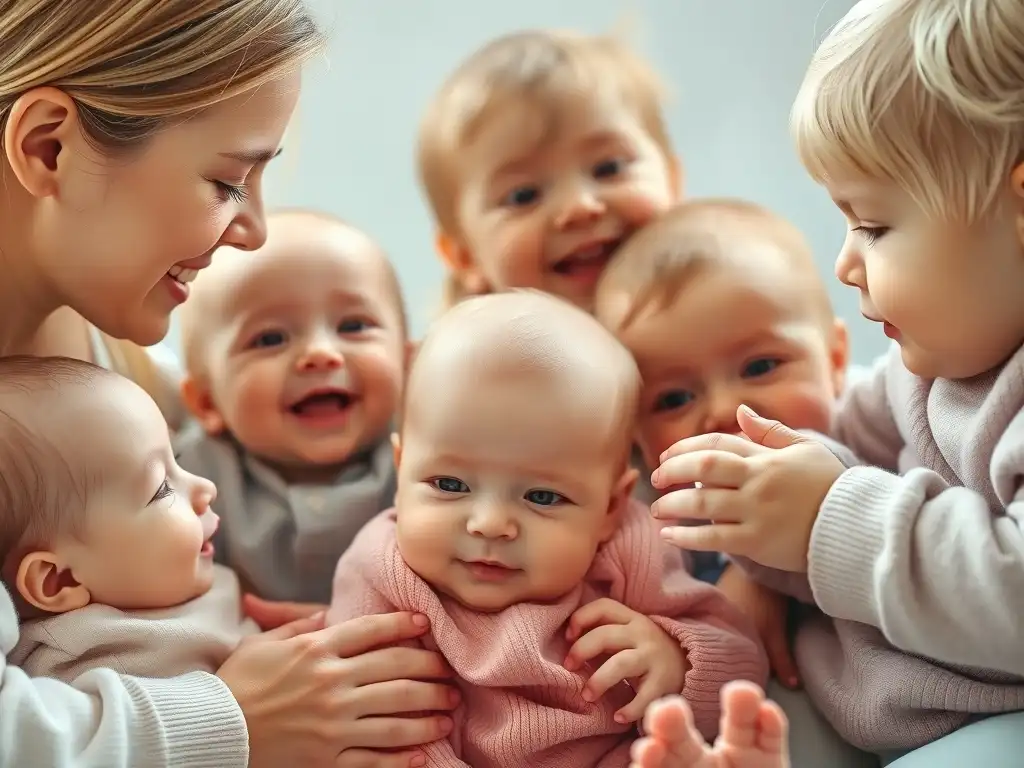
Understanding and responding to your baby's cues is fundamental to their social and emotional development. This involves recognizing subtle signals like facial expressions, body language, and vocalizations. A baby's cry, for example, isn't always a sign of hunger; it could indicate discomfort, tiredness, or a need for comfort. Learning to differentiate these cues is crucial for building a strong parent-child bond and fostering emotional intelligence.
Early responsiveness teaches your baby that their feelings matter and that they can rely on you for support. This consistent interaction lays the groundwork for healthy emotional regulation, empathy, and social skills later in life. For instance, if your baby is fussy and you respond promptly with soothing cuddles or a calming voice, they learn that their distress is acknowledged and addressed.
This positive experience helps them develop trust and security, crucial for healthy emotional development. Conversely, neglecting or ignoring a baby's cues can lead to feelings of insecurity and anxiety, potentially impacting their ability to form healthy relationships in the future.
It's important to remember that every baby is unique and their cues may vary. What works for one baby might not work for another. Observe your baby closely, paying attention to their individual patterns and responses. Consider keeping a journal to track their cues and your responses, which can be helpful in identifying patterns and adjusting your approach as needed. This practice fosters a deeper understanding of your baby's needs and strengthens your ability to respond effectively, contributing significantly to their social and emotional growth. Remember patience and consistency are key; building emotional intelligence takes time and effort.
Seeking Professional Help When Needed: Early Intervention Strategies
While most babies develop socially and emotionally at their own pace, sometimes early intervention is necessary. Recognizing the signs of potential developmental delays is crucial for ensuring your baby receives the support they need. If you notice significant delays in your baby's social interaction, such as a lack of response to your voice or face, limited eye contact, or an inability to engage in reciprocal play, it's essential to seek professional guidance.
Early intervention programs offer valuable resources and support for babies and their families. These programs typically involve a multidisciplinary team of professionals, including pediatricians, developmental specialists, and therapists, who work collaboratively to assess your baby's needs and develop an individualized plan. This plan may include therapeutic interventions, such as speech therapy, occupational therapy, or developmental play sessions, designed to address specific challenges and promote healthy development.
Don't hesitate to reach out to your pediatrician or a child development specialist if you have any concerns about your baby's social development. Early intervention is most effective when implemented early, and prompt action can significantly improve outcomes. Remember, seeking help is a sign of strength, not weakness, and it's essential to prioritize your baby's well-being.
Early intervention services can provide invaluable support, empowering you to help your baby reach their full potential. The earlier you address potential concerns, the better the chances are for positive outcomes regarding your baby's social and emotional development. Early identification and intervention can make a world of difference.
Understanding your baby's social development is crucial for their overall well-being. While every child develops at their own pace, recognizing potential delays or unusual behaviors is vital. This section outlines scenarios where seeking professional guidance from a pediatrician, child psychologist, or other specialist becomes necessary. Early intervention is key to addressing any challenges and maximizing your baby's developmental potential.
Remember, seeking help isn't a sign of failure; it's a proactive step towards ensuring your child thrives. This information is for educational purposes and should not replace professional medical advice. Always consult with your healthcare provider for any concerns about your baby's health and development.
Tracking your baby's progress against established developmental milestones is a valuable tool. While minor variations are normal, significant delays warrant attention. For example, a baby who consistently fails to meet several key social milestones within an appropriate timeframe might require further evaluation. These milestones include:
- Lack of response to social cues: A baby who consistently ignores attempts at interaction, such as eye contact, smiles, or vocalizations, could be exhibiting a delay. This lack of responsiveness is often a key red flag.
- Absence of reciprocal interaction: Social development involves a back-and-forth exchange. If your baby doesn't engage in reciprocal play, such as babbling in response to your vocalizations or imitating your facial expressions, it could indicate a potential developmental delay. This reciprocal interaction is a crucial component of healthy social development.
- Limited emotional expression: Babies typically express a range of emotions, from joy and excitement to sadness and frustration. A lack of diverse emotional expression, even at a later age, could indicate a need for professional assessment. Observe the richness and variety of your baby's emotional displays.
- Difficulty with social referencing: Babies use social referencing—looking to caregivers for cues on how to react in uncertain situations—to navigate their world. Difficulties in this area could signal a developmental delay. For example, a baby who doesn't look to you for reassurance when encountering a new person or object may need further evaluation.
Consider keeping a developmental journal to track your baby's progress and pinpoint any areas of concern. Remember to consult your pediatrician if you have any doubts or observe persistent delays. Early intervention is paramount for addressing any underlying issues. This proactive approach can significantly impact your baby's social and emotional growth.
Even if your baby meets some social milestones, persistent difficulties in specific areas warrant professional attention. These difficulties might manifest as:
- Extreme shyness or withdrawal: While some shyness is normal, persistent and excessive withdrawal from social interaction, even with familiar people, could be a sign of underlying anxiety or other social challenges. Observe the intensity and duration of this behavior.
- Aggressive or disruptive behavior: Excessive tantrums, biting, hitting, or other aggressive behaviors, especially if they are frequent and intense, should be addressed by a professional. These behaviors could indicate underlying emotional or behavioral issues.
- Difficulty forming attachments: Secure attachment is crucial for healthy social development. If your baby consistently struggles to form a strong bond with caregivers, this should be evaluated by a professional. This could stem from various reasons, and early intervention is key.
- Lack of interest in peer interaction: As your baby gets older, a lack of interest in playing with other children or engaging in social interactions with peers should be addressed. This can impact their future social skills and development.
A pediatrician or specialist can conduct a thorough assessment to determine the cause of these persistent social difficulties and recommend appropriate interventions, such as therapy or other support services. Early intervention can greatly improve your baby's social skills and overall well-being. Don't hesitate to seek professional help if you have concerns.
Unusual Behaviors or Concerns: Seeking Expert Guidance
Beyond delays and persistent difficulties, certain unusual behaviors or parental concerns should prompt a consultation with a professional. These might include:
- Repetitive or stereotyped behaviors: Unusual repetitive movements or behaviors, such as hand-flapping or rocking, can sometimes indicate underlying developmental concerns and should be investigated.
- Unusual responses to sensory input: Extreme sensitivity or insensitivity to sounds, lights, textures, or other sensory stimuli may warrant professional evaluation.
- Significant changes in behavior: Sudden and dramatic changes in your baby's social behavior, such as becoming unusually withdrawn or aggressive, should be promptly addressed.
- Parental intuition: Trust your instincts. If you have a persistent feeling that something isn't quite right with your baby's social development, seek professional advice. Your intuition is a valuable tool.
Remember, early intervention is crucial for addressing any challenges and maximizing your baby's developmental potential. A professional can provide a comprehensive assessment, diagnosis, and individualized plan to support your baby's social and emotional growth. Seeking help is a sign of proactive parenting, not a sign of failure.
Frequently Asked Questions
Babies reach milestones at different paces, but key indicators include smiling responsively (2-3 months), engaging in babbling and vocalizations (4-6 months), showing stranger anxiety (around 8 months), and playing interactive games (9-12 months).
Regular interaction is crucial. Talk, sing, and play with your baby frequently. Provide opportunities for social interaction with other babies and adults. Positive reinforcement and responsive caregiving are also vital.
Don't panic! Development varies. However, if you have significant concerns about your baby's social development, consult your pediatrician. They can assess your baby and offer guidance or referrals if needed.
A baby's temperament plays a role. Some babies are naturally more outgoing, while others are more shy. Understanding your baby's temperament helps you adapt your approach to encourage social interaction at their own pace.
Challenges include separation anxiety, managing tantrums, and dealing with social situations. Seeking support from other parents or professionals can provide valuable strategies and coping mechanisms.
Understanding a baby's social development is not merely an academic exercise; it's a crucial key to unlocking their future potential and building strong, healthy relationships. The milestones we've explored—from the initial gaze to the complex social interactions of toddlerhood—are not just markers on a developmental chart, but vital indicators of a child's well-being and capacity for connection. Ignoring these crucial stages can have lasting consequences, hindering a child's ability to thrive in social settings throughout their life.
The journey of witnessing a baby's social development is profoundly personal and deeply rewarding. It's a privilege to watch these tiny humans navigate the world, learning to communicate, empathize, and form bonds. This process, however, is not without its challenges. As parents, caregivers, and educators, we must be equipped to understand and respond to the unique needs of each child. The most important thing a father can do for his children is to love their mother.
– Theodore Hesburgh. This quote, while focused on family, highlights the importance of nurturing the foundational relationships that shape a child's social landscape. The strength of these early bonds directly impacts their ability to form healthy connections later in life.
Now, consider your own experiences with babies and young children. Reflect on the moments of joy, the challenges overcome, and the lessons learned. How can you apply the knowledge gained from this article to better support the social and emotional growth of the children in your life? Take the time to observe, engage, and respond to their cues. Remember, every smile, every babble, every attempt at connection is a precious step in their journey toward becoming socially adept and emotionally intelligent individuals. Let's work together to create a world where every child has the opportunity to flourish.
Thank you for learning about your baby's incredible social development! We hope this article provided valuable insights into recognizing milestones and addressing challenges. Now, let's put that knowledge into practice.
- Create a "Social Moments" journal: Record your baby's interactions, smiles, and developing social cues. This will become a treasured keepsake and a helpful tool for monitoring their progress.
- Share your experiences! Join our BabyCareHub community forum and connect with other parents. Share your insights, ask questions, and learn from others' experiences.
- Engage in playful social interactions: Dedicate time each day to face-to-face interactions, singing songs, and playing simple games.
What delightful social milestone has your little one recently achieved? Share your story in the comments below!