
When to Seek Help: Addressing Concerns About Baby's Social Development (012 Months)
Discover your baby’s social and emotional milestones from 0–12 months with BabyCareHub 💛 Learn how infants develop bonds, express feelings, respond to caregivers, smile, laugh, babble, and build early social skills. Get practical, age-by-age guidance to support healthy emotional development, recognize typical behaviors, and know when to seek professional advice. 👶✨
6 articles
Baby's First Interactions: How They Learn to Engage With the World (012 Months)
Baby's First Social Interactions: Tips for Successful Playdates (612 Months)
Emotional Intelligence in Babies: It Starts Earlier Than You Think (012 Months)
Understanding Baby's Social Development: A Comprehensive Timeline (012 Months)
Baby's Social Learning: Observation, Imitation, and Exploration (012 Months)
Social and Emotional Milestones (0–12 Months) 💛
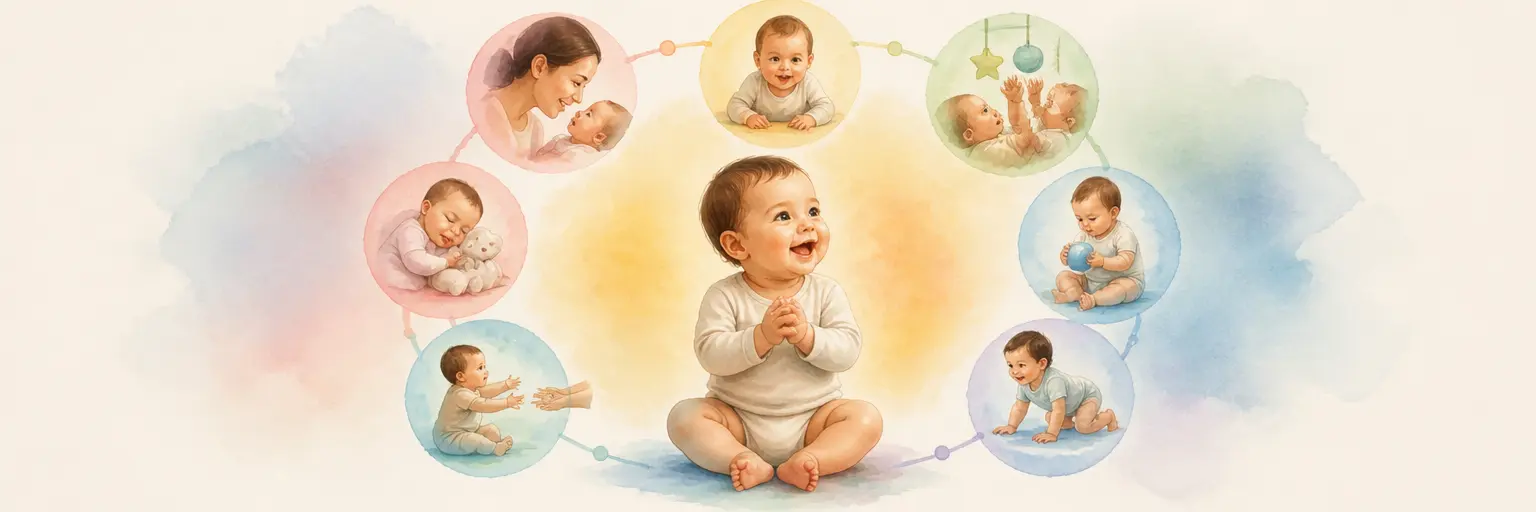
Welcome to BabyCareHub’s guide to social and emotional milestones from birth to 12 months. During a baby’s first year, they gradually learn to connect with caregivers, express feelings, respond to familiar voices, build trust, and develop early communication skills. Understanding these baby development milestones can help first-time parents recognize healthy progress while creating a loving, responsive environment that supports emotional growth.
👶 Newborn Social and Emotional Development: 0–3 Months
In the first three months, newborns begin forming strong attachments through feeding, cuddling, eye contact, and soothing routines. Your baby may calm when they hear your voice, look at faces, briefly focus on people nearby, and show preferences for familiar caregivers. These early behaviors are important signs of newborn social development and emotional connection.
By around two months, many babies begin smiling socially, making eye contact, and showing excitement when a parent approaches. Gentle talking, singing, skin-to-skin contact, and responsive caregiving help your baby feel safe and supported. Every baby develops at an individual pace, so occasional differences are usually normal.
😊 Social and Emotional Milestones at 4–6 Months
Between four and six months, babies often become more expressive and interactive. They may laugh, smile to attract attention, respond to facial expressions, and enjoy playful routines such as peekaboo. Your baby may also recognize familiar people and show increased interest in engaging with parents and siblings.
At this stage, babies are developing early emotional regulation with help from caregivers. They may turn away when overstimulated, become excited when play begins, or use sounds and movements to communicate needs. Responding consistently to your baby’s cues supports trust, attachment, and early social communication.
🧸 Social and Emotional Development at 7–9 Months
From seven to nine months, many babies show stronger preferences for familiar caregivers and may become cautious around unfamiliar people. Stranger anxiety and separation anxiety can appear as your baby develops a clearer understanding of familiar and unfamiliar faces. These reactions are common aspects of infant emotional development.
Your baby may imitate sounds, gestures, facial expressions, or clapping, and may enjoy interactive games such as pat-a-cake. They might look toward a parent for reassurance in new situations. Offering comfort without forcing interaction helps your baby gradually build confidence and emotional security.
🌟 Social and Emotional Milestones at 10–12 Months
By the end of the first year, babies often use gestures, sounds, facial expressions, and body movements to communicate intentionally. They may wave goodbye, point toward objects, clap, imitate actions, or seek your attention. Many babies also show affection, respond to their name, and enjoy social games with familiar people.
At 10–12 months, your baby may express a wider range of emotions, including happiness, frustration, curiosity, fear, and affection. They are beginning to understand simple social routines and may look to you for guidance in unfamiliar situations. Positive attention, clear boundaries, and patient reassurance support healthy emotional development and early independence.
💬 How Parents Can Support Baby’s Social and Emotional Growth
Parents can encourage social and emotional development through everyday interactions. Talk to your baby during feeding, diaper changes, and playtime; respond to cries and gestures; imitate their sounds; and maintain warm eye contact. Reading books, singing songs, and playing simple face-to-face games provide valuable opportunities for early learning and bonding.
Predictable routines also help babies feel secure. Provide age-appropriate stimulation while watching for signs of tiredness or overstimulation, such as turning away, fussing, or becoming quiet. Comfort your baby when they are upset and celebrate their attempts to communicate. These responsive parenting practices help build secure attachment, emotional confidence, and healthy baby development.
🩺 When to Discuss Social and Emotional Development with a Pediatrician
Developmental milestones are useful guidelines, not strict deadlines. Babies may reach skills at different times, especially if they were born prematurely. However, speak with your pediatrician if your baby rarely makes eye contact, does not respond to sounds or familiar voices, shows no social smile by around three months, does not engage with caregivers, or loses a skill they previously had.
Sharing observations with a healthcare professional can provide reassurance and identify whether additional developmental screening or support may be helpful. Early guidance is valuable, and asking questions about your baby’s behavior, communication, attachment, and emotional responses is an important part of routine pediatric care.
❓ Frequently Asked Questions About Social and Emotional Milestones
When do babies start smiling socially?
Many babies begin smiling socially at around two months, although timing can vary. A social smile usually happens in response to a parent’s face, voice, or interaction. Smiling, eye contact, and happy sounds are early signs of growing social connection.
Is stranger anxiety normal in babies?
Yes. Stranger anxiety commonly develops between six and nine months as babies become better at recognizing familiar caregivers. Stay close, introduce new people gradually, and allow your baby time to observe before interacting. Calm reassurance can help your baby feel safe.
How can I support my baby’s emotional development?
Respond promptly and warmly to your baby’s cries, gestures, and facial expressions. Talk, sing, cuddle, read, and play together every day. Consistent caregiving, predictable routines, and comforting responses help build secure attachment and emotional regulation.
Should my baby be waving or pointing by 12 months?
Some babies wave, point, clap, or use other gestures by their first birthday, but development varies. These behaviors are useful communication milestones, but one missing gesture does not automatically indicate a problem. Discuss your concerns with your pediatrician, especially if your baby is not using gestures, responding to their name, or engaging socially.
When should I contact a pediatrician about social and emotional milestones?
Contact your pediatrician if your baby does not make eye contact, rarely responds to voices or facial expressions, does not show interest in interacting, or loses previously acquired social or communication skills. Your healthcare provider can review your baby’s overall development and recommend appropriate support if needed.