
Baby's First Social Interactions: Tips for Successful Playdates (612 Months)

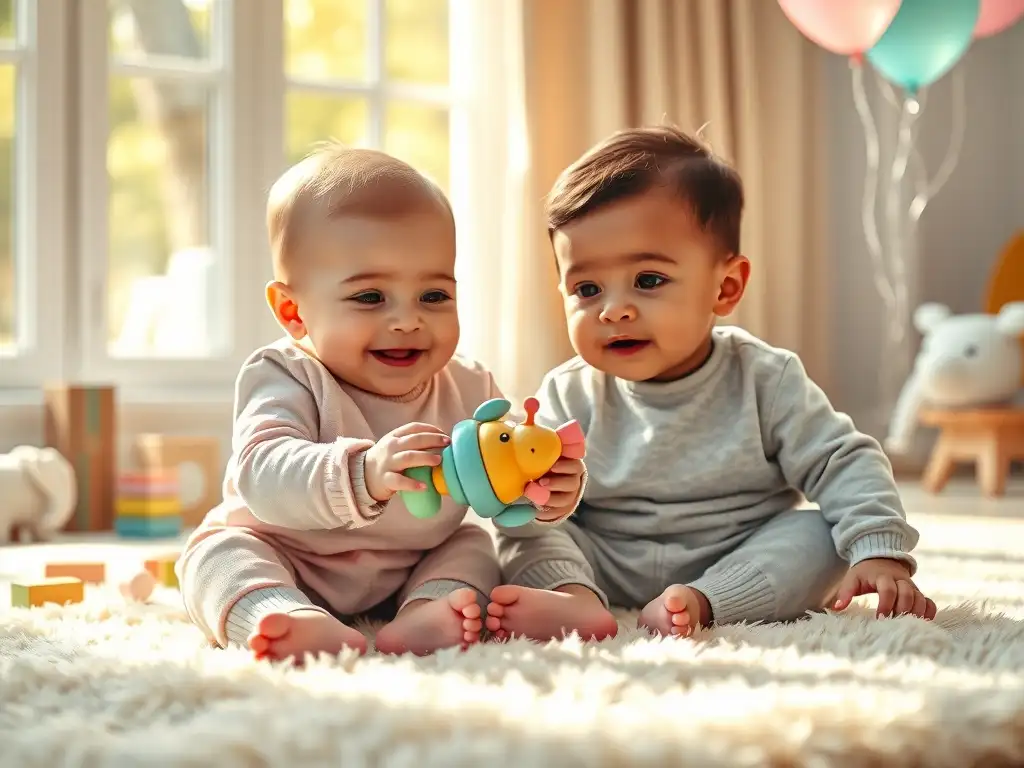
Welcome to BabyCareHub, your ultimate guide to navigating the incredible journey of parenthood! Are you ready to unlock the secrets to happy, healthy development? We're here to support you every step of the way, from feeding schedules to fostering crucial social skills. Discover expert advice on creating enriching experiences for your little one, starting with our insightful article on Baby playdate tips 6 months. Learn how to make those first social interactions fun, safe, and beneficial for your baby's growth. Let's explore the exciting world of baby development together!
- Understanding Your 6-Month-Old's Social Development: Preparing for Playdates
- Planning Your Baby's First Playdate: A Step-by-Step Guide
- Baby Playdate Activities: Engaging Ideas for 6-12 Month Olds
- Managing Baby Playdates: Tips for a Smooth Experience
- Post-Playdate: Reflecting on the Experience
-
Frequently Asked Questions
- What are the benefits of playdates for a 6-month-old baby?
- How do I choose a safe and suitable play environment for a 6-month-old's playdate?
- What kind of activities are appropriate for a 6-month-old playdate?
- What if my baby gets fussy or overwhelmed during the playdate?
- How long should a playdate for a 6-month-old last?
- Final Reflection: Nurturing the Seeds of Connection: Playdates and Your Baby's Social Bloom
- Unlock Your Little One's Social Skills!
Navigating the world of parenthood can feel overwhelming, especially when it comes to your baby's development. Understanding your little one's social and emotional milestones is key to fostering healthy growth and positive interactions.
This guide focuses specifically on baby playdates for 6- to 12-month-olds, offering practical tips and insights to help you plan successful and enjoyable playdates that benefit both your baby and their little friend. We'll explore how to recognize your baby's readiness for social interaction, what to expect at different ages within this crucial developmental window, and how to create a safe and stimulating environment for these early social experiences.
Successfully navigating this stage sets the foundation for your baby's future social skills and confidence, paving the way for strong friendships and positive social interactions throughout their life. Remember, every baby develops at their own pace, so celebrate your baby's unique journey and enjoy these precious moments of connection.
Before diving into playdate planning, it's crucial to understand if your 6- to 12-month-old is truly ready for social interaction. Not all babies are ready at the same time, and respecting their individual needs is paramount. Look for these key indicators of social readiness:
- Engaging with caregivers: Does your baby actively engage with you and other familiar caregivers, showing joy and excitement through smiles, babbling, and reaching out? This indicates a developing understanding of social connection.
- Responding to other babies: Observe your baby's reactions when they see other infants. Do they show interest, follow them with their eyes, or even attempt to reach out or touch them? These are promising signs.
- Showing positive affect: Is your baby generally happy and content, displaying positive emotions like smiles and laughter? A positive disposition makes for a more enjoyable playdate experience for everyone involved.
- Tolerating brief separations: Can your baby manage brief periods of separation from you without significant distress? This suggests they're developing a sense of security and independence, making them more likely to handle a playdate setting.
- Initiating interaction: Does your baby actively initiate interactions, such as reaching for toys or making sounds to attract attention? This proactive behavior is a positive sign of readiness for social engagement.
Remember, these are just indicators; some babies may exhibit these cues more strongly than others. If you have any concerns about your baby's social development, consulting with your pediatrician is always recommended. Don't force social interaction; instead, follow your baby's lead and trust their cues. A gentle and gradual introduction to social situations is often best.
Social development in the 6- to 12-month-old period is rapid and exciting. Understanding the typical milestones can help you tailor playdates to your baby's capabilities and interests.
| Age Range (Months) | Typical Social Milestones | Playdate Considerations |
|---|---|---|
| 6-8 | Responds to their own name, shows increasing interest in other babies, may begin to babble back and forth. | Focus on simple, interactive toys; keep the playdate short and sweet; ensure a safe, familiar space. |
| 9-11 | Enjoys peek-a-boo and other interactive games, shows preference for certain people, may begin to imitate simple actions. | Introduce slightly more complex toys; encourage interaction between babies, but be ready to intervene if needed. |
| 11-12 | Shows more complex social interactions, such as offering toys, may engage in parallel play (playing alongside another baby without direct interaction). | Longer playdates may be possible; continue to offer a variety of age-appropriate toys and opportunities for interaction. |
It's important to note that these are just averages. Some babies might reach these milestones earlier or later. The key is to observe your baby and adjust your approach accordingly. Remember to always prioritize a safe and stimulating environment, ensuring the playdate is enjoyable for both babies and their caregivers. A relaxed and positive atmosphere encourages social interaction and helps build confidence in your little one. 👶
Planning Your Baby's First Playdate: A Step-by-Step Guide

This section provides a practical, step-by-step guide for planning your baby's first playdate, focusing on the crucial elements for a successful and enjoyable experience for both babies and parents. Remember, the goal is to foster positive social interaction and development for your little one, making it a fun and enriching experience.
Choosing the Right Playdate Partner and Environment
Selecting the right playdate partner is paramount for a positive first social interaction. Consider these factors when choosing a playmate for your 6-12 month old:
- Similar developmental stages: Look for babies who are around the same age and developmental stage as your own. This ensures that the play activities are appropriately challenging and engaging for both. A significant age gap can lead to frustration or disinterest.
- Health status: Confirm that the other baby is healthy and up-to-date on vaccinations. This protects your baby from potential illnesses. Don't hesitate to ask about recent illnesses or exposure to contagious diseases.
- Personality compatibility: While you can't fully assess personalities at this age, observe the other baby's temperament during interactions. Is the baby generally calm and playful, or more easily agitated? A good match ensures a smoother playdate experience.
- Parental compatibility: A successful playdate also involves compatible parents! Choose a parent you feel comfortable with and who shares similar parenting philosophies. Open communication about expectations and boundaries is key.
The environment is equally crucial. Consider these aspects when choosing a location:
- Familiar surroundings: For a first playdate, a familiar environment, such as your home, can reduce anxiety for your baby. This provides a sense of security and comfort.
- Safe and spacious: The play area should be spacious enough for both babies to move around freely but also safe, free from hazards like small objects, sharp corners, or electrical cords.
- Clean and hygienic: Ensure the area is clean and hygienic to minimize the risk of infection. This is especially important for babies who are still developing their immune systems.
Creating a Safe and Stimulating Play Area for Babies
A safe and stimulating play area is essential for a successful baby playdate. Here's how to create one:
- Baby-proofing is non-negotiable: Before the playdate, thoroughly baby-proof the area. This includes covering electrical outlets, securing furniture, and removing any small objects that could be choking hazards. Think of it as double-checking your existing baby-proofing measures.
- Age-appropriate toys: Provide a variety of age-appropriate toys that encourage interaction and exploration. Soft toys, rattles, stacking cups, and simple musical instruments are excellent choices. Avoid toys with small parts.
- Comfortable seating: Provide comfortable seating for both babies and parents. This allows for easy observation and interaction.
- Designated crawling space: Ensure there's a designated area for crawling and exploring. Use soft mats or blankets to cushion falls and provide a comfortable surface.
- Temperature control: Maintain a comfortable room temperature. Babies can easily overheat or get chilled.
Timing is Key: Ideal Duration and Frequency of Playdates
The duration and frequency of playdates should be tailored to your baby's individual needs and temperament. For a first playdate, aim for a shorter duration to avoid overwhelming your little one.
- Start short and sweet: A 30-minute to 1-hour playdate is usually sufficient for a first interaction. Observe your baby's cues. If they seem tired or fussy, end the playdate early.
- Gradual increase: As your baby becomes more comfortable with social interactions, you can gradually increase the duration of playdates.
- Frequency matters: Start with one playdate per week or even less frequently. It's better to have shorter, more frequent positive experiences than longer, less enjoyable ones.
- Observe your baby's cues: Pay close attention to your baby's cues. If they seem overwhelmed or stressed, end the playdate early. Signs of distress can include excessive crying, clinging, or withdrawal. Prioritize your baby's comfort and well-being above all else. Remember, this is about positive social development, not forcing interaction.
Remember, each baby is unique; adjust these guidelines to fit your baby’s individual needs and preferences. The key is to create a positive and enjoyable experience that fosters healthy social development. 👶
Baby Playdate Activities: Engaging Ideas for 6-12 Month Olds
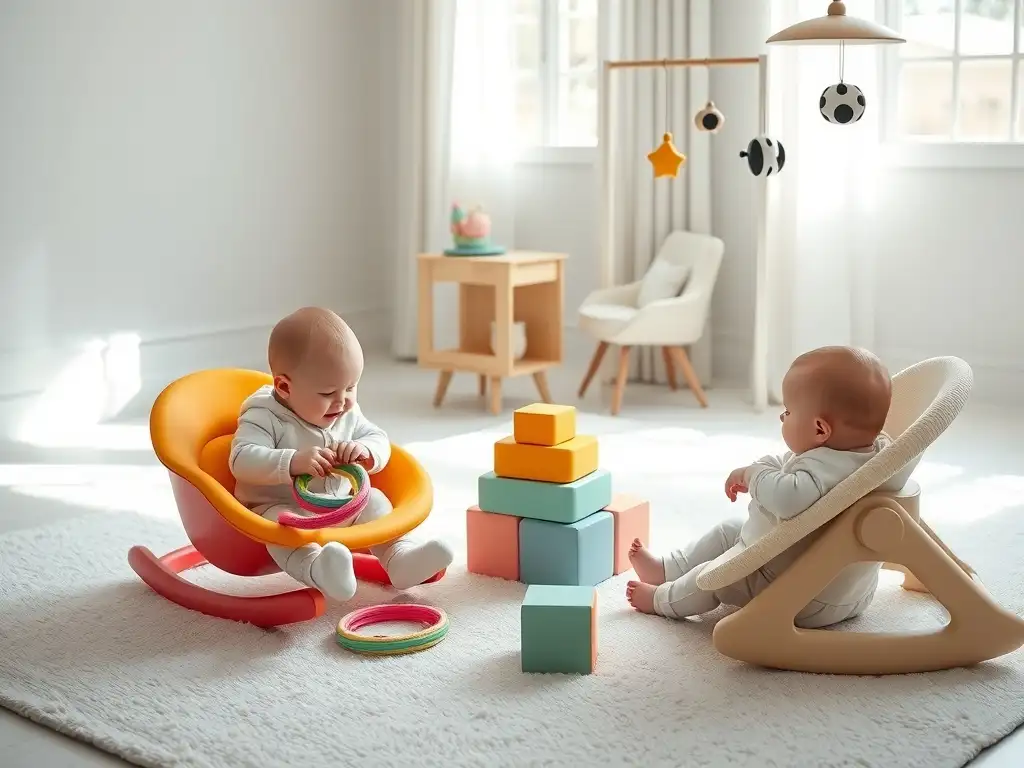
This section provides a range of playdate activities suitable for babies aged 6-12 months, focusing on age-appropriate engagement and fostering social interaction. Remember to always supervise your baby closely during playdates, and adjust activities based on your baby's individual temperament and developmental stage. The key is to keep it simple, fun, and safe! These baby playdate tips 6 months and beyond will help you create positive social experiences.
Sensory Play Ideas for 6-Month-Olds
Six-month-olds are highly receptive to sensory experiences. Playdates at this age should emphasize exploration through touch, sight, and sound. Here are some ideas:
- Soft textured toys: Introduce soft, crinkly toys with varying textures. Babies can explore different fabrics and feel the variations in touch. Think about a plush toy with different textures sewn onto it—a satin ribbon, a piece of corduroy, a fuzzy patch.
- Colorful rattles: Brightly colored rattles provide visual stimulation and auditory feedback as babies shake and explore them. Consider rattles with different sounds to enhance engagement.
- Water play (supervised): A shallow container with a few cups and spoons allows for safe water play. Supervision is crucial at this age to prevent drowning hazards. This promotes both sensory exploration and fine motor skills development. Remember to always supervise water play. 👶
- Tummy time with textures: Place your baby on a soft blanket with various textured items like a soft blanket, a smooth towel, and a crinkled piece of fabric. This encourages exploration and strengthens neck and upper body muscles.
By 8-10 months, babies are starting to understand cause and effect and are more interactive. Playdates should focus on simple games that encourage turn-taking and social interaction.
- Peek-a-boo: A classic game that never fails to delight! This helps babies understand object permanence and promotes early social interaction. The anticipation and surprise are key components for engagement.
- Rolling a ball back and forth: A simple ball can be a great tool for back-and-forth play. This teaches turn-taking and encourages social interaction. Start with slow, gentle rolls to ensure the baby can follow along.
- Simple songs and rhymes: Singing simple songs and rhymes with actions encourages participation and helps develop language skills. Choose songs with repetitive actions that babies can easily mimic. This is a great way to encourage social interaction among multiple babies.
- Stacking soft blocks: Introduce stacking soft blocks for a simple building activity. This helps develop fine motor skills and problem-solving abilities. The act of building and knocking down can be very engaging for this age group.
At this stage, babies are more mobile and actively exploring their environment. Playdates should focus on activities that encourage shared play and exploration.
- Toy sharing: Introduce simple toys that can be easily shared, such as soft balls or stacking cups. This teaches babies about sharing and turn-taking. Supervise closely to avoid conflict, and model sharing behavior.
- Cause-and-effect toys: Toys that make sounds or have moving parts are engaging and help babies understand cause and effect. These are perfect for shared exploration and learning.
- Simple chase games: Crawling or walking babies will enjoy simple chase games. This helps develop gross motor skills and encourages interaction. Keep it light and fun, adapting to your baby's pace.
- Parallel play activities: While babies of this age may not actively engage in cooperative play, they benefit from parallel play. Setting up activities that allow them to play alongside each other fosters a sense of community and social interaction. Parallel play means they're engaged in similar activities but not necessarily directly interacting with each other.
Remember, these are just suggestions; adapt them to your baby's individual needs and preferences. The most important aspect of a successful playdate is a safe, stimulating, and enjoyable environment for your little one to learn and grow. Enjoy these precious moments of social development! 🎉
Managing Baby Playdates: Tips for a Smooth Experience

Planning a successful baby playdate requires careful consideration and preparation. The goal is to create a positive and enriching experience for both your baby and their playmate(s), while minimizing stress for everyone involved. This involves choosing the right time, location, and playmates, as well as managing expectations.
Dealing with Fussy Babies During Playdates
Even the most well-adjusted babies can have fussy moments. Playdates are no exception. A baby might be tired, hungry, or overstimulated, leading to crying or fussiness. Being prepared for these situations is key.
Firstly, know your baby's cues. Learn to recognize signs of tiredness, hunger, or discomfort. These might include rubbing eyes, yawning excessively, turning away from stimuli, or arching their back. If you notice these signs, don't hesitate to take a break from the playdate. A quiet, dimly lit space for feeding or comforting can make all the difference.
Secondly, have a backup plan. Pack a familiar comfort item, such as a favorite blanket or toy, to soothe your baby if they become upset. Having a readily available supply of diapers, wipes, and a change of clothes is also crucial. Unexpected accidents happen, and being prepared can save the day. Finally, remember that it's okay to end a playdate early if your baby is consistently unhappy. Forcing the situation will only increase stress for both you and your little one. Prioritizing your baby's well-being is paramount.
Handling Separation Anxiety During Playdates
Separation anxiety, common between 6 and 12 months, can make playdates challenging. Babies at this age may become distressed when separated from their primary caregiver, even for short periods. To mitigate this, consider the following strategies:
- Gradual introduction: Instead of immediately leaving your baby with the other parent or caregiver, start by staying close by while they interact. Slowly increase the distance as your baby becomes more comfortable.
- Familiar environment: Choose a familiar environment for the playdate, such as your home or a place your baby has visited before. This helps reduce the feeling of being overwhelmed.
- Consistent caregiver: If possible, have the same caregiver present for each playdate. Consistency builds trust and reduces anxiety.
- Short playdates: Keep the playdate short, especially at the beginning. Gradually increase the duration as your baby becomes more comfortable with the situation. Remember, even short, positive experiences can be beneficial.
- Positive reinforcement: Praise and comfort your baby when they show signs of settling down. This positive reinforcement helps them associate the playdate with positive feelings.
Remember, every baby is unique, and their responses to separation anxiety will vary. Patience and understanding are key.
Teaching Sharing and Turn-Taking Skills (for older babies in this age range)
Sharing and turn-taking are crucial social skills that begin to develop around 6-12 months. While babies at this age won't fully grasp the concept of sharing, you can begin to introduce these ideas through play.
- Modeling behavior: Demonstrate sharing and turn-taking yourself. For example, when playing with your baby, explicitly say, "Now it's your turn," and then "Now it's my turn." This modeling helps them understand the concept.
- Simple games: Play simple games that involve taking turns, such as rolling a ball back and forth or playing peek-a-boo. This helps them learn the rhythm of give-and-take.
- Parallel play: Encourage parallel play, where babies play alongside each other without directly interacting. This allows them to observe each other and learn social cues without feeling pressured to share.
- Positive reinforcement: Praise and encourage your baby when they show any signs of sharing or taking turns, no matter how small. Positive reinforcement is crucial in developing positive social behaviors. Even a simple "Good job sharing!" can make a difference.
Remember that these skills develop gradually. Don't get discouraged if your baby doesn't immediately grasp these concepts. Consistent modeling and positive reinforcement will eventually lead to success. 🎉 Patience and understanding are key to fostering healthy social-emotional development in your little one.
Post-Playdate: Reflecting on the Experience
After the excitement of the playdate subsides, taking time to reflect on the experience is crucial for understanding your baby's social development and planning future interactions. This isn't about judging success or failure; it's about gathering valuable insights to refine your approach and ensure your baby's comfort and enjoyment. Think of it as a mini-social experiment, and you're the lead researcher!
Did your baby seem engaged and happy during the playdate? Did they actively participate in activities, or did they prefer to observe from a distance? Note their reactions – did they smile, laugh, babble, or reach out to the other baby? Conversely, were there any signs of discomfort, such as fussiness, crying, or turning away? Keeping a simple journal entry for each playdate can be incredibly helpful. For example:
| Date | Playmate(s) Age | Duration | Baby's Response | Notes |
|---|---|---|---|---|
| Oct 26, 2023 | 6 months | 45 minutes | Engaged, smiled frequently, babbled, reached for toys. | Seemed particularly interested in the textured ball; less so with the rattle. |
| Nov 1, 2023 | 7 months | 30 minutes | Initially hesitant, then warmed up; mostly observed. | Might benefit from shorter playdates initially; introduce playmates gradually. |
Remember, every baby develops at their own pace. Some babies are naturally outgoing and thrive in social situations, while others are more reserved and need more time to adjust. There's no "right" or "wrong" response; the key is to observe and understand your individual baby's cues. Consider using a rating scale (e.g., 1-5, with 5 being highly engaged) to quantify your observations over time. This allows you to track trends and identify patterns in your baby's social responses.
Adjusting Future Playdates Based on Your Baby's Needs
Based on your observations, you can adjust future playdates to better meet your baby's needs. For instance, if your baby seemed overwhelmed by a longer playdate, try shorter, more frequent sessions. If they seemed more interested in observing than participating, create a play environment with fewer distractions and allow them to approach the other baby at their own pace. Perhaps a quieter setting would be more conducive to a positive experience. You might also consider the type of playdate: structured activities versus free play.
If your baby prefers calmer interactions, avoid overly stimulating environments. Remember, the goal is to create a positive and enjoyable experience for your baby, promoting healthy social-emotional development. Flexibility is key! Consider the following:
- Duration: Shorten or lengthen playdates according to your baby's comfort level.
- Environment: Choose a quiet, familiar setting to reduce sensory overload.
- Playmates: Select playmates of similar age and temperament.
- Activities: Offer age-appropriate toys and activities that encourage interaction.
Remember, you're the expert on your baby. Trust your instincts and make adjustments as needed. The most important thing is to create a safe and supportive environment where your baby feels comfortable exploring social interactions.
While most babies develop social skills naturally, sometimes additional support is needed. If you notice significant delays in social development, such as a persistent lack of interest in other babies or difficulty engaging in reciprocal play, it's important to seek professional guidance. This might include consulting your pediatrician or a child development specialist. Early intervention can make a significant difference in supporting your baby's social and emotional growth. Signs that warrant professional consultation might include:
- Consistent avoidance of eye contact with other children.
- Extreme distress or anxiety in social situations that persist over time.
- Lack of reciprocal interaction (e.g., failure to engage in back-and-forth play).
- Significant delays in language development that impact social communication.
Don't hesitate to reach out for support if you have any concerns about your baby's social development. Early intervention is key to ensuring your baby's well-being and future success. Remember, seeking professional help is a sign of proactive parenting, not a sign of failure. Your baby's happiness and healthy development are paramount.
Frequently Asked Questions
What are the benefits of playdates for a 6-month-old baby?
Playdates at 6 months offer crucial social development. They help babies learn to interact with peers, improving their social skills and emotional intelligence. It's also a great way to build confidence and independence.
How do I choose a safe and suitable play environment for a 6-month-old's playdate?
Prioritize safety above all else. Ensure the play area is childproofed, free of choking hazards, and has soft surfaces to prevent injuries. Consider the developmental stage of the babies involved and select age-appropriate toys.
What kind of activities are appropriate for a 6-month-old playdate?
Keep activities simple and engaging. Focus on sensory play, such as tummy time with brightly colored toys, or interactive songs and rhymes. Supervise closely and avoid overly stimulating activities.
What if my baby gets fussy or overwhelmed during the playdate?
This is perfectly normal! Recognize your baby's cues. If they seem upset, offer comfort, and don't force interaction. A short break in a quieter space might be beneficial before reintroducing them to the playdate.
How long should a playdate for a 6-month-old last?
Keep it short and sweet. Start with 30-45 minutes and observe your baby's cues. Shorter, more frequent playdates are often better than longer ones, preventing over-stimulation and ensuring a positive experience.
The early months of a baby's life are a whirlwind of growth, and social interaction plays a crucial role in this development. Successfully navigating those first playdates can feel daunting, but the rewards—a blossoming social butterfly and a confident little one—are immeasurable. These early experiences lay the foundation for future relationships and emotional intelligence.
The impact of these initial social encounters extends far beyond the immediate giggles and gurgles. They shape a child's understanding of the world, their ability to form bonds, and their capacity for empathy. As the renowned child psychologist, Dr. Selma Fraiberg, once said, The infant's world is a world of relationships, not of things.
This simple yet profound statement underscores the importance of fostering positive social interactions from the very beginning, creating a secure base for future social exploration and emotional well-being. The memories created during these early playdates, both for the baby and the parents, are precious and contribute to a rich tapestry of family life.
Now, consider your own experiences. Think back to your own childhood and the impact of early friendships. What lessons can you apply to your baby's social development? Take the time to observe your baby's cues, create a comfortable and stimulating environment, and celebrate the small victories—a shared smile, a gentle touch, a moment of mutual engagement. Remember, every playdate is a step forward in your baby's journey of social discovery, and your role as a facilitator is invaluable. Embrace the joy of these early connections, and watch your little one blossom into a confident and socially adept individual.
Thank you for joining us on this journey into the wonderful world of baby playdates! We hope you've gained valuable insights to help your child develop socially. Now, let's put that knowledge into practice.
- Schedule a playdate! Arrange a short, relaxed playtime with another baby of similar age, perhaps a friend or family member. This is crucial for building early social skills.
- Share your experience! Tell us about your playdate successes (or challenges!) in the comments below. Let's create a supportive community for parents navigating this exciting stage of development.
- Prepare a simple play bag. Pack a few favorite toys to make transitions easier. This surprisingly effective strategy can help your child adapt to new environments.
Ready to nurture your baby's social development? What's the first step you'll take?