
Understanding Baby's Social Development: A Comprehensive Timeline (012 Months)

Welcome to BabyCareHub, your ultimate guide to navigating the exciting yet challenging journey of parenthood. Are you curious about the incredible milestones your little one will reach? We delve into the fascinating world of baby social development, offering a detailed Baby social development timeline (0-12 months) to help you understand and support your baby's growth. Discover the key developmental stages and learn how to nurture your baby's social skills from day one. Let's embark on this enriching journey together!
- Baby Social Development Timeline: The First Three Months
- Baby Social Development Timeline: Months 4-6
- Baby Social Development Timeline: Months 7-9
- Baby Social Development Timeline: Months 10-12
- Supporting Your Baby's Social Development: Practical Tips for Parents
- Milestones and Potential Concerns: When to Seek Professional Guidance
- Frequently Asked Questions
- Final Reflection: Nurturing the Seeds of Connection: A Journey Through Baby's Social World
- Unlock Your Baby's Social Potential!
Navigating the world of parenthood is a thrilling yet challenging journey, especially for first-time parents. Understanding your baby's development is crucial for building a strong and loving bond, and a key aspect of this development is their social and emotional growth. This comprehensive timeline focuses on the crucial first twelve months of your baby's life, providing insights into the key milestones in their social development. We'll explore how your little one interacts with the world, forms attachments, and begins to express their emotions.
This guide will help you recognize and appreciate the unique journey of your baby's social evolution, providing you with the knowledge to support their growth every step of the way. Remember, every baby develops at their own pace, so use this timeline as a guide, not a strict rulebook. Enjoy this incredible experience of watching your baby blossom!
During the first few weeks of life, your newborn is already engaging in rudimentary social interactions. While they may not be smiling or actively playing yet, they are absorbing information from their surroundings at an astonishing rate. Newborns are instinctively drawn to faces and voices. You'll likely notice them turning their heads towards sounds, particularly high-pitched voices like yours.
They may also fix their gaze on faces, particularly those displaying clear expressions. This early responsiveness lays the foundation for future social interactions. Observing these subtle cues helps parents understand their baby’s preferences and needs, fostering a sense of connection from the very beginning. This initial interaction is a crucial step in developing trust and security.
Think of it like this: a newborn's focus on faces and voices is their way of learning about the world and the people in it. It's a natural process of building connections and understanding the social landscape they are entering. It’s a powerful demonstration of their innate capacity for social development. Even subtle movements, like following a moving object with their eyes, showcase their growing awareness and developing cognitive skills.
Developing a Bond: Recognizing Caregivers and Showing Preferences
As your baby moves past the newborn stage, you'll begin to see more distinct signs of social development. Around 2-3 months, babies often start to show a preference for familiar faces, particularly those of their primary caregivers. This is a clear indication of the development of a bond, showing that they are recognizing and responding to specific individuals.
They might also exhibit different behaviours around different people, perhaps being calmer and more content with familiar individuals compared to strangers. This recognition is not just about visual identification; it also involves recognizing smells, sounds, and the feel of their caregivers' touch. This preference signifies the beginning of attachment, a fundamental aspect of healthy social-emotional development.
This stage is characterized by the growing understanding of 'who' is important in their life. The comfort and security provided by their main caregivers directly impact their social development and overall well-being. It's a beautiful demonstration of the power of human connection and the innate capacity for infants to form strong bonds. This preference for familiar faces and voices helps them feel safe and secure, which is essential for their healthy emotional development.
One of the most joyous milestones in a baby's social development is the emergence of the social smile. Unlike reflexive smiles that occur in the earliest weeks, social smiles are intentional and communicative. Typically appearing around 2-3 months of age, but sometimes even earlier, these smiles are a clear sign that your baby is recognizing you and reacting positively to your presence.
These smiles are not just a physiological response; they are a way of expressing happiness and forming a connection. Seeing your baby smile back at you is incredibly rewarding and strengthens the bond between parent and child. This smile is a powerful symbol of the growing emotional connection and the beginning of reciprocal social interaction.
It marks a significant step in their social development, paving the way for future social interactions and emotional expressions. These early smiles are the building blocks of a rich and fulfilling social life for your baby.
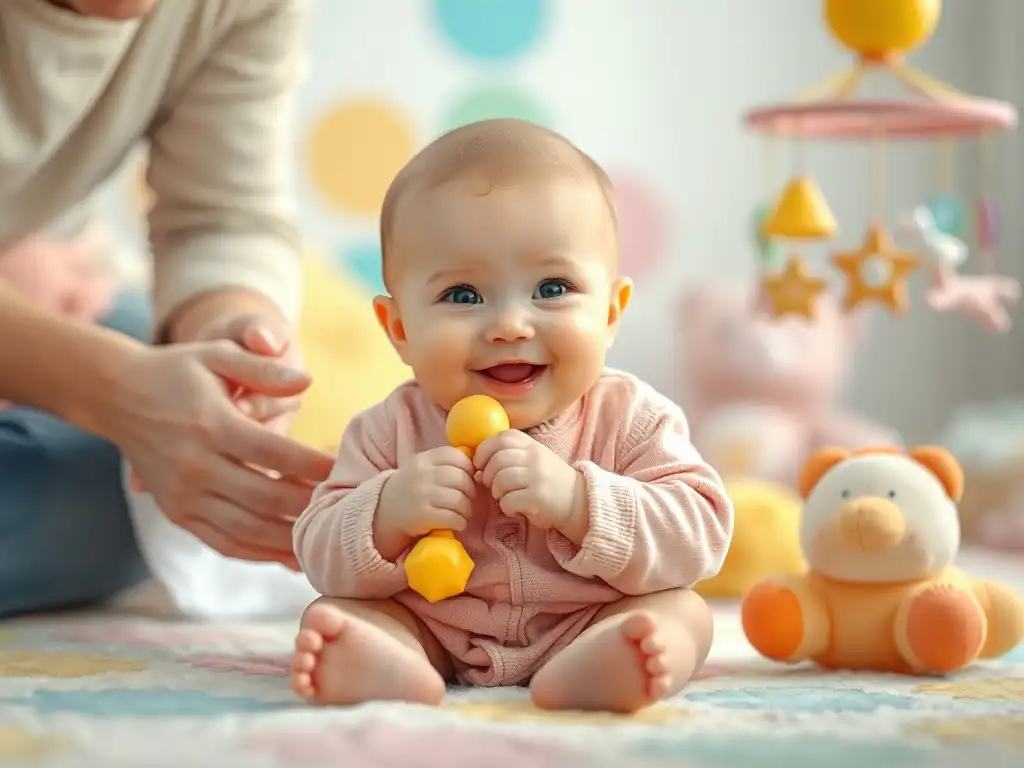
This section delves into the significant leaps in social development your baby will likely experience between four and six months of age. This period marks a transition from primarily self-focused behaviors to increasingly interactive and reciprocal social exchanges. Understanding these milestones can help you better connect with your little one and foster their burgeoning social skills. Remember, every baby develops at their own pace, so don't worry if your baby doesn't hit every milestone precisely on schedule. This timeline provides a general guideline for expected progress in baby social development.
Between four and six months, many babies begin to demonstrate a heightened awareness of their surroundings and the people within them. A key indicator of this developmental leap is their increased responsiveness to their name. Initially, it might be a simple turning of the head or a flicker of recognition. However, as they progress, you'll notice a more pronounced reaction, perhaps a smile or a gurgle, when you call their name. This shows they are beginning to understand that the sound is directly related to them.
This enhanced social engagement also manifests in their response to laughter. While babies might have giggled earlier, around this age, their laughter becomes more contagious and interactive. They might laugh in response to your playful antics, your silly faces, or the sounds you make. This reciprocal laughter is a crucial step in building emotional bonds and strengthening the parent-child relationship. It's a clear sign that your baby is enjoying social interaction and finding joy in shared experiences. This period is a wonderful time for playful interaction, fostering a strong emotional connection.
The development of this responsiveness also lays the groundwork for future language acquisition. The ability to associate their name with their identity is a fundamental building block for understanding language and communication. By consistently using their name and engaging in playful interactions that elicit laughter, you're actively contributing to their cognitive and social development. Enjoy this stage; it's filled with precious moments of shared joy and connection.
Around four to six months, babies typically start to grasp the concept of object permanence – the understanding that things continue to exist even when they can't be seen. This newfound understanding is key to their enjoyment of social games like peek-a-boo. The surprise and delight on their faces when you reappear after hiding is a truly heartwarming experience. This game not only strengthens their cognitive abilities but also helps them learn about cause and effect, anticipation, and social interaction.
Beyond peek-a-boo, this age often sees babies becoming more interested in simple interactive games. They might enjoy watching you move toys around, or they might even start to reach out and grasp at them. This active participation shows their growing understanding of shared activities and their desire to engage with you and their environment. Remember to keep these games simple and age-appropriate, focusing on interaction and shared enjoyment rather than complex rules or strategies.
This period marks a significant shift in their play. It's no longer solely self-directed but increasingly involves others. The development of these social skills is crucial for their future social and emotional development. This is a time to celebrate their progress and enjoy the simple pleasures of shared playtime. The smiles, giggles, and excited gurgles are all signs of a healthy and thriving baby, developing as expected.
Showing Affection: Reaching Out for Hugs and Cuddles
As babies develop socially, they also become more capable of expressing affection. Around four to six months, many babies start to reach out for hugs and cuddles, showing a clear desire for physical closeness and comfort. This isn't just about physical needs; it's about emotional connection and bonding. The warm embrace provides security and reassurance, contributing to their overall sense of well-being.
This increased affection might manifest in different ways. Some babies might actively reach out for you, while others might simply snuggle closer when they're being held. The important thing is the expression of warmth and the desire for physical contact. Responding to these cues with affection and reassurance strengthens the bond between you and your baby and helps them feel safe and loved.
The development of this affectionate behavior is a significant milestone. It shows that your baby is developing a sense of trust and attachment, which are fundamental to their emotional health and social development. Embrace these moments of closeness; they are invaluable in building a strong and loving relationship with your child. Remember that consistent, responsive care is crucial to fostering this healthy social and emotional development. Enjoy this precious time of connection and growth.
This section focuses on the significant social leaps your baby makes between 7 and 9 months old. This period is characterized by increased interaction, emotional understanding, and the emergence of anxieties related to separation and unfamiliar individuals. Understanding these developmental milestones will help you support your baby's social and emotional growth effectively. This timeframe is crucial in the baby social development timeline.
Stranger Anxiety: Understanding the Development of Fear of Unfamiliar People
Between 7 and 9 months, many babies begin to exhibit stranger anxiety. This isn't a sign of a problem; rather, it's a healthy developmental milestone reflecting their growing awareness of the world and their ability to differentiate between familiar and unfamiliar faces. It demonstrates their developing understanding of attachment and a preference for safe, known caregivers. This anxiety manifests as crying, clinging to parents, or becoming withdrawn when approached by strangers.
The intensity of stranger anxiety varies greatly between babies. Some babies might show mild apprehension, while others might experience significant distress. Several factors contribute to the severity of this anxiety, including the baby's temperament, the stranger's behavior (approaching too quickly or making loud noises can exacerbate anxiety), and the baby's prior experience with strangers. The baby social development timeline shows this as a common occurrence.
It's crucial to remember that stranger anxiety is a normal part of development. Parents should be patient and reassuring, providing a safe and secure base for their baby to explore from. Gradually introducing your baby to new people in a calm and controlled environment can help reduce anxiety. Remember to always respect your baby's cues and avoid forcing interactions that make them uncomfortable. Positive reinforcement and consistent routines can significantly alleviate this developmental stage.
Object permanence, the understanding that objects continue to exist even when out of sight, significantly impacts social development around 7-9 months. While the full development of object permanence typically occurs later, babies in this age range begin to demonstrate an understanding of this concept in social contexts. This leads to the development of shared attention, a crucial skill for social interaction.
Shared attention involves the ability to follow another person's gaze or point and to understand that they are directing attention to something specific. For example, if you point at a toy, your baby might now look at the toy, demonstrating an understanding of your intention to direct their attention. This ability lays the foundation for joint attention, which is critical for language development and social interaction.
The development of shared attention is closely linked to the baby's understanding of object permanence. If a baby understands that an object continues to exist even when hidden, they're more likely to follow another person's gaze to locate it. This ability to share attention facilitates social engagement and enhances communication, marking a significant step in their baby social development timeline. This period lays the groundwork for future communicative skills.
Emotional Understanding: Recognizing and Responding to Basic Emotions
Babies at this stage (7-9 months) are developing their ability to recognize and respond to basic emotions in others. They might begin to mimic facial expressions, showing empathy or mirroring the emotions of those around them. For example, if you smile, your baby might smile back; if you frown, they might show signs of concern or distress. This emotional contagion is a crucial aspect of social development, demonstrating their increasing social awareness.
This emotional understanding extends beyond simple mimicry. They start to associate specific facial expressions with particular emotions. For example, they might learn to recognize a happy face or a sad face and react accordingly. This developing emotional intelligence is essential for building relationships and navigating social interactions. Their capacity for empathy is also starting to develop, as evidenced by their reactions to the emotions of others. This is a key aspect of the baby social development timeline, showing the rapid development of emotional intelligence.
This period in the baby's baby social development timeline is marked by a significant increase in their ability to understand and respond to the emotions of others. This increased sensitivity contributes to stronger bonds with caregivers and lays the foundation for healthy social relationships in the future. Providing a nurturing and emotionally responsive environment is crucial to support their continued emotional growth.
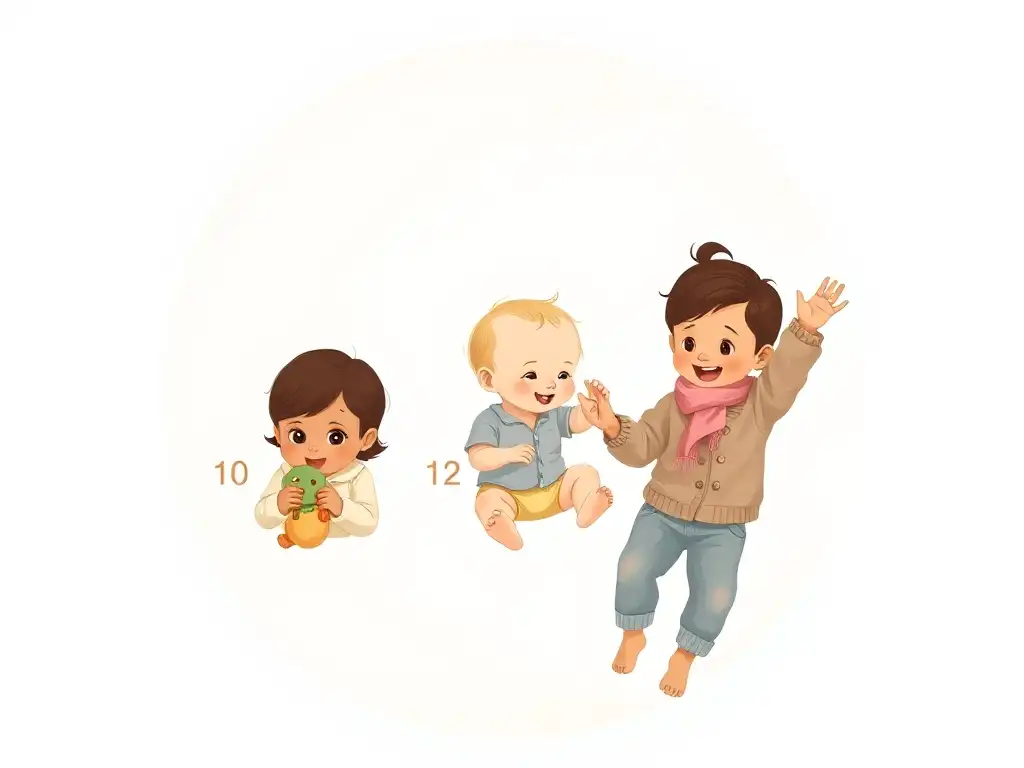
This section focuses on the significant leaps in social development your baby makes between 10 and 12 months old. While the previous months saw foundational development, this period is marked by increasingly complex social interactions and communication. Understanding these milestones will help you nurture your baby's burgeoning social skills and build a strong parent-child bond. Remember, every baby develops at their own pace, so minor variations from this timeline are perfectly normal.
Between 10 and 12 months, babies begin to engage in more independent play. This doesn't mean they'll happily entertain themselves for hours, but they'll show increased capacity for focused attention on a single toy or activity for longer periods. Crucially, this independent play often intertwines with social observation. Your baby will intently watch you, other family members, or even strangers, mimicking actions and expressions. This imitative behavior is a cornerstone of social learning.
For example, a 10-month-old might spend several minutes banging a toy on the floor, seemingly engrossed in the activity. However, they'll frequently glance up to check your reaction, gauging your approval or disapproval. This is social referencing in its early stages. If you smile and encourage the play, they'll likely continue. If you seem displeased, they might pause or stop entirely. This demonstrates their increasing awareness of social cues and their desire to please. This observational learning extends beyond simple actions; they may even start mimicking your facial expressions, like sticking out their tongue or widening their eyes.
This period shows a significant shift from purely self-centered play to more interactive play. They are beginning to understand that their actions have consequences and that others react to them. This understanding is vital for developing empathy and social reciprocity in later years. Providing a variety of age-appropriate toys that encourage both independent and interactive play is key during this phase. Think stacking cups, simple puzzles, or soft blocks that can be manipulated and explored.
Social referencing, as mentioned above, becomes increasingly sophisticated between 10 and 12 months. Your baby is not just observing your reactions; they're actively seeking them out to guide their behavior. They're learning to interpret your emotional cues – your facial expressions, tone of voice, and body language – to determine how to respond in different situations.
Consider this scenario: Your baby encounters a new toy – a brightly colored, unfamiliar object. Instead of immediately grabbing it, they might look at you, checking your expression for approval or reassurance. If you smile and say something encouraging, they'll likely reach for the toy. If you look apprehensive, they might hesitate or even avoid it altogether. This demonstrates their growing understanding of the social world and their reliance on your emotional cues for guidance and safety.
This ability to use social referencing is a crucial developmental milestone. It shows that your baby is actively engaging with you as a social partner, recognizing your role in providing security and guidance. Responding consistently and appropriately to your baby's attempts at social referencing is essential for building trust and fostering secure attachment. Remember to provide a safe and supportive environment where your baby feels comfortable exploring their world, knowing they have your support.
Early Communication Skills: Using Gestures and Babbling to Interact
At 10-12 months, your baby's communication skills explode! While they might not yet be saying words, they're using a rich vocabulary of gestures and babbling to interact with you. Pointing at objects, waving goodbye, and reaching for things are all examples of intentional communication. Their babbling becomes more complex, often incorporating intonation and rhythm that mimic adult speech.
This period sees a move from simple vocalizations to more sophisticated attempts at communication. They might use different sounds or intonations to express different needs or emotions – a happy gurgle, a frustrated cry, or a questioning "ma-ma-ma." They're also starting to understand the meaning of simple words and gestures from you. Responding to their attempts at communication, even if they're not using words yet, is crucial. This strengthens their communicative confidence and encourages them to continue developing their skills.
| Gesture | Meaning | Example |
|---|---|---|
| Pointing | Indicating interest in an object | Pointing at a toy, wanting to play with it. |
| Waving | Saying goodbye | Waving when you leave the room. |
| Reaching | Requesting an object | Reaching for a bottle when thirsty. |
| Babbling with tone | Expressing different emotions or needs | Happy babbling, frustrated babbling. |
This period is a crucial bridge between non-verbal and verbal communication. By actively engaging with your baby's attempts to communicate, you're laying the foundation for strong language development and social interaction in the years to come. Remember to respond enthusiastically to their gestures and babbling, modeling clear and expressive communication in return. This interactive exchange is fundamental for their developing social and cognitive skills.
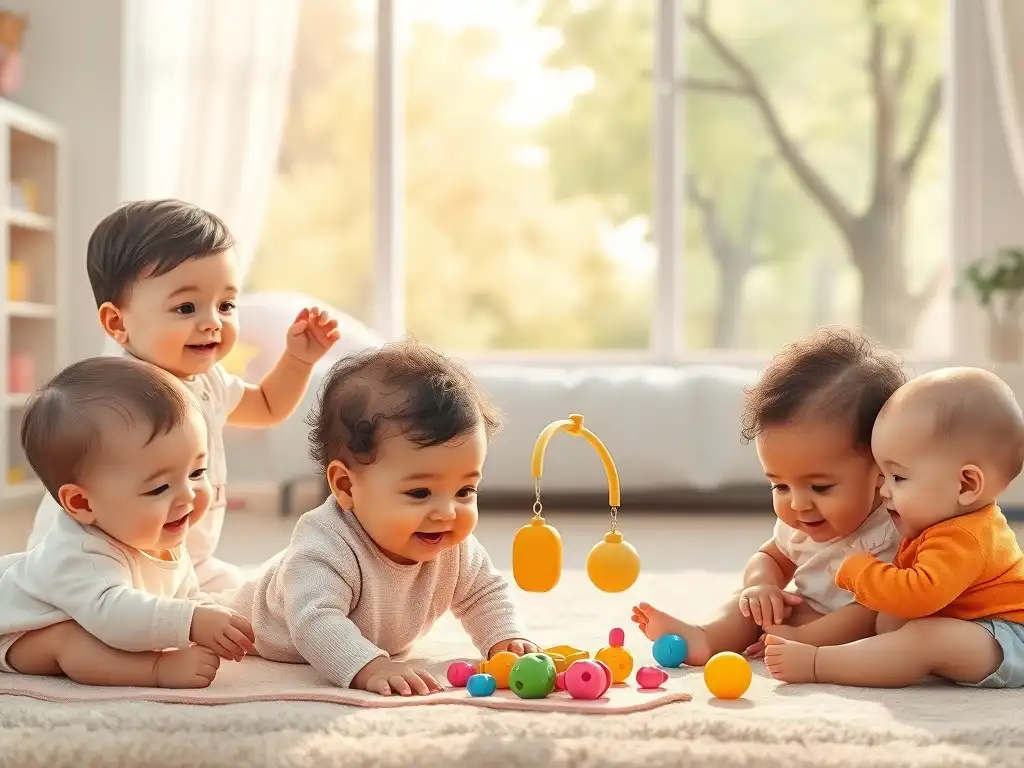
This section offers practical strategies to nurture your baby's burgeoning social skills during their first year. Remember, every baby develops at their own pace, so celebrate each milestone, big or small. Consistency and patience are key components in fostering healthy baby social development.
A rich and engaging environment plays a vital role in a baby's social development. Think beyond just toys; consider the overall atmosphere you create. Babies thrive on interaction and stimulation.
Creating a stimulating environment isn't about expensive toys; it's about thoughtful design. Consider these points:
- Visual Stimulation: Hang mobiles with contrasting colors and patterns above the crib. Rotate them regularly to keep things interesting. Use colorful blankets and wall hangings, but avoid overwhelming the space. Remember, less is often more, especially for newborns.
- Auditory Stimulation: Sing lullabies, talk to your baby frequently, and play soft music. Narrate your daily activities, describing what you're doing, seeing, and feeling. This helps them associate sounds with actions and people.
- Tactile Stimulation: Offer a variety of textures for your baby to explore – soft blankets, crinkly toys, smooth wooden blocks. Gentle massage can also be incredibly soothing and stimulating.
- Social Interaction: Regular interaction with caregivers and other trusted adults is crucial. Face-to-face time, where you make eye contact and engage in playful expressions, is invaluable. This strengthens the bond and fosters social connection. Even simple routines like bath time or diaper changes can be transformed into opportunities for interaction and bonding.
The key is to provide a variety of sensory experiences in a safe and predictable environment. This predictability helps your baby feel secure, which is essential for exploring and engaging with the world around them. Remember to observe your baby's reactions and adjust your approach accordingly. If they seem overwhelmed, reduce stimulation; if they seem bored, introduce something new.
Playtime is more than just fun; it's a powerful tool for social development. Interactive play helps babies learn to communicate, understand social cues, and develop emotional intelligence.
Here are some examples of interactive playtime activities that are ideal for fostering social skills during the first year:
| Activity | Age Range | Benefits |
|---|---|---|
| Face-to-face interaction | 0-3 months | Encourages bonding, eye contact, and early communication. |
| Simple games like peek-a-boo | 3-6 months | Develops object permanence and understanding of cause and effect. |
| Reading books with bright pictures | 6-9 months | Enhances language development and expands vocabulary. |
| Playing with soft toys and rattles | 6-12 months | Improves fine motor skills and hand-eye coordination. |
| Singing songs and nursery rhymes | 0-12 months | Fosters language development and strengthens the parent-child bond. |
Remember to adapt activities to your baby's developmental stage. Observe their cues – if they seem tired or frustrated, end the playtime session. Short, frequent playtime sessions are more effective than long, exhausting ones. The goal is to make playtime a positive and enjoyable experience for both of you. This positive association will lay the groundwork for future social interactions.
Understanding and responding appropriately to your baby's cues is paramount to their social and emotional development. Babies communicate their needs through various signals – cries, smiles, gestures, and body language. Learning to decipher these cues is crucial for building a strong and secure attachment.
A baby's cry is not a manipulation tactic, but a communication of a need.
– [Expert Name Pending]
Learning to interpret your baby's cues takes practice and patience. However, it’s an investment that pays huge dividends in terms of your baby's social-emotional growth. Here are some key cues to watch for:
- Smiling: A genuine smile is a sign of happiness and contentment. Responding with a smile of your own reinforces the positive interaction.
- Cooing and babbling: These are early forms of communication. Respond by talking back to your baby, using simple words and phrases.
- Reaching out: This indicates a desire for interaction or physical closeness. Respond by picking up your baby or offering a toy.
- Crying: Different cries can signify different needs – hunger, discomfort, or tiredness. Try to identify the cause of the cry and respond appropriately. Consistent and timely responses build trust and security.
Understanding your baby's cues is an ongoing process. As they grow and develop, their communication skills will become more sophisticated. Continue to observe, respond, and interact with your baby, and you will build a strong foundation for their social and emotional well-being. This consistent nurturing will significantly impact their baby social development timeline.
Milestones and Potential Concerns: When to Seek Professional Guidance
Understanding your baby's social development is crucial for ensuring their healthy growth. While every child develops at their own pace, recognizing potential delays is vital for early intervention. This section outlines key social milestones and when to seek professional guidance. The information provided here is for educational purposes and should not replace advice from a qualified healthcare professional.
A baby's social development is a gradual process, marked by several key milestones. These milestones are not rigid deadlines, but rather indicators of typical progress. Delays can manifest in various ways. For example, a baby who consistently fails to respond to their name by 8 months, shows no interest in social interaction (like smiling or babbling) by 6 months, or exhibits extreme difficulty in calming down even with familiar caregivers might be displaying signs of a potential delay.
Let's delve into some specific examples:
- Lack of eye contact: While newborns may not consistently make eye contact, a lack of it beyond 3-4 months, especially when interacting with caregivers, could be a concern. This doesn't necessarily indicate a problem, but warrants observation.
- Limited social smiles: A baby's first social smile usually appears around 2 months. The absence of smiles, or very infrequent smiling, beyond this age, alongside other developmental concerns, should prompt a consultation.
- Difficulty engaging in reciprocal interactions: By 6-9 months, babies typically engage in back-and-forth interactions, like babbling and responding to caregivers’ vocalizations. A significant lack of reciprocal interaction suggests a need for further evaluation.
- Absence of attachment behaviors: Secure attachment is crucial. If your baby consistently avoids or resists comfort from caregivers, showing no preference for familiar faces, it is essential to seek guidance. This could be linked to various factors, and professional assessment is recommended.
- Unusual reactions to social stimuli: Excessive fear or anxiety in social situations, or unusually aggressive behaviors, warrant professional attention.
Remember, this list isn't exhaustive. If you have any concerns about your baby's social development, regardless of whether it aligns with the points above, it's always best to seek professional advice. Early intervention is key.
Seeking Support from Pediatricians and Child Development Specialists
Your pediatrician is your first point of contact for any concerns regarding your baby's development. They can perform a comprehensive assessment, conduct developmental screenings, and offer guidance based on your baby's unique needs. They might recommend further evaluation by a child development specialist, such as a developmental pediatrician, occupational therapist, or speech-language pathologist.
Early intervention programs are designed to provide support and therapies to children with developmental delays. These programs offer a range of services tailored to the specific needs of the child, focusing on enhancing their social, emotional, cognitive, and physical development. The earlier intervention begins, the more effective it tends to be.
Don't hesitate to advocate for your child. If you feel your concerns aren't being adequately addressed, seek a second opinion. Your intuition as a parent is invaluable.
Resources for Parents: Books, Websites, and Support Groups
Navigating the world of baby development can be overwhelming. Fortunately, numerous resources are available to support parents. These include:
- Books: Several books offer detailed information on child development, including social and emotional milestones. Look for books written by child development experts or pediatricians. Check your local library or bookstore for reputable titles.
- Websites: Numerous trustworthy websites provide information on child development. However, always verify the credibility of the source before relying on the information. Look for sites associated with reputable organizations like the American Academy of Pediatrics.
- Support groups: Connecting with other parents facing similar challenges can provide invaluable emotional support and practical advice. Local parent groups, online forums, and support groups focused on developmental delays can offer a sense of community and shared experience. This peer support can be particularly helpful during challenging times.
Remember, you are not alone. Seeking help is a sign of strength, not weakness. Utilizing available resources and proactively addressing concerns can significantly impact your baby's development and well-being. Early intervention is key to fostering healthy social and emotional growth.
Frequently Asked Questions
A baby's social development timeline charts the typical progression of social skills from birth to 12 months. It shows how babies learn to interact with others, showing emotional responses and developing communication skills. This timeline provides a general guideline, individual variations are normal.
Babies usually begin social smiling between 2 and 3 months old. This is a milestone indicating the development of emotional connections and recognition of familiar faces. Before this, smiles are often reflexive.
Frequent interaction is key! Talk, sing, and play with your baby. Provide opportunities for face-to-face interaction, and expose them to different sights, sounds, and people. Respond to their cues and encourage two-way communication.
If your baby shows little to no interest in social interaction, lacks eye contact, or doesn't respond to their name by 6-9 months, it's important to consult your pediatrician. Early intervention is crucial. This is not an exhaustive list, consult your doctor with any concerns.
Remember that timelines are just guidelines! Babies develop at their own pace. While it's helpful to be aware of typical milestones, minor variations are completely normal. Focus on your baby's overall progress and consult your pediatrician if you have any concerns.
Understanding a baby's social development is not merely an academic exercise; it's the key to unlocking a lifetime of healthy relationships. The intricate timeline detailed in this article highlights the astonishing speed at which infants learn to navigate the complex world of social interaction, from the earliest smiles to the first attempts at shared play. This knowledge empowers parents and caregivers to actively participate in this crucial developmental process, shaping a future filled with meaningful connections.
The profound impact of early social interaction resonates throughout a child's life, shaping their emotional intelligence, communication skills, and capacity for empathy. The most important thing a father can do for his children is to love their mother.
This quote, often attributed to Theodore Hesburgh, speaks volumes about the foundational role of early social bonds, extending beyond the immediate parent-child relationship to influence all future interactions. Witnessing my own child's journey through these developmental milestones has underscored the incredible power of nurturing these early connections, solidifying the importance of the information presented in this article.
Now, consider your own experiences with infants. Reflect on the moments of shared joy, the subtle cues of understanding, and the building blocks of communication you've witnessed. Take this knowledge and use it to actively engage with the young children in your life. Observe their cues, respond with warmth and sensitivity, and celebrate each milestone as a testament to the remarkable capacity for connection that resides within every human being. Let's work together to foster a world where every child has the opportunity to thrive socially, building a brighter future for generations to come.
Thank you for exploring your baby's incredible social development with us! We hope you've gained valuable insights into this exciting stage. Now, let's put that knowledge into practice.
- Prioritize social interaction during playtime: Engage your baby in games that encourage eye contact, turn-taking, and shared laughter. Peek-a-boo, simple songs, and interactive toys are excellent choices. This focused playtime is crucial for nurturing their social skills.
- Share your experiences: Connect with other parents in our BabyCareHub community and share your baby's developmental milestones, challenges, and unique social interactions. Your insights can be invaluable to others!
- Document your baby's social progress: Create a simple journal or photo album to track your baby's achievements and your observations. This will help you appreciate their growth and development.
What wonderful social milestones has your baby reached, and how are you celebrating them?