
Baby's Social Learning: Observation, Imitation, and Exploration (012 Months)

Welcome to BabyCareHub, your ultimate guide to navigating the incredible journey of parenthood! Are you curious about the fascinating world of your baby's social development during their first year? We delve into the crucial milestones of Baby social development 0-12 months, exploring how observation, imitation, and exploration shape their early interactions and relationships. Discover the secrets to fostering healthy social-emotional growth and unlock the key to understanding your little one's unique personality. Let's embark on this exciting adventure together!
- Understanding Baby Social Development 0-12 Months: A Foundation for Life
- Baby's Social Learning Through Observation: The Power of Watching
- Imitation: Mirroring the World Around Them
- Exploration: Discovering the Social World Through Active Engagement
-
Supporting Your Baby's Social and Emotional Growth: Practical Tips
- Creating a Safe and Stimulating Environment for Social Development
- Engaging in Interactive Play to Encourage Social Learning
- Responding to Your Baby's Cues and Communication Attempts
- The Importance of Consistent Caregiving in Social-Emotional Development
- Seeking Professional Guidance When Needed: Recognizing Potential Delays
-
Frequently Asked Questions
- What is the most important aspect of social development in babies aged 0-12 months?
- How can I encourage my baby's social development during this period?
- My baby doesn't seem to interact much with others. Should I be worried?
- What are some signs of healthy social development in a 0-12 month old?
- How does imitation play a role in my baby's social learning?
- Final Reflection: The Unfolding World of Social Connection (0-12 Months)
- Unlock Your Baby's Social Potential: Start Playing Today!
The first year of your baby's life is a period of incredible growth and development, not just physically, but socially and emotionally as well. Understanding your baby's social development during this crucial 0-12 month period is key to nurturing their healthy development and building a strong parent-child bond.
This guide explores the fascinating journey of social learning in infants, focusing on the key milestones, behaviors to expect, and ways to support your little one's social and emotional growth. We'll delve into the processes of observation, imitation, and exploration—the cornerstones of early social learning—and how they contribute to your baby's burgeoning understanding of the world and their place within it.
From recognizing familiar faces to engaging in reciprocal interactions, this article provides a comprehensive overview of what to anticipate and how to foster a positive and stimulating environment for your baby's social development, directly addressing the keyword "baby social development 0-12 months" and its semantic variations. Learning about these developmental stages will empower you to actively participate in and celebrate this extraordinary period of your baby’s life.
Early social interaction is paramount for a baby's healthy development. It's not just about forming attachments; it lays the groundwork for their cognitive, emotional, and social skills later in life. Infants learn through observation, imitation, and exploration. They observe your facial expressions, body language, and interactions with others, absorbing information about social cues and emotional responses.
They imitate your actions, from smiling and babbling to reaching and grasping, and this imitation strengthens neural pathways crucial for learning. Exploration involves their active engagement with the environment, testing boundaries, and experimenting with social interactions. The more opportunities babies have for these processes, the more robust their social development will be. A stimulating and responsive environment, filled with loving interactions and opportunities for exploration, is vital for building a secure attachment and fostering healthy social-emotional development.
During the first three months, your baby's social development is primarily focused on building a strong bond with their caregivers. Key milestones include:
- Recognizing familiar faces: Around 2-3 months, babies start to show a preference for familiar faces, particularly their primary caregivers. They may smile more readily at these faces and exhibit more sustained attention.
- Responding to social cues: Babies begin to respond to your voice, tone, and facial expressions. They may coo or gurgle in response to your interactions.
- Showing early signs of attachment: While not fully formed yet, you may notice signs of attachment, such as seeking proximity to you or calming down when held.
- Smiling: The appearance of the social smile, around 6-8 weeks, is a significant milestone, indicating the baby’s growing awareness of and response to social stimuli.
These early milestones are crucial indicators of healthy social development. Remember, each baby develops at their own pace, and variations are normal.
Between 4 and 6 months, your baby's social interactions become more complex and interactive. You'll likely see:
- Increased social engagement: Babies become more engaged in interactions with caregivers and others, showing more interest in faces and voices.
- Babble and turn-taking: They begin to babble more extensively and engage in turn-taking during interactions, such as exchanging vocalizations with you.
- Stranger anxiety: Many babies start to show signs of stranger anxiety around this time, becoming wary of unfamiliar people. This is a normal developmental milestone, reflecting their increasing awareness and attachment to familiar individuals. This is a normal developmental milestone, indicating the strengthening of their attachment to primary caregivers.
- Responding to their name: Babies may start to respond to their name, showing an increased understanding of their identity and place within their social world.
- Laughing: Genuine laughter emerges, indicating a growing ability to experience and express positive emotions in social contexts.
This period sees a significant expansion in their social repertoire, laying the foundation for more sophisticated social interactions in the months to come. Remember to provide plenty of opportunities for interaction, play, and exploration to support your baby's continued social-emotional growth.
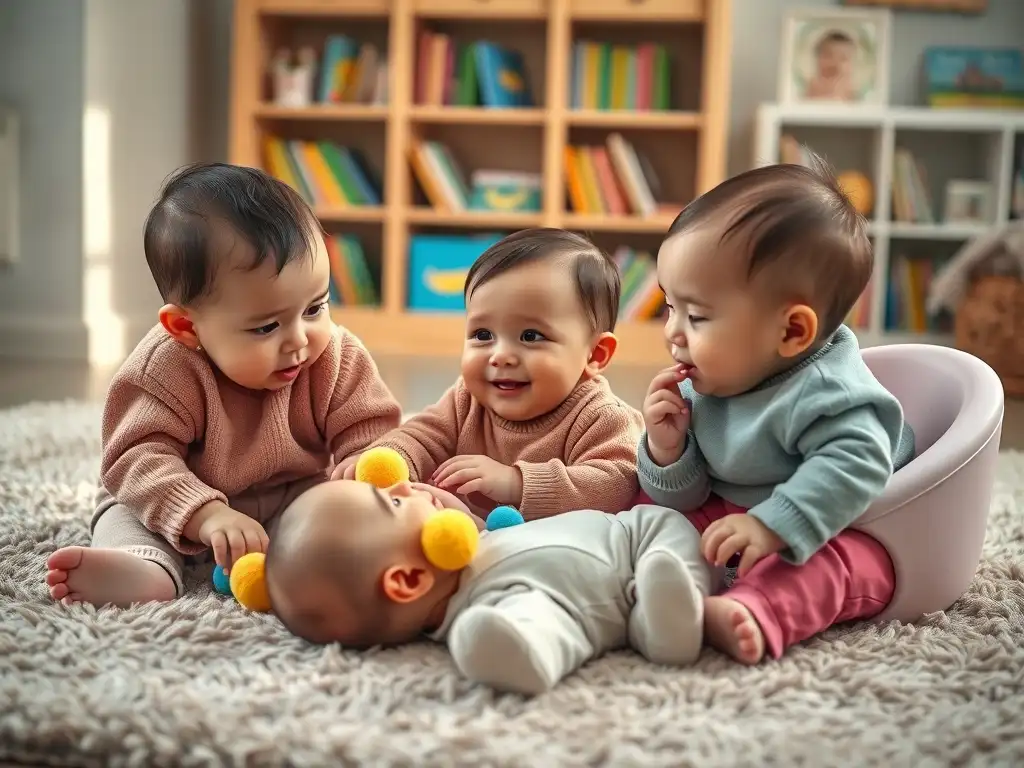
During this period, babies' social skills blossom rapidly. They're no longer just passively observing; they're actively engaging with their environment and the people in it. A significant leap occurs in their understanding of social cues and reciprocity. For example, a seven-month-old might giggle and reach out for a parent's touch, showing a clear understanding of the positive interaction. This is a crucial step in developing emotional regulation and attachment.
By eight months, many babies start showing a preference for familiar faces and exhibit separation anxiety when separated from their primary caregivers. This is a completely normal developmental stage, showcasing the strengthening bond and growing understanding of social relationships. This anxiety often manifests as crying or distress when the caregiver leaves the room, even for a short time. Nine-month-olds often display more sophisticated social behaviors, such as waving "bye-bye" or playing peek-a-boo, demonstrating an understanding of symbolic representation and social games.
They might also start showing signs of stranger anxiety, becoming wary or hesitant around unfamiliar individuals. This is a perfectly normal response reflecting their growing ability to differentiate between familiar and unfamiliar people and their increasing awareness of potential threats. Remember, the timing of these milestones can vary slightly between babies, but the progression generally follows this pattern. Observing your baby's unique trajectory is key to understanding their individual social development.
By ten months, babies are becoming increasingly adept at social interaction. They readily engage in simple games like patty-cake and peek-a-boo, demonstrating improved understanding of turn-taking and social reciprocity. Their communication skills also advance significantly. Many babies at this age start using gestures more purposefully, such as pointing to indicate desires or showing objects to share their discoveries. This intentional communication is a vital step in language development and social interaction.
Around eleven months, babies often begin to show empathy, reacting to the emotions of others. They might comfort a crying sibling or show concern when someone is upset, demonstrating a growing awareness of others' feelings. This is a significant milestone in their emotional development and their ability to navigate social situations. By twelve months, many babies are actively participating in social routines and interactions. They might participate in family meals, enjoy playtime with other children, and respond to simple instructions.
Their understanding of social cues and their ability to respond appropriately continue to improve. They might even display a preference for certain playmates or show a growing understanding of social hierarchy within their family and immediate social circle. This period marks a significant transition, laying the foundation for more complex social interactions and relationships in the years to come. The development of these sophisticated social skills is a testament to the rapid cognitive and emotional growth during this period. Continued interaction and engagement with caregivers and other children is crucial to support this continued development.
Babies are incredibly adept learners, and a significant portion of their early social development hinges on observation. From the moment they are born, they are constantly absorbing information from their environment, primarily through their senses. This observational learning forms the bedrock of their understanding of social cues, interactions, and the world around them. This section will delve into how babies learn through observation, focusing on sensory processing, facial expression recognition, and the crucial role of parental interaction. Understanding this process is key to fostering healthy baby social development 0-12 months.
How Babies Learn by Observing: Early Sensory Processing
Newborns possess surprisingly sophisticated sensory systems. Their vision, while initially blurry, rapidly improves, allowing them to focus on faces and moving objects. Hearing is equally crucial; they are attuned to the nuances of human voices, particularly their caregivers'. Touch, smell, and taste further contribute to their sensory experiences, shaping their understanding of the world.
This early sensory processing is not passive; babies actively seek out stimulation, turning their heads towards sounds, reaching for objects, and exploring textures. This active exploration is fundamental to their observational learning. For example, a baby observing their parent's reaction to a specific toy will start associating the toy with the parent's expression (happy, excited, neutral etc.) and will learn to predict how to behave.
This is the beginning of social learning through observation. The more diverse and enriching their sensory experiences, the more robust their observational learning capabilities become. Consider the impact of providing a stimulating environment with varied sounds, textures, and visual elements – this contributes significantly to healthy baby social development.
Recognizing Facial Expressions and Emotional Cues: A Crucial Skill
One of the most remarkable aspects of a baby's observational learning is their ability to quickly recognize and interpret facial expressions and emotional cues. Studies show that even very young infants can differentiate between happy, sad, and angry faces. This ability is not innate; it develops through repeated observation of caregivers and other individuals.
The subtle shifts in facial muscles, the tone of voice, and the overall body language all contribute to the baby's understanding of the emotional landscape. This understanding is crucial for social interaction. A baby who understands that a frown signifies displeasure will learn to modify their behavior accordingly, avoiding actions that elicit negative reactions.
This process is gradual, but it lays the foundation for empathy and social competence. For instance, a baby observing its parent's soothing expression while being comforted will begin to associate that expression with feelings of safety and security. This association is crucial for emotional regulation and baby social development 0-12 months.
Understanding the Impact of Parental Interaction on Observation
Parental interaction plays a pivotal role in shaping a baby's observational learning. Responsive and engaging caregivers provide a rich learning environment, constantly offering opportunities for observation and interaction. Talking to babies, narrating their actions, and providing clear emotional cues helps them to make sense of the world around them.
Conversely, a lack of interaction can hinder their observational learning, potentially leading to delays in social and emotional development. Consider the difference between a parent who consistently engages their baby with face-to-face interaction, encouraging vocalizations and mirroring expressions, and a parent who provides limited interaction. The former provides a far richer environment for observational learning and contributes to stronger baby social development.
The quality of the parent-child interaction is arguably the most significant factor influencing a baby's ability to learn through observation and develop crucial social skills. This highlights the importance of consistent, responsive caregiving in fostering healthy social-emotional growth in the first year of life.
Imitation: Mirroring the World Around Them
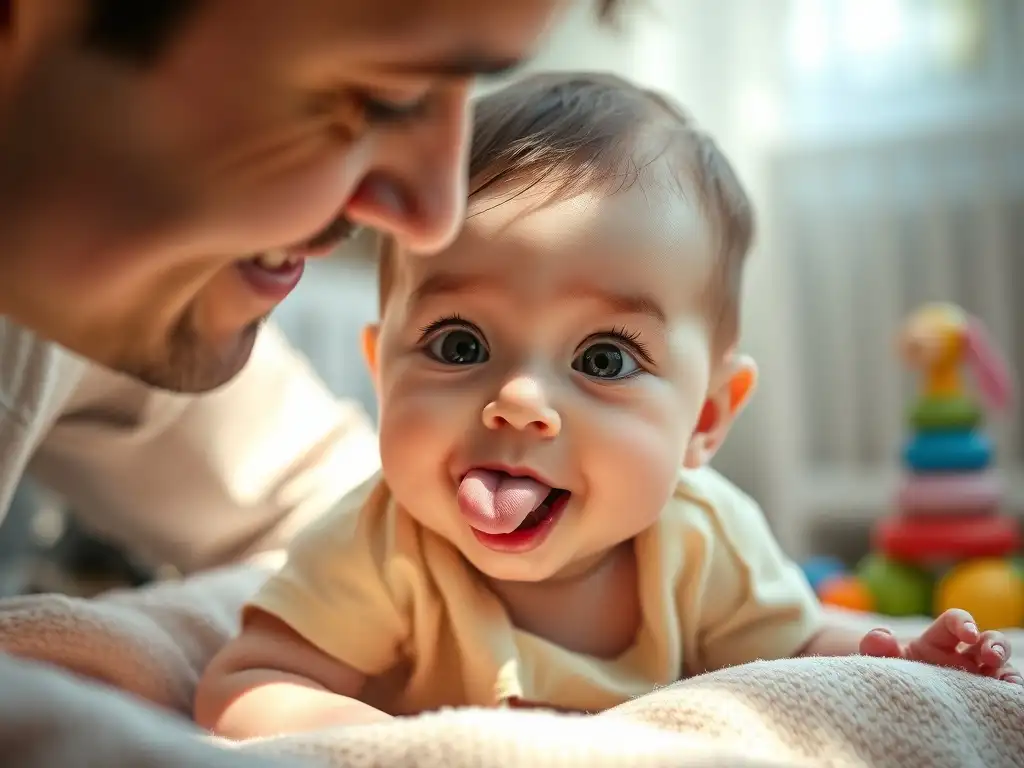
Infants, from birth, possess an innate capacity for learning through imitation, a crucial aspect of their baby social development 0-12 months. This mirroring of observed behaviors is not simply mimicry; it's a complex process involving neural pathways dedicated to understanding and replicating actions. This ability forms the bedrock of social interaction, language acquisition, and overall cognitive development during this critical period. The sophistication of imitation increases dramatically throughout the first year, reflecting the rapid development of the infant brain. Understanding the stages and fostering opportunities for imitation are key to supporting a baby's healthy social and emotional growth.
The Stages of Imitation in Infants (0-12 Months)
Imitation unfolds in distinct stages during the first year of life. Newborns, while lacking the coordinated motor skills of older infants, can exhibit rudimentary forms of imitation. For example, a newborn might subtly mimic a facial expression, like sticking out their tongue, although this is often debated within the scientific community and more research is needed to fully understand the nuances of this early imitation.
- 0-3 Months: Early imitation is largely reflexive, focusing primarily on simple actions like mouth movements. While not intentional imitation in the same way as later stages, these early responses lay the groundwork for more complex learning. We see this in the baby's attempt to mimic facial expressions like smiling or opening their mouth. This stage highlights the importance of consistent interaction with caregivers for stimulating early social development.
- 4-6 Months: Imitation becomes more deliberate. Infants begin to imitate actions they observe, such as waving goodbye or reaching for an object. This stage marks a significant leap in cognitive development, demonstrating their ability to connect observed actions with their own motor skills. The development of object permanence also plays a role here; understanding that an object continues to exist even when out of sight allows for more effective imitation of actions involving objects.
- 7-12 Months: Imitation becomes increasingly sophisticated. Infants can now imitate a wider range of actions, including more complex sequences of movements. They might copy actions with toys, such as banging blocks together or stacking them. This period also sees the emergence of deferred imitation, where infants reproduce actions they observed earlier, even hours or days later. This demonstrates their growing ability to form and retain memories, further enhancing their learning capabilities and demonstrating advanced social skills development. The ability to imitate actions seen previously is a powerful indicator of their developing cognitive abilities and their understanding of the world around them.
Encouraging Imitation Through Play and Interaction
Caregivers play a vital role in nurturing a child's imitative abilities. Engaging in interactive play specifically designed to encourage imitation can significantly boost a baby's social development. Here are some effective strategies:
- Face-to-face interaction: Making direct eye contact and engaging in playful facial expressions like sticking out your tongue or raising your eyebrows can encourage reciprocal imitation. This simple act fosters a strong bond and promotes social learning.
- Simple actions: Demonstrate simple actions repeatedly, such as clapping hands, waving, or shaking a rattle. Providing opportunities for the baby to imitate these actions supports their motor skill development and enhances their understanding of cause and effect.
- Imitative games: Use toys specifically designed for imitation, such as puppets or interactive books. These toys often feature actions that encourage the baby to copy the movements or sounds made by the toy.
- Modeling desired behaviors: Babies learn by observing. Modeling positive social behaviors, such as sharing and cooperation, provides examples that can be imitated by the baby, contributing to their emotional intelligence and social skills.
Remember, consistency and patience are key. Not every attempt at imitation will be perfect, but providing ample opportunities and positive reinforcement will significantly contribute to the baby's social and emotional growth. The focus should be on creating a fun and engaging environment where imitation is encouraged and celebrated.
The Role of Imitation in Language Development
Imitation is not just crucial for motor skills; it plays a pivotal role in language acquisition. Babies learn to speak by imitating the sounds and words they hear from their caregivers. This process begins early, with babies babbling and experimenting with sounds, often mimicking the sounds made by those around them. This is a crucial aspect of baby social development 0-12 months. This process of imitative language learning continues to develop throughout the first year and beyond.
- Early vocalizations: Infants initially imitate simple sounds like "ma-ma" or "da-da," often associating these sounds with the people or objects they represent.
- Word acquisition: As their vocabulary expands, imitation becomes increasingly important in learning new words and phrases. Hearing words repeatedly and then imitating their pronunciation helps solidify these words in the baby's linguistic repertoire.
- Sentence structure: Imitation also helps babies understand and eventually reproduce sentence structures. By listening to and imitating the way adults speak, they begin to grasp the rules of grammar and syntax.
The process of language acquisition through imitation emphasizes the importance of engaging in frequent conversations with infants, even before they can speak themselves. Reading aloud, singing songs, and engaging in playful interactions all provide valuable opportunities for language learning through imitation. This continuous interaction fosters a rich linguistic environment that supports their social and cognitive development. This, in turn, strengthens their social abilities and interaction with those around them.
Babies' social development during their first year is a fascinating journey of discovery, driven largely by their innate curiosity and desire to understand the world around them. This exploration isn't passive; it's an active process of engagement, experimentation, and learning through interaction with caregivers and their environment. Understanding this active exploration is key to supporting your baby's healthy social development and building strong, secure attachments.
This section focuses on the different ways babies actively explore their social world, laying the groundwork for future social skills and relationships. The key to unlocking this potential is understanding their methods of exploration and providing an environment that fosters their natural curiosity.
Physical touch is paramount in a baby's early social development. It's a primary means of communication and connection, far more significant than language at this stage. Think of the simple act of cuddling: the warmth, the gentle pressure, the rhythmic heartbeat – all these sensory inputs contribute to a sense of security and bonding. This physical closeness isn't just comforting; it's crucial for brain development and emotional regulation.
Beyond cuddling, physical play is vital. Games like peek-a-boo, gentle bouncing, and rolling around on the floor aren't just fun; they're teaching your baby about cause and effect, turn-taking, and social reciprocity. The back-and-forth nature of these games establishes a basic framework for social interaction.
For example, when you make a silly face during peek-a-boo and your baby giggles, you're reinforcing the positive social connection and motivating further engagement. This simple interaction lays the foundation for more complex social exchanges later on. The consistent, predictable nature of these games also helps the baby develop a sense of trust and security in their interactions with you.
Regular physical interaction strengthens the bond between parent and child, contributing to a secure attachment which profoundly impacts future social and emotional development. The benefits extend beyond immediate enjoyment; these early interactions shape the baby's understanding of social cues and responses, setting the stage for future social learning.
While your baby may not be speaking full sentences, their vocalizations – babbling, cooing, gurgling – are crucial steps in their social communication development. These seemingly random sounds are actually sophisticated attempts to communicate and engage with the world. They're experimenting with sounds, mimicking the intonation and rhythm of your voice, and gauging your reactions.
Consider the following: a baby's cooing might increase in frequency and intensity when they see a familiar face, indicating a positive social response. Similarly, a change in their vocalizations might signal discomfort or a desire for interaction. Paying close attention to these subtle cues and responding appropriately is crucial. It shows your baby that their communication attempts are valued and encourages further interaction.
This responsive communication fosters a sense of connection and trust, further strengthening the parent-child bond. Moreover, this early communicative exchange helps lay the foundation for language acquisition and more complex social interactions later in life. Studies have shown a strong correlation between early responsive communication and later language development. The more you engage with your baby's vocalizations, the more they will be motivated to communicate and develop their language skills.
Fostering Exploration Through a Stimulating Environment
Creating a stimulating environment is essential for supporting your baby's social exploration. This doesn't require expensive toys or elaborate setups. Instead, focus on providing opportunities for sensory exploration and interaction. Think about:
- Variety of textures: Offer soft blankets, crinkly toys, and smooth surfaces for tactile exploration.
- Visual stimulation: Hang colorful mobiles, use mirrors to encourage self-recognition, and display engaging pictures.
- Auditory stimulation: Play soft music, sing songs, and talk frequently to your baby.
- Opportunities for movement: Provide a safe space for your baby to crawl, roll, and explore their surroundings.
- Social interaction: Spend quality time interacting with your baby, engaging in playful activities, and responding to their cues.
Remember, a stimulating environment is not about overwhelming your baby with stimuli; it's about providing a rich and varied experience that supports their natural curiosity and desire to learn. The key is to provide a balance of structured and unstructured playtime, allowing your baby to explore at their own pace and in their own way. This approach will help them develop their social skills, build confidence, and foster a positive attitude toward learning and exploration.
Observation and interaction are key to understanding your baby’s unique learning style and adapting your approach accordingly. This personalized approach ensures that your baby’s social development is nurtured effectively and efficiently, setting them up for future success.
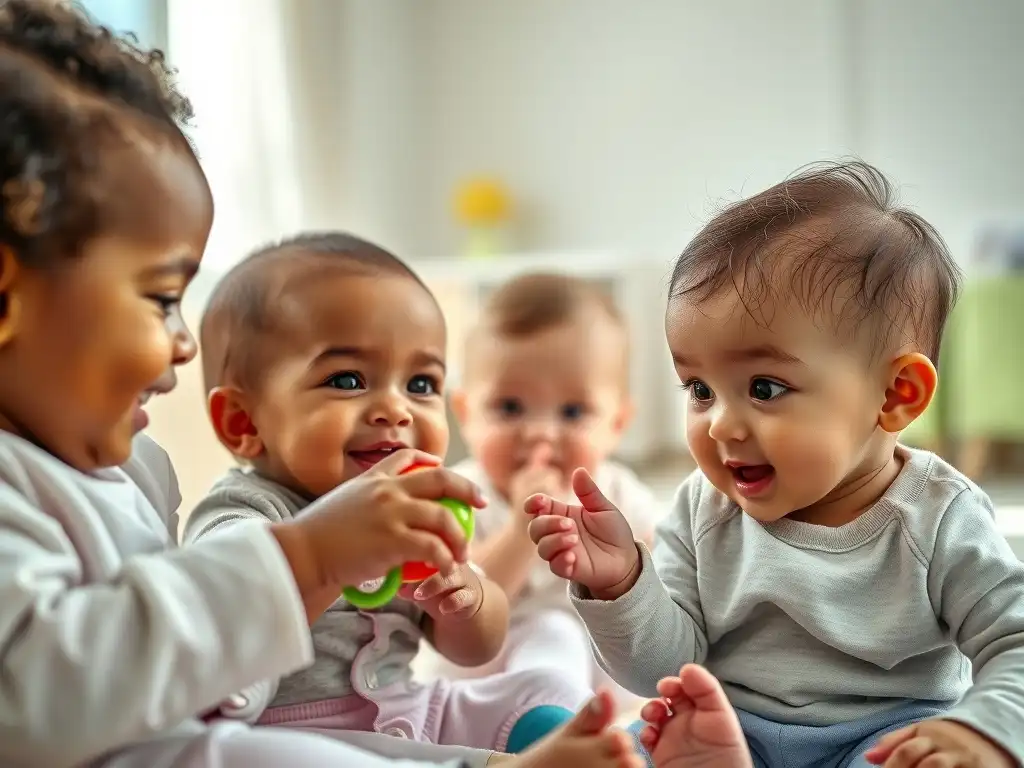
This section focuses on practical strategies to nurture your baby's social and emotional development during their crucial first year. Remember, consistent and responsive caregiving is key to fostering healthy social-emotional growth in babies aged 0-12 months. This period is marked by significant leaps in their ability to interact with the world and understand social cues. By understanding their developmental trajectory and employing these tips, you can significantly contribute to their thriving social life.
A baby's environment plays a crucial role in their social development. A safe and stimulating space encourages exploration, interaction, and the development of crucial social skills. Think of it as building the foundation for future social interactions. This doesn't require extravagant setups; simple, thoughtful adjustments can make a big difference.
Consider these points:
- Safe Space: Ensure your baby's play area is free from hazards – choking hazards are particularly important to eliminate during this phase. Secure any loose cords or wires, and keep small objects out of reach. A playmat provides a designated safe area for tummy time and exploration.
- Sensory Stimulation: Introduce a variety of textures, sounds, and sights. Think soft blankets, crinkly toys, rattles with varying sounds, and brightly colored mobiles. This sensory richness helps your baby process information from their environment and encourages engagement.
- Opportunities for Interaction: Arrange the environment to encourage interaction. Placing toys within reach but requiring some effort to retrieve them encourages problem-solving and self-sufficiency – building blocks for social competence. Having a designated playtime area also encourages consistent social interaction.
- Visual Stimulation: Use mobile hanging toys, colorful books, or even simple pictures to stimulate your baby’s visual senses. This helps them develop their visual perception skills and engage more readily in social interactions. Remember to rotate these items to keep your baby stimulated.
Interactive play is paramount in fostering your baby's social-emotional development. It's not just about entertaining them; it's about building a strong connection and teaching valuable social skills. Even seemingly simple interactions carry significant developmental weight.
Here are some highly effective interactive play ideas:
- Face-to-Face Interactions: Spend dedicated time engaging in face-to-face interactions. Make silly faces, talk, sing, and respond to their sounds. This strengthens your bond and teaches them about facial expressions and communication. This simple activity significantly contributes to their understanding of social cues.
- Turn-Taking Games: Introduce simple turn-taking games like rolling a ball back and forth, or playing peek-a-boo. These games teach them about reciprocity and social interaction. The repetition reinforces the concept of turn-taking, a fundamental aspect of social interaction.
- Reading Together: Reading aloud, even at this young age, is beneficial. Pointing at pictures, naming objects, and engaging in interactive storytelling helps them associate words with objects and actions, fostering language development and communication skills – both crucial for social engagement.
- Singing and Dancing: Singing songs and dancing together are fun and engaging ways to promote social interaction. The rhythm and melody stimulate their senses and create a positive social experience. This helps them learn about rhythm, timing, and emotional expression, all vital social skills.
Responding to Your Baby's Cues and Communication Attempts
Understanding and responding to your baby's cues is crucial for their social and emotional development. Babies communicate their needs and emotions through various signals, often subtle at first. Learning to interpret these cues is essential for building a secure attachment and fostering healthy social-emotional growth. This responsiveness also helps your baby learn about communication and social reciprocity.
Consider the following:
- Nonverbal Cues: Pay attention to their nonverbal cues, such as crying, fussing, gazing, and reaching. These are early forms of communication, and responding appropriately helps them understand that their communication is effective. This builds trust and confidence.
- Vocalizations: Respond to their gurgles, coos, and babbles. Even though they might not be forming words, these vocalizations are attempts at communication. Repeating their sounds and expanding upon them encourages language development and strengthens your bond. This is a vital aspect of their early social development.
- Body Language: Observe their body language. Are they tense, relaxed, happy, or distressed? Responding appropriately demonstrates empathy and understanding. This teaches them about emotional regulation and expression, which are fundamental social skills.
- Consistency: Consistent and responsive caregiving is key. When you consistently respond to their cues, they learn to trust you and feel secure. This secure attachment forms the basis for healthy social and emotional development. This predictability helps them learn about cause-and-effect within social interactions.
Remember, every interaction, no matter how small, contributes to your baby's social and emotional development. By creating a nurturing environment, engaging in interactive play, and responding sensitively to their cues, you play a vital role in shaping their future social skills and emotional well-being. This dedicated effort during the first 12 months lays a strong foundation for their overall development.
Consistent caregiving plays a pivotal role in a baby's social and emotional development during the crucial 0-12 month period. A predictable and nurturing environment fosters a sense of security and trust, which are fundamental building blocks for healthy emotional growth. Babies thrive on routines; knowing what to expect reduces anxiety and allows them to focus on exploring their world and interacting with their caregivers. This consistency isn't just about feeding and sleeping schedules; it also encompasses the consistent responsiveness of caregivers to a baby's cues.
Whether it's a soothing cuddle when upset, a playful interaction during awake time, or a comforting response to cries, consistent and sensitive caregiving helps babies develop a secure attachment. This secure attachment, in turn, lays the foundation for future healthy relationships and emotional regulation. Babies learn to trust that their needs will be met and that they are loved and valued. This secure base allows them to venture out and explore their surroundings with confidence, knowing they have a safe haven to return to.
The absence of this consistent care can manifest in various ways, such as increased anxiety, difficulty forming attachments, and challenges with emotional regulation later in life. Therefore, prioritizing consistent caregiving is not merely a matter of convenience but a crucial investment in a baby's long-term well-being and social-emotional development. This consistent, loving interaction helps babies learn about cause and effect and strengthens their understanding of social cues. For example, a baby learns that smiling at a caregiver often results in a positive response, reinforcing the behavior and promoting social interaction.
Seeking Professional Guidance When Needed: Recognizing Potential Delays
While every baby develops at their own pace, it's crucial for parents to be aware of potential developmental delays in their baby's social-emotional growth. Recognizing these delays early is vital for intervention and support. Several signs may indicate a potential delay. For example, a baby who consistently avoids eye contact, shows little interest in social interaction, or demonstrates excessive fear or anxiety may require professional assessment. Similarly, a baby who does not respond to their name, fail to show basic emotions like joy or sadness, or exhibit extreme difficulty being soothed might need further evaluation.
These are not exhaustive lists, and the absence of one or two signs does not necessarily indicate a problem. However, a combination of these or other concerning behaviors warrants a consultation with a pediatrician, developmental specialist, or other qualified healthcare professional. Early intervention is key; addressing potential delays early on can significantly improve a child's developmental trajectory. Professionals can conduct thorough assessments to determine the cause of any delays and recommend appropriate interventions, which might include therapy, specialized educational programs, or other support services.
Remember, seeking professional help is a sign of proactive parenting, not a sign of failure. Trusting your instincts and seeking guidance when needed is a crucial part of ensuring your baby's healthy social and emotional development. Early identification and intervention can dramatically improve outcomes and help your baby reach their full potential. Don't hesitate to reach out for support; you're not alone in this journey.
Frequently Asked Questions
The most crucial aspect is building secure attachments with caregivers. This lays the foundation for future social interactions and emotional well-being. Positive interactions and responsive caregiving are key.
Engage in face-to-face interactions, talk, sing, and read to your baby. Provide opportunities for exploration and play, and respond to their cues and attempts at communication. Imitate their sounds and actions.
My baby doesn't seem to interact much with others. Should I be worried?
While every baby develops at their own pace, consult your pediatrician if you have concerns. Early intervention can be beneficial. Observe your baby's overall development and seek professional advice if needed.
Signs include smiling responsively, engaging in eye contact, showing interest in faces, babbling, and initiating interactions. They should also demonstrate comfort with caregivers and show signs of enjoying social play.
Imitation is crucial for learning social cues and behaviors. By copying expressions and actions, your baby develops understanding of social interactions and builds essential social skills. This is a fundamental aspect of their development.
The first year of life is not merely a period of physical growth; it's a breathtaking journey of social development, laying the foundation for a lifetime of connection and understanding. The intricate dance of observation, imitation, and exploration that we've explored reveals a remarkable capacity for learning in infants, far exceeding what was once believed. This understanding is crucial today, as we increasingly recognize the profound impact of early experiences on a child's future well-being.
Witnessing the rapid progress of a baby's social skills – from the initial gaze to the first genuine smile, from babbling to intentional communication – is a deeply moving experience. It underscores the inherent human need for connection and the power of early interaction. The greatest gift we can give our children is the gift of unconditional love.
This simple truth highlights the importance of nurturing these early social bonds, providing a secure base from which the child can confidently explore the world and develop their unique personality. The impact of these early interactions ripples outwards, shaping not only the child's individual development but also their future relationships and contributions to society.
Consider the implications of this knowledge. How can you, as a parent, caregiver, or educator, foster this crucial social development? Take a moment to reflect on your own interactions with infants and young children. Are you providing ample opportunities for observation, imitation, and exploration? Are you responding sensitively to their cues and creating a nurturing environment that encourages social engagement? By consciously embracing these principles, you can play a vital role in shaping a brighter future for the next generation, one filled with strong social connections and a deep sense of belonging.
Thank you for learning about your baby's amazing social development! You've gained valuable insights into how they learn and grow through observation, imitation, and exploration. Now, let's put that knowledge into practice!
- Prioritize playful interaction: Spend fifteen minutes today engaging your baby in simple games. Try mirroring their sounds, faces, or movements. This focused playtime is key to fostering their social skills.
- Create a social learning environment: Arrange your baby's space to encourage exploration and interaction. Soft toys, mirrors, and items with varied textures can all be beneficial.
- Share your discoveries: Tell us about your favorite social learning games and activities! Share your experiences in the comments below – others will benefit from your successes.
What simple activity will you try today to encourage your baby's social development?