
Baby's First Interactions: How They Learn to Engage With the World (012 Months)

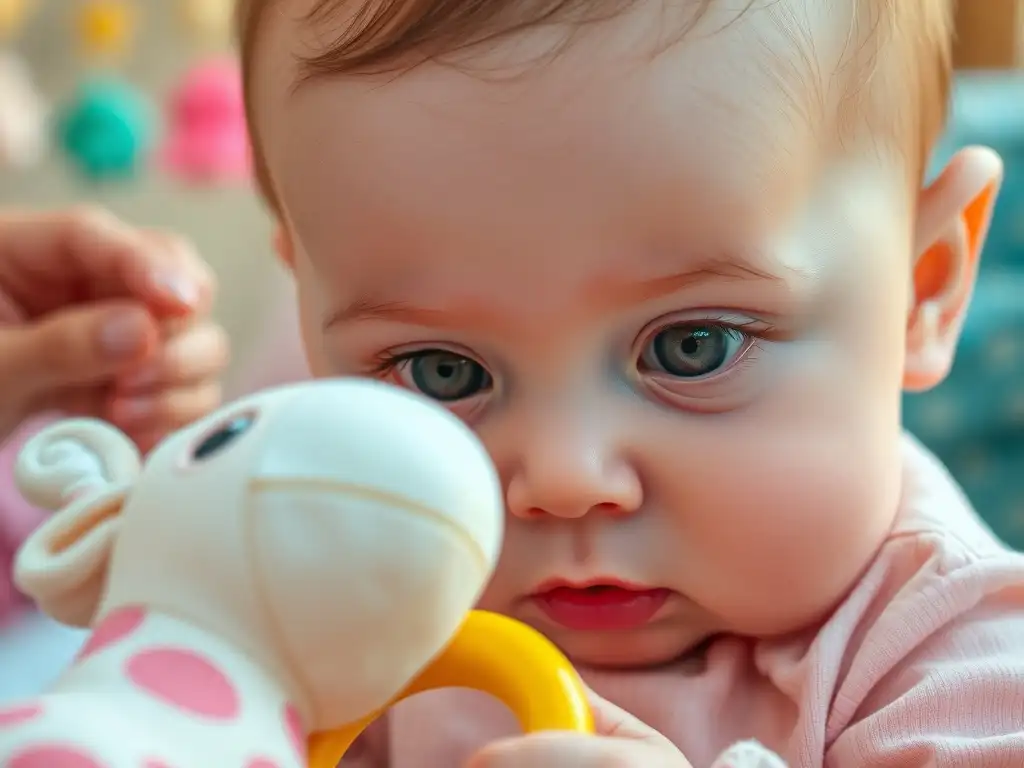
Welcome to BabyCareHub, your ultimate guide to navigating the incredible journey of parenthood! Are you ready to unlock the secrets to your baby's development? We delve into the fascinating world of baby interaction development 0-12 months, exploring how those precious first interactions shape your little one's future. Discover the crucial milestones and learn practical strategies to foster healthy growth and a strong bond. Prepare to be amazed by what your baby is capable of learning in their first year – let's begin!
- Understanding Baby Interaction Development (0-12 Months)
- Social Smiles and Early Communication (2-4 Months)
- Developing Intentional Interactions (4-6 Months)
- Increased Engagement and Social Awareness (6-9 Months)
- More Complex Interactions and Exploration (9-12 Months)
- Supporting Your Baby's Interaction Development
-
Frequently Asked Questions
- How do babies learn to interact in the first 12 months?
- What are some key milestones in baby interaction development during this period?
- How can I encourage my baby's interaction development?
- What are the signs of potential developmental delays in baby interaction?
- What role does tummy time play in interaction development?
- Final Reflection: The Unfolding World of Infant Interaction
- Unlock Your Baby's World: Engage, Explore, and Grow!
Understanding Baby Interaction Development (0-12 Months)
From the moment they're born, babies are actively learning and engaging with the world around them. This journey of discovery, spanning the first year of life (0-12 months), is a fascinating process marked by significant leaps in social and emotional development. This article will explore the key stages of baby interaction development during this crucial period, providing insights into how babies learn to communicate, connect, and understand their environment.
We'll delve into the nuances of newborn reflexes, the importance of parent-infant bonding, and the progressive development of sensory exploration, offering a comprehensive understanding of "baby interaction development 0-12 months." Understanding these milestones can empower parents to foster healthy social-emotional growth in their little ones, creating a strong foundation for future development. This guide will provide practical tips and observations to help you navigate this exciting phase of your baby's life, enriching your bond and supporting their journey of discovery.
The Newborn Phase: Reflexes and Early Responses (0-1 Month)
The first month of life is a period of profound adjustment for both baby and parents. Newborns primarily communicate through reflexes, involuntary actions that are crucial for survival and early interaction. These reflexes, such as the rooting reflex (turning towards a touch on the cheek) and the sucking reflex, are instinctive responses to stimuli and lay the groundwork for future voluntary actions.
While newborns may not exhibit complex social interactions, they are keenly aware of their surroundings. They respond to sounds, particularly high-pitched voices, and show a preference for faces, especially their caregivers'. Observing these early responses provides valuable insights into your baby's sensory capabilities and developing awareness.
During this period, focus on providing a calm and nurturing environment, responding consistently to your baby's cues, and engaging in skin-to-skin contact to promote bonding and emotional security. This consistent interaction, even in the absence of complex communication, is vital for building trust and establishing a secure attachment.
Building Bonds: Parent-Infant Interaction in the First Month
The first month is critical for establishing a strong parent-infant bond. This bond is built through consistent interaction, nurturing, and responsiveness to the baby's cues. Skin-to-skin contact, also known as kangaroo care, is particularly beneficial, regulating the baby's temperature, heart rate, and promoting a sense of security.
Talking, singing, and reading to your baby, even if they don't understand the words, stimulates their auditory development and fosters a sense of connection. The use of gentle touch and massage can also soothe and calm your baby, promoting relaxation and reducing stress. Remember that consistency is key; responding promptly and consistently to your baby's cries helps build trust and security.
This early interaction lays the foundation for healthy social and emotional development, shaping the baby's ability to form attachments and navigate social situations in the future. Even seemingly simple actions, such as eye contact and gentle smiles, contribute significantly to bonding and early interaction. Observe your baby's responses and adjust your interactions accordingly.
Sensory Exploration: Sight, Sound, Touch, and Taste (1-3 Months)
As babies progress from the newborn phase, their sensory exploration expands dramatically. Between 1 and 3 months, babies become increasingly aware of their environment, actively engaging with sights, sounds, tastes, and textures. Their vision improves, allowing them to focus on objects and faces at increasing distances. They begin to track moving objects with their eyes, a significant milestone in visual development.
Auditory development also advances, with babies showing a preference for familiar voices and sounds. They become increasingly responsive to music and other auditory stimuli. Tactile exploration is paramount during this period, with babies exploring their world through touch. They enjoy the feeling of different textures, and the act of grasping and manipulating objects helps develop their fine motor skills.
Taste and smell also play a role, with babies showing preferences for certain flavors and scents. Providing a variety of sensory experiences – soft toys, different textures, musical toys, and varied sounds – enriches their environment and promotes healthy sensory development. This active exploration is crucial for brain development and lays the groundwork for future cognitive and social-emotional skills. Observe your baby's reactions to different sensory inputs to understand their preferences and tailor your interactions accordingly.

This period marks a significant leap in your baby's social and emotional development, characterized by the emergence of genuine social smiles and increasingly sophisticated communication attempts. Understanding these early interactions is crucial for fostering a strong parent-child bond and supporting your baby's burgeoning cognitive abilities. The key to understanding this stage lies in recognizing the subtle cues your baby offers and responding appropriately, creating a positive feedback loop that encourages further interaction and development. Remember, consistent and responsive interaction is key for healthy baby interaction development 0-12 months.
Recognizing Faces and Voices: The Power of Familiarity
Between 2 and 4 months, your baby begins to actively recognize familiar faces and voices. This isn't just passive observation; they're actively processing visual and auditory information, associating specific sounds and sights with feelings of comfort and security. You'll likely notice a more pronounced reaction when you approach, perhaps a wider smile or a quieter cooing compared to unfamiliar faces. This recognition is a vital step in their social development, laying the foundation for future relationships and attachments.
Studies show that babies who experience consistent positive interaction during this period exhibit stronger social skills later in life. The more you interact with your baby using their name, making eye contact, and using different facial expressions, the stronger their recognition of you will become. This familiarity and positive association directly influence their emotional security and sense of trust. This period is a crucial window for baby interaction development.
Responding to Sounds and Vocalizations: Early Language Development
As your baby's hearing sharpens, their response to sounds and vocalizations becomes more refined. They'll begin to turn their heads towards sounds, particularly voices, and will start to mimic some sounds they hear. This isn't just imitation; it's active participation in a communicative exchange. You can encourage this by engaging in "baby talk," using exaggerated tones and simple words.
Responding to their coos and gurgles with similar sounds creates a back-and-forth dialogue, which is incredibly stimulating for their developing brains. This early interaction is foundational for language acquisition, shaping their vocabulary and communication skills. Data suggests that babies exposed to frequent verbal interaction during this period exhibit larger vocabularies and improved language comprehension skills by the time they reach 12 months. This reinforces the importance of consistent and responsive communication for healthy baby interaction development 0-12 months.
Interactive Play: Simple Games and Activities
Simple games and activities play a vital role in stimulating your baby's social and cognitive development during this period. Think of activities that involve face-to-face interaction, such as peek-a-boo or making silly faces. These games are not just fun; they are crucial learning experiences. Peek-a-boo, for example, teaches object permanence – the understanding that things continue to exist even when they are out of sight.
Similarly, singing songs and reading simple rhymes exposes your baby to language rhythms and patterns, stimulating their auditory processing skills. Remember to keep interactions short and engaging, paying close attention to your baby's cues. If they seem tired or disinterested, take a break.
The goal is to create positive and enjoyable experiences that foster a secure attachment and encourage further interaction. This playful interaction significantly contributes to baby interaction development 0-12 months, nurturing their social and cognitive growth. A consistent routine of these simple games helps solidify these early interactions and their social skills.
This detailed analysis highlights the importance of responsive and engaging interaction during this crucial period of baby interaction development 0-12 months. The focus should remain on creating a nurturing environment that supports your baby's social, emotional, and cognitive growth.
Developing Intentional Interactions (4-6 Months)
This period marks a significant leap in your baby's ability to actively engage with their surroundings. Between 4 and 6 months, they move from reflexive actions to intentional interactions, showing a growing understanding of cause and effect. This development is crucial for their social, cognitive, and emotional growth, laying the foundation for future learning and relationships. Observing these milestones can provide valuable insights into your baby's progress and help you foster a stimulating environment for optimal development. Remember, every baby develops at their own pace, and variations are completely normal. However, significant delays should be discussed with your pediatrician.
Reaching, Grasping, and Object Manipulation: Fine Motor Skills Development
Around 4 months, babies begin to reach for objects with more purpose. Initially, these reaches may be clumsy and uncoordinated, but by 6 months, they'll demonstrate improved precision and hand-eye coordination. This is a crucial stage in fine motor skill development. You'll observe them successfully grasping and manipulating objects, shaking rattles, and even bringing toys to their mouths. This increased dexterity is not just about physical skill; it reflects their growing cognitive ability to understand object permanence – the understanding that an object continues to exist even when it's out of sight.
To encourage this development, offer your baby a variety of textured toys and objects of different shapes and sizes. Consider toys that make sounds or have interesting features to stimulate their senses. Remember to always supervise your baby during playtime to ensure their safety. For example, avoid small objects that they could choke on. Providing opportunities for exploration and play during this period is vital for their development. You might even notice a preference for certain textures or types of toys, which can be a fascinating insight into their individual preferences.
Social interaction takes a significant step forward during these months. Babies start to engage in more reciprocal interactions, showing a growing understanding of turn-taking and shared attention. You might notice them gazing intently at your face during conversations, responding to your smiles and vocalizations with smiles and gurgles of their own. This shared attention is a cornerstone of social development, laying the foundation for future communication and relationships. They are learning to read your emotional cues and respond accordingly – a critical skill for navigating social situations throughout life.
This period is characterized by increased responsiveness to social cues. For example, a baby might start to anticipate your actions, such as reaching out their hands when you offer a toy. They are also beginning to understand that their actions elicit responses from others, strengthening their understanding of social reciprocity. Active engagement, such as singing songs, reading books, and playing interactive games, further strengthens these skills. The more you engage with your baby, the more they learn to engage with you, fostering a strong and loving bond.
Beginning to Babble and Vocalize: Pre-Language Communication
Between 4 and 6 months, babbling becomes more sophisticated. The initial sounds may have been random, but now they begin to experiment with different sounds and combinations, mimicking the rhythms and intonations of adult speech. This babbling is not just playful vocalization; it's a crucial step in language development. They are practicing the sounds and structures of language, preparing for the eventual production of words. You might hear them experimenting with consonant-vowel combinations like "ba-ba" or "ma-ma," even if they don't yet understand the meaning of these sounds.
Encourage this vocal development by talking to your baby frequently, using a variety of tones and inflections. Singing songs and reciting rhymes are also excellent ways to stimulate language acquisition. Responding to their babbling with encouragement and mirroring their sounds helps them understand that their vocalizations are meaningful and elicit a response. This back-and-forth interaction is vital for language development and fosters a strong connection between you and your baby. Remember, consistent interaction and engagement are key to supporting your baby's communication journey. The more you talk and interact, the richer their linguistic environment becomes, fueling their language development.
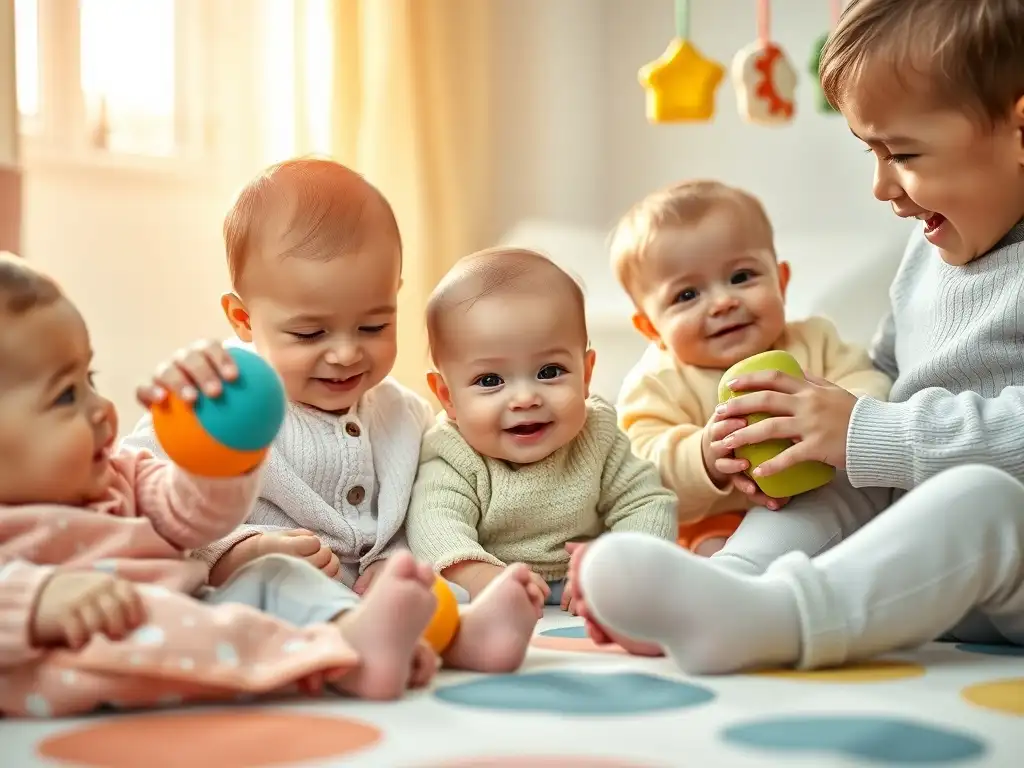
This period marks a significant leap in your baby's social and emotional development. Between six and nine months, their interactions become more complex and intentional, reflecting a growing awareness of themselves and the world around them. You'll witness a dramatic increase in their engagement with caregivers and their environment, laying the foundation for future social skills and emotional intelligence.
Understanding this developmental stage is crucial for fostering healthy baby interaction development during these crucial months. This period is characterized by several key milestones, including the emergence of stranger anxiety, the deepening of emotional connections, and the development of object permanence.
Stranger Anxiety: A Normal Developmental Stage
Stranger anxiety, often appearing between six and eight months, is a common and normal developmental milestone. It's a sign that your baby is developing a sense of self and recognizing familiar faces as safe and secure. While heartwarming, it can also be challenging for parents. Your baby may cry, cling to you, or become visibly distressed when encountering unfamiliar people. This isn't a sign of a problem; it's actually an indicator of healthy attachment and a growing understanding of social boundaries.
The intensity of stranger anxiety varies greatly between babies. Some babies may show only mild discomfort, while others may exhibit intense distress. Factors influencing the severity include the baby's temperament, the stranger's demeanor, and the environment. A gradual introduction to new people in a comfortable and familiar setting can help ease the transition.
Remember to be patient and reassuring, offering plenty of physical comfort and familiar routines. This stage is temporary, and with consistent exposure to new faces in a supportive environment, your baby will gradually become more comfortable with unfamiliar individuals. This process is a vital part of their baby interaction development.
Developing Emotional Connections: Attachment and Bonding
Between six and nine months, the bond between you and your baby strengthens significantly. This is a period of intense attachment, where your baby actively seeks your proximity, comfort, and attention. They may show clear preferences for specific caregivers, exhibiting joy upon seeing you and distress when separated. This secure attachment is crucial for your baby's emotional well-being and future social development. The consistent responsiveness of caregivers directly impacts the quality of this attachment.
Responding promptly and sensitively to your baby's cues strengthens the bond. This involves understanding their communication methods, whether it's crying, babbling, or reaching out. Providing consistent routines, physical touch (cuddles, hugs, and kisses! ), and engaging in playful interactions also strengthens this vital connection. The development of a secure attachment during this period is a cornerstone of healthy baby interaction development and lays the groundwork for future relationships. Remember, there's no such thing as spoiling a baby during this critical bonding phase.
Object Permanence: Understanding that Objects Exist Even When Out of Sight
Object permanence is a significant cognitive milestone that typically emerges between six and nine months. Before this stage, if an object is hidden from view, your baby may act as if it no longer exists. However, as object permanence develops, your baby begins to understand that objects continue to exist even when they can't see them. This understanding is crucial for their cognitive development and will greatly impact their interactions with the world.
This development is observable through various behaviors. For instance, you might notice your baby searching for a toy that has been hidden under a blanket or behind a pillow. This demonstrates their growing understanding that the toy still exists, even though it's temporarily out of sight. Playing peek-a-boo is a fun way to help solidify this concept.
The successful search for hidden objects reinforces their understanding and further enhances their cognitive and social skills, contributing positively to their baby interaction development. This milestone is a vital step toward more complex problem-solving and interactive play in the months to come. 🎉
More Complex Interactions and Exploration (9-12 Months)
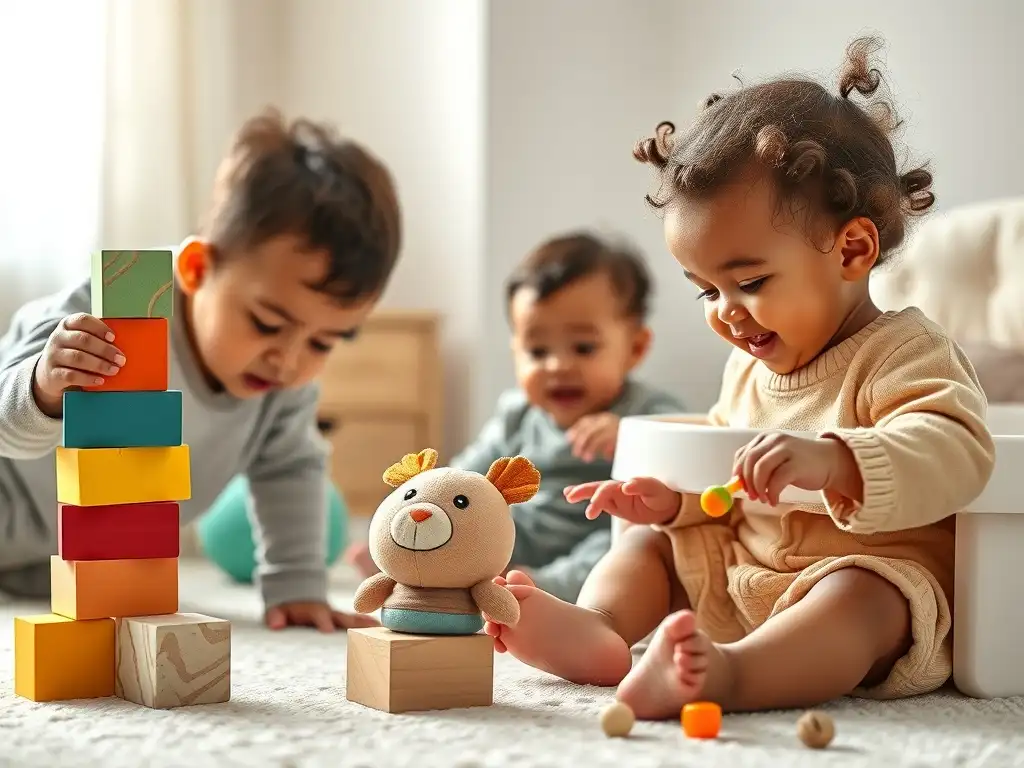
This stage marks a significant leap in your baby's interaction development. Between 9 and 12 months, their understanding of the world expands dramatically, leading to more complex play, communication, and exploration. They're actively learning to engage with their environment in increasingly sophisticated ways, laying the foundation for future social and cognitive growth.
This period is characterized by a burgeoning curiosity and a desire to understand cause and effect. Observing these developments is incredibly rewarding for parents, offering a fascinating glimpse into their little one's rapidly developing mind. Remember, while these are typical milestones, each baby develops at their own pace, so don't worry if your little one isn't hitting every mark precisely on schedule.
Symbolic Play: Using Objects to Represent Other Things
Symbolic play, a hallmark of this age range, showcases your baby's growing cognitive abilities. It's the beginning of understanding that objects can represent something else. You might observe your baby pretending to feed a doll, using a block as a phone, or pushing a toy car around as if it were a real vehicle. This isn't just random play; it's a demonstration of their ability to create mental representations and engage in imaginative thinking.
The development of symbolic play is intrinsically linked to language acquisition. As babies begin to understand words, they can more easily connect objects with their symbolic meaning. For example, a baby who understands the word "car" might be more likely to use a toy car to represent a real car in their play. Encourage this type of play by providing a variety of toys and objects, and by joining in the fun.
Even simple actions, like pretending to drink from an empty cup, are significant steps in their cognitive development. The complexity of their symbolic play will increase over time, reflecting their growing understanding of the world around them. For instance, you might observe a progression from simply using a block as a phone to pretending to have a conversation on that "phone."
Following Simple Instructions: Responding to Requests
Between 9 and 12 months, babies begin to understand and respond to simple instructions. This is a crucial step in their social and emotional development, demonstrating their growing ability to follow directions and cooperate. Phrases like "Give me the ball," "Wave bye-bye," or "Come here" become increasingly effective in eliciting a response. The success of these interactions depends on several factors, including the clarity of the instruction, the baby's familiarity with the object or action, and the presence of nonverbal cues such as pointing or gesturing.
Data suggests that the ability to follow simple instructions is strongly correlated with language development and overall cognitive ability. Studies have shown that babies who readily follow instructions at this age tend to have a larger vocabulary and better problem-solving skills later in childhood. While some babies might respond to instructions more readily than others, consistent and patient interaction is key.
Continue to engage your baby with simple commands, rewarding positive responses with praise and encouragement. Remember to keep instructions short, clear, and accompanied by appropriate gestures to maximize their understanding. This interaction fosters a sense of cooperation and strengthens the bond between parent and child.
Pointing and Gesturing: Nonverbal Communication Skills
Pointing and gesturing are vital components of nonverbal communication, emerging significantly during this period. It's a powerful way for your baby to express their needs and desires before they can fully articulate them through words. Pointing towards a desired object, for example, indicates an understanding of object permanence and the ability to use nonverbal cues to communicate. Similarly, waving goodbye or reaching out for a hug demonstrates their social understanding and emotional development.
These nonverbal communication skills are fundamental building blocks for future language development. The ability to point and gesture allows babies to engage in proto-conversations—early forms of interaction that lay the groundwork for more complex communication. Encouraging these behaviors through responsive interaction is crucial. When your baby points, acknowledge their gesture by naming the object or responding to their request.
This positive reinforcement strengthens their communication skills and builds their confidence in expressing themselves. Observing the frequency and context of their pointing and gesturing can provide valuable insights into their understanding of the world and their emerging social skills. The development of these skills is a significant milestone in their journey towards effective communication.
Joint Attention: Sharing Focus on a Common Object or Event
Between 9 and 12 months, babies begin to demonstrate a fascinating skill: joint attention. This involves the ability to share focus with a caregiver on a common object or event. Instead of simply looking at something independently, your baby will now actively try to direct your gaze towards something interesting to them, perhaps by pointing, looking back and forth between you and the object, or even making vocalizations to draw your attention. This is a significant leap in their social and cognitive development. They're not just observing the world; they're actively engaging with it and sharing that experience with you.
This shared experience strengthens the bond between you and your baby and lays the groundwork for future communication and learning. For example, if your baby sees a bird outside the window, they might point at it and then look at you, waiting for your reaction and acknowledgement. This simple act demonstrates a sophisticated understanding of social interaction and the desire to connect with you on a shared experience. The development of joint attention is a key predictor of later language development and social skills. Encouraging joint attention is simple: follow your baby's gaze, name the objects they’re looking at, and engage with them enthusiastically about what they’re interested in.
This reciprocal interaction is crucial for their development. Remember, even if your baby isn't yet pointing, their attempts to get you to look at something are still a form of joint attention. Be mindful and responsive to these early attempts at communication. The more you engage, the more your baby will develop this crucial skill. This period of shared focus is vital for language development as well; associating words with objects and events while sharing the experience with a caregiver creates a powerful learning opportunity.
This active engagement in shared experiences significantly contributes to the baby’s developing understanding of the world around them and their place within it. The ability to share focus is not merely a passive observation but an active participation in a shared experience, fostering a sense of connection and mutual understanding between parent and child. By responding enthusiastically to their attempts at joint attention, you reinforce this behavior and actively encourage their social and cognitive development.
It's a beautiful demonstration of the growing connection and communicative abilities of your little one, paving the way for future complex interactions and learning. The subtle nuances of a baby's gaze, accompanied by gestures and vocalizations, reveal a depth of understanding and a burgeoning desire to connect and share their world with you. This is a truly remarkable milestone in their development.
Supporting Your Baby's Interaction Development
This section focuses on practical strategies to nurture your baby's burgeoning social and emotional skills during their first year of life. Remember, every baby develops at their own pace, but consistent engagement and a stimulating environment are crucial for healthy interaction development. We'll explore how to create an enriching environment and offer engaging play ideas tailored to different developmental stages. Understanding typical milestones will also help you recognize potential delays and seek timely support if needed. This is key to fostering healthy baby interaction development 0-12 months.
Creating a Stimulating Environment for Baby Interaction
Creating a stimulating environment for your baby isn't about expensive toys; it's about providing opportunities for exploration and interaction. Think about enriching their surroundings with a variety of textures, sounds, and sights.
Consider these points:
- Visual Stimulation: Hang mobiles with contrasting colors and patterns above the crib. Place brightly colored toys within reach. Rotate toys regularly to prevent boredom. Remember that high contrast patterns are particularly stimulating for newborns.
- Auditory Stimulation: Sing songs, talk to your baby frequently, and play soft music. Reading aloud, even before they understand the words, exposes them to language and rhythm. Different sounds like rustling leaves or running water can also be fascinating.
- Tactile Exploration: Offer a variety of textures for your baby to touch and explore – soft blankets, crinkly toys, smooth wooden blocks. This helps them develop their sense of touch and understand different sensations.
- Safe Space for Movement: As your baby grows and begins to roll, crawl, and eventually walk, provide a safe and spacious area for them to move around freely. This encourages their physical development, which directly impacts their interaction with the environment.
- Interaction with Others: Ensure your baby interacts with different people, both familiar and unfamiliar (in a safe and controlled manner). This helps them learn social cues and build social skills. This social interaction is vital for healthy baby interaction development.
Interactive Play Ideas for Different Developmental Stages
The type of interaction that engages your baby changes as they grow. Here are some age-appropriate play ideas:
| Age Range | Play Ideas | Focus |
|---|---|---|
| 0-3 Months | Tummy time, high-contrast mobiles, soft toys, singing, talking | Sensory exploration, bonding |
| 3-6 Months | Reaching for toys, rattles, peek-a-boo, mirror play, simple songs | Object permanence, cause-and-effect |
| 6-9 Months | Stacking cups, soft blocks, interactive books, clapping games, simple toys with moving parts | Fine motor skills, problem-solving |
| 9-12 Months | Playing with balls, pushing and pulling toys, simple puzzles, hide-and-seek games | Gross motor skills, social interaction, language development |
Remember to always supervise your baby during playtime and choose age-appropriate toys to ensure their safety. Adapt the complexity of the games based on your baby's individual progress and interests. Observe their reactions and adjust accordingly. This tailored approach is crucial for healthy baby interaction development 0-12 months.
Recognizing Developmental Delays and Seeking Support
While every baby develops at their own pace, it's important to be aware of potential developmental delays. If you notice significant differences from the typical milestones, it's crucial to seek professional advice.
Some signs that might indicate a delay in interaction development include:
- Lack of response to sounds or voices.
- Limited eye contact.
- Failure to smile or show other expressions of emotion.
- Difficulty engaging in back-and-forth interactions.
- Significant delays in reaching for objects or manipulating toys.
- Absence of babbling or other vocalizations.
If you have any concerns, don't hesitate to discuss them with your pediatrician or a child development specialist. Early intervention can make a significant difference in supporting your baby's development and ensuring they reach their full potential. Early identification of potential issues is key for healthy baby interaction development. Don't be afraid to ask for help; seeking support is a sign of strength, not weakness. Remember, your observation and proactive approach are instrumental in fostering healthy baby interaction development 0-12 months.
Frequently Asked Questions
How do babies learn to interact in the first 12 months?
Babies learn through sensory exploration, repeated interactions, and positive reinforcement. They develop their understanding of the world by seeing, hearing, touching, tasting, and smelling. Responding to their cues helps build their social and emotional skills.
What are some key milestones in baby interaction development during this period?
Key milestones include smiling (around 2 months), babbling (around 4-6 months), responding to their name (around 6 months), and showing clear preferences for certain people (throughout the first year). These are guidelines; each baby develops at their own pace.
How can I encourage my baby's interaction development?
Engage your baby through talking, singing, reading, and playing. Use brightly colored toys and offer opportunities for touch and exploration. Face-to-face interaction is crucial for building a strong bond and stimulating development.
What are the signs of potential developmental delays in baby interaction?
Signs can include a lack of response to sounds or faces, failure to babble or make sounds, avoiding eye contact, and limited engagement with caregivers or toys. If you have concerns, consult your pediatrician.
What role does tummy time play in interaction development?
Tummy time helps strengthen neck and back muscles, which are essential for holding their head up, reaching for objects, and eventually sitting and crawling. This improved physical control directly supports their ability to interact with their environment.
Final Reflection: The Unfolding World of Infant Interaction
The first year of life is a period of breathtaking transformation, a time when the seemingly simple act of gazing becomes a complex dance of learning and connection. Understanding this crucial developmental window offers parents and caregivers invaluable insights into fostering healthy growth and nurturing a child's burgeoning potential. The intricate web of interactions between infant and caregiver lays the foundation for future social, emotional, and cognitive development, shaping the very fabric of their being.
The profound impact of early interactions resonates throughout a child's life, influencing their ability to form secure attachments, navigate social situations, and develop a strong sense of self. Give me a child until he is seven, and I will show you the man.
This adage highlights the critical role of these formative years, emphasizing the lasting consequences of the environment and interactions experienced during this period. The subtle cues, the gentle touches, the shared smiles – these seemingly insignificant moments weave together to create a tapestry of experience that profoundly shapes the individual.
Consider the implications of this knowledge. How can you, as a parent, caregiver, or educator, actively participate in this crucial developmental process? Take a moment to reflect on your own interactions with infants and young children. Are you fostering a nurturing and stimulating environment? Are you responding sensitively to their cues? By consciously engaging with infants and responding to their needs, you are not merely fulfilling a role; you are actively shaping the future, contributing to the development of a confident, capable, and compassionate individual. Embrace this incredible opportunity to nurture the unfolding world within each child.
Unlock Your Baby's World: Engage, Explore, and Grow!
Thank you for learning about your baby's incredible journey of discovery! We hope you found our insights valuable. Now, let's put that knowledge into action!
- Start a Sensory Playtime Routine: Dedicate 15 minutes each day to focused sensory play, using textures, sounds, and colors to stimulate your baby's developing mind. Household items can be just as engaging as store-bought toys!
- Share Your Experiences: Connect with other parents and share your favorite sensory activities or questions on our online forum. Hearing others' experiences can be incredibly rewarding.
- Document These Precious Moments: Create a short video or photo journal to capture these early interactions. These will become treasured keepsakes for years to come.
Ready to unlock your baby's world of wonder? What unique sensory experience will you try today?