
Shadow Play: Fun Outdoor Activities for Baby's Visual Tracking
Discover engaging outdoor activities for baby development that encourage movement, sensory exploration, communication, and early learning 🌿👶. From tummy time in the fresh air to nature walks, safe play, and interactive games, these parent-approved ideas support important developmental milestones while creating joyful bonding moments. Explore practical, age-appropriate tips from BabyCareHub to help your baby learn, grow, and thrive safely outdoors.
6 articles
Park Playdates: Social and Developmental Benefits of Outdoor Time
Water Play Wonders: Safe Outdoor Water Activities for Baby Development
Leaf Peeping: Autumn Outdoor Adventures for Baby's Senses
Outdoor Activities to Encourage Baby's Crawling and Walking
Backyard Bliss: Simple Outdoor Games to Spark Baby's Curiosity
🌿 Outdoor Activities for Baby Development: Learning, Movement, and Discovery
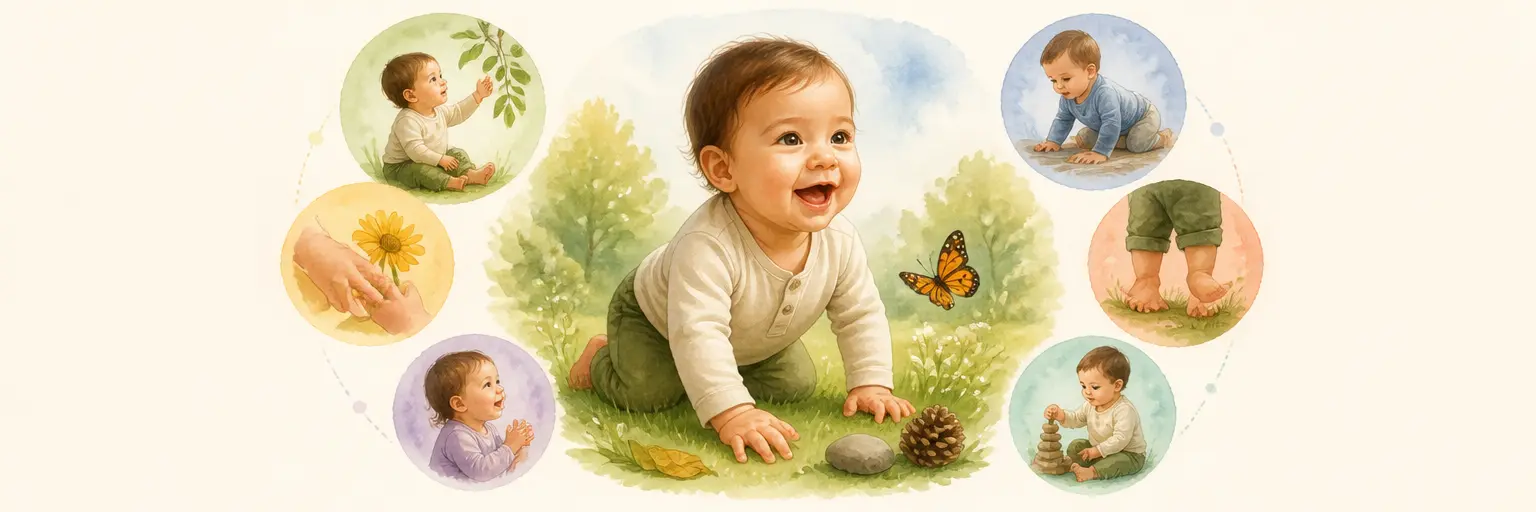
Outdoor activities for baby development offer first-time parents a gentle, enjoyable way to support physical, cognitive, sensory, language, and social growth. At BabyCareHub, you can discover practical ideas for age-appropriate outdoor play, from tummy time in the fresh air and nature walks with a newborn to sensory exploration, crawling games, and early social interaction. These activities help babies learn through safe movement, natural textures, sounds, light, and responsive communication while giving families valuable opportunities to bond. Always follow your baby’s developmental stage, comfort level, and health needs, and prioritize shade, supervision, weather protection, and safe surroundings.
🌱 Nature-Based Sensory Play for Babies
Nature provides rich sensory experiences that can support early baby development. During a supervised outdoor session, babies may observe leaves moving in the breeze, listen to birds, feel grass through clothing, or watch clouds and shadows. These simple experiences encourage visual tracking, auditory awareness, touch exploration, and early curiosity without requiring complicated toys or equipment.
Parents can describe what their baby sees and hears using calm, repetitive language, such as “green leaf,” “soft grass,” or “bird singing.” This responsive interaction supports early communication and helps build attention skills. Choose clean, baby-safe spaces and prevent your baby from placing small natural objects in their mouth.
🚼 Outdoor Tummy Time and Physical Development
Outdoor tummy time can make floor-based play more interesting while supporting important physical milestones. Place your baby on a clean, firm blanket in a shaded area and encourage them to lift their head, look toward your face, or reach for a high-contrast toy. These activities strengthen the neck, shoulder, arm, back, and core muscles needed for rolling, sitting, crawling, and later movement.
Keep outdoor tummy time short and follow your baby’s cues. Babies may become tired quickly, especially in warm or cool weather, so offer frequent breaks and reposition them when needed. Tummy time should always take place while the baby is awake and closely supervised; for sleep, place your baby on their back in a safe sleep space.
🌳 Baby-Friendly Nature Walks and Stroller Activities
Nature walks are a simple way to combine fresh air, movement, bonding, and learning. A stroller walk through a quiet park or a babywearing walk on a safe path can expose your baby to changing sights, gentle sounds, and different environments. Parents can pause to point out trees, flowers, birds, or passing clouds, helping develop attention, visual recognition, and early vocabulary.
Select smooth, accessible routes and check the weather before leaving. Use a properly fitted stroller or baby carrier, provide shade, and avoid excessive heat, cold, strong wind, smoke, and crowded areas when appropriate. Regular outdoor walks can also create a predictable family routine that supports emotional well-being and parent-baby connection.
⚽ Movement Games for Crawling, Sitting, and Walking
As babies become more mobile, outdoor movement games can encourage gross motor development. Place a favorite toy slightly out of reach to motivate reaching, pivoting, crawling, or cruising along a stable surface. Simple games such as rolling a soft ball, moving between cushions, or following a parent across a blanket can build balance, coordination, body awareness, and problem-solving skills.
Use a flat, clean, secure area without traffic, sharp objects, unstable furniture, or choking hazards. Allow your baby to move at their own pace rather than pushing them to stand or walk before they are ready. Encouragement, smiles, and verbal praise can make outdoor physical activity positive while supporting confidence and independence.
🫧 Water, Sand, and Texture Exploration
Supervised water and texture play can introduce babies to new sensations and support sensory development. Older babies may enjoy splashing in a shallow basin, touching a cool washcloth, or exploring large, safe textures while sitting with support. These activities can strengthen hand-eye coordination, grasping, cause-and-effect learning, and sensory processing.
Water play requires constant, close supervision because even shallow water can be dangerous. Avoid small objects, loose sand, rough surfaces, and materials that could irritate sensitive skin or become choking hazards. Stop the activity if your baby appears uncomfortable, cold, overheated, tired, or overwhelmed.
👶 Social Interaction and Language Development Outdoors
Outdoor play creates natural opportunities for babies to observe people, animals, movement, and facial expressions. Parents can make eye contact, imitate sounds, sing songs, play peekaboo, and respond to babbling during a walk or park visit. These interactions support social-emotional development, turn-taking, listening skills, and early speech development.
Keep social experiences gentle and responsive. Some babies enjoy watching other children from a distance, while others may need quiet time with a familiar caregiver. Follow your baby’s signals, offer reassurance in unfamiliar environments, and use everyday outdoor experiences to build secure attachment and communication.
☀️ Safe Outdoor Play for Every Season
Outdoor baby activities should be adapted to the season and your baby’s health. In warm weather, choose cooler parts of the day, use breathable clothing, and keep your baby in the shade. In cooler conditions, dress your baby in appropriate layers and check their chest or back for signs of overheating or chilling. Sun safety, temperature awareness, hydration guidance, and insect protection are essential parts of responsible outdoor play.
Never rely on a stroller canopy or blanket as the only protection from heat, and avoid direct sunlight for young infants whenever possible. Use products recommended for your baby’s age, follow healthcare guidance, and check for hazards such as standing water, poisonous plants, traffic, and unsafe animals before beginning an activity.
❓ Frequently Asked Questions About Outdoor Activities for Baby Development
🌼 When can a baby start participating in outdoor activities?
Healthy babies can usually enjoy short, supervised outdoor experiences from the early weeks of life, such as a shaded walk or time outside with a caregiver. Activities should match your baby’s age, developmental stage, weather conditions, and health needs. Ask your pediatric healthcare professional for personalized advice if your baby was premature or has a medical condition.
🧸 What are the best outdoor activities for newborn development?
Newborn-friendly activities include shaded stroller walks, gentle babywearing, listening to natural sounds, looking at trees and clouds, and short periods of supervised outdoor tummy time when your baby is awake. Focus on calm sensory input, close bonding, and responsive talking rather than structured exercise.
🌤️ How can parents keep babies safe outside?
Use close supervision, choose a secure location, avoid extreme temperatures, provide shade, dress your baby appropriately, and protect delicate skin from direct sun. Keep babies away from traffic, water, smoke, sharp objects, toxic plants, and small items. Inspect outdoor equipment and blankets before every activity.
🧠 Do outdoor activities help with developmental milestones?
Yes. Outdoor play can support several developmental areas, including gross motor skills, sensory awareness, visual tracking, early language, social interaction, and problem-solving. Outdoor activities do not need to be complex; consistent, responsive play that matches your baby’s abilities can support healthy development.
⏱️ How long should outdoor play last for a baby?
There is no single correct duration. Begin with a few comfortable minutes and gradually continue as your baby remains alert and content. Watch for signs of tiredness, hunger, overheating, cold, overstimulation, or distress. End the activity promptly when your baby needs a break, feeding, sleep, or a change of environment.