
Water Play Wonders: Safe Outdoor Water Activities for Baby Development

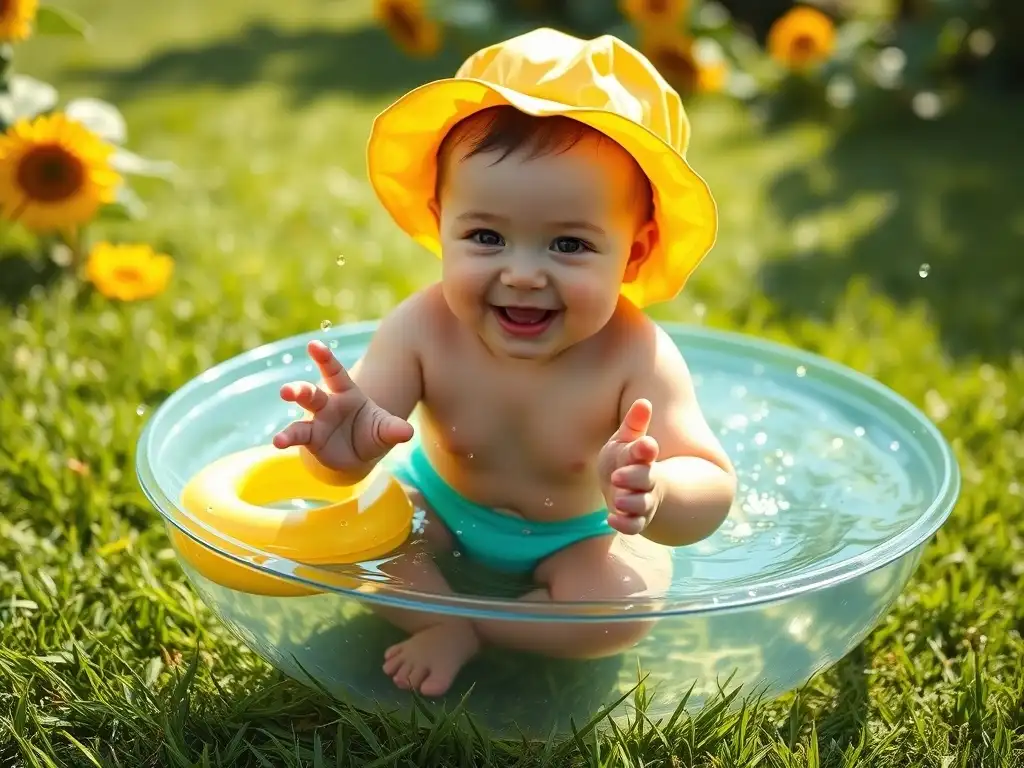
Welcome to BabyCareHub, your ultimate guide to navigating the incredible journey of parenthood! Are you ready to unlock the fun and developmental benefits of water play for your little one? We've compiled the most safe and engaging Baby safe water play ideas to help your baby thrive, learn, and have a splash of fun. Discover how simple water activities can contribute significantly to your baby's growth and development in our latest article, "Water Play Wonders: Safe Outdoor Water Activities for Baby Development." Dive in and explore the possibilities!
- Introducing Baby to Water Play: Safety First
- Baby Safe Water Play Ideas: Age-Appropriate Activities
- Fun and Educational Water Games for Baby Development
- Monitoring Your Baby During Water Play: Supervision and Safety Tips
- Post-Water Play Care: Keeping Baby Clean and Comfortable
- Choosing the Right Location for Safe Water Play
- Benefits of Water Play for Baby Development
- Expanding Water Play Experiences: Beyond the Basic Bath
- Addressing Common Concerns: Myths and Realities of Baby Water Play
- Frequently Asked Questions
- Final Reflection: The Ripple Effect of Water Play
- Unleash Your Baby's Aquatic Potential!
Introducing Baby to Water Play: Safety First
Water play offers a fantastic opportunity for babies to explore sensory experiences, develop motor skills, and have a blast! This article provides a comprehensive guide to safe and enjoyable water activities for your little one, focusing on creating a secure environment and choosing appropriate gear. We’ll explore age-appropriate activities, emphasizing the importance of constant supervision and proactive safety measures.
Remember, introducing your baby to water should be a fun and enriching experience, prioritizing safety at every step. This guide will equip you with the knowledge and confidence to make water play a cherished part of your baby's development, helping you find creative and safe ways to engage your child with "Baby safe water play ideas". Understanding your baby's developmental stage and ensuring a properly prepared environment are crucial for a positive and secure experience.
Assessing Your Baby's Readiness for Water Activities
Before you dive into splashing fun, it's essential to assess your baby's readiness. There's no magic age, but consider these factors:
- Age: While some babies might show interest in water from a very young age, most experts recommend waiting until your baby can sit unsupported, typically around 6-8 months. This ensures they can maintain a relatively stable position in the water.
- Comfort Level: Observe your baby's reactions to water. Do they seem curious or fearful? A positive initial experience is crucial. Start with small, gradual introductions to water, like splashing their hands and feet in a shallow basin.
- Physical Development: Is your baby comfortable with head control and sitting? These are vital for safe water play. If they struggle with head control, postpone water activities until they are more developed.
- Health: Ensure your baby is healthy and free from any conditions that might make water play risky. Always consult your pediatrician if you have any concerns.
Remember, forcing your baby into water play can be counterproductive. Let their cues guide you, and always prioritize their comfort and safety. A gradual and positive introduction is key to building a love for water activities.
Creating a Safe Water Play Environment: Baby Pool Setup and Essentials
Setting up a safe space for water play is paramount. Here’s what you need to consider:
- Location: Choose a shaded area to protect your baby from the sun's harmful rays. Avoid areas with slippery surfaces or potential hazards. A flat, grassy area is ideal.
- Baby Pool Selection: Opt for a shallow, inflatable baby pool specifically designed for infants. Ensure it's sturdy and free from any sharp edges or leaks. A pool with a firm, non-slippery bottom is essential.
- Water Temperature: The water temperature should be lukewarm, ideally between 80-85°F (27-29°C). Check the temperature with a thermometer before placing your baby in the pool.
- Supervision: Never leave your baby unattended near water, even for a second. Constant, vigilant supervision is absolutely crucial. Designate a responsible adult who can focus entirely on the baby’s safety.
- First-Aid Kit: Keep a well-stocked first-aid kit nearby, including antiseptic wipes, bandages, and any medications your baby might need.
| Item | Importance |
|---|---|
| Shallow Baby Pool | Provides a safe and controlled environment for water play. |
| Thermometer | Ensures the water is at a safe temperature for your baby. |
| Towels | Essential for drying your baby after water play. |
| Shade | Protects your baby from the sun's harmful UV rays. |
| First-Aid Kit | Provides immediate treatment for minor injuries. |
Essential Baby Water Safety Gear: Floaties, Swim Diapers, and Sun Protection
Appropriate gear enhances safety and comfort during water play:
- Swim Diapers: Use specially designed swim diapers to prevent accidents and maintain hygiene. Regular diapers can become bulky and heavy when wet.
- Sun Protection: Apply a broad-spectrum, water-resistant sunscreen with an SPF of 30 or higher. Reapply every two hours, or more frequently if your baby is playing actively in the water. A wide-brimmed hat also provides added sun protection.
- Floaties (with caution): While floaties might seem like a good idea, they can provide a false sense of security. Never rely solely on floaties for your baby's safety. Constant supervision remains absolutely essential. If using floaties, choose those designed for infants and ensure they fit securely. Remember, floaties are supplemental safety measures, not a replacement for adult supervision.
Remember, proactive safety measures are key to enjoyable and safe water play experiences for your baby. Always prioritize constant supervision and a well-prepared environment. Enjoy the splash! 👶💦
Baby Safe Water Play Ideas: Age-Appropriate Activities
This section details safe and engaging water play activities tailored to your baby's developmental stage. Remember, supervision is paramount during all water play. Never leave your baby unattended, even for a second, near water. These activities focus on maximizing sensory exploration and fun while prioritizing safety for your little one. We'll explore age-appropriate options, ensuring your baby's water play experience is both enjoyable and developmentally beneficial. The key is to find the right balance between stimulation and safety, fostering a positive association with water from a young age. This contributes to healthy development and creates lasting, happy memories.
Water Play for Infants (0-6 Months): Sensory Exploration
At this age, water play is primarily about sensory exploration. Infants are captivated by the sights, sounds, and textures of water. The focus should be on gentle, controlled experiences that introduce them to the element safely.
- Sponge Baths: Instead of a full bath, use a warm, damp sponge to gently wipe your baby down. This allows for tactile exploration of water's texture without overwhelming them. Adding a few drops of unscented baby wash can enhance the sensory experience. Pay attention to your baby's cues – if they seem agitated or uncomfortable, stop the activity.
- Floating Toys: Introduce soft, floating toys into the bath. These can be simple bath toys made of soft, non-toxic materials. Watch your baby's fascination as they observe the toys float and move in the water. This stimulates their visual tracking skills.
- Controlled Splashes: Very gently sprinkle or splash small amounts of water on your baby's arms and legs. Observe their reaction and adjust accordingly. The goal is to create a positive association with water, not to startle or frighten them. Always use lukewarm water, never hot.
Safe Water Activities for Babies (6-12 Months): Splashing and Sensory Fun
As babies approach their first birthday, their coordination and motor skills improve. This opens up more opportunities for interactive water play. The focus shifts from passive sensory exploration to active participation.
- Supervised Tub Time: Bath time becomes more engaging! Introduce cups, bowls, and other non-breakable containers for pouring and splashing. This encourages hand-eye coordination and cause-and-effect understanding. Always supervise closely to prevent accidental ingestion of water.
- Outdoor Water Table (with supervision): A shallow water table provides a great opportunity for outdoor water play. Fill it with a small amount of water and add floating toys or safe scoops and cups. Keep a watchful eye as they explore. Always ensure the water table is stable and the area is free of hazards.
- Simple Water Games: Play simple games like "sink or float" with various toys. This helps your baby understand basic physics concepts and enhances their problem-solving skills. Remember to choose toys that are large enough to prevent choking hazards.
| Activity | Developmental Benefit | Safety Precautions |
|---|---|---|
| Tub Time | Hand-eye coordination, cause-and-effect | Never leave baby unattended; use lukewarm water only. |
| Water Table Play | Fine motor skills, sensory exploration | Ensure stability; supervise closely; choose safe toys. |
| Sink or Float | Problem-solving, understanding physics | Supervise closely; choose large, non-choking toys. |
Water Play for Toddlers (12-18 Months): Simple Water Games and Activities
Toddlers are more mobile and actively engaged in their play. Water activities now become opportunities for physical development and imaginative play.
- Watering Plants: Give your toddler a small watering can and let them help you water plants. This teaches responsibility and introduces them to the concept of caring for living things. Always supervise to prevent spills and ensure they don't drink the water.
- Sponge Painting: Let your toddler use a sponge to "paint" with water on a patio or sidewalk. This is a fun and creative activity that encourages fine motor skill development and imaginative play. Ensure the surface is clean and safe.
- Beach Fun (with proper supervision): If you live near a beach or have access to a safe, shallow body of water, supervised beach time can be a wonderful experience. Choose a calm, shallow area and always maintain close supervision. Never let your toddler go near water without direct adult supervision. Remember sun protection!
Remember, every child develops at their own pace. Adapt these suggestions to your baby's individual abilities and preferences. Always prioritize safety and enjoy the fun of water play together! 🏖️💦👶
Fun and Educational Water Games for Baby Development
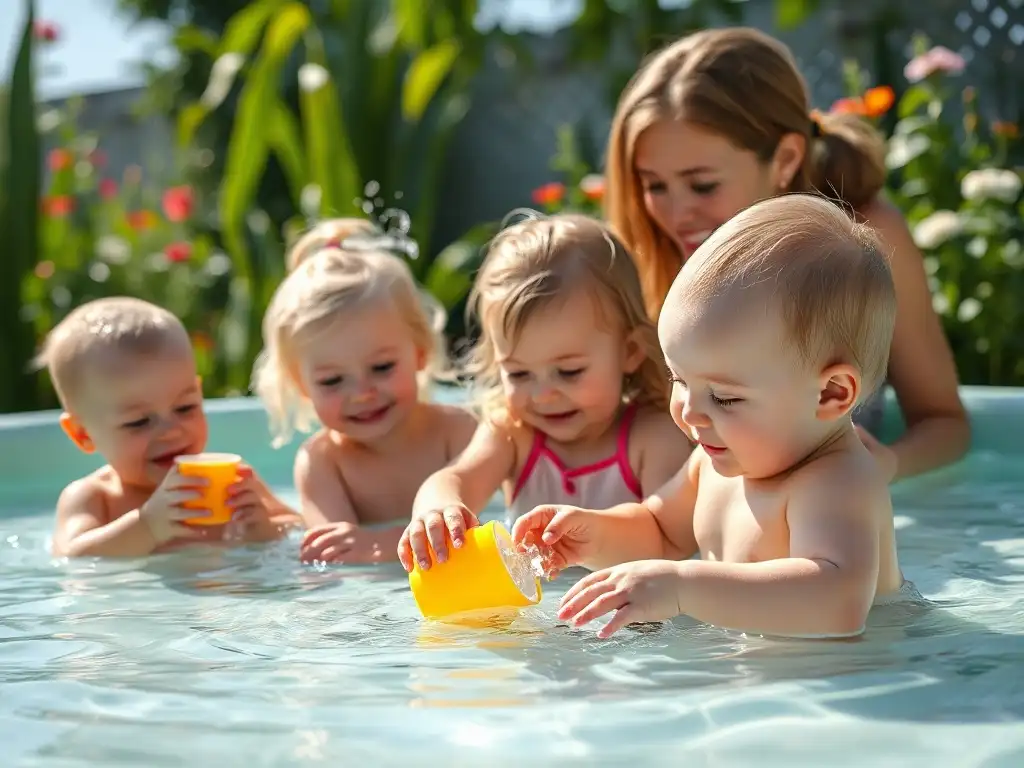
This section explores delightful and enriching water-based activities designed to stimulate your baby's development while ensuring their safety. Remember, supervised water play is crucial, even in shallow water. Always maintain direct eye contact and be within arm's reach of your little one. These activities focus on different developmental aspects, from sensory exploration to cognitive enhancement and fine motor skill refinement. We'll cover a range of ages and abilities, offering adaptable suggestions for your baby's unique stage of growth. Let's dive in! 💦
Floating Toys and Sensory Stimulation for Babies
Introducing floating toys is a fantastic way to engage your baby's senses during water play. The visual stimulation of brightly colored toys bobbing on the water's surface is captivating for infants. The gentle sounds of splashing and the tactile experience of touching the toys add another layer of sensory input.
For babies aged 6-12 months, consider toys with different textures. A soft, floating duck might be paired with a textured rubber ball. The contrast in textures stimulates tactile exploration and helps develop their understanding of different materials. Remember to always choose toys that are non-toxic and designed for bath or water play.
Between 12-18 months, you can introduce slightly more complex toys. Floating stacking cups or rings are excellent for early problem-solving skills. Watching them float, sink, and stack provides valuable learning opportunities.
Here's a quick table summarizing suitable toy choices:
| Age Range | Suggested Toys | Sensory Focus | Developmental Benefit |
|---|---|---|---|
| 6-12 months | Soft floating animals, textured rubber balls | Visual, tactile, auditory | Sensory exploration, object permanence |
| 12-18 months | Floating stacking cups, textured bath toys | Visual, tactile, auditory | Problem-solving, fine motor skills |
| 18-24 months | Small floating boats, water squirters (supervised) | Visual, tactile, auditory, kinesthetic | Cause and effect, hand-eye coordination |
Remember to always supervise your baby closely during water play, even with floating toys.
Interactive Water Play to Boost Cognitive Development
Water play offers a unique opportunity to stimulate cognitive development. The unpredictable nature of water, its fluidity and the way objects interact with it, present a rich learning environment.
For babies, simple cause-and-effect activities are ideal. Pouring water from one container to another helps them understand the concept of volume and displacement. Watching objects float or sink introduces concepts of buoyancy and density, albeit in a very basic way. These seemingly simple actions lay the groundwork for more complex scientific understanding later on.
Introducing songs and rhymes during water play adds another layer of cognitive engagement. Singing simple songs while splashing or pouring water helps connect language development with the sensory experience. This multi-sensory approach enhances memory and language acquisition. For instance, singing "Rain, rain, go away" while gently pouring water can be both fun and educational.
As your baby grows, you can introduce more complex games. Floating different objects and asking your baby to identify them ("Where's the ducky?") enhances vocabulary and object recognition. This interactive approach turns water play into a fun learning experience.
Building Fine Motor Skills Through Water Play: Activities
Water play provides an excellent opportunity to develop fine motor skills in babies. The resistance of water and the manipulation of water toys require precise hand movements, strengthening muscles and improving dexterity.
For younger babies (6-12 months), focus on simple activities like splashing and pouring water. This seemingly simple action strengthens hand muscles and improves coordination. Using small cups or containers to transfer water helps refine hand-eye coordination.
Older babies (12-18 months) can benefit from more complex activities. Using tongs or scoops to transfer small floating toys from one container to another improves pincer grip and hand-eye coordination. Playing with water squirters (under strict supervision) further develops hand strength and control.
Here are some examples of activities to boost fine motor skills:
- Sponge Squeeze: Give your baby a damp sponge and let them squeeze the water out. This strengthens their hands and improves grip strength.
- Cup Stacking: Use small, lightweight cups that are easy for your baby to grasp and stack. This improves hand-eye coordination and problem-solving skills.
- Floating Toy Transfer: Use a small bowl or container and floating toys, and encourage your baby to move them between containers using their hands or tongs.
Remember to always supervise your baby and choose age-appropriate toys and activities to ensure safety and maximize developmental benefits. Safe and engaging water play can be a joyful experience for both you and your baby, contributing significantly to their overall development.
Monitoring Your Baby During Water Play: Supervision and Safety Tips
Engaging in water play with your baby offers fantastic developmental benefits, but safety should always be the top priority. Remember, even shallow water presents potential risks for infants and toddlers. This section focuses on crucial monitoring techniques and safety measures to ensure a fun and secure experience. Effective supervision is paramount for preventing accidents and fostering a positive association with water activities. This is key to unlocking the many benefits of "baby safe water play ideas".
Constant Supervision: Never Leave Your Baby Unattended Near Water
This cannot be stressed enough: Never, ever leave your baby unattended near water, regardless of the depth. A moment's lapse in attention can lead to a tragic accident. Even a small amount of water can be dangerous for a baby who cannot swim or support themselves. Drowning is silent and swift; it often happens quickly and without a struggle.
Consider using a waterproof baby monitor if you're engaging in water play in a larger area such as a pool or lake, even if you are within arm's reach. This allows a secondary layer of supervision.
Always designate a responsible adult to solely focus on the baby's safety. Avoid distractions such as cell phones or conversations. Maintain constant visual contact and be within arm's reach at all times. If multiple caregivers are present, clearly assign roles and responsibilities for optimal supervision. This detailed approach to supervision is critical for implementing successful "baby safe water play ideas".
Recognizing Signs of Overheating and Exhaustion
Babies can overheat quickly, especially in warm weather. Recognizing the signs of overheating and exhaustion is vital for preventing heatstroke and ensuring your baby's well-being. Watch for these key indicators:
- Excessive sweating: More than a light perspiration.
- Flushed or red skin: Especially on the face and neck.
- Rapid breathing or heart rate: Noticeably faster than usual.
- Lethargy or irritability: Unusual fussiness or lack of energy.
- Vomiting or diarrhea: Signs of potential illness related to overheating.
If you notice any of these signs, immediately remove your baby from the water and move them to a cool, shaded area. Offer cool water or breast milk/formula and loosen any clothing. If symptoms persist or worsen, seek medical attention immediately. Prioritizing your baby's comfort and safety is crucial when considering "baby safe water play ideas".
Responding to Emergencies: Basic Water Safety Procedures
While careful supervision minimizes risks, it's crucial to know basic water safety procedures in case of an emergency. Familiarize yourself with these steps:
- Immediate action: If your baby slips underwater, act swiftly. Retrieve them immediately.
- CPR awareness: Consider taking a CPR and first aid course specifically designed for infants. Knowing how to perform infant CPR can be life-saving.
- Emergency services: Know the local emergency number and have it readily available.
- Post-incident care: Even if your baby seems fine after a near-drowning incident, seek medical attention. There can be unseen consequences.
Remember, prevention is key. By implementing these monitoring techniques and safety procedures, you can create a safe and enjoyable water play experience for your baby, fostering positive development while mitigating risks. Thorough preparation and vigilance are essential aspects of responsible "baby safe water play ideas".
Post-Water Play Care: Keeping Baby Clean and Comfortable

After a fun-filled session of baby safe water play, ensuring your little one is clean, dry, and comfortable is paramount. This involves more than just a quick towel-dry; it's about preventing potential skin irritations and maintaining overall hygiene. Remember, a happy, healthy baby is a happy, splashing baby!
Drying and Dressing Your Baby After Water Play
Drying your baby thoroughly is crucial to prevent chilling and the onset of potential skin issues. Avoid rubbing vigorously; instead, gently pat your baby's skin dry with a soft, absorbent towel. Pay particular attention to skin folds – the neck, armpits, groin area, and behind the knees – as these areas tend to retain moisture. Using a hooded towel can be helpful, minimizing the fuss and keeping your baby warm. Once dry, dress your baby in fresh, clean clothes.
Choose lightweight, breathable fabrics like cotton to allow for proper air circulation and prevent overheating. If your baby got particularly wet, consider changing their diaper as well. Remember to always supervise your baby closely while changing their clothes to ensure their safety. The speed and efficiency of drying and dressing can significantly impact your baby's comfort level and overall post-water play experience.
Preventing Sunburn and Heat Rash
Even on cloudy days, the sun's rays can still cause sunburn, particularly on delicate baby skin. Protecting your baby's skin from the sun's harmful ultraviolet (UV) rays is a vital aspect of safe water play. Prior to water activities, apply a broad-spectrum, mineral-based sunscreen with an SPF of 30 or higher to all exposed skin areas. Reapply every two hours, or more frequently if your baby is swimming or sweating.
Additionally, consider using a wide-brimmed hat and lightweight, loose-fitting clothing that covers their arms and legs to provide further protection. Heat rash, or prickly heat, can also occur due to excessive sweating and trapped moisture. To prevent this, ensure your baby isn't overdressed and allow for adequate air circulation.
Choose breathable fabrics for clothing and consider using a gentle, hypoallergenic baby powder to absorb excess moisture. The combination of sun protection and heat rash prevention is key to ensuring your baby's comfort and safety during and after water play. Remember that proper sun protection is crucial for minimizing long-term health risks associated with sun exposure.
Maintaining Hygiene: Cleaning Toys and Equipment
Maintaining hygiene after water play extends beyond your baby's personal care; it also includes cleaning the toys and equipment used. Water toys can harbor bacteria and germs, especially if they've been submerged in water or touched by multiple individuals. After each use, clean all toys thoroughly with warm, soapy water. Rinse thoroughly and allow them to air dry completely before storing them.
For particularly dirty toys, you might consider using a mild baby disinfectant. Always check the manufacturer's instructions for cleaning specific items. Similarly, any equipment used, such as inflatable pools or water tables, should be cleaned and disinfected according to the manufacturer's recommendations.
This is crucial for preventing the spread of bacteria and ensuring a safe and hygienic environment for future water play sessions. Regular cleaning of toys and equipment is a critical part of responsible and safe water play for babies, promoting their overall health and well-being. 🧼 Think of it as an important part of preventative baby care.
Choosing the Right Location for Safe Water Play
Choosing the right location for your baby's water play is crucial for ensuring safety and maximizing enjoyment. The ideal spot balances accessibility, safety features, and a comfortable environment. Let's explore key factors to consider when selecting the perfect place for your little one's aquatic adventures. Remember, prioritizing safety is paramount when engaging in baby safe water play ideas.
Selecting a Safe and Suitable Outdoor Space
The best location for baby water play is one that minimizes risks. Avoid areas with:
- Uneven surfaces: Trips and falls are a significant concern, particularly for babies who are learning to crawl or walk. A flat, level grassy area or a soft, padded surface is ideal.
- Obstacles: Keep the area clear of furniture, toys, and other potential hazards that could cause injury.
- Nearby traffic: Ensure the area is far from streets, driveways, or other high-traffic zones. Babies are naturally curious and might wander unexpectedly.
- Potential hazards: Inspect the area carefully for sharp objects, insects, or other potentially harmful elements.
Consider the following features when selecting your space:
- Accessibility: Choose a location that is easy to reach and requires minimal carrying of equipment. This will reduce stress and allow you to focus on your baby's enjoyment.
- Shade: Direct sunlight can be harmful to babies' delicate skin. Opt for a location with natural shade, or consider using a pop-up canopy or umbrella for protection.
- Proximity to amenities: Having easy access to water, towels, changing facilities, and first-aid supplies can make water play much more convenient and less stressful.
Considering Water Temperature and Sun Exposure
Water temperature is a critical safety factor. Babies are highly susceptible to hypothermia, so the water should be comfortably warm, ideally between 70-80°F (21-27°C). Using a thermometer designed for water temperature is recommended. Avoid letting your baby play in water that is too cold or too hot. Remember, even on a warm day, water can cool down quickly.
Sun exposure is another important consideration. Prolonged sun exposure can lead to sunburn and dehydration. Ensure that your baby is adequately protected from the sun's harmful UV rays by:
- Applying a high SPF, broad-spectrum sunscreen specifically formulated for babies.
- Using protective clothing, such as a wide-brimmed hat and lightweight, loose-fitting clothing.
- Providing plenty of shade.
- Limiting playtime during peak sun hours (10 am to 4 pm).
Regularly monitor your baby’s skin for signs of sunburn, such as redness, swelling, or blisters.
Preparing for Unexpected Weather Changes
Even with careful planning, unexpected weather changes can occur. Be prepared for sudden shifts in temperature or unexpected showers by having a backup plan in place. This may include:
- Having a readily available shelter, such as a tent or gazebo.
- Keeping extra towels and blankets on hand.
- Monitoring the weather forecast regularly and adjusting your plans accordingly.
- Having a plan for getting your baby inside quickly and safely in case of a sudden storm.
Always prioritize your baby's safety and comfort. Water play should be a fun and enriching experience, not a source of stress or risk. By carefully selecting a location and preparing for potential challenges, you can ensure a positive and memorable water play experience for your baby, contributing to their healthy development while providing baby safe water play ideas.
Benefits of Water Play for Baby Development
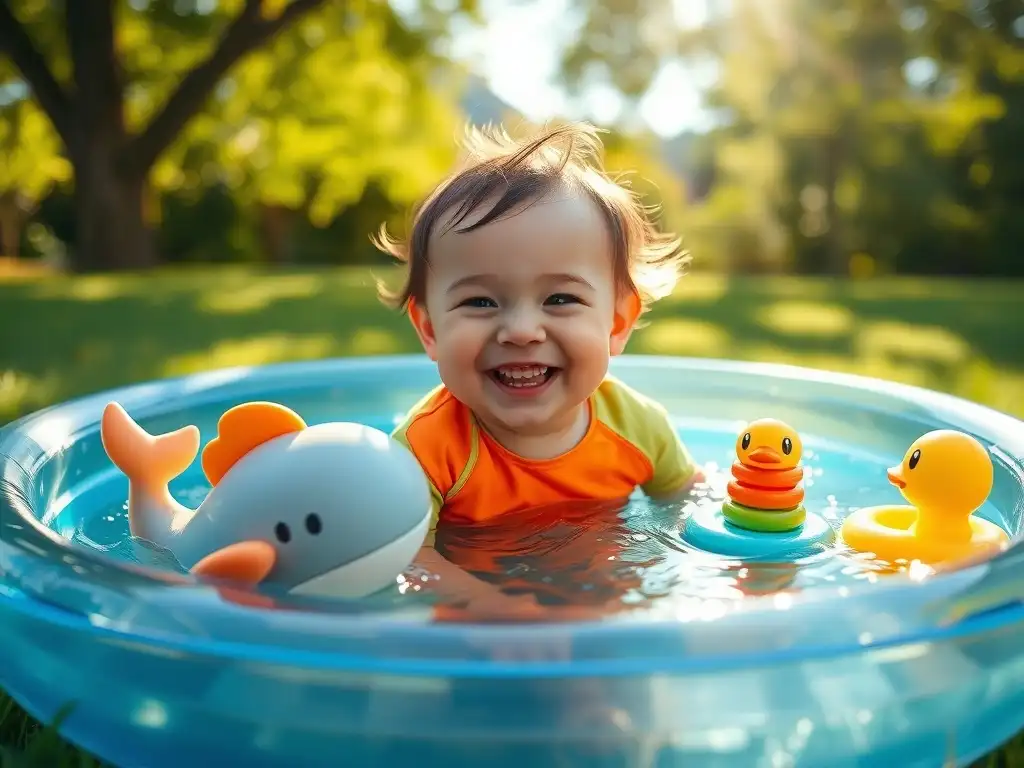
Water play offers a multitude of benefits for your baby's development, extending far beyond simple fun and splashing. It's a fantastic way to stimulate growth across various developmental domains, fostering physical prowess, cognitive skills, and emotional well-being. Engaging in safe and supervised water activities can significantly contribute to your little one's holistic development. This section will delve into the specific advantages, providing you with a clearer understanding of why water play should be a key component of your baby's playtime.
Physical Development: Strengthening Muscles and Improving Coordination
Water provides a unique resistance that strengthens muscles in a playful and engaging way. Unlike land-based activities, the buoyancy of water supports your baby's weight, allowing them to make movements they might not yet be able to perform on dry land. This resistance training helps to develop gross motor skills, such as kicking, paddling, and reaching. For example, splashing and paddling in a shallow pool strengthens leg muscles and improves coordination. The gentle resistance also helps improve their balance and proprioception – their awareness of their body's position in space.
Furthermore, the act of navigating the water, even in a shallow container, helps develop fine motor skills. Grasping bath toys, pouring water from one container to another, and even the simple act of squeezing a sponge all contribute to enhancing hand-eye coordination and dexterity. These activities are particularly beneficial for babies aged 6 to 12 months, a crucial period for motor skill development.
Consider the following activities for boosting physical development through water play:
- Floating: Gently supporting your baby while they float on their back helps strengthen their neck and back muscles.
- Kicking: Encourage kicking movements in a shallow pool or large tub.
- Pouring: Supervise your baby as they pour water between containers, improving hand-eye coordination.
- Sponge play: Give your baby a damp sponge to squeeze and wring out, strengthening their grip and hand muscles.
Cognitive Development: Exploring Textures and Sounds
Water play offers a rich sensory experience that stimulates cognitive development. The different textures of water – from the smooth surface of a calm bath to the slightly rough sensation of a textured bath toy – engage your baby's tactile senses. The sounds of splashing, pouring, and even the gentle gurgling of water stimulate their auditory senses. This multi-sensory engagement significantly contributes to cognitive development.
For instance, watching water flow from a cup to a bowl helps them understand concepts like volume and cause-and-effect. Playing with floating toys introduces them to concepts of buoyancy and displacement. The exploration of varied textures and sounds enhances their sensory processing abilities, laying the groundwork for future learning. Babies develop their understanding of the world through sensory exploration, and water provides a safe and stimulating environment for this crucial stage.
To further stimulate cognitive development during water play:
- Introduce toys with varying textures, like smooth stones, textured balls, or soft sponges.
- Make gurgling sounds with water and encourage your baby to mimic them.
- Use cups and containers of different sizes to demonstrate volume and pouring.
- Observe your baby's reaction to different water temperatures (always ensuring safety).
Water play provides a wonderful opportunity for social and emotional growth. The shared experience of playing in water can strengthen the bond between parent and child, fostering a sense of security and trust. As your baby gains confidence in their ability to navigate the water and manipulate water-based toys, their self-esteem and independence grow.
The positive emotions associated with water play – laughter, joy, and a sense of accomplishment – contribute to a positive self-image. Successfully completing simple tasks, like pouring water or retrieving a floating toy, boosts their confidence and encourages exploration. This positive feedback loop reinforces their desire to learn and engage in new activities.
Remember to:
- Maintain a positive and encouraging tone during water play.
- Celebrate your baby's successes, no matter how small.
- Allow your baby to explore at their own pace, providing support as needed.
- Focus on the fun and bonding aspect of the experience.
By incorporating safe and engaging water play into your baby's routine, you can significantly contribute to their overall development, creating positive experiences and laying the foundation for future learning and growth. Remember always to prioritize safety and supervise your baby closely during all water activities. Enjoy the splash! 🎉
Expanding Water Play Experiences: Beyond the Basic Bath
This section explores ways to expand your baby's water play beyond the familiar bath time routine, focusing on safe and developmentally appropriate outdoor activities. Remember, supervision is paramount during all water play, regardless of the activity. Always keep your baby within arm's reach. This ensures their safety and allows you to enjoy these enriching experiences together. We'll delve into various options, considering different ages and seasons, to provide a comprehensive range of "baby safe water play ideas".
Introduction to Baby Swimming Lessons (if applicable)
Baby swimming lessons offer a structured and supervised environment for introducing your little one to water. These classes, usually starting around 6 months of age, focus on water acclimatization, basic swimming skills, and water safety. The benefits extend beyond just learning to swim; they can also enhance motor skills, improve coordination, and boost confidence. Many classes incorporate playful games and songs, making the experience fun and engaging for both parent and baby.
Choosing a reputable instructor with experience in infant aquatics is crucial. Look for classes that emphasize safety, small group sizes, and a warm, welcoming atmosphere. Remember to check for any specific health requirements or recommendations before enrolling your baby.
Consider the factors such as water temperature, class duration, and the instructor's qualifications when making your decision. A well-structured baby swimming program can provide invaluable benefits for your child's physical and emotional development. Choosing a program that aligns with your baby's age and temperament is important.
Visiting a Child-Friendly Water Park or Beach (with appropriate safety measures)
Water parks and beaches can be fantastic venues for water play, but require careful planning and rigorous safety precautions. For water parks, choose facilities specifically designed for young children, with shallow pools and age-appropriate slides. Always check the water temperature and ensure the park adheres to strict safety standards. Never leave your baby unattended, even for a moment.
At the beach, opt for calm, shallow water, and always use appropriate sun protection, such as a wide-brimmed hat and high SPF sunscreen. A designated swimming area with lifeguards is preferable. Remember that even seemingly calm water can pose risks. Pay close attention to the water conditions and your baby's reactions.
Consider bringing along flotation devices appropriate for your baby's age and abilities, however, never rely on these as a substitute for constant supervision. Be mindful of the potential hazards such as strong currents, slippery surfaces, and unexpected waves. Prioritize your baby's safety and comfort by selecting a suitable location and employing careful supervision.
Creative Water Play Ideas for Different Seasons
Water play doesn't have to be confined to summer. Here are some creative ideas adaptable to different seasons:
- Summer: A simple paddling pool in the backyard offers hours of fun. You can add floating toys or cups for pouring and scooping. Remember to empty and clean the pool after each use to prevent bacterial growth.
- Spring/Autumn: On milder days, fill a large container with water and add various textured items like sponges, cups, and small toys for sensory exploration. This can be done indoors or outdoors depending on the weather.
- Winter (with precautions): Even in winter, a small, warm bath with floating toys can be a fun and engaging activity. Ensure the bathroom is well-heated to prevent your baby from getting cold.
Remember to always prioritize safety and adjust the activity to your baby's age and developmental stage. Observe your baby closely for signs of discomfort or fatigue. Water play should be a joyful and enriching experience for both of you, contributing to your baby's overall development and creating lasting memories. These diverse “baby safe water play ideas” demonstrate the versatility of water activities, allowing you to engage your baby in stimulating play throughout the year. Remember to always adapt the activities to suit your baby's individual needs and preferences.
Addressing Common Concerns: Myths and Realities of Baby Water Play
This section tackles common misconceptions surrounding baby water play, offering evidence-based realities to ensure safe and enjoyable experiences for your little one. Understanding these nuances is crucial for responsible and confident water activities. Remember, proactive safety measures are paramount when it comes to "baby safe water play ideas."
Myth: Babies Can't Drown in Shallow Water. Reality: Explanation
The myth that babies can't drown in shallow water is tragically untrue. Even a few inches of water can be enough for a baby to drown. Babies' bodies are less buoyant than adults', and they lack the strength and coordination to rescue themselves. A sudden unexpected submersion, even for a short period, can lead to serious consequences, including brain damage or death. Infants can drown silently, without the splashing or struggle often depicted in media, making supervision absolutely critical.
Always maintain constant, direct visual contact with your baby during any water activity, even in shallow pools or bathtubs. This vigilance is the cornerstone of safe "baby safe water play ideas". According to the American Academy of Pediatrics, drowning is a leading cause of death in young children. Never leave your baby unattended near any body of water, no matter how shallow.
Myth: Only experienced swimmers should supervise babies. Reality: Explanation
While experienced swimmers are undoubtedly more confident in the water, it's a misconception that only they should supervise babies. What truly matters is vigilant and attentive supervision, regardless of swimming ability. The focus should be on constant, uninterrupted observation of the baby's movements and immediate response to any potential danger. Someone who is comfortable and confident in their ability to rescue a child from the water, even if not a strong swimmer, is a suitable supervisor.
CPR certification is highly recommended for any caregiver responsible for a baby's water safety. This preparation, combined with constant observation, forms the basis of many effective "baby safe water play ideas." Remember, quick action in an emergency is vital. Practicing rescue techniques before engaging in water play with your baby is advisable.
Myth: All floatation devices are equally safe. Reality: Explanation
Not all floatation devices are created equal. While they offer a sense of security, many aren't designed for active supervision and can provide a false sense of safety. Some floatation devices, like inflatable rings or arm bands, can easily slip off or deflate unexpectedly. Others, like water wings, may not provide adequate support for all babies' developmental stages. Prioritize devices designed specifically for infants and babies that are securely fastened and provide consistent buoyancy.
Always check product safety ratings and adhere to manufacturer instructions. Never rely solely on any floatation device; constant, direct supervision remains the most crucial safety measure. Choosing the right equipment is a key aspect of responsible "baby safe water play ideas," but remember, it's a supplement to, not a replacement for, constant adult supervision. Consider the baby's size and developmental stage when selecting a floatation device, and always supervise them closely, even with a device.
Frequently Asked Questions
What age is appropriate for baby water play?
Babies can start enjoying supervised water play as early as 6 months old, but always ensure they are sitting unsupported and you have constant visual contact. Start with short sessions.
How can I make water play safe for my baby?
Never leave your baby unattended near water, even for a second. Ensure the water is shallow and lukewarm. Always have a towel and clean clothes readily available.
What are some safe water play ideas for babies?
Try a baby-safe splash pad, filling a small tub with lukewarm water and floating toys, or simply letting them splash in a shallow pool under your direct supervision.
What should I do if my baby accidentally ingests water?
If your baby accidentally swallows a small amount of water, don't panic. Monitor them closely for any signs of distress, but most likely they will be fine. Contact your pediatrician if you have any concerns.
What are the developmental benefits of water play for babies?
Water play helps with sensory development, motor skill development, and social-emotional growth. It's a fun and engaging way to promote physical activity in a safe and controlled environment.
Final Reflection: The Ripple Effect of Water Play
The joy of splashing, paddling, and exploring water is not just fun for babies; it's a crucial element in their early development. Safe water play, as explored throughout this article, offers a wealth of sensory experiences that lay the foundation for cognitive, physical, and emotional growth. This isn't simply about playtime; it's about nurturing the potential within each child.
The impact of early water exposure extends far beyond the immediate giggles and splashes. It fosters a sense of confidence and independence as little ones navigate a new environment, learning to control their bodies and understand cause and effect. This early exploration builds a positive relationship with water, potentially reducing the fear and anxiety often associated with swimming later in life. Play is the highest form of research.
- Albert Einstein. This quote perfectly encapsulates the importance of allowing babies to explore their world through play, especially in the enriching environment of water.
Now, consider how you can incorporate these safe and engaging water play ideas into your own routine. Think about the sensory experiences you can create, the developmental milestones you can support, and the joy you can share with your little one. Remember, every splash, every paddle, every delighted squeal is a step forward in your baby's journey of discovery. Embrace the wonder of water play, and watch your child thrive.
Unleash Your Baby's Aquatic Potential!
Thank you for exploring the joys and benefits of water play for your little one! We hope you've gained valuable insights into creating safe and enriching aquatic experiences. Now let's get started!
- Plan your next water adventure! Choose a fun, safe location – whether it's your bathtub, a baby pool, or a supervised splash pad – and schedule some dedicated water playtime this week.
- Share your experiences (both the triumphs and the challenges!) with other parents in our community forum. We'd love to hear about your water play adventures and learn from each other!
- Keep things fresh and engaging by experimenting with different water toys and activities. Introduce new textures, sounds, or floating objects to stimulate your baby's senses.
Ready to transform bath time into a developmental playground? What exciting water activities will you try today?