
How to Create a Stimulating Environment for Social Development

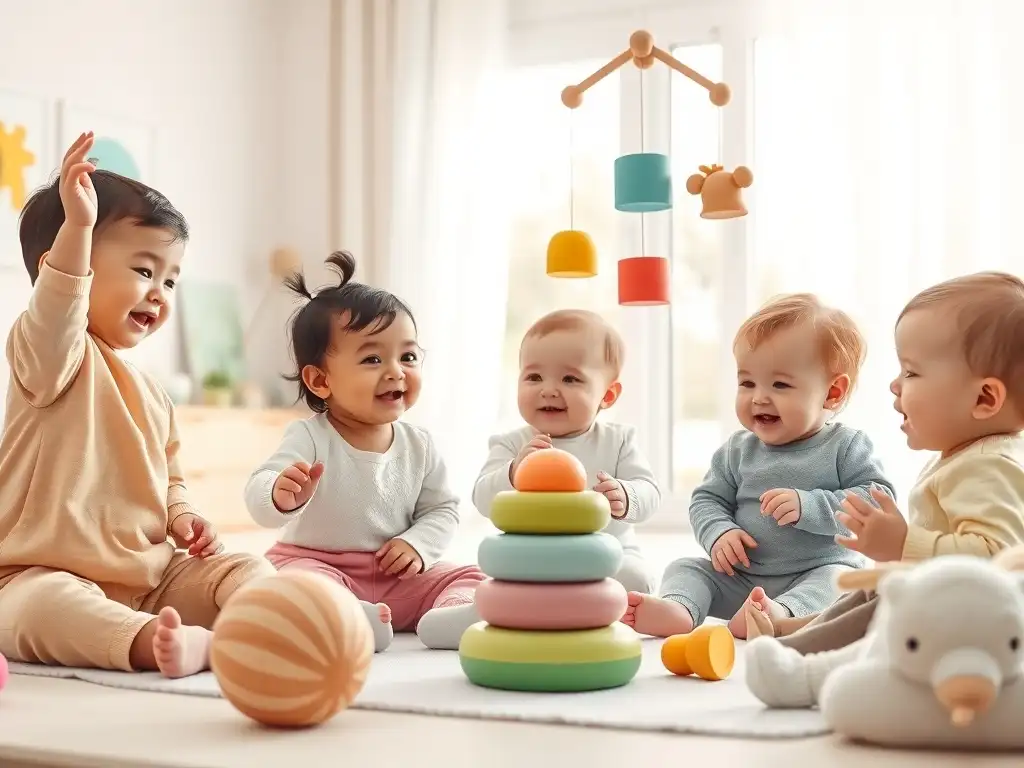
Welcome to BabyCareHub, your ultimate guide to navigating the incredible journey of parenthood! Feeling overwhelmed by the demands of newborn care? We understand. That's why we've created this comprehensive resource, packed with practical advice and expert insights. Discover how to foster your little one's growth and development with our insightful article on Baby social development activities, a crucial aspect of raising happy and well-adjusted children. Ready to unlock the secrets to creating a stimulating environment that nurtures your baby's social skills? Let's dive in!
- Understanding Your Baby's Social Development Milestones
- Baby Social Development Activities: Practical Strategies for Stimulation
- Baby Social Development Activities: The Role of Routine and Predictability
- Baby Social Development Activities: Addressing Common Challenges
- Monitoring Your Baby's Progress and Seeking Support
-
Frequently Asked Questions
- What are the key benefits of engaging in social development activities with my baby?
- When should I start engaging my baby in social development activities?
- What types of social development activities are suitable for babies?
- How much time should I dedicate to social development activities each day?
- How can I tell if my baby is enjoying the social development activities?
- Final Reflection: Cultivating Connection: The Seeds of Social Growth
- Unlock Your Child's Social Potential Now
Navigating the world of parenthood, especially for first-time parents, can feel overwhelming. Among the many joys and challenges, understanding your baby's development is paramount. This article focuses on a crucial aspect: social development.
We'll explore the key milestones in your baby's journey towards social interaction, from those first tentative smiles to more complex interactions. Learning to recognize these milestones will empower you to create a stimulating environment that fosters healthy social growth, providing your little one with the best possible start in life. This guide offers practical advice and insights to help you understand and support your baby's social development, addressing common concerns and providing guidance on when to seek professional assistance.
Remember, every baby develops at their own pace, but understanding the typical milestones can help you celebrate their achievements and address any potential concerns proactively. This is particularly important when it comes to “Baby social development activities,” as providing the right stimulation at the right time can significantly impact your child's future social skills.
The earliest signs of social interaction are often subtle but incredibly significant. Newborns may not engage in complex social games, but their responses to their environment lay the foundation for future social skills. These early interactions involve a delicate dance between caregiver and baby, building the essential bond that fuels social development.
Look for these early indicators:
- Eye contact: Even newborns will briefly make eye contact, showing an early interest in human interaction. This increases significantly over the first few months.
- Responding to voices: Your baby will likely turn their head towards sounds, particularly familiar voices. This demonstrates their ability to associate sounds with people.
- Smiling: The first genuine smiles usually appear around 2 months of age. These aren't just gas reflexes; they're social smiles, expressing a positive response to interaction.
- Cooing and gurgling: These vocalizations are early forms of communication, showing your baby's attempts to engage and respond to you. They are often accompanied by happy expressions.
- Following objects with their eyes: This shows developing attention and focus, which are essential precursors to social engagement.
Remember to engage with your baby frequently. Talking, singing, and making faces are all simple ways to stimulate early social interaction. The more you interact, the more your baby will learn and develop.
The first year of life is a period of rapid social development. Babies progress through several key stages, each building upon the previous one. Understanding these stages will help you provide appropriate stimulation and support.
| Age Range | Key Social Developmental Milestones | Example Activities |
|---|---|---|
| 0-3 Months | Eye contact, responding to voices, early smiles, cooing and gurgling. | Talking, singing, making faces, skin-to-skin contact. |
| 3-6 Months | Recognizes familiar faces, enjoys social games like peek-a-boo, laughs. | Playing peek-a-boo, reading books with colorful pictures, using rattles and toys. |
| 6-9 Months | Responds to their name, shows stranger anxiety, babbles, plays simple social games. | Playing interactive games, introducing new toys, engaging in simple conversations. |
| 9-12 Months | Waves goodbye, points to objects, understands simple instructions, imitates actions. | Playing patty-cake, pointing at objects and naming them, simple cause-and-effect toys. |
These are just general guidelines; some babies may reach these milestones earlier or later. The key is to provide a nurturing and stimulating environment that allows your baby to develop at their own pace. Remember, consistent interaction is key! 🎉
Recognizing Developmental Delays: When to Seek Professional Help
While every baby develops at their own rate, it's important to be aware of potential developmental delays. If you notice significant deviations from the typical milestones outlined above, it's crucial to seek professional help. Early intervention is key to addressing any concerns and supporting your baby's development.
Some signs that may indicate a developmental delay include:
- Lack of eye contact or limited response to voices.
- Absence of smiles or other positive social expressions.
- Failure to respond to their name or other simple instructions.
- Significant delays in babbling or other forms of communication.
- Extreme difficulty engaging in social interactions.
- Persistent excessive crying or irritability.
If you have any concerns about your baby's social development, don't hesitate to contact your pediatrician or a child development specialist. Early intervention can make a significant difference. Remember, seeking help is a sign of strength, not weakness. Your baby's well-being is paramount.
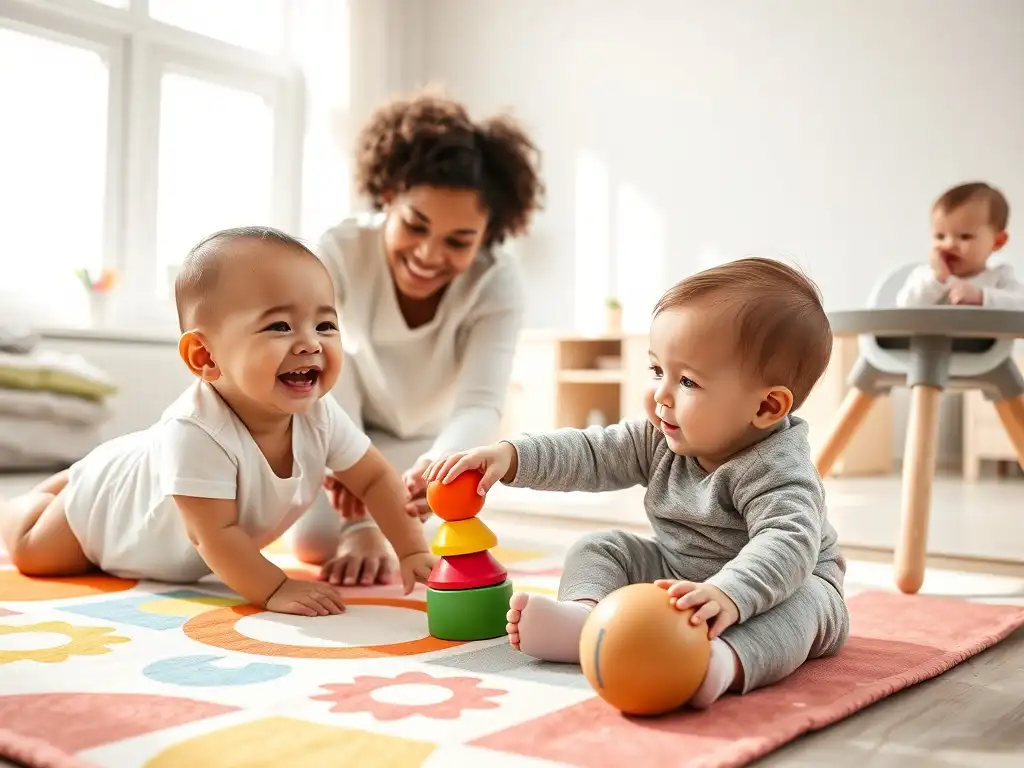
This section delves into practical strategies to foster your baby's social development, focusing on activities that encourage interaction, communication, and emotional connection. Remember, every baby develops at their own pace, so celebrate milestones as they occur and don't compare your little one to others. The key is consistent, loving engagement tailored to your baby's individual needs and capabilities.
We'll explore various activities designed to stimulate social growth, emphasizing the importance of creating a nurturing and responsive environment. This approach helps build a strong foundation for healthy social interactions throughout your child's life. Consistent engagement with these "baby social development activities" will help you nurture a thriving social butterfly!
A secure and responsive environment is the bedrock of healthy social development. Babies thrive when they feel safe, loved, and understood. This sense of security allows them to explore their world, interact with others, and develop essential social skills. Consider these key elements:
- Consistent routines: Predictable routines provide a sense of stability and security, reducing anxiety and allowing your baby to focus on social interaction. This could include consistent feeding, sleeping, and playtime schedules.
- Skin-to-skin contact: Physical closeness fosters a strong emotional bond, promoting feelings of safety and trust. Skin-to-skin contact releases oxytocin, a hormone associated with bonding and well-being.
- Responsive communication: Pay close attention to your baby's cues – cries, smiles, gurgles – and respond promptly and appropriately. This teaches your baby that their needs are important and that their communication is effective.
- Positive reinforcement: Praise and encouragement, even for small accomplishments, build your baby's self-esteem and confidence, encouraging further social engagement. A simple smile and a loving "Good job!" can go a long way!
Remember, consistent responsiveness is crucial. A securely attached baby is more likely to engage confidently in social interactions.
Play is paramount for social development. It's not just about fun; it's a crucial avenue for learning social skills, building relationships, and developing emotional intelligence. Interactive play, where you actively engage with your baby, is especially effective.
Baby Social Development Activities: Sensory Play for Enhanced Interaction
Sensory play stimulates multiple senses simultaneously, enriching your baby's understanding of the world and fostering interaction. Think about:
- Tummy time with textured blankets: Different textures stimulate tactile senses, encouraging exploration and engagement.
- Rattles and soft toys of varying shapes and sizes: These objects encourage grasping, shaking, and exploring different sensations.
- Singing songs and nursery rhymes with actions: This combines auditory and visual stimulation, encouraging participation and interaction. Simple actions like pat-a-cake can be highly engaging.
- Water play (always supervised): The feel and sound of water are captivating for babies, stimulating both tactile and auditory senses.
The goal is to create a rich sensory experience that encourages your baby to explore, react, and interact with you and their environment.
Baby Social Development Activities: Turn-Taking Games and Social Cues
Turn-taking games are fundamental for teaching social reciprocity. Even at a young age, babies can learn to engage in simple back-and-forth interactions.
- Peek-a-boo: This classic game teaches object permanence and turn-taking, fostering anticipation and excitement.
- Rolling a ball back and forth: This simple activity encourages eye contact, anticipation, and turn-taking.
- Singing songs with pauses for your baby to respond: This encourages vocalizations and turn-taking in a playful way.
Observe your baby's cues. If they seem disengaged, take a break and try again later. Patience and responsiveness are key.
Baby Social Development Activities: Reading and Storytelling for Language and Social Development
Reading and storytelling are powerful tools for social and language development. The act of sharing a book fosters closeness, encourages language acquisition, and expands your baby's imagination.
- Use expressive voices and gestures: Make reading fun and engaging by using different voices and acting out the story.
- Point to pictures and name objects: This helps your baby connect words to images, expanding their vocabulary and understanding.
- Engage in conversations about the story: Ask questions and encourage your baby to respond in their own way, even if it's just gurgles and smiles.
Reading aloud, even before your baby understands the words, creates a positive and bonding experience that lays the groundwork for future social and academic success. Remember, the benefits extend beyond language acquisition; it's about creating a loving and interactive experience. These "baby social development activities" build strong foundations for future social interactions.
Encouraging Communication: Talking, Singing, and Responding to Your Baby
From the moment your baby is born, communication is key to their social development. It's not just about speaking to them; it's about engaging in a two-way dialogue, even if your baby's responses are limited to gurgles and coos. Talking to your baby throughout the day, narrating your actions ("Mommy is changing your diaper now"), describing what you see ("Look at the pretty bird outside! "), and singing songs are all incredibly beneficial. The rhythm and melody of songs help develop their auditory processing skills and create a positive emotional connection.
Furthermore, responding to your baby's cues is crucial. If they babble, respond with babbles of your own. If they reach for you, offer a cuddle. This back-and-forth interaction teaches them the give-and-take of social communication, laying a strong foundation for future conversations. Remember, even newborns benefit from this constant interaction; their brains are rapidly developing and absorbing everything around them.
The more you interact verbally and nonverbally, the stronger their communication skills will become. This constant engagement fosters a secure attachment, which is a cornerstone of healthy social-emotional development. Don't underestimate the power of simple actions like reading books aloud, even if your baby doesn't understand the words. The sound of your voice, the rhythm of language, and the pictures engage their senses and lay the groundwork for future literacy and communication skills.
Introducing your baby to other people is a crucial step in their social development journey. However, it's essential to do so gradually and in a safe, comfortable environment. Start with close family members and friends whom your baby is already familiar with. Allow them to interact with your baby in a gentle and respectful manner. Observe your baby’s reactions; if they seem overwhelmed or distressed, gently remove them from the situation.
Positive interactions build trust and security. As your baby gets older, you can gradually increase the number of people they meet and the duration of the interactions. Remember that consistency is key; familiar faces and routines provide a sense of stability and comfort, which is essential for healthy social-emotional development. Always prioritize your baby's comfort and well-being. If they show signs of distress, don't force the interaction.
Instead, offer comfort and reassurance. This approach will help your baby develop positive associations with social interaction. Introducing your baby to diverse individuals also broadens their social horizons and helps them learn to interact with people from different backgrounds. Always supervise interactions closely, especially with younger children.
Baby Social Development Activities: Safe and Age-Appropriate Playdates
Playdates are a fantastic way to foster social skills in babies. However, it's crucial to plan these playdates carefully, ensuring they are safe and age-appropriate. For younger babies, keep the playdates short, focusing on simple interactions. Choose a familiar and comfortable environment, perhaps your home or the home of a close friend. Ensure the other baby is around the same age and developmental stage to minimize any potential safety concerns and maximize the potential for positive interaction.
Supervise the playdate closely at all times, intervening if necessary to prevent any accidents or conflicts. Focus on activities that encourage interaction, such as tummy time together, allowing them to reach for each other’s toys, or engaging in simple songs or rhymes. As your baby gets older, you can introduce more complex activities, such as building blocks together or playing with age-appropriate toys that encourage sharing and collaboration. Remember, the goal is to create a positive and enjoyable experience for both babies, fostering a sense of connection and social interaction.
Always prioritize safety and ensure the environment is free from hazards. Observe the babies closely for any signs of distress or fatigue, and end the playdate early if needed. A successful playdate is one where both babies have fun and engage in positive social interaction. Documenting these experiences, even with simple notes, can help you track your baby's social progress over time.
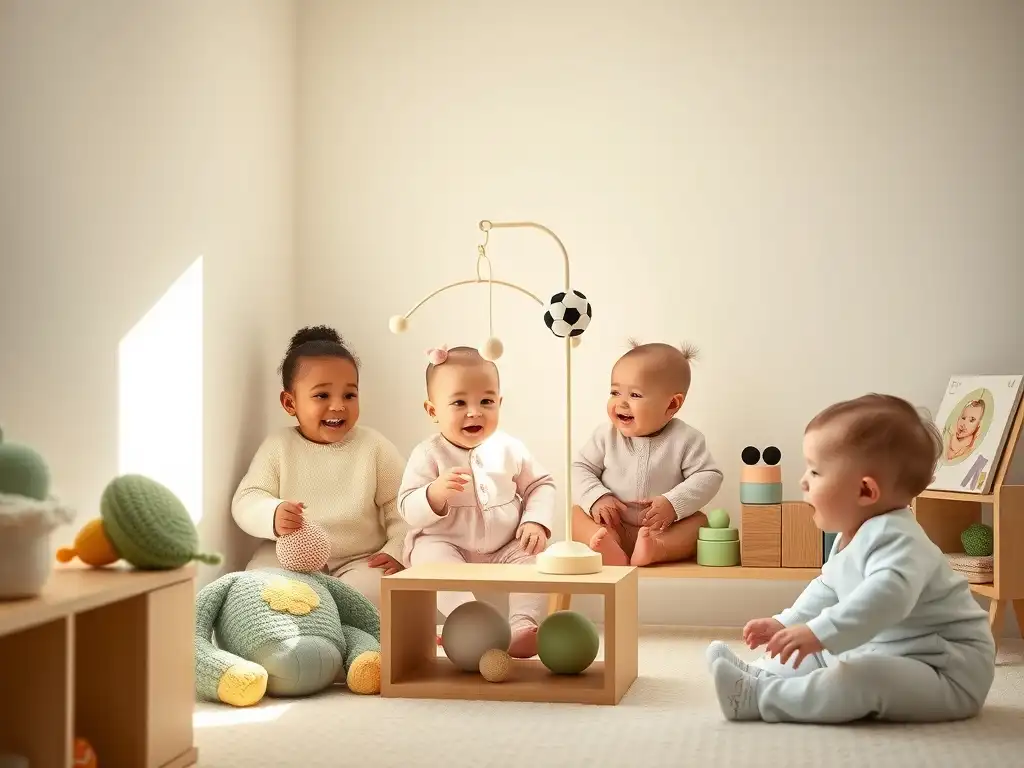
Infants thrive on routine and predictability. A consistent daily schedule isn't just about feeding and sleeping; it's a cornerstone of healthy baby social development activities. The predictability provided by a structured day significantly impacts a baby's emotional security and, consequently, their ability to engage in social interactions. Think of it this way: a baby who feels safe and secure is more likely to be curious, engaged, and receptive to social cues from caregivers and their environment. This secure base allows them to explore their social world with confidence.
Establishing a Consistent Daily Routine for Emotional Security
Establishing a consistent daily routine provides a sense of security and comfort for your baby. This predictability helps them anticipate events, reducing anxiety and fostering a sense of control. A well-structured day doesn't have to be rigid, but it should include consistent times for feeding, napping, playtime, and bedtime. This regularity helps regulate their internal biological clocks, leading to better sleep and a more predictable mood.
For example, a consistent bedtime routine – bath, book, bed – can signal to your baby that it's time to wind down, promoting relaxation and better sleep. This, in turn, contributes to their overall well-being and readiness for social interactions. Furthermore, a well-rested baby is far more likely to be engaged and responsive during playtime, which is crucial for social development.
A consistent routine doesn't stifle a baby's spontaneity; rather, it provides the secure foundation upon which they can explore their world.
Here's a sample daily routine (remember, adapt this to your baby's individual needs):
| Time | Activity | Notes |
|---|---|---|
| 7:00 AM | Wake up, feeding | Respond promptly to cues of hunger or discomfort. |
| 8:00 AM | Playtime (tummy time, singing) | Engage in interactive play; encourage vocalizations and eye contact. |
| 9:00 AM | Nap | Create a calm and quiet environment for sleep. |
| 11:00 AM | Feeding | Observe feeding cues and adjust feeding times as needed. |
| 12:00 PM | Playtime (social interaction) | Engage in activities promoting social interaction, like peek-a-boo. |
| 1:00 PM | Nap | Maintain a consistent sleep environment. |
| 3:00 PM | Feeding | Ensure adequate hydration and nutrition. |
| 4:00 PM | Outdoor time (weather permitting) | Exposure to fresh air and different stimuli can aid in social development. |
| 6:00 PM | Bath time | Make bath time a relaxing and enjoyable experience. |
| 7:00 PM | Bedtime routine | Consistent bedtime routine promotes better sleep and emotional security. |
| 7:30 PM | Sleep | Ensure a dark, quiet, and comfortable sleep environment. |
Remember, flexibility is key. There will be days when your baby's schedule needs adjusting. The goal is consistency, not rigidity.
Predictable interactions are crucial for a baby's social and emotional development. When caregivers respond consistently to a baby's cues – whether it's hunger, discomfort, or a desire for interaction – they are building a secure attachment. This secure attachment is the foundation upon which healthy social relationships are built. Predictable responses teach babies that their needs are met, fostering trust and encouraging social engagement.
For example, if a baby cries, a consistent and prompt response from a caregiver teaches the baby that their distress is acknowledged and addressed. This builds trust and a sense of security, which are essential for healthy social development. Conversely, inconsistent or unpredictable responses can lead to anxiety and insecurity, hindering social development.
Furthermore, predictable interactions involving games like peek-a-boo or simple songs help babies learn about cause and effect, social cues, and turn-taking. These are all fundamental aspects of social interaction. The repetition in these interactions provides a framework for understanding social patterns and expectations. The familiar rhythm and predictable responses help the baby anticipate and participate, fostering a sense of connection and shared experience.
This consistent engagement plays a significant role in developing their social skills and building strong bonds. These early interactions are foundational building blocks for future social relationships and emotional intelligence. The more predictable and responsive the environment, the more confident and socially adept your baby will become.
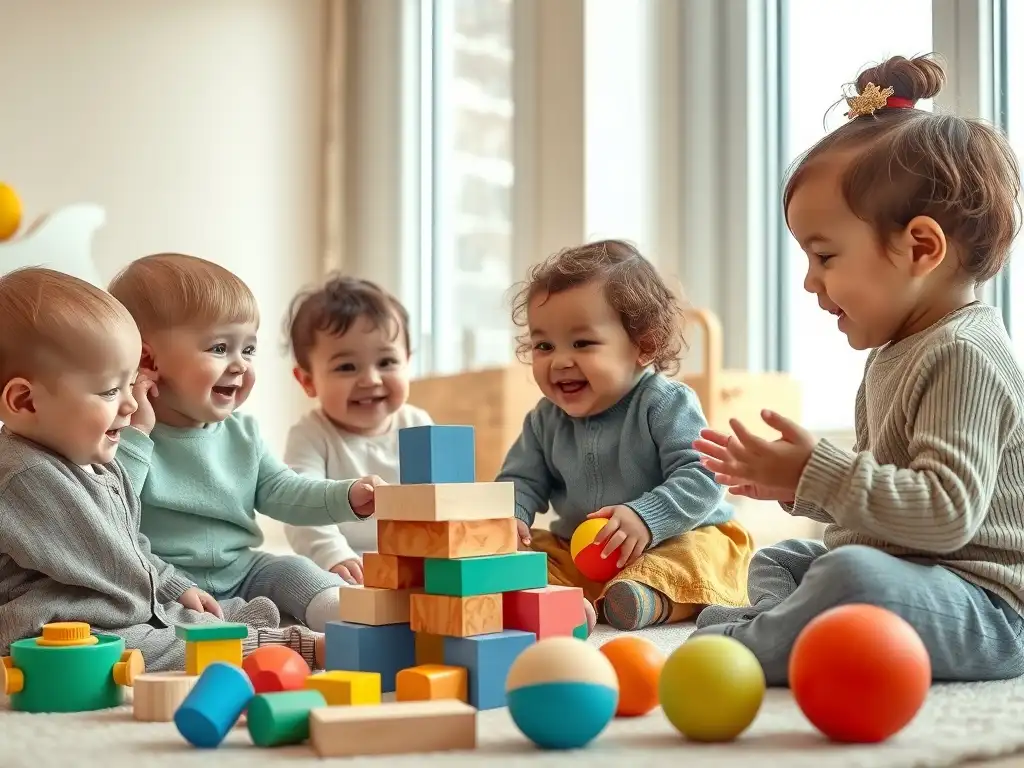
This section delves into practical strategies for nurturing your baby's social development, particularly when faced with common hurdles. Remember, every baby is unique, and their developmental pace varies. Patience and consistency are key. The activities suggested here aim to foster positive social interaction and build strong emotional bonds.
We'll explore techniques for engaging even the fussiest of infants and navigating periods of stress or change in your baby's life. These activities are designed to enhance your baby's social skills and contribute to their overall well-being. Consider these suggestions as a starting point, adapting them to fit your baby's individual temperament and needs. The goal is to make social interaction a joyful and positive experience for both you and your little one.
Fussy or irritable babies can present challenges when aiming to promote social development. However, even the most demanding infants can benefit from gentle, consistent interaction. The key is to be sensitive to their cues and adapt your approach accordingly.
Several strategies can help engage a fussy baby:
- Short, frequent interactions: Instead of prolonged playtime, opt for several shorter sessions throughout the day. This prevents overwhelming your baby and allows for more focused engagement. Even 5-10 minutes of focused attention can be highly beneficial.
- Calming routines: Establish predictable routines for feeding, sleeping, and playtime. This sense of predictability can reduce anxiety and create a more comfortable environment for social interaction.
- Skin-to-skin contact: The physical closeness of skin-to-skin contact releases oxytocin, a hormone that promotes bonding and relaxation. This can significantly calm a fussy baby and create a positive social experience.
- Soothing sounds and movements: Gentle rocking, humming, or playing soft music can help soothe an irritable baby and create a more receptive atmosphere for social interaction. Consider white noise or nature sounds.
- Observe your baby's cues: Pay close attention to your baby's signals. If they are showing signs of distress (crying, turning away, arching their back), respect their need for space and try again later.
Remember that consistency is crucial. Even if your baby doesn't always seem receptive, continuing to offer opportunities for interaction will contribute to their social and emotional development. Your patience and understanding are invaluable.
Significant life changes, such as a move, the arrival of a sibling, or illness, can impact your baby's social development. During these periods, it's essential to provide extra support and reassurance.
Here are some helpful tips:
- Maintain routines: Sticking to established routines as much as possible provides a sense of stability and security, which is particularly important during stressful times. This predictability can help your baby feel safer and more comfortable.
- Increase physical affection: Offer extra cuddles, hugs, and kisses. Physical affection provides comfort and reassurance, strengthening the bond between you and your baby.
- Create a calming environment: Minimize noise and distractions. A quiet, predictable environment can help reduce your baby's stress levels and make them more receptive to social interaction.
- Be patient and understanding: Your baby may be more clingy or irritable than usual. Be patient and understanding, offering extra love and support. Remember that their behavior is a reflection of their feelings.
- Seek support: If you're struggling to cope, don't hesitate to reach out for support from family, friends, or healthcare professionals. Talking about your concerns can help alleviate stress and improve your ability to support your baby.
Remember, a stimulating environment for baby social development requires consistent effort and responsiveness to your baby's individual needs. By implementing these strategies and adapting them to your specific circumstances, you can significantly contribute to your baby's healthy social and emotional growth. 🎉
Monitoring Your Baby's Progress and Seeking Support
This section focuses on practical strategies for tracking your baby's social development and understanding when professional guidance might be beneficial. Remember, every baby develops at their own pace, but consistent monitoring helps identify potential areas needing attention. This is crucial for ensuring your little one thrives and reaches their developmental milestones. We'll explore tools, resources, and warning signs, providing you with the knowledge to support your baby's journey towards healthy social interaction.
Tracking your baby's social development doesn't require complex scientific methods. Simple observation and record-keeping can be incredibly insightful. Many readily available resources can assist you in this process. Consider using:
- Developmental Milestone Checklists: These checklists, often available online or from your pediatrician, outline typical social milestones at various ages. They provide a framework for comparison, allowing you to see where your baby stands relative to average developmental trajectories. Remember, these are guidelines, not rigid rules.
- Baby Journals or Diaries: Maintaining a journal or diary is a fantastic way to personally document your baby's progress. Note down significant events, like their first smile, their response to social cues (e.g., turning towards your voice), and any other noticeable behavioral changes. This personalized record offers a detailed picture of your baby's unique social development. Include specific details, such as the date and time of significant events and descriptive details about your observations. For instance, instead of writing "baby smiled," write "baby smiled broadly at 10:15 AM when I sang 'Twinkle Twinkle Little Star'."
- Mobile Apps: Several mobile applications are designed specifically to track baby development, including social milestones. These apps often provide age-appropriate activities and offer a convenient way to record observations and share progress with family members or healthcare professionals. Choose reputable apps with user-friendly interfaces and privacy features. Look for apps that clearly state their data privacy policies.
| Milestone | Typical Age Range | Observation Notes |
|---|---|---|
| Smiles spontaneously | 2-4 months | Note frequency, context (e.g., during interaction, spontaneously), and intensity. |
| Responds to sounds and voices | 2-6 months | Observe responsiveness to different voices and sounds. |
| Engages in reciprocal games | 4-8 months | Note participation in peek-a-boo, patty-cake, and other interactive games. |
| Shows preference for familiar faces | 6-9 months | Observe reactions to known vs. unknown individuals. |
Remember to approach these tools as supportive aids, not as definitive assessments. Always consult with your pediatrician if you have any concerns.
When to Seek Professional Advice: Recognizing Potential Issues
While every baby develops at their own pace, certain signs may warrant professional consultation. Early intervention is key in addressing potential developmental delays. Seek advice from your pediatrician or a developmental specialist if you observe any of the following:
- Lack of response to social cues: If your baby consistently fails to respond to sounds, voices, or faces, even after several months, it's crucial to seek professional evaluation. This could indicate potential hearing problems or other underlying issues.
- Limited social engagement: If your baby shows minimal interest in interacting with others, avoids eye contact, or doesn't engage in reciprocal play, it's important to discuss this with your doctor. Limited social interaction can be a symptom of various developmental challenges.
- Significant delays in reaching milestones: While developmental timelines are guidelines, substantial delays in achieving age-appropriate social milestones (as per the checklist or your observations) should be addressed promptly.
- Regression in previously achieved milestones: If your baby previously displayed social skills but has since regressed, this warrants immediate attention. This could suggest an underlying medical or developmental concern.
Early detection and intervention are crucial for optimal outcomes. Don't hesitate to reach out to healthcare professionals if you have any concerns about your baby's social development. Remember, proactive monitoring and seeking support when needed are essential aspects of providing your child with the best possible start in life. Early intervention can make a significant difference in your baby's trajectory towards healthy social and emotional development. 👶
Frequently Asked Questions
Early social interaction is crucial for your baby's cognitive, emotional, and social development. It helps them learn to communicate, build relationships, and understand social cues, laying the foundation for future success. Early intervention is key.
You can begin almost immediately! Even newborns benefit from face-to-face interaction and gentle stimulation. As they grow, you can introduce more complex activities tailored to their developmental stage. Start early and be consistent.
Simple activities like singing songs, reading books, playing peek-a-boo, and tummy time are excellent starting points. As your baby grows, you can introduce more interactive games and social play with other babies or caregivers. Keep it playful and engaging.
There's no magic number, but aim for several short sessions throughout the day. Even 10-15 minutes of focused interaction can be incredibly beneficial. Consistency is more important than duration.
Look for signs of engagement, such as smiling, laughing, babbling, and making eye contact. If your baby seems fussy or disinterested, try a different activity or take a break. Follow your baby's cues.
The ability to connect meaningfully with others is not simply a social skill; it's the bedrock of a fulfilling life. Our exploration of stimulating environments for baby social development highlights the profound impact early experiences have on shaping future relationships and emotional well-being. This isn't just about playtime; it's about building the foundation for empathy, communication, and a sense of belonging that will last a lifetime.
The journey of social development is a continuous process, a ripple effect that extends far beyond the toddler years. We've seen how simple interactions, carefully designed play, and responsive caregiving can foster a child's burgeoning social skills. The impact of these early experiences resonates deeply, shaping not only the individual but also the broader social fabric. The most important period of a child's life is the first five years. It is then that the foundation of their future is laid.
This quote underscores the critical role we play in nurturing the social growth of the youngest members of our community.
Now, consider your own role in this process. Whether you're a parent, caregiver, educator, or simply someone who interacts with children, you possess the power to create environments that nurture social development. Reflect on the ways you can incorporate the principles discussed in this article into your daily interactions. Think about how you can foster a sense of security, encourage exploration, and provide opportunities for meaningful connection. Let's work together to build a world where every child has the chance to thrive socially and emotionally.
Thank you for exploring ways to foster your child's social growth! We hope you found practical advice to nurture their connections and confidence. Ready to put this into practice?
- Designate a "Social Time": Dedicate 15 minutes each day to focused social interaction, free from screens or distractions. This could involve building blocks, playing a game, or simply chatting.
- Join a local playgroup or class: Connect with other families and children in a structured environment. This provides a wonderful opportunity for your child to practice social skills and build friendships.
- Share your experience: What strategies do you use to encourage social development in your child? Share your tips in the comments below – let's build a supportive community together!
What small step will you take today to help your child thrive socially?