
The Science Behind Baby's Giggles: Understanding Early Social Development

Welcome to BabyCareHub, your ultimate guide to navigating the incredible journey of parenthood! Are you ready to unlock the secrets behind those precious baby giggles? We delve into the fascinating science of Baby giggles social development, exploring how those joyful sounds reflect your little one's burgeoning social and emotional growth. Discover the developmental milestones that shape these early interactions and learn how to nurture your baby's blossoming personality. Let's embark on this enriching adventure together!
- Decoding Baby Giggles: A Sign of Early Social Development
- When Do Baby Giggles Typically Emerge?
- The Social Significance of Baby Giggles
- Boosting Your Baby's Giggles: Interactive Play and Engagement
- Baby Giggles and Cognitive Development: A Synergistic Relationship
- Addressing Concerns: When to Seek Professional Guidance Regarding Baby's Social Development
- Frequently Asked Questions
- Final Reflection: The Echo of Laughter: Shaping a Social Future
- Unlock Your Baby's Giggle Code: Nurture Their Growth!
The joyous sound of a baby's giggle is more than just a cute sound; it's a significant milestone in their social and emotional development. This article delves into the science behind those delightful chuckles, exploring the neurological processes, brain development, and environmental factors that contribute to a baby's first giggles. Understanding these underpinnings allows parents to better appreciate and nurture their baby's burgeoning social skills.
We'll examine how these early giggles are not merely reflexive responses but rather complex interactions reflecting the intricate development of the infant brain and their growing understanding of the world around them. This exploration of "baby giggles social development" will provide valuable insights for first-time parents seeking to comprehend and connect with their little one's emotional expressions. Prepare to discover the fascinating science behind those precious moments of shared joy!
The Neurological Basis of Laughter in Infants
A baby's giggle isn't a simple reflex; it's a complex neurological event involving several brain regions. Early laughter, unlike later, more contextually aware laughter, is primarily driven by the brainstem and limbic system. These areas are responsible for basic physiological functions and emotional responses. The brainstem manages involuntary actions, while the limbic system plays a crucial role in processing emotions and forming social bonds.
The interaction between these regions creates the physical expression of a giggle. As the baby's brain matures, the cerebral cortex becomes increasingly involved, allowing for more nuanced understanding of humor and social cues. This transition marks a significant step in the development of sophisticated social interaction and understanding.
Research suggests that the timing and frequency of these early giggles are indicators of healthy neurological development and can even be used as an early marker for certain developmental conditions. Therefore, observing and noting these developmental milestones can be invaluable for early intervention if needed. The specific neural pathways involved in early laughter are still under investigation, but the current understanding points to a complex interplay of multiple brain regions working in harmony.
The Role of Brain Development in Early Giggles
The appearance of giggles is intricately linked to the rapid development of the infant brain. Myelination, the process of coating nerve fibers with myelin, significantly enhances the speed and efficiency of neural transmission. As myelination progresses in brain areas associated with emotional processing and social interaction, the baby becomes increasingly capable of expressing and responding to social stimuli.
The timing of a baby's first giggle can vary, typically appearing between 4 and 12 months of age, reflecting the individual pace of brain maturation. Factors such as genetics, nutrition, and environmental stimulation all influence this developmental timeline. The more stimulating and nurturing the environment, the more opportunities the baby has to interact and develop their social-emotional skills.
Early exposure to playful interactions, facial expressions, and vocalizations can accelerate the process. This highlights the crucial role of parental interaction and a rich environment in fostering healthy brain development and the timely emergence of giggles. Furthermore, studies show a correlation between the frequency of giggling and a baby's overall cognitive development.
The Connection Between Physical Stimulation and Giggles
Physical stimulation plays a significant role in eliciting giggles in infants. Activities like gentle tickling, bouncing, or playful wrestling can trigger laughter. This is because these actions stimulate various sensory receptors, sending signals to the brain that are interpreted as pleasurable and amusing. The physical interaction also fosters a sense of connection and security between the baby and caregiver.
The rhythmic nature of many of these activities, such as bouncing, can also be soothing and calming. This combination of sensory stimulation and physical closeness contributes to the baby's positive emotional state, which is essential for the expression of giggles. The positive reinforcement loop created by the caregiver’s laughter in response to the baby’s giggles further strengthens this connection and encourages more social interaction.
It’s important to remember that each baby is unique, and the type and intensity of physical stimulation that elicits giggles will vary. Observing your baby’s responses is key to understanding their preferences and tailoring your interactions accordingly. This responsive interaction is crucial for healthy social-emotional development.
When Do Baby Giggles Typically Emerge?
Baby giggles, those delightful bursts of sound that melt parental hearts, mark a significant milestone in a baby's social and emotional development. Understanding the typical timeline for their emergence can help parents appreciate their baby's progress and identify potential areas for support. While there's a wide range of individual variation, pinpointing when these joyous sounds usually appear offers valuable insight into early social development. This understanding helps parents appreciate the nuances of their baby's unique journey.
The Timeline of Early Laughter Development: From Smiles to Giggles
The journey to baby giggles is a fascinating process, often starting with reflexive smiles around 2-3 months of age. These early smiles are not yet truly social; they're more of a response to internal stimuli. However, around 4-6 months, social smiles begin to emerge. These smiles are directly in response to social interaction, a clear indication of developing social awareness. These early smiles are a precursor to the more complex expression of laughter.
By 4 months, many babies will begin to chuckle or produce quiet, gurgling sounds in response to playful interactions. These pre-giggle sounds are often accompanied by facial expressions indicating enjoyment and engagement. The transition from these early sounds to full-blown giggles usually happens between 6-10 months of age. By 12 months, most babies will have developed a repertoire of expressive sounds including robust giggles. The timing, however, can be influenced by several factors.
The development of laughter is closely tied to the baby's cognitive development. As babies begin to understand cause and effect, they'll start associating playful interactions with positive feelings, leading to more frequent and robust laughter. This is a critical stage in their social and emotional growth. For instance, a baby who understands that their parent's silly face is meant to be funny will likely react with a giggle, demonstrating their growing ability to interpret social cues.
Factors Influencing the Onset of Giggles: Individual Variations
While there's a general timeline, the onset of baby giggles can vary significantly between children. Several factors contribute to this individual variation. Some babies might be naturally more expressive than others, leading to earlier manifestations of laughter. Temperament plays a crucial role. A more outgoing baby might giggle more readily than a more reserved one.
Furthermore, the level of social interaction a baby receives significantly impacts their laughter development. Babies who spend more time interacting with caregivers, engaging in playful activities like peek-a-boo or singing songs, tend to develop laughter earlier and more frequently. The quality of these interactions is just as important as the quantity. Responsive caregiving, where parents or caregivers actively engage with the baby's cues, fosters a secure attachment that promotes social and emotional development.
Another important factor is the baby's overall health and development. Babies with developmental delays might experience a delayed onset of giggles. Similarly, babies experiencing health issues might show less interest in social interaction, impacting their laughter development. However, it's crucial to remember that variations within the typical range are perfectly normal. It's important to consult a pediatrician if there are other developmental concerns beyond the onset of giggling.
While giggles are a clear sign of social engagement, there are other subtle cues parents can look for. These early signs of social interaction, even before the emergence of laughter, provide valuable insights into a baby's developing social skills. Observe the baby's response to your presence and interactions. Do they actively seek your attention? Do they respond to your smiles and voices with increased alertness and engagement?
Beyond smiles and giggles, watch for other signs like babbling, cooing, and reaching out to touch your face. These behaviors indicate a growing awareness of others and a desire to connect. These actions show that the baby is developing an understanding of social reciprocity, the back-and-forth exchange of social cues that is fundamental to social development. The baby is learning to communicate and interact.
Understanding these early signs of social engagement helps parents foster a supportive environment for their baby's growth. Responsive caregiving, which involves actively engaging with the baby's cues and responding appropriately, is crucial in supporting their social and emotional development. Remember, each baby develops at their own pace, and variations are normal. Focusing on positive interactions and creating a loving and stimulating environment are key components in supporting healthy social development.
Giggles, those delightful, bubbling sounds emanating from your little one, are far more than just adorable noises. They represent a crucial milestone in your baby's social and emotional development, offering valuable insights into their cognitive abilities and their burgeoning capacity for social interaction. Understanding the nuances of baby giggles is key to fostering a strong parent-child bond and promoting healthy social-emotional growth.
The timing of their emergence, their frequency, and the contexts in which they occur all provide valuable clues about your baby's progress. For example, early giggles, appearing around 4 months of age, often signal a developing understanding of cause-and-effect and anticipation of playful interactions. Later, more complex giggles might incorporate elements of imitation and shared enjoyment, demonstrating advanced social understanding.
Analyzing these patterns can help parents better understand their baby's unique developmental trajectory and tailor their interactions accordingly, ultimately contributing to a more enriching and nurturing environment. The appearance of these precious sounds is a testament to the rapid development occurring in your baby's brain.
Baby Giggles as a Communication Tool: Expressing Joy and Connection
Baby giggles serve as a powerful communication tool, expressing a wide range of positive emotions. More than just a simple reflex, a giggle communicates joy, contentment, and a sense of connection. When your baby giggles, they are actively engaging with you, expressing their pleasure in your presence and the interaction you're sharing.
This is a crucial step in building a secure attachment and fostering a healthy parent-child relationship. The intensity and frequency of giggles can also reflect the baby's overall mood and well-being. For instance, a series of prolonged, high-pitched giggles might indicate intense joy and excitement, while softer, more sporadic giggles could reflect a more subdued, yet still positive, emotional state.
Understanding these nuances allows parents to respond appropriately and build upon the positive feelings their baby is expressing. This reciprocal exchange is foundational to healthy social development. Observing these subtle differences strengthens the parent-child bond and helps parents become attuned to their child's cues, improving communication and emotional responsiveness.
The Interactive Nature of Giggles: Encouraging Reciprocal Communication
The interactive nature of giggles is a key element in their social significance. A baby's giggle is rarely spontaneous; it's usually a response to an external stimulus, often a playful interaction with a caregiver. This interactive element highlights the crucial role of reciprocal communication in early social development.
When a parent engages in playful activities like making silly faces, tickling, or engaging in vocal games, they are prompting a response from the baby, fostering a back-and-forth exchange. This reciprocal communication is essential for developing social skills, such as turn-taking, anticipation, and emotional regulation. The more responsive a parent is to a baby's cues, the more likely the baby is to continue engaging in these interactive exchanges, further strengthening their communication skills and their understanding of social cues.
Studies have shown a strong correlation between responsive parenting and a child's later social competence. This highlights the importance of actively participating in these playful interactions and responding enthusiastically to your baby's giggles.
Shared laughter is a powerful tool for building a strong parent-child bond. The joy and connection experienced during these moments create a positive feedback loop, reinforcing the parent-child relationship and fostering a sense of security and trust. When a parent responds to a baby's giggle with laughter and playful engagement, they are validating the baby's emotions and strengthening their bond.
This positive interaction helps the baby develop a sense of self-worth and confidence, laying the foundation for healthy social relationships in the future. Moreover, shared laughter helps regulate a baby's emotions, promoting feelings of calmness and security. The positive emotional experience associated with shared laughter contributes to a child’s overall well-being and emotional development.
Remember, these shared moments of laughter are not just fleeting instances of amusement; they are crucial building blocks for a strong, secure, and loving parent-child relationship, setting the stage for a lifetime of healthy social interactions. Prioritizing these interactions is an investment in your child's future social and emotional well-being.
Boosting Your Baby's Giggles: Interactive Play and Engagement
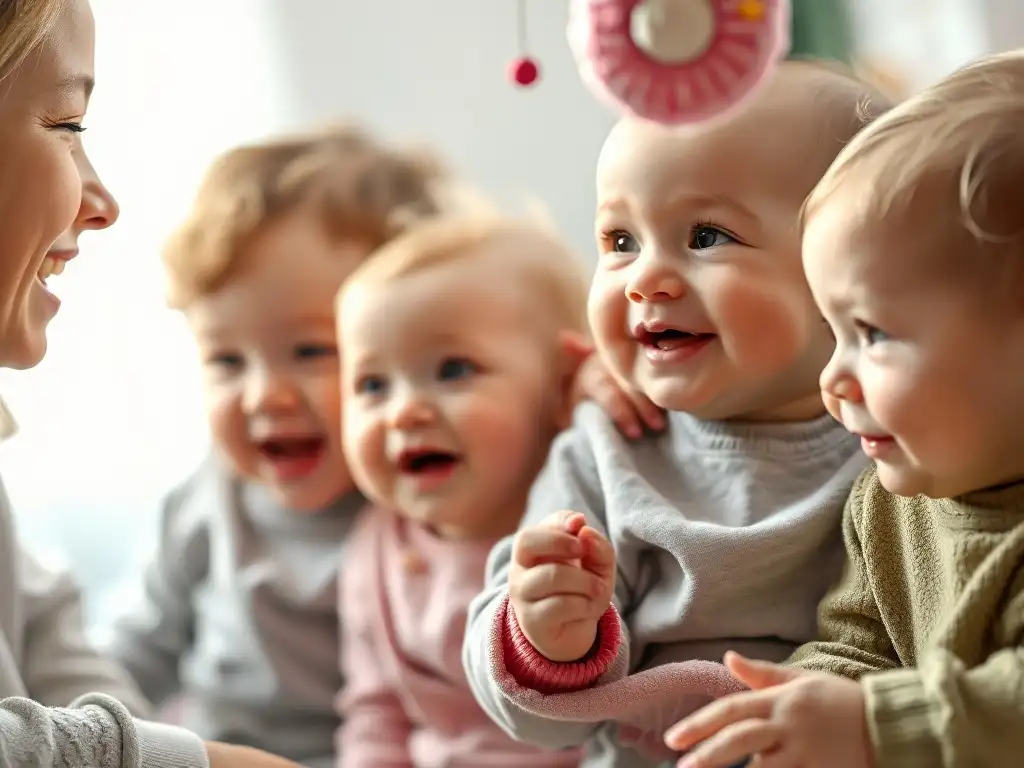
Understanding the science behind baby giggles reveals a crucial aspect of their social and emotional development. But knowing why they giggle is only half the battle; actively engaging with your baby to encourage more of these joyful sounds is equally important. This section focuses on practical strategies to boost your baby's giggle-producing interactions.
Remember, consistent and responsive engagement significantly contributes to healthy social-emotional growth, fostering a strong parent-child bond and enhancing your baby's overall development. The frequency and intensity of baby giggles can be a valuable indicator of their well-being and developmental progress. More giggles often mean a happier, more secure baby.
Effective Techniques to Elicit Giggles: Games and Activities
Numerous games and activities can be employed to trigger those delightful baby giggles. The key is to keep it playful, responsive, and age-appropriate. Here are a few examples:
- Peek-a-boo: This classic game never fails. The element of surprise and re-emergence is inherently engaging for babies, stimulating their understanding of object permanence and eliciting joyous reactions. Try varying your expressions and tones for added fun!
- Silly Faces: Babies are fascinated by exaggerated facial expressions. Try sticking out your tongue, widening your eyes, or making funny noises. The unpredictability and playful nature of these actions are highly effective in eliciting giggles.
- Singing and Rhyming: Nursery rhymes and songs, with their rhythmic patterns and repetitive sounds, are incredibly stimulating for babies' developing brains. The combination of sound, movement (if you incorporate actions), and your engaging presence is a recipe for giggles.
- Tickling: Gentle tickling, particularly on the tummy or feet, can be a very effective way to provoke laughter. Always be mindful of your baby's cues; if they seem uncomfortable, stop immediately.
- Interactive Toys: Toys that make sounds, light up, or have moving parts can capture a baby's attention and encourage playful interaction, often resulting in giggles. Choose toys with bright colors and varied textures for added sensory stimulation.
Remember to observe your baby's reactions. Some babies may respond more enthusiastically to certain activities than others. The goal is to discover what works best for your individual baby and to tailor your interactions accordingly. The development of a strong parent-child bond is crucial for healthy social and emotional development, and playful interaction is a key component of that bond.
The Importance of Positive Interactions: Creating a Stimulating Environment
A stimulating environment plays a crucial role in fostering your baby's social-emotional development and encouraging more giggles. This doesn't require elaborate setups; simple adjustments can make a significant difference.
Creating a positive and playful environment is paramount. This involves:
- Lots of loving physical touch: Hugs, cuddles, and gentle massages provide comfort and security, creating a foundation for positive interactions and emotional growth. This physical connection is crucial for healthy social-emotional development in babies and toddlers.
- Responding promptly to their cues: Babies communicate their needs and desires through various cues, such as crying, gurgling, or reaching out. Responding promptly and appropriately builds trust and security, fostering a positive and responsive relationship.
- Engaging in face-to-face interactions: Direct eye contact and facial expressions are essential for social-emotional development. Babies learn to read and interpret facial cues, which is a vital component of social interaction.
- Providing opportunities for exploration: Babies are naturally curious and eager to explore their surroundings. Providing a safe and stimulating environment with age-appropriate toys and activities allows them to learn and grow. This exploration fuels their cognitive development and contributes to their overall well-being.
Understanding Your Baby's Cues: Responding to Their Signals
Understanding your baby's cues is essential for effective interaction and promoting healthy social-emotional development. Babies communicate their needs and preferences through a variety of signals, including:
- Facial expressions: Observe your baby's facial expressions carefully. A wide smile often indicates happiness and contentment, while furrowed brows or a tight mouth might suggest discomfort or distress.
- Body language: Pay attention to your baby's body language. Relaxed limbs and a calm demeanor usually suggest contentment, while tense muscles or restless movements may indicate discomfort.
- Vocalizations: Babies communicate through a variety of sounds, from coos and gurgles to cries and whimpers. Learn to recognize the different nuances in your baby's vocalizations to understand their needs.
Responding appropriately to your baby's cues is crucial for building trust and security. When you consistently respond to their needs, you are teaching them that their feelings and expressions are valued and understood. This responsiveness is vital for healthy social-emotional development and contributes to a strong parent-child bond. The more responsive you are, the more likely your baby will feel safe and secure, leading to more positive interactions and, of course, more giggles!
Baby Giggles and Cognitive Development: A Synergistic Relationship
Baby giggles aren't just adorable sounds; they represent significant leaps in a baby's cognitive development. The act of giggling involves complex brain processes, including the integration of sensory information, emotional processing, and the development of anticipatory responses. This section delves into the fascinating link between laughter and cognitive milestones, highlighting how those delightful sounds are a window into a rapidly developing mind.
The Link Between Laughter and Cognitive Milestones
The onset of giggling typically occurs between 4 and 6 months of age, coinciding with several key cognitive milestones. For example, the ability to understand and respond to cause-and-effect relationships is crucial for appreciating the humor behind peek-a-boo or a silly face. A baby's giggle at this point indicates their growing awareness of object permanence – the understanding that objects continue to exist even when out of sight.
This cognitive achievement is foundational for future learning and problem-solving skills. Furthermore, the development of anticipatory behavior, where the baby anticipates the fun, is directly linked to the emergence of laughter. This is a crucial step in developing executive function, the ability to plan and control behavior.
Research suggests a strong correlation between earlier giggling and faster cognitive development in later stages. While more research is needed to establish definitive causal links, observational studies show that infants who giggle frequently tend to demonstrate advanced cognitive abilities in areas such as language acquisition and problem-solving later in their development. It's a compelling demonstration of the interconnectedness of seemingly disparate developmental areas.
How Giggles Contribute to Language Development
A baby's giggle is not just a reaction; it's a form of communication. It signals pleasure, engagement, and understanding, all crucial elements in language acquisition. The social interaction surrounding giggles—the back-and-forth exchange of smiles, sounds, and touches—actively contributes to the development of language skills. Parents responding to their baby's giggles with verbal encouragement, playful sounds, and affectionate interaction create a rich linguistic environment. This constant exposure to language and social interaction strengthens neural pathways, laying the foundation for future vocabulary acquisition and communicative competence.
Consider this: the rhythmic nature of giggling itself can be seen as a precursor to the rhythmic patterns of speech. The repetitive sounds and intonations within a giggle sequence mirror the melodic patterns present in language. This suggests a developmental continuum where early vocalizations like giggles naturally pave the way for more complex linguistic expression. Moreover, the emotional connection fostered by shared laughter strengthens the bond between parent and child, creating a secure attachment which is essential for optimal language development.
The development of social skills is intrinsically linked to cognitive growth, and giggling plays a central role in this dynamic. Giggles arise from social interactions: a playful game of peek-a-boo, a silly dance, or a loving cuddle. These interactions provide crucial opportunities for learning about social cues, turn-taking, emotional reciprocity, and the understanding of others' intentions.
The social context of giggling is crucial. A baby's giggle is not merely a response to a stimulus; it's a social signal that elicits further interaction. This reciprocal exchange reinforces the social bond and strengthens the baby's understanding of social dynamics. The more opportunities a baby has to engage in these giggle-inducing interactions, the richer their social and cognitive development becomes.
Therefore, encouraging playful interactions, responding to giggles with enthusiasm, and fostering a nurturing and stimulating environment are vital components in supporting a baby's overall development. This underscores the importance of nurturing these early social interactions to promote healthy cognitive and emotional growth. 👶
Understanding your baby's social development is crucial for ensuring their healthy growth. While giggling is a delightful milestone, it's important to know when variations from the typical developmental trajectory warrant professional attention. This section focuses on recognizing potential delays and understanding when to seek expert help, empowering you to provide the best possible care for your little one. Remember, early intervention is key for optimal outcomes.
Not all babies reach developmental milestones at the same pace. While some babies might giggle early, others might show a delay. It's important to differentiate between normal variations and potential delays. A delay in social development might manifest in several ways:
- Lack of response to social cues: A baby who consistently fails to respond to smiles, voices, or attempts at interaction might be exhibiting a delay. This could include a lack of eye contact or minimal engagement during playtime.
- Limited social interaction: While babies have different temperaments, a persistent lack of interest in social interaction, such as playing with others or showing little response to familiar faces, could be a cause for concern.
- Absence of typical social milestones: Missing key milestones like smiling (typically around 2 months), babbling (around 6 months), or showing clear preferences for certain people (around 6-9 months) can indicate a potential developmental delay. However, remember that this is a general guideline, and individual variations exist.
- Withdrawal or excessive irritability: Consistent withdrawal from social situations or unusual irritability during interaction can also be indicative of underlying issues.
Consider this table summarizing potential red flags:
| Age Range (Months) | Potential Red Flags |
|---|---|
| 2-4 | No smiles, little or no eye contact, unresponsive to voices |
| 4-6 | No babbling, does not turn towards sounds or voices |
| 6-9 | Does not show preference for familiar faces, limited interaction |
| 9-12 | Does not engage in reciprocal play, shows little interest in others |
It’s crucial to remember that every baby is unique. Don't panic if your baby doesn't perfectly match these developmental timelines. However, persistent concerns warrant a professional evaluation.
When to Consult a Pediatrician or Developmental Specialist
If you have any concerns about your baby's social development, it's always best to consult a pediatrician or a developmental specialist. Don't hesitate to seek professional guidance if you observe any of the red flags mentioned above. Early intervention can significantly improve outcomes. A pediatrician can perform a comprehensive assessment, rule out any underlying medical conditions, and recommend appropriate interventions. A developmental specialist can provide targeted therapies and support. The goal is to ensure your baby receives the necessary support to thrive socially and emotionally. Early intervention is vital for maximizing developmental potential.
Early intervention programs focus on addressing potential developmental delays as early as possible. These programs may include:
- Developmental therapy: This may involve working with a therapist to improve social skills, communication, and interaction. Specific approaches will be tailored to your child's needs.
- Play therapy: This uses play-based activities to encourage social engagement, communication, and emotional regulation. Fun and engaging activities are used to build social skills.
- Parent training: Parents are equipped with strategies and techniques to support their child's social development at home. This collaborative approach is essential for consistent support.
- Sensory integration therapy: This addresses sensory processing issues that may be affecting social interaction. This is especially helpful for babies with sensory sensitivities.
Remember, seeking professional help is not a sign of failure but rather a proactive step towards ensuring your baby's optimal development. Early intervention can make a significant difference in a child's life, paving the way for a bright and fulfilling future. Trust your instincts and seek support when needed. Your baby's well-being is paramount.
Frequently Asked Questions
Baby giggles are a crucial indicator of social-emotional development. They reflect a baby's growing understanding of social interaction and their ability to respond to playful cues from caregivers. This early bonding is vital for healthy development.
When do babies typically start giggling?
Most babies begin giggling around 3 to 4 months old, although some may start earlier or later. This timing varies, and it's not a cause for concern if your baby's giggle develops slightly outside this range. Individual development varies greatly.
How can I encourage my baby to giggle more?
Engage in interactive play, like making silly faces, playing peek-a-boo, and using playful sounds and tones. Responding enthusiastically to your baby's attempts at communication, even gurgles, will also encourage more giggling. Remember to be patient and follow your baby's lead.
Are there any concerns if my baby isn't giggling yet?
If your baby is past the typical age range (around 6 months) and still isn't giggling, it's worth mentioning it to your pediatrician. They can assess your baby's development and rule out any underlying concerns. Early intervention is key.
How does giggling relate to other developmental milestones?
Giggling is closely linked to other milestones like social smiling, eye contact, and responsiveness to others. It indicates a healthy progression in your baby's ability to understand and interact within their social environment. Monitor these milestones alongside giggling.
The science behind a baby's giggle is not merely a charming curiosity; it's a foundational pillar of social development, profoundly impacting a child's future emotional intelligence and capacity for connection. Understanding this early communication unlocks a deeper appreciation for the intricate web of social learning that begins from the very first, infectious chuckle. This knowledge empowers parents and caregivers to nurture these crucial interactions, fostering healthy emotional growth.
The impact of early social interaction, as highlighted by the research discussed, is far-reaching and continues to resonate throughout a person's life. The ability to form secure attachments, understand social cues, and navigate complex relationships all stem from these initial experiences. As the renowned child psychologist, Erik Erikson, stated: Play is the highest form of research.
This simple statement encapsulates the profound learning that occurs during those seemingly insignificant moments of shared laughter between a baby and caregiver, shaping their understanding of the world and their place within it. It underscores the importance of prioritizing playful interaction and responsive caregiving in a child's early years.
Now, consider your own experiences. Think back to the first time you heard a baby's giggle. What emotions did it evoke? How did it make you feel?
This article has explored the scientific basis behind those seemingly simple sounds, revealing their significance in the development of social skills and emotional well-being. Let us use this knowledge to foster more meaningful interactions with the young children in our lives, nurturing their social development and shaping a future filled with empathy, connection, and joy. Embrace the power of a baby's giggle – it's a powerful testament to the incredible capacity for human connection.
Unlock Your Baby's Giggle Code: Nurture Their Growth!
Thank you for exploring the fascinating world of baby giggles and early social development! You've gained valuable insights into how these precious sounds contribute to your child's future. Now, let's put that knowledge into practice.
- Create a lasting memory. Start a video or photo journal to capture these special moments and track your baby's progress. This will become a treasured keepsake you'll enjoy revisiting for years to come!
- Connect with other parents. Share your experiences and learn from others in our online forum. Discuss your observations and learn from the journeys of other parents raising happy, socially engaged children.
- Engage in playful interactions. Experiment with different games and activities based on what you've learned – you might discover even more ways to make your baby giggle!
Ready to deepen your understanding of your baby's unique development and strengthen your bond through playful interaction?