
The Connection Between Social Interaction and Emotional Regulation


Welcome to BabyCareHub, your ultimate guide to navigating the incredible journey of parenthood. Are you ready to unlock the secrets to nurturing your little one's growth? We delve into the fascinating world of baby social skills development, exploring the crucial link between early social interaction and healthy emotional regulation. Discover how to foster strong connections and lay the foundation for your baby's thriving future – read on to learn more about this vital developmental milestone!
- Understanding Baby Social Skills Development: The Foundation of Emotional Intelligence
- How Social Interaction Fosters Emotional Regulation in Infants
- Building Strong Social Skills: Practical Tips for Parents
- The Interplay Between Social Skills and Emotional Well-being
- Supporting Your Baby's Social and Emotional Growth: A Roadmap for Parents
-
Frequently Asked Questions
- How important is social interaction for my baby's development?
- When do babies start developing social skills?
- What are some ways I can encourage social interaction in my baby?
- How can I tell if my baby is struggling with social development?
- How does social interaction affect my baby's emotional regulation?
- Final Reflection: Cultivating Emotional Intelligence from the Cradle
- Unlock Your Child's Emotional Growth
From the moment they're born, babies are social beings, constantly learning and interacting with the world around them. This early social interaction isn't just about cute smiles and gurgles; it's the very foundation upon which their emotional intelligence and overall well-being are built. Understanding how babies develop social skills is crucial for parents, caregivers, and anyone involved in a baby's life.
This article delves into the fascinating connection between social interaction and emotional regulation in infants, providing insights into recognizing early signs of social engagement and the importance of responsive caregiving in fostering healthy social-emotional development. Mastering these skills will equip you to better understand and support your baby's journey towards becoming a confident and emotionally well-adjusted individual. This is key to navigating the complex world of "baby social skills development," and will provide you with practical tools to nurture your little one's growth.
The earliest signs of social interaction are often subtle but incredibly meaningful. Newborns may not engage in complex social exchanges, but their behavior displays a growing awareness of their surroundings and the people within them. These early interactions lay the groundwork for future social skills. Look for these key indicators:
- Social Smiles (6-8 weeks): These aren't just gas reflexes! A true social smile is a broad, happy expression directed at a person, typically a caregiver. It signifies the baby's recognition and positive response to human interaction.
- Gurgling and Cooing (2-4 months): These vocalizations are the baby's way of communicating and engaging with you. They are experimenting with sounds and seeking your response. Respond enthusiastically to encourage further interaction.
- Following Gazes (2-3 months): Babies will increasingly follow your gaze, indicating their growing understanding of shared attention. This is a crucial step in joint attention, a key component of social development.
- Reaching and Grasping (3-4 months): Reaching out to touch and grasp objects and people demonstrates a developing understanding of object permanence and social interaction.
Recognizing Emotional Cues in Infants: Reading Your Baby's Signals
Understanding your baby's emotional cues is paramount to fostering healthy social-emotional development. While babies can't verbally express their feelings, they communicate through various nonverbal cues. Learning to interpret these signals is vital for responsive caregiving. Consider these examples:
- Crying: While crying is a universal signal of distress, different cries can signify different needs (hunger, discomfort, tiredness). Pay close attention to the nuances of your baby's cry to understand the underlying cause.
- Facial Expressions: Observe your baby's facial expressions— furrowed brows might indicate frustration, while wide eyes could suggest surprise or fear.
- Body Language: Tensed muscles, clenched fists, or arching of the back can signal discomfort or distress. Conversely, relaxed limbs and a calm demeanor suggest contentment.
- Vocalizations: Besides crying, babies use a range of vocalizations to express their emotions. Observe the tone and pitch of their sounds to decipher their feelings.
Understanding these subtle cues allows for prompt and appropriate responses, fostering a secure attachment and building the baby's confidence in expressing their emotions.
Responsive caregiving is the cornerstone of healthy social-emotional development. It involves consistently attending to your baby's needs, both physical and emotional, and responding in a timely and sensitive manner. This consistent responsiveness helps the baby develop a secure attachment, which is crucial for their emotional well-being and future social skills.
- Consistent Interaction: Regular interaction, such as talking, singing, and playing, stimulates brain development and fosters social skills.
- Positive Reinforcement: Responding positively to your baby's attempts at communication, even if it's just a gurgle, reinforces their efforts and encourages further interaction.
- Emotional Validation: Acknowledge and validate your baby's emotions, even negative ones. This teaches them that their feelings are important and worthy of attention.
- Modeling Appropriate Behavior: Babies learn by observing and imitating. Modeling positive social interactions and emotional regulation demonstrates healthy coping mechanisms.
By understanding the importance of early social interaction and implementing responsive caregiving strategies, you can significantly contribute to your baby's social and emotional development, laying a solid foundation for their future success. Remember, every interaction is an opportunity to nurture your baby's growth and build a strong, loving bond.
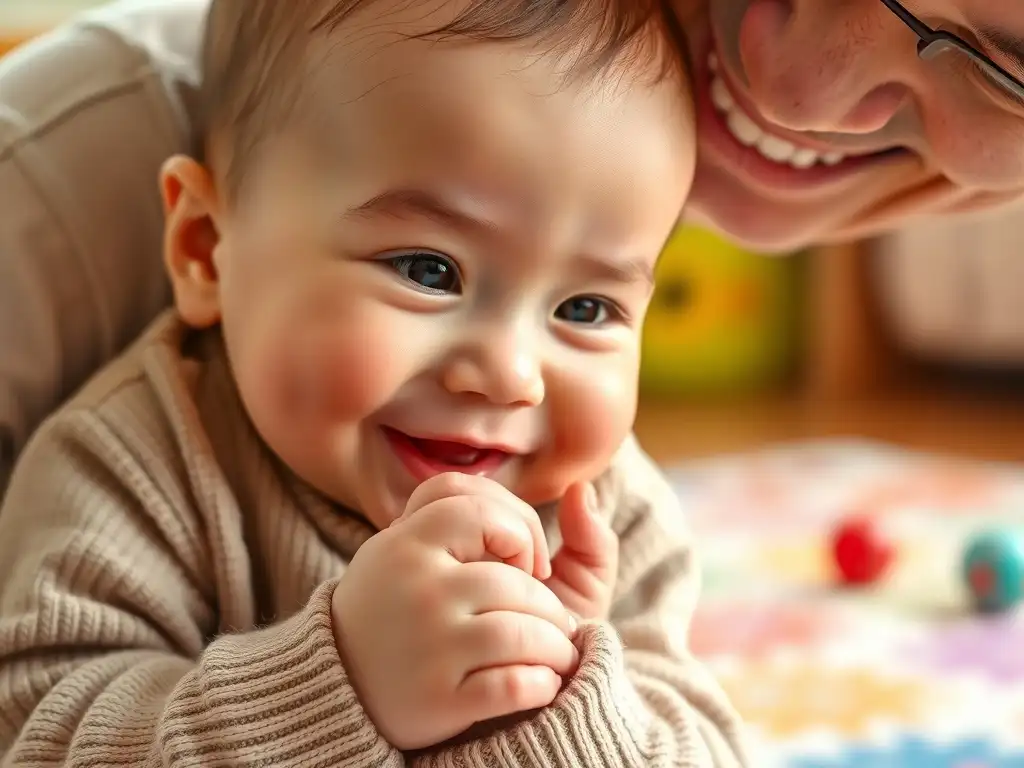
Infants, even newborns, are remarkably adept at engaging in social interaction, laying the foundation for their emotional development. This early social engagement is crucial for fostering emotional regulation, a skill that will serve them throughout their lives. The ability to manage emotions effectively is a cornerstone of healthy development, influencing everything from sleep patterns and appetite to social relationships and academic success.
Understanding the connection between social interaction and emotional regulation is therefore paramount for parents and caregivers. Successful emotional regulation isn't simply about preventing tantrums; it's about developing a repertoire of coping mechanisms that allow babies to navigate the complexities of their emotional world. This section delves into the key ways social interaction contributes to this crucial developmental milestone.
The Impact of Positive Interactions on Emotional Security
Positive social interactions, characterized by warmth, responsiveness, and consistent care, significantly impact an infant's emotional security. When a baby cries, and a caregiver responds promptly and soothingly, the baby learns that their needs are met and their distress is acknowledged. This consistent response builds trust and a sense of security, which are fundamental to emotional regulation. Studies have shown a strong correlation between sensitive parenting and a baby's ability to self-soothe and manage their emotions effectively later in life.
For example, babies who experience consistent, loving interactions tend to exhibit less distress in unfamiliar situations and show greater resilience in the face of challenges. Conversely, inconsistent or neglectful care can lead to heightened anxiety and difficulty regulating emotions. This early experience of secure attachment acts as a buffer against future stress and promotes emotional well-being.
The feeling of being loved and understood is deeply intertwined with the development of emotional coping strategies. This isn't just about immediate comfort; it's about creating a secure base from which the child can explore their world and develop their emotional intelligence. The consistent presence of a loving caregiver provides a sense of safety and predictability, allowing the infant to gradually learn to self-regulate.
Social interaction plays a vital role in the development of self-soothing mechanisms – the strategies babies use to calm themselves down when distressed. Through interactions with caregivers, babies learn to recognize and interpret their own emotional states and those of others. This understanding allows them to develop strategies for managing their emotions. For instance, a caregiver's gentle touch, soothing voice, or rhythmic rocking can help a baby calm down during a period of distress.
Over time, the baby may begin to self-initiate these soothing behaviors, such as sucking on a thumb or cuddling a favorite blanket. This process is greatly facilitated by the consistent and responsive interactions they experience with their caregivers. The caregiver acts as a "scaffold," guiding the baby through the process of emotional self-regulation. Observing the caregiver's responses to their own emotions helps the baby learn how to manage their own emotional experiences.
Consider this: a baby who consistently experiences a calm and predictable response from a caregiver to their distress is more likely to develop effective self-soothing strategies compared to a baby whose needs are inconsistently met. This underscores the importance of sensitive and responsive caregiving in fostering the development of healthy emotional regulation skills. The development of self-soothing is a gradual process, and the quality of social interactions significantly influences the speed and effectiveness of this development.
The Importance of Predictable Routines and Consistent Care
Predictable routines and consistent care are crucial for supporting emotional regulation in infants. A structured environment provides a sense of security and reduces uncertainty, which can be overwhelming for young babies. Consistent daily routines, such as regular feeding times, nap schedules, and bedtime rituals, help babies anticipate what will happen next, reducing anxiety and promoting a sense of calm. This predictability allows the baby to develop a sense of control and mastery over their environment, which is vital for emotional well-being.
Think of it like this: a predictable routine is like a roadmap for the baby's day. Knowing what to expect helps them feel safe and secure. This doesn't mean that spontaneous moments aren't important; rather, it emphasizes the value of a consistent framework within which these moments can occur. This consistent framework establishes a sense of trust and security, which are essential for healthy emotional development.
Furthermore, consistent caregiving, marked by consistent responses to the baby's needs, contributes to the development of secure attachment. This secure attachment, in turn, forms the foundation upon which the baby can build their emotional regulation skills. Therefore, establishing and maintaining predictable routines and providing consistent care are essential strategies for supporting the baby's emotional development and fostering healthy emotional regulation. The benefits extend far beyond immediate comfort, impacting their long-term emotional health and well-being.
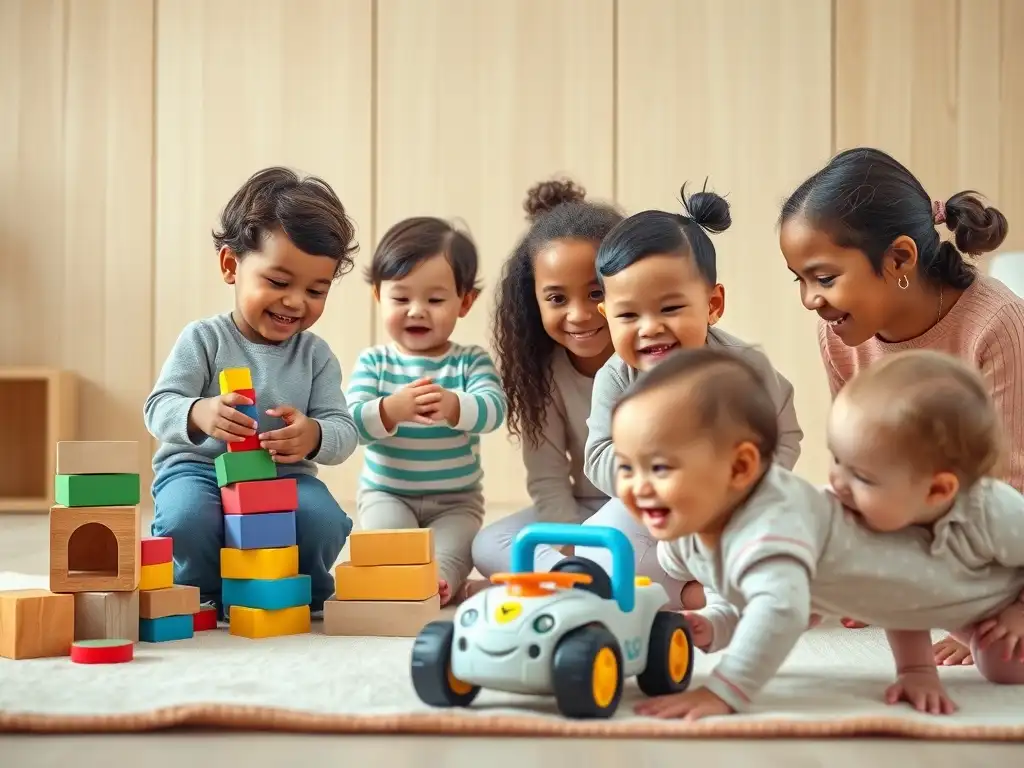
This section focuses on practical strategies parents can implement to foster healthy baby social skills development. Remember, consistent, nurturing interaction is key to building a strong foundation for your child's social and emotional growth. Early intervention and positive reinforcement play a crucial role in shaping their future interactions and relationships.
Encouraging Interaction Through Play and Stimulation
Play is not just fun; it's a powerful tool for baby social skills development. Engaging in playful activities with your baby stimulates their brain development and encourages social interaction. Here are some ideas:
- Face-to-face interactions: Spend dedicated time engaging directly with your baby. Make silly faces, sing songs, and talk to them in a high-pitched, expressive voice. This helps them recognize and respond to facial expressions and vocal cues. Studies show that this type of interaction significantly boosts language development and social skills.
- Interactive toys: Choose toys that encourage engagement and interaction, such as rattles, soft balls, or stacking rings. Toys that produce sounds or lights can also capture your baby's attention and stimulate their senses. Observe your baby's preferences and tailor the toys accordingly. For example, a baby who enjoys grasping might benefit from toys with different textures and shapes.
- Sensory play: Introduce your baby to a variety of textures, sounds, and smells through safe and age-appropriate activities. This can include tummy time with different fabrics, playing with textured toys, or letting them explore different scents (always under supervision). This sensory exploration expands their understanding of the world and enhances their ability to interact with their environment.
- Reading together: Reading aloud to your baby, even from a very young age, is a fantastic way to bond and promote language development, which is a cornerstone of social interaction. The rhythm of your voice and the colourful illustrations stimulate their brain and imagination.
Creating a Safe and Secure Environment for Exploration
A safe and secure environment is crucial for healthy baby social skills development. Babies need to feel confident and secure to explore their surroundings and interact with others. This doesn't mean a sterile environment, but rather a space where they can safely move, touch, and experiment without fear of harm.
- Baby-proofing: Thoroughly baby-proof your home to minimize risks. This involves securing furniture, covering electrical outlets, and removing any potential hazards. A secure environment allows your baby to explore freely, fostering independence and confidence – essential components of social interaction.
- Designated play areas: Create specific spaces dedicated to play. This could be a playmat, a corner of a room, or even a playpen. Having a designated area makes it easier for you to supervise your baby while they explore and play. This structured approach contributes to a sense of security and predictability, facilitating social interactions.
- Structured routines: Establishing consistent routines provides your baby with a sense of security and predictability. Regular mealtimes, nap times, and bedtime routines help regulate their emotions and create a stable environment for social interactions. A secure routine reduces anxiety and allows your baby to focus on exploring and connecting with others.
Responding to Your Baby's Cues: The Power of Nurturing Communication
Understanding and responding to your baby's cues is paramount for fostering healthy baby social skills development. Babies communicate their needs and emotions through various signals, including facial expressions, body language, and vocalizations. Learning to interpret these cues is essential for building a strong parent-child bond and supporting their emotional development.
- Observing nonverbal cues: Pay close attention to your baby's facial expressions, body language, and vocalizations. A furrowed brow might indicate discomfort, while a wide smile usually signifies happiness. Learning to interpret these cues allows you to respond appropriately and build trust. This responsiveness is fundamental to secure attachment, a critical aspect of social-emotional development.
- Responding promptly: Respond to your baby's cues promptly and consistently. Whether it's feeding, changing a diaper, or simply offering comfort, prompt responses build trust and security. This consistent responsiveness teaches your baby that their needs are valued and that they can rely on you for support. This, in turn, fosters a sense of security, essential for positive social interactions.
- Engaging in turn-taking: Even at a young age, babies can participate in simple turn-taking activities, such as peek-a-boo or passing a toy back and forth. This helps them learn the social rules of interaction and understand the concept of reciprocity. These early experiences lay the foundation for more complex social interactions later in life. Turn-taking games are also great for developing communication skills.
Remember, every baby develops at their own pace. While these tips offer valuable guidance, it's crucial to celebrate your baby's unique milestones and progress. The most important aspect is consistent, loving interaction – the cornerstone of healthy baby social skills development.
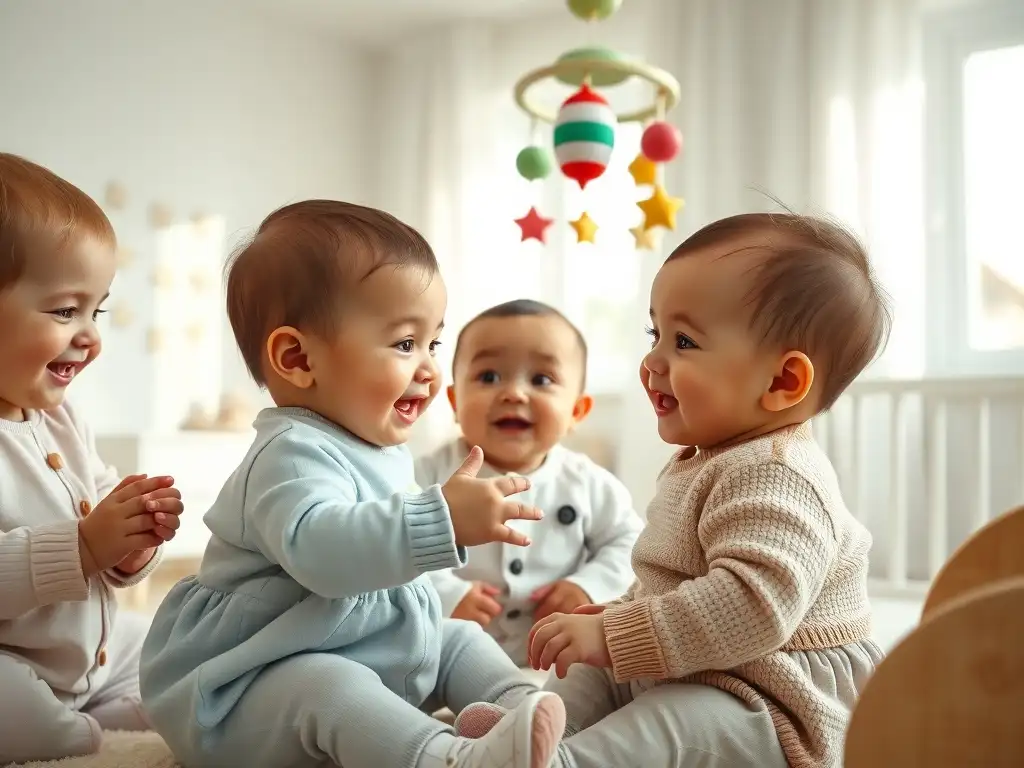
This section delves into the intricate relationship between a baby's burgeoning social skills and their developing emotional regulation. Early social interactions are not merely cute moments; they are fundamental building blocks for a child's emotional intelligence and overall well-being. A baby's ability to engage with others, understand and respond to social cues, and manage their emotional responses are intrinsically linked. Positive social experiences, such as warm interactions with caregivers, contribute to the development of secure attachment, which in turn fosters emotional stability and resilience.
Conversely, limited or negative social interactions can hinder emotional development, potentially leading to difficulties with emotional regulation later in life. This complex interplay underscores the importance of nurturing social skills from the earliest stages of a child's life to promote healthy emotional growth and overall development. The development of robust baby social skills is paramount to this process.
Recognizing potential challenges in a baby's social-emotional development is crucial for early intervention. While every baby develops at their own pace, certain signs might indicate a need for further assessment. These challenges can manifest in various ways, impacting both social interaction and emotional regulation. For instance, a baby who consistently avoids eye contact, shows little interest in interacting with others, or exhibits excessive fussiness or irritability may be experiencing difficulties. Similarly, a lack of response to social cues, such as smiles or vocalizations from caregivers, could be a cause for concern.
It's important to note that some babies might exhibit these behaviors temporarily due to factors like illness or fatigue. However, persistent difficulties warrant professional attention. Early identification allows for timely intervention, maximizing the chances of positive outcomes. Careful observation and open communication with pediatricians are essential in addressing these potential challenges. Remember, early intervention is key to supporting healthy baby social skills development.
Here's a table summarizing some potential warning signs:
| Warning Sign | Description |
|---|---|
| Limited eye contact | Baby rarely makes eye contact with caregivers or others. |
| Lack of response to social cues | Baby doesn't respond to smiles, vocalizations, or other social interactions. |
| Excessive fussiness/irritability | Baby is consistently fussy, irritable, and difficult to soothe. |
| Withdrawal from social interaction | Baby actively avoids social interaction and prefers to be alone. |
| Difficulty regulating emotions | Baby struggles to manage emotions, exhibiting extreme reactions to stimuli. |
Seeking Professional Support When Needed: Recognizing Warning Signs
While many developmental variations fall within the normal range, certain signs may indicate a need for professional assessment regarding your baby's baby social skills development. These signs aren't necessarily cause for immediate alarm, but they warrant careful observation and, if persistent, a consultation with a pediatrician or developmental specialist. For example, a baby who consistently fails to respond to their name or shows no interest in interactive games might require further evaluation. Similarly, a baby exhibiting extreme emotional outbursts or demonstrating significant difficulty calming themselves might benefit from professional intervention.
It's crucial to remember that seeking professional help isn't a sign of failure as a parent; rather, it's a proactive step towards ensuring your baby's healthy development. Early intervention can significantly improve outcomes and prevent potential long-term challenges. Don't hesitate to reach out to your pediatrician or other healthcare professionals if you have concerns about your baby's social-emotional development. They can provide valuable guidance, assessments, and recommendations tailored to your baby's specific needs. Remember, early support can make a world of difference.
Cultivating strong social-emotional skills in infancy lays a vital foundation for a child's future success. Babies who develop strong social skills tend to form secure attachments with caregivers, fostering a sense of trust and security that extends into later relationships. This early foundation influences their ability to build healthy relationships, navigate social situations effectively, and manage their emotions throughout life.
Children with well-developed social-emotional skills are typically more resilient, better equipped to cope with stress, and more likely to succeed academically and socially. These skills contribute to improved self-esteem, empathy, and prosocial behavior. Investing in early baby social skills development is an investment in your child's overall well-being and future success.
The positive impacts ripple across various aspects of their lives, from academic achievement to personal relationships, contributing to a more fulfilling and successful future. The benefits are far-reaching and long-lasting, underscoring the significance of nurturing these skills from the earliest stages of development.
This section delves into practical strategies for nurturing your baby's burgeoning social and emotional skills. Developing strong social skills is crucial for your baby's overall well-being, impacting their ability to form relationships, cope with challenges, and thrive in various environments. Remember, every baby develops at their own pace, so celebrate the unique milestones your little one achieves.
Providing ample opportunities for social interaction is paramount for your baby's social skills development. This doesn't necessarily mean large, overwhelming gatherings. Instead, focus on creating safe and stimulating environments where your baby can interact with others.
Think carefully planned playdates with one or two other babies of similar age. These should be short, focused sessions—perhaps an hour or less—to avoid overstimulation. Observe your baby's cues; if they seem tired or overwhelmed, end the playdate early. A quiet, familiar setting is ideal for a first playdate.
Consider joining a parent-and-baby group. These groups offer a structured environment for social interaction, providing a sense of community for both you and your baby. Look for groups that offer age-appropriate activities, such as singing songs, reading books, or engaging in simple sensory play. The shared experience fosters bonding and allows your baby to observe and mimic social interactions.
Remember, safe and controlled environments are key. Always supervise your baby closely during any social interaction to ensure their safety and well-being. Gradually increase the duration and complexity of social situations as your baby becomes more comfortable.
Using Positive Reinforcement to Encourage Desired Behaviors
Positive reinforcement is a powerful tool in nurturing your baby's social and emotional growth. Instead of focusing on correcting undesirable behaviors, emphasize rewarding positive actions. A simple smile, a gentle touch, or verbal praise like "Good job, sweetie!" can go a long way in encouraging desired behaviors.
For example, if your baby shares a toy, immediately praise their action. This reinforces the positive behavior and increases the likelihood of it happening again. Similarly, if your baby makes eye contact or smiles at another baby, acknowledge and celebrate these small victories. This positive reinforcement helps build their confidence and encourages further social engagement.
Avoid using punishment or harsh criticism. These methods can be detrimental to your baby's emotional development and may damage your relationship. Focus instead on redirecting unwanted behaviors and rewarding positive ones. Consistency is key. Regularly reinforcing positive behaviors will help your baby learn and grow. The goal is to create a positive association with social interactions.
Understanding the typical stages of social-emotional development helps you set realistic expectations for your baby. Each stage brings unique milestones, and recognizing these helps you nurture your child's development effectively.
| Age Range | Typical Social-Emotional Milestones | Tips for Support |
|---|---|---|
| 0-3 Months | Responds to faces and voices; shows early signs of social engagement. | Talk, sing, and read to your baby. Make eye contact and smile frequently. |
| 4-6 Months | Smiles and laughs; shows preference for familiar people; begins to babble. | Engage in interactive play, like peek-a-boo. Continue to provide social stimuli. |
| 7-12 Months | Waves goodbye; shows stranger anxiety; plays simple games with others. | Introduce your baby to new people gradually. Offer opportunities for social play. |
| 12-18 Months | Shows affection; imitates actions; enjoys parallel play. | Encourage imaginative play and interaction with other children. |
Remember that these are just guidelines. Some babies might reach these milestones earlier or later than others. The key is to provide a nurturing and stimulating environment that allows your baby to develop at their own pace. Consult your pediatrician if you have any concerns about your baby's social or emotional development. Early intervention can make a significant difference. 🎉
Frequently Asked Questions
Social interaction is crucial for your baby's development. It helps build social skills, emotional intelligence, and strengthens the parent-child bond, impacting their overall well-being. Early interactions lay the foundation for future relationships.
Babies begin developing social skills from birth, showing early signs through eye contact, smiles, and responses to voices. These skills become more sophisticated as they grow, with increased interaction and understanding of social cues.
Engage your baby in face-to-face interactions, talking, singing, and playing simple games. Reading books, attending baby groups, and providing opportunities for interaction with other babies and caregivers are also beneficial.
Signs of potential issues include lack of eye contact, limited response to social cues, avoiding interaction, or excessive fussiness around others. If concerned, consult your pediatrician for assessment and guidance.
Positive social interactions help babies learn to regulate their emotions. Secure attachments formed through interaction provide a sense of safety and security, helping them manage stress and develop emotional resilience. Responsive caregiving is key.
Final Reflection: Cultivating Emotional Intelligence from the Cradle
The ability to navigate social interactions is not merely a social skill; it's the cornerstone of healthy emotional regulation, a foundation built from infancy and crucial for a fulfilling life. Understanding this connection is paramount in today's world, where social-emotional learning is increasingly recognized as vital for academic success and overall well-being. The implications for our children's future are profound.
Witnessing the rapid development of social skills in babies is a truly awe-inspiring experience. It highlights the innate human capacity for connection and the profound impact of early interactions. The most important period of a child's life is the first three years.
While this quote is often debated, it underscores the critical role of early social interaction in shaping a child's emotional landscape. The subtle cues, the shared smiles, the comforting touch – these are the building blocks of emotional intelligence, shaping how a child learns to understand and manage their feelings throughout life.
Consider the impact of your own early social experiences. How did those interactions shape your understanding of emotions, both your own and others'? Now, reflect on how you can foster a nurturing environment for the young children in your life, encouraging their social exploration and providing the emotional support they need to thrive. Let's prioritize nurturing these crucial early connections, empowering the next generation to navigate the complexities of life with emotional resilience and grace.
Unlock Your Child's Emotional Growth
Thank you for learning about the powerful connection between social interaction and emotional regulation in your child! We hope this article provided valuable insights into supporting their emotional development. Now, let's put this knowledge into practice!
- Prioritize playful social interactions: Dedicate time each day to playing with your child, focusing on activities that encourage communication, collaboration, and emotional expression. This could range from building blocks together to engaging in imaginative role-playing.
- Observe and reflect: Take time each day to consciously observe your child's interactions and emotional responses. Keeping a brief journal of your observations will help you understand their needs and how to best respond.
- Connect with other parents: Share your experiences and challenges with other parents. You'll find support and shared experiences in online parenting forums and groups. Learning and supporting each other makes a significant difference.
What small step will you take today to further your child's emotional growth?