
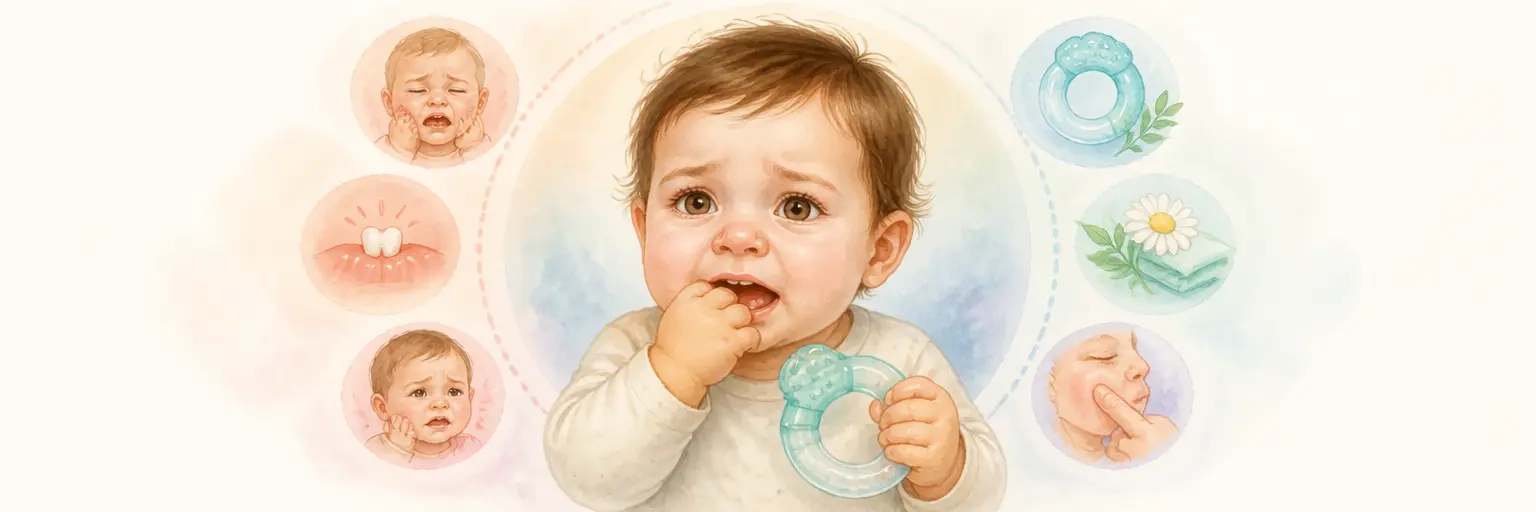
Teething and Ear Infections: Understanding the Link and What to Do
Discover trusted guidance on teething symptoms and relief for your baby 🦷✨ Learn how to recognize common signs like sore gums, drooling, fussiness, and sleep disruption, plus gentle, safe ways to provide comfort. BabyCareHub offers practical, parent-friendly tips to support your little one’s health and safety during every stage of teething.
6 articles
Teething Fever: Fact vs. Fiction What Parents Need to Know
Teething and Eczema: How to Manage FlareUps During Teething
The Power of Cold: How Frozen Teething Toys Can Ease Your Baby's Pain
Amber Teething Necklaces: Do They Really Work? An EvidenceBased Review
Decoding Teething: 10 Early Signs Your Baby Is About to Sprout a Tooth
Teething Symptoms and Relief 🦷
Welcome to BabyCareHub’s Teething Symptoms and Relief subcategory, a trusted resource for first-time parents learning how to recognize and manage baby teething. Here, you’ll find practical guidance on common teething symptoms, safe teething remedies, soothing techniques, and signs that may require medical attention. Our parent-friendly information helps you understand what to expect as your baby’s first teeth appear while supporting comfort, healthy development, and safe oral care.
🦷 Common Baby Teething Symptoms
Teething can begin at different ages, but many babies start showing signs around six months. Parents may notice sore or swollen gums, increased drooling, chewing on toys or fingers, irritability, changes in sleep, and a reduced appetite for solid foods. Understanding these typical symptoms can make the teething stage easier to manage.
BabyCareHub explains how to distinguish normal teething behavior from symptoms that may indicate illness. Mild discomfort is common, but high fever, persistent diarrhea, vomiting, breathing problems, or extreme lethargy should not automatically be blamed on teething and may require advice from a pediatrician.
🧊 Safe Teething Relief for Babies
Parents can often soothe teething pain with simple, safe comfort measures. A clean, cool—not frozen—teething ring, damp washcloth, or gentle gum massage may help reduce discomfort. Offering age-appropriate chilled foods can also provide relief when your baby is ready for solid foods and can eat safely under supervision.
This section covers practical natural teething relief methods and explains how to use teething products responsibly. Always check toys for damage, avoid choking hazards, and supervise your baby closely. Products should be designed for infants and used according to the manufacturer’s instructions.
💊 Teething Medicine and Pain Relief Safety
Some babies may need medication for significant discomfort, but medicine should be used carefully. BabyCareHub provides general information about discussing suitable infant pain relief with a healthcare professional, including the importance of using the correct product, dose, and measuring device for your baby’s age and weight.
Parents will also learn which products to avoid. Do not use aspirin for babies, and avoid unapproved teething gels, numbing products, alcohol-based remedies, or amber teething necklaces, which may create serious safety risks. When in doubt, contact your pediatrician or pharmacist before giving any medication.
🌙 Helping Your Baby Sleep During Teething
Teething discomfort can temporarily affect naps, bedtime routines, and overnight sleep. A calm, predictable routine, extra cuddles, gentle gum massage, and a cool teether before bed may help your baby settle. Keeping the sleep environment safe and comfortable remains essential during this temporary developmental stage.
Our sleep guidance focuses on safe soothing strategies without unsafe sleep products. Babies should always sleep on their backs on a firm, flat surface free from pillows, loose blankets, stuffed toys, and other soft items. Comfort your baby as needed while continuing to follow recommended safe sleep practices.
🪥 First Teeth and Baby Oral Care
Teething is also the beginning of your baby’s lifelong oral health journey. Parents can start cleaning the gums with a clean, soft cloth before teeth appear. Once the first tooth emerges, gently brush twice daily with a soft infant toothbrush and an appropriate amount of fluoride toothpaste, following professional dental guidance.
BabyCareHub explains how to build healthy habits, protect new teeth from decay, and arrange an early dental visit. Limit frequent sugary drinks and avoid putting your baby to bed with a bottle, as prolonged exposure to milk or sweet liquids can contribute to early childhood tooth decay.
🚑 When to Call a Pediatrician
Most teething discomfort is mild and temporary, but some symptoms should be assessed by a healthcare professional. Contact your pediatrician if your baby has a high or persistent fever, signs of dehydration, unusual sleepiness, repeated vomiting, severe diarrhea, a rash, difficulty breathing, or pain that seems intense or does not improve.
Trust your instincts if your baby appears unusually unwell. Teething should not be used to explain serious or prolonged symptoms. Prompt medical advice can help identify infections or other conditions and ensure your baby receives appropriate treatment.
❓ Frequently Asked Questions About Teething Symptoms and Relief
When do babies usually start teething?
Many babies begin teething around six months, although some start earlier or later. The lower front teeth commonly appear first, followed by the upper front teeth. Timing varies, so a different schedule can still be normal. Speak with a pediatric dentist if you have concerns about tooth development.
What are the most common signs of teething?
Common signs include drooling, chewing, tender or swollen gums, fussiness, and disrupted sleep. Babies may also want extra comfort or show temporary changes in appetite. Teething should not usually cause a high fever, severe diarrhea, breathing difficulty, or significant illness.
What is the safest way to soothe teething pain?
Try gently massaging your baby’s gums with a clean finger, offering a cool teething ring, or using a clean damp washcloth. Avoid frozen objects, small items that could cause choking, unsafe necklaces, alcohol-based remedies, and unapproved numbing gels. Supervise your baby whenever a teething product is being used.
Can I give my baby medicine for teething pain?
Ask your pediatrician or pharmacist before giving any pain medicine, especially to a young baby. Use only an appropriate product and the correct dose based on professional advice and your baby’s weight. Never give aspirin to an infant, and do not use medication more often than directed.
How can I care for my baby’s first teeth?
Clean your baby’s gums before teeth appear, then brush the first teeth twice daily with a soft infant toothbrush and a small amount of fluoride toothpaste as recommended by a dental professional. Avoid putting your baby to sleep with a bottle and limit sugary drinks. An early dental visit can support healthy oral development and prevent tooth decay.