
Baby Proofing Your Home: A StepbyStep Guide
Learn essential baby first aid, CPR, and emergency response skills with BabyCareHub 🍼🚑. Discover clear, practical guidance for recognizing emergencies, responding calmly to choking or breathing difficulties, and providing immediate care while contacting professional help. Build confidence with trusted infant CPR and baby safety tips designed to help first-time parents protect their little ones when every second matters.
5 articles
When to Take Your Baby to the Emergency Room
Calling Emergency Services: Essential Information for Parents
Poisoning in Babies: Identifying the Danger and First Response
Baby’s Room Safety: Minimizing Risks and Hazards
👶 Baby First Aid Basics: CPR and Emergency Response
Welcome to BabyCareHub’s Baby First Aid Basics: CPR and Emergency Response subcategory, a practical resource for first-time parents who want to feel prepared during unexpected health and safety situations. Here you’ll find clear, step-by-step guidance on infant CPR, baby choking first aid, emergency response, breathing problems, and urgent medical care. Our content is designed to help parents understand what to do, what to avoid, and when to contact emergency services while waiting for professional help.
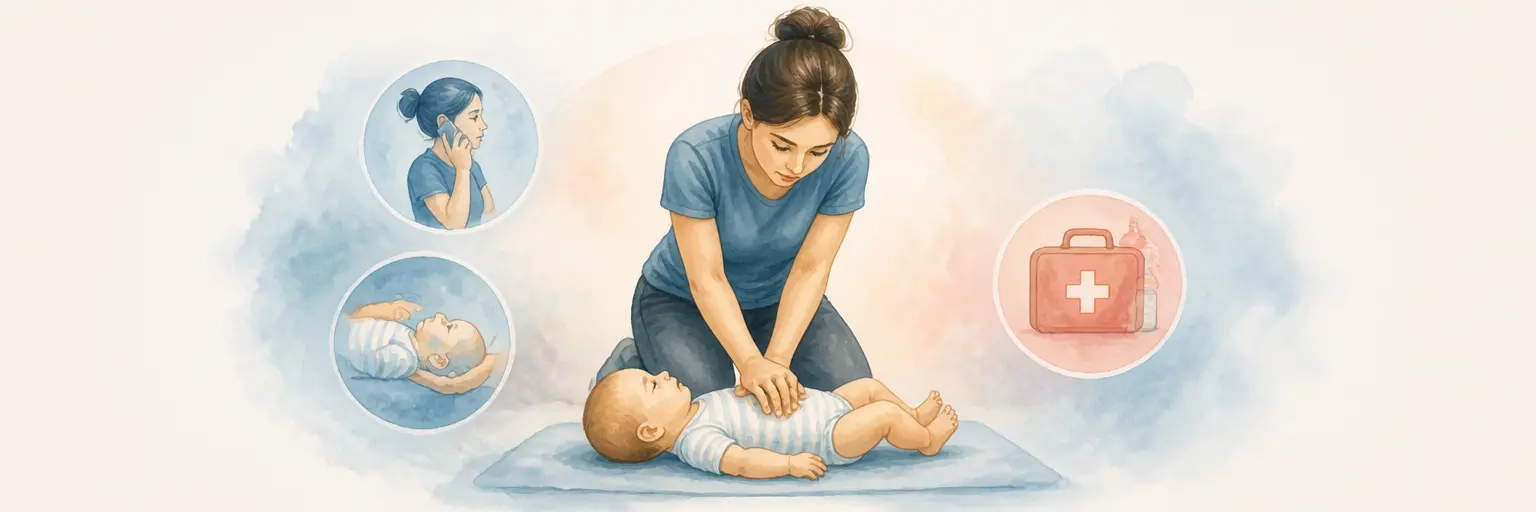
🚑 Infant CPR and Emergency Breathing Support
Learn the essential principles of CPR for babies under one year old, including how to recognize unresponsiveness, check for normal breathing, and contact emergency services. BabyCareHub explains the importance of using age-appropriate techniques and following guidance from qualified emergency responders or certified first aid instructors.
Readers can expect easy-to-follow educational information about infant rescue breaths, chest compressions, recovery positioning, and emergency coordination. Infant CPR training should always be completed with a certified provider, but understanding the basic response sequence can help parents act quickly and confidently during a life-threatening emergency.
🫁 Baby Choking First Aid and Airway Emergencies
This section focuses on how parents can identify possible choking in babies, including signs such as an inability to cry, cough, breathe, or make sounds. You’ll learn why choking is different from gagging and why a baby with a blocked airway requires immediate attention and emergency assistance.
Guides cover general first aid concepts for responding to an infant choking emergency, including the importance of age-specific techniques and avoiding unsafe actions. Never blindly sweep a baby’s mouth or shake, hang, or forcefully manipulate an infant; contact emergency services and follow instructions from trained professionals.
📞 Calling Emergency Services and Getting Help Quickly
Knowing when and how to call emergency services is a vital part of baby safety. BabyCareHub explains what information parents may need to provide, such as the baby’s location, symptoms, level of responsiveness, breathing status, and any known injury or illness.
You’ll also find practical advice for staying calm, placing your phone on speaker when possible, and following the dispatcher’s instructions. Do not delay emergency care while searching for information online; when a baby is unconscious, not breathing normally, severely choking, or experiencing a serious injury, call your local emergency number immediately.
🩹 Common Baby Injuries and Immediate First Aid
Explore helpful information about responding to common infant injuries, including minor cuts, burns, falls, bumps, bruises, nosebleeds, and possible poisoning. Each topic emphasizes observation, gentle care, and recognizing symptoms that may require urgent medical evaluation.
Parents can learn how to create a calm response plan and monitor a baby after an incident. Any serious fall, head injury, breathing difficulty, significant burn, uncontrolled bleeding, or suspected poisoning should be treated as a medical emergency. When in doubt, contact a healthcare professional or emergency service for advice.
🌡️ Recognizing Serious Illness in Babies
Babies can become seriously ill quickly, and their symptoms may be subtle. This section covers warning signs such as unusual sleepiness, poor responsiveness, difficulty breathing, blue or gray lips, persistent vomiting, seizures, dehydration, and a fever in a very young infant.
Readers will learn why observing changes in feeding, wet diapers, skin color, crying, movement, and behavior is important. Infants with concerning symptoms should be assessed promptly by a qualified medical professional, especially newborns and babies with underlying health conditions.
🏠 Building a Baby First Aid and Safety Kit
Prepare a practical home first aid kit with items commonly used for basic baby care, such as sterile gauze, adhesive bandages, a digital thermometer, clean gloves, saline solution, and emergency contact information. BabyCareHub also discusses the importance of keeping supplies organized and accessible but safely out of a child’s reach.
A well-prepared household should also include updated pediatrician details, allergy information, medication instructions, and a written emergency plan. Never give medication to a baby unless it has been recommended with the correct product and dose by a healthcare professional, and avoid storing dangerous substances near feeding or changing areas.
🛡️ Preventing Baby Emergencies Before They Happen
Prevention is a key part of infant health and safety. Discover guidance on safe sleep, choking prevention, bath safety, car seat use, fall prevention, safe feeding, water safety, and keeping medicines and household chemicals secured.
These resources help parents identify hazards before they become emergencies and build safer daily routines. Active supervision, an appropriately prepared environment, and current first aid training are essential parts of responsible baby care.
❓ Frequently Asked Questions About Baby CPR and Emergency Response
What should I do if my baby is unresponsive?
Check whether the baby responds and whether they are breathing normally. Call your local emergency number immediately, place the phone on speaker if possible, and follow the dispatcher’s instructions. If you are trained in infant CPR, begin the appropriate steps as directed. Do not leave the baby to search for help unless instructed to do so.
How is CPR for a baby different from CPR for an adult?
Infant CPR uses techniques adapted for a baby’s smaller body, including different hand placement, compression depth, and rescue-breathing methods. Because correct technique is essential, parents should take an accredited infant CPR course and follow instructions from emergency dispatchers or certified instructors during an actual emergency.
How can I tell if my baby is choking?
A choking baby may be unable to breathe, cry, cough, or make sounds, and may become pale or bluish. Gagging is often noisy and may allow the baby to cough or breathe. If you suspect a complete airway blockage, call emergency services immediately and follow professional instructions for infant choking first aid.
When should I call emergency services for a sick baby?
Call emergency services for severe breathing difficulty, unresponsiveness, seizures, blue or gray skin, uncontrolled bleeding, serious injury, severe allergic reaction, suspected poisoning, or any situation in which the baby appears to be in immediate danger. For less urgent concerns, contact your pediatrician or an appropriate medical advice service.
Can online baby first aid information replace CPR training?
No. Online information can support preparation and general awareness, but it cannot replace hands-on infant CPR and first aid training. Parents and caregivers should consider taking a course from a recognized organization and regularly reviewing emergency plans, local emergency numbers, and pediatric healthcare contacts.