
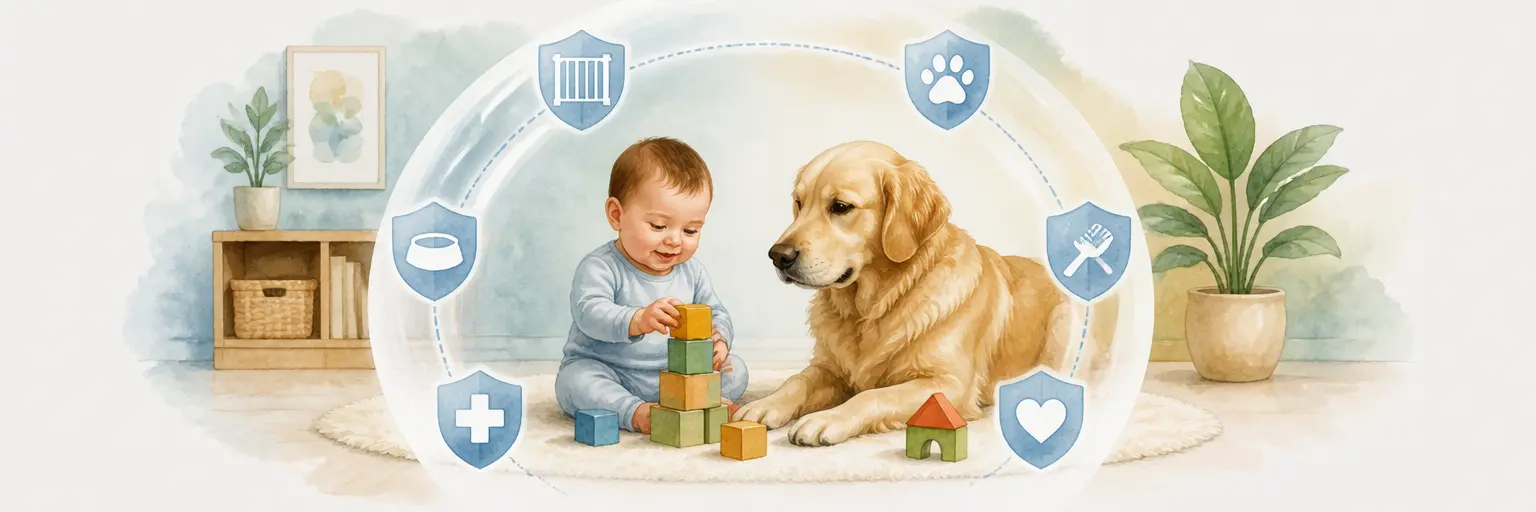
The Ultimate Guide to Preventing PetRelated Accidents with Babies
Keep your baby and pets safe with practical guidance on pet safety around babies 🐶👶 Learn how to introduce pets, supervise interactions, recognize stress signals, and create secure spaces that reduce risks such as scratches, bites, allergies, and accidental falls. Discover trusted baby health and safety tips for peaceful, confident living with your family’s furry companions.
5 articles
Cat Breeds and Babies: Understanding Temperaments for Safety
Multiple Pets and Baby Safety: Managing Group Interactions
The Importance of Pet Supervision: Ensuring Baby's Safety
Managing Pet Hair: A Guide to Reducing Allergens for Babies
Pet Safety Around Babies: Creating a Safe and Loving Home
Welcome to BabyCareHub’s Pet Safety Around Babies guide, a trusted resource for first-time parents learning how to introduce pets to newborns and maintain a secure family environment. Dogs, cats, and other household animals can become wonderful companions, but babies require careful supervision because they cannot recognize danger or communicate discomfort. This subcategory provides practical guidance on baby and pet safety, safe introductions, hygiene, supervision, animal behavior, and preparing your home for life with a newborn.
🐶 Safe Introductions Between Pets and Newborns
Introducing a dog or cat to a new baby should be gradual, calm, and carefully planned. Readers can learn how to prepare pets before birth, introduce the baby’s scent, manage the first meeting, and create positive associations using praise and controlled routines. These steps support a safe newborn and pet introduction while helping reduce anxiety, excitement, jealousy, or fear.
BabyCareHub explains how to protect the baby without unnecessarily excluding the family pet. Parents will find guidance on using gates, leashes, carriers, separate rooms, and quiet spaces, along with advice on recognizing warning signs such as stiff body language, growling, hissing, hiding, intense staring, or sudden changes in behavior.
🏠 Preparing Your Home for Baby and Pet Safety
A well-prepared home can prevent many common accidents. This section covers practical ways to create pet-safe and baby-safe spaces, including nursery boundaries, secure sleeping areas, closed doors, stair gates, covered litter boxes, and safe storage for pet food, medication, toys, and cleaning products.
Parents can also learn how to keep cribs, bassinets, changing tables, and play mats free from pet hair, toys, and bedding. Helpful checklists encourage families to identify hazards before the baby arrives, including loose cords, accessible water bowls, small objects, open windows, and areas where a pet could become trapped or accidentally knock over equipment.
👀 Supervision and Preventing Pet-Related Accidents
Constant, active supervision is one of the most important rules for pets and babies living together. Babies should never be left alone with an animal, even if the pet is gentle, familiar, and trusted. Readers will learn why brief moments can create risks and how to stay close enough to intervene immediately.
This guidance also explains safe interaction habits, such as avoiding forced touching, pulling tails or ears, disturbing pets while eating or sleeping, and placing a baby directly beside an animal. Parents will discover how to teach older siblings respectful pet behavior and how to use routines that protect both the child and the animal.
🧼 Hygiene, Allergies, and Infection Prevention
Pets can carry dirt, parasites, allergens, and germs, making hygiene an important part of newborn health and safety. This section provides practical advice on washing hands after handling animals, cleaning pet areas, maintaining vaccinations, controlling fleas and ticks, and keeping litter, feces, saliva, and food away from baby supplies.
Families can also find information about reducing pet dander and monitoring babies for possible allergy symptoms, including sneezing, wheezing, rashes, red eyes, or breathing difficulties. When symptoms appear, parents should contact a healthcare professional promptly. Good hygiene and regular veterinary care help support a healthier home for everyone.
🐕 Understanding Pet Body Language and Behavior
Learning to read animal behavior helps parents identify stress before it becomes a safety concern. Readers can explore signs of discomfort, overstimulation, fear, guarding, or aggression, including flattened ears, tucked tails, lip licking, yawning, avoidance, raised fur, growling, snapping, or repeated attempts to escape.
This subcategory emphasizes that punishment can increase fear and may make behavior worse. Parents will learn when to separate a pet and baby calmly and when to seek help from a qualified veterinarian, certified trainer, or veterinary behaviorist. Early professional support is especially important after a bite, attempted bite, repeated guarding, or sudden behavior change.
🧸 Safe Baby and Pet Interaction as Your Child Grows
As babies become mobile, safety planning must change. Crawling infants may chase pets, grab fur, reach into food bowls, or pick up small pet toys. This section offers age-appropriate strategies for teaching gentle touch, using simple words such as “stop” and “leave it,” and ensuring that pets always have access to a child-free retreat.
Parents can also learn how to manage floor play, feeding times, nap routines, and visits from relatives or other animals. A combination of close supervision, consistent boundaries, and respectful handling helps children develop safe habits while allowing pets to remain valued members of the family.
❓ Frequently Asked Questions About Pet Safety Around Babies
Can a newborn sleep in the same room as a pet?
A newborn should sleep in a safe, separate sleep space such as a crib or bassinet, and pets should not have unrestricted access to that area. Even a calm animal may accidentally enter the crib, disturb the baby, or create a suffocation risk. Use a closed door, secure barrier, or active supervision to keep pets away from the baby’s sleep space.
Is it safe to let my dog or cat lick my baby?
It is best to prevent pets from licking a baby’s face, mouth, hands, open cuts, or medical devices. Animal saliva can contain germs, and babies frequently place their hands in their mouths. Gently redirect the pet, wash the baby’s skin when needed, and contact a healthcare professional if a bite or scratch breaks the skin.
How should I introduce my dog to a new baby?
Prepare your dog before birth by reinforcing basic commands, maintaining predictable routines, and gradually introducing baby-related sounds and smells. For the first meeting, keep the dog calm and controlled, allow brief observation from a safe distance, and reward relaxed behavior. Never force contact, and always supervise future interactions.
What should I do if my pet seems jealous or aggressive toward the baby?
Separate the pet and baby calmly and avoid punishment, yelling, or forced interaction. Look for triggers such as food, toys, noise, crowding, or loss of routine. Contact a veterinarian and a qualified animal behavior professional for an assessment, particularly after growling, snapping, biting, guarding, or repeated attempts to approach the baby unsafely.
Can babies develop allergies from household pets?
Some babies may react to pet dander, saliva, urine proteins, or outdoor allergens carried on an animal’s coat. Possible symptoms include sneezing, congestion, coughing, wheezing, rashes, or irritated eyes. Keep the home clean, wash hands after pet contact, maintain veterinary care, and speak with your baby’s healthcare professional about persistent or severe symptoms.