
Multiple Pets and Baby Safety: Managing Group Interactions

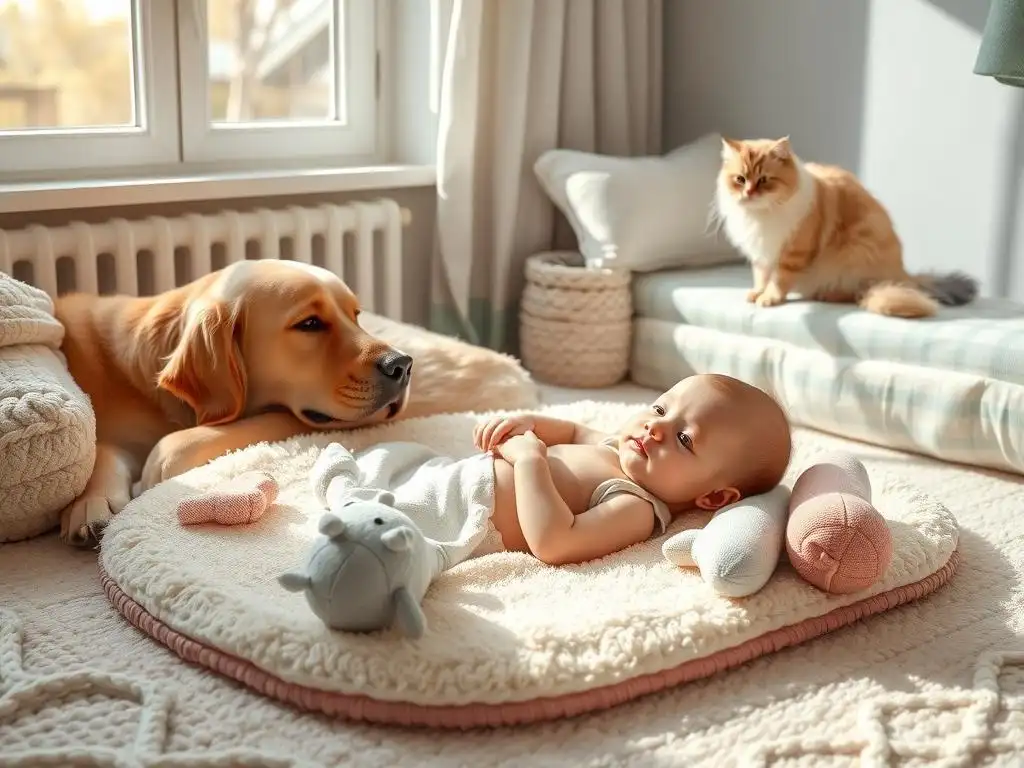
Welcome to BabyCareHub, your ultimate guide to navigating the incredible journey of parenthood! Are you a first-time parent facing the unique challenge of ensuring your little one's safety while also managing a household full of beloved pets? Then you've come to the right place. Discover essential tips and expert advice on Baby safety multiple pets in our in-depth article, "Multiple Pets and Baby Safety: Managing Group Interactions," and learn how to create a harmonious and safe environment for your growing family. Let's explore how to confidently manage these precious relationships!
- Introducing Baby to Multiple Pets: A Step-by-Step Guide
- Baby-Proofing Your Home for Multiple Pets
- Managing Pet Behavior Around a Baby: Key Considerations
- Childproofing with Multiple Pets: A Comprehensive Approach
- Building a Safe and Harmonious Home Environment: Long-Term Strategies
- Frequently Asked Questions
- Final Reflection: Nurturing Harmony: Babies, Pets, and a Safe Home
- Unlock a Harmonious Home: Nurturing Your Furry Friends and Baby
Introducing Baby to Multiple Pets: A Step-by-Step Guide
Bringing a new baby home is an incredibly joyous occasion, but for families with multiple pets, it also presents a unique set of challenges. Ensuring your baby's safety while integrating them into a multi-pet household requires careful planning and a gradual approach. This comprehensive guide provides a step-by-step plan to navigate this transition smoothly and safely, focusing on strategies to minimize risks and maximize positive interactions between your baby and your beloved furry, feathered, or scaled companions.
We'll cover crucial aspects of managing group interactions, from initial introductions to ongoing training, ensuring both your baby and your pets feel secure and comfortable in their shared home. This guide is essential for all parents seeking to create a harmonious and safe environment for their newborns and their existing pets, addressing the vital keyword: "Baby safety multiple pets."
Initial Introductions: Supervised Meetings and Safe Spaces
The first few meetings between your baby and your pets should be carefully orchestrated and always supervised. Never leave your baby unattended with any pet, regardless of how well-behaved they usually are. The unpredictable nature of newborns and the inherent instincts of animals necessitate constant vigilance.
Before the first introduction, prepare a safe, contained space for your baby. This could be a crib, a playpen, or even a designated corner of a room with baby gates. This space should be free of any potential hazards and easily cleaned.
The initial meetings should be short and sweet. Let your pets sniff your baby's blanket or clothing to become familiar with their scent before the actual face-to-face introduction. Keep the interactions brief (5-10 minutes) and monitor the pets' body language closely. Signs of stress such as excessive panting, yawning, flattened ears, or tucked tail indicate that it's time to separate them. Reward calm behavior with treats and praise. 🎉
Remember to prioritize your baby's safety above all else. If any pet shows signs of aggression or discomfort, immediately separate them and consult with a veterinarian or animal behaviorist.
Gradual Integration: Monitoring Interactions and Recognizing Signals
Once initial introductions have gone well, you can begin to gradually increase the time your baby and pets spend together. Always maintain close supervision. Start with short supervised play sessions in the baby's safe space, gradually expanding the interaction area as your pets demonstrate consistent calm behavior.
It's crucial to learn to recognize both your baby's and your pets' body language. A baby's cry might not always mean distress, but a pet's subtle signs of anxiety (such as whale eye – showing the whites of their eyes) should be taken seriously. If your baby becomes startled or shows any signs of distress, immediately separate them from the pets.
Keep a detailed record of each interaction. Note the duration, location, and any notable behaviors from both your baby and your pets. This record will help you identify patterns and adjust your approach as needed. This proactive monitoring is key to ensuring a safe and positive co-existence.
Training Your Pets: Obedience and Calmness Around the Baby
Training your pets to behave calmly around your baby is an ongoing process that requires patience and consistency. Focus on reinforcing positive behaviors such as remaining calm and gentle. Use positive reinforcement techniques, rewarding calm behavior with treats, praise, and affection.
Enroll your pets in obedience training classes if necessary. A professional trainer can provide personalized guidance and help you address any specific behavioral issues. Consider crate training for your pets, providing them with a safe and secure space to retreat to when needed. This will help prevent accidental interactions and reduce stress for both your pets and your baby.
Remember, consistency is key. Establish clear rules and boundaries, and ensure that all family members are consistent in enforcing them. This will help your pets learn appropriate behavior around your baby and create a safe and harmonious home environment for everyone. 🐶🐱🐭🐹🐰
Baby-Proofing Your Home for Multiple Pets
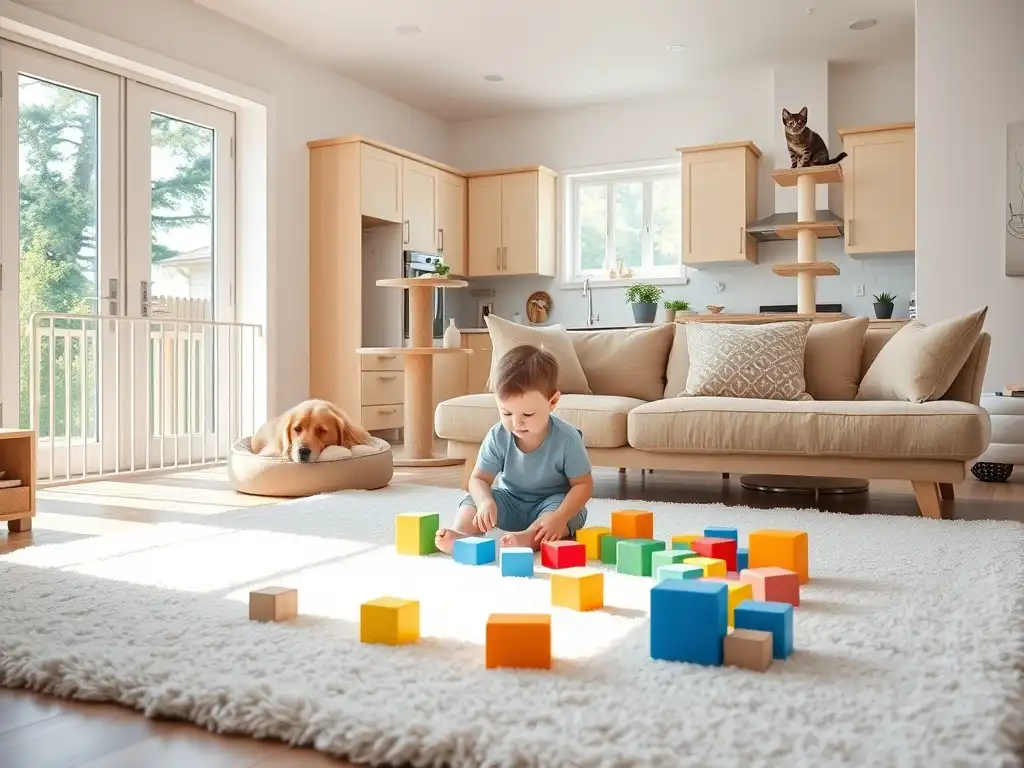
This section focuses on proactive measures to minimize risks associated with multiple pets and a new baby. Successfully navigating this transition requires careful planning and execution, prioritizing the safety of your infant while maintaining a harmonious environment for your beloved animals. Remember, even the most well-behaved pets can have unexpected reactions to a new family member.
Securing Pet Food and Supplies: Preventing Accidental Ingestion
Accidental ingestion of pet food or medication by your baby is a serious concern. Pet food often contains ingredients toxic to infants, and even seemingly harmless items like kibble can pose a choking hazard. Therefore, securing pet supplies is paramount.
Here's a practical checklist:
- Elevated Food and Water Bowls: Store pet food and water bowls on high shelves or in cabinets inaccessible to your baby. Consider using sturdy, elevated feeders designed specifically to keep food out of reach.
- Secure Storage for Medications: Keep all pet medications, including flea and tick treatments, well out of reach, ideally in a locked cabinet. Many pet medications are extremely toxic to humans.
- Cleaning Supplies: Store cleaning supplies used for pet areas, such as disinfectants and enzymatic cleaners, in a separate, locked area away from the baby's reach. These substances can cause serious harm if ingested.
- Regular Clean-Up: Regularly clean up spilled pet food or water immediately to avoid attracting your baby's attention and preventing accidental ingestion. A quick cleanup minimizes potential hazards.
Managing Pet Access to Baby's Room and Belongings
Restricting pet access to the baby's room is crucial for both the baby's safety and the pet's well-being. The baby's room should be a pet-free zone, especially during unsupervised periods.
Consider these strategies:
- Baby Gates: Install sturdy baby gates at the entrance to the baby's room to prevent pets from entering. Opt for gates that are securely mounted and difficult for pets to climb or push open.
- Closed Doors: Keep the baby's bedroom door closed at all times, especially when the baby is unattended. Ensure the door handle is out of reach of the pets.
- Protecting Baby Gear: Keep cribs, changing tables, and other baby furniture free from pet hair and dander. Regular cleaning is essential to maintain a hygienic environment for your baby. Consider using protective covers on the mattress and other surfaces.
- Supervision: Even with barriers in place, constant supervision is necessary, particularly during the initial weeks and months after the baby arrives. Never leave your baby alone with pets, regardless of their temperament.
Creating Safe Zones for Both Baby and Pets
Creating designated spaces for both your baby and your pets can help reduce conflict and promote a safer environment.
Here are some suggestions:
- Pet-Designated Areas: Designate specific areas in your home as pet-only zones, providing them with comfortable beds, toys, and scratching posts. This gives pets their own space to relax and de-stress, reducing the likelihood of unwanted interactions with the baby.
- Baby-Friendly Zones: Similarly, create designated areas that are baby-friendly and pet-free. This could be a play area or a section of the living room where you can engage with your baby without worrying about pets getting underfoot.
- Supervised Interactions: Introduce your pets to your baby gradually and always under close supervision. Start with short, controlled interactions and gradually increase the time spent together as your pets become more comfortable with the baby's presence. Positive reinforcement techniques can help.
- Training and Socialization: Invest in professional pet training to ensure your pets are well-behaved and understand basic commands. This is especially important if you have multiple pets with varying temperaments. Proper socialization is key to minimizing potential conflicts. 🐕🦺
Remember, consistent vigilance and proactive measures are key to ensuring the safety of your baby and maintaining a harmonious household with multiple pets. Always prioritize your baby's safety and seek professional advice if you have any concerns.
Managing Pet Behavior Around a Baby: Key Considerations
Bringing a new baby home is a joyous occasion, but it also introduces a significant shift in household dynamics, especially when pets are involved. Successfully navigating this transition requires proactive planning and a deep understanding of both your baby's vulnerability and your pets' behavioral tendencies. The goal is not to separate pets and babies completely, but rather to create a safe and harmonious environment where everyone can thrive. This involves careful observation, training, and the implementation of robust safety protocols. This section focuses on key considerations for managing pet behavior, ensuring your baby's safety remains paramount. We'll explore how to identify potential risks, interpret pet body language, and implement effective safety measures to minimize the chance of accidents. Remember, consistent effort and patience are crucial for a successful integration. The keyword "baby safety multiple pets" is crucial for ensuring the success of this integration, highlighting the importance of proactive measures.
Identifying Potential Risks: Aggressive Behaviors and Territoriality
Introducing a newborn to a household with multiple pets requires careful assessment of potential risks. Aggressive behaviors, even from usually docile animals, are a serious concern. Territoriality is a common cause of aggression. Pets may see the baby as an intruder, particularly if their established routines are disrupted. Changes in scent, noise levels, and the attention the baby receives can trigger territorial responses.
Consider these examples:
- Scenario 1: A previously well-behaved dog, used to having the family's full attention, may become jealous and possessive, exhibiting growling or snapping when the baby is near.
- Scenario 2: A cat accustomed to sleeping on the sofa may become aggressive if the baby's crib or play area is placed nearby, viewing it as an invasion of its territory.
- Scenario 3: Multiple pets vying for limited resources (food, attention, toys) may lead to heightened competition and increase the risk of conflict, inadvertently involving the baby.
Understanding these scenarios is crucial. It’s essential to observe your pets' behavior carefully before and after the baby's arrival. Note any changes in appetite, sleeping patterns, or interactions with family members. Documenting these changes provides valuable insight into potential problems and allows for timely intervention. Prioritizing your baby's safety requires vigilance and a proactive approach to managing these risks.
Understanding Your Pets' Body Language: Recognizing Stress and Anxiety
Recognizing subtle signs of stress or anxiety in your pets is paramount to preventing accidents. Animals communicate their discomfort through body language, often before resorting to aggression. Learning to interpret these cues is a critical skill for ensuring a safe environment for your baby.
Here's a table summarizing common signs of stress and anxiety in pets:
| Sign | Description | Severity | Action |
|---|---|---|---|
| Yawning (excessive) | Can indicate stress or anxiety, even without apparent external stimuli. | Mild to Moderate | Provide a calming environment, remove stressors. |
| Lip licking/smacking | A subtle sign of stress; the pet is trying to self-soothe. | Mild to Moderate | Assess the environment for potential triggers. |
| Whale eye | Showing the whites of their eyes; a clear sign of fear or discomfort. | Moderate to Severe | Immediately remove the pet from the stressful situation. |
| Tucked tail | Indicates fear, submission, or anxiety. | Moderate to Severe | Provide a safe space and comfort. |
| Stiff body posture | The pet is tense and ready to defend itself or flee. | Moderate to Severe | Remove stressors and give the pet space. |
| Flattened ears | Indicates fear or apprehension. | Moderate to Severe | Create a calming atmosphere. |
| Growling/hissing/snapping | Clear warnings of impending aggression. | Severe | Separate the pet and baby immediately. Seek professional help if needed. |
Ignoring these signals can lead to escalated aggression and potential harm to your baby. Regular training and positive reinforcement can help build confidence and reduce anxiety in your pets.
Implementing Safety Protocols: Preventing Accidents and Injuries
Implementing comprehensive safety protocols is crucial for protecting your baby from potential harm. These protocols should address all aspects of interaction between your pets and your baby.
- Supervised Interactions: Never leave your baby unsupervised with pets, regardless of their temperament. Even the most well-behaved animals can react unpredictably.
- Designated Pet Areas: Create safe spaces for your pets where they can retreat and feel secure, away from the baby's play area. This helps to reduce territorial conflict.
- Baby Gates and Barriers: Strategically place baby gates to restrict access to certain areas of the house, preventing unsupervised interactions.
- Pet Training: Enroll your pets in obedience training to reinforce positive behavior and teach them commands such as "leave it" and "stay."
- Regular Vet Checkups: Ensure your pets receive regular veterinary checkups to address any underlying health issues that might affect their behavior.
- Introduce Gradually: If you're adopting a new pet after the baby's arrival, introduce them gradually and supervise all interactions closely.
- Emergency Plan: Have a plan in place in case of an incident, including identifying a safe room and knowing how to separate pets and baby quickly.
This proactive approach, combining careful observation, appropriate training, and well-defined safety protocols, forms the cornerstone of a secure environment for your baby alongside your beloved pets. Remember, the goal is a harmonious coexistence, achievable through diligent effort and a commitment to the safety of your child. Consistent reinforcement of these guidelines will contribute significantly to the overall "baby safety multiple pets" strategy.
Childproofing with Multiple Pets: A Comprehensive Approach
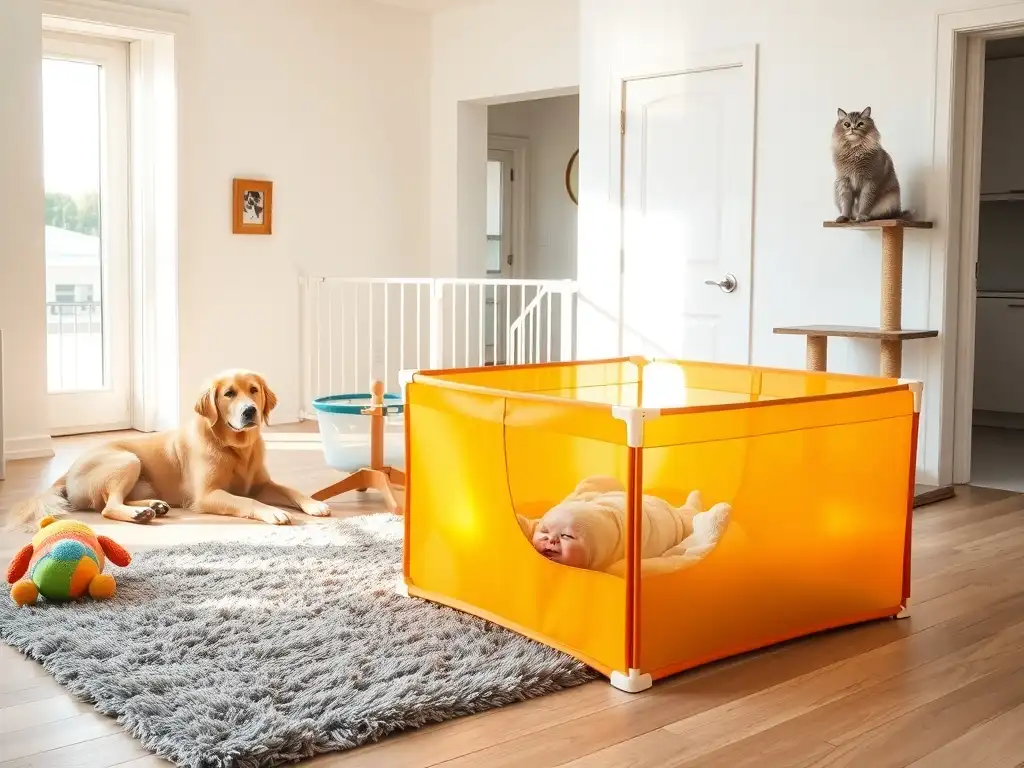
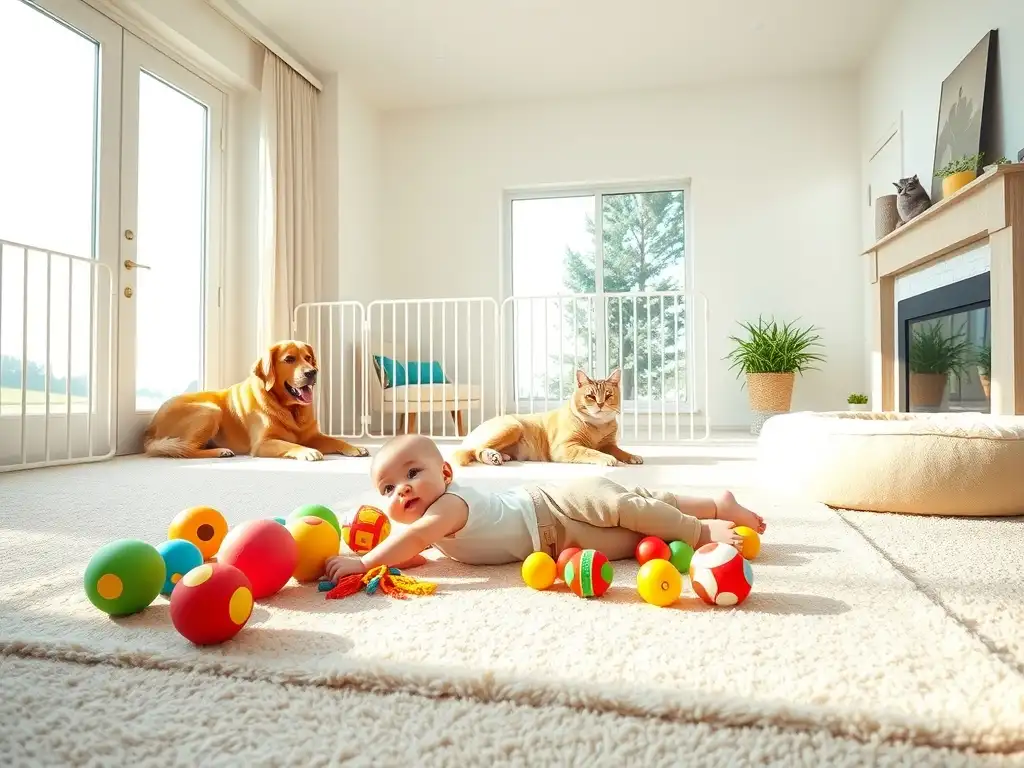
Bringing a new baby home is a joyous occasion, but when you also have multiple pets, it requires careful planning to ensure everyone's safety. Successfully navigating this transition demands a proactive, multi-faceted approach to childproofing that considers both the baby's vulnerability and the pets' inherent behaviors. This section details crucial steps to create a safe and harmonious environment for your growing family. Remember, baby safety multiple pets requires consistent vigilance and adaptation as your child develops.
Gate Placement and Strategic Barriers: Creating Safe Zones
Strategic gate placement is paramount when dealing with multiple pets and a baby. Instead of relying on a single gate, consider creating multiple "safe zones" within your home. These zones should be areas where your baby can play freely without immediate access to pets or potential hazards.
For instance, a baby's play area could be enclosed by gates, creating a dedicated, pet-free space. This doesn't necessarily mean complete isolation; supervised interaction is crucial for bonding, but the gates provide a crucial layer of protection. Consider the following:
- High-quality gates: Invest in sturdy gates that are securely mounted and difficult for pets to climb or push through. Look for gates with auto-close features and pressure-mounted options for flexibility.
- Strategic placement: Gates shouldn't just block doorways; think creatively. They can also section off areas like stairways, kitchens (where spills and chemicals are common), or rooms containing fragile items or electrical cords.
- Additional barriers: Gates aren't the only solution. Use baby gates in conjunction with other barriers like strategically placed furniture (heavy, stable items) to further restrict access to certain areas.
Securing Hazardous Items: Preventing Pet and Baby Access
Multiple pets increase the risk of items becoming inaccessible. A single pet might knock something over, but two or three could create a significant hazard. Thorough securing of hazardous items is crucial. This involves more than just traditional babyproofing:
- Elevated storage: Store cleaning supplies, medications, and other potentially dangerous items high up and out of reach of both babies and pets. Consider locking cabinets for extra security.
- Cord management: Electrical cords, blinds cords, and other dangling cords present a strangulation risk for both babies and pets. Secure these using cord covers or by tucking them away neatly.
- Pet food and water: Keep pet food and water bowls in designated areas, away from baby's play areas, to avoid accidental ingestion by the baby. This also prevents your baby from potentially knocking over bowls and creating a mess.
| Item Category | Securing Method | Additional Notes |
|---|---|---|
| Cleaning Supplies | High cabinets with childproof locks | Regularly check for leaks or spills. |
| Medications | Locked medicine cabinet, high shelves | Keep medication out of sight and reach. Consider using child-resistant containers. |
| Sharp objects/utensils | Secured drawers, high shelves | Teach older children to handle sharp objects safely. |
| Electrical cords | Cord covers, tucked away neatly | Regularly inspect for damage. |
| Pet food & water bowls | Designated area, away from baby's play space | Use sturdy bowls that are difficult to tip over. |
Regular Cleaning and Sanitation: Maintaining a Healthy Environment
With multiple pets and a baby, maintaining a clean and sanitary environment is crucial for preventing illness and allergies. Regular cleaning goes beyond the usual tidying; it's about proactive hygiene:
- Frequent cleaning: Regularly vacuum and mop floors to remove pet hair, dust, and dirt. Pay special attention to areas where the baby spends time. Consider using hypoallergenic cleaning products to minimize allergy risks.
- Pet bedding hygiene: Wash pet bedding frequently, using hot water and hypoallergenic detergent. This reduces allergens and prevents the build-up of bacteria and parasites.
- Disinfection: Disinfect surfaces regularly, especially in areas prone to spills or accidents. Pay attention to high-touch surfaces like doorknobs, light switches, and countertops.
Remember: A proactive, multi-layered approach to baby safety multiple pets is essential. Regular review and adjustments to your safety measures are needed as your baby grows and develops. A safe environment is a happy environment for everyone. 🐶👶
Building a Safe and Harmonious Home Environment: Long-Term Strategies
This section focuses on establishing a safe and harmonious co-existence between your baby and your pets, emphasizing proactive strategies that go beyond immediate safety measures. Successful integration requires consistent effort and a long-term commitment to responsible pet ownership and baby safety. The goal is not just to prevent accidents, but to foster a positive and safe relationship between your child and your animal companions. This involves understanding animal behavior and implementing strategies to manage potential risks. Ignoring these long-term strategies can lead to preventable accidents and unnecessary stress for both your baby and your pets.
Consistent Training and Reinforcement: Maintaining Good Pet Behavior
Consistent training is paramount to ensuring your pets understand and respect boundaries around your baby. This isn't about punishing your pets; it's about teaching them appropriate behavior. Begin training well before your baby arrives. Reinforce commands such as "leave it," "stay," and "off," using positive reinforcement methods like treats and praise. These commands are crucial for managing interactions and preventing your pets from jumping on, licking, or otherwise interacting with your baby without supervision.
For example, if your dog tends to jump on people, consistent training to teach them to sit or stay upon greeting is essential. This training should be repeated frequently, and all family members should consistently use the same commands and reinforcement strategies. Inconsistency undermines the training process and can confuse your pet, leading to unpredictable behavior. Remember, patience and consistency are key. It takes time and repetition to establish reliable behavior patterns. Consider professional dog trainers if you're struggling to establish these behaviors on your own.
Furthermore, ensure that your pets have their own designated safe spaces where they can retreat when feeling overwhelmed or stressed by the baby's presence. This could be a dog bed in a quiet room, a cat tree, or another comfortable retreat. Providing these spaces reduces stress and helps maintain a calmer atmosphere in your home, improving the overall safety of your baby and pets.
Supervised Playtime: Monitoring Interactions and Preventing Accidents
Even well-trained pets require close supervision when interacting with your baby. Never leave your baby unsupervised with any pet, regardless of size or temperament. Even a small animal can unintentionally scratch or bite a baby. Supervised playtime should be short and controlled, gradually increasing the duration as your baby gets older and your pets become more accustomed to their presence.
Initially, interactions should be brief and carefully monitored. You should always be present to ensure that interactions remain calm and gentle. Observe your pets closely for any signs of stress or aggression, such as growling, excessive barking, flattened ears, or tucked tail. If you notice any warning signs, immediately separate your baby and your pet.
Consider using baby gates to create safe zones within your home, allowing you to supervise interactions while still providing a degree of separation. This is particularly useful during the early months when your baby's movements are less predictable. This strategy allows both the baby and the pet to adjust to each other’s presence gradually, minimizing the risk of accidents and promoting a harmonious environment. Remember that even seemingly harmless interactions can quickly escalate if not carefully monitored.
Seeking Professional Guidance: Veterinarians and Child Safety Experts
Don't hesitate to seek professional help if you have concerns about your pets' behavior or the safety of your baby. Your veterinarian can offer advice on managing your pet's behavior and assessing any potential risks. Similarly, child safety experts can provide guidance on creating a safe home environment for your baby, considering the presence of pets.
A veterinarian can offer insights into your pet’s breed-specific behaviors and temperament, helping you anticipate potential challenges. They can also rule out any underlying medical conditions that might contribute to behavioral issues. Child safety experts, on the other hand, can offer advice on childproofing your home, identifying potential hazards, and establishing safe routines that accommodate both your baby and your pets. Remember, proactive planning and seeking professional guidance are crucial aspects of ensuring a safe and happy home environment for both your baby and your pets. This integrated approach is key to successful "baby safety multiple pets" management.
Frequently Asked Questions
How can I introduce my baby to my pets safely?
Supervised gradual introductions are key. Start with short, controlled interactions in a safe space. Always ensure an adult is present to monitor the interaction closely.
Pet hair, fleas/ticks, and pet dander can cause allergies. Also, be aware of potential dangers from sharp claws/teeth, pet food, and pet medications.
My pet seems jealous of the baby. What should I do?
Maintain your pet's routine as much as possible. Give your pet extra attention and affection, separate them during feeding/sleeping times, and consider using a pet carrier or designated safe space for the pet.
How can I baby-proof my home with pets in mind?
Secure pet food and medications out of reach, clean up spills promptly, and use baby gates to create safe zones. Regularly check for hazards like loose wires or choking hazards that could be accessible to both pets and baby.
My pet accidentally scratched my baby. What should I do?
Wash the scratch immediately with soap and water. Monitor for infection (redness, swelling, pus). If you notice any signs of infection, seek medical attention immediately from your pediatrician or doctor.
Final Reflection: Nurturing Harmony: Babies, Pets, and a Safe Home
The harmonious coexistence of babies and multiple pets is not merely a desirable ideal; it's a crucial aspect of family safety and well-being. Successfully navigating this dynamic requires proactive planning, consistent training, and a deep understanding of both animal and infant behavior. The risks are real, but with careful management, the rewards of a loving, multi-species family far outweigh the challenges.
The journey of integrating a new baby into a multi-pet household profoundly impacted my own understanding of responsibility and the delicate balance required for a safe and nurturing environment. The constant vigilance, the subtle shifts in household dynamics, and the unwavering commitment to both child and animal welfare have been both demanding and deeply rewarding. The best things in life are not things; they are people, and pets, and moments.
This quote, while simple, encapsulates the essence of the emotional investment involved in creating a safe and loving home for all members of the family, furry and human alike.
Consider the lessons learned within these pages. Think about your own pets, their individual temperaments, and the unique challenges they might present with a new baby. Don't just react to potential problems; proactively create a safe space for everyone. Implement the strategies discussed, and remember that consistent training and careful supervision are the cornerstones of a harmonious and safe home. Embrace the joy of a multi-species family, but always prioritize the safety and well-being of your precious little one.
Unlock a Harmonious Home: Nurturing Your Furry Friends and Baby
Thank you for learning about creating a safe and happy environment for your baby and pets! We hope you found valuable advice on managing interactions between your little one and your furry companions. Now, let's put that knowledge into practice!
- Create a pet-free zone for your baby: Designate a safe space where your baby can play and rest undisturbed by pets. This is crucial for peaceful co-existence.
- Always supervise interactions: Even the best-behaved pets require constant supervision around babies. Consider using a schedule to help you track interaction time.
- Share your experiences: Let's build a supportive community! Share your successful strategies (and funny stories!) in the comments below. What creative solutions have you found for managing pets and a baby?
Ready to create a thriving home for your family and pets? What's your first step towards harmony?