
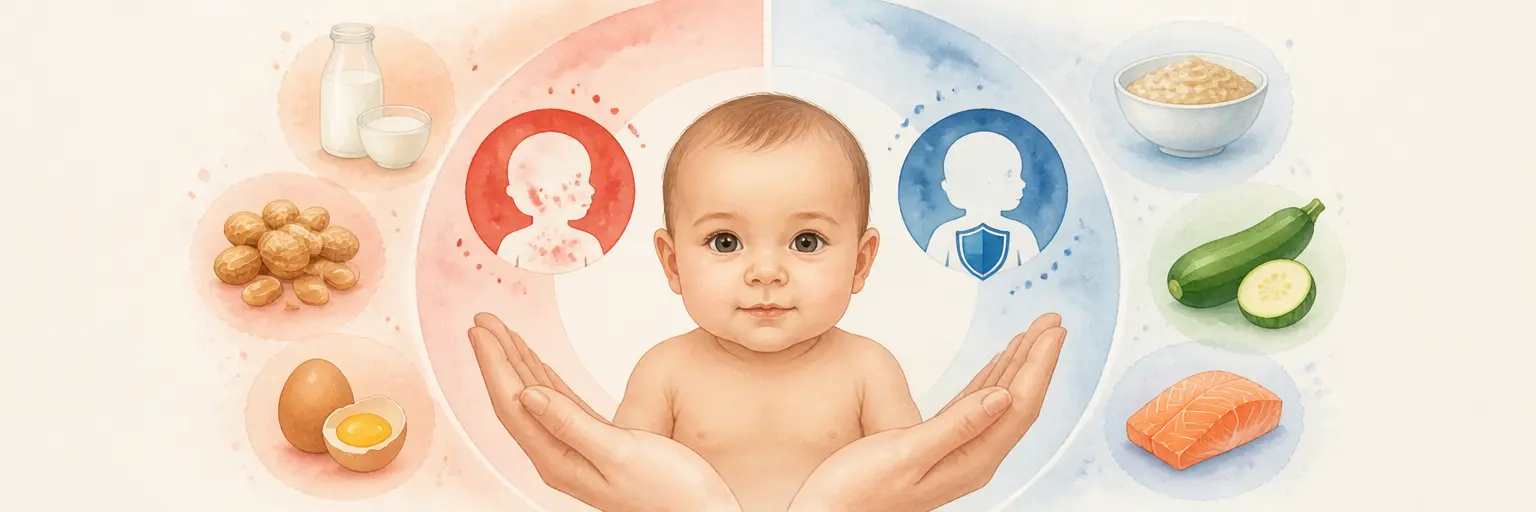
Baby's Allergy Checklist: A Practical Guide for Parents
Learn how to distinguish baby food allergies from intolerances with practical guidance for recognizing symptoms such as rashes, vomiting, diarrhea, gas, or breathing difficulties. Discover safe, evidence-based steps for tracking reactions, introducing foods, managing suspected sensitivities, and knowing when to seek urgent medical care—helping parents support their baby’s health, comfort, and nutrition with confidence. 👶🩺
6 articles
Silent Suffering: Understanding Hidden Food Intolerances in Babies
The Soy Story: Allergies and Intolerances Related to Soy in Babies
The AllergyFree Nursery: Creating a Safe Space for Baby
From Diagnosis to Diet: A Comprehensive Allergy Management Plan
Baby's Sleep and Allergies: How to Ensure Restful Nights
🍼 Allergies vs. Intolerances in Babies: Identification and Management
Welcome to BabyCareHub’s guide to food allergies and food intolerances in babies. Understanding the difference between an allergic reaction and an intolerance can help first-time parents recognize symptoms, respond safely, and know when to contact a healthcare professional. This subcategory covers common baby allergy symptoms, infant food intolerance, milk protein allergy, lactose intolerance, eczema, vomiting, diarrhea, hives, feeding concerns, and practical management strategies. Because babies can become seriously unwell quickly, never ignore breathing problems, facial swelling, extreme sleepiness, or signs of anaphylaxis.
🔍 Understanding Baby Food Allergies and Intolerances
A food allergy occurs when a baby’s immune system reacts to a specific food protein. Symptoms may include hives, swelling, coughing, wheezing, vomiting, or sudden changes in behavior. An intolerance generally does not involve the immune system and may cause digestive symptoms such as gas, bloating, loose stools, or abdominal discomfort. The symptoms can overlap, so professional assessment is important.
BabyCareHub explains key differences between allergies and intolerances in clear, parent-friendly language. You will learn how symptoms may appear after breastfeeding, formula feeding, or introducing solids, while also understanding that not every rash, spit-up episode, or unsettled period is caused by a food reaction.
🚨 Recognizing Allergy Symptoms and Emergency Warning Signs
Immediate food allergy symptoms may develop within minutes or a few hours after eating. Common signs include raised itchy welts, swelling of the lips or face, repetitive coughing, hoarse crying, breathing difficulty, vomiting, or sudden paleness. A severe reaction, known as anaphylaxis, can affect breathing and circulation and requires emergency medical help.
If your baby has trouble breathing, becomes floppy, has blue or pale skin, develops significant swelling, or shows symptoms affecting more than one body system, call your local emergency number immediately. Do not wait to see whether symptoms improve. Parents should follow any emergency action plan provided by their pediatrician or allergy specialist.
🍼 Common Infant Intolerances and Digestive Symptoms
Food intolerance in babies may present as ongoing gas, bloating, diarrhea, constipation, reflux-like discomfort, mucus in the stool, or feeding-related distress. Some babies may react to components of formula or proteins passed through breast milk, while others may have difficulty digesting particular ingredients. Symptoms are often gradual rather than sudden.
Digestive symptoms can also result from infections, normal infant development, feeding technique, or other medical conditions. Keeping a food and symptom diary can help identify patterns, including what was eaten, how much was consumed, when symptoms appeared, and how long they lasted. Avoid making major dietary changes without medical guidance.
🥛 Cow’s Milk Protein Allergy and Lactose Intolerance
Cow’s milk protein allergy is an immune reaction to proteins found in cow’s milk and may cause skin, digestive, or respiratory symptoms. It can occur in formula-fed babies and, less commonly, in breastfed babies through proteins in the mother’s diet. Symptoms may include eczema, vomiting, blood or mucus in stools, poor feeding, or difficulty gaining weight.
Lactose intolerance involves difficulty digesting lactose, the natural sugar in milk. True lactose intolerance is uncommon in young infants, while temporary lactose malabsorption can occur after certain illnesses. These conditions are different, and switching formulas or eliminating dairy should only be done with advice from a pediatrician or registered dietitian.
🌱 Food Allergies When Introducing Solid Foods
Introducing complementary foods is an opportunity to offer a wide variety of nutritious foods in developmentally appropriate forms. Potential allergens commonly include peanut, tree nuts, egg, milk, wheat, soy, sesame, fish, and shellfish. Introduce foods safely according to your healthcare provider’s advice, especially if your baby has severe eczema or an existing allergy.
Offer new allergenic foods in safe textures and small amounts when your baby is well, so reactions can be observed. Once tolerated, regularly including the food as advised may help maintain tolerance. Never give whole nuts or other choking hazards; use smooth nut butter thinned appropriately and follow current infant feeding and choking-prevention guidance.
🩺 Diagnosis, Testing, and Professional Support
Diagnosing a baby allergy or intolerance usually begins with a detailed history and physical examination. Healthcare professionals may review feeding patterns, symptom timing, growth, stool changes, skin findings, and family history. Depending on the situation, they may recommend allergy testing, a supervised elimination trial, or a medically supervised food challenge.
Home testing and unapproved elimination diets can be misleading and may create nutritional risks. Work with a pediatrician, allergist, or registered dietitian to ensure your baby receives adequate calories, protein, calcium, iron, and other essential nutrients. Never restrict several major food groups without qualified medical supervision.
🛡️ Safe Management and Everyday Baby Care
Management depends on the diagnosis and may include avoiding a confirmed allergen, using a prescribed formula, treating eczema, or following an emergency medication plan. Caregivers, relatives, and childcare providers should know which foods to avoid and what symptoms require urgent action. Keep medical instructions accessible and check food labels carefully.
For babies with a diagnosed allergy, ask the healthcare team whether an epinephrine or adrenaline auto-injector is required and learn how to use it. Continue monitoring growth, hydration, feeding comfort, and development. BabyCareHub helps parents combine responsive feeding, safe food preparation, symptom tracking, and timely medical care.
❓ Frequently Asked Questions About Baby Allergies and Intolerances
What is the main difference between a baby food allergy and an intolerance?
A food allergy involves the immune system and may cause hives, swelling, breathing problems, or vomiting. An intolerance usually affects digestion and may cause gas, diarrhea, bloating, or discomfort without an immune reaction. Because symptoms can overlap, consult a healthcare professional for an accurate diagnosis.
How quickly can an allergic reaction appear in a baby?
Many immediate food allergy symptoms appear within minutes to two hours after eating, although some reactions may be delayed. Watch for hives, swelling, coughing, repeated vomiting, wheezing, or unusual sleepiness. Breathing difficulty or signs of anaphylaxis require emergency medical attention.
Can a breastfed baby react to food eaten by the breastfeeding parent?
Some breastfed babies may react to small amounts of food proteins transferred through breast milk, particularly cow’s milk protein. However, unnecessary elimination diets can affect parental nutrition and breastfeeding. Discuss suspected reactions with a pediatrician before removing foods.
Should parents stop giving a food after a mild reaction?
Stop offering the suspected food and contact your baby’s healthcare professional for advice. Do not reintroduce it at home unless a qualified clinician confirms that this is safe. If your baby develops breathing problems, facial swelling, repeated vomiting, or becomes floppy, seek emergency help immediately.
Is lactose intolerance common in newborns?
True lactose intolerance is uncommon in newborns and young infants. Symptoms such as gas, loose stools, or fussiness may have many causes, including normal digestion or infection. Do not switch formula or use lactose-free products without medical advice, especially because lactose provides an important source of energy for many babies.