
When to Seek Medical Attention: Recognizing Serious Fall Symptoms
Keep your baby safe from dangerous falls with practical furniture and stairs safety tips 👶🏠. Discover how to secure dressers, changing tables, sofas, stairways, and other high-risk areas while creating a safer home environment. Learn essential baby-proofing strategies, including stair gates, furniture anchors, window precautions, and active supervision, to help prevent accidents as your little one begins crawling, climbing, and exploring. ฝ่ายขายข่าว
7 articles
Toddler Tumbles: Preventing Falls as Your Child Gains Independence
The Art of Babyproofing: Combining Function and Style
Anchoring Furniture: A StepbyStep Guide for Baby's Safety
Bottom of Stairs Security: Gate Tips for Crawling and Walking Babies
The Importance of Supervision: Active Vigilance in Fall Prevention
Dresser Dilemmas: Preventing Tipping Accidents with Simple Fixes
🛡️ Preventing Falls in Babies: Furniture and Stairs Safety
Welcome to BabyCareHub’s guide to preventing falls in babies, with practical advice on furniture, stairs, windows, beds, changing areas, and other common household hazards. Babies develop new movement skills quickly, and a child who cannot roll today may crawl, pull up, or climb tomorrow. Learning how to create a safer home environment can help parents reduce the risk of baby falls, head injuries, and serious accidents while supporting safe exploration and development.
🪑 Baby Furniture Safety at Home
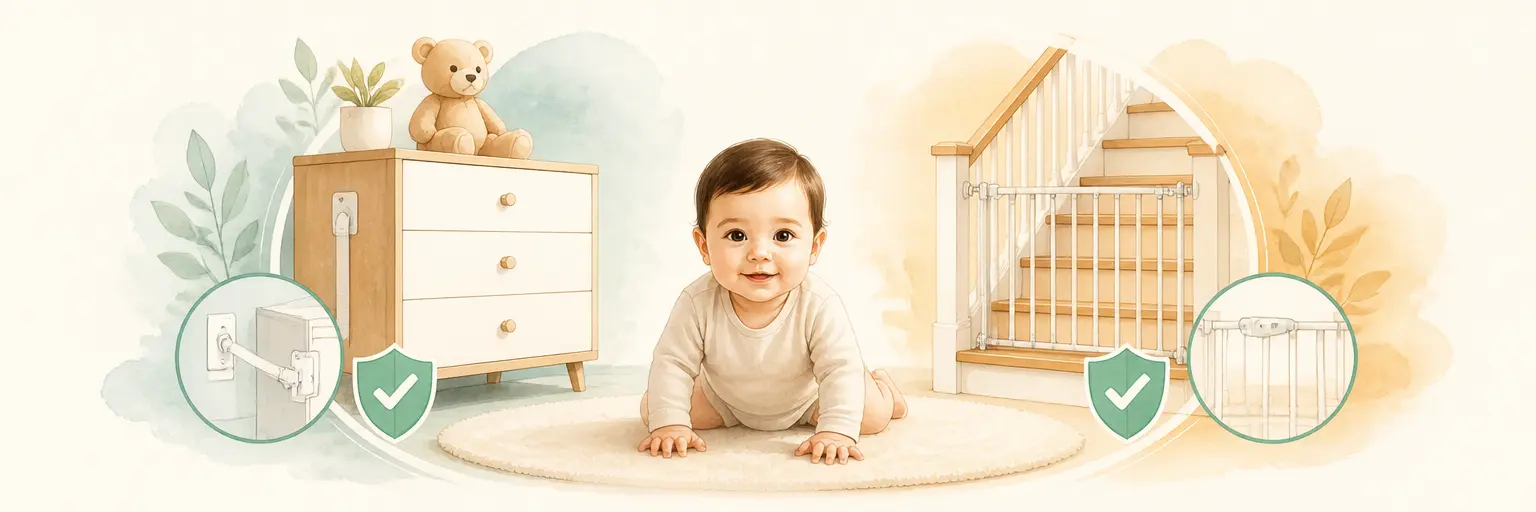
Unstable or incorrectly used furniture can become dangerous when babies begin rolling, sitting, crawling, or pulling themselves up. Always check that dressers, bookcases, cabinets, televisions, and storage units are securely anchored to the wall. Use anti-tip brackets or furniture straps, keep heavier items on lower shelves, and avoid placing toys or attractive objects where they may encourage climbing.
Choose nursery furniture designed for infants and follow the manufacturer’s assembly and weight instructions carefully. Keep drawers closed, remove furniture that wobbles, and inspect fasteners regularly. Never leave a baby unattended on a sofa, adult bed, table, or other elevated surface, even for a few seconds, because falls can happen suddenly.
🛏️ Preventing Falls from Beds, Sofas, and Changing Tables
Changing tables and other elevated surfaces require constant supervision. Keep one hand on your baby whenever they are on a changing surface, and place diapers, wipes, and clothing within reach before beginning. If you must move away, take your baby with you and place them on the floor in a safe area rather than relying on safety straps alone.
As babies become more mobile, consider changing them on a clean floor mat instead of a raised table. Do not use pillows, loungers, or sleep positioners as barriers on adult beds or sofas. A firm, clear, properly fitted cot or crib is safer for sleep than an elevated adult sleeping surface, especially when the baby may roll or crawl.
🪜 Stair Safety for Crawling and Walking Babies
Stairs are a major fall hazard for babies and toddlers. Install hardware-mounted safety gates at the top and bottom of every staircase, and ensure the gate is firmly secured to the wall or banister. Pressure-mounted gates may be suitable in some doorways, but they should not be used at the top of stairs where a loose gate could create an additional danger.
Keep stairways clear of toys, shoes, bags, and other objects that may cause adults or children to trip. Teach older children to close gates properly and never allow a baby to climb stairs alone. When carrying your baby, use the handrail, keep the steps visible, and avoid carrying bulky items that could affect your balance.
🪟 Windows, Balconies, and Elevated Openings
Windows and balconies can present serious fall risks once a baby becomes mobile. Keep furniture away from windows, install approved window guards or safety devices, and remember that window screens are not designed to prevent falls. Check that balcony railings have no wide gaps that a child could fit through, and keep chairs, boxes, and other climbing aids away from railings.
Use window locks or restrictors according to local safety guidance and manufacturer instructions. Do not rely only on supervision because babies can reach new heights unexpectedly. Regularly inspect window hardware, balcony doors, and protective barriers so that every accessible opening remains secure.
🚼 Safe Use of Highchairs, Bouncers, and Baby Equipment
Highchairs, bouncers, swings, and activity centers must be used exactly as directed. Always use the built-in harness, place equipment on a stable level surface, and keep it away from tables, counters, stairs, cords, and other hazards. Never place a bouncer, car seat, or infant seat on a bed, sofa, table, or countertop, where it could tip or allow the baby to fall.
Stop using equipment when your baby reaches the stated weight, height, or developmental limit, or when they can climb out. Inspect buckles, straps, frames, wheels, and locking mechanisms regularly. Product recalls and updated safety notices can affect baby equipment, so parents should check trusted manufacturer or consumer safety information.
🔍 Daily Fall-Prevention Checks for Parents
A quick safety check can identify hazards before they cause an accident. Walk through each room at your baby’s eye level and look for unstable furniture, reachable edges, open stairs, low windows, loose rugs, and objects that could encourage climbing. Create a safe play zone with soft flooring, age-appropriate toys, and clear boundaries.
Update your safety plan as your baby grows. Rolling, crawling, standing, and walking each introduce new risks, so a room that was safe last month may need changes today. Supervision remains important, but the safest home combines attentive caregiving with secure furniture, stair gates, window protection, and appropriate baby equipment.
❓ Frequently Asked Questions About Baby Fall Prevention
1. At what age should I start baby-proofing furniture and stairs?
Begin before your baby starts crawling or pulling up, often around four to six months, because development varies. Secure furniture and install stair gates early so safety measures are in place before your baby becomes mobile.
2. Are pressure-mounted baby gates safe at the top of stairs?
Pressure-mounted gates are generally not recommended for the top of stairs because they may shift if pushed. Choose a properly installed hardware-mounted gate designed for stair use and follow the manufacturer’s instructions carefully.
3. Can I leave my baby on a changing table if I use the safety strap?
No. Safety straps do not replace supervision and cannot prevent every fall. Keep one hand on your baby, prepare supplies beforehand, and move changing time to the floor when your baby becomes active or starts rolling.
4. How can I prevent a dresser or bookcase from tipping over?
Anchor tall or heavy furniture securely to a wall using appropriate anti-tip devices. Keep heavy items low, close drawers after use, and do not place toys, remote controls, or other tempting objects on high shelves.
5. What should I do if my baby falls?
Stay calm and check your baby for signs of injury. Seek urgent medical help if there is loss of consciousness, difficulty breathing, repeated vomiting, a seizure, unusual sleepiness, severe bleeding, weakness, or behavior that concerns you. After any significant fall, contact a healthcare professional for advice, even if your baby initially appears well.