
Dresser Dilemmas: Preventing Tipping Accidents with Simple Fixes


Welcome to BabyCareHub, your ultimate guide to navigating the incredible journey of parenthood! Are you ready to confidently tackle the challenges and joys of raising your little one? We're here to support you every step of the way. But first, let's address a crucial aspect of baby's safety: Baby dresser safety tips. Learn how to prevent potentially devastating tipping accidents with our simple yet effective strategies in our latest article, "Dresser Dilemmas: Preventing Tipping Accidents with Simple Fixes." Discover the essential steps to create a safer environment for your precious baby – your peace of mind starts here.
- Understanding the Risk of Tipping Dressers: Baby Dresser Safety Tips
- Securing Your Dresser: Effective Baby Dresser Safety Strategies
- Choosing Safe Dressers: Selecting Stable Furniture for Your Nursery
- Creating a Safe Nursery Environment: Beyond Dresser Safety
- Resources and Further Information: Continuing Your Baby's Safety Journey
- Frequently Asked Questions
- Final Reflection: A Legacy of Safety, One Drawer at a Time
- Secure Your Child's World: Prevent Dresser Tip-Overs Today!
Understanding the Risk of Tipping Dressers: Baby Dresser Safety Tips
Every year, hundreds of infants are injured, and tragically, some are killed, due to dresser tip-overs. This heartbreaking reality underscores the critical importance of baby dresser safety. This article, focusing on practical "baby dresser safety tips," will equip first-time parents with the knowledge and strategies to create a safe nursery environment and significantly reduce the risk of this preventable accident.
We'll explore the statistics behind these incidents, identify common causes, and learn how to recognize potentially dangerous furniture, empowering you to protect your little one. Understanding the risks is the first step towards ensuring your baby's safety and peace of mind. Let's delve into the specifics to transform your nursery from a potential hazard zone into a haven of safety.
Statistics on Dresser Tip-Overs and Infant Injuries
The sheer number of injuries resulting from dresser tip-overs is alarming. While precise, up-to-the-minute statistics vary by region and reporting methods, [specific information pending] reveal a consistent pattern of significant injury and fatality among infants. These incidents often involve dressers that are top-heavy, improperly anchored, or placed on unstable surfaces. The consequences can range from minor bruises and scrapes to severe head injuries, broken bones, and even death.
The gravity of these statistics highlights the absolute necessity of proactive safety measures. The emotional toll on families affected by these accidents is immeasurable, reinforcing the urgency of preventative actions. We need to understand these numbers to appreciate the importance of the safety tips detailed in this article.
Common Causes of Dresser Tip-Overs: Identifying Hazards in Your Nursery
Several factors contribute to dresser tip-overs. Understanding these causes is crucial in preventing accidents. The most common culprits include:
- Top-heaviness: Dressers with drawers loaded at the top are significantly more likely to tip than those with weight evenly distributed.
- Improper anchoring: Many dresser tip-overs occur because the dresser isn't secured to the wall. This seemingly small detail can make a world of difference.
- Unstable surfaces: Placing a dresser on an uneven floor or carpet can compromise its stability.
- Children climbing: Infants and toddlers often use dressers as climbing structures, increasing the risk of tipping.
- Poor placement: Positioning a dresser near a window or door invites the possibility of being bumped and knocked over.
- Overloading drawers: Packing drawers too full can shift the center of gravity, making the dresser more prone to tipping.
This list isn't exhaustive, but it highlights the key areas to examine in your nursery. A thorough assessment of your dresser's placement, condition, and usage is paramount.
Recognizing Vulnerable Furniture: Identifying Potential Dangers
Not all dressers pose the same level of risk. Some are inherently more prone to tipping than others. Here's how to identify potentially dangerous furniture:
- High Center of Gravity: Dressers with tall, narrow profiles often have a higher center of gravity, making them inherently less stable. Look for dressers with a lower and wider design.
- Weak Construction: Some dressers are made with cheaper materials or poor construction, making them more susceptible to tipping. Look for sturdy, well-made furniture.
- Lack of Anchoring Hardware: Many newer dressers come with anchoring hardware, but older ones may not. The absence of this hardware significantly increases the risk. Check for pre-existing hardware or the possibility of installing it.
- Drawers that Stick or Don't Close Properly: This can indicate a weakness in the dresser's construction and make it more unstable.
By carefully inspecting your dresser and considering these factors, you can significantly reduce the risk of a tip-over accident. Remember, prevention is key when it comes to baby safety. A proactive approach is far better than reacting to a tragedy. Prioritize safety, and create a secure environment for your precious little one.
Securing Your Dresser: Effective Baby Dresser Safety Strategies
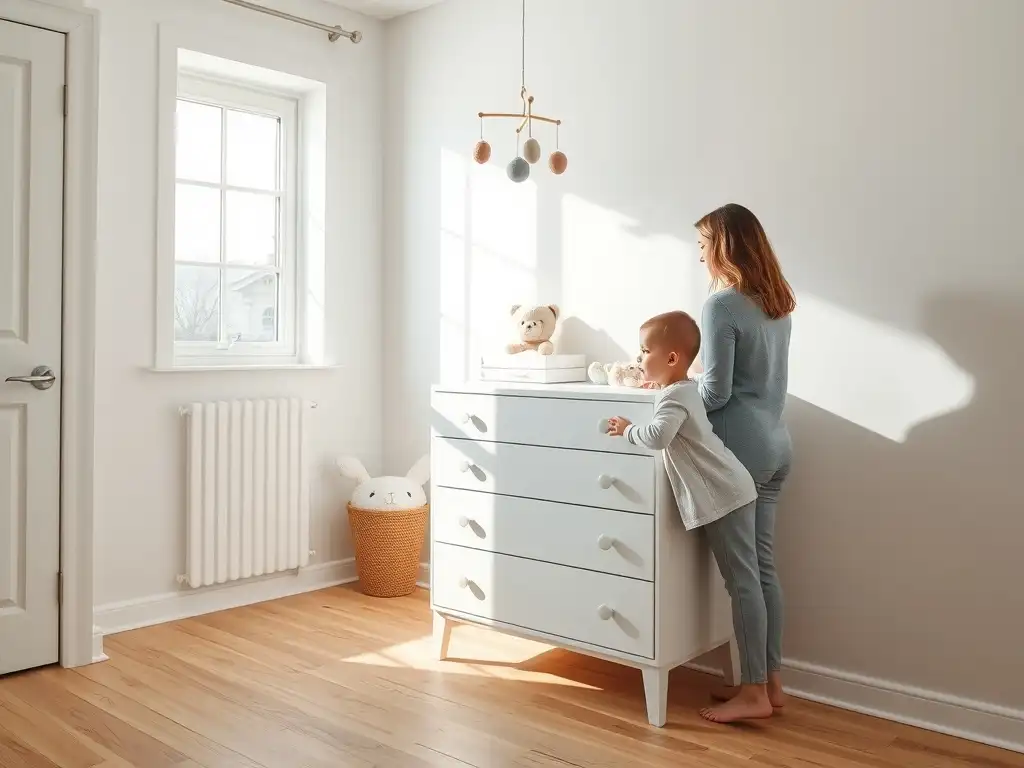
This section focuses on proactive measures to prevent dresser tipping accidents, a significant hazard for babies and toddlers. We'll explore practical and effective strategies to ensure your child's safety around dressers, offering a layered approach to risk mitigation. Remember, a multi-faceted approach is key to maximizing baby dresser safety. Implementing these strategies significantly reduces the risk of injury from falling furniture. These baby dresser safety tips are designed to be both effective and easily implemented in your home.
Anchoring Your Dresser to the Wall: A Step-by-Step Guide
Anchoring your dresser to the wall is arguably the most effective way to prevent tipping. This simple step creates a strong connection between the dresser and the wall studs, significantly reducing the chance of the dresser toppling over. Let's break down the process:
Choosing the Right Anchoring Kit: Materials and Installation
Selecting the appropriate anchoring kit is crucial. Look for kits specifically designed for furniture anchoring. These typically include strong straps or brackets, screws, and wall anchors suitable for your wall type (drywall, brick, etc.). Avoid using makeshift solutions; a dedicated anchoring kit guarantees the necessary strength and security. Check the weight capacity of the kit to ensure it's appropriate for your dresser's weight. Consider the length of the strap to ensure it can reach the wall studs from your dresser. A longer strap provides more flexibility in positioning.
Proper Wall Anchoring Techniques for Different Wall Types
The installation method depends on your wall type. Drywall requires using specialized anchors like toggle bolts or heavy-duty drywall anchors to ensure a secure grip. Brick walls, on the other hand, typically require masonry screws and appropriate drill bits. Consult the instructions included with your anchoring kit for detailed guidance on installation for your specific wall type. Using the wrong anchors can compromise the entire system, negating the safety benefits. Remember, improper installation renders even the best kit ineffective.
Verifying Secure Installation: Testing the Anchor's Strength
After installation, thoroughly test the anchor's strength. Gently but firmly try to tip the dresser. A securely anchored dresser should resist significant force. If the dresser moves easily, re-evaluate the installation process. You might need to adjust the placement of the anchors or use stronger ones. A little extra effort during installation ensures long-term peace of mind. Regularly check the anchors to ensure they remain securely fastened. Over time, vibrations or stress can loosen them.
Using Anti-Tip Straps: A Complementary Safety Measure
While anchoring to the wall is paramount, anti-tip straps offer an additional layer of protection. These straps attach to the back of the dresser and to the wall, providing an extra barrier against tipping. They work particularly well in conjunction with wall anchoring. The straps act as a secondary restraint, preventing the dresser from tipping even if one anchor point fails. Consider using anti-tip straps even if your dresser is already anchored; it's a simple and effective way to further enhance safety.
Remember to choose straps designed for furniture and with sufficient weight capacity. Regular inspection of the straps for wear and tear is recommended. Replace them if necessary to maintain optimal effectiveness. These baby dresser safety tips, when implemented together, create a robust safety system. 🧸
Additional Safety Measures for Dressers: Preventing Falls Beyond Anchoring
Beyond securely anchoring your dresser to the wall, several additional safety measures significantly reduce the risk of tipping accidents. These preventative steps work in conjunction with anchoring, creating a layered approach to baby dresser safety. Remember, a multifaceted strategy offers the best protection for your little one.
One crucial aspect often overlooked is the placement of the dresser itself. Avoid positioning it near windows or other potential climbing aids. A child might use curtains, blinds, or even a nearby chair to reach the top of the dresser, increasing the risk of a fall. Ideally, place the dresser against a wall where there are no easily accessible climbing aids nearby. Consider the overall layout of the nursery and strategically position furniture to minimize any potential climbing hazards. This proactive approach to furniture placement is a vital component of baby dresser safety tips.
Another effective strategy is regularly inspecting the dresser's condition. Look for any signs of damage, such as loose screws, wobbly legs, or weakened joints. Addressing these issues promptly prevents potential instability. A dresser that is already structurally compromised is far more likely to tip, even when anchored. Regular maintenance, including tightening screws and checking for damage, is an often-underestimated aspect of baby dresser safety. Make this a part of your regular nursery safety checklist.
Furthermore, consider the contents of the dresser drawers. Avoid overloading drawers, as this can create an imbalance and increase the risk of tipping. Keep the weight evenly distributed across all drawers. Similarly, avoid placing heavy items, like books or boxes, on top of the dresser. This simple precaution reduces the center of gravity, making the dresser more stable. The weight distribution within the dresser and on top of it plays a crucial role in preventing tipping accidents. Remember that even seemingly insignificant weight can make a difference in the stability of the dresser.
Finally, educate your older children about dresser safety. Explain the dangers of climbing on or near the dresser and emphasize the importance of keeping the drawers closed. Childproofing isn't just about physical barriers; it's also about teaching children about safe behavior.
Involving older siblings in understanding and implementing these safety measures creates a safer environment for everyone. This proactive approach to education strengthens the overall safety strategy and emphasizes the importance of a holistic approach to baby dresser safety tips. By implementing these additional measures alongside wall anchoring, you create a significantly safer environment for your baby, minimizing the risk of tipping accidents.
Choosing Safe Dressers: Selecting Stable Furniture for Your Nursery
Selecting the right dresser for your nursery is crucial for your baby's safety. It's not just about aesthetics; it's about choosing furniture that minimizes the risk of tipping accidents. This section focuses on selecting inherently stable dressers, laying the groundwork for a safer nursery environment. Remember, proactive measures are key to preventing injuries related to "Baby dresser safety tips".
Selecting a Low and Wide Dresser: Optimizing Stability
A low and wide dresser offers significantly improved stability compared to a tall and narrow one. The lower center of gravity makes it much harder to tip. Think of it like a wide, squatty box versus a tall, thin one – the former is much more resistant to being knocked over. Aim for a dresser that's closer to the ground, ideally under 30 inches tall.
A wider base also provides a larger footprint, increasing stability. Consider the dimensions carefully; a dresser that is 48 inches wide will be far more stable than one that is only 36 inches wide, even if they're the same height. Prioritize stability over style; a slightly less aesthetically pleasing but significantly safer dresser is the better choice for your baby's well-being. Remember, this is a critical aspect of implementing effective "Baby dresser safety tips".
Checking for Sturdy Construction and Materials: Ensuring Durability
Beyond the dresser's dimensions, the quality of its construction plays a vital role in its stability. Look for dressers made from solid wood or heavy-duty particleboard. Avoid flimsy materials or those with weak joints. Inspect the drawers carefully – they should slide smoothly and close securely without excessive force. Check for any wobbles or instability in the dresser's frame.
A slightly shaky dresser is a potential hazard. Look for features like sturdy dowel construction, reinforced corners, and strong drawer glides. A well-built dresser will withstand the wear and tear of daily use and resist tipping under pressure. Pay close attention to the weight capacity stated by the manufacturer; a dresser with a higher weight capacity indicates better construction. This attention to detail is a crucial part of responsible "Baby dresser safety tips".
Avoiding Overloading Drawers: Maintaining Balance and Preventing Tip-Overs
Even the sturdiest dresser can become unstable if its drawers are overloaded. Avoid overstuffing drawers with heavy items, especially those located in the upper sections. Distribute weight evenly across all drawers to maintain balance. Keep heavier items in lower drawers, and lighter items in the upper drawers. Consider using drawer dividers to organize items and prevent them from shifting, creating an uneven weight distribution.
Regularly check the drawers to ensure they are not overloaded. Remember, a seemingly small imbalance can significantly increase the risk of tipping. This careful management of drawer contents is an essential part of following "Baby dresser safety tips". A simple strategy is to use the bottom drawers for heavier items like blankets and towels, and the top drawers for lighter items like baby clothes. This helps to lower the center of gravity and improve stability.
Creating a Safe Nursery Environment: Beyond Dresser Safety
This section focuses on expanding the conversation around baby dresser safety to encompass a broader perspective on nursery safety. While securing dressers is crucial, preventing falls and injuries extends to other furniture pieces and aspects of the nursery environment. A holistic approach is vital to minimize risks and create a truly safe haven for your little one. This involves understanding the specific hazards posed by different furniture items and proactively mitigating those risks. We'll explore these crucial elements in detail, providing practical and actionable "baby dresser safety tips" that go beyond just anchoring furniture.
Preventing Falls from Other Furniture: Cribs, Changing Tables, etc.
Cribs, changing tables, and even bookshelves can pose significant fall hazards for babies. Cribs, for example, should always have a firm mattress with no gaps between the mattress and the sides. The slats should be spaced appropriately to prevent your baby's head from getting stuck. Regularly check for any loose screws or damaged parts, and replace them immediately. Similar vigilance is needed with changing tables.
Never leave your baby unattended on a changing table, even for a moment. Consider using a changing pad with raised edges to prevent rolls and falls. Always keep the changing table free of clutter, ensuring a clear, safe space. For other furniture, such as bookshelves and tall storage units, consider anchoring them to the wall to prevent tipping, just as you would with a dresser.
Remember, prevention is key; proactive measures minimize the risk of accidents. Following these simple steps significantly reduces the chance of falls and injuries. Consider using safety straps designed for cribs and changing tables to further secure your baby. This strategy is particularly effective for active babies who are learning to roll over and sit up.
Baby-proofing Your Nursery: A Comprehensive Approach to Safety
Beyond furniture, a comprehensive approach to baby-proofing your nursery involves addressing various potential hazards. This includes securing electrical cords and outlets, covering sharp corners and edges with corner guards, and ensuring window coverings are securely fastened and out of reach. Consider using childproof locks on cabinets and drawers containing potentially hazardous cleaning supplies or medications. Always keep small objects, like buttons, coins, and beads, out of your baby's reach to prevent choking hazards. Floor coverings like rugs should be secured to prevent tripping, and electrical outlets should be covered with safety plugs.
Regularly inspect the nursery for any potential hazards, paying close attention to details that might be overlooked. A systematic approach to baby-proofing goes hand-in-hand with securing furniture and contributes to a safer environment for your baby. Remember, a safe nursery is a proactive nursery. This holistic approach is paramount for the well-being of your child.
Regular Safety Checks: Maintaining a Safe Space for Your Baby
Maintaining a safe nursery is an ongoing process, not a one-time task. Regular safety checks are crucial to identify and address any potential hazards that may emerge over time. Aim for weekly inspections, paying particular attention to furniture stability, electrical cords, and the presence of small objects. As your baby grows and develops new skills, the potential hazards also change.
Regularly review your safety measures to ensure they are still effective and appropriate for your baby's evolving abilities. Consider creating a checklist to help you remember all the essential safety points. This simple practice will ensure you don’t miss any vital checks. Remember, even seemingly insignificant details can pose a risk, so thoroughness is key.
Maintaining a safe nursery environment is a continuous commitment to your baby's well-being. This routine diligence guarantees that your baby enjoys a secure and comfortable space. Proactive safety checks are arguably the most important “baby dresser safety tips” of all, as they extend far beyond just the dresser itself.
Resources and Further Information: Continuing Your Baby's Safety Journey
This section provides additional resources and information to help you continue your baby's safety journey beyond securing dressers. Remember, a safe environment is a proactive environment, built on consistent vigilance and informed decision-making. Your commitment to baby dresser safety tips is a crucial step, but it's only one piece of the puzzle.
Recommended Safety Products and Resources
Beyond anchoring your dresser, several products can enhance your baby's safety and provide you with peace of mind. These aren't replacements for proper anchoring, but valuable additions to your safety arsenal. Consider these options:
- Baby-proofing kits: These comprehensive kits often include corner guards, outlet covers, and other safety devices to protect your little one from various household hazards. Choosing a kit tailored to your home's specific needs is a smart approach.
- Furniture straps: While we've focused on dressers, consider using furniture straps to secure other tall or potentially unstable furniture pieces, such as bookshelves and entertainment centers. These straps provide an extra layer of security.
- Floor mats: Soft, padded floor mats can cushion falls and reduce the impact of bumps and bruises. This is especially helpful in areas where your baby spends a lot of time playing.
- Safety gates: If your baby is mobile, safety gates are essential for blocking access to stairs and other potentially dangerous areas. Ensure you choose gates that meet safety standards and are properly installed.
| Product Category | Benefits | Considerations |
|---|---|---|
| Baby-Proofing Kits | Comprehensive protection against various hazards | Choose a kit appropriate for your home's specific needs and your baby's age. |
| Furniture Straps | Secure tall furniture, preventing tipping accidents | Regularly inspect straps for wear and tear. |
| Floor Mats | Cushion falls, reducing injury risk | Choose mats made of non-toxic, durable materials. |
| Safety Gates | Prevent access to stairs and other hazardous areas | Ensure proper installation and regular inspection for damage. |
Remember to always read and follow the manufacturer's instructions for any safety product you purchase. Investing in quality products will contribute significantly to a safer home environment for your baby. Prioritize products that meet or exceed safety standards.
Organizations Dedicated to Child Safety: Connecting with Experts
Connecting with organizations dedicated to child safety provides access to valuable resources, expert advice, and support. These organizations often offer educational materials, safety checklists, and community forums to connect with other parents. Proactive engagement with these resources can significantly contribute to your baby's well-being and safety. Here are some areas to explore:
- National organizations focused on child safety: Many national organizations offer extensive resources and information on various aspects of child safety. These organizations often conduct research, advocate for policy changes, and provide educational materials to parents and caregivers.
- Local child safety organizations: Check with your local health department or children's hospital for information on local organizations that offer support and resources related to child safety in your community. These groups may offer workshops, classes, or support groups.
- Online safety communities and forums: Online forums and communities can provide a valuable opportunity to connect with other parents and share experiences, ask questions, and receive support. Remember to be cautious and verify the credibility of the information shared online.
Engaging with these organizations provides a pathway towards continuous learning and improvement in your baby's safety. Remember, your proactive approach to baby dresser safety tips and broader child safety is an investment in your child's future. This ongoing commitment is paramount for creating a nurturing and secure environment for your little one. 👶
Frequently Asked Questions
How can I prevent my baby's dresser from tipping over?
The most effective way is to secure the dresser to the wall using anti-tip straps or brackets. These are inexpensive and readily available at most hardware stores. Always follow the manufacturer's instructions for installation.
What are some signs that my dresser might be unstable?
Look for wobbly legs, uneven flooring, or a dresser that feels unsteady when you lightly push or pull on it. If it rocks easily, it needs to be secured.
Are anti-tip straps enough to guarantee safety?
While anti-tip straps are crucial, they're most effective when combined with other safety measures. Keep heavy items low and avoid placing tempting climbing objects on top of the dresser.
My child is a climber! What extra precautions should I take?
Keep the dresser area clear of anything your child could use to climb, such as toys or furniture. Consider placing the dresser against a wall with no adjacent furniture to climb onto.
Where can I find anti-tip straps for my baby's dresser?
You can find anti-tip straps at most hardware stores, home improvement centers, and online retailers. Many baby stores also carry them. Check the manufacturer's instructions for your specific dresser for compatibility.
Final Reflection: A Legacy of Safety, One Drawer at a Time
The preventable tragedy of childhood dresser tip-overs remains a stark reality, demanding our constant vigilance and proactive solutions. Every year, countless families endure the unimaginable pain of such accidents, highlighting the urgent need for simple yet effective safety measures in our homes. This isn't just about furniture; it's about protecting the most precious members of our families.
The impact of dresser tip-overs extends far beyond the immediate physical consequences. The emotional toll on families is immeasurable, leaving lasting scars and prompting a profound reevaluation of home safety. The best way to find yourself is to lose yourself in the service of others.
While not directly about dresser safety, this quote speaks to the broader responsibility we have to protect our children and create secure environments for them to thrive. The ripple effect of these accidents extends to communities, prompting increased awareness and the development of stronger safety standards.
You, the reader, now hold the power to make a difference. Take a moment to assess your own home. Are your dressers anchored to the wall? Are heavy items stored on lower shelves? By implementing even the simplest safety measures, you contribute to a safer future for children everywhere. Let's transform our homes into sanctuaries of safety, one anchored dresser at a time, ensuring that the joy of childhood remains unburdened by preventable accidents.
Secure Your Child's World: Prevent Dresser Tip-Overs Today!
Thank you for taking the time to learn how to make your home safer for your child. We hope these tips on preventing dresser tip-overs have provided you with peace of mind. Now, let's put that knowledge into action:
- Anchor your dressers immediately: This is the most crucial step to protecting your child. Use anti-tip straps to secure the furniture to the wall—it's a quick and easy process.
- Share this vital information: Help other parents protect their children by sharing this article on social media. A simple share could save a life.
- Conduct a thorough home safety check: Take a few minutes to inspect all your tall furniture, not just dressers, and ensure they are securely fastened to the wall.
Ready to create a safer environment for your child? What other safety measures have you implemented in your home?