
Bottom of Stairs Security: Gate Tips for Crawling and Walking Babies

Welcome to BabyCareHub, your ultimate guide to navigating the exciting yet challenging world of parenthood! Are you ready to conquer the staircase safety puzzle? We understand the anxieties that come with a crawling or walking baby and the importance of ensuring their safety, especially around stairs. Discover practical, step-by-step tips on choosing and installing the right baby gate safety stairs solution in our comprehensive guide, "Bottom of Stairs Security: Gate Tips for Crawling and Walking Babies" – and gain peace of mind knowing your little one is secure. Let's explore the best ways to protect your precious child.
- Choosing the Right Baby Gate for Stair Safety
- Installing Your Baby Gate: A Step-by-Step Guide
- Baby Gate Safety: Preventing Accidents at the Bottom of the Stairs
- Additional Safety Measures Beyond Baby Gates
- Maintaining Your Baby Gate: Regular Inspection and Care
-
Frequently Asked Questions
- What type of baby gate is best for the bottom of the stairs?
- How do I ensure my baby gate is securely installed at the bottom of the stairs?
- What are some safety tips to consider beyond just the baby gate?
- My stairs are unusual; what options do I have for a baby gate?
- At what age should I start using a baby gate at the bottom of the stairs?
- Final Reflection: Securing Tiny Steps, Shaping Safe Futures
- Ready to Secure Your Staircase?
Choosing the Right Baby Gate for Stair Safety
Navigating the world of baby gates can feel overwhelming for first-time parents. With your little one's newfound mobility – whether they're mastering crawling or taking those first tentative steps – ensuring their safety at the top and bottom of the stairs becomes paramount. This comprehensive guide will equip you with the knowledge to select and install the most suitable baby gate, transforming a potential hazard into a secure zone.
We'll explore different gate types, crucial measurement considerations, and the importance of choosing durable and safe materials, ultimately helping you create a fall-free environment for your precious baby. Protecting your child from stair falls is a critical aspect of baby gate safety, and understanding the nuances of gate selection is the first step towards achieving peace of mind. This article focuses specifically on baby gate safety stairs, providing practical advice for parents concerned about preventing falls.
Types of Baby Gates: Hardware-Mounted vs. Pressure-Mounted
Choosing between a hardware-mounted and a pressure-mounted baby gate is a crucial first step in enhancing baby gate safety stairs. Each type offers distinct advantages and disadvantages:
- Hardware-Mounted Gates: These gates are installed using screws directly into the wall or banister. They offer superior security, particularly crucial for preventing falls at stairways. They are generally more difficult to install but provide the most robust and reliable protection. Consider this option for high-traffic areas and locations where maximum security is essential. They are also ideal for wider openings.
- Pressure-Mounted Gates: These gates utilize pressure to secure themselves between walls or banisters. They are easier to install and remove, making them a convenient choice for renters or those who frequently need to move the gate. However, they may not provide the same level of security as hardware-mounted gates, especially on uneven surfaces or wider openings. Regular checks are vital to ensure the gate remains securely in place. They are suitable for smaller openings and situations where a less permanent solution is preferred.
| Gate Type | Installation | Security Level | Ease of Installation | Suitability |
|---|---|---|---|---|
| Hardware-Mounted | Screws into wall/banister | High | Moderate | Wide openings, high-traffic areas, maximum security needed |
| Pressure-Mounted | Pressure between surfaces | Moderate | Easy | Smaller openings, temporary solutions, renters |
Choosing the right type is crucial for effective baby gate safety stairs. Consider your home's structure and your child's developmental stage when making your decision.
Assessing Your Stairway for Gate Compatibility: Measuring and Considerations
Before purchasing a baby gate, meticulously measure the opening where you plan to install it. Inaccurate measurements can lead to an ill-fitting gate, compromising its effectiveness and potentially putting your baby at risk. Consider these factors:
- Width of the Opening: Measure the width of the stair opening at its widest point. Ensure the gate you choose is designed for that width or can be extended to fit. Always err on the side of caution; a slightly too-large opening is better addressed with extensions than a too-small opening that might not properly secure.
- Wall/Banister Material: The material of your walls or banisters will dictate the type of gate you can install. Hardware-mounted gates require sturdy surfaces suitable for screwing, while pressure-mounted gates can be used on a wider range of surfaces, but their effectiveness depends on the surface's stability.
- Staircase Design: Consider the design of your staircase. Some designs might necessitate additional mounting hardware or specific gate types. Consult the manufacturer's instructions to ensure compatibility. For example, winding staircases often require specialized gates.
- Gate Height: Ensure the gate is tall enough to prevent your child from climbing over it. This is especially crucial as your child grows and develops greater climbing skills.
Accurate measurements and careful consideration of these factors are essential for baby gate safety stairs. A poorly fitted gate is essentially useless, and potentially dangerous.
Selecting the Best Gate Material for Durability and Safety
The material of your baby gate significantly impacts its durability and safety. Several options are available, each with its own set of advantages and disadvantages:
- Wood: Wooden gates offer a classic and aesthetically pleasing option. They are generally sturdy and durable, but require regular maintenance to prevent damage from moisture or wear.
- Metal: Metal gates are known for their robustness and resistance to damage. They are typically easy to clean and maintain but can be heavier than other options.
- Plastic: Plastic gates are lightweight and often more affordable. However, they may not be as durable as wood or metal, and might be prone to damage or cracking over time.
Consider the overall aesthetic of your home and the level of durability you require when selecting a material. Prioritize safety; a sturdy gate, regardless of material, is superior to a less robust one. Remember, the gate's purpose is to protect your child, so choose wisely. The material choice directly impacts long-term baby gate safety stairs.
Installing Your Baby Gate: A Step-by-Step Guide
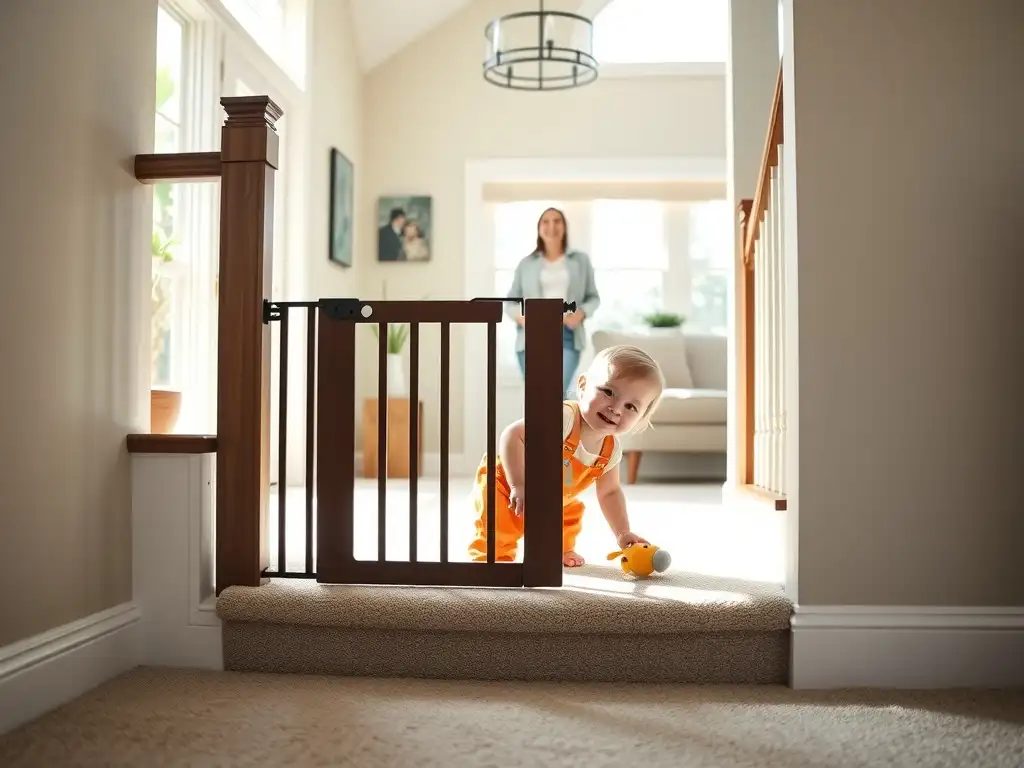
This section provides a detailed, step-by-step guide on installing a baby gate, focusing on ensuring optimal baby gate safety stairs. Proper installation is crucial for preventing falls and ensuring your little one's safety. Remember, a poorly installed gate is worse than no gate at all! We'll cover both hardware-mounted and pressure-mounted gates, highlighting the nuances of each. Choosing the right type of gate and installing it correctly is key to effective baby gate safety stairs.
Preparing the Stairway for Gate Installation: Cleaning and Inspection
Before you even think about installing your baby gate, thoroughly prepare the area. This seemingly simple step is crucial for baby gate safety stairs. A clean and properly inspected area ensures a secure and effective installation.
First, thoroughly clean the area where the gate will be installed. Remove any dust, debris, or loose paint. This prevents the gate from slipping or becoming unstable. Pay close attention to the wall or banister – any residue can interfere with the gate's grip. Think of it as preparing a canvas for a masterpiece; a clean surface ensures a strong, safe hold.
Next, carefully inspect the wall or banister for any damage. Look for cracks, loose pieces of wood or plaster, or any other structural weaknesses. A damaged surface could compromise the gate's stability, putting your baby at risk. If you find any issues, repair them before proceeding. This attention to detail is paramount for baby gate safety stairs.
Finally, measure the width of the opening where you plan to install the gate. This measurement is vital for selecting the right size gate and ensuring a proper fit. Accurate measurement prevents gaps that a determined toddler might exploit. Remember, precision is key to baby gate safety stairs. An improperly sized gate is a hazard waiting to happen.
Installing a Hardware-Mounted Baby Gate: Tool Requirements and Process
Hardware-mounted baby gates offer superior security compared to pressure-mounted ones, especially on stairs. They're ideal for ensuring optimal baby gate safety stairs. However, they require drilling and some basic tools.
Tool Requirements:
- Drill with appropriate drill bits (check your gate's instructions for the correct size)
- Screwdriver (likely a Phillips head)
- Pencil
- Measuring tape
- Stud finder (highly recommended for added security)
Installation Process:
- Locate Studs: Use a stud finder to locate wall studs on either side of the stairwell opening. This is crucial for a secure installation. Screwing into studs provides significantly more stability than drywall alone.
- Mark Drill Points: Carefully mark the drill points according to your gate's instructions. Take your time; accuracy is key here.
- Drill Pilot Holes: Drill pilot holes at the marked points to prevent the wood from splitting.
- Attach the Mounting Brackets: Securely attach the mounting brackets to the wall studs using the provided screws.
- Install the Gate: Carefully attach the gate to the mounted brackets. Ensure it's firmly secured and operates smoothly.
- Test the Gate: Thoroughly test the gate to ensure it opens and closes easily and securely. Check that it's impossible for your baby to open it.
Remember, always consult your gate's specific instructions, as the process may vary slightly depending on the model. This detailed approach to installation is critical for baby gate safety stairs.
Installing a Pressure-Mounted Baby Gate: Proper Placement and Adjustment
Pressure-mounted gates are easier to install than hardware-mounted gates, requiring no drilling. However, they rely on pressure to stay in place, making proper placement and adjustment crucial for baby gate safety stairs.
Proper Placement:
- Ensure a Stable Surface: Pressure-mounted gates require a solid, stable surface for optimal performance. Avoid installing them on uneven surfaces or surfaces with gaps.
- Avoid Obstructions: Ensure there are no obstructions preventing the gate from fitting snugly against the walls or banisters.
Adjustment and Security:
- Extend the Gate: Extend the gate to the correct width for your stairwell opening.
- Tighten the Adjustment Knobs: Tighten the adjustment knobs firmly to ensure the gate is securely in place. Do not overtighten, as this could damage the gate or the walls.
- Test the Gate: Thoroughly test the gate to ensure it's securely in place and can't be easily dislodged by your baby. A firm grip is essential for baby gate safety stairs.
- Regular Check-ups: Regularly check the gate's pressure and tighten the knobs as needed. This is especially important after periods of high use or if you've adjusted the gate's width.
Remember, while pressure-mounted gates are convenient, they are generally less secure than hardware-mounted gates, particularly on stairs. Always prioritize safety when choosing and installing a baby gate. Consistent checks and proper installation are vital components of baby gate safety stairs. Regular maintenance of your chosen gate is key to effective baby gate safety stairs.
Double-Checking Gate Security: Testing and Reinforcement
Once your baby gate is installed, rigorous testing is crucial. Don't just assume it's secure; actively verify its stability and strength. A seemingly secure gate can unexpectedly fail under pressure, especially with a determined toddler. The consequences of a failed gate can be severe, leading to falls and potential injuries. Therefore, thorough testing is paramount for ensuring your baby's safety.
Begin by applying significant pressure to the gate itself. Push and pull on various points along the gate's length, simulating the force a child might exert while trying to climb or push through it. Pay close attention to the gate's connection points – are they firmly attached to the wall or banister? Do you feel any give or looseness? If you detect any instability, immediately re-tighten the mounting hardware or consider alternative installation methods.
Next, test the gate's latch mechanism repeatedly. Open and close it multiple times, ensuring that it latches securely each time. A faulty latch is a major safety hazard. Check for any signs of wear and tear on the latch itself. If the latch feels loose or doesn't engage properly, replace it immediately. Many manufacturers offer replacement parts for their gates.
Finally, consider the perspective of a crawling or walking baby. Get down on your hands and knees, mimicking a baby's viewpoint. Examine the gate from this angle to identify any potential weaknesses or gaps that a child might exploit to climb over or under the gate. A seemingly small gap can be sufficient for a resourceful baby to slip through.
If you find any vulnerabilities, address them immediately with additional padding or by selecting a more appropriate gate design. Remember, proactive safety measures are far better than reactive solutions after an incident. Regularly inspect your baby gate for any signs of damage or wear and tear, and don't hesitate to replace it if necessary. Prioritizing your child's safety is always the best policy.
Baby Gate Safety: Preventing Accidents at the Bottom of the Stairs
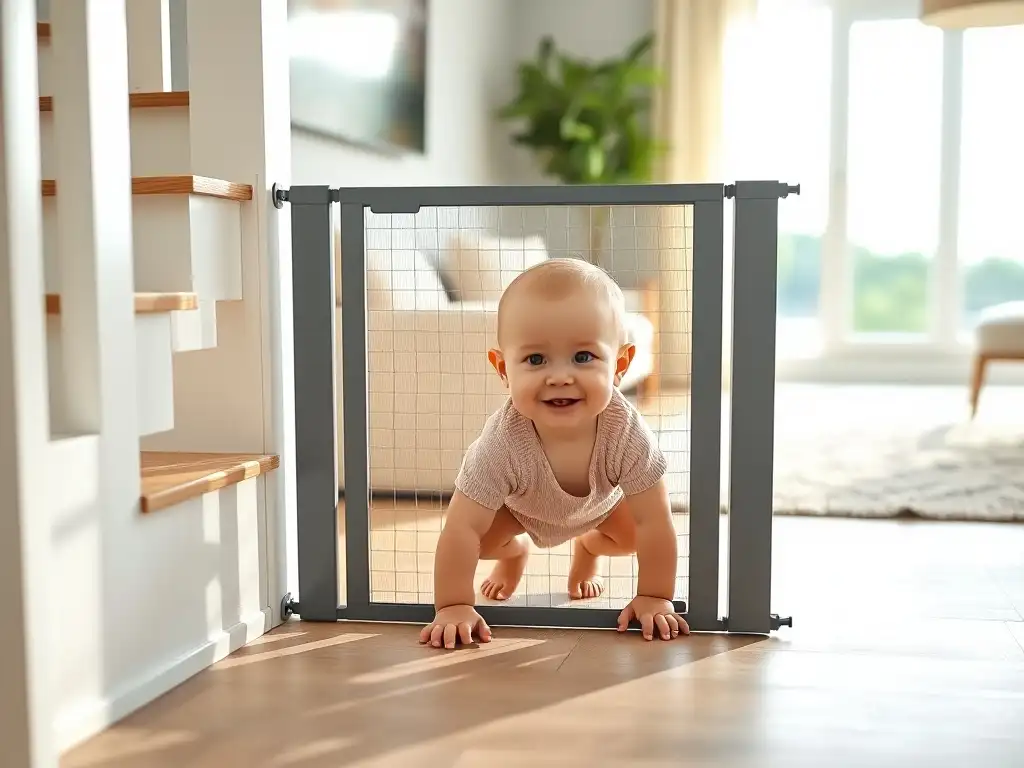
Ensuring your baby's safety around stairs is paramount, especially once they start crawling or walking. A baby gate at the bottom of the stairs is a crucial safety measure, but it's not a foolproof solution. Effective baby gate safety requires a multi-pronged approach combining physical barriers with vigilant supervision and age-appropriate education.
This section delves into essential strategies to maximize the effectiveness of your stair gate and minimize the risk of accidents. Remember, the goal is to create a safe environment where your child can explore and develop while remaining protected from potential hazards. Choosing the right gate for your staircase is only the first step in ensuring your baby's safety; consistent monitoring and proactive teaching are equally important aspects of baby gate safety stairs.
Supervising Your Baby Even with a Gate: Active Monitoring Techniques
Even with a securely installed baby gate at the bottom of the stairs, constant supervision is essential, especially during the early stages of crawling and walking. Never assume that the gate alone will prevent all accidents. Active monitoring means more than just glancing at your baby occasionally; it involves focused attention on their movements and activities.
Here are some active monitoring techniques to incorporate into your daily routine:
- Dedicated Supervision Zones: Designate specific areas where your baby can play unsupervised for short periods, always keeping the stair area out of these zones.
- Visual Check-ins: Regularly check on your baby, even if they are only a few feet away. This helps you quickly identify any attempts to approach the stairs.
- Predictive Monitoring: Anticipate your baby's movements. If they are crawling towards the stairs, intervene before they reach the gate.
- Engaging Activities: Keep your baby engaged in age-appropriate play to distract them from the stairs. This can involve interactive toys, books, or simple games.
- Rotating Play Areas: Regularly change your baby's play area to prevent them from becoming fixated on the stairs.
Teaching Your Child about Stair Safety: Age-Appropriate Strategies
Teaching your child about stair safety is a long-term process that begins early on. Start by introducing the concept of stairs as a potentially dangerous area, even before they can crawl. Use simple, age-appropriate language and positive reinforcement.
Here's a breakdown of age-appropriate strategies:
- Infants (0-12 months): Focus on preventing access to the stairs through consistent gate use and vigilant supervision. Avoid making the stairs a play area.
- Toddlers (12-24 months): Begin introducing simple instructions like "Stairs are for grown-ups." Use positive reinforcement when they stay away from the stairs.
- Preschoolers (24-36 months): Start teaching them to hold onto the handrail when going up and down stairs with adult supervision. Explain why it's important to be careful.
- Older Children: Reinforce safe stair practices and emphasize the importance of never running on the stairs.
Remember to be patient and consistent. It takes time and repetition for children to understand and internalize safety rules.
Dealing with a Child Who Tries to Climb the Gate: Problem-Solving and Redirection
Even with the best precautions, some children may try to climb or otherwise manipulate the baby gate. This calls for a combination of problem-solving and redirection techniques.
- Gate Inspection: Regularly inspect your baby gate for any potential weaknesses or damage. Replace or repair any faulty parts immediately. Consider upgrading to a more robust model if necessary.
- Height Adjustment: Ensure the gate is installed at the correct height, leaving no gaps for your child to squeeze through.
- Distraction Techniques: If your child attempts to climb the gate, immediately distract them with an engaging activity or toy.
- Positive Reinforcement: Praise and reward your child when they stay away from the stairs and the gate.
- Consistent Discipline: While avoiding harsh punishments, consistently redirect your child away from the stairs whenever they approach them. A firm "No" combined with immediate redirection is often effective.
- Alternative Play Areas: Provide engaging play areas away from the stairs to minimize the temptation to climb the gate.
Remember, consistent vigilance, proactive teaching, and a well-maintained, appropriately installed gate are key components of baby gate safety stairs. By combining these strategies, you can significantly reduce the risk of accidents and create a safer environment for your growing child. 👶
Additional Safety Measures Beyond Baby Gates
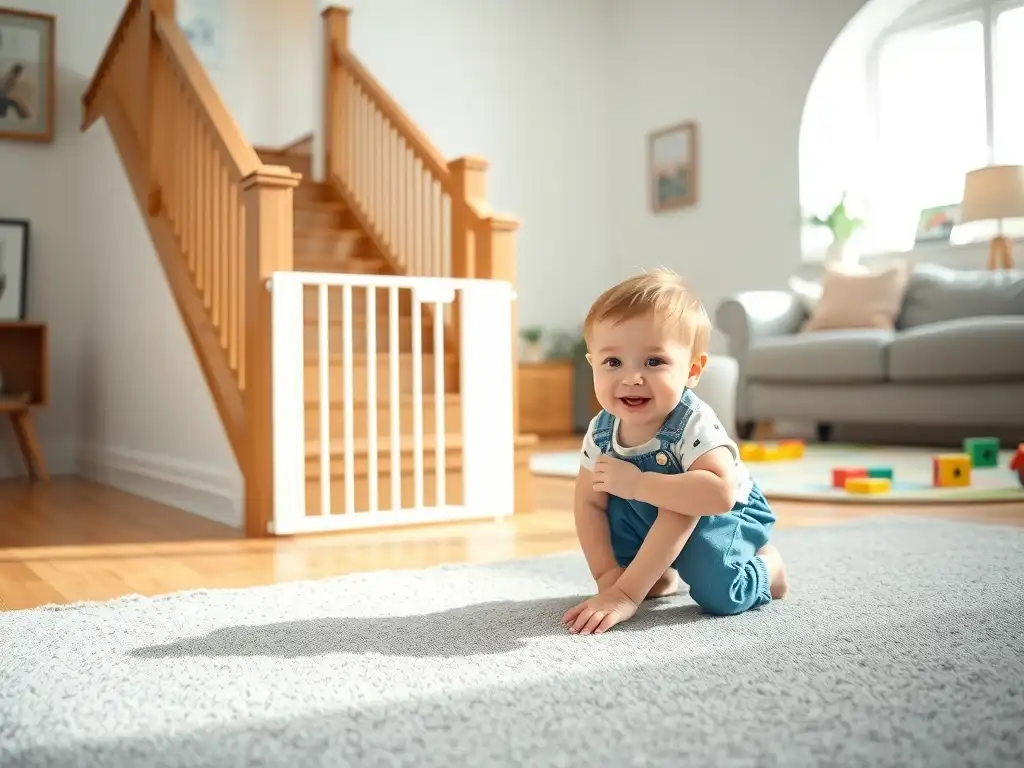
Even with a securely installed baby gate, proactive measures can further enhance your baby's safety at the bottom of the stairs. Remember, a multi-layered approach to safety is always the most effective. This section focuses on complementary strategies that, when combined with a reliable baby gate, significantly reduce the risk of falls and injuries related to "baby gate safety stairs".
Using Soft Mats or Rugs at the Bottom of the Stairs: Cushioning Impact
A soft, thick rug or playmat placed at the bottom of the stairs can provide a crucial cushioning effect in the unlikely event of a fall. This is especially important for babies who are just beginning to crawl or walk, as their coordination is still developing. Consider the following points when choosing your floor covering:
- Thickness: Opt for a rug or mat with a significant thickness (at least ½ inch) to absorb impact effectively. Thinner rugs offer minimal protection.
- Material: Look for soft, non-slip materials like plush carpet, foam playmats, or rubber-backed rugs. Avoid rugs with loose fibers or tassels that could pose a tripping hazard.
- Size: The mat should be large enough to cover the area where your baby is likely to land if they fall down the stairs. A larger area is preferable to a smaller one.
- Placement: Ensure the mat is firmly placed, with no loose edges or curling corners that could cause a trip. Regularly check for wear and tear and replace if necessary.
Remember, while a soft mat can cushion the impact of a fall, it's not a replacement for a properly installed baby gate. It's an additional layer of protection working in tandem with other safety measures for enhanced "baby gate safety stairs".
Removing Obstacles Near the Stairs: Preventing Trips and Falls
The area surrounding the stairs should be kept meticulously clear of any obstacles that could cause your baby to trip or fall. This includes:
- Toys: Remove all toys, especially small ones that could be easily overlooked and become tripping hazards.
- Shoes and Clothing: Keep shoes, coats, and other clothing items neatly stored away and out of reach of your baby.
- Cords and Wires: Secure all electrical cords and wires, ensuring they are out of your baby's reach. Consider using cord covers or cable management solutions.
- Furniture: Move any furniture away from the bottom of the stairs, creating a clear and safe space. This includes chairs, tables, and ottomans.
A clutter-free environment around the stairs is essential for preventing falls. Regularly inspect the area to ensure it remains obstacle-free, especially after playtime or when rearranging furniture. This simple yet effective step significantly contributes to "baby gate safety stairs".
Ensuring Proper Lighting Around the Stairs: Enhancing Visibility
Adequate lighting is crucial for ensuring both you and your baby can clearly see the stairs. Poor lighting can increase the risk of accidents. Consider the following:
- Ambient Lighting: Maintain sufficient ambient lighting in the area surrounding the stairs during both day and night.
- Nightlights: A nightlight placed near the stairs can provide additional illumination during nighttime trips, especially when you need to check on your baby.
- Stair Lighting: If possible, install dedicated stair lighting for improved visibility. This is particularly helpful if your stairs are dimly lit.
- Avoid Glare: Avoid bright lights that could create glare and make it difficult to see the stairs clearly.
Good lighting is not just about preventing falls; it's about creating a safe and comfortable environment for everyone in the household. By ensuring proper lighting, you significantly contribute to overall safety and peace of mind regarding "baby gate safety stairs".
Maintaining Your Baby Gate: Regular Inspection and Care
Maintaining your baby gate is crucial for ensuring its continued effectiveness in preventing falls and protecting your little one. A well-maintained gate is a safe gate, offering peace of mind for parents. Neglecting regular inspections can compromise its structural integrity, rendering it ineffective at preventing accidents. This section will guide you through essential maintenance practices to maximize the lifespan and safety of your baby gate. Remember, proactive maintenance is key to baby gate safety stairs.
Checking for Wear and Tear: Replacing Damaged Parts
Regularly inspect your baby gate for signs of wear and tear. This is especially important if your baby is particularly active or if the gate has been subjected to heavy use. Look for:
- Loose screws or bolts: Tighten any loose hardware immediately. If screws are stripped, replace them with new ones of the same size and type.
- Damaged hinges: Worn or broken hinges compromise the gate's stability. Replace damaged hinges promptly.
- Cracked or broken parts: Any cracks or breaks in the gate's frame or panels should be addressed immediately. A damaged gate is unsafe and should be replaced.
- Weakened pressure mounts: If using a pressure-mounted gate, regularly check the pressure and ensure the gate remains firmly in place. If the pressure is insufficient, the gate might become dislodged.
- Frayed or damaged straps/mesh: For gates with straps or mesh panels, check for fraying or tears, which could weaken the barrier. Replace immediately if damaged.
Remember to always follow the manufacturer's instructions for repairs. Using incorrect parts or improper installation techniques could compromise the gate's safety. Prioritize safety; a compromised gate is a potential hazard. Regular checks are crucial for maintaining baby gate safety stairs.
Cleaning Your Baby Gate: Safe Cleaning Methods and Products
Keeping your baby gate clean is essential for hygiene and maintaining its appearance. However, the cleaning process should be gentle to avoid damaging the gate's material. Avoid harsh chemicals, abrasive cleaners, and scouring pads, as these can scratch or damage the finish.
Here's a recommended cleaning procedure:
- Dusting: Regularly dust the gate using a soft cloth or feather duster. This prevents the accumulation of dirt and grime.
- Wiping: For more thorough cleaning, use a damp (not soaking wet) cloth with a mild soap solution. Gently wipe down the entire gate, paying attention to areas that tend to accumulate dirt.
- Rinsing: Rinse the cloth frequently to prevent spreading dirt.
- Drying: Thoroughly dry the gate with a clean, soft cloth. Avoid leaving any moisture on the gate, as this could lead to rust or damage.
Suitable Cleaning Products:
- Mild dish soap
- Water
- Baby wipes (for quick spot cleaning)
Products to Avoid:
- Bleach
- Ammonia
- Harsh abrasive cleaners
Maintaining a clean gate contributes to a safer and healthier environment for your baby. A clean and well-maintained gate is an integral part of baby gate safety stairs.
Replacing Your Baby Gate: Knowing When to Upgrade
Even with regular maintenance, baby gates will eventually wear out or become unsuitable for your growing child. Knowing when to replace your gate is crucial for maintaining safety. Consider replacing your gate if:
- The gate is significantly damaged: As discussed earlier, cracks, breaks, or severely worn parts necessitate replacement.
- The gate no longer fits securely: If the gate becomes loose or difficult to secure, it's time for a new one.
- Your child can easily climb over or manipulate the gate: As your child grows and develops, they may find ways to bypass a gate that was once effective. Consider upgrading to a taller or more secure model.
- The gate is outdated: Safety standards evolve, and older gates might not meet current safety regulations. Check for any recalls or updates.
- You move to a new home with different stair configurations: The size and type of gate required might change with a new house layout.
Replacing your baby gate ensures your child's continued safety. It's a proactive step that demonstrates your commitment to baby gate safety stairs. Remember, a new gate provides renewed peace of mind, ensuring your baby remains safe and secure.
Frequently Asked Questions
What type of baby gate is best for the bottom of the stairs?
The best baby gate for the bottom of stairs is one that fits securely without requiring any modifications to your walls or banisters. Consider hardware-mounted gates for the strongest hold, especially on wider openings. Look for models specifically designed for stairways.
How do I ensure my baby gate is securely installed at the bottom of the stairs?
Always follow the manufacturer's instructions carefully. Ensure the gate is firmly attached to the wall studs or banisters. Regularly check the gate's tightness and stability to prevent accidents.
What are some safety tips to consider beyond just the baby gate?
In addition to a gate, supervise your baby constantly, especially near stairs. Childproof the area around the stairs, removing any potential hazards. Consider using other safety measures such as stair guards or barriers to provide additional protection.
My stairs are unusual; what options do I have for a baby gate?
If you have unusual stair configurations, consider custom-fit gates or gates with extensions. Consult with a baby safety expert or a professional installer for tailored solutions. Measure your staircase carefully before purchasing any gate.
At what age should I start using a baby gate at the bottom of the stairs?
You should start using a baby gate at the bottom of your stairs as soon as your baby starts crawling or shows signs of mobility, typically around 6-8 months old. It's better to be proactive than reactive when it comes to baby safety.
Final Reflection: Securing Tiny Steps, Shaping Safe Futures
The relentless energy of a crawling or walking baby is a beautiful, chaotic force of nature, but one that demands constant vigilance. Protecting our little explorers as they navigate their world, especially the perilous drop of the stairs, is a fundamental responsibility that requires proactive measures and unwavering attention to detail. This article has highlighted the crucial role of baby gates in creating a safe home environment, emphasizing proper installation and selection to mitigate risks.
The impact of baby gates extends far beyond simply preventing falls; they represent a commitment to nurturing a child's development within a secure space. They allow for exploration and independence while mitigating the inherent dangers of a home designed for adults. This sense of security fosters a child's confidence and allows them to grow and learn without the constant fear of injury. The best gift is not a thing, but an experience. And the best experience is a safe one.
This simple truth underscores the importance of our efforts to create a safe haven for our children.
Consider the implications of even a single moment of inattention. Think about the peace of mind that comes from knowing your little one is safe, exploring their world without the constant threat of a fall. You are the architect of their safety, the guardian of their well-being. Take the time to review the gate options discussed in this article, choose the best fit for your home and your child, and install it correctly. Invest in peace of mind; invest in their future. Your vigilance today shapes a safer, brighter tomorrow for them.
Ready to Secure Your Staircase?
Thank you for learning about childproofing your stairs! We hope you feel confident in creating a safe home for your little one. Ready to put your new knowledge into action?
- Install a sturdy safety gate: This is the most effective way to prevent falls. Make sure it's properly installed and fits securely.
- Add extra protection: Consider a playpen or strategically placed furniture to provide an additional layer of safety while your child is learning to climb.
- Share your stair safety setup and tips with other parents in the comments below – let's help each other create safer homes!
What unique safety measures have you taken on your stairs? Let's discuss!