
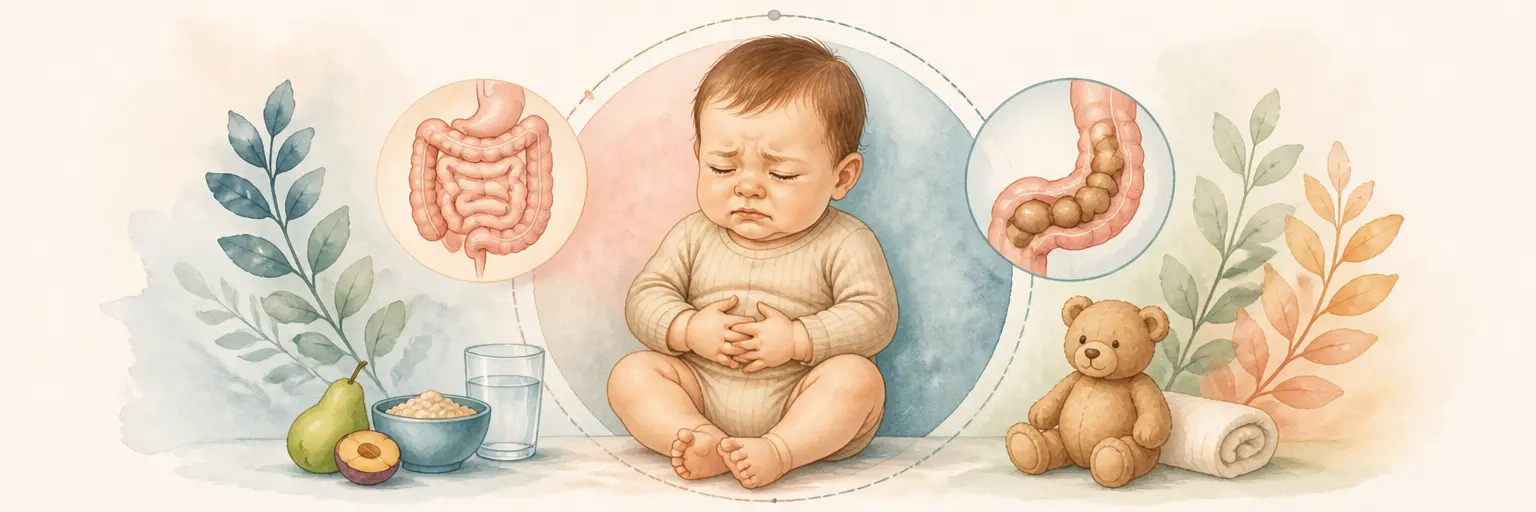
The Ultimate Guide to Baby Constipation: Causes, Remedies, and Prevention
Learn how to ease constipation and digestive issues in babies with practical, parent-friendly guidance from BabyCareHub 👶💛 Discover gentle tips for recognizing symptoms, supporting comfortable digestion, choosing suitable feeding approaches, and knowing when to contact a pediatrician. Help your baby feel better with trusted newborn health and safety information designed for confident first-time parents.
5 articles
Baby Constipation and the Four Month Sleep Regression: What's the Connection?
What Causes Constipation in Babies? A Comprehensive Look at the Root Causes
The Role of Fiber in Baby's Diet: Preventing Constipation as They Grow
Baby's Digestive System: A Parent's Guide to Understanding Constipation and Gut Health
👶 Constipation and Digestive Issues in Babies: Gentle, Practical Guidance for Parents
Welcome to BabyCareHub’s trusted guide to constipation and digestive issues in babies. Digestive discomfort, gas, reflux, colic, irregular bowel movements, and changes in stool can be worrying—especially for first-time parents. This subcategory provides clear, practical information to help you understand common baby digestion problems, recognize possible warning signs, and support your baby’s comfort safely. Explore expert-informed guidance about newborn constipation, infant gas, stool color and frequency, feeding-related tummy troubles, and when to contact a pediatrician.
🍼 Understanding Baby Constipation and Normal Bowel Movements
Baby bowel habits can vary considerably depending on age, feeding method, and individual development. Breastfed newborns may have frequent stools or occasionally go several days without one, while formula-fed babies may follow a different pattern. Our articles explain the difference between infrequent stools and true constipation, which often involves hard, dry, pellet-like stools, difficulty passing stool, or visible discomfort.
Parents can learn what is generally expected during the newborn stage, early infancy, and the transition to solid foods. You will find helpful information about baby poop frequency, stool consistency, straining, and feeding changes, along with reminders that every baby is different. When symptoms seem unusual, persistent, or severe, professional medical advice is essential.
💨 Gas, Colic, and Infant Tummy Discomfort
Gas is common in babies because their digestive systems are still developing and they may swallow air while crying, feeding, or using a bottle. This section covers practical ways to reduce infant gas, including appropriate burping, feeding positions, paced bottle-feeding, and recognizing whether a baby may be taking in too much air. You can also learn about common causes of a gassy baby and signs of temporary digestive discomfort.
Guidance on colic and fussiness can help parents create a calmer routine without assuming that every crying episode is caused by constipation. BabyCareHub emphasizes gentle, age-appropriate comfort measures and explains when excessive crying, a swollen abdomen, vomiting, poor feeding, or lethargy may require prompt medical assessment.
🤱 Feeding-Related Digestive Issues in Infants
Feeding can influence digestion, stool patterns, and comfort. Our resources discuss digestive concerns that may occur with breastfeeding, formula feeding, mixed feeding, and the introduction of solid foods. Topics may include feeding intolerance, possible milk protein sensitivity, changes after switching formula, spit-up, reflux, and how new foods can affect a baby’s bowel movements.
Parents will find safe, practical tips for tracking feeding patterns, wet diapers, stools, and symptoms to share with a healthcare professional. Avoid making major formula changes, eliminating foods, or giving supplements without guidance. A pediatrician can help identify whether symptoms reflect normal adjustment, an intolerance, an allergy, or another condition.
🥣 Constipation When Babies Start Solid Foods
The transition to solid foods can temporarily change stool color, texture, frequency, and odor. Some babies may become constipated after eating low-fiber foods or drinking less breast milk or formula. This section explains how to introduce complementary foods gradually and how age-appropriate choices may support healthy digestion.
Discover practical information about offering suitable fruits, vegetables, fluids when recommended for your baby’s age, and balanced meals. Never give water, juice, laxatives, suppositories, herbal products, or home remedies to a young baby unless a qualified healthcare provider recommends them. Safe feeding advice must always match your baby’s age and medical needs.
🚨 Warning Signs and When to Contact a Pediatrician
Most mild digestive changes are temporary, but some symptoms need medical attention. BabyCareHub helps parents recognize concerning signs such as repeated vomiting, green or bloody vomit, blood in the stool, a hard or swollen belly, fever in a young infant, refusal to feed, fewer wet diapers, unusual sleepiness, poor weight gain, or constipation that does not improve.
Trust your instincts if your baby appears seriously unwell or in significant pain. Seek urgent care for breathing difficulty, severe weakness, dehydration, persistent vomiting, or other emergency symptoms. The information in this subcategory is educational and does not replace an examination, diagnosis, or personalized treatment plan from a pediatrician.
❓ Frequently Asked Questions About Baby Constipation and Digestive Issues
🟢 How can I tell if my baby is constipated?
Constipation usually involves hard, dry stools that are difficult or painful to pass, rather than simply having fewer bowel movements. Babies may strain or turn red while passing soft stool, which can be normal. Contact your pediatrician if stools are hard, symptoms persist, your baby is in significant pain, or other warning signs appear.
🟢 Is it normal for a breastfed baby to go several days without pooping?
Some breastfed babies may have bowel movements several times a day, while others may go several days between stools, particularly after the early newborn period. If your baby is feeding well, producing an appropriate number of wet diapers, gaining weight, and passing soft stool, this may be normal. Ask a healthcare professional if you are concerned.
🟢 What can I do for a gassy baby?
Try keeping your baby in a comfortable upright position during and after feeding, burping gently, checking bottle-feeding technique, and using paced feeds when appropriate. Avoid unapproved gripe water, herbal remedies, or medications. Seek medical advice if gas is accompanied by vomiting, a swollen abdomen, poor feeding, fever, blood in the stool, or inconsolable crying.
🟢 Can changing formula cause digestive problems?
Changing formula may temporarily affect stool color, consistency, gas, or feeding patterns. Formula should be prepared exactly according to the package instructions, and changes are best discussed with a pediatrician. If your baby develops hives, facial swelling, breathing problems, repeated vomiting, blood in the stool, or poor weight gain, seek medical care promptly.
🟢 When should I call a doctor about constipation or digestive issues?
Contact a pediatrician if constipation is persistent, painful, recurrent, or associated with poor feeding, vomiting, a swollen belly, blood in the stool, fever, dehydration, unusual tiredness, or poor weight gain. For severe symptoms or an infant who appears seriously ill, seek urgent medical attention. Early professional guidance can help protect your baby’s health and comfort.