
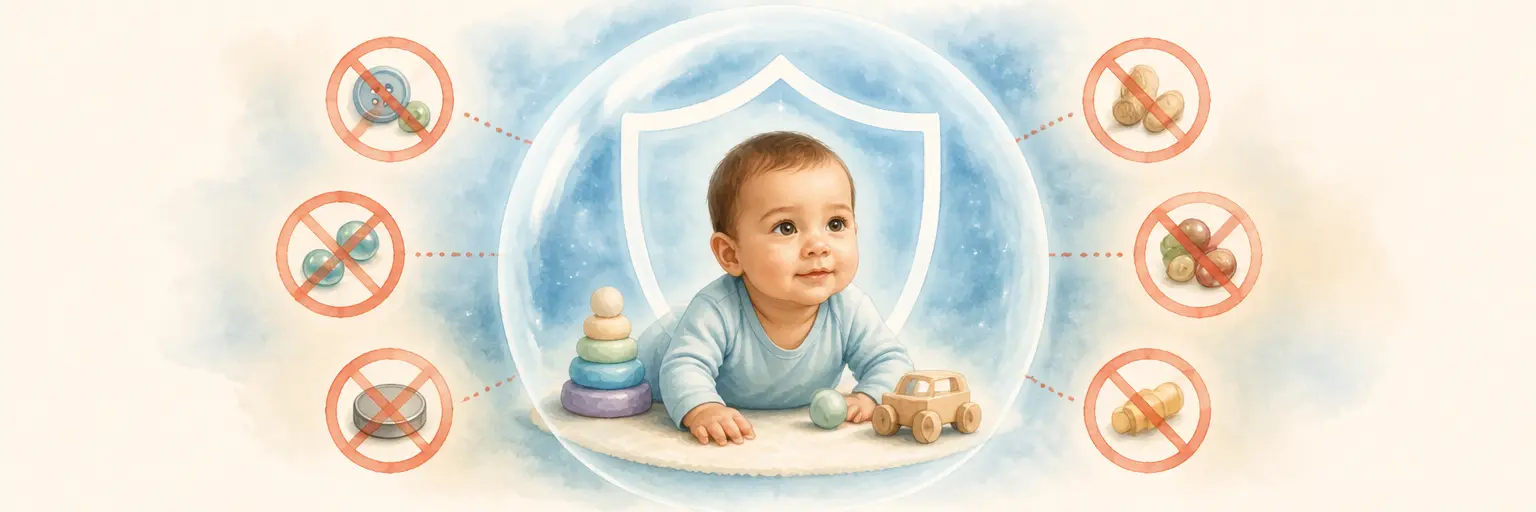
Beyond the Basics: Advanced Choking Prevention Tips for Babies
Discover essential choking hazard prevention tips for babies with practical guidance on safe feeding, age-appropriate foods, proper supervision, and infant first aid. 👶🛡️ Learn how to identify common risks, create a safer environment, and respond confidently in an emergency—helping protect your baby during meals and everyday play.
6 articles
The Dangers of Small Objects: How to Keep Them Away From Your Baby
The Importance of Community Awareness About Choking Hazards
Choking Prevention Strategies: How to Reduce the Risk at Home
Travel Safety: Ensuring Your Baby is Safe From Choking on the Go
Choking Hazards by Age: What to Watch Out for as Your Baby Grows
Choking Hazards and Prevention for Babies: Essential Feeding and Safety Guidance
Welcome to BabyCareHub’s Choking Hazards and Prevention for Babies subcategory, a trusted resource for first-time parents seeking practical guidance on infant choking prevention, safe feeding, and everyday baby safety. Discover how to identify common choking risks, prepare age-appropriate foods, create a safer home environment, and respond calmly during a choking emergency. Our evidence-informed content helps parents understand the difference between gagging and choking, choose safe textures, supervise meals effectively, and reduce avoidable hazards for newborns, infants, and toddlers.
🍽️ Common Choking Hazards for Babies
Learn which foods and household objects can block a baby’s airway. Common infant choking hazards include whole grapes, nuts, popcorn, raw vegetables, hard sweets, chunks of meat or cheese, hot dogs, coins, buttons, batteries, small toys, and toy parts. BabyCareHub explains why these items are dangerous and how their shape, firmness, and size may increase the risk of choking.
Parents can also find practical checklists for inspecting play areas, changing bags, kitchens, and feeding spaces. Regular supervision and careful hazard removal are essential because babies explore by putting objects into their mouths, even when they are not yet crawling or walking.
🥕 Safe Food Preparation and Baby-Led Weaning
Discover how to prepare foods safely for babies beginning complementary feeding or baby-led weaning. Guidance covers cutting, cooking, softening, shredding, mashing, and serving foods in developmentally appropriate shapes and textures. Safe preparation can make foods such as fruit, vegetables, meat, pasta, and bread easier for babies to manage.
Our resources explain how feeding readiness, posture, and oral-motor development influence safe eating. Babies should always eat upright, remain within arm’s reach of an attentive adult, and receive food that matches their developmental abilities, rather than simply their age.
👶 Gagging Versus Choking: Know the Difference
Gagging is a common protective response as babies learn to control food in their mouths. It may involve coughing, noisy breathing, facial expressions, or retching. Choking, however, can be silent and may prevent a baby from breathing, crying, coughing, or making normal sounds.
Understanding these differences helps parents respond appropriately without creating unnecessary panic. BabyCareHub provides clear explanations of baby gagging, silent choking, airway blockage, and feeding safety, while emphasizing that any suspected choking emergency requires immediate action and appropriate medical guidance.
🏠 Preventing Choking Risks at Home
Choking prevention extends beyond mealtimes. Babies may swallow small objects found on floors, in handbags, under furniture, or inside older children’s toys. Parents will learn how to identify dangerous items such as button batteries, magnets, pen caps, balloons, screws, jewelry, and loose toy components.
Use these recommendations to create safer routines, including storing small objects securely, checking floors regularly, following toy age labels, and separating infant toys from toys intended for older children. A child-safe home requires ongoing inspection because new hazards can appear as babies become more mobile and curious.
🩺 What to Do If a Baby Is Choking
Learn the key principles of responding to a choking baby, including recognizing severe airway obstruction, calling emergency services, and following age-appropriate first-aid procedures. Infant choking first aid is different from first aid for older children and adults, so parents should use guidance designed specifically for babies.
BabyCareHub encourages every caregiver to complete a certified infant CPR and first-aid course. Do not blindly sweep a baby’s mouth, shake the baby, or delay emergency assistance. If a baby becomes unresponsive, follow emergency dispatcher instructions and begin CPR if trained to do so.
🛡️ Everyday Feeding Safety Tips for Caregivers
Safe feeding depends on consistent habits among parents, grandparents, babysitters, and childcare providers. This section offers practical advice for communicating feeding rules, checking food preparation, reducing distractions, and ensuring that caregivers understand how to respond to choking concerns.
Parents can use simple safety routines: keep the baby seated upright, avoid eating while lying down or moving, remove distractions such as screens, and stay close throughout the meal. Active supervision means watching and listening continuously, not merely being in the same room.
❓ Frequently Asked Questions About Baby Choking Prevention
1. What are the most common choking hazards for babies?
Frequent food hazards include whole grapes, nuts, popcorn, hard raw vegetables, hard sweets, chunks of meat, sausage or hot dog rounds, and firm pieces of fruit or cheese. Non-food hazards include coins, button batteries, magnets, small toys, balloons, and loose household objects. Always follow age recommendations and prepare foods into soft, manageable textures.
2. How can I tell if my baby is gagging or choking?
Gagging is usually noisy and may include coughing or retching while the baby tries to move food forward. Choking may be quiet, with an inability to breathe, cry, cough, or make sound. If you suspect a serious airway blockage, call emergency services and follow infant choking first-aid instructions immediately.
3. Can babies choke during baby-led weaning?
Choking is possible with any feeding method, but baby-led weaning can be practiced safely when foods are soft, appropriately shaped, and suitable for the baby’s developmental stage. Keep the baby upright, supervise closely, avoid high-risk foods, and never place food directly into the baby’s mouth.
4. Should I give water to a choking baby?
No. Do not try to push food down with water, fingers, or additional food. Water will not reliably clear an obstructed airway and may worsen the situation. Use certified infant first-aid procedures and contact emergency services when necessary.
5. How can parents prepare for a baby choking emergency?
Take a certified infant CPR and first-aid course, keep emergency contact numbers accessible, learn how to recognize severe choking, and discuss safety procedures with every caregiver. A prepared adult can respond more confidently while waiting for professional medical help.