
The Dangers of Small Objects: How to Keep Them Away From Your Baby


Welcome to BabyCareHub, your ultimate guide to navigating the incredible journey of parenthood! We understand the overwhelming feeling of bringing a new life into the world, and we're here to provide the step-by-step support you need. Are you prepared for every challenge? This website is designed to help you confidently tackle everything from feeding schedules to developmental milestones.
Let's start with something crucial: understanding and preventing baby choking hazards. Learn how to create a safe environment for your little one by reading our in-depth article, "The Dangers of Small Objects: How to Keep Them Away From Your Baby," and discover practical tips to ensure their well-being. Explore BabyCareHub today and embark on this exciting adventure with confidence!
- Understanding Baby Choking Hazards Prevention: Common Culprits
- Baby Choking Hazards Prevention: Creating a Safe Environment
- Preventing Choking During Feeding: Safe Feeding Practices for Babies
- Baby Choking Hazards Prevention: Choosing Safe Toys
- Ongoing Monitoring and Supervision: Key to Baby Choking Hazards Prevention
- Frequently Asked Questions
- Final Reflection: A Legacy of Safety: Protecting Our Little Ones
- Unlock a Safer Home for Your Little One
Understanding Baby Choking Hazards Prevention: Common Culprits
Navigating the world of parenthood, especially for first-time parents, can feel overwhelming. Among the many concerns, ensuring your baby's safety is paramount. This article focuses on a critical aspect of baby safety: preventing choking hazards. Baby choking hazards prevention is not just about avoiding obvious dangers; it's about cultivating a proactive and vigilant approach to your baby's environment and dietary choices.
We will explore common household items, foods, and situations that pose significant choking risks for infants and provide practical strategies to mitigate these dangers. Understanding these risks and implementing preventative measures is crucial for protecting your little one and ensuring their healthy development. This guide aims to equip you with the knowledge and tools to create a safe and nurturing environment for your baby, minimizing the risk of choking incidents and promoting peace of mind for you. Remember, proactive prevention is the best defense against baby choking hazards.
Identifying Small Object Choking Risks for Infants
Infants, particularly those under the age of one, are highly vulnerable to choking due to their underdeveloped motor skills and small airways. Anything smaller than a ping-pong ball poses a significant risk. The following table illustrates some common objects that represent serious choking hazards:
| Object Type | Specific Examples | Why It's Dangerous | Prevention Strategies |
|---|---|---|---|
| Small Toys | Small toy parts, marbles, buttons, beads, coins | Easily swallowed and can obstruct airways. | Choose toys designed for infants (age-appropriate labeling) |
| Household Items | Balloons (deflated or burst), bottle caps, magnets | Can lodge in the throat and cause severe complications. | Store these items out of reach. |
| Food Pieces | Hard candies, nuts, popcorn, raw carrots (large pieces) | Can block airways, especially in younger children. | Cut food into small, manageable pieces; supervise closely |
| Packaging Materials | Plastic bags, bubble wrap, twist ties | Suffocation and choking risk. | Store these away securely. |
Understanding the developmental stages of your baby is crucial. As they progress from lying down to crawling and then walking, their access to potential hazards increases. Therefore, regular checks of your home environment are necessary to identify and eliminate these risks before your baby discovers them. 👶
Common Household Choking Hazards for Babies: A Comprehensive List
Beyond the items listed above, numerous everyday household objects present significant choking hazards. It's essential to be hyper-vigilant and think like a baby, considering what might seem appealing (and easily accessible) to their curious little hands. This includes:
- Buttons and Beads: These are commonly found on clothing and crafts. Keep them out of reach, especially loose ones that can easily detach.
- Small Batteries: Button batteries are particularly dangerous and can cause severe internal damage if swallowed. Keep these locked away securely.
- Magnets: Small, powerful magnets can cause internal damage if swallowed, especially if more than one is ingested.
- Pen Caps and Ink Cartridges: These are often overlooked but pose a significant threat.
- Craft Supplies: Small pieces of foam, clay, or other craft materials are easily swallowed.
- Broken Toys: Always inspect toys regularly for small, broken parts.
Regularly audit your home environment, paying close attention to areas your baby frequents. Remember, even seemingly harmless objects can become choking hazards if not handled with care.
Foods that Pose Choking Risks for Babies: Safe Food Choices and Preparation Techniques
Introducing solid foods is an exciting milestone, but it also introduces new choking hazards. The texture and size of food are crucial considerations. The following are examples of foods requiring careful preparation and supervision:
- High-Risk Foods: Nuts, popcorn, whole grapes, hot dogs (sliced lengthwise), hard candies, raw carrots (large pieces), cherry tomatoes, peanut butter (unless appropriately diluted and spread thin).
- Safe Food Choices and Preparation: Steamed and pureed vegetables, soft cooked fruits (mashed or well-cooked), well-cooked pasta, small pieces of soft cooked meat (well-shredded or finely minced), oatmeal (well-cooked).
Remember to always supervise your baby while they are eating. Cut food into very small, manageable pieces, and ensure the consistency is soft enough to easily dissolve in the mouth. Introducing new foods one at a time and observing your baby for any signs of difficulty breathing is vital. Always consult with your pediatrician for personalized advice on appropriate foods and feeding schedules for your baby. The emphasis should always be on safety and gradual introduction of new food textures. 🍎
Baby Choking Hazards Prevention: Creating a Safe Environment

This section focuses on proactive strategies for preventing baby choking hazards, a crucial aspect of Baby choking hazards prevention. We'll explore practical steps to transform your home into a safer space for your little one, minimizing the risk of accidental ingestion of small objects. Remember, prevention is always better than cure when it comes to your baby's safety.
Baby-proofing Your Home: A Step-by-Step Guide to Choking Hazard Prevention
Baby-proofing is not a one-time task; it's an ongoing process that adapts as your baby grows and develops new skills. Starting early is key to establishing safe habits. Here's a step-by-step guide to help you effectively baby choking hazards prevention in your home:
- Crawl Around at Baby's Level: Get down on your hands and knees and examine your home from your baby's perspective. This will reveal potential hazards you might otherwise miss. Look for small objects on the floor, low shelves, and furniture. Think about what might seem insignificant to you, but could be a choking hazard to your baby.
- Prioritize High-Risk Areas: Focus on areas where your baby spends the most time, such as the living room, play areas, and kitchen. These are prime locations for potential choking hazards.
- Secure Electrical Outlets: Use safety covers for all electrical outlets. These inexpensive devices are readily available and can prevent your baby from sticking fingers or objects into outlets.
- Remove Small Objects: This is paramount for
baby choking hazards prevention. Remove anything smaller than a ping-pong ball from your baby's reach. This includes buttons, coins, beads, marbles, small toys, and even certain foods (more on this in a later section). - Install Cabinet Locks: Secure cabinets containing cleaning supplies, medications, and potentially hazardous items. Childproof latches are readily available and easy to install.
- Regular Inspections: Conduct regular checks of your home for new hazards, especially as your baby's mobility increases. What was safe yesterday might not be safe today. This consistent vigilance is vital for effective
baby choking hazards prevention. - Use Safe Toys: Choose toys specifically designed for babies, avoiding those with small parts that can easily detach or break. Look for toys with labels indicating suitability for infants.
Remember, even with thorough baby-proofing, constant supervision is essential. Never leave your baby unattended, especially when they are exploring their environment.
Securing Furniture and Preventing Tip-Overs to Avoid Injuries
Furniture tip-overs represent a significant danger to babies, often resulting in serious injuries. Securing furniture is another crucial aspect of baby choking hazards prevention, although indirectly related. A falling piece of furniture can cause a baby to hit their head or become trapped, leading to suffocation or choking.
- Anchor Heavy Furniture: Use wall straps or anchors to secure tall furniture like bookcases, dressers, and televisions. These straps are specifically designed to prevent tip-overs and are easy to install.
- Avoid Overloading Shelves: Don't overload shelves with heavy items. Distribute weight evenly to maintain balance and prevent tipping.
- Choose Stable Furniture: Opt for sturdy, low-to-the-ground furniture whenever possible. Avoid unstable furniture that easily tips.
- Regularly Inspect Anchors: Periodically check the stability of anchored furniture and the condition of the anchors themselves. Replace or tighten as needed.
Storing Cleaning Supplies and Medications Safely Out of Reach
Cleaning supplies and medications are extremely dangerous to babies and toddlers. Storing them securely out of reach is a fundamental aspect of baby choking hazards prevention.
- High Shelving: Place all cleaning supplies and medications on high shelves, preferably in locked cabinets. Out-of-reach storage is critical for preventing accidental ingestion.
- Separate Storage: Consider designating a separate, locked area specifically for storing hazardous materials. This can improve organization and reduce the risk of accidental exposure.
- Child-Resistant Packaging: Always use child-resistant containers and packaging for medications. However, remember that even child-resistant packaging is not foolproof; secure storage is still essential.
- Clearly Label Containers: Even if something is in a high, locked cabinet, clearly labeling containers with the contents and potential dangers is an added layer of safety.
Remember, a safe environment is a proactive environment. By following these steps, you can significantly reduce the risk of accidents and ensure your baby's safety and well-being. Consistent vigilance and a commitment to safety are the cornerstones of effective baby choking hazards prevention.
Preventing Choking During Feeding: Safe Feeding Practices for Babies
This section focuses on proactive strategies to minimize choking risks during mealtimes. Implementing these safe feeding practices is crucial for Baby choking hazards prevention. Remember, a vigilant approach is the best defense against choking incidents.
Safe Food Introduction for Babies: Avoiding Choking Hazards During Weaning
Introducing solids is an exciting milestone, but it also introduces potential choking hazards. The transition from liquid to solid foods requires careful planning and execution. Start with single-ingredient purees, ensuring they are smooth and free of lumps. Gradually increase the texture as your baby develops the necessary chewing and swallowing skills. Avoid foods that are notoriously difficult to manage, such as nuts, seeds, popcorn, whole grapes, and hard candies. These are significant baby choking hazards.
For example, instead of offering a whole grape, cut it into small, lengthwise quarters. This significantly reduces the risk of a whole grape becoming lodged in the airway. Similarly, small pieces of cooked carrots or sweet potato, rather than large chunks, are safer alternatives. Observe your baby closely during each feeding session; note their ability to manage different textures. If you notice any signs of difficulty, revert to smoother textures or smaller pieces.
Appropriate Food Textures for Different Developmental Stages
The texture of food should be carefully matched to your baby's developmental stage. A baby's ability to manage different textures progresses rapidly during the first year of life. Here's a general guideline, but always remember to observe your baby's individual cues:
| Developmental Stage | Appropriate Food Textures | Foods to Avoid |
|---|---|---|
| 4-6 Months (Starting Solids) | Smooth purees, very finely mashed foods | Whole grapes, nuts, popcorn, hard candies, raw vegetables |
| 6-8 Months | Mashed foods, soft cooked vegetables, small pieces of soft fruit | Sticky foods like peanut butter, small hard pieces of food |
| 8-12 Months | Soft, easily chewed foods, small pieces of cooked pasta, soft meats | Large chunks of meat, hard fruits, whole nuts |
| 12+ Months | A wider variety of foods, but still supervise closely. Cut food into manageable pieces. | Foods that are known choking hazards for babies. |
Remember, this is a general guideline. Every baby develops at their own pace. Always prioritize your baby's safety and adapt to their individual needs.
Choking First Aid for Babies: What to Do in an Emergency
Despite your best efforts, choking incidents can still occur. Knowing how to respond quickly and effectively is crucial. Knowing baby choking hazards prevention strategies reduces the likelihood of this happening, but preparedness is vital. The following steps should be taken immediately if your baby is choking:
- Check for responsiveness: Gently tap your baby's shoulder and check if they are responsive. If they are not, proceed to the next step.
- Back blows: Give five firm back blows between the shoulder blades using the heel of your hand.
- Chest thrusts: If back blows are ineffective, give five chest thrusts. For babies under one year old, use two fingers to perform chest thrusts. Place your fingers in the center of the baby's chest, just below the nipple line.
- Repeat: Continue alternating between back blows and chest thrusts until the obstruction is cleared or emergency medical services arrive.
- Call for help: Call emergency medical services immediately if the obstruction is not cleared.
It's highly recommended to take a first aid course focusing on infant and child CPR to further enhance your preparedness. Knowing what constitutes a choking hazard and practicing these steps can be life-saving. Remember, prompt action is vital in such situations. Even with the best baby choking hazards prevention measures, accidents can happen. Being prepared is key.
Baby Choking Hazards Prevention: Choosing Safe Toys
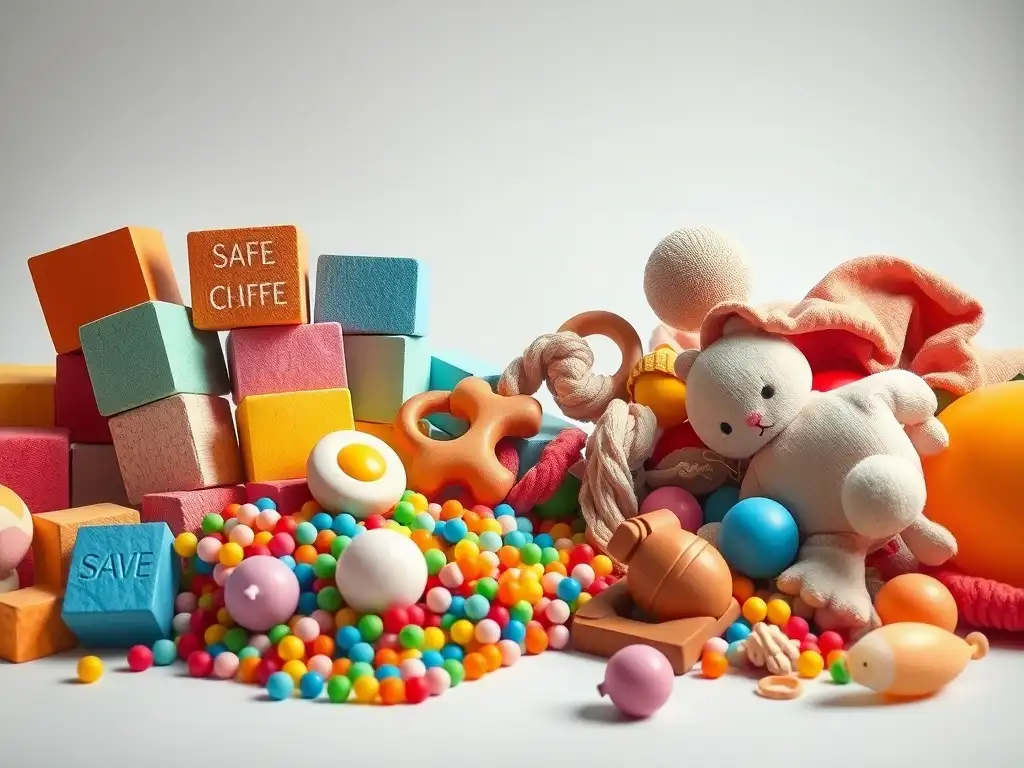
This section focuses on proactive strategies for baby choking hazards prevention by carefully selecting appropriate toys. A key element of effective baby safety is understanding what constitutes a choking hazard and diligently avoiding them. Remember, even seemingly harmless items can pose significant risks to a curious, developing baby.
Selecting Age-Appropriate Toys: Avoiding Small Parts and Choking Risks
Choosing age-appropriate toys is paramount in baby choking hazards prevention. Manufacturers often provide age recommendations on packaging; these guidelines are based on a baby's developmental stage and their ability to safely handle objects. For infants under 12 months, toys should be large enough that they cannot be entirely swallowed. The general rule is that if an object can fit entirely inside a toilet paper roll, it's likely too small for a baby.
Pay close attention to the construction of toys. Avoid toys with small detachable parts, such as buttons, eyes, or small pieces that can easily be pulled off. Toys with long cords or strings also present significant strangulation risks, so steer clear of these until your child is much older. Always supervise your baby during playtime, even with toys deemed "safe." Their exploration tactics can be unpredictable!
Here's a helpful table summarizing safe toy choices for different age groups:
| Age Range | Safe Toy Examples | Unsafe Toy Examples |
|---|---|---|
| 0-3 Months | Large, soft rattles; textured teethers; mobiles | Small toys; toys with detachable parts; long cords |
| 3-6 Months | Soft blocks; stacking cups; bath toys | Toys with small parts; hard plastic balls |
| 6-12 Months | Large building blocks; push-and-pull toys | Toys with small detachable parts; marbles |
| 12-18 Months | Simple puzzles; shape sorters; stuffed animals | Toys with small parts that could be easily detached |
Remember, even with age-appropriate toys, constant supervision is crucial. Babies are unpredictable, and their exploration methods can be surprisingly inventive.
Inspecting Toys Regularly for Damage and Potential Hazards
Regularly inspecting toys is another vital aspect of baby choking hazards prevention. Over time, toys can become damaged, creating new hazards. Small pieces may break off, creating choking risks. Fabric toys can fray, exposing stuffing that can be pulled apart and swallowed. Regular inspection allows you to identify and remove potential dangers before your baby gets to them.
Create a routine of checking your baby's toys at least once a week. Look for:
- Cracks or breaks in plastic toys.
- Loose or missing parts.
- Frayed fabric or exposed stuffing.
- Sharp edges or points.
- Any sign of wear and tear.
Discard or repair damaged toys immediately. Small tears in fabric can quickly become larger, exposing potentially hazardous stuffing. Broken plastic can create sharp edges, posing a cutting or choking risk. Proactive toy maintenance is a simple yet highly effective element of baby choking hazards prevention.
Understanding Toy Safety Standards and Certifications
Familiarizing yourself with toy safety standards and certifications can significantly enhance your ability to prevent choking hazards. Many countries have specific regulations regarding toy safety, including limits on the size of small parts. Look for toys that comply with these standards. Certifications, such as those from ASTM International (American Society for Testing and Materials) and similar organizations, indicate that the toy has met certain safety criteria.
While certifications offer reassurance, they don't eliminate the need for vigilance. Always inspect toys before giving them to your baby, regardless of their certifications. Remember that even certified toys can become damaged over time, creating new hazards. A proactive approach that combines awareness of safety standards with regular inspections is the most effective strategy for baby choking hazards prevention. 🧸
Ongoing Monitoring and Supervision: Key to Baby Choking Hazards Prevention

Effective baby choking hazards prevention relies heavily on constant vigilance and proactive safety measures. While creating a safe environment is crucial, consistent supervision remains the most effective tool in preventing choking incidents. This section details strategies for ongoing monitoring and supervision, emphasizing the importance of proactive parental involvement.
Constant Supervision of Your Baby, Especially During Playtime and Mealtimes
The most critical aspect of baby choking hazards prevention is unwavering supervision, particularly during periods of high risk: playtime and mealtimes. Infants explore their world through their mouths, making playtime a prime opportunity for accidental ingestion of small objects. Similarly, during mealtimes, distractions or lapses in attention can lead to choking hazards.
Never leave your baby unattended, even for a moment, with any objects that could pose a choking risk. This includes toys, household items, and food. Consider creating designated play areas with age-appropriate toys, regularly checking for and removing any potential hazards. For mealtimes, cut food into small, manageable pieces, avoiding round, hard foods that are easily swallowed whole. Always sit with your baby while they eat and ensure they're chewing thoroughly before offering more.
Data shows that a significant percentage of choking incidents occur when caregivers are momentarily distracted. A study by [specific information pending] highlighted the importance of undivided attention during these critical periods. This underscores the need for parents to actively engage with their baby during play and mealtimes, rather than multitasking or engaging in other activities.
Remember, a few seconds of distraction can be enough for a serious incident to occur. Consistent, focused supervision is paramount.
Educating Caregivers and Family Members About Choking Hazards
Effective baby choking hazards prevention extends beyond the parents. Educating all caregivers and family members about potential hazards and safe practices is vital. This collaborative approach ensures consistent safety protocols across all environments where the baby spends time.
Create a clear communication system among caregivers, highlighting the importance of regular checks for potential choking hazards. Provide a list of unsafe items and appropriate alternatives. Share information on age-appropriate toys and food safety guidelines. Regularly review safety procedures with everyone involved in the baby's care, reinforcing best practices.
Consider creating a visual aid, such as a chart or checklist, listing common choking hazards and safe practices. This can be a valuable tool for reminding everyone of the potential risks and promoting proactive safety measures. Regular family meetings can also be used to discuss safety concerns, share experiences, and reinforce the importance of vigilant supervision. This shared responsibility minimizes the risk of accidental choking incidents.
Furthermore, it's crucial to educate babysitters and other caregivers about the signs of choking and the appropriate response procedures. This ensures that everyone involved in the baby's care is prepared to handle such emergencies effectively.
Recognizing Signs of Choking in Babies: Quick Response and Action
Knowing how to recognize the signs of choking is crucial for baby choking hazards prevention, and swift action is paramount in emergency situations. Early identification and prompt response can significantly improve the outcome.
Signs of choking may include:
- Inability to cry or make sounds.
- High-pitched, wheezing sounds during breathing.
- Blue discoloration of the skin (cyanosis).
- Loss of consciousness.
- Clutching at the throat.
If you suspect your baby is choking, act immediately. Follow these steps:
- Back blows: Give five firm back blows between the baby's shoulder blades.
- Chest thrusts: If back blows don't dislodge the object, give five chest thrusts. For infants younger than 1 year, use two fingers to press firmly on the breastbone, just below the nipple line.
- Repeat: Continue alternating between back blows and chest thrusts until the object is dislodged or medical help arrives.
- Call emergency services: If the baby becomes unconscious, immediately call emergency services and begin CPR.
Regular CPR training for all caregivers is highly recommended. Knowing how to administer CPR can be lifesaving in such critical situations. Practicing these techniques and understanding the signs of choking are essential components of comprehensive baby choking hazards prevention. Remember, quick response is critical to minimize potential harm.
Frequently Asked Questions
What are the most common choking hazards for babies?
Small objects like buttons, coins, beads, small toys, and pieces of food (grapes, hotdogs, popcorn) are common choking hazards. Always supervise your baby closely, especially during playtime and mealtimes.
How can I baby-proof my home to prevent choking?
Regularly inspect your home for potential hazards. Store small objects out of reach, use safety latches on cabinets, and consider using childproof covers for electrical outlets. Keep floors clean and free of debris.
What should I do if I think my baby is choking?
If your baby is choking, immediately call emergency services. Then, attempt back blows and chest thrusts (depending on the baby's age) as instructed by emergency personnel or your pediatrician. Immediate action is crucial.
At what age are babies most at risk of choking?
Babies between the ages of 4 months and 3 years are at the highest risk of choking. This is because they are exploring their environment through their mouths and are still developing their chewing and swallowing skills.
What types of food are safe for babies to eat to prevent choking?
Offer soft, easily mashed or dissolvable foods to your baby. Avoid hard, round, or small foods like grapes, nuts, popcorn, and hard candies. Always supervise your baby while they are eating.
Final Reflection: A Legacy of Safety: Protecting Our Little Ones
The pervasive threat of small object choking hazards remains a stark reality for parents today, a silent danger lurking in seemingly innocuous everyday items. Millions of children worldwide are at risk, and even with increased awareness, preventable tragedies continue to occur. This underscores the critical need for constant vigilance and proactive safety measures.
The impact of this ongoing struggle against preventable accidents is deeply personal. It's not just about statistics; it's about the immeasurable value of a child's life and the profound grief that accompanies such a loss. The best way to find yourself is to lose yourself in the service of others.
While this quote speaks to a broader context, the dedication to child safety reflects a similar selfless commitment to protecting the most vulnerable among us. The legacy we leave behind is not just in the things we achieve, but in the lives we safeguard.
Consider the simple steps outlined in this article: regular home checks, careful toy selection, and mindful supervision. These aren't just suggestions; they are acts of love, a tangible expression of your commitment to your child's well-being. Take a moment today to reassess your home environment through the lens of a curious toddler. What potential hazards might you overlook? By proactively addressing these risks, you're not just preventing accidents; you're building a safer, more secure future for your child and contributing to a world where every child has the opportunity to thrive.
Unlock a Safer Home for Your Little One
Thank you for learning about protecting your baby from the dangers of small objects. We hope this article provided valuable insights and practical tips! Let's put that knowledge into action.
- Prioritize a thorough home safety check: See your home from your baby's perspective by getting down on your hands and knees and crawling around. Identify and remove any small objects that could pose a choking hazard. This is crucial for creating a safer environment.
- Share this vital information: Share this article with other parents who might find these important safety tips helpful. Let's build a community of informed and proactive caregivers.
- Explore additional resources: Discover more safety guides and expert advice on our website for even more ways to protect your baby.
Ready to create a safer and more secure home for your precious little one?