
The AllergyFree Nursery: Creating a Safe Space for Baby

Welcome to BabyCareHub, your ultimate guide to navigating the incredible journey of parenthood! Are you ready to create the perfect haven for your little one? Then you're in the right place. Our comprehensive resources cover everything from feeding schedules to developmental milestones, but we know that ensuring your baby's safety is paramount. Discover our essential Baby AllergySafe Nursery Guide – a crucial step in building a healthy and happy home for your precious newborn. Let's dive in and explore how to create a truly allergy-free sanctuary!
- Understanding Baby Allergies and Your Nursery Environment
-
Preparing Your Nursery: A Step-by-Step Guide
- Choosing Allergy-Friendly Paints and Finishes for Baby's Room
- Selecting Safe Flooring and Carpeting Options
- Selecting Safe Bedding: Hypoallergenic Crib Mattresses, Sheets, and Blankets
- Choosing Allergy-Safe Furniture: Materials and Finishes
- Decluttering and Minimizing Allergens in the Nursery
- The Role of Air Purifiers and Humidifiers in Allergy Prevention
- Cleaning and Maintaining an Allergy-Safe Nursery
- Managing Allergens During Baby's Daily Routine
- Creating a Calming and Safe Atmosphere for Baby
- When to Seek Professional Help for Baby Allergies
- Resources and Further Information on Baby Allergy Prevention
- Frequently Asked Questions
- Final Reflection: Nurturing a Future Free from Allergy Fears
- Unveil Your Baby's Allergy-Free Haven
Understanding Baby Allergies and Your Nursery Environment
Creating a safe and nurturing environment for your newborn is paramount, and a crucial aspect of this involves understanding and mitigating potential allergy triggers. This comprehensive guide, designed to help you build an allergy-safe nursery, delves into identifying common allergens, assessing your baby's risk, and implementing practical strategies for minimizing exposure. Navigating the world of baby allergies can feel overwhelming for first-time parents, but with careful planning and proactive measures, you can significantly reduce your little one's risk of developing allergic reactions.
This guide serves as your roadmap to creating a haven where your baby can thrive, free from the discomfort and potential health complications associated with allergies. We'll explore practical steps to transform your nursery into a sanctuary of safety and comfort, focusing on preventative measures and creating a healthy environment for your precious baby. Remember, preventing exposure is often the most effective strategy in allergy management.
Identifying Common Baby Allergens in the Nursery
The nursery, seemingly a haven of innocence and soft toys, can harbor a surprising number of potential allergens. Knowing what to look for is the first step in creating an allergy-safe space. Common culprits include:
- Dust mites: These microscopic creatures thrive in mattresses, carpets, curtains, and soft furnishings. Their feces and body parts are potent allergens.
- Pet dander: Even if pets aren't allowed in the nursery, dander can easily be carried on clothing. Cats and dogs are frequent allergy triggers.
- Pollen: Pollen can be carried indoors on clothing and shoes, especially during allergy season. Consider using air purifiers with HEPA filters.
- Mold: Damp areas, such as poorly ventilated rooms or areas with leaks, can foster mold growth, leading to respiratory problems and allergic reactions.
- Cleaning products: Strong chemical cleaning agents can irritate your baby's sensitive skin and respiratory system. Opt for hypoallergenic cleaning products.
- Latex: Certain baby products, such as pacifiers or toys, may contain latex, a common allergen. Look for latex-free alternatives.
- Certain fabrics: Some fabrics, such as wool or synthetic materials, can irritate sensitive skin and trigger allergic reactions. Choose natural, breathable fabrics like cotton.
Regular cleaning is crucial. Consider using a vacuum cleaner with a HEPA filter to remove dust mites and other allergens from carpets and upholstery. Regularly wash bedding in hot water (at least 130°F) to kill dust mites. Air purifiers with HEPA filters can significantly reduce airborne allergens. Remember to always check product labels for potential allergens.
Assessing Your Baby's Allergy Risk Factors
Understanding your baby's allergy risk is crucial in determining the level of precaution needed. Several factors can influence a baby's susceptibility to allergies:
- Family history: A family history of allergies (eczema, asthma, hay fever) significantly increases the risk.
- Premature birth: Premature babies often have a weaker immune system, making them more vulnerable to allergies.
- Exposure to allergens during pregnancy: Maternal exposure to certain allergens during pregnancy can influence a baby's risk.
- Feeding choices: The timing of introducing solid foods and the type of food introduced can impact allergy development; consult with your pediatrician.
It's essential to consult your pediatrician to discuss your baby's specific risk profile and devise a personalized allergy management plan. They can assess your family history, conduct appropriate tests, and provide tailored advice. Early identification and intervention are key in managing allergies effectively. Regular check-ups are crucial to monitor your baby's health and address any emerging concerns.
The Importance of a Clean and Allergen-Free Nursery for Baby
Maintaining a meticulously clean and allergen-free nursery is not merely a matter of tidiness; it's a critical step in protecting your baby's health. A clean nursery minimizes exposure to allergens, reducing the likelihood of allergic reactions and respiratory problems. The benefits extend beyond immediate allergy prevention, fostering a healthier environment overall for your baby's well-being.
This includes regular cleaning, using hypoallergenic cleaning products, and regularly washing bedding and soft furnishings in hot water. Air purification systems with HEPA filters are also highly beneficial. Choosing hypoallergenic materials for bedding and toys reduces the risk of skin irritations and allergic responses. Remember, a proactive approach to nursery hygiene is an investment in your baby's long-term health and happiness. Regularly airing out the room also helps to reduce the concentration of indoor allergens and maintain a fresh environment. A clean and well-maintained nursery contributes significantly to a healthy and happy baby.
Preparing Your Nursery: A Step-by-Step Guide
This section provides a detailed guide to creating an allergy-safe nursery, minimizing exposure to common allergens for your baby. We'll cover crucial aspects of nursery preparation, focusing on material selection and environmental control to ensure a healthy and comfortable space for your little one. This guide serves as a valuable resource for parents seeking a comprehensive Baby allergysafe nursery guide.
Choosing Allergy-Friendly Paints and Finishes for Baby's Room
Selecting the right paint and finishes for your baby's nursery is paramount in minimizing allergen exposure. Volatile organic compounds (VOCs) released by many paints can irritate your baby's respiratory system and contribute to allergies. Opt for paints explicitly labeled as low-VOC or zero-VOC. These paints emit significantly fewer harmful chemicals, creating a cleaner air environment.
Several brands specialize in low-VOC or zero-VOC paints specifically designed for nurseries. These paints often undergo rigorous testing to ensure they meet stringent safety standards. Look for certifications from reputable organizations that validate their low-VOC claims. Remember to always check the product label for detailed information on VOC content and safety certifications. This diligent approach to paint selection ensures a healthier breathing environment for your baby, reducing the risk of allergy triggers.
Beyond paint, consider the finishes used on furniture and other nursery items. Avoid varnishes and sealants containing high levels of VOCs. Look for water-based finishes or those explicitly labeled as low-VOC. Natural alternatives, such as beeswax finishes, can offer an eco-friendly and allergy-safe option. A thorough review of all finishes used in the nursery will contribute significantly to a safer environment for your baby.
Selecting Safe Flooring and Carpeting Options
Flooring choices significantly impact the overall air quality within the nursery. Carpets, while cozy, can trap dust mites, a common allergen for babies. Hardwood floors, tile, or laminate are generally better options as they are easier to clean and less likely to harbor allergens. If you prefer carpeting, choose low-pile, hypoallergenic options made from synthetic fibers that are less likely to retain allergens. Regular vacuuming with a HEPA filter vacuum is essential, regardless of your flooring choice, to remove dust mites and other allergens.
Consider the following when selecting flooring:
| Flooring Type | Allergy-Friendliness | Pros | Cons |
|---|---|---|---|
| Hardwood | High | Easy to clean, durable | Can be expensive, cold underfoot |
| Tile | High | Easy to clean, durable, water-resistant | Can be cold underfoot, hard surface |
| Laminate | Medium | Relatively inexpensive, durable | Can be less durable than hardwood/tile |
| Low-Pile Synthetic Carpet | Low | Soft, comfortable | Requires regular cleaning, can trap allergens |
Regular cleaning is key to maintaining a clean and allergen-free floor. For hardwood and tile floors, regular mopping with a hypoallergenic cleaner is sufficient. For carpets, vacuuming at least twice a week with a HEPA filter vacuum is recommended.
Selecting Safe Bedding: Hypoallergenic Crib Mattresses, Sheets, and Blankets
Bedding choices are crucial in creating an allergy-safe nursery. Your baby will spend a considerable amount of time in their crib, so selecting hypoallergenic materials is essential to minimize exposure to allergens.
- Crib Mattress: Choose a crib mattress with a waterproof cover and made from hypoallergenic materials such as cotton or synthetic fibers. Avoid mattresses with foam cores that might off-gas chemicals. Look for certifications indicating low VOC emissions.
- Sheets: Opt for 100% cotton sheets, as they are breathable and less likely to cause allergies. Avoid synthetic fabrics that can trap allergens. Wash sheets regularly in hot water to kill dust mites.
- Blankets: Choose lightweight blankets made from hypoallergenic materials, such as cotton or organic cotton. Avoid plush blankets or those with excessive stuffing, as these can trap allergens. Consider using a sleep sack instead of a blanket for infants to minimize the risk of suffocation.
Regular washing of all bedding in hot water is crucial for maintaining a clean and allergen-free environment. Using a hypoallergenic laundry detergent can further reduce the risk of skin irritation. Remember, a clean and well-maintained crib is essential for a healthy and allergy-safe sleep environment for your baby. Following these guidelines will contribute significantly to your baby's well-being and reduce the chances of developing allergies.
Choosing Allergy-Safe Furniture: Materials and Finishes
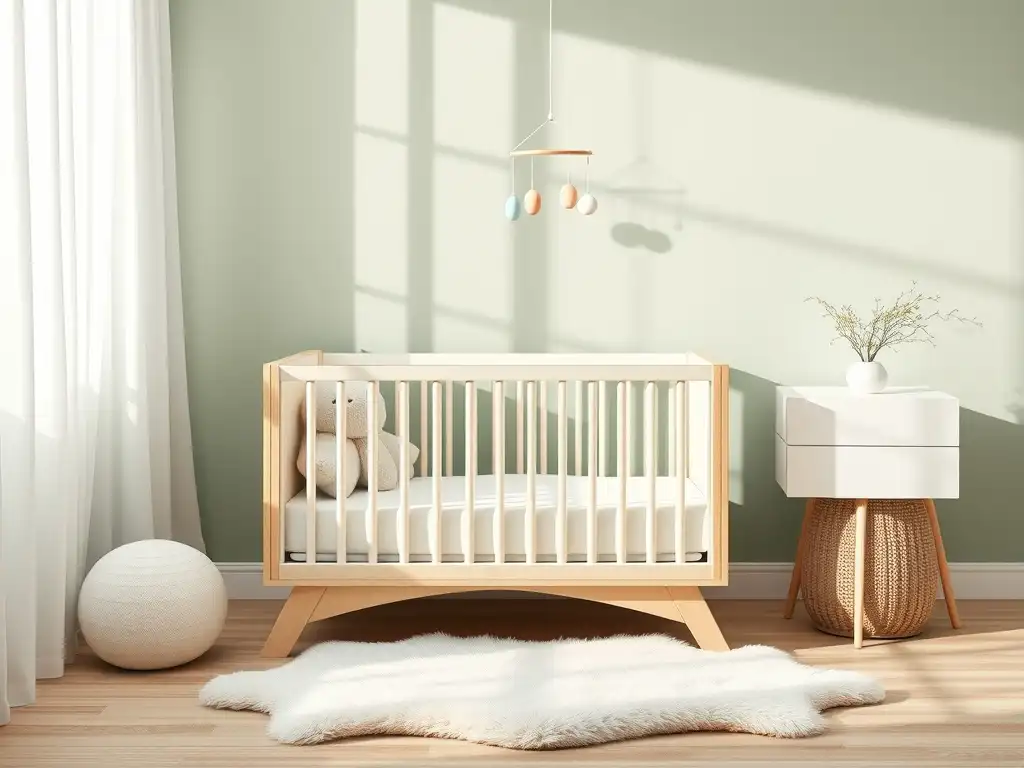
Choosing the right furniture for your baby's nursery is crucial, especially when aiming for an allergy-safe environment. Avoid materials known to trigger allergies or irritate sensitive skin. Solid wood furniture is generally a safer bet than particleboard or MDF (medium-density fiberboard), which can off-gas formaldehyde, a known irritant. Opt for furniture made from hardwoods like oak, maple, or cherry, ensuring they are finished with non-toxic paints and sealants.
Look for certifications like GREENGUARD Gold, which indicates low emissions of volatile organic compounds (VOCs). Always check the manufacturer's information for details on materials and finishes. Pay close attention to the finish; water-based paints are significantly safer than oil-based paints, which can release harmful VOCs for a longer period. Consider the durability of the chosen materials; solid wood is more resilient to wear and tear, and less likely to harbor dust mites than some alternatives.
Regular cleaning will also be easier with solid wood. Remember to thoroughly clean any new furniture before bringing it into the nursery to remove any dust or residue from manufacturing. This initial cleaning is a key step in your baby allergy-safe nursery guide.
Decluttering and Minimizing Allergens in the Nursery
A clutter-free nursery is an allergy-friendly nursery. The fewer items present, the less surface area for dust mites, pet dander, and other allergens to accumulate. Before your baby arrives, meticulously declutter the space. Remove unnecessary items like extra blankets, stuffed animals (unless they are washable and hypoallergenic), and decorative pillows. Keep the crib bare, except for a fitted sheet and a thin blanket if needed.
Regular washing of bedding and clothing in hot water is essential. Choose hypoallergenic bedding made from natural fibers like cotton or bamboo. Avoid synthetic fabrics, which can trap allergens and moisture. Consider using washable mattress covers and pillow protectors to create an additional barrier against allergens.
Regular vacuuming with a HEPA filter vacuum cleaner is vital. These vacuums are designed to trap smaller particles, including allergens, more effectively than traditional vacuums. Remember, a minimalist approach is key to minimizing the allergens in your baby's sleeping area, a crucial element of your baby allergy-safe nursery guide. Focus on functionality and easy cleaning rather than aesthetic excess.
The Role of Air Purifiers and Humidifiers in Allergy Prevention
Air purifiers and humidifiers can play a significant role in creating an allergy-safe environment for your baby. High-quality air purifiers equipped with HEPA filters are highly effective at removing airborne allergens such as dust mites, pollen, and pet dander. Look for purifiers with a high clean air delivery rate (CADR) for optimal performance. Consider the size of the nursery when selecting a purifier to ensure adequate coverage. Regularly replace or clean the filters according to the manufacturer's instructions.
Maintaining proper humidity levels is also important. Extremely dry air can irritate your baby's respiratory system and worsen allergy symptoms. A cool-mist humidifier can help maintain optimal humidity levels, typically between 30% and 50%. However, remember to clean humidifiers regularly to prevent the growth of mold and mildew, which are significant allergens themselves. Over-humidification can also create a breeding ground for mold, so monitor the humidity levels carefully.
Both air purifiers and humidifiers require regular maintenance to ensure they are functioning effectively and not contributing to allergy problems. These devices, used correctly, are strong allies in your baby allergy-safe nursery guide. Remember to always follow the manufacturer's instructions for safe and effective use.
Cleaning and Maintaining an Allergy-Safe Nursery
Creating an allergy-safe nursery requires diligent cleaning and maintenance to minimize exposure to allergens. This goes beyond simple tidiness; it's about implementing strategies to reduce dust mites, pet dander, mold, and other potential irritants. A proactive approach is key to protecting your baby's delicate respiratory system and overall well-being. Remember, consistency is crucial in maintaining a healthy environment for your little one. This section will guide you through effective techniques and product choices to ensure your baby's nursery remains a safe haven.
Effective Cleaning Techniques for Allergy-Free Baby's Room
Regular and thorough cleaning is paramount in an allergy-safe nursery. This involves more than just a quick wipe-down. Consider these strategies for optimal allergen reduction:
- Dusting: Use a damp microfiber cloth or a specialized electrostatic duster to trap dust particles rather than dispersing them into the air. Avoid feather dusters, as they tend to spread allergens. Dust regularly, focusing on high surfaces like shelves and ceiling fans. Aim for at least twice a week.
- Vacuuming: Invest in a high-efficiency particulate air (HEPA) filter vacuum cleaner. HEPA filters effectively capture microscopic allergens, significantly reducing their presence in the air. Vacuum carpets and rugs thoroughly, paying close attention to corners and edges. Consider vacuuming at least once a week, or more frequently if needed.
- Mopping: Hardwood floors and tile are easier to clean and maintain than carpets. Mop floors regularly with a damp mop and a hypoallergenic cleaning solution. Avoid using excessive water, as this can lead to mold growth.
- Washing Soft Furnishings: Regularly wash blankets, stuffed animals (check care labels! ), and curtains in hot water (at least 130°F) to kill dust mites. Air dry these items completely to prevent mold growth. A good rule of thumb is to wash these items every two weeks.
- Air Filtration: Using an air purifier with a HEPA filter can significantly reduce airborne allergens. Place the purifier in the baby's room and run it regularly, especially during allergy seasons.
Choosing Safe Cleaning Products for Baby's Nursery
The cleaning products you choose are just as important as the cleaning techniques themselves. Harsh chemicals can irritate your baby's sensitive skin and respiratory system. Prioritize hypoallergenic and fragrance-free options. Look for products specifically labeled as "baby-safe" or "allergy-friendly."
Here's a checklist of things to consider when selecting cleaning products:
| Feature | Description | Example |
|---|---|---|
| Hypoallergenic | Free from harsh chemicals and fragrances that can trigger allergic reactions. | Many brands offer hypoallergenic cleaning solutions. |
| Fragrance-Free | Lacks artificial fragrances that can irritate sensitive skin and lungs. | Look for labels explicitly stating "fragrance-free." |
| Natural Ingredients | Made with plant-based ingredients and avoids synthetic chemicals. | Products using essential oils (in moderation). |
| Non-Toxic | Safe for use around babies and children, with minimal environmental impact. | Check for certifications like Green Seal. |
Remember to always follow the product's instructions carefully and ensure proper ventilation during and after cleaning.
Laundry Practices for Allergy-Sensitive Babies: Detergents and Fabrics
Laundry practices play a significant role in maintaining an allergy-safe nursery. The choice of detergent and fabrics can significantly impact your baby's exposure to allergens and irritants.
- Detergents: Opt for hypoallergenic, fragrance-free, and dye-free laundry detergents specifically designed for sensitive skin. Avoid using fabric softeners, as they can leave residue that may irritate your baby's skin. Consider using a free and clear detergent.
- Fabrics: Choose natural, breathable fabrics like cotton and linen for your baby's bedding, clothing, and other textiles. These materials are less likely to trigger allergic reactions than synthetic fabrics. Avoid using materials like polyester or nylon.
- Washing Instructions: Always wash new items before your baby uses them to remove any manufacturing residue. Wash all baby clothes and bedding in hot water (at least 130°F) to kill dust mites and other allergens. Thorough rinsing is crucial to eliminate detergent residue.
- Drying: Air drying is generally preferred to prevent the buildup of allergens from dryer sheets. If using a dryer, avoid dryer sheets and opt for dryer balls instead.
By diligently following these cleaning and laundry practices, you can significantly reduce allergen exposure in your baby's nursery and contribute to a healthier environment for your little one. Remember, consistent effort is key to maintaining an allergy-safe space. 👶
Regularly Cleaning and Replacing Air Filters
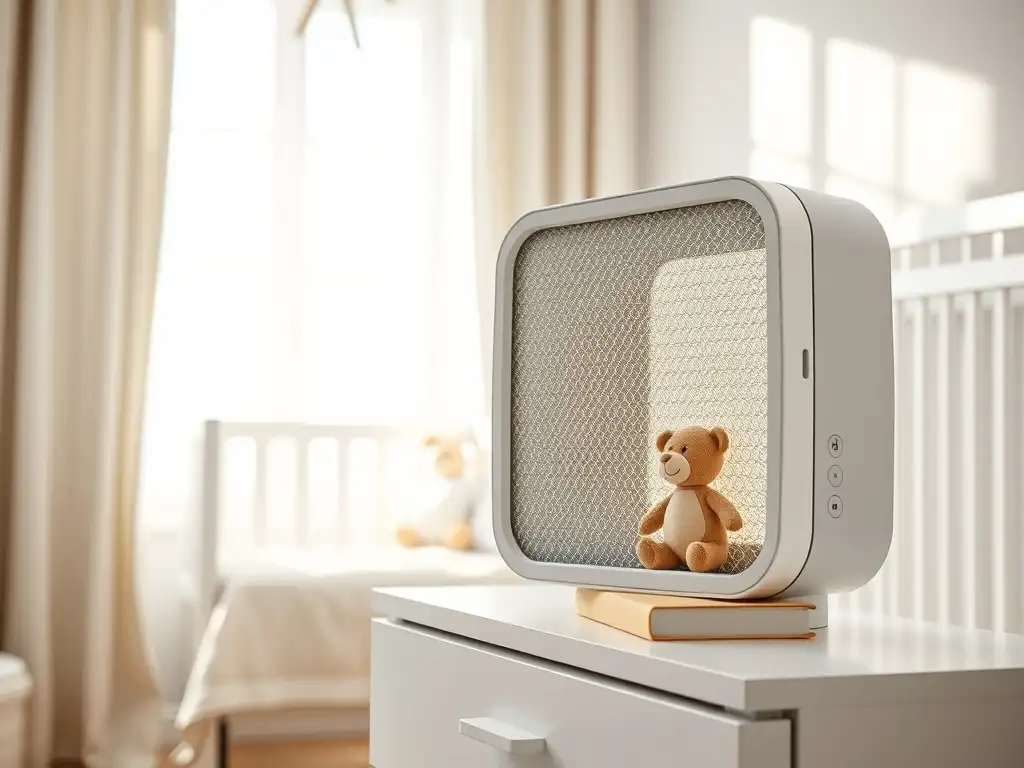
Maintaining clean air filters is crucial in an allergy-safe nursery. Airborne allergens like dust mites, pollen, and pet dander can significantly impact a baby's respiratory health. Regularly cleaning or replacing your HVAC system's air filters reduces the concentration of these allergens in the baby's room. Aim to clean or replace your filters at least every 30 days, or more frequently if you notice significant dust accumulation or a decrease in air flow.
For washable filters, carefully follow the manufacturer's instructions for cleaning; often, this involves vacuuming the filter thoroughly and allowing it to completely dry before reinstalling. For disposable filters, simply replace them with a new, clean filter of the same type and size. Remember to check your filter's condition regularly; a clogged filter restricts airflow, reducing the effectiveness of your HVAC system and potentially leading to increased allergen buildup in the room. Investing in high-efficiency particulate air (HEPA) filters can further enhance air quality by trapping even smaller particles.
Consider using a portable air purifier with a HEPA filter in addition to your HVAC system's filter, especially during allergy seasons. This layered approach offers optimal protection against airborne allergens. Regular maintenance of your air filtration system is a simple yet highly effective strategy in creating a healthy and allergy-safe environment for your baby. Remember to always keep receipts and warranty information for all allergy-related products for future reference.
Vacuuming and Dusting Regularly
Regular vacuuming and dusting are essential components of maintaining an allergy-safe nursery. Dust mites, a common allergen, thrive in carpets, rugs, and upholstered furniture. Vacuuming thoroughly at least twice a week, using a vacuum cleaner with a HEPA filter, effectively removes dust mites and their feces, which are primary allergy triggers. Pay special attention to areas under beds, behind furniture, and in corners, where dust mites tend to accumulate.
When dusting, use a damp microfiber cloth to trap dust particles rather than spreading them into the air. Avoid feather dusters, as they can simply redistribute allergens. Focus on frequently touched surfaces like cribs, changing tables, and toys. Regularly washing soft furnishings, like curtains, blankets, and stuffed animals, in hot water (at least 130°F) further helps eliminate dust mites.
Consider using allergen-proof mattress and pillow covers to prevent dust mites from penetrating bedding. These covers are tightly woven to prevent dust mites from entering and can be easily washed to maintain cleanliness. By implementing a consistent vacuuming and dusting routine, you significantly reduce the presence of dust mites and other allergens in your baby's nursery, improving their overall well-being. Remember, consistency is key; a regular cleaning schedule is far more effective than infrequent, thorough cleanings.
Cleaning Hard Surfaces
Maintaining a clean nursery also involves meticulous care of hard surfaces. These surfaces can accumulate dust, allergens, and germs, impacting the baby's health. Regularly wipe down hard surfaces such as floors, countertops, and furniture with a damp cloth and a mild, non-toxic cleaner. Avoid harsh chemicals, as these can irritate your baby's sensitive skin and respiratory system.
Opt for natural cleaning solutions, such as a mixture of water and white vinegar, which effectively cleans without harmful chemicals. After cleaning, ensure surfaces are thoroughly dried to prevent mold and mildew growth. Pay particular attention to areas such as the crib, changing table, and toy shelves, which are frequently touched and prone to accumulating germs.
For particularly stubborn stains or spills, use a suitable non-toxic stain remover, always following the manufacturer's instructions. Regular cleaning of hard surfaces not only minimizes allergen exposure but also creates a hygienic environment for your baby, promoting their overall health and well-being. Remember to always test any cleaning product on a small, inconspicuous area first to check for any adverse reactions.
Managing Allergens During Baby's Daily Routine
This section focuses on practical strategies for minimizing allergen exposure in your baby's daily life, complementing the creation of an allergy-safe nursery. Remember, consistency is key in managing allergies. A well-planned routine can significantly reduce your baby's exposure to potential triggers. This isn't just about the nursery; it's about the entire environment your baby interacts with.
Reducing Dust Mites and Other Allergens in Baby's Room
Dust mites are microscopic creatures that thrive in bedding, carpets, and upholstered furniture. Their waste products are potent allergens. To minimize their presence:
- Wash bedding weekly in hot water (at least 130°F): This kills dust mites and removes their allergens. Use hypoallergenic detergent to further reduce irritants.
- Encase your mattress and pillows in allergen-impermeable covers: These covers prevent dust mites from entering and breeding within your baby's bedding. Think of them as a protective barrier.
- Choose washable, non-plush toys: Avoid stuffed animals, as they are notorious dust mite collectors. Opt for toys that can be easily cleaned.
- Regularly vacuum and clean floors: Use a vacuum cleaner with a HEPA filter to trap dust mites and other allergens. Consider damp mopping hard floors to further reduce airborne particles.
- Minimize clutter: Less clutter means fewer places for dust mites and other allergens to accumulate. A clean, uncluttered room is a healthier room.
- Maintain low humidity: Dust mites thrive in humid environments. Use a dehumidifier if necessary to keep humidity levels below 50%. Regular airing of the room also helps.
Regular cleaning is a crucial element of an allergy-safe nursery. Consider using a specialized cleaning solution designed to kill dust mites for a more effective cleaning routine. Remember to always follow the product instructions carefully.
Preventing Pet Dander Exposure in Baby's Nursery
Pets, while beloved family members, can be significant sources of allergens for babies. To minimize exposure:
- Keep pets out of the nursery: This is the most effective method. Designate pet-free zones within your home, ensuring the nursery is one of them.
- Bathe pets regularly: Regular bathing can reduce the amount of dander they shed. Consult your veterinarian for advice on appropriate bathing frequency and products.
- Use HEPA air purifiers: These purifiers can help filter pet dander from the air, reducing your baby's exposure. Regular filter changes are essential for optimal performance.
- Wash your hands thoroughly after handling pets: This prevents the transfer of pet dander to your baby. This simple step can make a big difference.
- Consider allergy testing for your pet: Some pets produce more allergens than others. Allergy testing can help you understand the specific allergens your pet produces and inform your management strategy.
Remember that even with preventative measures, some pet dander will likely be present in the home. Regular monitoring of your baby's symptoms is crucial for identifying any reactions.
Handling Food Allergies in the Nursery and Surrounding Areas
Food allergies can manifest in various ways, even indirectly affecting the nursery environment.
- Avoid bringing food into the nursery: Crumbs and airborne particles from food can trigger reactions. Keep the nursery a food-free zone.
- Wash your hands before handling your baby: This is crucial to prevent the transfer of food allergens from your hands to your baby's skin or mouth.
- Be mindful of what you wear near your baby: If you've handled food, change your clothes before interacting with your baby to prevent the transfer of allergens.
- Clean highchairs, feeding areas, and other surfaces thoroughly: Food residue can linger and cause problems. Regular cleaning is essential. Pay particular attention to crevices and hard-to-reach areas.
- If breastfeeding, carefully monitor your diet: Certain foods you consume can transfer to your breast milk and trigger reactions in your baby. Consult your pediatrician or a registered dietitian for guidance.
Careful attention to food management, both in and around the nursery, is a vital step in creating a safe space for your baby, minimizing the risk of allergic reactions. Maintaining a meticulous cleaning routine is paramount. Remember to always consult with your pediatrician or an allergist for personalized advice based on your baby's specific needs and allergies. Early identification and management are key to minimizing the impact of allergies on your baby's health and development.
Dealing with Pollen and Other Outdoor Allergens in the Nursery
Pollen, a significant allergen for many, presents a unique challenge in creating an allergy-safe nursery. While completely eliminating pollen exposure is impossible, minimizing its presence significantly reduces your baby's risk of allergic reactions. This requires a multi-pronged approach focusing on air filtration, preventative measures, and regular cleaning.
One crucial step is investing in a high-quality air purifier equipped with a HEPA filter. HEPA filters are designed to trap particles as small as 0.3 microns, effectively removing a large percentage of pollen from the air. Consider the size of your nursery when choosing a purifier; larger rooms require more powerful models. Remember to regularly change the filter according to the manufacturer's recommendations, as a clogged filter loses its effectiveness. Furthermore, running the air purifier consistently, especially during pollen season, will create a cleaner and safer environment for your baby.
Beyond air purification, preventative measures significantly reduce pollen's impact. Keep windows and doors closed, especially during peak pollen hours (usually early morning and late afternoon). If you need ventilation, use an air conditioner with a HEPA filter, or consider using a window screen designed to block pollen. Regularly changing and washing bedding, including crib sheets, blankets, and mattress covers, also minimizes pollen accumulation. Opt for hypoallergenic materials where possible. Remember to wash these items in hot water to effectively kill pollen and other allergens.
Regular cleaning is paramount. Dust and vacuum frequently, paying particular attention to areas where pollen tends to accumulate, such as window sills, corners, and under furniture. Use a vacuum cleaner with a HEPA filter to prevent the re-circulation of allergens during cleaning. Damp dusting is also beneficial as it traps pollen particles instead of dispersing them into the air.
Consider using a microfiber cloth for its superior dust-trapping capabilities. A thorough, regular cleaning routine significantly contributes to a pollen-minimized environment in your baby's nursery. Remember, consistency is key; a one-time cleaning is not enough to significantly impact your baby's exposure to pollen.
Regularly monitor your baby's health and reactions. If you observe symptoms like sneezing, coughing, itchy eyes, or skin rashes, consult your pediatrician immediately. Early identification and intervention are crucial in managing allergies. Keep a detailed record of your baby's reactions and environmental factors to help identify triggers and inform future decisions regarding allergen management. This detailed record can be invaluable when discussing your concerns with a pediatrician or allergist. Remember, your vigilance and proactive approach are essential in creating a safe and healthy nursery for your little one.
Creating a Calming and Safe Atmosphere for Baby
Creating a safe and calming nursery is crucial for all babies, but it takes on added significance when dealing with allergies. A peaceful environment can minimize stress, contributing to a healthier baby and potentially reducing allergy symptoms. This section focuses on establishing a nursery that prioritizes both safety and tranquility, key components of a successful allergy-safe nursery guide.
The Importance of a Relaxing Environment for Babies with Allergies
A baby's environment significantly impacts their well-being, especially for those with allergies. Stress and agitation can exacerbate allergic reactions, making a relaxing nursery paramount. Studies have shown a correlation between stress hormones and the severity of allergic responses. 1 Therefore, creating a calm space is not merely a comfort measure; it's a proactive step in allergy management.
Consider these factors when designing a relaxing nursery:
- Soft Lighting: Avoid harsh overhead lights. Opt for soft, warm lighting from lamps or nightlights. Dimmable lights provide flexibility to adjust brightness according to your baby's needs. This is particularly beneficial during nighttime feedings or when soothing a fussy baby.
- Soothing Sounds: White noise machines, gentle music, or nature sounds can mask disruptive noises and create a calming auditory environment. Ensure the volume is low enough not to startle the baby. Experiment with different sounds to find what best soothes your little one.
- Minimal Stimulation: Keep the nursery clutter-free and visually uncluttered. Too many bright colors or busy patterns can overstimulate a baby, especially one already dealing with allergy symptoms. A simple, neutral color palette is often best.
- Scent-Free Environment: Avoid strong fragrances from air fresheners, scented candles, or heavily perfumed laundry detergents. These can trigger allergic reactions and respiratory issues in susceptible babies. Opt for fragrance-free products exclusively.
Natural Light and Ventilation for a Healthy Nursery
Natural light and adequate ventilation are essential components of a healthy nursery, contributing to a baby's overall well-being and potentially reducing allergy triggers. Proper ventilation helps to prevent the buildup of dust mites, mold, and other allergens.
- Maximize Natural Light: Sunlight is a natural disinfectant and helps to regulate the baby's circadian rhythm, promoting healthy sleep patterns. However, remember to use curtains or blinds to control direct sunlight and prevent overheating. The balance of natural light and shade is key.
- Regular Ventilation: Open windows regularly to allow for fresh air circulation. This helps to reduce indoor pollutants and minimize allergen accumulation. However, be mindful of outdoor allergens such as pollen, particularly during peak seasons. Consider using air purifiers with HEPA filters to further remove airborne particles.
- Air Purifiers: Investing in a high-quality air purifier with a HEPA filter can significantly reduce airborne allergens such as dust mites, pollen, and pet dander. Choose a model appropriate for the size of the nursery and run it regularly. This is especially important if you live in an area with high pollen counts or if your baby has severe allergies. Regular filter changes are essential for maintaining effectiveness.
Temperature Control for Baby's Comfort and Allergy Management
Maintaining a comfortable temperature in the nursery is vital for both your baby's comfort and allergy management. Extreme temperatures can exacerbate allergy symptoms, triggering discomfort and potentially worsening reactions.
- Ideal Temperature Range: The American Academy of Pediatrics recommends maintaining a room temperature between 68°F and 72°F (20°C and 22°C). This range is generally comfortable for most babies and helps to prevent overheating or chilling, which can impact both comfort and allergy symptoms.
- Monitoring Temperature: Use a reliable thermometer to regularly monitor the nursery's temperature. Adjust the thermostat or open/close windows as needed to maintain the ideal range. Consider using a digital thermometer for accurate readings.
- Humidity Control: Excessive humidity can contribute to mold growth, worsening allergy symptoms. Maintain a moderate humidity level to minimize mold spores and other allergens. A dehumidifier can help in humid climates. Conversely, excessively dry air can also irritate respiratory systems; a humidifier might be beneficial in very dry climates. Always check the humidity level to find the right balance.
1 [Specific study reference pending]
When to Seek Professional Help for Baby Allergies
Identifying potential allergies in your little one can be daunting, but knowing when to seek professional help is crucial for your baby's well-being. This section provides a guide to help you understand when a pediatrician or allergist's expertise becomes necessary. Early intervention is key in managing baby allergies and preventing potential complications. This guide focuses on providing you with the knowledge to make informed decisions regarding your baby's health. Remember, this information is for educational purposes and should not replace professional medical advice.
Recognizing Signs and Symptoms of Allergic Reactions in Babies
Recognizing the subtle signs of an allergic reaction in a baby can be challenging, as they can't verbally express their discomfort. However, several key indicators can signal a potential allergy. These signs can range from mild to severe, requiring immediate medical attention in some cases. Pay close attention to your baby's reactions after introducing new foods, coming into contact with potential allergens (like pet dander or dust mites), or experiencing environmental changes.
Some common signs of allergic reactions in babies include:
- Skin Reactions: Rashes, hives (urticaria), eczema flare-ups, redness, swelling, and itching are frequent indicators. A baby might excessively scratch or rub affected areas, showing signs of discomfort. The rash might appear anywhere on the body, including the face, scalp, and diaper area.
- Respiratory Symptoms: Wheezing, coughing, sneezing, nasal congestion, and difficulty breathing can point towards an allergic response. These symptoms might escalate rapidly, causing significant distress for your baby. Observe your baby's breathing patterns closely, noting any signs of labored breathing or shortness of breath.
- Gastrointestinal Issues: Diarrhea, vomiting, abdominal cramping, and excessive gas are also common symptoms. These digestive problems can be quite distressing for your baby, leading to irritability, fussiness, and poor feeding. Keep a detailed food diary to help identify potential triggers.
- Other Symptoms: In more severe cases, you might observe swelling of the lips, tongue, or face (angioedema), a sudden drop in blood pressure, dizziness, and even loss of consciousness (anaphylaxis). These severe reactions require immediate emergency medical attention. Anaphylaxis is a life-threatening condition and demands prompt intervention.
Consulting a Pediatrician or Allergist for Baby's Allergy Concerns
If you suspect your baby has an allergy, don't hesitate to consult a healthcare professional. A pediatrician is your first point of contact, providing initial assessment and guidance. They can help differentiate between a simple intolerance and a true allergy. They might perform a physical examination, review your baby's medical history, and inquire about symptoms and potential triggers. Based on their assessment, they might recommend further investigations or refer you to a specialist.
A pediatric allergist is a specialist in diagnosing and managing allergies in children. They possess expertise in conducting allergy tests, such as skin prick tests or blood tests, to identify specific allergens. They can also provide tailored advice on managing your baby's allergies and preventing future reactions. Early diagnosis and management are critical in minimizing the impact of allergies on your baby's health and development. Don't delay seeking professional help if you have any concerns; early intervention can make a significant difference.
Developing an Allergy Management Plan for Your Baby
Once an allergy has been diagnosed, collaborating with your pediatrician or allergist is crucial in formulating a comprehensive allergy management plan. This plan will be tailored to your baby's specific needs and allergies. The plan is not static and will likely require adjustments as your baby grows and develops. Here are some key aspects of a typical allergy management plan:
- Allergen Avoidance: This is the cornerstone of managing allergies. It involves carefully identifying and eliminating exposure to the identified allergens. This might involve changes to your baby's diet, home environment, or lifestyle. For example, if your baby is allergic to dairy, you'll need to carefully select allergy-free formulas or breast milk alternatives. If the allergen is a common household substance, modifications to the home environment might be necessary. For example, you might need to use hypoallergenic bedding, dust mite covers, and regular cleaning to minimize exposure to dust mites.
- Medication: Your doctor might prescribe medication to manage allergy symptoms. This could include antihistamines for mild reactions or epinephrine (EpiPen) for severe reactions (anaphylaxis). It is essential to understand how to administer these medications correctly and to always carry an EpiPen if your baby has a history of severe allergic reactions.
- Regular Monitoring: Regular check-ups with your pediatrician or allergist are vital to monitor your baby's progress and adjust the management plan as needed. They will track your baby's growth, assess the effectiveness of the current plan, and make any necessary adjustments based on the baby's response. Open communication with your healthcare provider is essential for successful allergy management.
Remember, creating an allergy-safe nursery and managing your baby's allergies requires careful planning and ongoing effort. However, with the right knowledge, support from healthcare professionals, and proactive measures, you can create a safe and nurturing environment for your baby to thrive, even with allergies. The journey might be challenging, but it is certainly achievable with the right approach and support.
Resources and Further Information on Baby Allergy Prevention
This section provides valuable resources to help you create and maintain an allergy-safe nursery for your baby. Remember, prevention is key, but always consult with your pediatrician or a certified allergist for personalized advice tailored to your baby's specific needs and risk factors. This information is for educational purposes and should not be considered medical advice.
Recommended Reading on Baby Allergies and Nursery Safety
Finding reliable information on baby allergies can feel overwhelming. To help navigate this, we've compiled a list of recommended reading materials that offer in-depth insights into allergy prevention and nursery safety. These resources cover topics ranging from identifying potential allergens in your home to creating a safe and healthy environment for your little one.
The following books provide comprehensive guides, practical tips, and evidence-based strategies for managing baby allergies:
- "The Allergy-Free Baby and Toddler Cookbook": This cookbook offers delicious and safe recipes for babies and toddlers with allergies, focusing on eliminating common allergens while ensuring adequate nutrition. It provides detailed ingredient lists and nutritional information.
- "Baby's First Year: A Practical Guide to Baby Care": While not solely focused on allergies, this guide includes a dedicated section on allergy prevention and management, offering valuable insights into identifying potential allergens and mitigating risks.
- "The Complete Book of Baby and Child Care": This classic parenting manual includes updated information on various aspects of childcare, including a chapter dedicated to recognizing and managing allergic reactions. This offers a broad perspective on baby care with specific allergy sections.
This list is not exhaustive, and further research based on your baby's specific allergies may be beneficial. Remember to always check the publication date to ensure the information is current and accurate. Look for books written by pediatricians, allergists, or other qualified healthcare professionals.
Useful Websites and Organizations for Allergy Information
Navigating the world of baby allergies requires access to reliable and up-to-date information. Several reputable websites and organizations offer comprehensive resources, support groups, and educational materials:
| Organization/Website | Focus | Reliability & Trustworthiness |
|---|---|---|
| American Academy of Allergy, Asthma & Immunology (AAAAI) | Comprehensive information on allergies, asthma, and immunology. | Very High |
| American College of Allergy, Asthma & Immunology (ACAAI) | Similar to AAAAI, focusing on clinical practice and research. | Very High |
| [Website Name Pending] | [Specific focus pending, e.g., Support groups for parents] | [Reliability pending] |
| [Website Name Pending] | [Specific focus pending, e.g., Information on specific allergens] | [Reliability pending] |
Remember to critically evaluate the information you find online. Look for websites with clear author credentials, evidence-based information, and a disclaimer stating that the information is not a substitute for professional medical advice. Always prioritize information from reputable medical organizations and healthcare professionals. Seeking guidance from a board-certified allergist is crucial for accurate diagnosis and personalized management of your baby's allergies. This ensures the safety and well-being of your child.
Frequently Asked Questions
What are the most common allergens found in nurseries?
Dust mites, pet dander, mold, and certain fabrics like wool or down are common culprits. Thorough cleaning and choosing hypoallergenic materials are crucial.
How can I choose hypoallergenic bedding for my baby?
Look for bedding made from natural, breathable materials like cotton or bamboo. Avoid synthetic fabrics and down-filled items. Regular washing in hot water is key.
What should I do about dust mites in my baby's nursery?
Use allergy-proof mattress and pillow covers. Wash bedding weekly in hot water. Regularly vacuum and dust using a HEPA filter vacuum to remove dust mite allergens.
Are there specific cleaning products recommended for allergy-safe nurseries?
Yes, opt for hypoallergenic, fragrance-free cleaning products. Avoid harsh chemicals which can irritate your baby's sensitive skin and respiratory system.
How can I minimize exposure to pet dander in the nursery?
Keep pets out of the baby's room entirely if possible. If this isn’t feasible, bathe pets regularly and thoroughly clean the nursery frequently.
Final Reflection: Nurturing a Future Free from Allergy Fears
Creating an allergy-safe nursery isn't just about avoiding immediate reactions; it's about building a foundation for a lifetime of health and well-being. The choices we make in those early months can significantly impact a child's development and susceptibility to allergies later in life. This is a crucial step, not a luxury, for many families.
The journey of creating an allergy-safe space is deeply personal, a testament to the unwavering love and dedication parents have for their children. It's a journey filled with research, careful selection of products, and a constant vigilance that extends far beyond the nursery walls. This commitment reflects a broader societal shift towards a more proactive and preventative approach to allergy management. The best time to plant a tree was 20 years ago. The second best time is today.
This holds true for creating a healthy environment for our little ones, ensuring they have the best possible start in life.
Now, consider your own home. Think about the materials you use, the products you choose, and the air your baby breathes. Take the steps outlined in this guide to create a haven of safety and peace of mind. Remember, every small change, every mindful decision, contributes to a healthier future for your child. Embrace the power of preventative care, and build a nursery that nurtures not only your baby's physical health but also their overall well-being. The journey may seem daunting, but the rewards are immeasurable.
Unveil Your Baby's Allergy-Free Haven
Thank you for learning how to create a safe and healthy nursery for your little one. We hope you feel empowered to protect your baby from potential allergens. Ready to put your new knowledge into practice?
- Prioritize thorough cleaning: Deep clean your baby's nursery, paying special attention to often-overlooked areas like vents and window frames. This will significantly reduce allergen exposure.
- Share your expertise: Inspire other parents by sharing your allergy-prevention tips on social media using #AllergyFreeNursery.
- Invest in an air purifier: Choose a model that's the right size for your nursery.
Are you ready to create the safest and healthiest environment possible for your precious baby?