
Baby’s Room Safety: Minimizing Risks and Hazards

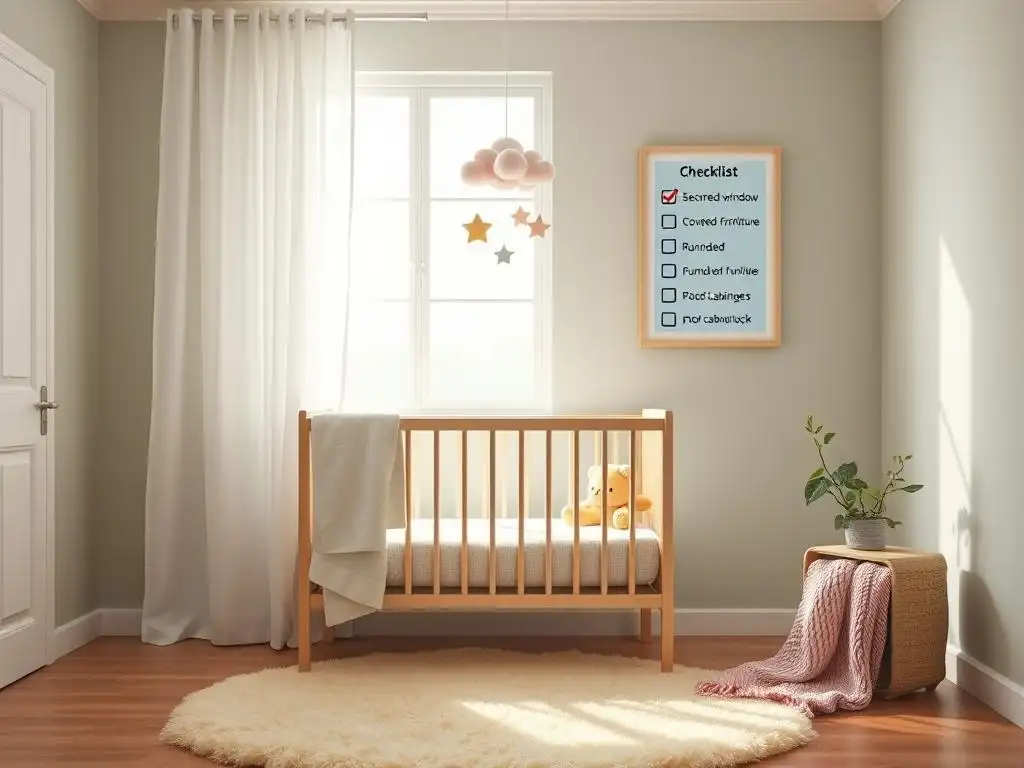
Welcome to BabyCareHub, your ultimate guide to navigating the incredible journey of parenthood! Are you ready to create a safe and nurturing haven for your little one? We understand the overwhelming feeling of responsibility that comes with bringing a new life into the world, which is why we've crafted this comprehensive resource.
Dive into our essential Baby Room Safety Checklist – a crucial first step in ensuring your baby's well-being and peace of mind. Discover practical tips and expert advice to minimize risks and hazards, setting the stage for a happy and healthy start. Let's build a safer world for your baby, together.
-
Creating a Safe Nursery: Your Baby Room Safety Checklist
- Choosing the Right Crib: Safety Standards and Features
- Safe Sleep Practices: Reducing SIDS Risk
- Mattress Safety: Firmness, Fit, and Avoiding Suffocation Hazards
- Bedding and Soft Furnings: Minimizing Choking Risks
- Window Treatments: Preventing Strangulation and Falls
- Furniture Placement: Preventing Tip-Overs and Falls
- Babyproofing Your Nursery: Preventing Injuries
- Temperature and Air Quality: Maintaining a Safe Environment
- Emergency Preparedness: First Aid and Response Plan
- Regular Safety Checks: Maintaining a Safe Nursery Environment
-
Frequently Asked Questions
- What are the most important safety features to consider when setting up a baby's room?
- How can I baby-proof my room to prevent injuries from falls?
- What are some common choking hazards in a baby's room?
- How can I create a safe sleep environment for my baby?
- What should I do if I suspect my baby has ingested something poisonous?
- Final Reflection: A Safe Haven, A Secure Future
- Unlock a Safer Sleep Sanctuary for Your Little One
Creating a Safe Nursery: Your Baby Room Safety Checklist
Creating a safe and nurturing environment for your newborn is paramount. This comprehensive guide focuses on baby room safety, providing a detailed checklist to minimize risks and hazards, ensuring your little one's well-being. We'll cover crucial aspects from crib selection and safe sleep practices to mattress safety and other potential dangers, all contributing to a secure and comforting space for your baby's development.
This checklist is crucial for first-time parents, offering peace of mind and helping you navigate the complexities of creating a safe nursery. Remember, a proactive approach to baby room safety is the best way to protect your precious child. This guide aligns perfectly with our overall goal at BabyCareHub: providing step-by-step guidance to empower parents in all aspects of baby care.
We aim to equip you with the knowledge and tools to confidently navigate the joys and challenges of parenthood. Let's begin building a safer space for your baby!
Choosing the Right Crib: Safety Standards and Features
Selecting a safe crib is the cornerstone of baby room safety. The crib should meet current safety standards, ensuring your baby sleeps soundly without risk. Here's what to look for:
- Firm mattress: The mattress should fit snugly, leaving less than two fingers' width of space between the mattress and the crib sides. A too-loose mattress increases the risk of suffocation.
- Stable construction: Check for sturdiness; the crib should not wobble or shake easily. All joints and hardware should be secure.
- Proper spacing: The slats should be evenly spaced, no more than 2 3/8 inches apart, preventing your baby's head from getting trapped.
- No drop-side: Cribs with drop-sides are extremely dangerous and have been banned in many regions. Avoid them completely.
- Rounded edges and corners: Smooth edges and corners minimize the risk of injury.
- Non-toxic materials: Ensure the crib is made from non-toxic materials, free from lead and other harmful substances.
Remember to regularly inspect the crib for any damage or loose parts. A damaged crib poses a significant safety risk and should be replaced immediately. Prioritizing a safe crib is a vital step in building a secure nursery. Don't underestimate the importance of selecting a crib that meets all safety standards.
Safe Sleep Practices: Reducing SIDS Risk
Safe sleep practices are critical in minimizing the risk of Sudden Infant Death Syndrome (SIDS). Following these guidelines is essential for your baby's safety:
- Back to sleep: Always place your baby on their back to sleep. This significantly reduces the risk of SIDS.
- Firm sleep surface: Use a firm, flat mattress; avoid soft surfaces like waterbeds, sofas, or adult beds.
- Bare crib: Keep the crib bare—no pillows, blankets, bumpers, toys, or loose bedding. These items pose suffocation risks.
- Room temperature: Maintain a comfortable room temperature. Overheating increases SIDS risk.
- Breastfeeding: Breastfeeding has been associated with a reduced risk of SIDS.
- Pacifier use: Offering a pacifier during sleep may also slightly reduce the risk of SIDS (always supervise to ensure the pacifier doesn't fall out and become a choking hazard).
- Shared sleeping: Avoid sharing a bed with your baby. Room sharing (baby sleeping in the same room as parents) is recommended for at least the first six months, but in a separate crib.
Following these safe sleep practices is crucial for creating a safe sleeping environment that prioritizes your baby’s well-being and minimizes the risk of SIDS. Remember, a safe sleep environment is a crucial part of your baby room safety checklist.
Mattress Safety: Firmness, Fit, and Avoiding Suffocation Hazards
The mattress is a critical component of a safe crib. Choosing the right mattress and ensuring its proper fit are essential for preventing suffocation and ensuring your baby's safety.
- Firmness: The mattress should be firm enough to support your baby's weight and prevent them from sinking too deeply. A soft mattress increases the risk of suffocation.
- Fit: The mattress should fit snugly within the crib frame; there should be minimal space between the mattress and the crib sides. This prevents your baby from getting trapped.
- Material: Opt for a mattress made from breathable materials to minimize the risk of overheating and suffocation. Avoid mattresses made of materials that retain excessive heat.
- Waterproofing: Consider a waterproof mattress cover to protect the mattress from spills and accidents. Ensure the cover is breathable to prevent overheating.
- Regular inspection: Regularly inspect the mattress for any signs of wear and tear, such as sagging or tearing. Replace a damaged mattress immediately.
A safe and properly fitted mattress is a critical element of your baby room safety checklist. Prioritize a firm, well-fitting mattress made of breathable materials to ensure your baby sleeps soundly and safely. 👶😴
Bedding and Soft Furnings: Minimizing Choking Risks
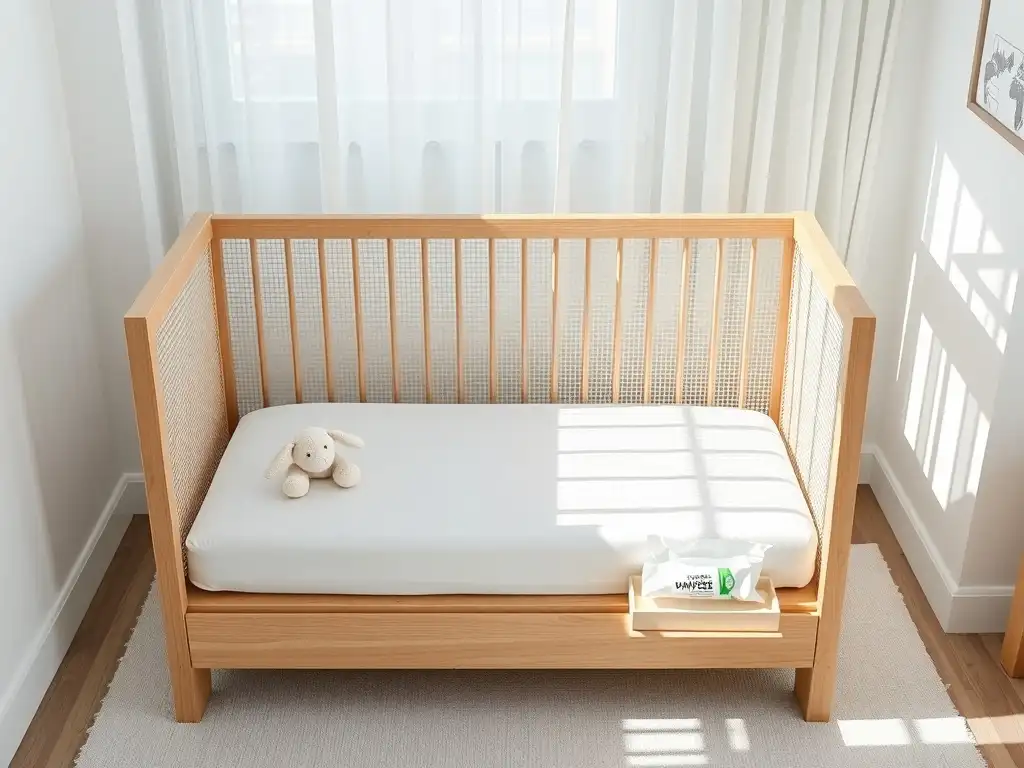
A baby's crib should be a haven of safety, but soft furnishings and bedding can present significant choking hazards. To create a safe sleep environment, the American Academy of Pediatrics (AAP) recommends a firm mattress covered only by a fitted sheet. Avoid using loose blankets, pillows, bumpers, stuffed animals, or other soft objects in the crib. These items can obstruct your baby's breathing or create a suffocation risk.
Remember, even seemingly small items, like a soft toy, can be a major choking hazard for a curious baby who might pull it into their mouth and accidentally suffocate. Consider using a sleep sack instead of blankets to keep your baby warm. Sleep sacks are snug-fitting, preventing the baby from becoming entangled or covered by loose fabrics. Regularly inspect your baby's crib and bedding for any potential hazards.
Regularly check for any small tears or loose threads that could pose a choking risk. Even seemingly insignificant details such as loose buttons on clothing can present a significant choking danger. Prioritizing a minimalist and safe crib environment significantly reduces the risk of choking and accidental suffocation. This is a crucial element of your baby room safety checklist.
Window Treatments: Preventing Strangulation and Falls
Window coverings pose unique safety challenges in a baby's room. Long cords from blinds or curtains can be incredibly dangerous. Babies and toddlers are naturally curious and may pull on these cords, leading to strangulation. The risk is particularly high if the cords are within reach of the crib or changing table.
To mitigate this risk, opt for cordless window treatments, such as cellular shades or Roman shades. If cordless options aren't feasible, ensure that cords are securely fastened and kept well out of your baby's reach – ideally, higher than six feet. Always consider the placement of furniture near windows; if a child were to climb on a chair or table near the window, the window coverings could present a significant risk.
Regularly check the integrity of the window frames and locks to ensure that windows are securely closed and cannot easily be opened by a child. Remember that even seemingly sturdy window frames can be compromised over time and this should be on your baby room safety checklist. Prioritizing window safety is a vital step in creating a safe and secure nursery.
Furniture Placement: Preventing Tip-Overs and Falls
Heavy furniture, such as dressers and bookshelves, can easily topple over if not anchored securely, posing a serious risk of injury or death to your baby. To prevent tip-overs, always secure tall furniture to the wall using safety straps or brackets. These are readily available at most hardware stores and are a simple yet effective safety measure. Furthermore, consider the placement of furniture in relation to your baby's crib and play areas.
Avoid placing furniture near the crib that your baby could climb on and potentially pull down on themselves. Keep heavy objects away from the edges of changing tables and dressers. Always supervise your baby closely, especially when they are near furniture that could potentially tip over.
A crucial component of your baby room safety checklist is regularly inspecting furniture for any signs of instability. This includes checking if furniture is securely attached to the wall, and if drawers are functioning smoothly and aren't prone to unexpectedly falling out. Proactively addressing these potential hazards significantly contributes to a safer environment for your little one.
Babyproofing Your Nursery: Preventing Injuries
This section focuses on proactive measures to create a safe haven for your little one. A baby's room should be a sanctuary, but even the most meticulously designed nursery can harbor hidden dangers. By implementing a comprehensive baby room safety checklist, you can significantly reduce the risk of accidents and injuries. Remember, prevention is key when it comes to your baby's well-being. This proactive approach to baby room safety is crucial in the first few years of your child's life.
Securing Electrical Outlets and Cords
Electrical outlets and cords pose significant hazards to curious toddlers. A simple touch can lead to a severe shock, or worse. Therefore, securing these hazards is paramount in your baby room safety checklist.
Several effective strategies exist to mitigate these risks. Outlet covers are inexpensive and readily available. These plastic covers fit snugly into outlets, preventing little fingers from probing inside. Ensure you choose covers that are specifically designed for child safety and are difficult for a baby to remove.
Furthermore, address dangling cords. These present a strangulation risk, especially if your baby is mobile. Use cord clips or ties to secure cords against walls or furniture, keeping them out of reach. For cords that cannot be secured, consider rerouting them entirely. Remember, a safe environment is a proactive environment. Regularly inspect your baby's room for any new hazards, especially as your baby grows and develops new skills. This consistent vigilance is a crucial element of your ongoing baby room safety checklist.
Storing Toxic Substances Safely
Toxic substances, even seemingly innocuous household items, can pose a serious threat to a baby. Cleaning products, medications, and even certain cosmetics should be stored securely and out of reach. This is critical for implementing a comprehensive baby room safety checklist.
High shelves are the first line of defense. Place all potentially hazardous items on high shelves, well above your baby's reach, ideally in a locked cabinet. Consider utilizing childproof latches on cabinets containing potentially harmful substances. These latches are designed to be difficult for young children to open, adding an extra layer of protection.
Furthermore, never leave toxic substances unattended. Accidents can happen quickly, even for the most vigilant parent. Always double-check that lids are securely fastened and that containers are clearly labeled. Remember, a clean and organized environment contributes greatly to a safe environment. This is a key aspect of your ongoing baby room safety checklist.
Protecting Against Sharp Edges and Corners
Sharp edges and corners on furniture represent another potential source of injury in a baby's room. Bumps and bruises are common, but more serious injuries can occur. Protecting against these hazards is a vital component of your baby room safety checklist.
Corner guards are a simple and effective solution. These soft, cushioned protectors adhere to sharp corners, softening the impact of any accidental collisions. They are available in various shapes, sizes, and colors, allowing you to seamlessly integrate them into your nursery's décor.
Furthermore, consider the placement of furniture. Avoid placing heavy furniture near the edges of the room, where it could easily topple over. Secure tall furniture to the wall using wall anchors to prevent tipping accidents. Regularly check the stability of all furniture in the baby's room, ensuring it is firmly placed and secure. This preventative measure is a vital element of your long-term baby room safety checklist. Remember, a safe baby's room is a consistently monitored and maintained baby's room.
Removing Small Objects and Choking Hazards
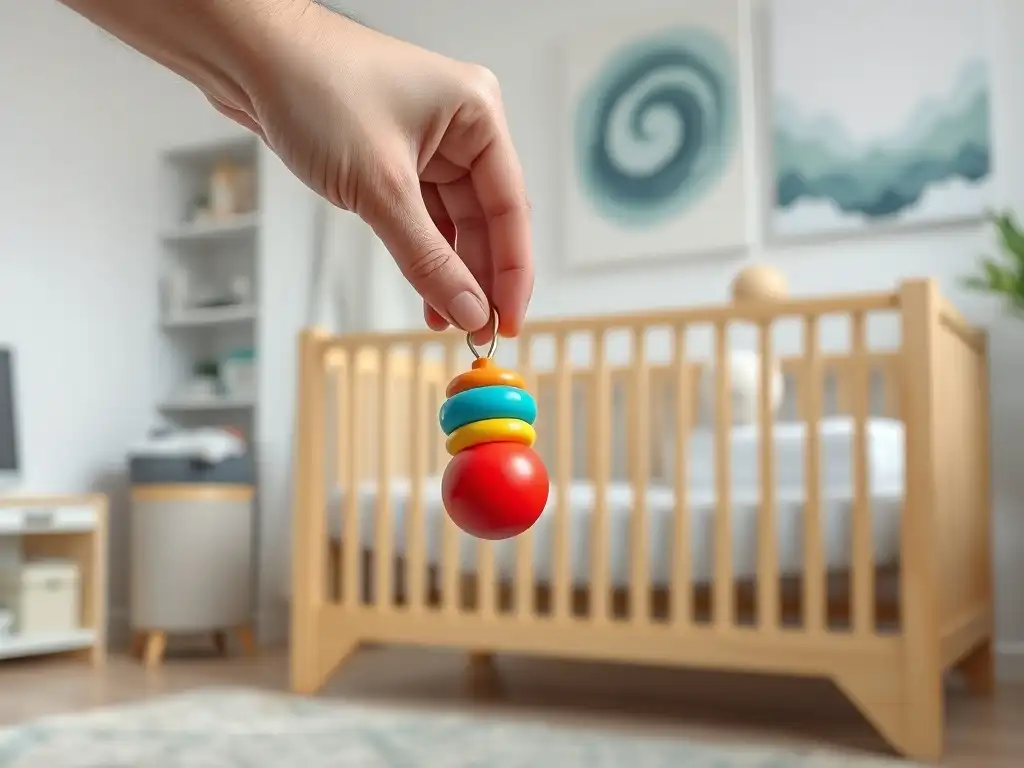
Choking is a serious risk for babies, especially those under one year old. Their airways are small, and even seemingly innocuous objects can cause a complete blockage. A thorough sweep of your baby's room is crucial to eliminate potential choking hazards. This involves more than just a quick glance; it requires a meticulous examination from your baby's perspective. Get down on your hands and knees and crawl around the room, examining every surface.
Pay particular attention to areas where small items might accumulate: under furniture, behind larger objects, and within reach of your baby's crib or play area. Common choking hazards include: small toys with detachable parts, buttons, coins, beads, marbles, pieces of food (especially nuts, popcorn, and hard candies), and even small magnets. Remember that some items might seem too large to pose a risk, but if they can fit entirely within a toilet paper tube, they are a potential choking hazard. Regularly check for loose threads or small pieces that may detach from clothing, blankets, and toys.
Consider the age and developmental stage of your child. As your baby grows and becomes more mobile, the range of potential hazards expands. A toy that was safe at six months might become a choking hazard at nine months as your baby develops better fine motor skills and puts everything in their mouth. Regularly reassess your baby's room for potential hazards as they grow and develop new abilities.
For example, while a plush toy may seem safe, always check it for loose buttons, eyes, or other small parts that could detach. The process of babyproofing isn't a one-time event; it's an ongoing process that requires vigilance and adjustment. A comprehensive baby room safety checklist should be revisited and updated regularly.
Enhancing Window Safety
Windows present a significant fall risk for babies and toddlers. Even seemingly low windows can be dangerous, as a child can easily climb onto a surface and fall out. The most effective method to prevent falls is to install window guards that meet safety standards. These guards should be strong enough to prevent a child from opening the window and should be securely fastened to the window frame. Never rely solely on window locks, as many children are clever enough to figure out how to open them.
Another important aspect of window safety is covering the window with curtains or blinds that are made of sturdy material and are not easily accessible to your child. Avoid using cords or strings that could pose a strangulation risk. If you have blinds with cords, consider using cord-shortening devices or replacing them with cordless blinds. If curtains are used, ensure they are made of a heavy material and hang loosely enough that a child cannot climb them.
Remember that window safety is not just about preventing falls; it’s also about preventing access to hazardous areas outside. Keep plants and other potentially toxic items out of reach from windows. Regularly inspect the window frames and hardware for any signs of damage or wear that could compromise their safety. A comprehensive baby room safety checklist should include a thorough inspection of all windows and their associated safety measures. Remember, proactive steps taken to ensure window safety can significantly reduce the risk of serious injury for your little one. 🧸
Temperature and Air Quality: Maintaining a Safe Environment
Maintaining a safe and healthy environment for your baby starts with controlling the temperature and air quality in their room. A baby's room should be a haven of comfort and safety, free from hazards that could compromise their well-being. This section provides a detailed guide to achieving optimal temperature and air quality, contributing to your baby’s healthy development and minimizing risks. This information is crucial for your baby room safety checklist.
Maintaining a Comfortable Room Temperature
The ideal room temperature for a baby is between 68°F (20°C) and 72°F (22°C). This range minimizes the risk of overheating or chilling, both of which can be detrimental to a baby's health. Overheating can lead to dehydration and heatstroke, while chilling can increase the risk of respiratory illnesses. Always check the temperature regularly using a reliable thermometer, especially during seasonal changes.
Avoid using electric blankets or placing your baby directly under heating vents. These can create localized areas of extreme temperature, posing a risk of burns or overheating. Dress your baby in lightweight, breathable clothing appropriate for the room temperature. Observe your baby for signs of discomfort, such as excessive sweating, flushed skin (overheating), or shivering, pale skin (chilling). Remember, a baby's ability to regulate their body temperature is still developing, so consistent monitoring is key. A well-maintained temperature is a critical element of your baby room safety checklist.
Ensuring Clean and Safe Air for Your Baby
Clean air is paramount for your baby's respiratory health. Avoid smoking or allowing others to smoke in your baby's room or anywhere near them. Secondhand smoke is extremely harmful to babies' developing lungs and increases their risk of respiratory infections, asthma, and sudden infant death syndrome (SIDS). Regularly dust and vacuum the room, paying special attention to hard-to-reach areas, to remove dust mites and other allergens. Use hypoallergenic bedding and cleaning products to minimize exposure to irritants.
Consider using an air purifier, especially if you live in an area with high levels of air pollution or if your baby has allergies or respiratory sensitivities. Look for air purifiers with HEPA filters, which are effective at removing fine particles from the air. However, always follow the manufacturer's instructions and ensure the air purifier is placed safely away from your baby's crib or play area. Keeping your baby's air clean is a fundamental part of your baby room safety checklist. Remember, proactive air quality management is a significant factor in preventing respiratory issues.
Promoting Proper Air Circulation
Good air circulation is crucial for preventing the buildup of harmful substances and maintaining a comfortable room temperature. Regularly open windows to allow fresh air to circulate, especially during the day. Avoid closing all windows and doors for extended periods, as this can lead to a buildup of carbon dioxide and other potentially harmful gases. Ensure that your baby's room is well-ventilated, but avoid drafts that could chill your baby.
Using a fan (placed safely away from the crib and out of reach) can help to gently circulate air and prevent the buildup of stale air. However, ensure the fan blades are covered or that the fan is safely secured to prevent accidental injury. Remember to always supervise your baby closely when using any electrical appliances in their room.
Proper air circulation is a crucial aspect of your baby room safety checklist, ensuring a healthy and safe sleeping environment for your little one. By addressing temperature and air quality, you're actively creating a safer and more comfortable space for your baby.
Emergency Preparedness: First Aid and Response Plan
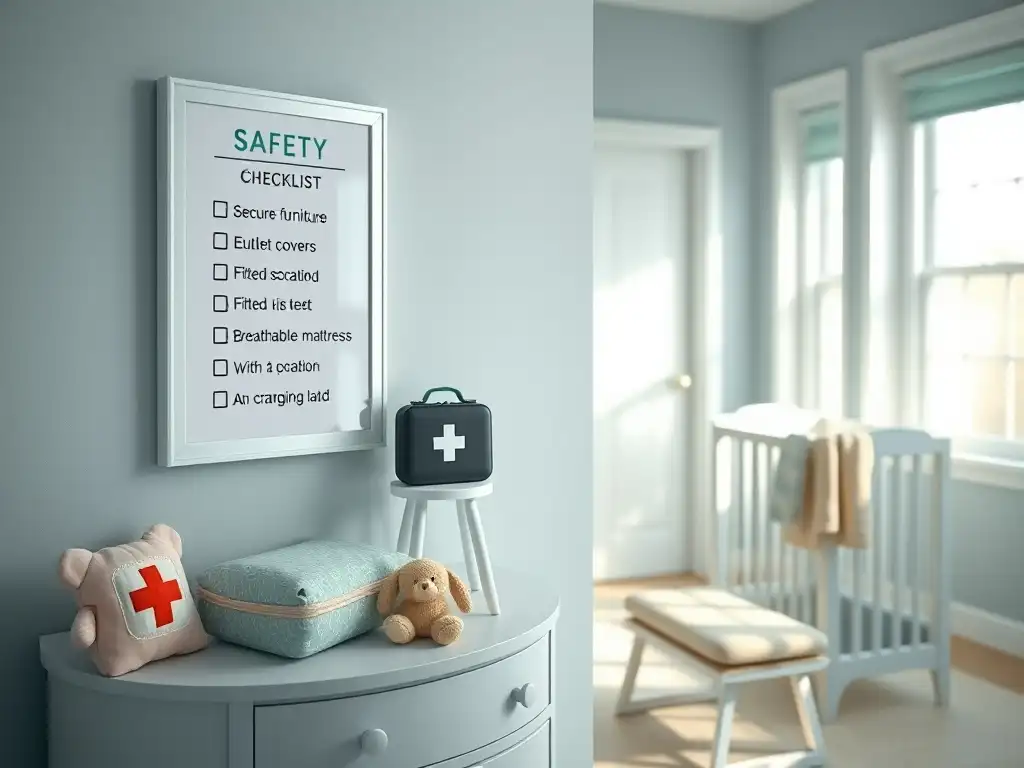
Creating a comprehensive emergency plan for your baby's room is crucial for ensuring their safety. This involves proactive measures like equipping yourself with the necessary first aid supplies and having readily available emergency contact information. Remember, seconds count in an emergency, so preparedness is key. A well-stocked first aid kit and easily accessible emergency contacts can make all the difference in a crisis. This section will guide you through establishing a robust emergency response plan specifically tailored for your baby's room, significantly contributing to your overall baby room safety checklist.
Stocking a First Aid Kit
A well-equipped first-aid kit is an essential component of any baby room safety checklist. It should be readily accessible and contain items specifically suited for infant emergencies. Avoid storing it in a high cabinet or a place requiring tools to open. Here's a suggested list:
- Wound Care: Antiseptic wipes, sterile gauze pads (various sizes), adhesive bandages (various sizes), antibiotic ointment, cotton balls, medical tape.
- Fever & Pain Relief: Infant acetaminophen (check dosage instructions carefully! ), infant ibuprofen (check dosage instructions carefully! ). Always consult your pediatrician before administering any medication to your baby.
- Other Essentials: Tweezers (for removing splinters), thermometer (digital rectal thermometer is recommended for accurate readings in infants), small pair of scissors with blunt ends, disposable gloves.
- Allergy Considerations: If your baby has known allergies, include any necessary epinephrine auto-injectors (EpiPen) and antihistamines, along with clear and concise instructions on their usage. Ensure you are fully trained on how to administer these medications.
- Additional Considerations: Consider including a baby-safe oral syringe for administering medications and a soft blanket to offer comfort during a stressful situation.
Remember to regularly check the expiration dates on all medications and supplies and replace them as needed. A well-maintained kit is a critical part of your baby room safety checklist, ensuring you're prepared for minor injuries and emergencies. The peace of mind this provides is invaluable. Don't forget to familiarize yourself with the usage of each item in your kit.
Maintaining a List of Emergency Contacts
Beyond a well-stocked first-aid kit, maintaining an easily accessible list of emergency contacts is paramount. This list should be prominently displayed near the baby's crib or changing table, ideally in a waterproof container. Include:
- 911 (or your local emergency number): This should be at the top of the list.
- Your Pediatrician's Office: Include both the office number and after-hours contact information.
- Poison Control Center: Keep the national poison control number readily available.
- Family Members/Close Friends: Include the contact information for at least two trusted individuals who can provide immediate assistance.
- Neighbors: Having a neighbor's contact information can be helpful in unexpected situations.
Regularly review and update this list, especially if phone numbers change or family situations evolve. This seemingly simple step is a vital part of your baby room safety checklist, ensuring swift access to critical support during emergencies. Consider laminating the list to protect it from spills and damage.
Installing Smoke and Carbon Monoxide Detectors
Smoke and carbon monoxide detectors are critical safety devices that should be installed in every home, especially near your baby's room. These detectors provide early warning signs of potential hazards, allowing you to react quickly and protect your baby. Your baby room safety checklist should explicitly include checking the functionality of these detectors.
- Smoke Detectors: Install smoke detectors on every level of your home, including inside and outside of each sleeping area. Test them monthly and replace the batteries annually. Opt for detectors with sealed-in long-life batteries for added convenience and safety.
- Carbon Monoxide Detectors: Carbon monoxide is an odorless, colorless gas that can be deadly. Install a carbon monoxide detector on each level of your home, ideally near sleeping areas. Test them monthly and replace the batteries annually.
Regular testing and maintenance of these detectors are crucial. A malfunctioning detector is worse than no detector at all. Make checking and replacing batteries a routine part of your monthly household maintenance, adding another layer of security to your baby room safety checklist and contributing to your baby's overall well-being. Remember, prevention is always better than cure.
Regular Safety Checks: Maintaining a Safe Nursery Environment
Maintaining a safe nursery environment is crucial for your baby's well-being. A proactive approach, involving regular safety checks, significantly reduces the risk of accidents. This involves more than just a one-time setup; it's an ongoing commitment to ensuring your baby's safety. Think of it as a continuous process of risk mitigation, a vital component of your baby room safety checklist. Consistent vigilance is key to preventing potential hazards.
Conducting Daily Inspections
Daily inspections are the cornerstone of a safe nursery. These quick checks should become a routine part of your daily schedule, much like feeding or changing diapers. Focus on these key areas:
- Furniture stability: Ensure cribs, changing tables, and dressers are securely fastened to the wall and are stable. A quick tug on each piece is all it takes.
- Cord management: Check for any exposed electrical cords or cords from blinds or curtains that your baby could reach and potentially pull or chew on. Use cord covers or tuck them neatly out of reach.
- Toy safety: Inspect toys for any small parts that could detach and pose a choking hazard. Discard any broken or damaged toys immediately.
- Surface cleanliness: Wipe down surfaces to remove dust, crumbs, and any potential allergens. A clean environment minimizes the risk of respiratory problems.
- Temperature regulation: Check the room temperature using a thermometer. Maintaining a comfortable temperature (around 68-72°F or 20-22°C) is crucial for baby's sleep and overall comfort.
Performing Monthly Safety Assessments
Monthly safety assessments provide a more thorough review of your baby's room, going beyond the daily quick checks. This more in-depth review allows you to identify and address potential hazards that might have been overlooked in the daily inspections. Consider these points:
- Window safety: Inspect windows and ensure they are properly secured and have childproof locks installed. Assess the need for window guards, especially if your windows open outward.
- Electrical outlets: Check all electrical outlets for loose plugs or exposed wires. Use safety plugs to prevent your baby from inserting fingers or objects into outlets. This is an essential part of any comprehensive baby room safety checklist.
- Smoke detector and carbon monoxide detector functionality: Test both smoke and carbon monoxide detectors to ensure they are functioning correctly. Replace batteries as needed. Regular testing is paramount to ensuring your family's safety.
- Emergency exits: Ensure all emergency exits are clear and easily accessible. This is especially important in case of a fire or other emergency situation.
- Storage: Review the storage of cleaning products, medications, and other potentially harmful substances. Ensure they are locked away securely, out of your baby's reach.
Making Seasonal Adjustments
Seasonal changes often require adjustments to your baby's room safety. Consider these seasonal hazards and how to mitigate them:
| Season | Potential Hazards | Mitigation Strategies |
|---|---|---|
| Summer | Overheating, sun exposure through windows | Use fans, ensure proper ventilation, and use window coverings to block direct sunlight. |
| Winter | Dry air, space heaters, hypothermia | Use a humidifier to add moisture to the air, safely position space heaters, and dress your baby warmly. |
| Spring/Fall | Allergens (pollen, dust mites), changing temperatures | Regularly clean and dust, monitor the temperature, and use air purifiers if necessary. |
Remember, a safe nursery isn't a destination, it's a journey. Regular safety checks, combined with a proactive approach, significantly contribute to a safe and nurturing environment for your baby. By incorporating these practices into your routine, you're actively participating in creating a secure space for your little one to grow and thrive. This detailed approach forms the foundation of your baby room safety checklist, ensuring you're always one step ahead in protecting your child. 👶
Frequently Asked Questions
What are the most important safety features to consider when setting up a baby's room?
The most crucial aspects are a safe crib meeting current safety standards, secured furniture to prevent tipping, window guards to prevent falls, electrical outlet covers, and cord management to avoid strangulation hazards. Smoke detectors and a fire escape plan are also essential.
How can I baby-proof my room to prevent injuries from falls?
To prevent falls, ensure your crib has low sides, and consider placing a soft rug on the floor. Secure heavy furniture to the walls, and use window guards or safety locks on windows. Keep baby gates at the top and bottom of staircases.
What are some common choking hazards in a baby's room?
Common choking hazards include small toys, loose buttons, beads, balloons, and blind cords. Always supervise your baby closely and choose age-appropriate toys that are too large to swallow. Keep cleaning supplies out of reach.
How can I create a safe sleep environment for my baby?
A safe sleep environment includes placing your baby on their back on a firm, flat surface such as a crib mattress. Remove loose bedding, pillows, and stuffed animals from the crib. Ensure the room is well-ventilated but not too cold or too hot.
What should I do if I suspect my baby has ingested something poisonous?
Immediately call emergency services (911 or your local equivalent) or the poison control center. Have the product's label ready and follow their instructions. Do not induce vomiting unless specifically instructed by a medical professional.
Final Reflection: A Safe Haven, A Secure Future
Creating a safe haven for our newborns is not merely a checklist; it's an act of profound love and responsibility. The seemingly small details—from securing furniture to choosing non-toxic materials—collectively build a foundation of safety that profoundly impacts a child's development and well-being. This impact resonates far beyond the crib, shaping their future and influencing their overall health.
The journey of ensuring baby room safety is a continuous one, a testament to the ever-evolving understanding of child development and potential hazards. It's a journey that requires constant vigilance and adaptation, reflecting the dynamic nature of a growing child's needs and abilities. The best way to find yourself is to lose yourself in the service of others,
– Mahatma Gandhi. This quote, while seemingly unrelated at first glance, speaks to the selfless dedication required in creating a safe and nurturing environment for our little ones. Our efforts in securing their safety are a profound act of service, shaping not only their present but also their future.
Now, take a moment to reflect on your own home. Consider the specific steps you can take today to enhance your baby's safety, even if it's just one small adjustment. Download a checklist, revisit this article, and make a conscious effort to create a truly secure and loving space for your child to thrive. Remember, every precaution taken is a step towards building a brighter, safer future for your precious little one.
Unlock a Safer Sleep Sanctuary for Your Little One
Thank you for learning how to create a safer environment for your baby. We hope you feel confident in protecting your child. Ready to take the next steps?
- Prioritize a complete safety check of your baby's room: Thoroughly assess the room, removing any potential hazards such as loose cords or unstable furniture. This is crucial for your baby's safety.
- Share this vital information with other new parents. Helping others protect their children is incredibly rewarding.
- Create a checklist of safety measures and keep it near your baby's room for easy reference. Peace of mind is invaluable.
What simple safety measure will you implement today to improve your baby's sleep environment?