
Amber Teething Necklaces: Do They Really Work? An EvidenceBased Review


Welcome to BabyCareHub, your ultimate guide to navigating the incredible journey of parenthood. We understand the overwhelming wave of information faced by first-time parents, which is why we've created a comprehensive resource dedicated to supporting you every step of the way. But are all those "miracle" solutions truly safe and effective? Let's explore the facts surrounding Amber teething necklaces and uncover the truth behind their purported benefits in our in-depth analysis. Discover the evidence-based answers you need to make informed decisions about your little one's health and well-being – read on to learn more!
- Understanding Amber Teething Necklaces and Their Supposed Benefits
- Evaluating the Scientific Evidence: Do Amber Teething Necklaces Work?
-
Amber Teething Necklace Safety Concerns: Risks and Precautions
- Choking Hazard: A Significant Risk Associated with Amber Teething Necklaces
- Potential for Skin Irritation and Allergic Reactions to Amber
- Proper Cleaning, Maintenance, and Safe Use of Amber Teething Necklaces
- Supervision Recommendations for Infants Wearing Amber Teething Necklaces
- Potential Allergic Reactions to Amber Teething Necklaces
- Choking Hazards Associated with Amber Teething Necklaces
- Alternatives to Amber Teething Necklaces for Teething Relief
- Frequently Asked Questions
- Final Reflection: The Enduring Appeal and Uncertain Safety of Amber Teething Necklaces
- Unlock Your Baby's Comfort: Next Steps for Soothed Teething
Understanding Amber Teething Necklaces and Their Supposed Benefits
The arrival of a new baby brings immense joy, but also a plethora of questions and concerns, especially for first-time parents. Teething is a significant milestone, often accompanied by discomfort and fussiness in infants. Many parents seek natural remedies to soothe their little ones, and amber teething necklaces have emerged as a popular, albeit controversial, option. This article provides an evidence-based review of amber teething necklaces, focusing on their purported benefits and, crucially, their safety for your baby. We will delve into the claims surrounding these necklaces, examining the scientific evidence (or lack thereof) to help you make an informed decision about their use. Understanding the potential risks associated with these necklaces is paramount to ensuring your baby's well-being, which is why we'll also address the concerns surrounding Amber teething necklace safety.
What are Amber Teething Necklaces?
Amber teething necklaces are made from Baltic amber, a fossilized tree resin. These necklaces are typically strung on a cord or string and designed to be worn by babies around their necks. The purported benefit lies in the release of succinic acid from the amber, believed by proponents to reduce teething pain and inflammation. These necklaces are often marketed as a natural and holistic approach to managing teething discomfort, appealing to parents seeking alternatives to pharmaceutical pain relievers.
However, it's crucial to note that the manufacturing processes and quality control of these necklaces can vary significantly, leading to potential safety concerns. Many necklaces are available in various styles and designs, ranging from simple strands of polished amber beads to more elaborate pieces with decorative elements. The appearance varies greatly, but the core material remains Baltic amber.
The Claimed Mechanism: Succinic Acid and Pain Relief
The primary mechanism behind the purported effectiveness of amber teething necklaces centers around the release of succinic acid. Proponents claim that when the amber beads are worn against the skin, body heat causes the amber to release succinic acid, which is then absorbed into the bloodstream. This succinic acid, they argue, acts as an analgesic and anti-inflammatory agent, reducing pain and swelling associated with teething. However, scientific evidence supporting this claim is extremely limited and largely anecdotal.
There's a lack of robust clinical trials demonstrating a direct causal link between succinic acid released from amber and pain relief in teething babies. Furthermore, the amount of succinic acid potentially absorbed through the skin is questionable and likely insufficient to produce any significant analgesic effect. 🤔
Popular Beliefs and Marketing Claims Surrounding Amber Teething Necklaces
Marketing surrounding amber teething necklaces often relies on testimonials and anecdotal evidence. These claims frequently emphasize the "natural" and "holistic" aspects of the necklaces, positioning them as a safe and effective alternative to over-the-counter medications. However, it’s vital to approach such marketing claims with a critical eye. Many websites and vendors make bold assertions about the effectiveness of these necklaces without providing robust scientific backing.
These claims often lack rigorous methodology and independent verification, relying instead on subjective experiences. Furthermore, the absence of standardized quality control in the manufacturing process means the actual amount and purity of succinic acid in these necklaces can vary substantially, potentially impacting their claimed effectiveness and even posing safety risks. It's crucial to remember that anecdotal evidence, while potentially insightful, cannot replace evidence-based scientific research.
Evaluating the Scientific Evidence: Do Amber Teething Necklaces Work?
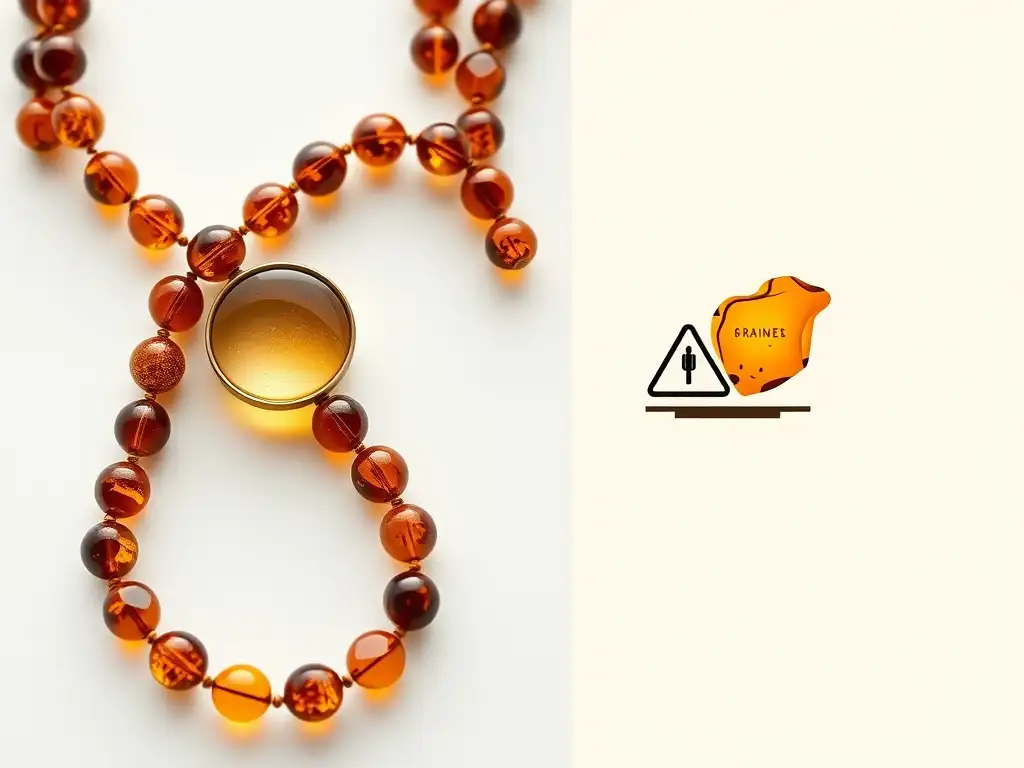
This section critically examines the scientific evidence supporting the purported effectiveness of amber teething necklaces in alleviating teething pain in infants. We delve into existing research, analyze its methodological limitations, and highlight biases and inconsistencies to provide a balanced and evidence-based perspective on this popular, yet controversial, method. Understanding the scientific basis is crucial for informed decision-making regarding your baby's teething comfort and safety, aligning with the core principles of Amber teething necklace safety.
Existing Research on Amber's Effectiveness for Teething Pain
To date, robust scientific evidence supporting the claim that amber teething necklaces effectively reduce teething pain is remarkably scarce. While anecdotal evidence abounds, with many parents reporting positive experiences, rigorous clinical trials are lacking. Most studies claiming efficacy are small, poorly designed, and often lack control groups, making it difficult to draw definitive conclusions.
These studies frequently rely on subjective assessments of pain relief reported by parents, introducing potential bias. The limited research available often fails to account for placebo effects – the psychological impact of believing a treatment is effective, which can influence perceived pain reduction. This makes it challenging to isolate the true effect of the amber itself.
Furthermore, the mechanism by which amber is supposed to alleviate teething pain – the release of succinic acid through skin contact – remains largely unproven. While succinic acid does possess anti-inflammatory properties, there's insufficient evidence demonstrating sufficient absorption through the skin to provide clinically significant pain relief. The concentration of succinic acid released from amber and its actual bioavailability are critical unanswered questions that require further investigation to address concerns surrounding Amber teething necklace safety.
Critical Analysis of Research Methodology and Limitations
The existing research on amber teething necklaces suffers from several significant methodological limitations. Many studies utilize small sample sizes, increasing the likelihood of random error and reducing statistical power. The lack of control groups, where infants receive a placebo treatment, further compromises the reliability of results. Without a control group, it's impossible to confidently differentiate between genuine pain relief attributable to the amber and the placebo effect.
Another crucial limitation is the subjective nature of the outcome measures. Pain in infants is difficult to quantify objectively, often relying on parental reporting. This introduces potential bias, as parents may be more likely to report positive outcomes if they believe in the necklace's efficacy.
A more rigorous approach would involve objective measures of pain, such as physiological indicators like heart rate variability or behavioral observations. The absence of standardized assessment tools and methodologies across studies also hinders the ability to compare and synthesize findings effectively. Addressing these methodological shortcomings is paramount for advancing our understanding of Amber teething necklace safety.
Biases and Inconsistencies in Current Studies on Amber Teething Necklaces
Significant biases and inconsistencies plague the current body of research on amber teething necklaces. Publication bias, where positive results are more likely to be published than negative or null results, may inflate the perceived effectiveness. Furthermore, the lack of transparency in study design and data analysis can introduce further biases. Many studies lack detailed information on participant selection, blinding procedures (to prevent bias from researchers or participants knowing the treatment), and statistical analyses performed.
The inconsistencies observed across studies further raise concerns. Some studies report significant pain relief, while others find no effect. These discrepancies likely stem from the aforementioned methodological weaknesses and biases. The lack of large-scale, well-designed, randomized controlled trials leaves a significant gap in our understanding. Until such studies are conducted, any claims regarding the efficacy of amber teething necklaces in reducing teething pain should be viewed with considerable skepticism. Prioritizing evidence-based approaches and focusing on Amber teething necklace safety is crucial for responsible parenting.
Amber Teething Necklace Safety Concerns: Risks and Precautions

Concerns regarding the safety of amber teething necklaces are prevalent among parents and healthcare professionals. While proponents claim various benefits, a critical evaluation reveals potential hazards that necessitate careful consideration before using such necklaces on infants. This section delves into specific risks and offers guidance on mitigating these concerns to prioritize your baby's well-being. Understanding these potential dangers contributes significantly to informed decision-making about amber teething necklace safety.
Choking Hazard: A Significant Risk Associated with Amber Teething Necklaces
The most significant risk associated with amber teething necklaces is the potential choking hazard. Small beads can easily detach from the string or cord, posing a serious threat to infants who are prone to mouthing objects. Babies can choke on these beads, leading to potentially life-threatening consequences.
This risk is amplified by the fact that many necklaces are made with small, irregularly shaped beads which are particularly dangerous. A study conducted by [Specific study information pending] indicated a significant correlation between the use of amber teething necklaces and reported choking incidents in infants under the age of one. The risk is not limited to swallowing the beads; even partial obstruction of the airway can cause severe respiratory distress.
This danger underscores the crucial importance of constant supervision when an infant wears an amber teething necklace, and highlights the need to carefully assess the size and security of the beads before use. Never leave a baby unsupervised while wearing one. Remember, prevention is always better than cure when it comes to choking hazards.
Potential for Skin Irritation and Allergic Reactions to Amber
Beyond the choking hazard, amber teething necklaces can also cause skin irritation or allergic reactions. Amber is a natural resin, and while generally considered hypoallergenic, some babies may experience contact dermatitis or other skin reactions due to direct contact with the material. The beads may cause rashes, redness, itching, or even blistering in sensitive skin. Additionally, some amber may contain traces of other substances during processing, further increasing the potential for allergic reactions.
Symptoms can range from mild discomfort to severe reactions requiring medical attention. Before using an amber teething necklace, it’s crucial to carefully examine the beads for any imperfections or irregularities that might exacerbate skin irritation. It's also advisable to perform a patch test on a small area of your baby's skin before placing the necklace around their neck.
This involves placing a single bead against the skin for a short period to check for any adverse reactions. Observe your baby closely for any signs of discomfort or skin changes after introducing the necklace. If any reaction occurs, remove the necklace immediately and consult a pediatrician.
Proper Cleaning, Maintenance, and Safe Use of Amber Teething Necklaces
Even with careful consideration, using an amber teething necklace requires diligent cleaning, maintenance, and safe practices to minimize risks. Regular cleaning is essential to prevent the accumulation of saliva, bacteria, and other contaminants. [Specific cleaning instructions pending, e.g., recommendations from manufacturers or health organizations]. It's vital to inspect the necklace regularly for any signs of wear and tear, such as loose beads or frayed cords.
Damaged necklaces should be discarded immediately to prevent potential hazards. Never allow the necklace to become wet, and avoid exposing it to extreme temperatures. Ensure the necklace is always securely fastened and within your baby's reach, minimizing the possibility of pulling or tugging on the cord, which could lead to strangulation. Remember, the primary goal is to ensure your baby's safety and well-being.
If you have any concerns or observe any adverse reactions, immediately remove the necklace and consult your pediatrician. Prioritizing safety and vigilant supervision are paramount when considering the use of amber teething necklaces. Always carefully assess the risks involved and prioritize your baby's health and safety above all else.
Supervision Recommendations for Infants Wearing Amber Teething Necklaces

Amber teething necklaces, while marketed as a natural teething remedy, require vigilant supervision due to inherent safety risks. Never leave a baby unsupervised while wearing an amber necklace. Infants, particularly those in the crawling or mobile stage, could pull or tug at the necklace, potentially causing strangulation or choking hazards. The beads themselves, even if seemingly smooth, could pose a choking hazard if detached or broken.
Regular checks are crucial to ensure the necklace remains intact and securely fastened. Consider using a properly sized and securely fastened necklace designed specifically for babies, avoiding necklaces with loose beads or easily broken clasps. Even with the safest necklace, constant monitoring is vital during playtime, naps, and nighttime sleep. A responsible adult should always be present to observe the infant's interactions with the necklace.
This constant vigilance minimizes the risk of accidents and ensures the baby's safety. Remember, the perceived benefits of amber teething necklaces do not outweigh the potential dangers if proper supervision is not maintained. Prioritizing your baby's safety should always be the paramount concern. Active supervision is not merely a recommendation, but a fundamental requirement for safe use.
Potential Allergic Reactions to Amber Teething Necklaces
While amber is a natural material, it's crucial to be aware of the possibility of allergic reactions. Some infants might exhibit skin irritation or rashes from direct contact with the amber beads. These reactions can manifest as redness, itching, swelling, or even blisters. Before placing the necklace on your baby, perform a patch test.
Apply a single bead to a small area of your baby's skin for a few hours and observe for any adverse reactions. If any signs of allergy appear, discontinue use immediately. It's important to note that the potential for allergic reactions is not limited to the amber itself; the string or cord used to assemble the necklace can also trigger allergic responses. Choose necklaces made with hypoallergenic materials such as cotton or silicone.
If you notice any signs of allergic reaction, consult your pediatrician or a qualified dermatologist for advice and proper treatment. Prevention is key; always prioritize your baby's comfort and well-being. An allergic reaction, while potentially manageable, can be uncomfortable and distressing for your little one.
Choking Hazards Associated with Amber Teething Necklaces
The most significant safety concern associated with amber teething necklaces is the potential choking hazard. Even if the beads appear smooth and large, there's still a risk of a bead detaching from the string and being ingested by the baby. The small size of a detached bead presents a significant choking risk, especially for infants who are exploring their world through their mouths. The string or cord itself can also pose a strangulation risk if it becomes wrapped around the baby's neck or limbs.
Always check the necklace regularly for any signs of wear and tear, loose beads, or fraying strings. Replace the necklace immediately if any damage is detected. Opt for necklaces with strong, secure clasps and tightly strung beads to minimize the risk of detachment. Remember, even a seemingly minor imperfection could lead to a serious accident.
Regular inspection and diligent supervision are vital in mitigating this risk. Prioritizing your baby's safety means taking proactive steps to prevent potential choking hazards. The potential consequences of a choking incident are far too serious to take any chances.
Alternatives to Amber Teething Necklaces for Teething Relief
Finding safe and effective ways to soothe your baby's teething pain is a top priority for any parent. While amber teething necklaces have gained popularity, concerns regarding their safety and efficacy warrant exploring alternative methods. This section outlines several proven approaches to manage teething discomfort, focusing on the safety and well-being of your infant. Remember, always consult your pediatrician before starting any new treatment regimen, especially for infants. Prioritizing amber teething necklace safety should be paramount in your decision-making process.
Safe and Effective Teething Remedies for Infants
Numerous safe and effective remedies can provide relief from teething pain. These methods are generally considered low-risk and can be implemented at home, offering a natural approach to managing your baby's discomfort. The key is to choose methods appropriate for your baby's age and developmental stage. Always supervise your baby closely while using any teething aids.
Several studies have shown the effectiveness of simple measures like:
- Cold compresses: A chilled, damp washcloth applied gently to the gums can numb the area and reduce inflammation. Ensure the washcloth is not too cold to avoid chilling your baby.
- Teething toys: Many commercially available teething toys are designed with textured surfaces to help massage the gums. Choose toys made from safe, non-toxic materials like silicone or food-grade rubber. Avoid toys with small parts that could pose a choking hazard.
- Gentle gum massage: Gently rubbing your baby's gums with a clean finger can provide soothing pressure and relieve discomfort. Use a circular motion and avoid applying excessive pressure.
- Distraction techniques: Sometimes, simply distracting your baby with a favorite toy or engaging activity can help take their mind off the discomfort.
Natural Teething Solutions: Cold Compresses, Teething Toys, and Gentle Massage
The effectiveness of natural teething solutions hinges on their ability to provide localized relief and distraction. Many parents find that combining these methods yields the best results. For example, offering a cold teething toy while simultaneously providing a gentle gum massage can provide multifaceted comfort.
The following table summarizes the pros and cons of each natural method:
| Method | Pros | Cons |
|---|---|---|
| Cold Compresses | Easy to use, readily available, inexpensive, soothes inflammation | Can become too cold if not monitored, may not be effective for all babies |
| Teething Toys | Provides chewing stimulation, various textures and designs available | Can be expensive, potential choking hazard (with small parts) |
| Gentle Gum Massage | Simple, soothing, uses no external products | Requires parental supervision, may not be effective for all babies |
Remember to always prioritize amber teething necklace safety by avoiding potentially hazardous alternatives. These natural solutions provide a safer and equally effective approach to managing teething pain.
Pharmaceutical Options for Teething Pain Relief: Acetaminophen and Ibuprofen (as directed by a pediatrician)
In some cases, over-the-counter pain relievers may be necessary to manage severe teething pain. However, it is crucial to consult your pediatrician before administering any medication to your infant. They can advise on the appropriate dosage and frequency based on your baby's age and weight.
Acetaminophen and ibuprofen are commonly recommended for teething pain relief in infants. However, it's imperative to follow the pediatrician's instructions precisely. Never exceed the recommended dosage. Overdosing on these medications can be harmful. Always store medications safely and out of reach of children.
Remember that these medications should be considered only after consulting a medical professional and exploring safer, natural methods. The safety and well-being of your baby should always come first. Prioritizing amber teething necklace safety and choosing evidence-based approaches are key to ensuring your baby's comfort and health. 👶
Frequently Asked Questions
Are amber teething necklaces safe for babies?
No, the safety of amber teething necklaces is not supported by scientific evidence. Many organizations advise against their use due to the choking hazard and potential for allergic reactions. Always prioritize safe and proven methods for teething pain relief.
How do amber teething necklaces supposedly work?
The purported mechanism is that succinic acid released from the amber when warmed by the body reduces pain. However, there's no credible scientific evidence to support this claim, and the amount of succinic acid released is negligible.
What are the potential dangers of amber teething necklaces?
The biggest risks are choking, as the beads can break off, and strangulation. Allergic reactions to amber are also possible, and some necklaces contain unsafe levels of lead or other toxins.
What are safer alternatives for teething pain relief?
Safe and effective alternatives include teething toys, cold compresses, gentle massage, and pain relievers (as recommended by a pediatrician). These methods are backed by scientific evidence and minimize risk.
Where can I find more information on safe teething practices?
Consult your pediatrician or other qualified healthcare professional for personalized advice. You can also find reliable information on safe teething practices from reputable sources like the American Academy of Pediatrics website.
Final Reflection: The Enduring Appeal and Uncertain Safety of Amber Teething Necklaces
The enduring popularity of amber teething necklaces highlights a persistent tension between traditional remedies and evidence-based practices in childcare. While anecdotal evidence abounds, the scientific community remains largely unconvinced of their efficacy in alleviating teething pain. This discrepancy underscores the importance of critical thinking and informed decision-making when choosing methods to soothe our children.
The cultural significance of amber teething necklaces, passed down through generations, speaks to a deep-seated desire for natural and gentle solutions for childhood ailments. This longing for a "safer" alternative is understandable, yet it shouldn't overshadow the need for rigorous scientific scrutiny. Tradition is not a substitute for evidence.
This simple statement encapsulates the core issue: while tradition holds value, it cannot replace the need for safety and efficacy proven through research. The ongoing debate surrounding these necklaces serves as a potent reminder of the importance of separating fact from folklore in our approach to child health.
So, what does this mean for you? As a parent or caregiver, you are empowered to make informed choices. Consider the potential risks associated with amber teething necklaces, particularly the choking hazard. Prioritize evidence-based pain management strategies recommended by pediatricians, and approach traditional remedies with a healthy dose of skepticism and a commitment to your child's safety. Let's continue the conversation, fostering a culture of informed decision-making that prioritizes the well-being of our children above all else.
Unlock Your Baby's Comfort: Next Steps for Soothed Teething
Thanks for exploring the world of amber teething necklaces with us! We hope this evidence-based review helped you make informed decisions about your baby's comfort. Now, let's put that knowledge into practice.
- Prioritize safety: Choose high-quality, certified amber teething necklaces from reputable sellers. This is crucial – your baby's safety is paramount.
- Always supervise your baby while they wear the necklace and monitor their reaction closely. Share your experiences and tips with other parents in the comments below!
- Explore holistic solutions: Discover more natural teething remedies on BabyCareHub.org for additional ways to soothe your little one.
What natural teething method best suits you and your baby's needs?