
Teething and Eczema: How to Manage FlareUps During Teething

Welcome to BabyCareHub, your ultimate guide to navigating the joys and challenges of parenthood. Are you facing sleepless nights and irritated skin? We understand that teething baby eczema flareups can be incredibly distressing. Discover practical, evidence-based advice and expert tips to soothe your little one and manage these common occurrences. Dive in and learn how to create a calmer, healthier environment for your baby during this crucial developmental stage.
- Understanding the Connection Between Teething and Eczema Flare-Ups
- Recognizing Eczema Flare-Ups in Teething Babies
- Soothing Eczema During Teething: Practical Strategies
- Home Remedies and Natural Approaches to Soothe Eczema Flare-Ups
- Preventing Future Eczema Flare-Ups During Teething
- When to Consult a Pediatrician or Dermatologist
-
Frequently Asked Questions
- What is the connection between teething and eczema flare-ups?
- How can I soothe my baby's eczema during a teething flare-up?
- Are there any specific over-the-counter remedies for eczema flare-ups during teething?
- My baby is teething and has a severe eczema flare-up. What should I do?
- Can I prevent teething-related eczema flare-ups?
- Final Reflection: Navigating the Storm of Teething and Eczema
- Unlock Your Baby's Comfort: Soothe Teething & Eczema Together
Understanding the Connection Between Teething and Eczema Flare-Ups
Teething, that often-challenging period of a baby's development marked by the eruption of their first teeth, can sometimes coincide with or even trigger flare-ups of existing eczema. This isn't a direct cause-and-effect relationship, but rather a complex interplay of factors that can significantly worsen a baby's eczema symptoms. This article will explore the intricate connection between teething and eczema flare-ups, providing parents with valuable insights and practical strategies to manage these challenging situations.
We'll delve into how teething impacts a baby's immune system, the role of saliva in exacerbating eczema, and how to accurately identify eczema symptoms during this period. Understanding these connections empowers parents to provide better care and comfort for their little ones during this potentially uncomfortable phase. Navigating teething and eczema simultaneously can be stressful, but with the right knowledge and proactive approach, you can minimize discomfort and promote your baby's overall well-being.
Teething's Impact on Baby's Immune System
The process of teething involves inflammation and stress on the baby's body. While the exact mechanisms aren't fully understood, research suggests that this increased stress can temporarily weaken the immune system. 1 A weakened immune system can make babies more susceptible to various infections and exacerbate pre-existing conditions like eczema. This doesn't mean teething causes eczema, but it can certainly contribute to a flare-up in vulnerable infants. The body's resources are focused on the teething process, potentially leaving less capacity to combat the inflammatory responses associated with eczema. This temporary immune compromise is usually short-lived, but understanding this connection is crucial for managing potential flare-ups effectively. Parents should be especially vigilant during teething periods, monitoring their baby for any signs of eczema worsening and seeking medical advice if necessary.
1 [Further research needed to cite specific studies on immune system impact during teething]
The Link Between Saliva, Skin Barrier, and Eczema Exacerbation
Increased drooling is a hallmark symptom of teething. This constant exposure of the skin to saliva can disrupt the skin barrier function, a crucial protective layer against irritants and allergens. 2 For babies with eczema, whose skin barrier is already compromised, this added irritation can trigger or worsen inflammation. The enzymes and other components in saliva can further irritate sensitive skin, leading to redness, itching, and even secondary infections. This is particularly true around the mouth, chin, and neck areas, which are most frequently exposed to drool. Maintaining meticulous skin hygiene during teething is paramount to minimize the impact of saliva on the skin. Gentle cleansing and the application of appropriate emollients can help protect and repair the skin barrier.
2 [Further research needed to cite specific studies on the effects of saliva on the skin barrier in eczema]
Identifying Eczema Symptoms During Teething
Differentiating between teething-related irritation and eczema flare-ups can be challenging. While drool rash is common during teething, true eczema presents with a distinct set of symptoms. Look for patterns beyond simple redness. Eczema often manifests as:
- Intense itching: Babies with eczema may scratch excessively, leading to broken skin and potential infection.
- Dry, cracked skin: The skin may appear dry, scaly, and cracked, often appearing leathery or rough in texture.
- Red, inflamed patches: These patches are often intensely itchy and may weep or crust over.
- Persistent symptoms: Unlike temporary drool rash, eczema symptoms usually persist beyond the teething phase.
- Specific locations: Eczema often appears in characteristic areas like the creases of the elbows and knees, but it can appear anywhere.
It's crucial to remember that these symptoms can overlap, making diagnosis difficult. If you suspect your baby has an eczema flare-up, consulting a pediatrician or dermatologist is essential for accurate diagnosis and treatment. They can help differentiate between a simple drool rash and a true eczema exacerbation and recommend appropriate management strategies. Early intervention is key to preventing complications and minimizing discomfort for your baby. 👶
Recognizing Eczema Flare-Ups in Teething Babies
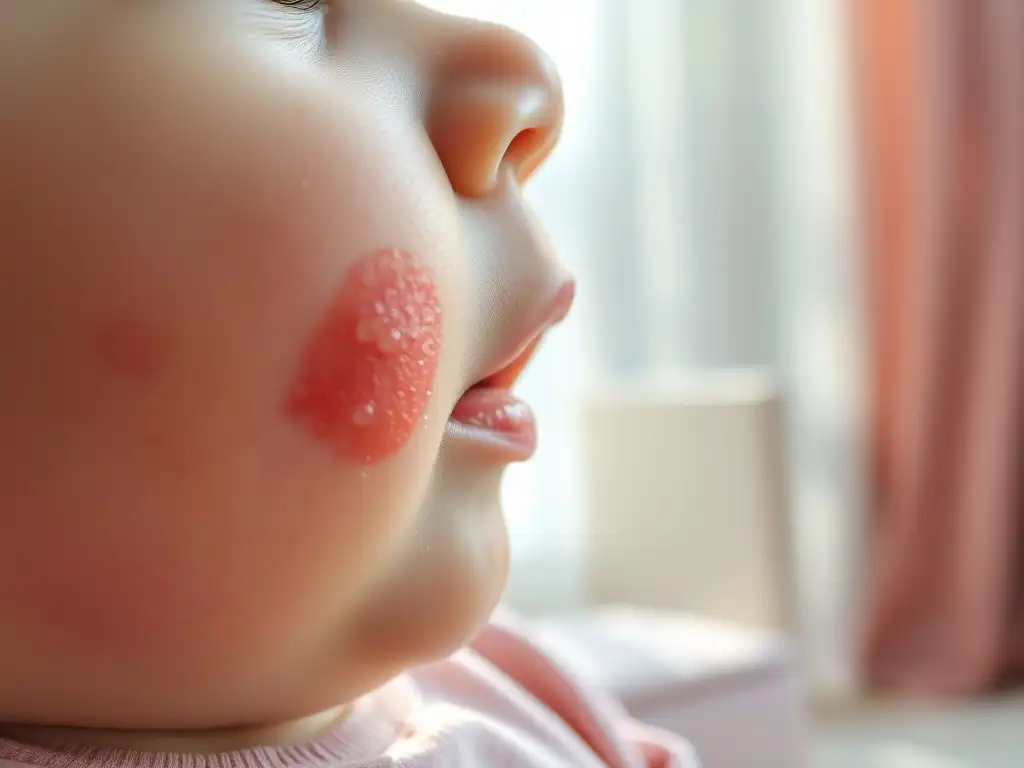
Teething can exacerbate existing skin conditions, especially eczema. Recognizing the signs of an eczema flare-up during this period is crucial for effective management. Many parents confuse teething rash with eczema, leading to delayed or inappropriate treatment. This section will help you differentiate between the two and understand when professional help is necessary. Remember, early intervention is key to minimizing discomfort for your little one and preventing complications. The intensity of teething baby eczema flareups can vary greatly, so understanding the nuances is vital.
Common Eczema Symptoms to Watch For
Eczema, or atopic dermatitis, is characterized by dry, itchy skin. During teething, existing eczema often worsens, manifesting in several ways. Look out for these common symptoms:
- Increased redness and inflammation: The affected areas become noticeably redder and more swollen than usual. This is often more intense than the typical redness associated with teething rash.
- Intensified itching: Babies with eczema often experience unbearable itching, leading to scratching and potential skin damage. During teething, this itching can become significantly worse, disrupting sleep and causing distress.
- Dry, cracked skin: The skin becomes extremely dry, leading to cracking and bleeding, particularly in the creases of the elbows, knees, and neck. This is a hallmark of eczema flare-ups.
- Weeping sores: Severe eczema can result in weeping sores, which are areas of broken skin that ooze fluid. This is a sign that the eczema is quite severe and requires immediate attention.
- Thickened skin: In chronic cases, the skin can thicken and become leathery in appearance. This is less common in acute flare-ups related to teething but is still a possibility.
It's important to note that the location of the rash can also be indicative. While teething rash often appears around the mouth, eczema can manifest anywhere on the body. Observing the overall pattern and severity of the symptoms is crucial for accurate diagnosis. Keeping a detailed record of your baby's symptoms, including location, severity, and any triggers you notice, can be helpful for your pediatrician.
Distinguishing Teething Rash from Eczema
Teething rash and eczema share some similarities, making differentiation challenging for parents. However, key differences exist:
| Feature | Teething Rash | Eczema |
|---|---|---|
| Location | Primarily around the mouth and chin | Can appear anywhere on the body |
| Appearance | Often small, red bumps; may be slightly raised | Dry, scaly patches; may be weeping or cracked |
| Itching | Mild to moderate itching | Intense itching, often leading to scratching |
| Duration | Typically resolves within a few days | Can persist for extended periods, with flare-ups |
| Other Symptoms | Drooling, irritability, difficulty sleeping | No specific teething symptoms; may have a family history of eczema or allergies |
While a teething rash is usually temporary and resolves quickly, eczema requires ongoing management. If you are unsure whether your baby's rash is caused by teething or eczema, consult a pediatrician for a proper diagnosis and treatment plan.
When to Seek Professional Medical Advice for Baby Eczema
While many minor eczema flare-ups can be managed at home, certain situations warrant immediate medical attention:
- Severe itching and scratching: If your baby is excessively scratching the affected areas, leading to bleeding or infection, seek medical help.
- Widespread rash: A widespread rash covering a significant portion of the body indicates a more severe condition and requires professional evaluation.
- Weeping sores: Weeping sores are a sign of infection and need prompt treatment with antibiotics.
- Fever or other systemic symptoms: If your baby develops a fever, lethargy, or other signs of illness alongside the eczema flare-up, this needs immediate medical assessment.
- No improvement after home treatment: If home remedies fail to improve the eczema symptoms within a few days, consult a doctor. They can determine if a stronger treatment is necessary.
Don't hesitate to seek professional help if you're concerned about your baby's skin condition. Early intervention can prevent complications and ensure your baby's comfort. Remember, a pediatrician can provide tailored advice and treatment specific to your baby's needs and the severity of their teething baby eczema flareups.
Soothing Eczema During Teething: Practical Strategies
Teething and eczema flare-ups can be a double whammy for parents of teething babies. The discomfort of emerging teeth often coincides with a worsening of eczema symptoms, creating a challenging situation for both parent and child. Understanding how to manage these concurrent issues is crucial for ensuring your little one's comfort and well-being.
This section focuses on practical strategies to soothe eczema during the teething phase, minimizing discomfort and promoting healing. We'll explore gentle cleansing routines, appropriate cream selection, and how to avoid common irritants. Remember, always consult your pediatrician if you have concerns about your baby's eczema or teething.
Gentle Cleansing and Moisturizing Routines for Baby's Skin
Gentle skin care is paramount when dealing with eczema, especially during teething. The increased saliva production associated with teething can further irritate already sensitive skin. Avoid harsh soaps and detergents. Opt for fragrance-free, hypoallergenic baby washes specifically designed for sensitive skin. Look for products labeled "hypoallergenic" or "free of dyes and fragrances."
Here's a sample daily routine:
- Morning: Use lukewarm water and a small amount of gentle cleanser to wash your baby's face and any affected areas. Avoid scrubbing. Pat the skin dry gently with a soft towel.
- After each feeding: Wipe any excess saliva from your baby's face and neck with a soft, damp cloth.
- Moisturize: Immediately after cleansing, apply a generous amount of fragrance-free moisturizer. This helps to seal in moisture and prevent dryness, a major eczema trigger. Consider applying moisturizer several times a day, especially after bath time.
Remember, consistency is key. A regular, gentle cleansing and moisturizing routine can significantly reduce eczema flare-ups, even during the teething period. Choose products with ingredients like ceramides or colloidal oatmeal, known for their soothing and moisturizing properties.
Choosing the Right Eczema Creams and Lotions for Teething Babies
Selecting the right eczema cream or lotion is crucial for effective management. Not all moisturizers are created equal. Some ingredients can worsen eczema or even be harmful to your baby. Avoid products containing perfumes, dyes, and harsh chemicals. Look for products specifically formulated for sensitive skin and eczema.
Consider these options:
- Creams: Creams are generally thicker and provide more intense hydration than lotions. This can be beneficial for dry, cracked skin often associated with eczema flare-ups.
- Lotions: Lotions are lighter and may be preferable for less severe eczema or in warmer climates.
- Oatmeal-based products: Colloidal oatmeal has anti-inflammatory properties and can soothe irritated skin.
- Ceramide-containing products: Ceramides are lipids that help repair the skin barrier, reducing dryness and inflammation.
Before applying any new product, test a small amount on a less sensitive area of your baby's skin to check for any adverse reactions. If you notice any redness, rash, or irritation, discontinue use immediately and consult your pediatrician. Remember, documenting the products you use and any reactions can be beneficial in identifying potential triggers and informing future choices.
Avoiding Irritants and Allergens During Teething
Many factors can exacerbate eczema, and teething often brings an increase in exposure to potential irritants and allergens. Saliva, for instance, can act as an irritant, worsening existing inflammation. This is why meticulous cleansing is so important. Furthermore, certain fabrics, foods, and environmental factors can trigger or worsen eczema.
Here are some key areas to focus on:
- Clothing: Dress your baby in soft, breathable fabrics like cotton. Avoid wool, synthetic materials, and rough textures that can irritate the skin. Wash all clothing in fragrance-free detergent.
- Diet (if baby is on solids): Introducing new foods can trigger allergic reactions and worsen eczema. Introduce new foods one at a time and monitor your baby's skin closely for any reactions. Keep a food diary to track potential triggers.
- Environmental factors: Keep your baby's environment clean and dust-free. Avoid exposure to smoke, harsh chemicals, and extreme temperatures. Consider using a humidifier to add moisture to the air, especially during dry seasons.
By carefully managing these factors, you can create a more soothing environment for your teething baby, reducing the likelihood and severity of eczema flare-ups. Remember, a proactive approach to minimizing irritants is crucial for managing your baby's eczema effectively, particularly during the challenging period of teething. The combination of gentle care, appropriate products, and environmental control can significantly improve your baby's comfort and well-being.
Home Remedies and Natural Approaches to Soothe Eczema Flare-Ups
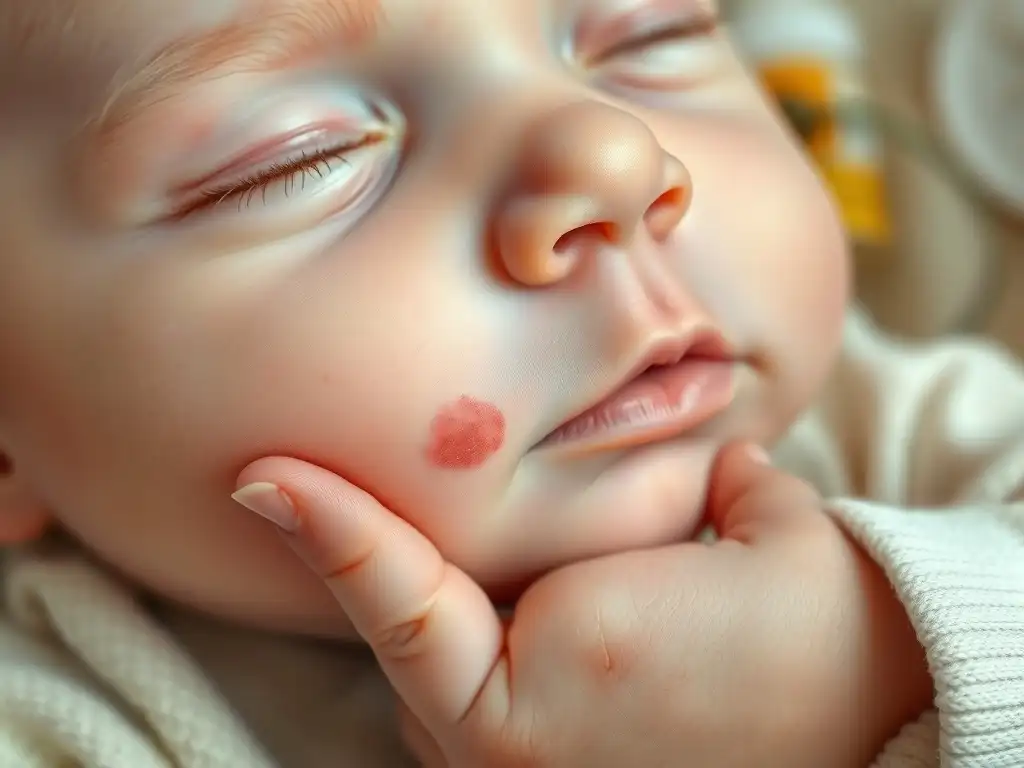
Teething baby eczema flare-ups can be distressing for both parents and infants. While medical advice should always be sought for severe cases, several home remedies and natural approaches can help soothe irritated skin and reduce discomfort during this challenging period. These methods focus on gentle care and minimizing potential irritants, providing relief from the itching and inflammation often associated with teething-related eczema exacerbations. Remember, consistency is key; regular application and a calm approach are crucial for effective management.
The Benefits of Oatmeal Baths for Eczema Relief
Oatmeal baths are a well-established, gentle remedy for soothing eczema symptoms. The colloidal oatmeal, finely ground oatmeal, creates a protective barrier on the skin, reducing inflammation and itching. The process is simple: add 1-2 cups of colloidal oatmeal (available at most pharmacies) to warm bathwater. Let your baby soak for 10-15 minutes, ensuring the water isn't too hot. Afterward, gently pat the skin dry with a soft towel, avoiding harsh rubbing.
Avoid using scented bath products or soaps, as these can exacerbate the eczema. Many parents report a significant improvement in their baby's skin dryness and itchiness after just a few oatmeal baths. The soothing effect of the warm water combined with the oatmeal's anti-inflammatory properties provides welcome relief during teething-related eczema flare-ups. This method is especially effective for babies experiencing intense itching and discomfort. Remember to always monitor your baby's temperature during the bath to prevent overheating.
Using Cool Compresses to Reduce Inflammation and Itching
Cool compresses offer immediate relief from the intense itching that often accompanies teething baby eczema flare-ups. The coolness helps constrict blood vessels, reducing inflammation and soothing irritated skin. Simply soak a clean, soft cloth in cool (not cold) water and gently apply it to the affected areas. Repeat this process several times a day, as needed.
Avoid using ice directly on the skin, as this can be too harsh and potentially damaging. This simple method is quick, readily accessible, and provides almost instant relief from the discomfort. Many parents find this particularly helpful during nighttime flare-ups, allowing for a more peaceful sleep for both the baby and themselves. The coolness provides a calming sensation, helping to distract from the itch and promoting relaxation.
Exploring the Use of Natural Oils for Eczema Management
Several natural oils possess anti-inflammatory and moisturizing properties that can be beneficial in managing eczema during teething. However, it's crucial to always perform a patch test on a small area of skin before applying any oil to a larger area, especially on a sensitive baby's skin. Some commonly used oils include coconut oil (known for its moisturizing properties) and calendula oil (known for its soothing and anti-inflammatory effects).
Apply a small amount of the chosen oil to the affected areas after bathing, gently massaging it into the skin. Always choose pure, unrefined oils to minimize the risk of allergic reactions. Remember that while these oils can be helpful, they are not a cure for eczema, and consistent application alongside other management strategies is usually necessary.
The selection of oil should be carefully considered, with a preference for hypoallergenic options, and always consult with a pediatrician before introducing new topical treatments for your teething baby. Always prioritize safety and observe your baby for any adverse reactions after applying these oils. Documenting your observations can be helpful when discussing your baby's skin condition with your doctor.
Preventing Future Eczema Flare-Ups During Teething

Teething and eczema flare-ups often coincide, causing distress for both baby and parent. While you can't entirely prevent teething, understanding how to minimize eczema flare-ups during this period is crucial. Proactive management significantly reduces the severity and frequency of these uncomfortable episodes. This section focuses on strategies to mitigate future occurrences of teething baby eczema flareups.
Maintaining a Consistent Skincare Routine
A consistent skincare routine is paramount in managing your baby's eczema. This isn't about applying countless products; rather, it's about establishing a gentle, regular approach that keeps the skin barrier healthy and strong. This helps prevent irritation, a common trigger for eczema flare-ups, especially during the stress of teething.
A typical routine might involve:
- Gentle cleansing: Use lukewarm water and a fragrance-free, hypoallergenic cleanser designed for sensitive baby skin. Avoid harsh scrubbing. Over-washing can strip the skin of its natural oils, exacerbating dryness and increasing eczema susceptibility.
- Moisturizing frequently: Apply a fragrance-free, hypoallergenic moisturizer immediately after bathing and throughout the day, especially after drooling (a common occurrence during teething). Look for moisturizers containing ceramides or other ingredients that help repair the skin barrier. Consider applying the moisturizer before drooling episodes, creating a protective layer on the skin.
- Avoid harsh fabrics: Dress your baby in soft, breathable clothing made from cotton or other natural fibers. Avoid wool, synthetic materials, and anything that might irritate sensitive skin. Loose-fitting clothing allows for better air circulation, further minimizing irritation.
- Regular nail trimming: Keep your baby's fingernails trimmed short to prevent scratching, which can worsen eczema lesions and introduce infection. Consider using soft cotton mittens during sleep to prevent scratching.
Remember, consistency is key. Even when your baby's eczema appears clear, maintaining this routine helps prevent future flare-ups, especially during periods of stress like teething. This proactive approach is vital in managing teething baby eczema flareups effectively.
Identifying and Eliminating Potential Triggers
Identifying and eliminating potential eczema triggers is a crucial step in preventing flare-ups during teething. While teething itself isn't a direct eczema trigger, the increased drooling and subsequent skin irritation can exacerbate existing conditions. It's vital to pinpoint other environmental or dietary factors that might be contributing to the problem.
Common triggers include:
- Soaps and detergents: Switch to fragrance-free, hypoallergenic detergents for laundry. Thoroughly rinse all clothing to remove any soap residue.
- Environmental allergens: Dust mites, pet dander, and pollen can all trigger eczema. Regular cleaning, air purifiers, and minimizing exposure to allergens can help.
- Certain fabrics: As mentioned earlier, avoid harsh fabrics like wool and synthetic materials.
- Stress: While difficult to control directly, minimizing stress in the household can contribute to overall well-being and reduce eczema flare-ups.
Keeping a detailed diary documenting your baby's eczema flare-ups, along with any potential triggers (food eaten, new products used, environmental changes), can be incredibly helpful in identifying patterns and eliminating contributing factors. This detailed approach is crucial for managing teething baby eczema flareups effectively.
Monitoring Your Baby's Diet and its Impact on Eczema
The link between diet and eczema is complex and not fully understood. However, for some babies, certain foods can exacerbate eczema symptoms. While it's important to maintain a balanced diet during teething, monitoring your baby's food intake for potential triggers is advisable, especially if you suspect a food allergy or intolerance.
Some common food triggers include:
- Dairy: Cow's milk protein is a known trigger for many babies with eczema.
- Eggs: Egg whites, in particular, can cause reactions in some infants.
- Soy: Soy products are another potential trigger.
- Wheat: Wheat allergies are relatively common.
- Nuts: Tree nuts and peanuts are strong allergens.
Important Note: If you suspect a food allergy or intolerance, consult your pediatrician before making any significant dietary changes. They can help you determine the best course of action and rule out other potential causes of your baby's eczema. Eliminating potential food triggers is a vital component of managing teething baby eczema flareups. Remember to introduce new foods one at a time to better identify potential reactions. This careful monitoring allows for a more tailored approach to managing your baby's eczema.
When to Consult a Pediatrician or Dermatologist
Dealing with a teething baby experiencing eczema flare-ups can be stressful. While many mild cases can be managed at home, knowing when to seek professional help is crucial for your baby's well-being. This section outlines key indicators that necessitate a visit to your pediatrician or dermatologist. Early intervention can significantly improve your baby's comfort and prevent complications. Remember, this information is for guidance only, and professional advice is always best.
Signs that Indicate a Need for Professional Intervention
Several symptoms indicate that your baby's eczema flare-up during teething requires professional attention. These aren't just minor irritations; they signal a potentially more serious issue needing medical management. Don't hesitate to contact your healthcare provider if you observe any of the following:
- Widespread or severe rash: If the eczema has spread beyond small patches and covers a significant portion of your baby's body, or if the rash is intensely inflamed, red, and weeping, it's time to seek medical help. This could indicate a secondary infection requiring antibiotics or other treatments.
- Secondary infection: Look for signs of infection, such as yellow crusts, pus, increased swelling, or fever. These are clear indicators that the eczema has become infected and needs immediate medical attention. 👶
- Intense itching and scratching: Excessive scratching can lead to skin damage, increasing the risk of infection. If your baby's scratching is relentless and causing significant distress, it's crucial to consult a doctor to discuss ways to manage the itch.
- Failure to respond to home remedies: If you've tried over-the-counter treatments and home remedies for several days, and the eczema shows no improvement or worsens, professional intervention is necessary. The pediatrician or dermatologist can provide stronger treatments tailored to your baby's specific needs.
- Difficulty sleeping or feeding: Severe eczema can cause significant discomfort, leading to disrupted sleep and difficulty feeding. If your baby's eczema is impacting their daily routines, it's time to seek help to alleviate their discomfort and improve their quality of life.
- Other concerning symptoms: If your baby exhibits any other concerning symptoms alongside the eczema flare-up, such as persistent fever, lethargy, or difficulty breathing, seek immediate medical attention.
Remember, early intervention is key to managing teething baby eczema flare-ups effectively. Don't hesitate to reach out to your healthcare provider if you have any concerns.
Discussing Treatment Options with Your Doctor
Once you've consulted a pediatrician or dermatologist, be prepared to discuss various treatment options for your baby's eczema. They will likely conduct a thorough examination to assess the severity of the condition and rule out any other underlying issues. Your doctor will then recommend a personalized treatment plan that may include:
- Topical corticosteroids: These are anti-inflammatory creams that help reduce inflammation and itching. The strength of the corticosteroid will depend on the severity of the eczema.
- Moisturizers: Regular moisturizing is crucial for managing eczema. Your doctor can recommend specific moisturizers suitable for your baby's sensitive skin. Applying moisturizer frequently throughout the day is vital to keep the skin hydrated and prevent dryness.
- Antihistamines: Oral antihistamines may be prescribed to help alleviate itching and promote better sleep, particularly if the itching is severe and interfering with your baby's rest.
- Wet wraps: This technique involves applying a moisturizer and then covering the affected area with wet bandages. It helps to hydrate the skin and reduce inflammation.
- Other treatments: In more severe cases, your doctor may recommend other treatments, such as topical calcineurin inhibitors or phototherapy (light therapy).
Long-Term Management of Baby Eczema
Managing baby eczema is often a long-term process. Even after the flare-up subsides, ongoing care is essential to prevent future occurrences, especially during teething phases. Here's how you can support long-term management:
- Consistent moisturizing: Keep your baby's skin well-hydrated by applying a fragrance-free, hypoallergenic moisturizer regularly throughout the day.
- Identify and avoid triggers: Keeping a diary of your baby's eczema flare-ups can help identify potential triggers, such as certain foods, detergents, or fabrics. Avoiding these triggers can significantly reduce the frequency and severity of flare-ups.
- Regular bathing: Bathe your baby in lukewarm water using a mild, fragrance-free cleanser. Avoid harsh soaps or detergents.
- Cool compresses: Applying cool compresses to the affected area can help soothe itching and inflammation.
- Loose-fitting clothing: Dress your baby in loose-fitting, soft clothing made from breathable fabrics like cotton to minimize irritation.
- Nail care: Keep your baby's nails trimmed short to minimize scratching. Consider using mittens to prevent scratching during sleep.
- Follow-up appointments: Attend all scheduled follow-up appointments with your doctor to monitor your baby's progress and adjust the treatment plan as needed. Regular check-ups are crucial for managing chronic eczema.
By following these guidelines, you can help manage your teething baby's eczema flare-ups and improve their overall comfort and well-being. Remember that consistent care and proactive measures are key to long-term success in managing this common skin condition.
Frequently Asked Questions
What is the connection between teething and eczema flare-ups?
Teething can sometimes trigger eczema flare-ups in babies. The increased saliva production during teething can irritate already sensitive skin, worsening eczema symptoms. Stress from teething can also contribute.
How can I soothe my baby's eczema during a teething flare-up?
Use gentle, fragrance-free cleansers and moisturizers. Apply cool compresses to reduce inflammation. Avoid harsh soaps and fabrics. Consult your pediatrician for appropriate treatment options.
Are there any specific over-the-counter remedies for eczema flare-ups during teething?
While some over-the-counter hydrocortisone creams may provide temporary relief, always consult your pediatrician before using them on your baby. They can advise on the appropriate strength and application. Self-treating can be risky.
My baby is teething and has a severe eczema flare-up. What should I do?
Seek immediate medical attention from your pediatrician or a dermatologist. Severe flare-ups may require stronger medication or further investigation to rule out other issues. Don't delay professional help.
While you can't completely prevent them, maintaining a consistent skincare routine, using hypoallergenic products, and minimizing irritants can help reduce the severity and frequency of flare-ups. Regular moisturizing is key.
The simultaneous eruption of teeth and eczema flare-ups is a common parental experience, often fraught with sleepless nights and anxious days. Understanding the connection between these two seemingly disparate events, and learning effective management strategies, is crucial for both parent and child's well-being. This knowledge empowers parents to navigate this challenging period with more confidence and less stress.
The impact of teething-related eczema flare-ups extends far beyond the immediate discomfort of the child. It affects the entire family dynamic, demanding patience, understanding, and a willingness to adapt routines. The emotional toll on parents is significant, often leading to feelings of helplessness and frustration. The most important thing a parent can do is to be present and supportive, offering comfort and care during these difficult times.
This quote highlights the crucial role of emotional support in managing not just the physical symptoms, but also the emotional burden on the family.
Now, consider your own experiences with your little one. Remember the sleepless nights, the frustrated cries, and the overwhelming feeling of wanting to ease your child's suffering. You are not alone.
Armed with the knowledge gained from this article, you can approach future flare-ups with a renewed sense of confidence and preparedness. Take a moment to reflect on the strategies discussed – perhaps try a new soothing balm, adjust your child's diet, or implement a more consistent skincare routine. By actively applying these techniques, you can transform the experience of teething and eczema from a period of distress into one of manageable challenges, ultimately strengthening your bond with your child.
Unlock Your Baby's Comfort: Soothe Teething & Eczema Together
Thank you for learning more about managing teething and eczema. We hope this information empowers you to better support your little one during this challenging time. Now, let's put that knowledge into action:
- Prioritize a soothing bath routine: Adding a few drops of colloidal oatmeal to your baby's bathwater can calm irritated skin and significantly reduce discomfort.
- Share your experiences: Let's build a supportive community! Share your tips and tricks for managing teething and eczema in the comments below. What has worked best for you?
- Explore gentle skincare options: Choose natural, hypoallergenic skincare products to minimize irritation and keep your baby's skin properly hydrated.
Ready to give your baby some much-needed relief? What's one small step you can take today to improve their comfort?