
Decoding Teething: 10 Early Signs Your Baby Is About to Sprout a Tooth

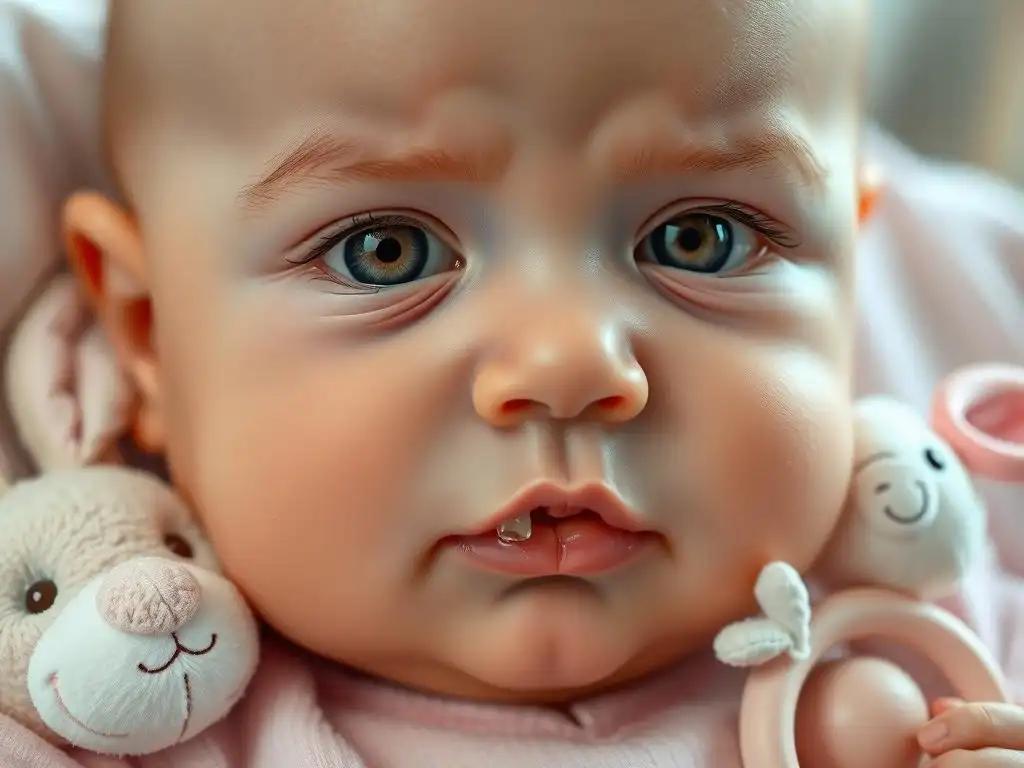
Welcome to BabyCareHub, your ultimate guide to navigating the incredible journey of parenthood! Are you noticing subtle changes in your little one's behavior? We understand the anxieties that come with those first few months, especially when it comes to your baby's health. Discover the ten early signs of baby teething before they even erupt, and gain valuable insights to help your baby through this developmental milestone. Prepare yourself for a smoother teething experience and learn how to soothe your baby's discomfort effectively. Let's explore the world of "Baby Teething Early Signs" together!
- Understanding Baby Teething Early Signs: A Parent's Guide
-
Top 10 Early Signs Your Baby Is Teething
- Excessive Drooling: A Common Teething Symptom
- Irritability and Fussiness: Teething Pain and Discomfort
- Changes in Sleep Patterns: Disturbed Sleep Due to Teething
- Increased Biting and Chewing: Relief Through Oral Stimulation
- Swollen Gums: Visual Signs of Impending Tooth Eruption
- Red and Inflamed Gums: Identifying Gum Irritation
- Pulling at Ears: Referred Pain and Teething Connection
- Low-Grade Fever: Mild Fever Associated with Teething
- Rash around the Mouth: Drool Rash and Teething
- Diarrhea and Other Digestive Upsets: Teething and Gastrointestinal Discomfort
- Differentiating Teething from Other Illnesses: Key Considerations
- Soothing Your Teething Baby: Natural Relief Methods
- Frequently Asked Questions
- Final Reflection: The Unspoken Language of Teething
- Unleash Your Inner Tooth Fairy Expert!
Understanding Baby Teething Early Signs: A Parent's Guide
Navigating the world of parenthood is a journey filled with exciting milestones and, let's be honest, a few unexpected challenges. One of the earliest and often most perplexing of these is teething. For first-time parents, the process can feel like a mystery, leaving you wondering, "Is my baby teething?"
This comprehensive guide will equip you with the knowledge to recognize the early signs of teething in your little one, helping you anticipate and manage this developmental stage with confidence. We'll explore the subtle cues your baby might display, helping you distinguish teething discomfort from other potential issues. Understanding these early indicators allows for proactive comfort measures, ensuring a smoother transition for both you and your baby.
This article focuses specifically on identifying the ten most common early signs of teething, providing you with a clear roadmap to navigate this exciting phase of your baby's development. Remember, while these signs are strong indicators, it's always best to consult your pediatrician if you have any concerns.
Recognizing the First Signs of Teething in Infants
The arrival of a baby's first tooth is a significant milestone, but the journey leading up to it can be marked by various subtle signs. While every baby is different, and the timing of teething varies considerably, several common indicators suggest your little one is about to sprout a pearly white. Let's explore ten early signs that often precede the eruption of a tooth:
- Excessive Drooling: A significant increase in drool is often one of the earliest signs. This is because saliva production increases as the teeth begin to push through the gums. 👶💧
- Fussiness and Irritability: Teething can cause discomfort and pain, leading to increased fussiness and irritability, especially during the night. This increased crankiness can be difficult to manage. 😩
- Increased Biting and Chewing: Your baby might exhibit a strong urge to bite and chew on everything – fingers, toys, even your shoulder! This is a natural response to the pressure and discomfort in their gums. 🦷😬
- Gnawing on Fingers or Toys: Similar to the previous point, this is a way for your baby to self-soothe and alleviate the pressure on their gums. Observe if they are constantly putting their hands or toys in their mouth. 🖐️🧸
- Swollen and Tender Gums: You might notice that your baby's gums are slightly swollen, red, or tender to the touch around the area where the tooth is about to erupt. Gently checking their gums can help you identify this early sign. gums 🤰
- Difficulty Sleeping: The discomfort associated with teething can significantly disrupt your baby's sleep patterns, leading to frequent awakenings and restless nights. 😴❌
- Pulling on Ears: While not always directly related to teething, some babies might pull on their ears as a way to alleviate pressure in their gums. This is because the nerves in the jaw and ears are interconnected. 👂
- Low-Grade Fever: A slightly elevated temperature (typically below 100.4°F or 38°C) can sometimes accompany teething. However, higher fevers should be evaluated by a doctor as they may indicate another illness.🌡️
- Rash Around the Mouth: The increased drooling can sometimes lead to a rash developing around the mouth due to the constant moisture. Keep the area clean and dry to minimize irritation. 👶💋
- Changes in Eating Habits: Some babies may experience temporary changes in their eating habits, such as decreased appetite or difficulty feeding due to gum pain. Offering softer foods can help. 🍎🥣
Timing of Teething: When to Expect Those First Pearly Whites
The timing of teething varies greatly from baby to baby. While some babies might start teething as early as three months, others may not see their first tooth until well after a year. There's no "right" time, and any variation within the normal range is perfectly acceptable. However, understanding general timelines can help you manage expectations.
| Stage | Typical Age Range (Months) | Notes |
|---|---|---|
| First Teeth | 4-7 | Lower central incisors usually appear first. |
| Next Teeth | 6-12 | Upper central incisors, then lateral incisors (upper and lower). |
| Molars | 12-19 | First molars typically erupt next, followed by canines (eye teeth). |
| Second Molars | 20-33 | The final molars complete the set of baby teeth. |
Remember, these are averages. Some babies may develop teeth earlier or later than these ranges, and this is perfectly normal. The key is to be observant, patient, and to consult your pediatrician if you have any concerns about your baby's development or if they exhibit any unusual symptoms. Enjoy this special time of watching your baby grow! 🎉
Top 10 Early Signs Your Baby Is Teething

This section details the top ten early indicators that your baby is about to experience the joy (and sometimes, the pain!) of teething. Recognizing these signs early can help you prepare and provide appropriate comfort measures for your little one. Remember, every baby is different, and they may not exhibit all these symptoms, or they may show them in varying degrees of intensity. Consult your pediatrician if you have any concerns.
Excessive Drooling: A Common Teething Symptom
Excessive drooling is often one of the earliest and most noticeable signs of impending teething. As your baby's gums become swollen and tender, increased saliva production is a natural response. You might notice a significant increase in the amount of drool your baby produces, often leading to damp clothing and a perpetually soggy chin. This drool can sometimes be thicker than usual. While generally harmless, excessive drooling can sometimes lead to a rash around the mouth.
Keep the area clean and dry to minimize irritation. Consider using bibs made of absorbent materials like cotton to manage the moisture. Some babies might even start to develop a slight cough due to the excess saliva dripping down their throat. This is usually nothing to worry about, but keeping your baby upright after feeding can help.
Irritability and Fussiness: Teething Pain and Discomfort
Irritability and fussiness are classic signs of teething pain. As the teeth push through the gums, they cause pressure and inflammation, leading to discomfort and crankiness. Your usually happy baby might become more clingy, demanding more attention and comfort than usual. This increased fussiness can manifest in various ways, from whining and crying to increased difficulty settling down for naps or bedtime.
The intensity and duration of this irritability can vary greatly from baby to baby and from tooth to tooth. Remember to offer extra cuddles and soothing comfort during these times. Note that this irritability is often coupled with other teething symptoms, making it crucial to observe the overall picture rather than relying on this symptom alone. For instance, a baby who is solely irritable without any other symptoms may be experiencing something other than teething pain.
Changes in Sleep Patterns: Disturbed Sleep Due to Teething
Disrupted sleep is another common complaint amongst parents of teething babies. The discomfort and pain associated with teething can significantly impact a baby's sleep patterns. They may wake up more frequently throughout the night, cry more easily, and have difficulty settling back down. Some babies might also experience shorter sleep cycles than usual. This sleep disruption can be incredibly challenging for both parents and baby, leading to exhaustion and frustration.
Maintaining a consistent bedtime routine and offering soothing comfort measures, such as gentle rocking or a warm bath, can help alleviate some of the sleep disturbances. However, if the sleep disruption is severe or prolonged, consulting your pediatrician is advisable to rule out other potential causes. Remember to prioritize rest and seek support from family and friends whenever possible. This period of disrupted sleep will eventually pass, and your baby will eventually get back to their normal sleep routine.
Increased Biting and Chewing: Relief Through Oral Stimulation
Babies experiencing the early stages of teething often exhibit an increased desire to bite and chew on anything they can get their hands on. This isn't just a random behavior; it's a direct response to the pressure and discomfort building up in their gums as teeth prepare to erupt. The act of chewing provides a soothing counter-pressure, temporarily alleviating the pain. You might notice your little one gnawing on their fists, toys, or even your fingers with unusual intensity.
This increased chewing is a very common and reliable early sign of baby teething. To provide relief, offer your baby a variety of safe teething toys. These can include chilled (not frozen) teething rings, textured teethers, or even clean, cold washcloths. The coolness of these items can further numb the gums and provide additional comfort.
Remember to always supervise your baby while they are chewing on any object to prevent choking hazards. The intensity of biting and chewing can vary greatly between babies; some may be more prone to this behavior than others. Consistent chewing and biting, especially combined with other teething symptoms, is a strong indicator of impending tooth eruption.
Swollen Gums: Visual Signs of Impending Tooth Eruption
One of the most visible signs of baby teething is swollen gums. As the teeth push their way through the gum line, the surrounding tissue becomes inflamed and enlarged. This swelling is a natural response to the pressure and is a clear indication that teething is underway. The swelling might be localized to a specific area, indicating the impending eruption of a particular tooth, or it might be more generalized, affecting a larger section of the gums.
The degree of swelling can vary considerably from baby to baby. Some babies might experience only mild swelling, barely noticeable to the naked eye, while others might have significantly puffy gums. Regularly checking your baby's gums can help you identify this early warning sign.
Pay close attention to the color and texture of the gums. Swollen gums, when coupled with other symptoms like drooling or irritability, strongly suggest that your little one is in the early stages of teething. Keep in mind that while swollen gums are a common teething symptom, other conditions can also cause gum swelling, so it's always best to consult a pediatrician if you have concerns.
Red and Inflamed Gums: Identifying Gum Irritation
Along with swelling, redness and inflammation of the gums are frequent companions of the teething process. The gums become irritated and sensitive as the teeth push through the gum tissue. This irritation manifests as a noticeable redness, often accompanied by a slightly glossy or shiny appearance. The affected area might be warm to the touch, although this is not always the case.
The intensity of the redness can range from a mild pink hue to a more pronounced, deep red. This redness is a clear sign of inflammation and discomfort. It's important to differentiate this redness from other potential causes of gum inflammation. While teething is a common culprit, other infections or conditions could also cause red and inflamed gums.
If the redness is accompanied by fever, pus, or unusual bleeding, it is crucial to consult a pediatrician immediately to rule out any serious underlying issues. Observing the color and texture of your baby's gums, along with other teething symptoms, will help you accurately identify the onset of teething. Remember to maintain good oral hygiene for your baby, even during teething, to prevent any secondary infections.
Pulling at Ears: Referred Pain and Teething Connection
Pulling at their ears is a common behavior observed in babies experiencing teething pain. This isn't because the tooth is directly affecting the ear, but rather due to a phenomenon called referred pain. The nerves in the jaw and ear region are closely interconnected.
As a result, the pain from a developing tooth can be felt in the ear, causing the baby to tug, rub, or pull at their ear. This behavior isn't always indicative of an ear infection, although it's crucial to consult a pediatrician to rule out any other underlying issues. The intensity of ear pulling can vary—some babies may gently tug at their ears, while others might exhibit more frantic behavior.
Observing the overall context is key; if the ear pulling is accompanied by other teething symptoms, it's more likely related to the emerging tooth. Remember that consistent, excessive ear pulling, especially without other teething signs, warrants a doctor's visit to assess for potential ear infections. Parents should carefully monitor their baby's behavior and seek professional medical advice if concerns arise.
Low-Grade Fever: Mild Fever Associated with Teething
A low-grade fever, typically below 100.4°F (38°C), can sometimes accompany teething. While a fever isn't a direct symptom of a tooth erupting, it's often associated with the body's overall inflammatory response. The process of a tooth breaking through the gums can trigger a mild immune response, leading to a slight elevation in temperature.
It's important to distinguish between a low-grade fever related to teething and a higher fever that may indicate a more serious illness. A low-grade fever associated with teething usually resolves on its own without intervention, particularly when accompanied by other classic teething symptoms like drooling, gum swelling, and fussiness.
However, parents should always monitor their baby's temperature and consult their pediatrician if the fever is high (above 100.4°F or 38°C), lasts for more than a few days, or is accompanied by other concerning symptoms such as lethargy, vomiting, or diarrhea. Accurate temperature readings using a reliable thermometer are essential for accurate assessment.
Rash around the Mouth: Drool Rash and Teething
Increased drooling is a hallmark of teething, and this excessive saliva can often lead to a rash around the baby's mouth. The constant moisture irritates the delicate skin, resulting in redness, inflammation, and sometimes small bumps. This drool rash is usually a mild irritation and not a cause for significant concern.
The rash typically appears on the cheeks, chin, and around the mouth, areas most frequently exposed to the baby's drool. To alleviate the discomfort, gently cleanse the affected area with a soft, damp cloth. Applying a thin layer of a hypoallergenic cream or ointment, such as petroleum jelly, can provide a protective barrier and help soothe the irritated skin.
In most cases, the rash will clear up once the teething phase subsides and drooling decreases. However, if the rash persists, worsens, or spreads beyond the mouth area, it's advisable to consult a pediatrician to rule out any other skin conditions. Keeping the area clean and dry is crucial in preventing and managing this common teething-related rash.
Diarrhea and Other Digestive Upsets: Teething and Gastrointestinal Discomfort
Teething can sometimes cause gastrointestinal upset in babies, manifesting as diarrhea or changes in bowel movements. While a direct causal link isn't definitively established by all research, many parents report a correlation between teething and looser, more frequent stools. This isn't necessarily a cause for alarm, particularly if the diarrhea is mild and doesn't include other symptoms like fever or vomiting. However, it's crucial to monitor the consistency, frequency, and color of your baby's stools. Watery stools that persist for more than a day or two, or are accompanied by other concerning signs, warrant a call to your pediatrician.
The increased drooling associated with teething might also contribute to digestive issues as babies may ingest more saliva than usual. Furthermore, the discomfort of teething can lead to changes in feeding patterns, potentially impacting digestion. Remember, if you're concerned about your baby's digestive health, always consult your pediatrician. They can help differentiate between teething-related digestive issues and other potential problems, ensuring your little one receives appropriate care. Keeping your baby well-hydrated during this time is also vital, especially if they are experiencing diarrhea.
Offering frequent small amounts of breast milk or formula, or age-appropriate fluids, can help prevent dehydration. Monitoring your baby's diaper output is a helpful way to assess hydration levels. A significant reduction in wet diapers can indicate dehydration, requiring immediate medical attention. In short, while diarrhea can sometimes accompany teething, it's essential to remain vigilant and consult your pediatrician if you have any concerns.
Differentiating Teething from Other Illnesses: Key Considerations

Teething, while a normal developmental milestone, can sometimes mimic symptoms of other illnesses, making it crucial for parents to be able to distinguish between them. Many symptoms overlap, leading to parental anxiety. Understanding the nuances is key to providing appropriate care and seeking timely medical attention when necessary. This section will help you differentiate teething discomfort from other potential health issues in your baby. Recognizing the subtle differences between teething symptoms and those of illness is paramount in ensuring your baby receives the right care. Early identification can prevent unnecessary worry and ensure prompt treatment if required.
When to Consult a Pediatrician: Distinguishing Teething from Illness
While many teething symptoms are relatively benign, some can indicate a more serious underlying condition. It's essential to know when to seek professional medical advice. This isn't about being overly cautious; it's about proactively protecting your baby's health.
Here's a table summarizing key differences and when a pediatrician's visit is warranted:
| Symptom | Teething | Illness (e.g., Ear Infection, Fever) | When to Consult a Pediatrician |
|---|---|---|---|
| Fever | Low-grade fever (occasionally) | High fever (100.4°F/38°C or higher), persistent fever | Immediately if fever is high or accompanied by other symptoms. |
| Diarrhea | Usually absent | Frequent, watery stools | Immediately if diarrhea is severe or accompanied by dehydration. |
| Vomiting | Usually absent | Repeated vomiting | Immediately if vomiting is forceful or persistent. |
| Irritability/Fussiness | Increased fussiness, particularly at night | Excessive crying, inconsolable, lethargic | If fussiness is unusually severe or persistent, consult your doctor. |
| Drooling | Increased drooling | May or may not be present | Drooling alone is not a cause for concern. |
| Rash | Usually absent | Skin rash, hives | Immediately if rash is accompanied by other symptoms. |
| Loss of Appetite | May have decreased appetite | Significant loss of appetite, refusal to eat | Consult your doctor if your baby refuses to eat for an extended period. |
| Ear Pulling/Tugging | May pull at ears (due to proximity of teeth) | Persistent ear pulling, pain in the ear | Immediately as this could indicate an ear infection. |
Remember, this information is for guidance only. Every baby is different, and what might be a typical teething experience for one may indicate an illness for another. If you are ever unsure, it is always best to err on the side of caution and consult your pediatrician. Trust your instincts – a parent's intuition is invaluable. Early intervention can significantly improve your baby's comfort and well-being. Don't hesitate to reach out to your healthcare provider for any concerns, no matter how small they may seem. Your baby's health is paramount. 👶
Soothing Your Teething Baby: Natural Relief Methods
Teething can be a challenging time for both babies and parents. While the eruption of teeth is a normal developmental milestone, the discomfort it brings can be significant. Thankfully, numerous natural relief methods can soothe your little one and ease the teething process. Remember to always consult your pediatrician before starting any new remedy, especially if your baby shows signs of illness or excessive discomfort. Understanding the early signs of baby teething is crucial in preparing for this phase. These methods focus on providing relief from the pain and discomfort associated with "baby teething early signs."
Safe Teething Toys and Solutions for Gum Relief
Providing your baby with safe teething toys is a cornerstone of natural teething relief. These toys offer a satisfying way for your baby to massage their sore gums, providing much-needed pressure relief. Look for toys made of durable, non-toxic materials like silicone, rubber, or chilled, hard-boiled vegetables (peeled and well-cleaned, of course!). Avoid toys with small parts that could pose a choking hazard.
Several variations exist for effective gum relief:
- Silicone Teethers: These are popular choices due to their smooth surfaces and ability to withstand chewing. Some silicone teethers even have textured surfaces for added gum massage.
- Rubber Teethers: Similar to silicone, rubber teethers offer a soft yet durable option. Many feature different shapes and textures to appeal to babies.
- Frozen Teethers: Chilling a teether in the refrigerator (not the freezer, to avoid extremely cold temperatures) can provide additional soothing relief.
- Clean, Chilled Vegetables: A soft, chilled carrot or cucumber stick (under strict adult supervision) can offer a cool and soothing alternative to store-bought teething toys. Always supervise your baby closely while using this method.
Remember to regularly clean all teething toys to maintain hygiene and prevent bacterial growth. Regular cleaning is a key aspect of preventing infections that might complicate baby teething early signs.
Homeopathic Remedies and Gentle Approaches to Teething Pain
Many parents explore homeopathic remedies to alleviate teething pain. While scientific evidence supporting their efficacy is limited, many find them helpful in managing discomfort. Popular homeopathic options include Chamomilla (for irritability and pain) and Coffea (for restlessness and hyperactivity). These are typically available in diluted forms, suitable for infants. Always consult a qualified homeopath or your pediatrician before administering any homeopathic remedy. They can guide you on appropriate dosages and potential interactions.
Beyond homeopathy, gentle massage of the gums with a clean finger can also provide relief. The gentle pressure can soothe inflamed gums and ease discomfort. This simple technique, paired with understanding the baby teething early signs, can help you navigate this phase effectively.
The Role of Cold Relief: Soothing Sore Gums
Cold offers a remarkably effective way to numb sore gums and reduce inflammation. The cold sensation provides temporary numbing, easing the pain associated with erupting teeth. Offering your baby a cold, wet washcloth or a chilled teething toy can be incredibly soothing. Frozen bananas (peeled and under close supervision), or chilled spoons can also provide this relief.
However, avoid placing ice directly on the gums, as this could cause discomfort or even damage. Always ensure the item is appropriately chilled, not frozen solid. The correct temperature is key to successfully using cold relief for "baby teething early signs." Careful monitoring is crucial to ensure safety and effectiveness. Remember that cold relief is a temporary measure and should be part of a holistic approach to managing teething discomfort. Always prioritize safety and consult your pediatrician if you have any concerns.
Frequently Asked Questions
What are some early signs of teething in babies?
Some early signs include increased drooling, fussiness or irritability, and a desire to chew on things. You might also notice red and swollen gums.
How early can teething begin in babies?
Teething can begin as early as three months old, although it's more common to see teeth emerge between six and twelve months. Every baby is different.
My baby is drooling excessively, is this definitely teething?
Increased drooling is a common teething symptom, but it's not always a definitive sign. Other factors can cause drooling, so consider other symptoms in conjunction.
What can I do to soothe my teething baby?
Offer cold teething toys or a clean, chilled spoon to help numb the gums. Gently rubbing the gums with a clean finger can also provide comfort. Pain relief medication may be necessary in some cases; consult your pediatrician.
When should I consult a pediatrician about my baby's teething?
Consult your pediatrician if your baby shows signs of fever, diarrhea, or significant discomfort that isn't relieved by home remedies. They can rule out other health concerns.
Final Reflection: The Unspoken Language of Teething
The early signs of teething, often subtle and easily missed, are a crucial window into your baby's development and a key to providing timely comfort and support. Understanding these subtle cues can transform the teething experience from a period of distress into a smoother transition for both parent and child.
The journey of teething is more than just the emergence of pearly whites; it's a significant milestone marking a baby's physical growth and their increasing interaction with the world. It's a shared experience, bonding parent and child through sleepless nights and tender moments of comfort. The most beautiful things are not associated with money; they are associated with time.
This rings true for the precious moments spent soothing a teething baby, moments that, though challenging, are deeply enriching.
Now, consider the information presented in this article. You've learned to recognize the ten early signs of teething, empowering you to anticipate and address your baby's discomfort proactively. Remember this knowledge, not just as a checklist, but as a tool to build a stronger connection with your little one. Embrace the journey, celebrate the milestones, and cherish the unique language of your baby's development. You are equipped to navigate this phase with confidence and compassion, making the teething experience a positive one for both of you.
Unleash Your Inner Tooth Fairy Expert!
Thank you for joining us on this journey into the world of teething! We hope you feel more confident in recognizing the early signs of teething. Ready to put your knowledge into practice?
- Create a personalized teething chart: Track your baby's progress, noting when you observe telltale signs like drooling, fussiness, or gum swelling. This is a great way to stay organized and share updates with your pediatrician.
- Share this article with other expectant parents or new parents in your network; they'll appreciate it!
- Explore more resources on BabyCareHub – we offer comprehensive information on soothing teething pain and other baby milestones.
What's your next step in navigating this exciting phase of your baby's development?