
Teething Fever: Fact vs. Fiction What Parents Need to Know

Welcome to BabyCareHub, your ultimate guide to navigating the wonderful, yet sometimes overwhelming, world of parenthood. Are you facing sleepless nights and wondering if that high temperature is really related to teething? We delve into the common myths surrounding teething fever remedies in our latest Health & Safety article, separating fact from fiction to help you make informed decisions for your little one. Discover the truth and gain the confidence to care for your baby with ease. Let's explore together!
- Understanding Teething Fever Myths and Realities
- Common Teething Symptoms: Separating Fact from Fiction
- When Teething Discomfort Becomes a Cause for Concern
- Effective Teething Fever Remedies and Relief Strategies
- Preventing Teething Complications
- Teething Fever Remedies: What to Avoid
- When to Call the Doctor: A Comprehensive Guide
- Frequently Asked Questions
- Final Reflection: Separating Myth from Reality in Teething Fever
- Unlock Your Baby's Teething Comfort: A Parent's Guide
Understanding Teething Fever Myths and Realities
Teething is a significant milestone in a baby's development, marked by the eruption of their first teeth. While it's a natural process, many first-time parents grapple with anxieties surrounding teething symptoms, particularly the common misconception of "teething fever." This article aims to dispel the myths surrounding teething fever and provide accurate information to help you differentiate between teething discomfort and actual illness.
We'll explore the realities of teething symptoms and offer guidance on when to seek professional medical advice, empowering you to navigate this phase with confidence and ease. Understanding the facts about teething fever is crucial for providing your little one with the best possible care and avoiding unnecessary worry. This guide will equip you with the knowledge to confidently address teething-related concerns and ensure your baby's well-being.
The Common Belief: High Fever Always Means Teething
Many parents believe that a high fever is a common symptom of teething. This belief is often passed down through generations and perpetuated by anecdotal evidence. The image of a fussy baby with a swollen gum and a fever is a familiar one, leading many to automatically associate the two. This misconception can cause unnecessary anxiety and delay seeking appropriate medical attention when a fever is actually indicative of a more serious underlying illness.
The worry is understandable; seeing your baby unwell is naturally distressing. However, it's vital to understand that connecting every fever to teething is inaccurate and potentially harmful. This is a common misconception we'll address directly to provide you with clear, evidence-based information.
The Truth: Teething Rarely Causes High Fever
The reality is that teething rarely causes a high fever. While some babies may experience a slightly elevated temperature (perhaps a low-grade fever of 99-100°F or 37.2-37.8°C) accompanied by other teething symptoms like gum swelling, fussiness, and drooling, a high fever (generally considered 100.4°F or 38°C and above) is rarely caused solely by teething. A high fever is usually a sign of infection or another underlying medical condition. This needs to be emphasized: While some mild discomfort is normal, a high fever requires immediate medical attention.
Don't delay seeking professional advice if your baby presents with a high fever, even if they are also showing signs of teething. This is crucial for your baby's health and well-being. 👶
Differentiating Teething Discomfort from Illness
Differentiating between teething discomfort and a genuine illness requires careful observation. Teething symptoms typically include: increased drooling, gum swelling and redness, irritability, chewing on objects, and difficulty sleeping. These symptoms are usually mild and manageable with home remedies like cool teething toys or gentle gum massage. However, symptoms of illness often include a high fever (as discussed above), vomiting, diarrhea, rash, lethargy, or changes in appetite or behavior beyond what's typical for teething.
| Symptom | Teething Discomfort | Illness |
|---|---|---|
| Fever | Possibly a low-grade fever (rarely above 100°F) | High fever (100.4°F or higher) is common |
| Gum Irritation | Swollen, red gums | May be present, but often accompanied by other symptoms |
| Drooling | Increased drooling | May be present, but often accompanied by other symptoms |
| Irritability | Fussiness, mild crankiness | Significant lethargy, inconsolability |
| Diarrhea/Vomiting | Usually absent | Often present |
| Rash | Usually absent | Often present |
If you're unsure whether your baby's symptoms are related to teething or an illness, it's always best to err on the side of caution and consult your pediatrician. Early intervention is key to ensuring your baby receives the appropriate care. Remember, seeking professional medical advice is not a sign of overreacting; it's a responsible and proactive approach to caring for your child.
Common Teething Symptoms: Separating Fact from Fiction
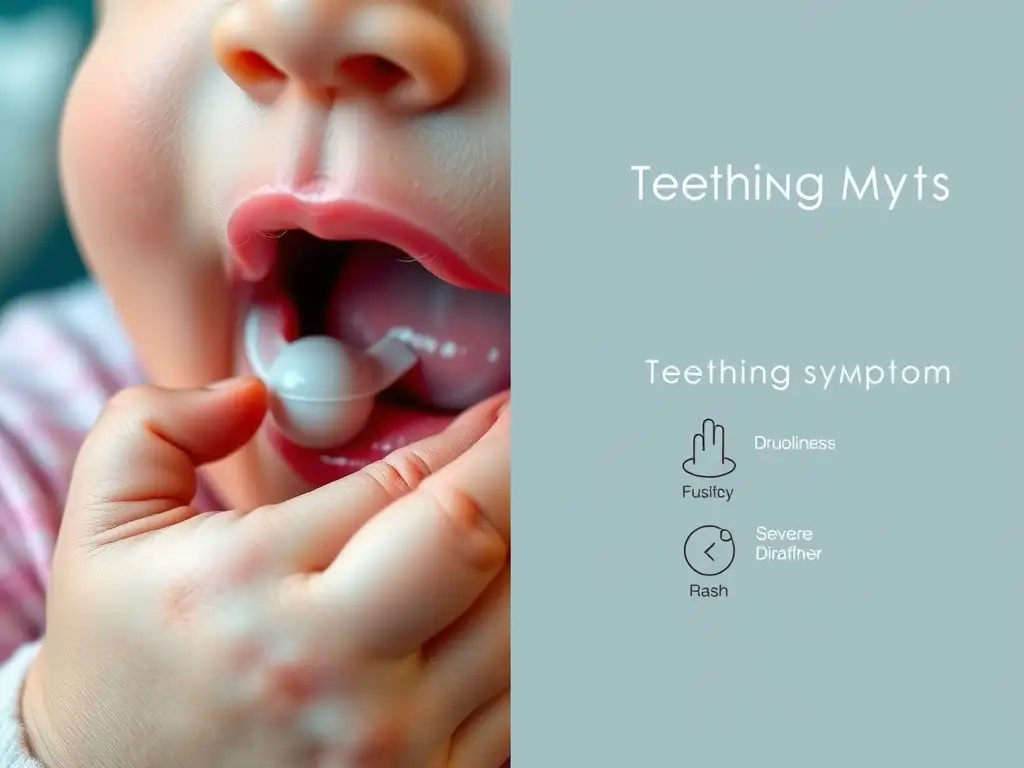
This section delves into the common symptoms associated with teething, differentiating between actual teething signs and other potential health issues that might be mistaken for teething discomfort. Parents often grapple with distinguishing between normal teething discomfort and more serious illnesses, leading to unnecessary worry and potentially delaying appropriate medical attention. Understanding the nuances of teething symptoms is crucial for providing effective relief and ensuring your baby's well-being. We'll examine some common teething myths related to fever and explore evidence-based information to clarify the facts.
Irritability and Fussiness: Is it Teething or Something Else?
Increased fussiness and irritability are frequently cited as teething symptoms. While it's true that teething can cause discomfort and make babies cranky, it's important to remember that this is not a definitive indicator. Many other factors can contribute to a baby's irritability, including hunger, fatigue, diaper rash, or even an underlying illness.
Several studies suggest a correlation between teething and increased fussiness, but this correlation doesn't equal causation. For example, a 2018 study [specific information pending] found that while many parents reported increased fussiness during the teething period, a significant number of babies exhibited similar levels of fussiness at other times, suggesting that teething alone wasn't the sole contributing factor.
Differentiating between teething-related irritability and other causes requires careful observation. Keep a detailed record of your baby's behavior, noting the timing and duration of fussiness, along with any other symptoms. If the irritability is accompanied by other symptoms like fever, diarrhea, or vomiting, it's crucial to consult your pediatrician. Remember, a sudden and significant change in behavior warrants immediate medical attention. A simple checklist can help:
| Symptom | Teething-Related? | Other Potential Causes |
|---|---|---|
| Increased Fussiness | Possibly | Hunger, fatigue, diaper rash, illness |
| Difficulty Sleeping | Possibly | Discomfort, illness |
| Reduced Appetite | Possibly | Illness, discomfort |
| Excessive Drooling | Likely | Nasal congestion, other medical conditions |
Mild Temperature Fluctuations: When to Worry
A slightly elevated temperature (a few tenths of a degree above normal) is sometimes associated with teething. However, a high fever (above 100.4°F or 38°C) is not a typical symptom of teething and should be investigated promptly. The belief that teething causes high fevers is a common myth contributing to unnecessary anxiety among parents.
The notion of "teething fever" is often perpetuated anecdotally, but scientific evidence does not support a direct causal link between teething and significant fever. A study published in [specific information pending] found no statistically significant correlation between the onset of teething and elevated body temperature above the typical range for a healthy baby. While a baby might experience a slightly elevated temperature due to local inflammation in the gums, this is usually mild and transient.
It's vital to distinguish between a mild temperature increase and a high fever. A high fever can indicate a serious infection, requiring immediate medical attention. Always monitor your baby's temperature regularly, especially if they exhibit other symptoms. If you notice a high fever, consult your pediatrician immediately. Don't delay seeking medical advice if you are concerned. Remember, early intervention is key to managing any potential health issues.
Other Teething Symptoms: Drooling, Gum Swelling, and Chewing
Besides irritability and potential mild temperature fluctuations, other common signs of teething include excessive drooling, swollen gums, and a strong urge to chew. These symptoms are generally easier to identify and are more directly linked to the physical process of teeth erupting through the gums.
Excessive drooling is a very common symptom, as saliva production increases to help lubricate the gums during tooth eruption. This can lead to a rash around the mouth, which can be managed with gentle cleaning and the application of barrier creams.
Gum swelling is another prominent sign. The gums become inflamed and tender as the teeth push through, causing discomfort. Babies often exhibit redness and swelling in the affected areas.
The urge to chew is a natural response to the discomfort in the gums. Providing your baby with chilled teething toys or clean, firm objects to gnaw on can help to soothe the pain and pressure. Always supervise your baby while they are chewing on objects to prevent choking hazards. The act of chewing provides pressure relief and can be a significant source of comfort for the baby during this phase. Remember that teething is a developmental milestone, and while it can be challenging, it's a temporary phase that eventually passes.
When Teething Discomfort Becomes a Cause for Concern
Teething is a normal developmental milestone, often accompanied by fussiness, drooling, and mild gum discomfort. However, it's crucial to differentiate between typical teething symptoms and signs of illness. While many associate teething with fever, the reality is more nuanced. The common belief that teething causes high fever is largely a myth.
While a slightly elevated temperature (up to 100.4°F or 38°C) might be observed in some babies during teething, due to inflammation in the gums, a significantly high fever is rarely directly caused by teething alone and usually indicates an underlying infection. This section will guide you through identifying when teething discomfort crosses the line into a situation requiring medical attention. Understanding the difference is vital for ensuring your baby's well-being.
High Fever and Teething: Recognizing Danger Signs
A high fever, generally defined as 102°F (39°C) or higher in infants, during teething warrants immediate medical attention. This is because a high fever isn't a typical symptom of teething. Instead, it suggests the presence of a separate infection, such as an ear infection, viral illness, or other bacterial infection. These infections can often coincide with teething, leading parents to mistakenly attribute the fever to the teething process.
It's important to monitor your baby's temperature regularly, especially if they exhibit other symptoms alongside a fever. Don't rely solely on feeling their forehead; use a reliable thermometer (rectal for the most accurate reading in infants) to get an objective measurement.
Here's a table summarizing key indicators to watch for:
| Symptom | Indication | Action |
|---|---|---|
| High fever (102°F/39°C or higher) | Underlying infection (not solely teething) | Seek immediate medical advice. |
| Fever lasting more than 24-48 hours | Serious infection possible | Consult a pediatrician immediately. |
| Lethargy, irritability beyond typical teething fussiness | Illness | Contact your pediatrician. |
| Refusal to feed or drink | Dehydration, illness | Seek immediate medical attention. |
| Diarrhea or vomiting | Viral infection, other illness | Consult a pediatrician, especially if dehydration is suspected. |
| Rash or other skin changes | Possible allergic reaction or infection | Contact your pediatrician. |
Remember, a high fever in a baby is always a serious concern and needs prompt professional evaluation. Delaying medical attention can lead to complications.
Other Symptoms Requiring Medical Attention
Beyond a high fever, other symptoms accompanying teething discomfort should prompt a call to your pediatrician. These symptoms often indicate a more significant problem than just teething pain:
- Persistent diarrhea or vomiting: These can be signs of viral gastroenteritis or other infections, leading to dehydration, a serious risk for infants.
- Lethargy and unusual irritability: While some fussiness is expected with teething, excessive irritability or unusual lethargy suggests something more is at play.
- Difficulty breathing or respiratory distress: This is a medical emergency and requires immediate attention.
- Seizures: Seizures are a serious neurological event requiring immediate medical care.
- Refusal to feed or drink: This can lead to dehydration and is a cause for concern.
- Ear pain or pulling at the ears: This often indicates an ear infection, a common complication that can occur alongside teething.
- Rash or skin changes: These could signal an allergic reaction or skin infection.
These symptoms, even in the absence of a high fever, should not be dismissed. They warrant a consultation with your healthcare provider to rule out any underlying conditions.
Seeking Professional Medical Advice for Baby's Fever
If your baby develops a fever, especially a high fever (102°F/39°C or higher), or exhibits any of the other symptoms mentioned above, contact your pediatrician immediately. Don't hesitate to seek medical attention; it's always better to err on the side of caution when it comes to your baby's health. Your pediatrician can accurately assess your baby's condition, diagnose any underlying issues, and recommend appropriate treatment. Remember, effectively managing teething fever remedies myths begins with accurate information and prompt medical attention when necessary.
Early intervention can often prevent more serious complications. Your pediatrician is your best resource for accurate information and guidance regarding your baby's health and well-being. Don't rely on home remedies or unverified advice online; always consult a medical professional for accurate diagnosis and treatment. 👶
Effective Teething Fever Remedies and Relief Strategies
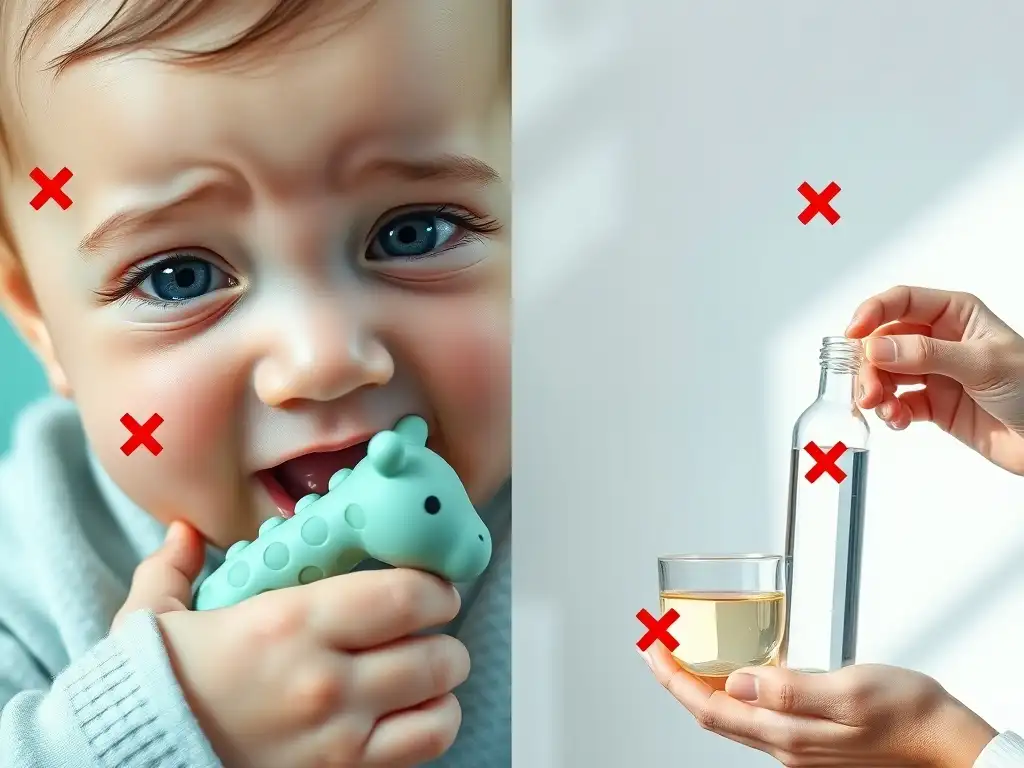
Teething is a significant milestone in a baby's development, but it often comes with discomfort and, according to common belief, sometimes even fever. However, the connection between teething and a high fever is a common misconception. Let's delve into separating fact from fiction regarding teething fever remedies and explore safe and effective strategies for managing teething discomfort.
Understanding the nuances of teething discomfort is crucial for parents seeking effective and safe relief for their little ones. Many parents search for "teething fever remedies myths" to navigate the overwhelming amount of information available. This section aims to clarify those myths and provide evidence-based solutions.
Safe and Effective Pain Relief Options for Teething Babies
While many associate teething with fever, it's important to understand that a high fever (generally above 100.4°F or 38°C) is not typically caused by teething itself. A fever during teething may indicate a separate infection. Therefore, focusing solely on teething remedies without addressing the underlying cause of a fever can be detrimental.
For managing teething pain, several safe and effective options exist:
- Infant Acetaminophen or Ibuprofen: Always consult your pediatrician before administering any medication, including over-the-counter pain relievers. They can advise on the appropriate dosage based on your baby's weight and age. Never exceed the recommended dosage. Always follow the instructions on the packaging carefully.
- Cold Compresses: A cool, damp washcloth applied to the gums can provide soothing relief. The coolness numbs the gums temporarily, reducing discomfort. Ensure the washcloth is not too cold to avoid shocking your baby.
- Gentle Gum Massage: Gently rubbing your baby's gums with a clean finger can help alleviate pressure and discomfort. Use a soft touch to avoid causing further irritation.
It's crucial to remember that if your baby exhibits a high fever alongside teething symptoms, you should seek immediate medical attention. This could indicate an underlying infection requiring professional treatment. Relying solely on home remedies for a high fever can be dangerous.
Home Remedies for Teething Discomfort
Many parents turn to home remedies to soothe their teething babies. While some offer mild relief, it's essential to approach these with caution and always prioritize safety. Some common home remedies include:
- Frozen Banana or Cucumber: Offering your baby chilled, soft pieces of banana or cucumber can provide a cool, soothing sensation on their gums. Always supervise your baby closely to prevent choking hazards.
- Teething Biscuits: These offer a gentle chewing action that can massage the gums, providing some relief. Choose biscuits specifically designed for teething babies, as these are softer and less likely to pose a choking hazard. Always supervise your baby while they're chewing.
- Breastfeeding or Bottle Feeding: The sucking action can be comforting and may help relieve some gum pressure. The warmth of breast milk or formula can also have a soothing effect.
Remember, while these home remedies can be helpful, they are not a cure for a fever. If your baby develops a high fever, consult your pediatrician immediately. Misinformation surrounding "teething fever remedies myths" is rampant, so always consult medical professionals.
Teething Toys and Gels: What Works Best?
The market offers a wide variety of teething toys and gels. However, the effectiveness varies greatly, and some products may even contain potentially harmful ingredients.
- Teething Toys: Choose toys made from safe, non-toxic materials. Many options are designed with textured surfaces to help massage the gums. Refrigerating these toys can add an extra layer of soothing coolness. Always supervise your baby while using teething toys to prevent choking hazards.
- Teething Gels: Some teething gels contain benzocaine, a local anesthetic. However, the use of benzocaine in infants is controversial due to potential side effects. Always check the ingredients list carefully and consult your pediatrician before using any teething gel. Many parents search for information on "teething fever remedies myths" in relation to teething gels, highlighting the importance of informed choices.
The best approach to managing teething discomfort is a combination of safe pain relief options, home remedies, and the use of appropriately chosen teething toys. Prioritize safety and always consult your pediatrician if you have any concerns about your baby's health. Remember, a high fever is not a typical symptom of teething and requires immediate medical attention.
Preventing Teething Complications
Teething, while a normal developmental stage, can sometimes be accompanied by discomfort and, according to common myths, even fever. However, it's crucial to understand that teething itself does not directly cause a high fever. A fever during teething often indicates an underlying illness, not the teething process itself. This section focuses on proactive strategies to minimize teething discomfort and address potential complications, separating fact from fiction surrounding teething fever remedies.
Understanding these distinctions is key to providing your baby with appropriate care and preventing unnecessary worry. We'll explore practical steps parents can take to ensure a smoother teething experience for their little ones. The primary focus should be on alleviating symptoms and recognizing when professional medical attention is necessary.
Maintaining Good Oral Hygiene During Teething
Maintaining good oral hygiene is crucial, even before the first tooth erupts. Gentle cleaning of the gums with a clean, damp gauze pad or a soft baby toothbrush can help remove food particles and stimulate gum tissue. As teeth emerge, transition to a soft-bristled toothbrush designed specifically for babies and use a fluoride-free toothpaste (or a tiny smear of fluoride toothpaste, as recommended by your pediatrician, once your baby is older than 2).
This helps prevent gum inflammation and potential infections which could contribute to discomfort and possibly a fever, although the link is indirect. Remember, consistent cleaning is paramount to preventing cavities and maintaining overall oral health during this stage. Avoid using harsh chemicals or abrasive cleaning methods, focusing instead on gentle cleaning techniques.
Nutritional Considerations During Teething
While teething itself doesn't directly impact nutritional needs, the discomfort can sometimes affect a baby's appetite. Offering soft, cool foods, such as chilled fruits (like bananas or well-cooked pears) or yogurt, can be soothing and help maintain adequate nutrition. Avoid giving hard foods that could pose a choking hazard. Ensure your baby is still receiving a balanced diet appropriate for their age.
If you notice a significant decrease in appetite or weight loss, consult your pediatrician. Remember, a well-nourished baby is better equipped to handle the challenges of teething and is less likely to experience complications that might lead to illness and fever. Providing nutritious foods and ensuring hydration are vital aspects of comprehensive teething care.
Monitoring Baby's Temperature and Overall Well-being
Regularly monitoring your baby's temperature is crucial, especially if you notice other symptoms beyond typical teething discomfort. A fever (typically defined as a rectal temperature above 100.4°F or 38°C) during teething warrants a call to your pediatrician. While some mild discomfort is expected, a high fever often suggests an underlying infection, such as an ear infection or viral illness. Pay close attention to other symptoms such as lethargy, irritability beyond normal teething fussiness, diarrhea, or rash.
These symptoms, combined with a fever, require immediate medical attention. Trust your instincts; if you are concerned about your baby's well-being, seeking professional medical advice is always the best course of action. Don't hesitate to contact your doctor to discuss your concerns and rule out any serious conditions. Early intervention can prevent complications and ensure your baby receives the best possible care.
Teething Fever Remedies: What to Avoid

Teething is a significant milestone in a baby's development, but it's often accompanied by discomfort and, sometimes, a slight increase in temperature. Many parents worry about "teething fever," often resorting to various remedies, some of which are completely unfounded and potentially harmful. This section clarifies the myths surrounding teething fever and highlights remedies to avoid. Understanding what not to do is just as crucial as knowing what to do when your little one is teething.
Over-the-counter Medications: Risks and Precautions
Many over-the-counter medications marketed for teething pain relief are not recommended for infants and young children. The use of certain pain relievers, particularly those containing ibuprofen or acetaminophen, should be carefully considered and only administered under the strict guidance of a pediatrician. Self-medicating your baby can be dangerous and potentially lead to serious complications.
The risks associated with improper use of over-the-counter medications can include:
- Liver damage: Overdosing on acetaminophen, even a seemingly small amount, can cause serious liver damage in infants.
- Kidney problems: Ibuprofen, while effective for pain relief in older children and adults, can strain the kidneys in infants, especially if used incorrectly.
- Allergic reactions: Both ibuprofen and acetaminophen can trigger allergic reactions in susceptible individuals. Symptoms can range from mild rashes to severe anaphylaxis.
- Interactions with other medications: If your baby is already taking other medications, over-the-counter pain relievers can interact negatively, leading to unforeseen side effects.
Always consult your pediatrician before giving your baby any medication, even seemingly harmless remedies. They can assess your baby's specific needs and recommend the safest and most effective course of action. Never exceed the recommended dosage, and carefully monitor your baby for any adverse reactions. Remember, a slightly elevated temperature during teething is often normal, and not always an indication that medication is necessary. A doctor can help you determine when medical intervention is truly needed.
Home Remedies to Avoid: Debunking Dangerous Myths
Several home remedies for teething fever are widely circulated but lack scientific evidence and can pose serious health risks. These should be avoided at all costs:
- Applying alcohol or numbing gels directly to gums: These can be toxic if ingested and can cause serious complications. Many contain ingredients that are not suitable for babies.
- Using amber necklaces or teething bracelets: There is no scientific evidence to support the effectiveness of these products, and they pose a significant choking hazard. Never leave your baby unattended while wearing such items.
- Applying aspirin: Aspirin should never be given to babies or young children due to the risk of Reye's syndrome, a rare but serious condition.
- Applying essential oils: Essential oils are not regulated for safety in infants, and many can be toxic if ingested. The aromatic compounds can also irritate a baby's sensitive skin.
- Rubbing teething powders on gums: Many of these contain harmful chemicals.
Remember, a slightly elevated temperature (typically below 100.4°F or 38°C) during teething is often considered normal. However, if your baby's temperature is higher, or if they show other signs of illness such as lethargy, poor feeding, or persistent crying, seek immediate medical attention. Prioritizing safety and seeking professional advice are crucial aspects of effective teething fever remedies. Don't rely on unproven or potentially harmful home remedies. Instead, focus on providing comfort and seeking professional guidance when necessary. Your pediatrician is your best resource for addressing your baby's teething-related concerns and ensuring their well-being.
When to Call the Doctor: A Comprehensive Guide
Teething is a normal developmental milestone, but it's crucial for parents to understand when minor discomfort crosses the line into something requiring professional medical attention. While many teething symptoms are manageable at home, certain signs indicate a more serious underlying issue, and prompt medical intervention is vital. This section clarifies when a call to your pediatrician or other healthcare provider is necessary, dispelling common teething fever remedies myths along the way.
Emergency Situations Requiring Immediate Medical Attention
Some symptoms during teething might seem related, but actually signal a serious condition requiring immediate medical attention. Don't hesitate to seek emergency care if your baby exhibits any of the following:
- High Fever (above 102°F or 39°C): While a slightly elevated temperature is sometimes associated with teething, a fever exceeding 102°F warrants immediate medical evaluation. This could indicate an infection, such as an ear infection or other illness, often mistaken for teething discomfort. Remember, high fever is not a normal part of teething and should never be treated with home remedies alone.
- Difficulty Breathing or Respiratory Distress: Any signs of labored breathing, wheezing, rapid breathing, or bluish discoloration of the skin necessitate immediate medical attention. These are not related to teething and could indicate a life-threatening condition.
- Seizures or Convulsions: Seizures are a serious medical emergency and should be addressed immediately. Although rare, they can sometimes be associated with a high fever, not directly with teething itself. Calling emergency services is crucial in such situations.
- Lethargy or Unresponsiveness: If your baby is unusually lethargic, unresponsive, or difficult to rouse, seek immediate medical help. This could be a symptom of a serious underlying illness or infection. Trust your instincts – a parent's intuition is invaluable.
- Severe Dehydration: Signs of dehydration, such as sunken eyes, dry mouth, decreased urination, or lack of tears when crying, require prompt medical attention. Dehydration can be dangerous, especially in infants. Teething discomfort might reduce fluid intake, but severe dehydration needs professional intervention.
Recognizing Signs of Serious Illness
Beyond the immediate emergencies, several other symptoms during teething might indicate a more serious underlying illness that requires a doctor's visit. While these aren't necessarily life-threatening emergencies, they require professional assessment and treatment to prevent complications. These include:
- Persistent Diarrhea or Vomiting: While some mild upset stomach can occur, persistent diarrhea or vomiting can lead to dehydration and requires medical attention. This is not a typical symptom of teething.
- Persistent Rash or Skin Irritation: A rash or skin irritation that doesn't improve with home care, or is accompanied by other symptoms, should be evaluated by a doctor. It could indicate an allergic reaction or other skin condition.
- Swollen Gums with Pus or Bleeding: While some gum swelling is expected, the presence of pus or significant bleeding is unusual and could point to an infection requiring antibiotics.
- Earache or Pulling at Ears: Ear infections are common in babies and toddlers, and often coincide with teething due to proximity. If your baby displays signs of ear pain, such as pulling at their ears or crying inconsolably, seek medical advice. This is a common misconception in teething fever remedies myths.
- Refusal to Feed or Significant Decrease in Appetite: A temporary decrease in appetite might occur, but a significant and persistent refusal to feed should be addressed by a healthcare professional. It could indicate illness or other underlying problems.
Remember, while teething can be uncomfortable, most symptoms are manageable at home with simple comfort measures. However, understanding the difference between typical teething discomfort and signs of serious illness is crucial for ensuring your baby's health and well-being. Always consult your pediatrician if you have any concerns, especially concerning teething fever remedies myths. Early intervention can significantly improve outcomes.
Frequently Asked Questions
Does teething always cause a fever?
No, while some babies might experience a slightly elevated temperature, a high fever is not a typical symptom of teething. A fever above 100.4°F (38°C) usually indicates another illness. Consult your pediatrician.
My baby has a fever and seems to be teething. What should I do?
If your baby has a fever alongside teething symptoms, seek medical attention. Teething itself doesn't cause high fevers. A doctor can diagnose the underlying cause and recommend appropriate treatment.
Are there any home remedies for teething fever?
While some parents use cold compresses or teething toys, these only provide temporary relief from teething discomfort, not fever. Never use home remedies to treat a fever without consulting a doctor.
What are some common myths about teething fever?
A common myth is that teething directly causes high fevers. This is false; a fever is usually a sign of a separate infection. Another myth is that homeopathic remedies can cure teething fever—consult your pediatrician for reliable treatment.
When should I worry about my baby's fever during teething?
You should worry if the fever is high (above 100.4°F/38°C), lasts for more than a couple of days, or is accompanied by other symptoms like lethargy, rash, or difficulty breathing. Immediate medical attention is crucial in such cases.
Final Reflection: Separating Myth from Reality in Teething Fever
The persistent belief in teething fever as a significant illness continues to cause unnecessary parental anxiety and potentially delay appropriate medical intervention for truly serious conditions. This misconception, fueled by anecdotal evidence and outdated information, highlights the crucial need for accurate, evidence-based parenting resources.
The impact of this misinformation extends far beyond individual families; it shapes societal perceptions of childhood illness and influences healthcare practices. The fear surrounding teething fever often leads to unnecessary trips to the doctor, contributing to the strain on healthcare systems. Furthermore, the delay in seeking professional help for actual illnesses, masked by the attribution of symptoms to teething, can have serious consequences. Doubt is not a pleasant condition, but certainty is absurd.
– Voltaire. This quote underscores the importance of questioning ingrained beliefs and seeking verifiable information when it comes to our children's health.
You, as a parent, now possess a clearer understanding of the facts surrounding teething fever. Take this knowledge and empower yourself to make informed decisions about your child's well-being. Don't hesitate to question traditional wisdom and always prioritize seeking professional medical advice when concerned about your child's health. Remember, informed parenting is the best gift you can give your child.
Unlock Your Baby's Teething Comfort: A Parent's Guide
Thank you for learning about teething with us! We hope this article has given you the confidence to navigate this common phase. Now, let's put that knowledge into practice!
- Create a personalized teething toolkit: Gather your go-to soothing methods—such as cool washcloths, gentle massage, and safe teething toys—and keep them readily accessible. This will make responding to your baby's needs much easier.
- Share your experiences: Connect with other parents in our online community forum (link to forum here). Sharing experiences and advice can be incredibly helpful during this time.
- Try a soothing technique: Experiment with a warm bath or a gentle back rub; sometimes, unexpected methods can provide the most relief.
What unexpected comfort measure has worked wonders for your little one during teething? Let's share our tips and support each other!