
Omega3s for Vegetarian Babies: Important Fatty Acids
Discover wholesome vegetarian and vegan baby food options for nourishing little ones with confidence 🌱👶. Explore balanced meal ideas, plant-based ingredients, age-appropriate textures, and essential nutrients to support healthy growth and development. BabyCareHub offers practical guidance for introducing nutritious foods, planning family-friendly meals, and creating safe, delicious feeding experiences for your baby.
5 articles
Making the Switch to Vegetarian Baby Food: A Guide
Vegan Baby Food for Babies with Reflux
Baby's First Vegan Christmas: Festive Meal Ideas
Vegetarian Baby Food: Avoiding Common Mistakes
🥕 Vegetarian and Vegan Baby Food Options
Welcome to BabyCareHub’s guide to vegetarian and vegan baby food options within Feeding & Nutrition. This subcategory helps first-time parents introduce nutritious plant-based foods safely, confidently, and at an age-appropriate pace. Discover practical guidance on vegetarian baby meals, vegan baby recipes, baby-led weaning, first foods, allergen introduction, iron-rich foods, protein sources, and balanced infant nutrition.
🌱 Nutritious Plant-Based First Foods
Explore suitable vegetarian and vegan first foods for babies, including soft vegetables, fruits, legumes, tofu, grains, and smooth nut or seed butters prepared safely. Articles explain how to choose nutrient-dense ingredients and adapt textures for your baby’s developmental stage, whether you are starting with purées, mashed foods, or baby-led weaning.
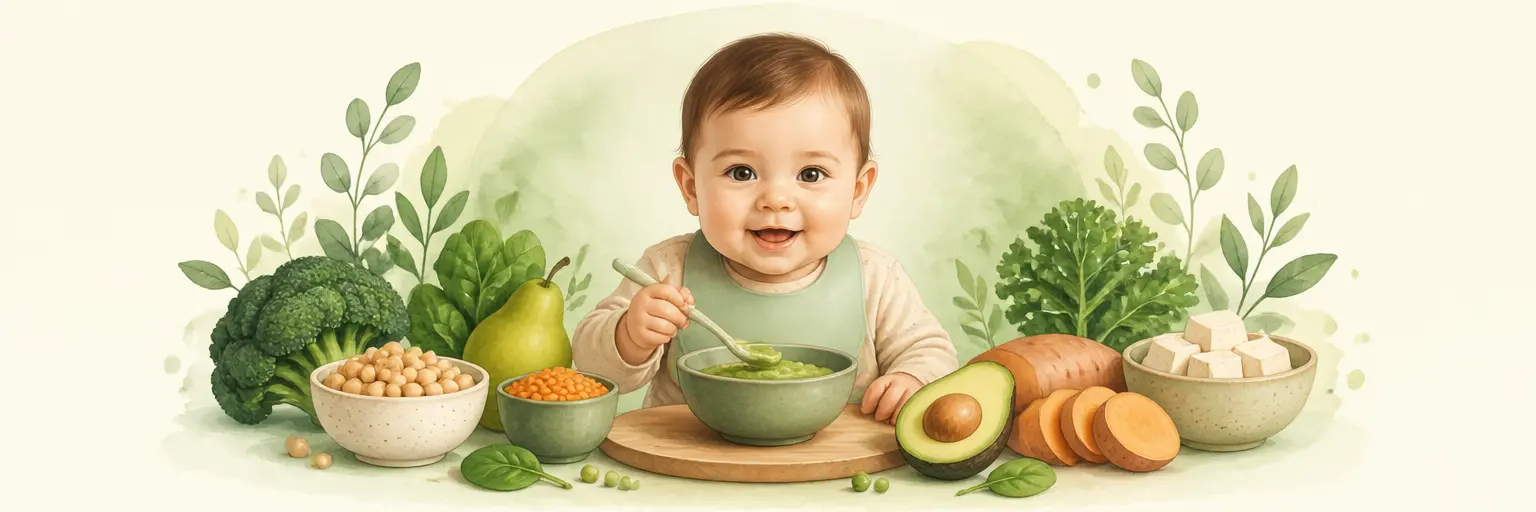
Parents can expect simple ideas for introducing foods such as sweet potato, avocado, banana, peas, lentils, beans, chickpeas, oats, and broccoli. Balanced vegetarian baby food should provide energy, vitamins, minerals, healthy fats, and enough protein to support healthy growth and development.
🥣 Easy Vegetarian Baby Meals
Find family-friendly vegetarian baby meal ideas that are easy to prepare at home. This section features combinations such as lentil and vegetable purée, oatmeal with fruit, mashed beans with avocado, soft pasta with vegetables, and yogurt-based meals where dairy is included in your family’s diet.
Each guide focuses on practical preparation, suitable consistency, portion ideas, and safe serving methods. You will learn how to prepare homemade baby food with minimal salt, added sugar, and unnecessary additives while gradually helping your baby enjoy a wide variety of flavors and textures.
🌿 Vegan Baby Nutrition and Meal Planning
Vegan babies can enjoy a varied diet based on vegetables, fruits, legumes, whole grains, tofu, fortified foods, and carefully selected nut and seed products. BabyCareHub explains how to plan well-balanced vegan baby meals that support growth while taking developmental needs and feeding abilities into account.
Special attention is given to nutrients commonly requiring careful planning, including iron, vitamin B12, iodine, calcium, vitamin D, zinc, protein, and omega-3 fatty acids. Parents should discuss a fully vegan infant diet with a pediatrician or registered dietitian to ensure appropriate fortified foods and supplements are used when recommended.
💪 Iron, Protein, and Essential Nutrients
Iron and protein are especially important during infancy. Learn about plant-based baby food sources such as lentils, beans, chickpeas, tofu, iron-fortified cereals, quinoa, and smooth seed butters. Guidance also explains how to combine iron-rich foods with vitamin C sources, such as berries, tomatoes, or soft bell peppers, to support iron absorption.
This subcategory also covers healthy fats and other essential nutrients needed for brain development and overall growth. Nutrition-focused feeding advice helps parents create meals that are satisfying, age appropriate, and varied without relying on highly processed foods.
👶 Baby-Led Weaning and Safe Textures
Learn how to serve vegetarian and vegan foods safely during baby-led weaning. Articles explain how to offer soft, graspable pieces of cooked vegetables, ripe fruit, toast strips, tofu, and other suitable foods according to your baby’s readiness and ability to sit upright and handle food.
Safety guidance includes reducing choking risks, supervising every meal, and avoiding hard, round, sticky, or poorly prepared foods. Food texture should progress gradually, moving from smooth purées to mashed, lumpy, and soft finger foods as your baby develops feeding skills.
⚠️ Allergens, Food Safety, and Preparation
Vegetarian and vegan diets may include common allergens such as peanuts, tree nuts, soy, wheat, sesame, and dairy. BabyCareHub provides parent-friendly information on introducing allergens in safe forms, one at a time when appropriate, and observing your baby for possible reactions.
You will also find advice on washing produce, cooking foods thoroughly, preventing cross-contamination, storing homemade baby food, and avoiding honey before 12 months. Never serve whole nuts, thick spoonfuls of nut butter, raw hard vegetables, or other choking hazards; consult a healthcare professional if your baby shows signs of an allergic reaction.
❓ Frequently Asked Questions About Vegetarian and Vegan Baby Food
When can babies start eating vegetarian or vegan foods?
Most babies are ready for complementary foods at around six months when they can sit upright with support, control their head, and show interest in food. Readiness varies, so speak with your pediatrician before starting solids. Breast milk or infant formula remains the primary source of nutrition during the first year.
Can a baby get enough protein from a vegan diet?
Yes, a well-planned vegan diet can provide protein through lentils, beans, chickpeas, tofu, quinoa, oats, and smooth seed or nut products served in safe forms. Because babies have specific nutritional needs, parents should seek professional guidance when following a fully vegan feeding plan.
What are good iron-rich foods for vegetarian babies?
Good options include iron-fortified infant cereals, lentils, beans, chickpeas, tofu, quinoa, and finely prepared leafy green vegetables. Serving these foods with vitamin C-rich produce may help the body absorb plant-based iron more effectively.
Do vegan babies need supplements?
Some nutrients, particularly vitamin B12, may require supplementation when a baby follows a fully vegan diet. Vitamin D, iodine, iron, calcium, and omega-3 needs should also be discussed with a pediatrician or registered dietitian. Do not start supplements without professional advice.
What vegetarian and vegan foods should babies avoid?
Avoid honey before 12 months, unpasteurized foods, excessive salt and added sugar, whole nuts, hard raw vegetables, whole grapes, popcorn, and thick spoonfuls of nut butter. Always prepare food in a soft, developmentally appropriate shape and supervise your baby while eating.