
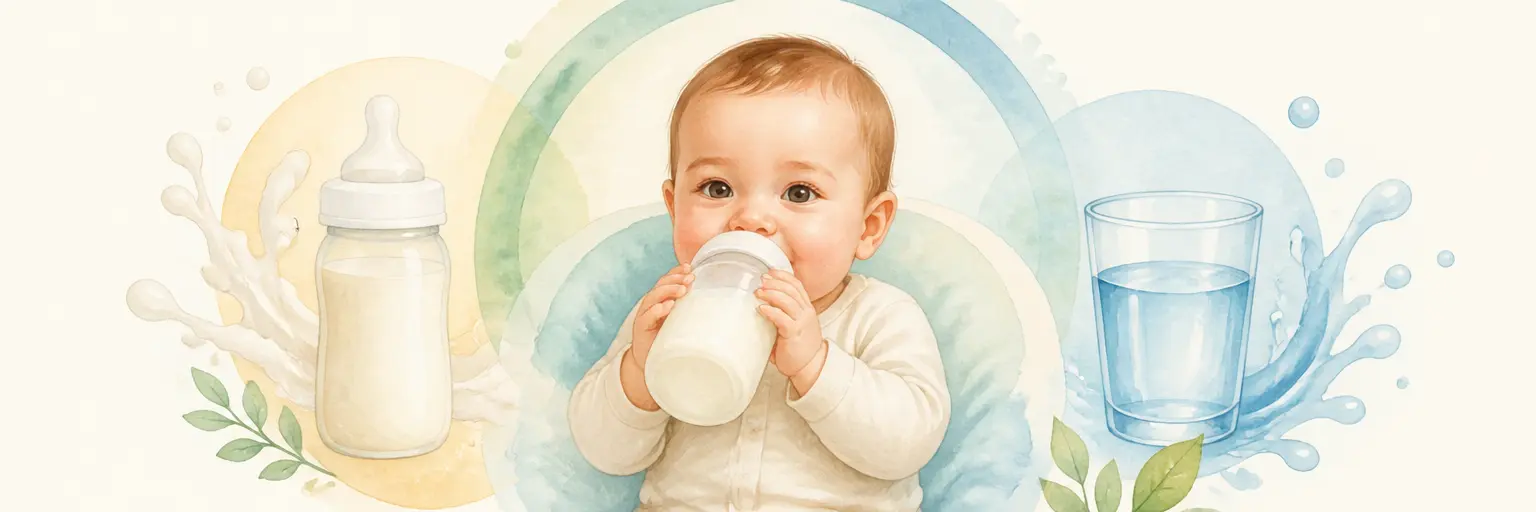
Creating a Hydration Schedule for Your Baby
Discover trusted guidance on baby hydration 💧—including age-appropriate milk and water intake, feeding cues, and safe hydration practices. Learn how breast milk or formula supports your baby’s needs, when small amounts of water may be introduced, and which signs could indicate dehydration. With clear, parent-friendly tips from BabyCareHub, feel confident supporting healthy feeding and nutrition at every stage.
6 articles
The Role of Milk in Baby's Overall Health and Hydration
Baby Hydration and Constipation: The Solution
The Impact of Diet on Baby's Hydration Needs
Hydration Hacks for Babies: Tips and Tricks for Picky Drinkers
Baby Hydration: Frequently Asked Questions Answered
💧 Hydration for Babies: Milk and Water Intake
Welcome to BabyCareHub’s guide to hydration for babies, including breast milk, infant formula, and water intake. For newborns and young infants, milk is the primary source of both nutrition and fluids. As babies grow and begin eating solid foods, their hydration needs gradually change. This subcategory provides clear, practical information to help first-time parents understand how much milk babies need, when water may be introduced, and how to recognize signs of dehydration. Always consider your baby’s age, feeding pattern, health, and advice from a pediatric professional.
🍼 Breast Milk and Infant Formula Hydration
For most babies during the first months of life, breast milk or iron-fortified infant formula provides all the fluid they need. Learn how feeding frequency, wet diapers, swallowing, and baby behavior can help indicate whether your newborn is receiving enough milk. Breastfed babies may feed often, while formula-fed babies typically follow a more predictable feeding pattern, although every baby is different.
This section explains responsive feeding, safe formula preparation, and common questions about hydration during hot weather, illness, or growth spurts. Parents can also learn why formula should never be diluted or concentrated and why extra water is generally not recommended for young infants unless specifically advised by a healthcare professional.
🚰 When Can Babies Drink Water?
Many babies can begin having small sips of plain water when complementary foods are introduced, usually around 6 months of age, when they are developmentally ready for solids. Water should complement breast milk or formula rather than replace it, because milk remains an important source of calories, protein, fat, vitamins, and minerals during the first year.
Discover age-appropriate guidance on offering water in an open cup, training cup, or other suitable cup. This section also covers why excessive water can be harmful for infants, how water intake changes with solid foods, and why parents should avoid using juice, sweetened drinks, tea, or other beverages as substitutes for breast milk, formula, or plain water.
🌡️ Hydration During Hot Weather and Illness
Warm temperatures, fever, vomiting, diarrhea, and increased sweating can affect a baby’s fluid needs. Parents will find practical strategies for continuing regular breast milk or formula feeds, offering appropriate fluids after the recommended age, and monitoring feeding and diaper patterns. Frequent, smaller feeds may be easier for some babies who are unwell, but medical advice is important when symptoms are significant.
This guidance highlights situations that require prompt professional attention, including repeated vomiting, persistent diarrhea, refusal to feed, unusual sleepiness, breathing difficulty, or a noticeable reduction in wet diapers. Babies can become dehydrated quickly, so parents should avoid giving homemade rehydration drinks or medications without qualified medical advice.
👶 Recognizing Healthy Hydration
Wet diapers, regular feeding, moist lips and mouth, tears when crying, and normal alertness can offer helpful clues about a baby’s hydration. However, diaper expectations vary by age and feeding method, especially during the first days after birth. BabyCareHub explains what parents may observe and why overall patterns are more useful than focusing on a single diaper.
Learn to distinguish ordinary changes in urine color or feeding behavior from possible warning signs. Fewer wet diapers, dark urine, a dry mouth, no tears, sunken eyes, a sunken soft spot, cold hands and feet, or unusual lethargy may require urgent medical evaluation, particularly in newborns and young infants.
🥣 Milk, Water, and Solid Foods
As babies start eating vegetables, fruits, grains, meat, and other complementary foods, breast milk or formula continues to play a central role. This section explains how to balance solid meals with milk feeds and small amounts of water while supporting healthy growth. Parents can also learn how food texture and water-rich foods contribute to daily fluid intake.
Practical tips include offering water with meals, using a suitable cup, avoiding pressure, and building healthy drinking habits from the beginning. Plain water is the best everyday beverage once it is developmentally appropriate, while sugary drinks and juice can contribute to tooth decay, excessive calorie intake, and poor appetite for nutritious foods.
❓ Frequently Asked Questions About Baby Hydration
How much water should a newborn drink?
Newborns generally should not be given separate water. Breast milk or properly prepared infant formula supplies the fluid newborns need. Offering extra water can reduce milk intake and may disturb the body’s electrolyte balance. Contact a pediatric professional if your newborn is feeding poorly or has fewer wet diapers.
When can a baby start drinking water?
Most healthy babies can begin having small amounts of plain water around 6 months, when they are ready for complementary foods. Water should be offered in addition to breast milk or formula, not instead of it. Your healthcare provider can give individualized advice, especially if your baby was premature or has a medical condition.
How can I tell if my baby is dehydrated?
Possible signs include fewer wet diapers than usual, dark urine, a dry mouth, fewer or no tears, unusual sleepiness, weakness, sunken eyes, or a sunken soft spot. Seek medical advice promptly if you notice these signs, particularly if your baby also has fever, vomiting, diarrhea, or refuses feeds.
Can I give my baby water in hot weather?
Young infants usually do not need extra water in hot weather. Offer breast milk or formula more frequently and keep your baby cool, shaded, and appropriately dressed. Babies who are old enough for water may have small sips, but excessive water can be unsafe. Ask a healthcare professional if you are concerned about heat exposure or feeding.
Can water replace breast milk or formula after starting solids?
No. During the first year, breast milk or infant formula remains an important source of nutrition and hydration, even after solid foods begin. Offer small amounts of water with meals, while continuing regular milk feeds. Avoid replacing feeds with water unless a pediatric professional specifically recommends it.