
IronRich Legumes for Babies: A Vegetarian Protein Alternative
Learn how to support your baby’s healthy growth with practical guidance on iron deficiency prevention, iron-rich foods, and age-appropriate feeding. Discover trusted nutrition tips for introducing complementary foods, recognizing potential signs of low iron, and working with your pediatrician to meet your baby’s changing needs. 🍼🥦 Build strong foundations for infant health and development with BabyCareHub’s expert-friendly advice.
6 articles
Iron and Baby's Appetite: How They Are Related
Iron Deficiency and Baby's Growth: How They Are Interconnected
Iron Deficiency and Baby's Overall WellBeing: A Holistic Approach
Iron Deficiency and Baby's Speech Development: Understanding the Impact
Baby's Iron Levels: A Comprehensive Guide for New Parents
Iron Deficiency in Babies: Prevention and Dietary Sources 🍼
Welcome to BabyCareHub’s guide to iron deficiency in babies, created for first-time parents seeking clear, practical advice about infant feeding and nutrition. Iron supports healthy brain development, oxygen transport, energy, and normal growth. This subcategory explains how to recognize risk factors, choose age-appropriate iron-rich foods, and build balanced meals that help prevent low iron levels in babies. Discover evidence-informed guidance on breastfeeding, iron-fortified formula, complementary feeding, iron-rich baby foods, vitamin C, and when to discuss testing or supplements with your child’s healthcare professional.
🧠 Why Iron Matters for Baby Development
Iron is an essential nutrient during infancy because babies need it for brain development, learning, immune function, and healthy red blood cells. As babies grow, their iron needs become increasingly important, especially when they begin eating solid foods and their natural iron stores start to decline.
Parents can expect practical explanations of iron deficiency anemia in babies, including common causes, possible effects on growth and development, and ways to support adequate iron intake through breastfeeding, formula feeding, and complementary foods. BabyCareHub helps make infant nutrition easier to understand without unnecessary confusion.
🥣 Iron-Rich First Foods for Babies
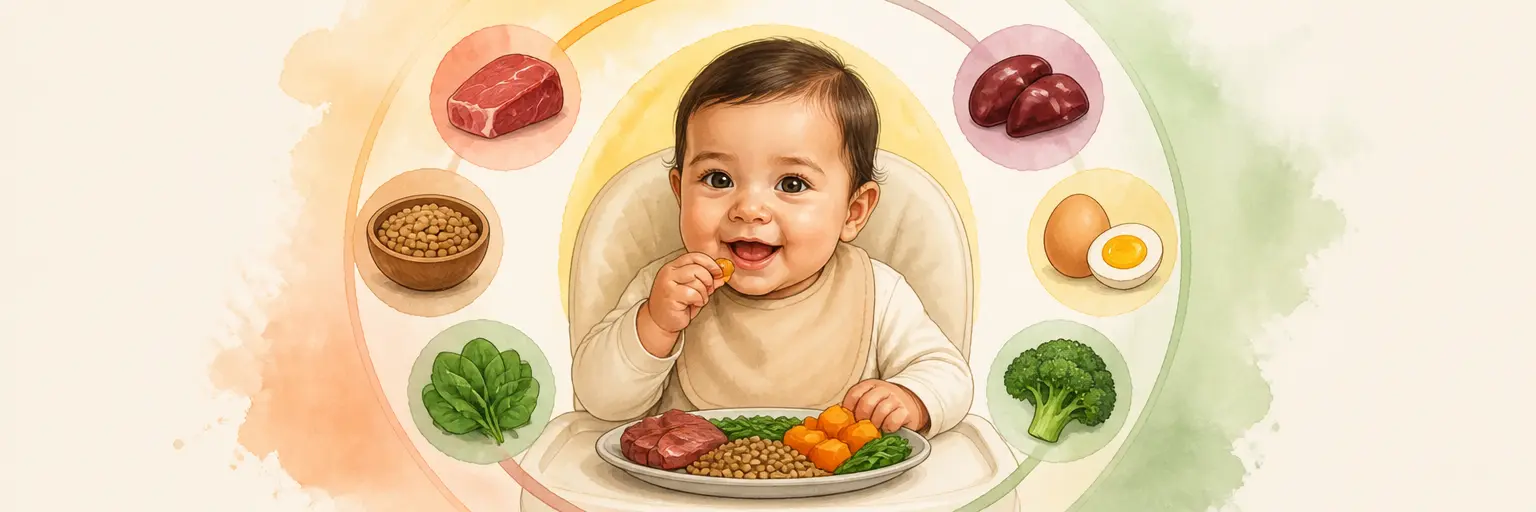
This section explores nutritious iron-rich foods for babies who are ready to start solids. Suitable options may include iron-fortified infant cereal, puréed or finely minced meats, poultry, fish with low mercury, beans, lentils, tofu, eggs, and age-appropriate fortified foods. Texture and preparation should always match a baby’s developmental stage.
You will find ideas for combining iron-containing foods with balanced meals while reducing choking risks. Learn how to introduce new foods gradually, offer a variety of flavors, and provide nutrient-dense meals that support healthy infant growth, including vegetarian and plant-based feeding approaches.
🤱 Breastfeeding, Formula, and Iron Intake
Parents often wonder whether breast milk or infant formula provides enough iron. Breast milk contains iron that is absorbed efficiently, while standard iron-fortified infant formula is designed to help meet a baby’s nutritional needs. Guidance may differ depending on a baby’s age, birth history, feeding pattern, and medical needs.
This subcategory explains why families should avoid changing formula, adding supplements, or giving iron drops without professional advice. You can learn which babies may have a higher risk of iron deficiency, including babies born prematurely or with low birth weight, and when to ask a pediatrician or registered dietitian for individualized recommendations.
🍓 Vitamin C and Better Iron Absorption
Vitamin C can help the body absorb non-heme iron found in plant-based foods. Pairing foods such as lentils, beans, tofu, or iron-fortified cereal with soft fruits and vegetables like strawberries, kiwi, mango, tomatoes, broccoli, or sweet peppers may support better iron absorption in babies.
Expect simple meal-pairing ideas that fit everyday family routines. You will also learn that certain drinks and foods may affect iron absorption, why cow’s milk should not replace breast milk or infant formula before 12 months, and how to create varied meals without placing unnecessary restrictions on a baby’s diet.
⚠️ Signs, Risk Factors, and Professional Support
Iron deficiency may not always produce obvious symptoms, so routine healthcare visits are important. Possible signs can include unusual tiredness, pale skin, reduced appetite, irritability, weakness, or slower growth, although these symptoms can have many causes. Only a qualified healthcare professional can diagnose iron deficiency through assessment and, when appropriate, blood tests.
This section helps parents understand when to seek medical advice and what questions to ask during appointments. It emphasizes that iron supplements should only be used under professional guidance, since excessive iron can be harmful. If your baby appears very unwell, has breathing difficulty, extreme weakness, or is difficult to wake, seek urgent medical care.
📅 Building an Iron-Smart Feeding Routine
Preventing iron deficiency is usually about consistent, age-appropriate nutrition rather than one single food. Once a baby is developmentally ready for complementary feeding, parents can offer iron-rich foods regularly alongside breast milk or iron-fortified formula, while respecting hunger and fullness cues.
BabyCareHub provides helpful planning strategies, shopping ideas, and meal inspiration for busy families. Explore ways to prepare soft textures, introduce allergens safely according to professional guidance, and gradually expand a baby’s diet with foods that provide iron, protein, zinc, vitamin C, and other essential nutrients.
❓ Frequently Asked Questions About Iron Deficiency in Babies
When should babies start eating iron-rich foods?
Many babies begin complementary foods at around 6 months, when they show developmental readiness such as sitting with support, controlling their head, and bringing food to their mouth. Iron-rich foods should be among the first foods offered. Ask your healthcare professional for advice if your baby was premature, has a medical condition, or has specific feeding concerns.
What are the best sources of iron for babies?
Good options include iron-fortified infant cereal, smooth or finely prepared meat, poultry, fish suitable for infants, beans, lentils, tofu, eggs, and other fortified foods. Offer textures that are safe for your baby’s age and skills. Combining plant-based iron sources with vitamin C-rich foods may improve absorption.
Can breastfed babies become iron deficient?
Breast milk provides highly absorbable iron, but a baby’s iron stores naturally decline during later infancy. Once complementary feeding begins, regularly offering iron-rich foods is important. Babies with prematurity, low birth weight, blood loss, or other risk factors may need personalized advice or supplementation from a healthcare professional.
Should I give my baby iron supplements?
Do not give iron drops or other supplements unless they have been recommended by your baby’s pediatrician or another qualified healthcare professional. The appropriate dose depends on age, weight, diet, health history, and test results. Too much iron can be dangerous, so supplements should always be stored securely away from children.
Can cow’s milk cause iron deficiency in babies?
Cow’s milk should not replace breast milk or iron-fortified infant formula before 12 months unless a healthcare professional provides different instructions. Large amounts may displace iron-rich foods and formula, and cow’s milk is not nutritionally complete for young infants. After 12 months, discuss suitable portions and milk choices with your child’s healthcare provider.