
IronRich Legumes for Babies: A Vegetarian Protein Alternative

Welcome to BabyCareHub, your ultimate guide to navigating the incredible journey of parenthood! Are you a first-time parent seeking reliable advice on nourishing your little one? Then you've come to the right place. Discover the secrets to healthy growth and development, starting with our in-depth exploration of Baby vegetarian iron-rich foods, specifically focusing on the power of legumes as a protein-packed alternative. Uncover the nutritional benefits and learn how to introduce these vital foods into your baby's diet safely and effectively – prepare to be amazed by what nature provides!
- Understanding Iron Deficiency in Vegetarian Babies
- Best Iron-Rich Legumes for Baby's Diet
- Practical Tips for Increasing Iron Absorption in Babies
- Baby Vegetarian Iron-Rich Foods: Recipes and Meal Planning
- Monitoring Your Baby's Iron Levels
- Addressing Concerns and FAQs about Iron in Vegetarian Diets
-
Frequently Asked Questions
- What are some good sources of iron for vegetarian babies?
- When should I introduce iron-rich foods to my baby?
- How can I ensure my baby is getting enough iron from vegetarian sources?
- Are there any risks associated with iron deficiency in vegetarian babies?
- My baby refuses iron-rich foods. What should I do?
- Final Reflection: Nourishing Little Bodies, Building a Brighter Future
- Unlock Your Baby's Iron Potential: A Delicious Journey Begins!
Understanding Iron Deficiency in Vegetarian Babies
Iron deficiency is a significant concern for infants, particularly those following a vegetarian diet. While a well-planned vegetarian diet can provide all the necessary nutrients for healthy growth, iron is often a nutrient that requires careful consideration. This article serves as a comprehensive guide for parents seeking to understand and address potential iron deficiencies in their vegetarian babies, focusing specifically on the benefits of iron-rich legumes as a safe and effective protein alternative.
We will explore the signs of iron deficiency, the crucial role iron plays in a baby's development, and the dietary strategies needed to ensure adequate iron intake for vegetarian infants. Understanding these aspects is key to raising a thriving and healthy vegetarian baby. This guide provides practical advice and actionable steps to help you navigate the challenges of providing sufficient iron in a plant-based diet.
Recognizing Iron Deficiency Anemia in Infants
Iron deficiency anemia in infants can manifest in several ways, often subtly at first. Early detection is crucial for effective intervention. Symptoms can include:
- Pallor: Pale skin, especially around the eyelids and gums.
- Fatigue and Irritability: Unusual lethargy, tiredness, and increased fussiness.
- Poor Appetite: Reduced interest in food, leading to potential weight loss.
- Developmental Delays: Slowed motor skill development or cognitive delays.
- Restlessness and Shortness of Breath: These can be more advanced signs of severe anemia.
It's important to note that these symptoms can overlap with other childhood illnesses, so if you suspect your baby might be iron deficient, a blood test is essential for accurate diagnosis. Early diagnosis allows for prompt treatment and prevents long-term health complications. Regular check-ups with your pediatrician are paramount for monitoring your baby's overall health and iron levels. Don't hesitate to voice your concerns if you observe any of these symptoms. Remember, early intervention is key.
Iron's Crucial Role in Baby's Development
Iron plays a vital role in a baby's development, impacting several key areas:
- Oxygen Transport: Iron is a critical component of hemoglobin, the protein in red blood cells that carries oxygen throughout the body. Adequate iron ensures that all the baby's organs and tissues receive sufficient oxygen for proper functioning and growth.
- Brain Development: Iron is essential for brain development and cognitive function. Iron deficiency can negatively impact cognitive development, potentially leading to learning difficulties and behavioral issues.
- Immune System Function: Iron is necessary for a healthy immune system, helping the body fight off infections and maintain overall health. Iron deficiency can weaken the immune system, making babies more susceptible to illness.
- Energy Production: Iron plays a role in energy production within cells. Sufficient iron levels contribute to the baby's overall energy levels and activity.
The consequences of iron deficiency can be far-reaching, affecting various aspects of a baby’s physical and cognitive development. Therefore, ensuring adequate iron intake is paramount for optimal growth and well-being.
Dietary Challenges for Vegetarian Infants
Meeting a baby's iron requirements on a vegetarian diet can present unique challenges. While many plant-based foods contain iron, the bioavailability—the amount of iron the body can actually absorb—is often lower than in animal-based sources. This means that vegetarian babies may need to consume larger quantities of iron-rich plant foods to reach their daily needs. Furthermore, certain factors can interfere with iron absorption from plant foods, such as the presence of phytates (found in grains and legumes) and tannins (found in tea and coffee).
Careful meal planning and strategic food combinations are crucial to maximize iron absorption. Consulting a registered dietitian specializing in infant nutrition is highly recommended to ensure your baby receives an adequate and balanced diet. Understanding these challenges is the first step towards effectively addressing them.
Best Iron-Rich Legumes for Baby's Diet
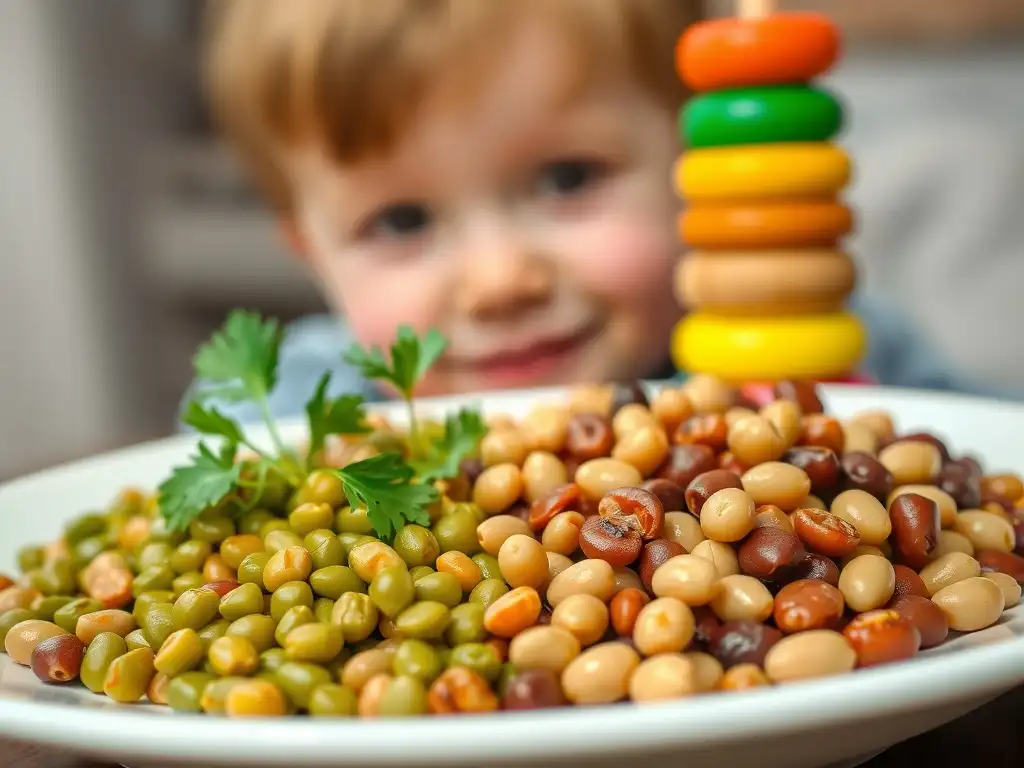
This section explores the benefits of legumes as a fantastic source of iron for vegetarian babies, addressing concerns about iron deficiency often associated with plant-based diets. Legumes offer a readily available and affordable way to supplement your baby's iron intake, contributing to their overall healthy development. We'll focus on two particularly iron-rich and easily digestible legumes: lentils and chickpeas. Remember to always consult your pediatrician before introducing new foods into your baby's diet.
Introducing Lentils: A Versatile Iron Source for Babies
Lentils are a nutritional powerhouse, boasting high levels of iron, alongside other essential vitamins and minerals crucial for your baby's growth. They are also relatively easy to digest, making them a suitable option for even the youngest eaters. Red lentils, in particular, cook quickly and easily blend into smooth purees, ideal for starting solids. The iron in lentils is non-heme iron, meaning its absorption is enhanced when combined with vitamin C-rich foods. This synergy is key to maximizing iron uptake. This makes lentils a key player in combating iron deficiency anemia in vegetarian babies.
Preparing Lentils for Baby Food
Preparing lentils for your baby is straightforward. Rinse one cup of red lentils thoroughly. Combine them with three cups of water in a small saucepan. Bring to a boil, then reduce heat and simmer for 20-25 minutes, or until the lentils are completely soft and easily mashed. For a smoother puree, use an immersion blender directly in the saucepan.
Alternatively, you can transfer the cooked lentils to a food processor or blender for a finer consistency. Adjust the water accordingly to achieve your desired texture. Remember to always let the puree cool completely before serving to your little one. You can store leftover puree in airtight containers in the refrigerator for up to three days.
Age-Appropriate Lentil Introduction for Babies
The introduction of lentils, like any new food, should be gradual and carefully monitored. Start by offering a small amount (1-2 teaspoons) of pureed lentils around six months of age, provided your pediatrician approves. Observe your baby for any allergic reactions or digestive issues. Gradually increase the quantity as your baby gets used to the new food. Always introduce one new food at a time, waiting a few days before introducing another to identify any potential allergies. Remember, every baby is different, and their readiness for solid foods will vary. Pay close attention to your baby's cues.
The Nutritional Powerhouse: Chickpeas for Baby's Iron Intake
Chickpeas, also known as garbanzo beans, are another excellent source of iron for your baby's vegetarian diet. They provide a good amount of protein and fiber, contributing to healthy digestion and growth. Their mild flavor makes them an easily accepted food for many babies. Similar to lentils, the iron in chickpeas is non-heme iron, so pairing them with vitamin C-rich foods will significantly boost iron absorption. Think of them as a delicious and nutritious addition to your baby’s iron-rich meal plan.
Creamy Chickpea Purees
Making a creamy chickpea puree for your baby is simple. Cook one cup of chickpeas (either canned or dried) until tender. Drain and rinse the chickpeas. Use a food processor or immersion blender to create a smooth puree. You can add a little breast milk, formula, or water to adjust the consistency. For added flavor and nutritional benefits, you can incorporate other ingredients like sweet potato or carrots. Always ensure the puree is thoroughly cooled before serving.
Combining Chickpeas with Other Iron-Boosting Foods
To maximize iron absorption from chickpeas, consider combining them with foods rich in vitamin C. Examples include pureed carrots, butternut squash, or a small amount of pureed orange or mango. This combination creates a synergistic effect, significantly enhancing your baby's iron uptake. You can also incorporate other iron-rich foods like spinach or fortified cereals into your baby's diet, creating a balanced and nutritious meal plan to prevent iron deficiency. Remember to consult your pediatrician or a registered dietitian for personalized dietary advice. Planning a balanced diet rich in "baby vegetarian ironrich foods" is crucial for your baby's healthy development.
Kidney Beans: Another Excellent Source of Iron for Vegetarian Babies
Kidney beans, also known as red kidney beans, are a nutritional powerhouse, offering a significant amount of iron alongside other essential nutrients crucial for a baby's development. Compared to other legumes, kidney beans boast a relatively high iron content, making them a valuable addition to a vegetarian baby's diet. They are also a good source of protein, fiber, and various vitamins and minerals like folate and potassium.
Remember, however, that the iron in plant-based foods, including kidney beans, is non-heme iron, which is less readily absorbed by the body than heme iron found in animal products. To maximize iron absorption, it's essential to pair kidney beans with foods rich in vitamin C, such as citrus fruits or bell peppers. This combination enhances the bioavailability of non-heme iron.
Always introduce new foods one at a time, monitoring your baby for any allergic reactions. Consult your pediatrician before making significant dietary changes for your baby, especially if you have concerns about iron deficiency. Introducing kidney beans gradually allows you to assess your baby's tolerance and identify any potential issues early.
Safe Preparation Methods for Kidney Beans for Babies
Proper preparation of kidney beans is crucial for ensuring they are safe and digestible for your baby. Never feed your baby raw kidney beans. Raw kidney beans contain phytohaemagglutinin, a lectin that can cause gastrointestinal distress. Thorough cooking significantly reduces the levels of this toxin, making the beans safe for consumption.
The recommended method is to boil kidney beans for at least 10 minutes before pureeing or mashing them for your baby. Pressure cooking is another efficient method that ensures the beans are cooked thoroughly and reduces the cooking time. After cooking, allow the beans to cool completely before processing them into a smooth puree suitable for your baby's age and developmental stage. Always check the texture and ensure it's appropriate for your baby's ability to chew and swallow.
Overly coarse textures may pose a choking hazard. Avoid adding excessive salt or sugar during preparation, as these can be harmful to your baby's health. Store leftover cooked kidney beans in an airtight container in the refrigerator for up to 3-4 days.
Incorporating Kidney Beans into Baby's Meals
Once you've safely prepared the kidney beans, there are numerous ways to incorporate them into your baby's meals. A simple and nutritious option is to puree cooked kidney beans into a smooth consistency and serve it as a stand-alone dish. You can also combine the puree with other iron-rich vegetables like spinach or carrots for an even more nutrient-packed meal. For older babies who are starting to eat more textured foods, you can mash the kidney beans slightly, leaving some texture for them to practice chewing. Kidney beans can also be added to baby-friendly soups, stews, and vegetable purees.
Remember to adjust the consistency according to your baby's developmental stage. For instance, you might add a small amount of breast milk or formula to thin out the puree if it's too thick. Creativity is key! Experiment with different flavor combinations to find what your baby enjoys.
Always introduce new foods gradually, monitoring for any allergic reactions or digestive issues. Keep a food diary to track your baby's response to different foods. This will help you identify any potential problems and make informed choices about your baby's diet. Remember, a varied and balanced diet is crucial for your baby's optimal growth and development.
Practical Tips for Increasing Iron Absorption in Babies
Iron deficiency is a significant concern for vegetarian babies, as non-heme iron (found in plant-based foods) is less readily absorbed than heme iron (found in animal products). Therefore, maximizing iron absorption from iron-rich legumes is crucial for healthy growth and development. This section will explore practical strategies to enhance the bioavailability of iron in your baby's diet, specifically focusing on the challenges and solutions related to "Baby vegetarian ironrich foods".
Combining Iron-Rich Legumes with Vitamin C-Rich Foods
One of the most effective ways to boost iron absorption from legumes is to pair them with foods rich in Vitamin C. Vitamin C acts as a potent enhancer, improving the uptake of non-heme iron. Think of it as a key that unlocks the iron's potential for absorption.
For example, serving lentil puree with a small amount of pureed oranges or strawberries can significantly increase the iron your baby absorbs. Similarly, incorporating bell peppers into a vegetable mash alongside chickpeas can enhance the overall iron intake. The synergistic effect of Vitamin C and iron is powerful, and even small amounts of Vitamin C-rich foods can make a considerable difference.
Here’s a table illustrating some excellent pairings:
| Iron-Rich Legume | Vitamin C-Rich Food Pairing | Potential Benefits |
|---|---|---|
| Lentils | Orange, Strawberry, Bell Pepper | Increased iron absorption, improved immunity |
| Chickpeas | Broccoli, Kiwi, Tomato | Enhanced iron bioavailability, varied nutrient profile |
| Black Beans | Guava, Papaya, Red Cabbage | Improved iron absorption, digestive support |
| Split Peas | Lemon Juice, Grapefruit | Better iron uptake, added flavor |
Remember to always introduce new foods one at a time and monitor your baby for any allergic reactions. Consult with your pediatrician before making significant dietary changes.
Minimizing Phytate and Tannin Interference
Legumes contain phytates and tannins, compounds that can bind to iron and hinder its absorption. While you can't completely eliminate these compounds, you can reduce their impact through specific preparation methods.
Phytates are particularly prevalent in legumes' outer layers. Soaking and sprouting legumes before cooking helps to break down phytates, thus increasing the bioavailability of iron. Soaking for at least 8 hours, followed by sprouting for 1-2 days, can make a noticeable difference. This process also improves digestibility, reducing the risk of gas and bloating.
Tannins, found in certain legumes and their skins, also inhibit iron absorption. Careful rinsing and peeling (where appropriate and safe for your baby) can help minimize their effect. However, note that peeling can also remove some nutrients, so it's important to find a balance.
Proper cooking methods also play a role. Overcooking can destroy some nutrients, but undercooking can leave phytates intact. Aim for gentle cooking methods that retain nutrients while breaking down phytates. Steaming or pressure cooking are excellent options. This is a crucial aspect of ensuring your baby benefits from the iron in these "Baby vegetarian ironrich foods".
Optimizing Iron Absorption Through Cooking Methods
The cooking method you choose significantly influences iron absorption. Certain methods enhance bioavailability while others might diminish it.
For instance, avoid adding iron-rich legumes to highly acidic foods during cooking. While Vitamin C enhances absorption when consumed with iron-rich foods, adding excessive acid during cooking can actually decrease iron absorption. Similarly, avoid boiling legumes for extended periods, as this can leach out some of the iron into the cooking water.
Instead, opt for gentler cooking methods like steaming or pressure cooking. These methods preserve more of the iron and other essential nutrients. Furthermore, using cast iron cookware can naturally increase the iron content of your baby's food. However, always ensure the cookware is properly maintained and free of any harmful substances. Remember, the goal is to provide your baby with easily digestible and bioavailable iron from "Baby vegetarian ironrich foods". Careful cooking techniques are an essential part of this process.
Baby Vegetarian Iron-Rich Foods: Recipes and Meal Planning
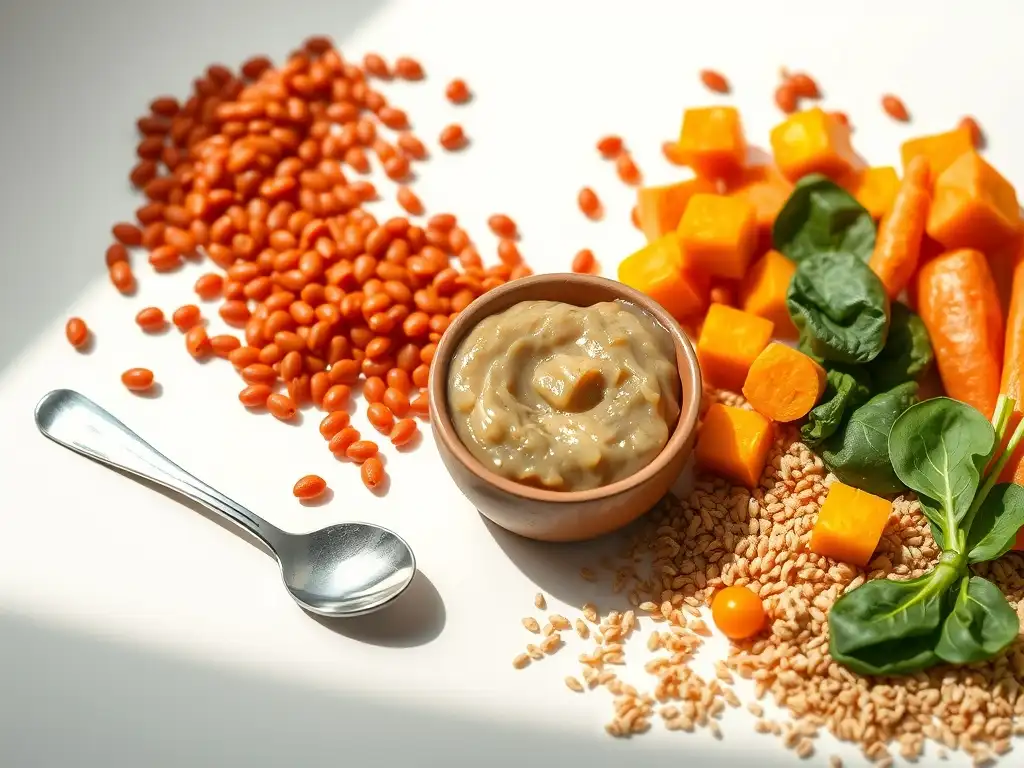
This section focuses on incorporating iron-rich legumes into your baby's vegetarian diet. Iron deficiency is a common concern for vegetarian babies, but with careful planning and the right recipes, you can ensure your little one receives adequate iron. Legumes, such as lentils and chickpeas, are excellent sources of plant-based iron, offering a significant contribution to your baby's nutritional needs. Remember, however, that non-heme iron (found in plants) is less readily absorbed than heme iron (found in meat). To maximize absorption, pair these iron-rich foods with vitamin C-rich foods like oranges, bell peppers, or strawberries.
Sample Meal Plans Featuring Iron-Rich Legumes for Babies
Creating a balanced meal plan is key to preventing iron deficiency in your vegetarian baby. Here are a few sample meal plans incorporating iron-rich legumes, suitable for different developmental stages. Remember to consult your pediatrician for personalized dietary advice.
Meal Plan 1: 6-8 Months Old
- Breakfast: Iron-fortified baby cereal mixed with breast milk or formula, followed by a small amount of pureed lentils.
- Lunch: Pureed chickpeas mixed with sweet potato and a touch of olive oil.
- Dinner: Well-cooked and pureed green lentils with carrots and a sprinkle of finely grated parmesan cheese (if tolerated).
- Snacks: Small portions of mashed avocado or iron-fortified rice cereal.
Meal Plan 2: 9-12 Months Old
- Breakfast: Oatmeal with pureed lentils and a few pieces of finely chopped banana.
- Lunch: Lentil soup with finely diced vegetables (carrots, zucchini, peas).
- Dinner: Chickpea and vegetable curry (mild spices, well-cooked). Serve with a small portion of brown rice.
- Snacks: Soft cooked chickpeas, small pieces of whole-wheat toast, or fruit.
Important Note: Always introduce new foods one at a time, waiting 2-3 days to observe for any allergic reactions. Ensure all foods are well-cooked and pureed to a consistency suitable for your baby's age and chewing abilities. Remember to consult your pediatrician before making any significant dietary changes. This is just a sample; adjust according to your baby's individual needs and preferences. 🧐
Delicious and Nutritious Recipes Using Iron-Rich Legumes
This section provides simple and delicious recipes to incorporate iron-rich legumes into your baby's diet. Remember to always prioritize safety and hygiene when preparing baby food.
Recipe 1: Simple Lentil Puree
- Ingredients: 1 cup red lentils, 2 cups water, pinch of salt (optional).
- Instructions: Rinse lentils. Combine lentils and water in a saucepan. Bring to a boil, then reduce heat and simmer for 20-25 minutes, or until lentils are very soft. Blend until smooth. You can adjust the consistency with more water as needed.
Recipe 2: Creamy Chickpea and Sweet Potato Mash
- Ingredients: 1 cup cooked chickpeas (canned, rinsed), 1 medium sweet potato (cooked and mashed), 1 tablespoon breast milk or formula (for consistency).
- Instructions: Combine all ingredients in a bowl and mash until smooth.
Recipe 3: Lentil and Vegetable Stew (for older babies)
- Ingredients: ½ cup green lentils, 1 cup vegetable broth, ½ cup chopped carrots, ½ cup chopped zucchini, ¼ cup chopped peas.
- Instructions: Sauté vegetables in a little olive oil. Add lentils and vegetable broth. Bring to a boil, then simmer until lentils are tender. Puree or coarsely mash, depending on your baby's age and ability to chew.
Adapting Recipes to Suit Your Baby's Age and Preferences
As your baby grows, their dietary needs and preferences will change. Adapting recipes to suit their developmental stage is crucial.
- Texture: Start with very smooth purees for younger babies (6-8 months) and gradually increase the texture as they develop their chewing skills. By 9-12 months, you can introduce slightly chunkier textures.
- Flavor: Initially, keep flavors simple and mild. As your baby gets older, you can introduce more complex flavors and spices (always in moderation). Avoid adding salt or sugar.
- Portion Size: Start with small portions and increase gradually as your baby's appetite grows.
- Allergies: Always introduce new foods one at a time and watch for any signs of allergic reactions. Keep a food diary to track your baby's intake and any potential reactions.
- Variety: Offer a variety of iron-rich legumes and other vegetables to ensure your baby receives a wide range of nutrients. Variety is key to a healthy and balanced diet.
Remember, a varied diet rich in iron-rich foods is crucial for your baby's healthy growth and development. Consult your pediatrician for personalized guidance on your baby's nutritional requirements. 👶
Monitoring Your Baby's Iron Levels
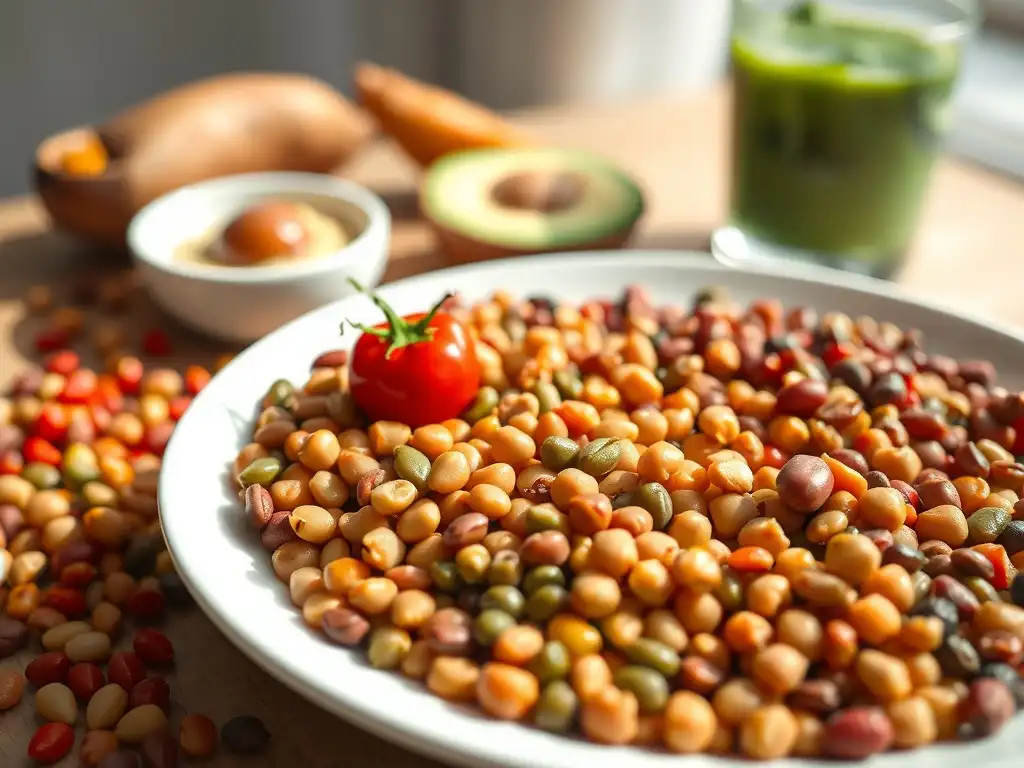
This section focuses on the crucial aspect of monitoring your baby's iron levels, a vital component of ensuring healthy growth and development, especially for vegetarian babies. Regular monitoring helps in early detection of potential iron deficiency, allowing for timely intervention and preventing serious health complications. Understanding the importance of proactive monitoring is key to ensuring your little one thrives.
Importance of Regular Checkups with Your Pediatrician
Regular checkups with your pediatrician are paramount in monitoring your baby's iron levels. These visits provide opportunities for your doctor to assess your baby's overall health, including their growth, development, and nutritional status. The pediatrician will perform a physical examination and may order blood tests to measure your baby's hemoglobin levels – a key indicator of iron levels in the blood. Early detection, facilitated by these regular checkups, is crucial.
Some pediatricians may recommend iron level testing at specific intervals based on your baby's age, dietary habits (vegetarian or otherwise), and any observed risk factors. Remember to always communicate openly with your pediatrician about your concerns and any changes you notice in your baby's behavior or development. Don't hesitate to ask questions; your pediatrician's expertise is invaluable in guiding you through this process. Proactive monitoring helps prevent serious complications associated with iron deficiency anemia.
Signs to Watch Out For: Potential Iron Deficiency Indicators
While regular checkups are essential, learning to recognize potential signs of iron deficiency in your baby can enable prompt action. These indicators might not always be evident, and some may overlap with other conditions, so it's vital to consult your pediatrician for a proper diagnosis. However, being aware of these potential signs allows you to be a more vigilant caregiver. Some common signs to watch out for include:
- Pale skin: A noticeable paleness in your baby's skin, especially the gums and inner eyelids, could indicate low hemoglobin levels.
- Fatigue and lethargy: Unusual tiredness, irritability, and a lack of energy can be subtle signs of iron deficiency.
- Poor appetite: A decreased interest in food, even when offered appealing and nutritious options, might suggest an underlying health issue.
- Developmental delays: Iron plays a crucial role in brain development. Delays in reaching developmental milestones could potentially be linked to iron deficiency.
- Rapid heartbeat: Your baby's heart might beat faster than usual as the body tries to compensate for insufficient oxygen-carrying capacity in the blood.
- Shortness of breath: Iron deficiency can affect the body's ability to transport oxygen efficiently, leading to shortness of breath during activity.
- Restlessness: Unusual fussiness, crying, and difficulty settling down can sometimes be associated with iron deficiency.
Remember, these are just potential indicators, and their presence doesn't automatically confirm iron deficiency. Always consult your pediatrician for a proper diagnosis and appropriate management.
Consulting a Nutritionist for Personalized Dietary Advice
A registered dietitian or nutritionist specializing in infant and child nutrition can provide invaluable personalized advice on creating a balanced and iron-rich diet for your baby, especially if following a vegetarian diet. They can help you create a meal plan that meets your baby's nutritional needs, taking into account their age, growth rate, and any potential dietary restrictions or preferences. A nutritionist can assess your baby's current diet, identify potential deficiencies, and suggest modifications to ensure adequate iron intake.
They can also offer guidance on selecting the best iron-rich vegetarian foods, such as legumes, and ensure your baby is receiving a proper balance of nutrients. This personalized approach helps optimize your baby's health and wellbeing, minimizing the risk of iron deficiency anemia.
Furthermore, a nutritionist can address any concerns you may have about your baby's dietary needs and provide practical strategies for implementing dietary changes effectively. They can also offer support and encouragement throughout the process, empowering you to become a confident and informed caregiver.
Addressing Concerns and FAQs about Iron in Vegetarian Diets
Many parents, especially first-time parents, harbor anxieties about providing adequate nutrition, particularly iron, to their vegetarian babies. The common perception is that vegetarian diets are inherently deficient in iron, leading to concerns about iron deficiency anemia. This section aims to address these concerns head-on, providing factual information and dispelling common myths. Understanding the nuances of iron absorption and dietary planning is crucial for ensuring your baby thrives on a vegetarian diet. Remember, a well-planned vegetarian diet can absolutely provide all the necessary nutrients, including iron, for healthy growth and development. Let's delve into the specifics.
Myth vs Reality: Are Vegetarian Babies More Prone to Iron Deficiency?
The short answer is: no, not necessarily. While it's true that heme iron (found in animal products) is more readily absorbed than non-heme iron (found in plant-based foods), a carefully planned vegetarian diet rich in iron-rich foods and foods that enhance iron absorption can easily meet a baby's iron requirements. The myth arises from a misunderstanding of iron bioavailability.
Non-heme iron absorption is influenced by several factors, including the presence of vitamin C, which enhances absorption, and phytates (found in grains and legumes), which can inhibit it. By strategically combining foods and understanding these factors, you can optimize iron uptake. For example, serving lentils with a side of bell peppers (rich in vitamin C) significantly improves iron absorption.
The risk of iron deficiency is not solely determined by dietary choices but also by factors like prematurity, multiple births, and inadequate dietary intake of other essential nutrients. Regular monitoring by a pediatrician is crucial to identify and address any potential deficiencies promptly. Early intervention is key. Remember that a balanced vegetarian diet, rich in iron-rich legumes, fruits, and vegetables, is completely capable of meeting your baby's needs.
Addressing Potential Nutritional Gaps in Vegetarian Baby Diets
While a well-planned vegetarian diet can provide sufficient iron, it's vital to be mindful of potential nutritional gaps. Iron is not the only nutrient of concern; adequate intake of zinc, vitamin B12, and omega-3 fatty acids also warrants attention. These nutrients are either less abundant or less bioavailable in vegetarian diets than in omnivorous diets.
To mitigate these potential gaps:
- Diversify food sources: Don't rely on a single source of iron. Incorporate a variety of iron-rich legumes, such as lentils, chickpeas, and black beans, into your baby's diet. Spinach, tofu, and fortified cereals are also good sources.
- Combine foods strategically: Pairing iron-rich foods with vitamin C-rich foods (like oranges, strawberries, and bell peppers) significantly improves iron absorption.
- Consider supplementation: In some cases, supplementation might be necessary, particularly for babies with higher iron requirements or those who show signs of deficiency. This should always be done under the guidance of a pediatrician or registered dietitian.
- Regular check-ups: Regular blood tests can monitor your baby's iron levels and other crucial nutrients, allowing for early detection and intervention if necessary.
Safe and Effective Iron Supplementation for Babies (When Necessary)
Iron supplementation should only be administered under the direct supervision of a pediatrician or healthcare professional. They can assess your baby's individual needs, determine the appropriate dosage, and monitor for any adverse effects. Self-medicating with iron supplements can be dangerous and should be strictly avoided.
Supplements are typically prescribed as drops or syrups, formulated for easy administration to infants. The dosage will depend on various factors, including your baby's age, weight, and iron levels. It's crucial to follow the prescribed dosage carefully and store the supplements appropriately to ensure safety and efficacy. Remember, supplementation is not a substitute for a healthy, balanced diet. It's a tool to address specific deficiencies when necessary. Always prioritize a nutritious diet rich in iron-rich foods as the primary source of iron.
Frequently Asked Questions
What are some good sources of iron for vegetarian babies?
Iron-rich legumes like lentils and beans are excellent vegetarian options. Other good choices include iron-fortified cereals and pureed spinach. Always consult your pediatrician before introducing new foods.
When should I introduce iron-rich foods to my baby?
Most pediatricians recommend introducing iron-rich foods around 6 months of age, alongside breast milk or formula. This is when babies' iron stores start to deplete. Always follow your doctor's guidance.
How can I ensure my baby is getting enough iron from vegetarian sources?
Pay close attention to food variety and portion sizes. Combining iron-rich foods with foods high in vitamin C (like citrus fruits) can improve iron absorption. Regular check-ups with your pediatrician are crucial.
Are there any risks associated with iron deficiency in vegetarian babies?
Yes, iron deficiency can lead to developmental delays and fatigue. Early detection and intervention are key to preventing serious health problems. Consult your doctor immediately if you have concerns.
My baby refuses iron-rich foods. What should I do?
Try offering the foods in different ways – pureed, mashed, or finely chopped. Be patient and persistent; it may take multiple attempts before your baby accepts a new food. Don't force your baby to eat.
Final Reflection: Nourishing Little Bodies, Building a Brighter Future
The critical need for readily available, iron-rich foods for vegetarian babies is more urgent than ever. The increasing popularity of vegetarian and vegan diets necessitates readily accessible information and practical solutions to ensure optimal nutrition for our youngest members of society. Failing to address this need directly impacts the health and development of countless children.
The journey of exploring iron-rich legumes as a viable protein source for vegetarian babies has been deeply rewarding, highlighting the power of accessible, plant-based nutrition. The food we eat is a reflection of our values and our commitment to a healthy planet and a healthy future.
This quote resonates deeply as we consider the long-term implications of choosing sustainable and nutritious food sources from the very beginning of life. The impact extends beyond individual health; it touches upon environmental sustainability and the creation of a more equitable food system for all.
Consider the possibilities: Imagine a world where every parent, regardless of dietary choice, feels confident and empowered to provide their child with the essential nutrients they need to thrive. You, as a parent or caregiver, have the power to make informed choices that support your child's growth and contribute to a healthier future. Embrace the knowledge gained here, explore the diverse world of iron-rich legumes, and nourish your little one with the best possible start in life.
Unlock Your Baby's Iron Potential: A Delicious Journey Begins!
Thank you for exploring the world of iron-rich legumes with us! We hope you've discovered exciting new ways to nourish your little one with delicious, plant-based protein. Ready to continue your baby's healthy eating journey?
- Prioritize Lentils & Beans: Begin incorporating lentils and beans into your baby's meals this week. Experiment with different recipes to find your baby's favorites. Remember to always consult your pediatrician before introducing new foods.
- Share Your Successes: Share your experiences introducing iron-rich foods on our BabyCareHub forum! We'd love to hear your stories and recipe ideas.
- Explore Further: Discover more nutritious vegetarian baby food recipes on our website's recipe section – you might be surprised by the variety and deliciousness!
What delicious iron-rich legume dish will you try first for your baby?