
Hydration Hacks for Babies: Tips and Tricks for Picky Drinkers

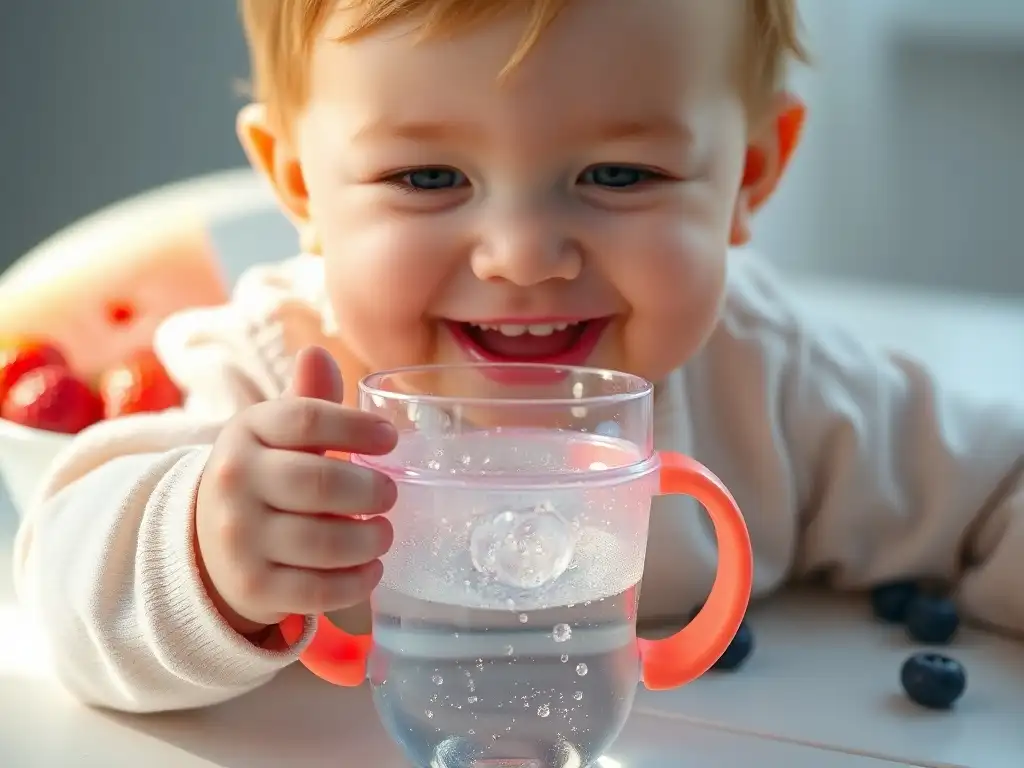
Welcome to BabyCareHub, your ultimate guide to navigating the exciting yet challenging world of parenthood! Are you facing the common struggle of getting your little one to drink enough fluids? We understand the worry. This is why we've created a comprehensive resource dedicated to helping you master the art of baby care, starting with our essential guide on Baby hydration tips for picky drinkers. Discover practical strategies and expert advice within our Feeding & Nutrition section – and unlock the secrets to keeping your baby happy, healthy, and well-hydrated. Let's embark on this journey together!
- Understanding Baby Hydration Needs: Signs of Dehydration in Infants
- Baby Hydration Tips for Picky Drinkers: Strategies and Solutions
- Hydration Hacks: Practical Tips for Success
- Addressing Common Concerns: Baby Hydration Myths Debunked
- When to Seek Professional Advice: Recognizing Serious Dehydration
-
Frequently Asked Questions
- How much liquid should my baby be drinking?
- My baby refuses to drink water. What should I do?
- What are some creative ways to encourage my baby to drink more fluids?
- Are there any signs of dehydration I should watch out for in my baby?
- My baby is exclusively breastfed. Does he/she still need extra fluids?
- Final Reflection: The Enduring Thirst for Healthy Hydration
- Unlock Your Little One's Hydration Potential!
Understanding Baby Hydration Needs: Signs of Dehydration in Infants
Ensuring adequate hydration is crucial for your baby's overall health and well-being. Dehydration, even mild, can significantly impact a baby's energy levels, digestion, and overall development. This article provides practical tips and tricks for parents of picky drinkers, helping you navigate the challenges of keeping your little one properly hydrated. We'll explore the signs of dehydration, age-appropriate hydration guidelines, and creative strategies to encourage water intake, addressing the specific keyword "baby hydration tips picky drinkers" and its semantic variations.
Understanding your baby's hydration needs is the first step towards preventing dehydration and ensuring their healthy growth. We will cover strategies for both breastfed and formula-fed babies, recognizing that hydration needs can vary depending on feeding methods and individual circumstances. Remember, always consult your pediatrician if you have any concerns about your baby's hydration status.
Recognizing Dehydration Symptoms in Babies:
Identifying dehydration in babies can be tricky, as they can't always communicate their thirst. However, there are several key signs to watch out for. These symptoms can range from subtle to severe, and prompt action is crucial if you suspect dehydration. Early detection is essential for preventing more serious complications.
- Dry Mouth and Tongue: A dry mouth and tongue, particularly if accompanied by other symptoms, is a strong indicator of dehydration. Check the moisture level of your baby's mouth regularly.
- Sunken Eyes: Sunken eyes are another telltale sign. Compare your baby's eye appearance to their usual state; sunken eyes indicate fluid loss.
- Few or No Wet Diapers: The number of wet diapers your baby produces is a valuable indicator of hydration. A significant decrease in the number of wet diapers compared to their usual pattern warrants attention. Keep track of diaper changes to monitor this.
- Lethargy and Irritability: Dehydrated babies often appear lethargic and more irritable than usual. Changes in their temperament can be a subtle warning sign.
- Dry Skin: Pinch a small area of your baby's skin gently. If the skin remains tented (does not quickly return to its normal shape), it could indicate dehydration.
- No Tears When Crying: A baby who doesn't produce tears when crying could be experiencing dehydration. This is a more serious sign and requires immediate attention.
Remember, the presence of one or more of these symptoms should prompt you to contact your pediatrician immediately. They can accurately assess your baby's hydration status and provide appropriate guidance. Early intervention is key to preventing serious complications.
Age-Appropriate Hydration Guidelines: Water Intake for Babies
The amount of fluid a baby needs varies depending on several factors, including age, weight, climate, and activity level. While breast milk or formula provides the majority of hydration for infants under 6 months, introducing plain water alongside breastfeeding or formula-feeding is generally recommended starting around 6 months of age. After 6 months, the introduction of water becomes increasingly important. However, always consult your pediatrician to determine the appropriate amount for your baby.
| Age Range | Approximate Water Intake (per day) | Notes |
|---|---|---|
| 6-12 months | 4-8 ounces (120-240ml) | This is a guideline; adjust based on your baby’s individual needs and climate. |
| 12-18 months | 8-12 ounces (240-360ml) | Increase water intake gradually. |
| 18-24 months | 12-16 ounces (360-480ml) | Monitor your child's hydration and adjust accordingly. |
It's crucial to remember that these are just guidelines, and your baby's individual needs may vary. Over-hydration is also a concern, so always monitor your baby's intake and output. If you're unsure about the amount of water your baby should be drinking, consult your pediatrician for personalized advice. They can provide the most accurate and relevant information for your baby's specific situation.
Baby Hydration Tips for Picky Drinkers: Strategies and Solutions
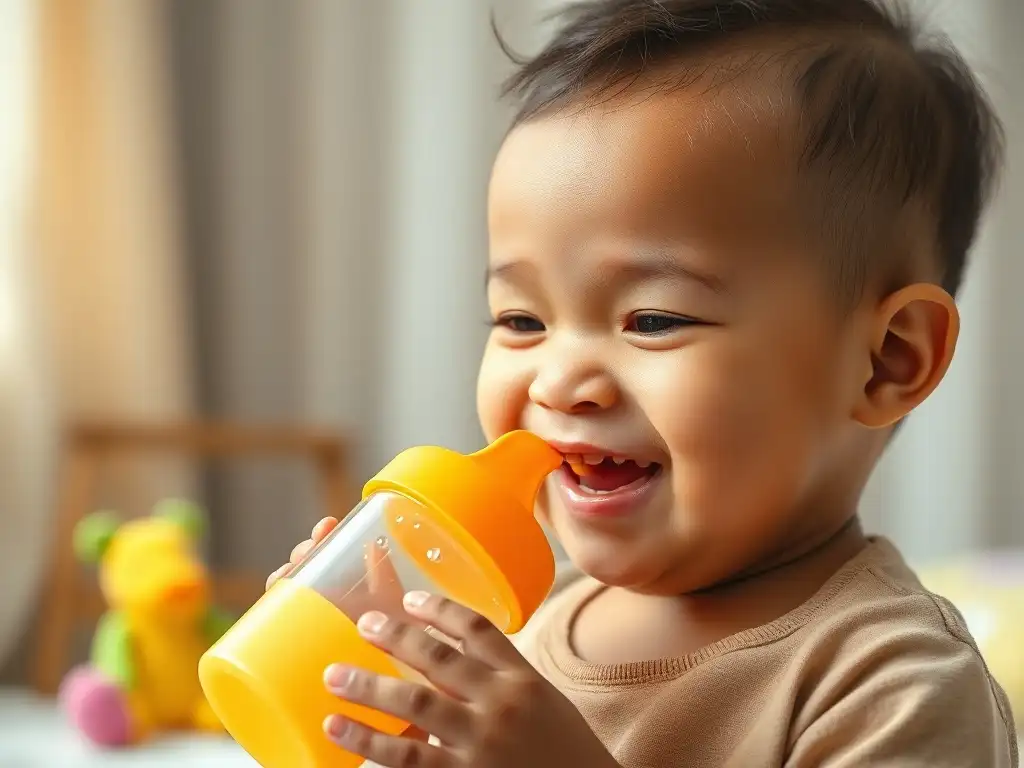
This section focuses on practical strategies and solutions for parents facing the common challenge of getting their babies to drink enough water, especially those who are considered "picky drinkers." Adequate hydration is crucial for a baby's overall health and development, impacting everything from digestion to temperature regulation. We'll explore proven methods to increase your baby's water intake, addressing the specific needs of infants who show resistance to drinking plain water. Remember, consistent effort and patience are key.
Encouraging Water Intake: Creative Approaches for Fussy Babies
Many babies aren't naturally inclined to drink large amounts of water, especially when other fluids like breast milk or formula are readily available. However, introducing water early and creatively can make a significant difference. Here are some creative approaches to encourage water intake in fussy babies:
- Offer water frequently, but don't force it: Instead of large amounts at once, offer small sips of water throughout the day, especially between feedings. Don't pressure your baby if they refuse; persistence is more effective than coercion.
- Use a fun sippy cup: The right sippy cup can make all the difference. Choose one with bright colors, interesting designs, or even characters your baby enjoys. The novelty can pique their interest. Experiment with different types of sippy cups to find one your baby prefers.
- Temperature matters: Some babies prefer water at room temperature, while others may prefer it slightly chilled. Experiment to find the temperature your baby finds most palatable. Avoid extremely hot or cold water.
- Associate water with positive experiences: Pair water with playtime or other enjoyable activities. This creates a positive association, making your baby more receptive to drinking it.
- Lead by example: Babies often mimic their parents' behaviors. If your baby sees you drinking water regularly, they might be more inclined to try it themselves.
- Timing is key: Offer water when your baby is alert and not overly tired or hungry. A fussy, tired baby might be less receptive to drinking.
Remember, every baby is different. What works for one might not work for another. Be patient and keep experimenting until you find what best suits your baby's preferences.
Making Water More Appealing: Flavoring Options for Babies (Naturally)
While it's crucial to avoid adding sugar or artificial sweeteners to your baby's water, there are several safe and natural ways to make water more appealing. Always consult your pediatrician before introducing new flavors.
- Infused Water (6 months +): For babies over six months old, you can add very thinly sliced fruits like cucumber or watermelon to their water. Ensure that the pieces are large enough to prevent choking hazards. Remove the fruit pieces before serving.
- Breast milk/formula first: Remember that breast milk or formula provides essential hydration and nutrients. Water should supplement, not replace, these crucial sources of nutrition for babies under six months.
- Avoid artificial sweeteners and juices: Avoid adding anything that's not naturally occurring in fruits and vegetables. Juices, even diluted ones, are high in sugar and should be avoided completely for babies under a year old.
The Importance of Breast Milk/Formula: Hydration Beyond Water
While water plays a vital role in hydration, breast milk or formula remains the primary source of hydration and nutrition for babies under six months. These provide essential nutrients, antibodies, and electrolytes not found in water. Water should be introduced as a supplement after six months, not a replacement.
| Age Range | Primary Hydration Source | Water Introduction |
|---|---|---|
| 0-6 months | Breast milk/Formula | Not recommended |
| 6-12 months | Breast milk/Formula | Gradually introduce small amounts |
| 12 months + | Breast milk/Formula (optional) | Water becomes increasingly important |
It's crucial to understand that the amount of water a baby needs varies depending on several factors, including climate, activity level, and overall health. Always consult with your pediatrician for personalized advice on your baby's hydration needs. They can provide guidance specific to your baby's age, health, and feeding habits. Don't hesitate to ask questions and seek professional advice to ensure your baby receives the proper hydration. 👶💧
Introducing Water Gradually: A Step-by-Step Guide for Parents
Introducing water to your baby can be a gradual process, especially if they're showing signs of being picky drinkers. It's crucial to approach this with patience and understanding, recognizing that every baby develops at their own pace. Forcing hydration can lead to negative associations with water, making the process even more challenging. Instead, focus on positive reinforcement and making the experience enjoyable.
One effective strategy is to start with small sips. Instead of offering a full bottle of water, begin by offering a teaspoon or two from a small, soft-spouted cup during or after a feeding. This allows your baby to get accustomed to the taste and texture without feeling overwhelmed. You can gradually increase the amount offered over several days or weeks, observing your baby's cues. If they seem disinterested, don't push it. Try again later or on a different day.
Another key aspect is timing. Offer water between feedings, not right before or after. If offered too close to a milk feeding, your baby might be too full to show interest in water. Conversely, offering water immediately after a feeding might lead to them associating water with the end of their meal, rather than as a separate source of hydration. Experiment with different times of day to find what works best for your baby.
The type of cup can also significantly influence your baby's acceptance of water. Many babies prefer soft-spouted sippy cups or even small, open cups. Avoid using bottles for water, especially if your baby is already accustomed to bottles for milk, as this can create confusion. The different sensation and experience of a cup can encourage your baby to explore water independently. The temperature of the water matters too; lukewarm water is generally more appealing to babies than cold or warm water.
Remember, consistency is key. Continue offering water regularly, even if your baby doesn't always drink it. Don't give up if they refuse it initially. With patience and persistence, you can help your baby develop a positive relationship with water and ensure they receive adequate hydration. Always consult your pediatrician if you have any concerns about your baby's hydration levels or if they consistently refuse to drink water. They can provide personalized advice and guidance based on your baby's individual needs and developmental stage. Observe your baby's urine output; pale yellow urine is generally a good indicator of sufficient hydration.
Hydration Hacks: Practical Tips for Success
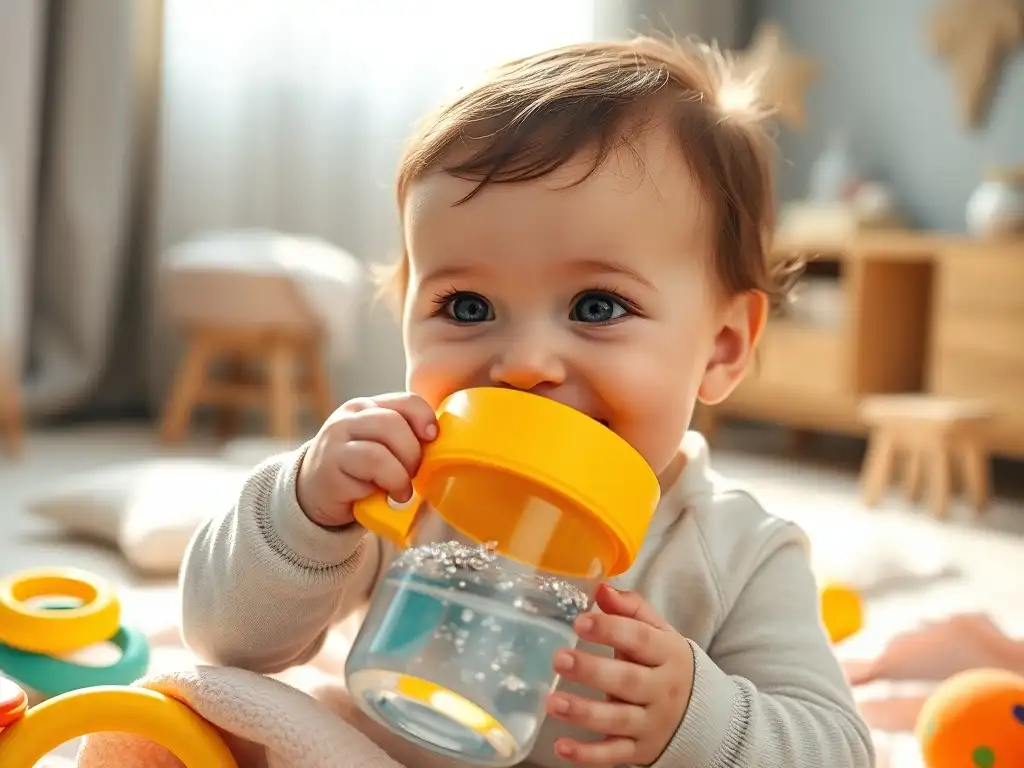
This section delves into practical strategies to encourage hydration in even the pickiest of baby drinkers. We'll explore optimal timing, illness management, and the importance of finding the right drinking vessel. Remember, consistent hydration is crucial for your baby's overall health and well-being. These tips are designed to help you navigate the challenges and achieve success in keeping your little one properly hydrated.
Timing is Key: Optimal Times to Offer Fluids
Offering fluids at the right times can significantly impact your baby's hydration levels. Don't just offer water randomly throughout the day; strategically incorporate hydration into your baby's routine. For example, offering water after breastfeeding or formula feeding can help replenish fluids lost during feeding. Similarly, offering water before, during, and after playtime can help prevent dehydration, especially during active periods.
Consider these optimal times:
- After waking up: A small amount of water can help rehydrate your baby after sleep.
- Before, during, and after playtime: Active play leads to fluid loss.
- Before and after naps: Similar to waking up, rehydration after periods of rest is important.
- Before and after outings: Exposure to sun and activity can increase fluid needs.
- Before and after meals: This helps regulate digestion and overall hydration.
Keep in mind that the amount of fluid offered should be adjusted according to your baby's age and activity level. Always consult your pediatrician for personalized guidance on fluid intake. Monitoring your baby's wet diapers is also a great indicator of adequate hydration. If you notice a significant decrease in wet diapers, consult your doctor immediately.
Hydration During Illness: Managing Fluid Intake When Sick
When your baby is sick, maintaining adequate hydration becomes even more critical. Illnesses like diarrhea and vomiting can lead to rapid dehydration. Therefore, adjusting your approach to hydration is essential. However, force-feeding isn't the answer; instead, focus on offering small, frequent sips of fluids.
Here's how to manage fluid intake during illness:
- Offer small amounts frequently: Instead of large volumes, offer small sips of fluids every 15-20 minutes.
- Electrolyte solutions: For babies experiencing vomiting or diarrhea, an oral rehydration solution (ORS) can be beneficial to replace lost electrolytes. Always check with your pediatrician before using ORS.
- Breast milk or formula: Continue breastfeeding or formula feeding as usual, as these provide essential nutrients and fluids.
- Avoid sugary drinks: Sugary drinks can worsen diarrhea and are not ideal for rehydration.
- Monitor your baby closely: Watch for signs of dehydration, such as dry mouth, sunken eyes, or decreased urine output. If you have any concerns, contact your pediatrician immediately.
Using Different Cups and Bottles: Finding the Right Fit
The type of cup or bottle you use can significantly influence your baby's willingness to drink. Experimenting with different options might be necessary to find the perfect fit for your little one's preferences and developmental stage.
Consider these options:
| Cup/Bottle Type | Advantages | Disadvantages | Suitable Age Range |
|---|---|---|---|
| Sippy Cups | Easier transition from bottle, spill-resistant | Can be difficult to clean thoroughly, some leak | 6 months+ |
| Straw Cups | Encourages proper swallowing technique | Can be challenging for some babies to master | 9 months+ |
| Open Cups | Develops independence, mimics adult cups | Prone to spills, requires good motor skills | 12 months+ |
| Standard Baby Bottles | Familiar, easy to use for younger babies | Can be associated with bedtime or soothing only | 0-6 months (approx.) |
Remember, introducing different cups and bottles should be a gradual process. Don't force your baby to use a new cup or bottle; instead, let them explore and choose at their own pace. Positive reinforcement and making the experience fun can also encourage acceptance. 🎉 Patience and persistence are key!
Positive Reinforcement and Routine: Establishing Healthy Habits
Positive reinforcement is key when it comes to encouraging healthy hydration habits in your little one. Instead of focusing solely on getting your baby to drink, shift your perspective to making the experience positive and enjoyable. Think of it as building an association between hydration and positive feelings. This can be achieved through several strategies. For example, offering water in a brightly colored, fun sippy cup can make drinking more appealing. Similarly, associating water with playtime or a favorite activity can create a positive reinforcement loop.
If your baby drinks well during playtime, praise them enthusiastically! A simple "Good job, sweetie! You're drinking your water like a champ!" can go a long way. 🎉
Establishing a consistent routine also plays a vital role. Try offering water at regular intervals throughout the day, perhaps alongside mealtimes or naps. Consistency helps your baby anticipate and accept water as a normal part of their daily schedule. This predictability reduces potential anxiety or resistance. Remember, consistency is more effective than forceful attempts to make your baby drink. A relaxed and calm approach during these routine hydration times will help your baby associate water with comfort and security, rather than stress.
Furthermore, consider the environment in which you offer water. A quiet, calm setting can be more conducive to drinking than a bustling, noisy one. If your baby seems fussy or distracted, try moving to a quieter space before offering water again. The overall atmosphere can significantly impact your baby's willingness to drink. This also applies to the temperature of the water; lukewarm water is often preferred over cold water, especially for babies who are sensitive to temperature changes.
Finally, remember that every baby is different. What works for one baby might not work for another. Be patient and persistent, and don't be afraid to experiment with different techniques until you find what works best for your little one. The goal isn't to force hydration but to cultivate a positive and enjoyable relationship with drinking water. Celebrate small victories and be patient with setbacks – it’s a journey, not a race. 🏆
Addressing Common Concerns: Baby Hydration Myths Debunked
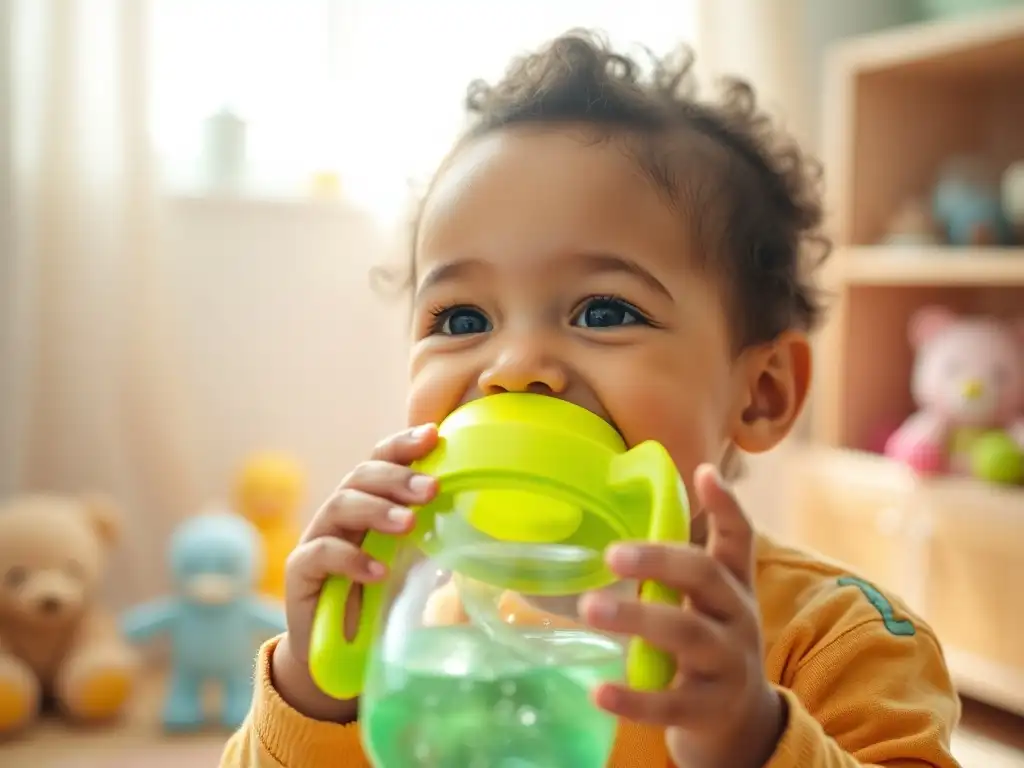
Many new parents grapple with ensuring their little ones get enough fluids, especially if the baby is a picky drinker. Navigating this can be challenging, often leading to anxieties fueled by misinformation. Let's address some common myths surrounding baby hydration, providing you with evidence-based facts to ease your concerns and empower you to make informed choices.
Myth 1: Only breast milk or formula is sufficient for hydration until 6 months.
Reality: While breast milk or formula provides the majority of a baby's hydration needs in the first six months, it's not the only source. Introducing water alongside breast milk or formula after the first few weeks (always consult your pediatrician for personalized guidance) can be beneficial, especially in warmer climates or during periods of illness where fluid loss is increased. Babies can start to receive small amounts of water from a spoon or sippy cup, helping them get accustomed to different textures and flavors. The amount should be minimal, and it's crucial to prioritize breastfeeding or formula feeding as the primary source of nutrition during this stage.
The introduction of water is supplementary, not a replacement. After six months, water becomes increasingly important as solid foods are introduced, contributing to their overall hydration. Think of it as a complement to their primary nutritional source, not a substitute.
Myth 2: If my baby isn't thirsty, they don't need extra water.
Reality: Babies, especially younger ones, don't always express thirst in the same way adults do. They might not vocalize their need for water directly. Signs of dehydration in babies can be subtle and include fewer wet diapers than usual, dry mouth, sunken eyes, and lethargy. Waiting for overt signs of thirst can be dangerous.
Instead of relying solely on your baby's cues, proactively offer water throughout the day, especially during and after feeding sessions, and in warmer weather. Regular monitoring of wet diapers is a much better indicator of hydration status than waiting for your baby to explicitly express thirst. A good rule of thumb is to aim for 6-8 wet diapers per day for babies under 6 months and at least 4-6 for babies over 6 months, though this can vary.
Myth 3: Giving my baby juice is a good way to increase their fluid intake.
Reality: Juice is not a suitable replacement for water and should be avoided, especially in the first year. Juice is high in sugar and provides minimal nutritional benefits compared to water. Excessive sugar intake can lead to dental problems, weight gain, and other health issues. Moreover, the high sugar content can interfere with your baby's appetite for nutritious foods. Water is the best choice for hydration.
If you're concerned about your baby's intake, consult a pediatrician or registered dietitian to rule out any underlying issues and develop a safe and effective hydration plan. They can provide personalized recommendations based on your baby's age, health, and dietary habits. Prioritizing water ensures optimal hydration without the added risks associated with sugary drinks. 🍹
When to Seek Professional Advice: Recognizing Serious Dehydration
Knowing when to seek professional medical advice regarding your baby's hydration is crucial. While minor dehydration is often easily addressed with increased fluid intake, severe dehydration can be dangerous and requires immediate medical attention. This section focuses on recognizing the signs of serious dehydration and understanding when to consult a pediatrician or other healthcare professional. Early intervention is key to preventing complications. Remember, this information is for guidance only and does not replace professional medical advice. Always consult your pediatrician with any concerns about your baby's health.
Severe Dehydration Symptoms: When to Consult a Doctor
Severe dehydration in babies presents with more serious symptoms than mild dehydration. These symptoms require immediate medical attention. Look out for:
- Sunken eyes: A classic sign of dehydration, sunken eyes indicate a significant loss of fluids.
- Dry mouth and tongue: A persistently dry mouth and tongue, even after offering fluids, is a warning sign.
- No tears when crying: Babies usually cry with tears; the absence of tears suggests severe dehydration.
- Few or no wet diapers: The number of wet diapers is a good indicator of hydration. Significantly fewer wet diapers than usual is a cause for concern.
- Lethargy and irritability: Unusual lethargy, irritability, or fussiness that doesn't respond to comfort measures could indicate dehydration.
- Sunken fontanelle: The soft spot on your baby's head (fontanelle) should feel slightly soft and flat. A sunken fontanelle points towards severe dehydration.
- Rapid breathing or heart rate: Increased respiratory rate and heart rate can be signs of the body struggling to compensate for fluid loss.
- Cool, clammy skin: While sometimes associated with other illnesses, cool and clammy skin can be a sign of severe dehydration.
If you notice any of these severe dehydration symptoms in your baby, seek immediate medical attention. Don't hesitate; prompt treatment is vital. Even if you're unsure, contacting your pediatrician is always the best course of action. Early intervention can significantly improve your baby's outcome. Remember, it's always better to err on the side of caution when it comes to your baby's health.
Getting Expert Guidance: Seeking Pediatric Advice on Hydration
Your pediatrician is your best resource for personalized advice on your baby's hydration needs. They can assess your baby's individual circumstances, considering factors such as age, weight, health conditions, and feeding type (breast milk, formula, or solids). Don't hesitate to contact them with any questions or concerns. Here's how to effectively seek their guidance:
- Keep a hydration log: Tracking your baby's fluid intake and output (wet diapers) can provide valuable information for your pediatrician. This helps them to accurately assess the situation.
- Be detailed: When contacting your pediatrician, be prepared to provide detailed information about your baby's symptoms, including the duration, severity, and any other accompanying symptoms.
- Ask specific questions: Don't be afraid to ask specific questions about your baby's hydration. For instance, you can ask about the appropriate amount of fluids for your baby's age and weight, how often to offer fluids, and what types of fluids are best.
- Follow their recommendations: Once you receive advice from your pediatrician, follow their recommendations carefully. This includes adjusting your baby's fluid intake, monitoring their hydration status, and seeking further medical attention if necessary.
Remember, proactive communication with your pediatrician is key to ensuring your baby receives the best possible care. They can offer personalized advice and help address any concerns you may have about your baby's hydration. Trust your instincts and seek professional help when needed – your baby's health is paramount.
Frequently Asked Questions
How much liquid should my baby be drinking?
The amount varies depending on your baby's age and weight. Consult your pediatrician for personalized recommendations, but generally, breastfed babies need less supplemental fluid than formula-fed babies. Always monitor your baby's wet diapers as an indicator of hydration.
My baby refuses to drink water. What should I do?
Try offering water in a different sippy cup or bottle. You can also try offering it at different times of the day or during or after meals. If the issue persists, consult your pediatrician.
What are some creative ways to encourage my baby to drink more fluids?
Introduce flavorful, healthy options like diluted fruit juice (in moderation) or breast milk/formula. You can also try freezing breast milk or formula into ice pops for a fun and refreshing treat. Never add honey or sugar.
Are there any signs of dehydration I should watch out for in my baby?
Look for fewer wet diapers than usual, dry mouth, sunken eyes, and lethargy. If you notice any of these signs, contact your pediatrician immediately. Dehydration can be serious in babies.
My baby is exclusively breastfed. Does he/she still need extra fluids?
For the first six months, breast milk provides sufficient hydration for most babies. However, in hot weather or during illness, you may need to offer additional breast milk or water. Always consult your pediatrician.
Final Reflection: The Enduring Thirst for Healthy Hydration
The quest for proper hydration in babies remains a constant challenge for parents, a daily dance between offering fluids and ensuring adequate intake. This struggle is far from trivial; dehydration poses serious risks to a baby's health and well-being, impacting everything from their energy levels to their overall development. Understanding the nuances of hydration, especially for picky drinkers, is crucial for every caregiver.
The journey of navigating a baby's hydration needs is a deeply personal one, filled with moments of both triumph and frustration. It's a testament to the power of parental intuition and the unwavering commitment to a child's health. The subtle cues, the persistent efforts, and the eventual success in seeing your little one happily sipping water—these experiences shape our understanding of parenthood. The most important thing a father can do for his children is to love their mother.
This quote, while seemingly unrelated, speaks to the dedication and care required in all aspects of raising a child, including ensuring their proper hydration.
Now, consider the knowledge you've gained. Reflect on the tips and tricks discussed in this article. You are empowered to approach your baby's hydration with confidence and creativity. Experiment with different sippy cups, explore varied fluid options, and remember that consistency and patience are key. Don't hesitate to seek professional guidance if you have concerns. Your proactive approach to your baby's hydration is an investment in their present and future health, a testament to your love and commitment as a caregiver. Embrace the challenge, celebrate the small victories, and remember that every drop counts.
Unlock Your Little One's Hydration Potential!
Thank you for learning more about keeping your baby happy and hydrated! We hope these tips help you confidently address even the fussiest drinkers. Let's put this knowledge into action:
- Prioritize playful hydration: Make hydration fun! Experiment with different sippy cups, colorful straws, or even freeze fruit into ice pops for a refreshing treat. This is key to making hydration a joyful experience.
- Share your experiences: Join our BabyCareHub community to share your hydration tips and tricks, or ask for advice if you're struggling. Let's support each other!
- Experiment with different approaches: Try a new hydration strategy each day to see what works best for your baby. Keep a hydration diary to track progress and celebrate successes!
What small step will you take today to make hydration fun and boost your baby's fluid intake?