
Baby Hydration: Frequently Asked Questions Answered

Welcome to BabyCareHub, your ultimate guide to navigating the incredible journey of parenthood. Are you a first-time parent grappling with the complexities of newborn care? Then you've come to the right place! We understand the overwhelming questions that arise, especially concerning your little one's well-being. This is why we've created a detailed resource covering everything from feeding and sleep to health and safety. Let's start with a crucial aspect: Baby hydration. Dive into our comprehensive FAQ on Baby hydration FAQ newborn parents and discover the answers you need to ensure your baby thrives.
- Baby Hydration FAQ: Understanding Your Newborn's Fluid Needs
- Baby Hydration FAQ: Addressing Common Concerns
- Baby Hydration FAQ: Addressing Specific Situations
- Baby Hydration FAQ: Seeking Professional Advice
- Baby Hydration FAQ: Understanding Your Baby's Individual Hydration Needs
- Baby Hydration FAQ: Resources for Parents: Reliable Information on Baby Hydration
- Frequently Asked Questions
- Final Reflection: The Enduring Thirst for Knowledge on Baby Hydration
- Unlock Your Baby's Hydration Happiness
Baby Hydration FAQ: Understanding Your Newborn's Fluid Needs
Navigating the world of newborn care can feel overwhelming, and ensuring your little one stays properly hydrated is a top priority for first-time parents. This comprehensive guide addresses frequently asked questions surrounding baby hydration, providing clear, evidence-based information to alleviate concerns and empower you to confidently care for your infant. We'll delve into the specifics of fluid intake for newborns, discuss how to recognize signs of dehydration, and clarify the hydration differences between breastfed and formula-fed babies.
Understanding your baby's hydration needs is crucial for their overall health and well-being, contributing to their healthy growth and development. This FAQ is designed to be your go-to resource, answering common questions and offering practical advice to ensure your baby thrives. Remember, always consult your pediatrician for personalized guidance tailored to your baby's unique needs.
How Much Fluid Does My Newborn Baby Need?
Determining the precise fluid requirements for your newborn can be tricky, as it varies depending on several factors including their weight, age, activity level, and overall health. However, for the first few months, your baby's hydration needs are primarily met through breast milk or formula.
For breastfed babies, the amount of milk they consume naturally regulates their fluid intake. Frequent nursing sessions, often lasting 10-15 minutes on each breast, are usually sufficient. You'll notice your baby is well-hydrated if they have plenty of wet diapers (6-8 per day) and are exhibiting normal alertness and activity.
Formula-fed babies, on the other hand, may need supplemental water in hot climates or during periods of illness, but only after consulting your pediatrician. Always follow your pediatrician's recommendations regarding formula preparation and feeding schedule. Over-hydration can be just as dangerous as dehydration, so it's crucial to follow their expert advice.
It's important to note that the introduction of water before 6 months is generally not recommended unless advised by a healthcare professional. Breast milk or formula provides all the necessary nutrients and hydration for your baby during this period.
Here's a simplified table to help you understand:
| Baby Type | Primary Hydration Source | Supplemental Water (Before 6 Months) | Monitoring Key |
|---|---|---|---|
| Breastfed | Breast milk | Generally not recommended | Wet diapers, alertness |
| Formula-fed | Formula | Only as advised by pediatrician | Wet diapers, alertness |
Recognizing Dehydration Signs in Infants: What to Watch For
Recognizing the signs of dehydration in your baby is crucial for their well-being. Early detection allows for prompt intervention and prevents serious complications. While some signs are subtle, paying close attention to your baby's behavior and physical cues is vital.
Here are some key indicators of dehydration in infants:
- Few or no wet diapers: This is a major warning sign. A significant decrease in the number of wet diapers compared to their usual pattern is a strong indication of dehydration.
- Sunken fontanelle: The soft spot on your baby's head (fontanelle) may appear sunken.
- Dry mouth and lips: Your baby's mouth and lips may feel dry or sticky.
- Lethargy and irritability: A dehydrated baby might be unusually lethargic, irritable, or fussy.
- Excessive sleepiness: Increased sleepiness can be a sign of dehydration.
- No tears when crying: If your baby doesn't produce tears when crying, it's a cause for concern.
- Sunken eyes: The eyes may appear sunken into their sockets.
If you observe any of these signs, contact your pediatrician immediately. Prompt action is essential to prevent dehydration from escalating into a serious medical condition. Remember, prevention is key – maintaining regular feeding schedules and monitoring your baby’s hydration status are crucial.
Breast Milk vs. Formula: Hydration Levels and Frequency
Both breast milk and formula are designed to provide your baby with essential hydration. However, there are subtle differences in their composition that can impact hydration levels and feeding frequency.
Breast milk is uniquely tailored to your baby's needs and adapts as they grow. It contains water, electrolytes, and other nutrients that aid in hydration. Breastfed babies often nurse more frequently, usually every 2-3 hours, which helps maintain their hydration.
Formula, while providing adequate hydration, might not be as readily absorbed as breast milk. Formula-fed babies may need slightly more frequent feedings, but always follow your pediatrician's recommendations regarding the amount and frequency of formula feedings. The concentration of the formula must be precisely followed to avoid both under- and over-hydration.
Ultimately, the key to ensuring proper hydration for both breastfed and formula-fed babies is consistent monitoring of their intake and output (wet diapers), alongside careful observation of their overall health and behavior. Remember to consult your pediatrician for personalized advice and to address any concerns you may have.
When Should I Introduce Water to My Baby?
The question of when to introduce water to your baby is a common one among new parents, and the answer isn't always straightforward. The American Academy of Pediatrics (AAP) recommends that babies exclusively breastfed or formula-fed for the first six months of life do not need additional water. Breast milk and formula provide all the hydration a baby needs during this period. Their fluid content is perfectly tailored to a baby's needs, and offering extra water can actually interfere with their intake of these essential nutrients. Overhydration in infants is a real concern, potentially leading to electrolyte imbalances.
However, things change slightly after six months. Once your baby starts solids, you might consider offering small amounts of water, particularly in hot weather or if your baby seems dehydrated. Signs of dehydration in babies include dry mouth, fewer wet diapers than usual, and sunken eyes. Always consult your pediatrician before introducing water, especially if your baby is experiencing any health issues.
They can help you determine the appropriate amount and frequency based on your baby's individual needs and overall health. Remember that even after six months, breast milk or formula should remain the primary source of hydration. Water should be a supplementary addition, not a replacement. Introducing water gradually, observing your baby's cues, and seeking professional advice are key to ensuring safe hydration.
Water Intake for Babies: Safe Practices and Precautions
Providing your baby with water safely requires careful attention to detail. Always use clean, sterile water, preferably boiled and cooled, especially during the first year. Tap water may contain contaminants that could harm your baby's delicate system. Avoid using bottled water unless it is specifically designed for infants and is low in sodium. High sodium levels in water can be dangerous for babies.
Never force your baby to drink water. Let them drink at their own pace, respecting their cues. Observe their behavior; if they are refusing water, don't insist. Overhydration is as harmful as dehydration. Pay close attention to your baby's wet diapers – this is a reliable indicator of hydration. A sufficient number of wet diapers suggests adequate fluid intake.
The amount of water you offer will depend on your baby's age, climate, and activity level. Start with small amounts, a few teaspoons at a time, and gradually increase as needed. Always supervise your baby while they are drinking to prevent choking hazards. Use a small, appropriately-sized sippy cup or a soft-spout cup designed for infants.
Avoid giving your baby water in a bottle that could be confused with milk or formula, as this might lead to reduced intake of essential nutrients. Regularly check your baby for signs of dehydration, and if you have any concerns, consult your pediatrician immediately. Early detection and intervention are crucial for maintaining your baby's health and well-being. Remember, consistent monitoring and communication with your pediatrician are key to ensuring your baby's safe and healthy hydration.
Baby Hydration FAQ: Addressing Common Concerns
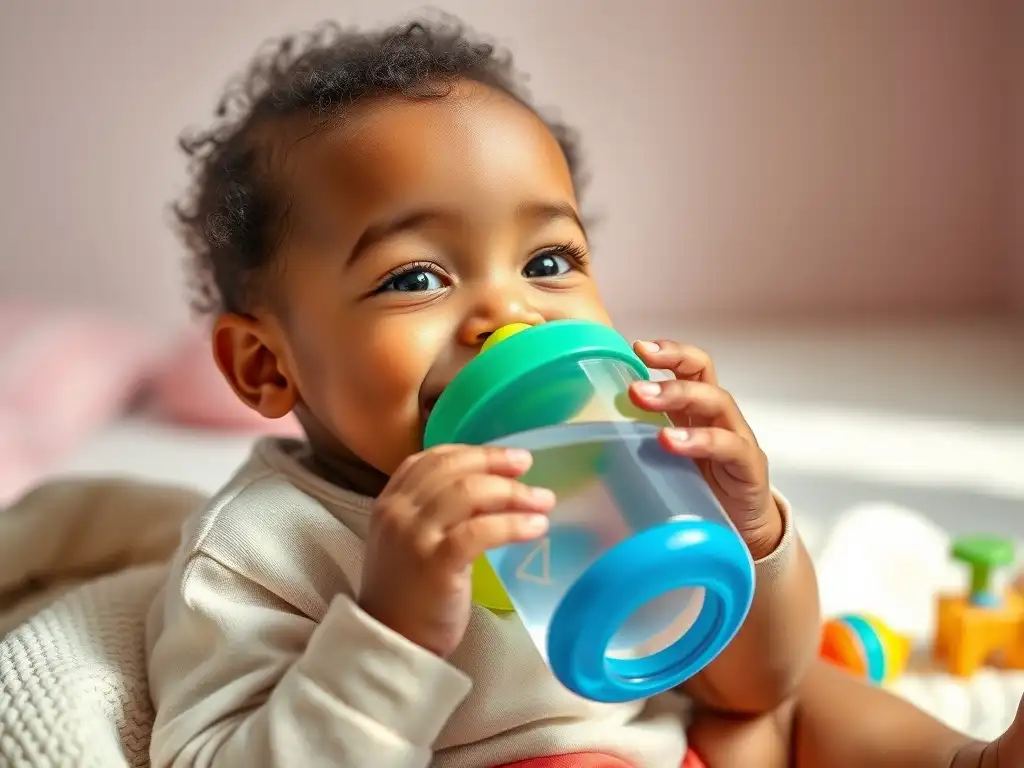
This section addresses frequently asked questions about baby hydration, specifically focusing on concerns common among new parents. We'll explore how to recognize dehydration and overhydration in infants, using readily observable signs and symptoms. Remember, consulting your pediatrician is crucial for any persistent concerns about your baby's health. This information is for educational purposes and shouldn't replace professional medical advice. Understanding baby hydration is key to your baby's overall well-being and healthy development. This FAQ aims to help you navigate common hydration challenges faced by newborn parents.
My Baby Seems Dehydrated: What Should I Do?
Recognizing dehydration in your baby is crucial for their health. Dehydration can manifest in various ways, and prompt action is essential. Signs of dehydration in babies include:
- Dry mouth and tongue: Check your baby's mouth; a dry or sticky feeling indicates potential dehydration.
- Few or no wet diapers: This is a significant indicator. The number of wet diapers varies with age and fluid intake, but a significant decrease is a warning sign. For example, a baby who typically wets 6-8 diapers a day might be dehydrated if the number drops to 2-3.
- Sunken eyes: Observe your baby's eyes; sunken eyes are a visible sign of dehydration.
- Sunken fontanelle: The soft spot on your baby's head (fontanelle) might appear sunken.
- Lethargy or irritability: A dehydrated baby might be unusually sleepy or irritable.
- Dry skin: Pinch a small area of skin; if it doesn't snap back quickly, it could indicate dehydration.
If you observe any of these signs, immediately contact your pediatrician. Do not attempt to self-treat. Dehydration can be serious, especially in infants. Early intervention is key to preventing complications. Remember to always keep a close eye on your baby's hydration levels, especially during hot weather or if they have diarrhea or vomiting.
Baby's Urine Color: A Key Indicator of Hydration
Your baby's urine color provides valuable insights into their hydration status. Ideally, a well-hydrated baby's urine should be pale yellow or almost colorless. Darker yellow urine suggests dehydration.
| Urine Color | Hydration Status | Action Needed |
|---|---|---|
| Pale Yellow/Clear | Well-hydrated | Continue monitoring, ensure adequate intake |
| Dark Yellow | Mildly Dehydrated | Increase fluid intake, monitor closely |
| Amber/Brown | Severely Dehydrated | Seek immediate medical attention |
The frequency of urination is also important. A significant decrease in the number of wet diapers, alongside dark urine, is a strong indicator of dehydration. Keep a record of your baby's diaper changes to help you track their hydration levels more effectively. This simple observation can be a powerful tool in identifying potential problems early on.
How to Tell if My Baby is Overhydrated
While dehydration is a more common concern, overhydration, though less frequent, can also be harmful. Overhydration is less easily identified than dehydration, but signs to watch for include:
- Unusual lethargy or listlessness: While lethargy can indicate dehydration, it can also occur with overhydration.
- Vomiting: Excessive fluid intake can lead to vomiting.
- Swollen hands and feet: Noticeable swelling can be a sign of fluid overload.
- Rapid breathing: In severe cases, overhydration can strain the respiratory system.
Overhydration is less common in breastfed babies, as breast milk adjusts to the baby's needs. However, it's more of a concern with formula-fed babies, especially if the formula is improperly diluted. Always follow the instructions on the formula packaging carefully. If you suspect overhydration, consult your pediatrician immediately. They can assess your baby's condition and provide appropriate guidance. Remember, preventing overhydration involves careful monitoring of fluid intake and always consulting your pediatrician with any concerns. 👶
Traveling with Baby: Maintaining Hydration on the Go
Traveling with a baby can be stressful, and maintaining proper hydration adds another layer of complexity. The key is preparation and proactive measures. Before you even leave, pack plenty of sterile water in individual, disposable bottles. Avoid using reusable bottles unless you can sterilize them thoroughly at each stop – this is crucial for preventing bacterial contamination. Remember that tap water safety varies significantly depending on your location, so always err on the side of caution.
If you're breastfeeding, continue to do so regularly; your milk provides essential hydration. For formula-fed babies, prepare formula in advance using sterile water. Consider bringing a small, portable cooler bag with ice packs to keep the formula cool. During the journey, offer your baby frequent small sips of water, especially if it's a long trip or the weather is hot. Observe your baby closely for signs of dehydration, such as dry mouth, fewer wet diapers than usual, or lethargy.
If you notice any of these signs, offer more fluids immediately. Remember that air conditioning can also dehydrate your little one, so be mindful of the temperature in your vehicle or airplane. Planning ahead and staying vigilant will help ensure your baby stays well-hydrated throughout your travels. Keep in mind that different modes of transport present unique challenges; a car trip allows for more frequent stops, while a plane trip requires more meticulous pre-planning. Always check local water quality regulations before using tap water to prepare formula.
Dealing with Diarrhea and Dehydration in Infants
Diarrhea in infants is a serious concern, as it can quickly lead to dehydration. Dehydration in babies is a medical emergency and requires immediate attention. The symptoms of dehydration include dry mouth, sunken eyes, decreased urination, lethargy, and a lack of tears when crying. If your baby exhibits any of these signs, seek medical attention immediately. Do not attempt to treat severe dehydration at home. The first step is to identify the cause of the diarrhea. Common culprits include viral infections, bacterial infections, or food intolerances.
Your pediatrician can help determine the underlying cause and recommend the appropriate treatment. While waiting for medical advice, continue to offer breast milk or formula frequently in small amounts. Oral rehydration solutions (ORS) are specifically formulated to replenish lost electrolytes and fluids. These are available at most pharmacies and are generally safe for infants under the guidance of a healthcare professional. Avoid giving your baby sugary drinks, as these can worsen diarrhea. Moreover, avoid giving juice or other sweetened liquids, as they lack the essential electrolytes needed to combat dehydration.
Closely monitor your baby's fluid intake and output. Count the number of wet diapers; a significant reduction compared to their usual pattern indicates dehydration. Remember, prevention is key. Practice good hygiene, including thorough handwashing, to minimize the risk of infection. If your baby experiences persistent diarrhea or shows signs of dehydration, immediate medical attention is crucial. Early intervention is critical to preventing serious complications.
Baby Hydration FAQ: Addressing Specific Situations
This section dives into specific scenarios concerning baby hydration, providing detailed answers to frequently asked questions from new parents. We'll explore hydration needs during illness, address the unique requirements of premature infants, and highlight the differences between hydration strategies for breastfed and formula-fed babies. Understanding these nuances is crucial for ensuring your baby's optimal health and well-being. Remember, always consult your pediatrician for personalized advice.
Baby Hydration During Illness: Fever and Fluid Intake
A fever significantly increases a baby's fluid loss through sweating and respiration. Maintaining adequate hydration is paramount during illness to prevent dehydration. Signs of dehydration in babies include dry mouth, fewer wet diapers than usual, sunken eyes, and lethargy. If your baby has a fever, it's crucial to offer fluids more frequently.
For babies under six months old, exclusively breastfed infants should continue breastfeeding more often. For formula-fed babies, offer their usual formula at slightly more frequent intervals. For babies over six months old, you can offer small amounts of electrolyte solutions specifically formulated for babies (always check with your pediatrician before using). Avoid sugary drinks like juice, as these can worsen diarrhea.
The amount of extra fluid needed will depend on the severity of the fever and your baby's age and weight. It's essential to monitor your baby closely for signs of dehydration and seek medical attention if they worsen or if your baby shows signs of significant discomfort. Remember, early intervention is key in managing illness and preventing complications. 💧 Staying vigilant is crucial for your baby's well-being.
| Sign of Dehydration | Severity | Action |
|---|---|---|
| Fewer wet diapers than usual | Mild | Increase fluid intake slightly |
| Dry mouth, slightly sunken eyes | Moderate | Increase fluid intake significantly, offer electrolyte solution (after consulting a doctor) |
| Sunken eyes, lethargy, no tears when crying | Severe | Seek immediate medical attention |
Premature Babies and Hydration: Special Considerations
Premature babies have immature kidneys and digestive systems, making them particularly vulnerable to dehydration. Their hydration needs are often different from those of full-term infants. Premature babies may require specialized formulas or intravenous fluids to maintain adequate hydration, depending on their gestational age and overall health. The medical team managing your premature baby will closely monitor their fluid balance and adjust their hydration plan accordingly.
The specific hydration strategy will be determined by several factors including the baby's birth weight, gestational age, and any underlying health conditions. Frequent monitoring of weight, urine output, and other vital signs is vital. Parents of premature babies should work closely with their neonatologist or pediatrician to establish a personalized hydration plan tailored to their infant's unique needs. This often involves meticulous tracking of fluid intake and output, and regular weight checks to ensure optimal hydration levels are maintained. Early detection and management of dehydration are crucial for the healthy development of premature babies.
Hydration for Breastfed vs. Formula-Fed Babies: Key Differences
Breast milk is naturally tailored to a baby's hydration needs. It's approximately 87% water and contains electrolytes that help regulate fluid balance. For exclusively breastfed babies under six months old, additional water is generally not necessary. However, in hot climates or during illness, you may need to increase the frequency of breastfeeding. Always consult your pediatrician if you have any concerns.
Formula-fed babies, on the other hand, may require additional water, especially in hot weather or if they are experiencing diarrhea or vomiting. The amount of additional water will depend on the baby's age, weight, and overall health. Always follow your pediatrician's recommendations on supplementing with water. Introducing water too early can interfere with nutrient intake and can potentially lead to nutritional deficiencies. Remember, water should be considered a supplement, not a replacement, for breast milk or formula. Providing the right balance of fluids is crucial for your baby's healthy development and growth.
Baby Hydration and Skin Health: The Connection
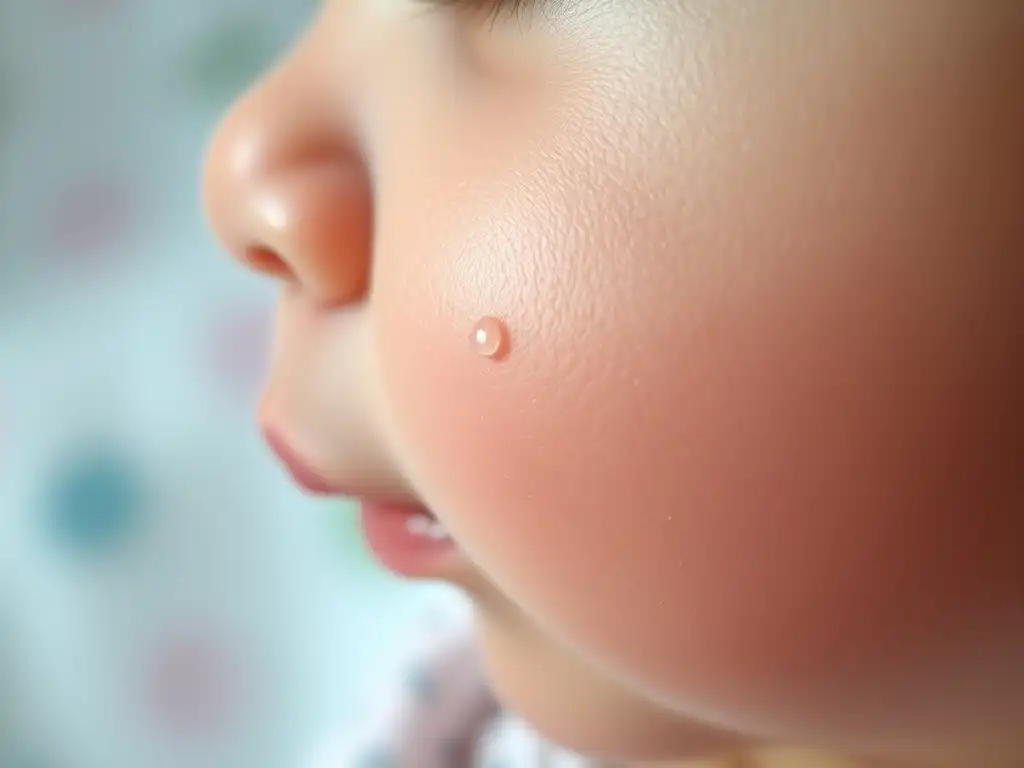
Proper hydration plays a crucial role in maintaining your baby's skin health. Dehydration can lead to dry, flaky skin, increasing the risk of irritation and discomfort. A well-hydrated baby will have supple, healthy-looking skin. The skin is the largest organ in the body, and maintaining its integrity is essential for overall well-being.
Think of it like a plant – without adequate water, it wilts. Similarly, a dehydrated baby's skin can become dry, cracked, and more susceptible to rashes and infections. This is particularly important for newborns, whose skin is especially delicate and prone to dryness. Monitoring your baby's hydration levels is therefore key to preventing skin problems.
If you notice excessively dry or flaky skin, consult your pediatrician to rule out any underlying issues, but adequate fluid intake is often the first line of defense. Remember, a happy, hydrated baby usually presents with healthy, soft skin. Keep an eye on diaper changes too – dry diapers can also indicate dehydration.
Summer Hydration Tips for Babies: Staying Cool and Hydrated
Summer heat poses a unique challenge to maintaining adequate hydration in babies. Their smaller body size and less efficient temperature regulation mechanisms make them more susceptible to dehydration. Increased sweating during hot weather leads to greater fluid loss, necessitating increased fluid intake. Offering breast milk or formula more frequently is a good starting point. However, remember that introducing water too early can be detrimental.
Always follow your pediatrician’s guidance on introducing water. Beyond increased feedings, consider offering cool, slightly damp cloths to help lower their body temperature. Never leave a baby unattended in a hot car, even for a short period. This is a critical safety measure to prevent heatstroke. Dress your baby in lightweight, breathable clothing, and limit outdoor exposure during the hottest parts of the day.
Pay close attention to your baby's cues; lethargy, dry mouth, and fewer wet diapers are all signs of dehydration and require immediate attention. Keeping your baby cool and hydrated during the summer months is paramount to their health and well-being. Staying vigilant and proactive can prevent serious complications. Remember, prevention is always better than cure when it comes to baby hydration, especially during summer.
Baby Hydration FAQ: Seeking Professional Advice

This section addresses crucial questions regarding when professional medical intervention is necessary concerning your baby's hydration. Remember, while this information is helpful, it's not a substitute for professional medical advice. Always consult your pediatrician or healthcare provider with any concerns about your baby's health.
When to Consult a Pediatrician About Baby Hydration
Recognizing signs of dehydration in infants is paramount. While many hydration issues are easily addressed at home, some require immediate medical attention. You should contact your pediatrician immediately if your baby exhibits any of the following symptoms:
- Sunken Eyes or Fontanelles: These are clear indicators of dehydration. The soft spot on your baby's head (fontanelle) should feel soft and slightly springy; a sunken fontanelle is a serious warning sign.
- Dry Mouth and Tongue: A persistently dry mouth and tongue, especially accompanied by other symptoms, suggests dehydration. Check for a lack of saliva.
- Decreased Wet Diapers: Significantly fewer wet diapers than usual is a major red flag. The number varies depending on age and intake, but a dramatic reduction warrants immediate attention. Keep track of your baby's diaper output—this is crucial information to share with your doctor.
- Lethargy and Irritability: An unusually lethargic or irritable baby might be dehydrated. Changes in behavior, especially coupled with other symptoms, require prompt medical evaluation.
- Excessive Crying Without Tears: While babies cry, a lack of tears during crying spells can be a sign of dehydration. Pay close attention to this detail.
- Rapid Heart Rate: A faster than usual heart rate can be a sign that your baby's body is trying to compensate for fluid loss.
- Fever accompanied by any of the above: A fever, especially a high fever, significantly increases the risk of dehydration and necessitates immediate medical attention. Always monitor your baby's temperature.
This is not an exhaustive list, and the severity of symptoms will vary. Trust your instincts; if you are concerned about your baby's hydration, don't hesitate to seek professional help. Early intervention is key to preventing serious complications.
Baby Hydration FAQ: Understanding Your Baby's Individual Hydration Needs
Every baby is unique, and their hydration needs vary based on several factors. Understanding these factors helps parents provide optimal hydration support.
Understanding Your Baby's Individual Hydration Needs
Several factors influence your baby's hydration requirements:
- Age: Newborns have different hydration needs than older infants. Breastfed babies, for example, may require less additional water than formula-fed babies, especially in the first few months.
- Climate: Hot and humid climates necessitate increased fluid intake to compensate for sweat loss. Monitor your baby closely during hotter months.
- Activity Level: A more active baby will require more fluids than a less active one.
- Health Status: Illness, particularly those involving fever or diarrhea, significantly increases fluid loss and necessitates increased hydration. Always monitor your baby's hydration if they are unwell.
- Feeding Type: Breast milk and formula provide most of the hydration a baby needs, especially in the first six months. However, introducing water may be necessary after six months depending on the climate and your baby's health.
| Factor | Impact on Hydration Needs | Considerations |
|---|---|---|
| Age | Newborns require less additional water than older infants. | Follow your pediatrician's guidelines regarding water introduction. |
| Climate | Hotter climates necessitate increased fluid intake. | Offer more fluids during hot weather, especially if your baby is sweating. |
| Activity Level | More active babies need more fluids. | Observe your baby's activity and adjust fluid intake accordingly. |
| Health Status | Illness increases fluid loss. | Monitor closely during illness and consult your pediatrician if needed. |
| Feeding Type | Breast milk/formula provides hydration. | Additional water may be needed after six months, depending on various factors. |
Remember to consult your pediatrician for personalized advice on your baby's hydration needs. They can provide guidance based on your baby's specific circumstances.
Baby Hydration FAQ: Resources for Parents: Reliable Information on Baby Hydration
Navigating the world of baby care can be overwhelming. Finding reliable information on baby hydration is crucial for ensuring your little one's well-being.
Resources for Parents: Reliable Information on Baby Hydration
While this article provides valuable information, remember to consult reputable sources for further guidance. Always prioritize information from trusted medical professionals and organizations. Some reliable resources include:
- Your Pediatrician: Your pediatrician is the best source of information tailored to your baby's individual needs and health history. Don't hesitate to ask questions.
- The American Academy of Pediatrics (AAP): The AAP website offers comprehensive and evidence-based information on various aspects of child health, including hydration.
- Your Local Health Department: Your local health department often provides resources and support for new parents. They can answer questions and offer guidance specific to your community.
- Reputable Baby Care Books and Websites: Be discerning when choosing online resources; ensure they are credible and backed by medical professionals.
Remember, accurate and reliable information is essential for ensuring your baby's health and well-being. Always prioritize your baby's safety and seek professional medical advice when necessary. 👶🍼💧
Frequently Asked Questions
How much liquid should my newborn baby drink?
Newborns primarily get hydration from breast milk or formula. Offering additional water isn't necessary and can even be harmful. Follow your pediatrician's advice on feeding schedules.
When should I start giving my baby water?
Generally, you shouldn't give your baby water before 6 months of age, unless advised by a doctor. Breast milk or formula provides all the necessary hydration and nutrients during this period.
What are the signs of dehydration in a baby?
Signs of dehydration include dry mouth, fewer wet diapers than usual, and sunken eyes. If you notice any of these, contact your pediatrician immediately.
How can I tell if my baby is getting enough fluids?
Check for sufficient wet diapers (6-8 per day for breastfed babies, fewer for formula-fed). Also, observe your baby's overall activity level and alertness. A well-hydrated baby will be energetic and playful.
My baby has diarrhea. How do I prevent dehydration?
Offer frequent, small amounts of breast milk or formula. Contact your pediatrician immediately if diarrhea persists or if you notice signs of dehydration. Electrolyte solutions may be recommended in severe cases.
Final Reflection: The Enduring Thirst for Knowledge on Baby Hydration
The quest for optimal baby hydration remains a constant concern for new parents, a journey fraught with anxieties and uncertainties. This article aimed to address those anxieties by providing clear, evidence-based answers to frequently asked questions, demystifying a crucial aspect of newborn care. The information presented here is not just theoretical; it's directly applicable to the daily lives of countless families navigating the challenges and joys of parenthood.
The impact of proper hydration on a baby's overall health and development cannot be overstated. It's a fundamental building block for growth, impacting everything from digestion and temperature regulation to overall well-being. This knowledge, once considered niche, is now increasingly accessible and integrated into mainstream parenting advice, reflecting a growing awareness of its importance. The best gift is not a thing, but an experience. And the best experience is a healthy child.
This quote, while not directly about hydration, speaks to the overarching importance of ensuring our children thrive, and proper hydration is a key component of that thriving.
So, as you continue your journey of parenthood, remember the power of knowledge. Don't hesitate to consult your pediatrician with any concerns, and continue to seek out reliable information to make informed decisions about your baby's care. Empower yourself with the understanding that you are your child's primary advocate, and that providing adequate hydration is a simple yet profound act of love and care. The thirst for knowledge, like the thirst for water, is a fundamental human need – nurture both in yourself and your little one.
Unlock Your Baby's Hydration Happiness
Thank you for learning more about keeping your little one properly hydrated! We hope this guide has been helpful and addressed any concerns. Now let's put this knowledge into practice.
- Prioritize proactive hydration: Keep a water bottle within easy reach throughout the day and offer sips frequently, especially during and after playtime. This simple strategy can significantly improve your baby's hydration.
- Share your hydration journey: Connect with other parents on our BabyCareHub community forum and exchange tips and experiences. Let's build a supportive network of informed parents!
- Make hydration fun: Try using a fun chart or sticker system to turn hydration into a playful learning experience for both you and your baby.
Are you ready to make hydration a fun and engaging part of your baby's daily routine?