
Omega3s for Vegetarian Babies: Important Fatty Acids

Welcome to BabyCareHub, your ultimate guide to navigating the incredible journey of parenthood! Are you a first-time parent seeking expert advice? Then you've come to the right place. We understand the challenges and joys of raising a little one, and we're here to support you every step of the way. Discover the crucial role of omega-3 fatty acids in your baby's development, especially if you're following a vegetarian lifestyle. Learn about the surprising benefits of vegetarian baby omega3 and empower yourself with the knowledge to make informed decisions about your baby's nutrition. Let's dive in!
- Understanding the Importance of Omega-3 Fatty Acids for Baby's Development
- Vegetarian Sources of Omega-3s for Babies
- Ensuring Adequate Omega-3 Intake in Vegetarian Babies
- Potential Challenges and Considerations
- Creating a Balanced Vegetarian Diet Rich in Omega-3s for your Baby
-
Frequently Asked Questions
- What are the benefits of Omega-3 fatty acids for vegetarian babies?
- My baby is vegetarian. Do they need an Omega-3 supplement?
- What are the best sources of Omega-3s for vegetarian babies?
- Are there any risks associated with giving my vegetarian baby Omega-3 supplements?
- How much Omega-3 should my vegetarian baby take?
- Final Reflection: Nurturing Little Ones with the Power of Omega-3s
- Unlock Your Baby's Potential: Fuel Their Growth with Omega-3s
Understanding the Importance of Omega-3 Fatty Acids for Baby's Development
Choosing a vegetarian or vegan lifestyle for your family is a significant decision, and ensuring your baby receives all the necessary nutrients is paramount. This article focuses on the crucial role of omega-3 fatty acids in the development of vegetarian babies. Omega-3s are essential fatty acids, meaning the body cannot produce them on its own; they must be obtained through diet.
For vegetarian and vegan families, understanding how to incorporate these vital nutrients into your baby's diet is key to supporting their healthy growth and development. We'll explore the critical benefits of omega-3s, specifically DHA and EPA, and discuss strategies for ensuring your little one receives adequate amounts, even without relying on traditional sources like fish.
This comprehensive guide aims to empower vegetarian parents with the knowledge to make informed decisions about their baby's nutritional well-being, addressing the keyword "Vegetarian baby omega3 benefits" and offering practical, evidence-based advice. Let's delve into the world of omega-3s and discover how they contribute to a thriving, healthy vegetarian baby.
Essential Fatty Acids and Brain Development in Vegetarian Babies
Omega-3 fatty acids, particularly docosahexaenoic acid (DHA) and eicosapentaenoic acid (EPA), are vital for brain development in infants. DHA is a major structural component of the brain and retina, playing a crucial role in neuronal signaling and brain function. Studies have shown a strong correlation between adequate DHA intake during infancy and improved cognitive development, including enhanced memory, attention span, and problem-solving skills. 1 Vegetarian babies, who don't consume fish, the primary source of DHA and EPA, require careful planning to ensure sufficient intake. This can be achieved through a well-planned diet rich in plant-based sources of omega-3s, such as flaxseed oil, chia seeds, and algae-based supplements. The amount of DHA and EPA needed varies depending on the baby's age and individual needs, so consulting with a pediatrician or registered dietitian specializing in vegetarian nutrition is highly recommended. Remember, early intervention is crucial, as the brain develops most rapidly during the first few years of life.
The Role of Omega-3s in Infant Vision and Cognitive Function
Beyond brain development, omega-3 fatty acids are also essential for healthy vision in infants. DHA is a major structural component of the retina, and its deficiency can lead to impaired visual acuity and potentially affect long-term visual development. Furthermore, emerging research suggests a link between omega-3 intake and improved cognitive function, potentially impacting aspects like learning abilities and social-emotional development.
While the exact mechanisms are still under investigation, the evidence strongly suggests that adequate omega-3 intake supports overall healthy brain function and optimal cognitive development in babies. Providing your vegetarian baby with sufficient omega-3s is an investment in their future cognitive and visual capabilities. This underscores the importance of proactively addressing this nutritional aspect of a plant-based diet for infants.
DHA and EPA: Key Omega-3s for Vegetarian Infants
While ALA (alpha-linolenic acid), found in plant-based sources like flaxseed and chia seeds, is an omega-3 fatty acid, the body converts it to DHA and EPA relatively inefficiently. Therefore, vegetarian babies may still require supplementary sources of DHA and EPA to meet their needs. Algae-based supplements are a popular and effective option, providing a vegan-friendly source of these crucial fatty acids. These supplements are carefully formulated to provide the appropriate dosage for infants, ensuring they receive the necessary amounts for optimal growth and development.
It's crucial to choose high-quality, reputable brands and always consult with a healthcare professional before introducing any supplements to your baby's diet. Remember, a balanced and diverse vegetarian diet, supplemented when necessary, is key to providing your baby with all the essential nutrients they need to thrive. A holistic approach considering all aspects of nutrition is fundamental to ensuring your baby's healthy development.
1 [Specific study reference pending]
Vegetarian Sources of Omega-3s for Babies
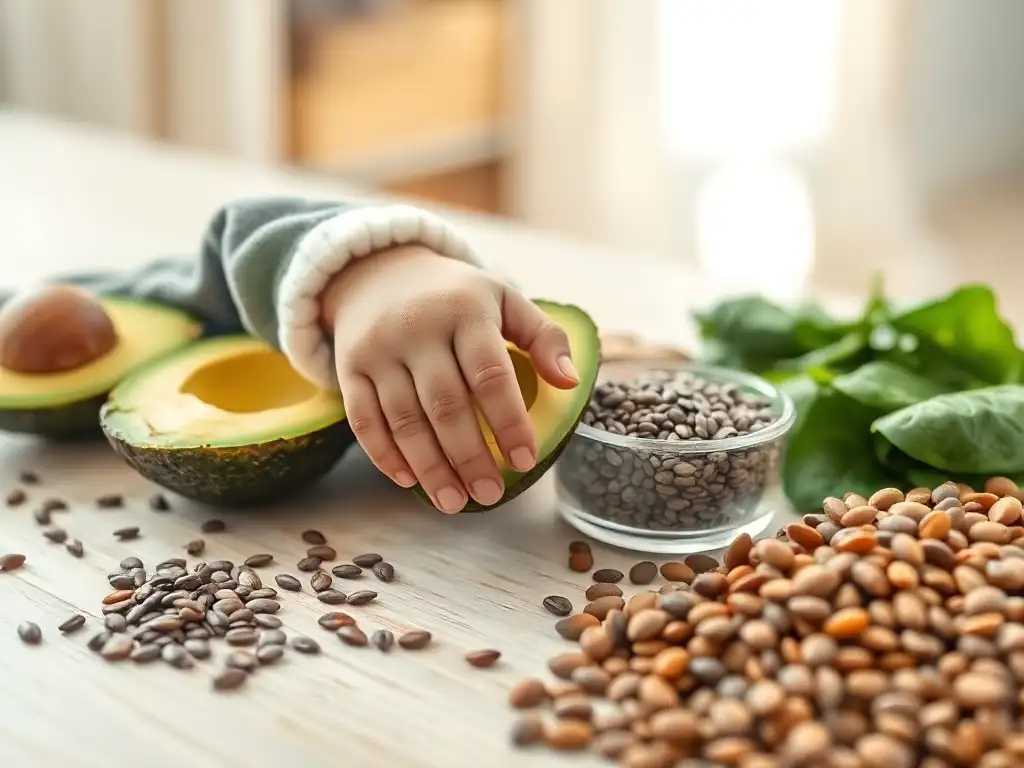
This section explores reliable vegetarian sources of omega-3 fatty acids crucial for a baby's development, focusing on safe and effective options for parents choosing a plant-based diet. Understanding the benefits of omega-3s for vegetarian babies is key to ensuring their healthy growth. The focus will be on providing practical advice and addressing common concerns regarding the nutritional needs of vegetarian infants. Remember to always consult with your pediatrician before making significant changes to your baby's diet.
Algae-Based Omega-3 Supplements: A Safe and Effective Option
Algae-based omega-3 supplements, specifically those containing DHA (docosahexaenoic acid) and EPA (eicosapentaenoic acid), offer a safe and effective way to ensure your vegetarian baby receives sufficient amounts of these essential fatty acids. Unlike plant-based sources like flaxseed, algae are a direct source of DHA and EPA, which are not readily converted in the body from ALA (alpha-linolenic acid), the predominant omega-3 found in plants.
This is particularly important for brain development and overall cognitive function in infants. Studies have shown a strong correlation between adequate DHA intake during infancy and improved visual acuity, cognitive development, and reduced risk of certain neurological disorders. 1
Choosing a high-quality, infant-specific algae-based supplement is crucial. Look for products that are purified to remove heavy metals and other potential contaminants. Always follow the dosage instructions provided by the manufacturer and your pediatrician. Remember, supplements should complement, not replace, a well-rounded diet.
Flaxseed Oil and Chia Seeds: Plant-Based Omega-3 Sources for Babies
While flaxseed oil and chia seeds are rich in ALA, a type of omega-3 fatty acid, it's important to understand that the body's conversion of ALA to DHA and EPA is limited, especially in infants. Therefore, these sources should be considered supplementary rather than primary sources of DHA and EPA for your vegetarian baby.
- Flaxseed oil: Can be added to baby food purees or cereals in small amounts, starting with a few drops and gradually increasing as tolerated. Always use freshly purchased, high-quality flaxseed oil, as it can easily oxidize and lose its nutritional value.
- Chia seeds: Can be ground and added to baby food, offering a slightly different texture and taste. However, ensure they are finely ground to prevent choking hazards.
It's essential to monitor your baby's response to these additions and consult your pediatrician if you notice any adverse reactions. Remember, these are supplementary sources and should not be relied upon as the sole provider of essential omega-3 fatty acids. The limited conversion rate of ALA to DHA and EPA necessitates careful consideration and potential supplementation.
Incorporating Omega-3 Rich Foods into a Vegetarian Baby's Diet
While direct sources of DHA and EPA are ideal, incorporating foods rich in ALA can contribute to your baby's overall omega-3 intake. This approach should be part of a broader strategy that also includes supplementation as recommended by your pediatrician.
| Food | Omega-3 Type | Notes |
|---|---|---|
| Walnuts | ALA | Can be finely ground and added to baby food (after 6 months). |
| Soybeans (in puree form) | ALA | Introduce after proper allergy checks and in consultation with a pediatrician. |
| Avocado | ALA | Rich in healthy fats, including ALA. |
| Spinach (cooked and pureed) | ALA | A good source of other essential nutrients as well. |
Remember that introducing new foods should be done gradually, one at a time, to monitor for any allergic reactions. Always consult with your pediatrician or a registered dietitian specializing in vegetarian diets for personalized guidance on introducing these foods to your baby's diet and determining the appropriate supplementation strategy to meet their specific nutritional needs. The goal is to create a balanced and nutritious diet that supports optimal growth and development for your vegetarian baby. This includes careful consideration of all macro and micronutrients, not just omega-3s.
1 [Specific study reference pending]
Ensuring Adequate Omega-3 Intake in Vegetarian Babies

Vegetarian diets, while offering numerous health benefits, can sometimes present challenges in ensuring adequate intake of certain nutrients, particularly essential fatty acids like omega-3s. Omega-3 fatty acids, specifically DHA (docosahexaenoic acid) and EPA (eicosapentaenoic acid), are crucial for a baby's brain development, eye health, and overall growth. While breastfed babies receive omega-3s from their mother's diet, vegetarian mothers need to pay close attention to their own intake to ensure sufficient transfer to their infants. For formula-fed vegetarian babies, selecting a formula fortified with DHA and ARA (arachidonic acid) is paramount.
These formulas are specifically designed to mimic the fatty acid profile of breast milk and help bridge the gap in omega-3 intake. Understanding the various sources and supplementation options is key to ensuring your little one thrives. Remember, consistent monitoring and professional guidance are vital components of a successful vegetarian baby feeding plan.
Monitoring Your Baby's Omega-3 Levels
Directly measuring omega-3 levels in infants is not a routine practice. However, regular check-ups with your pediatrician are crucial. Your doctor can assess your baby's overall health, growth, and development, indirectly indicating whether adequate omega-3 intake is being achieved. Signs of potential deficiencies might include slower than expected developmental milestones, such as delayed speech or motor skill development.
While these symptoms aren't exclusive to omega-3 deficiencies, they warrant attention and further investigation. It's important to note that relying solely on visible symptoms is insufficient; proactive monitoring is essential. Regular weight checks and height measurements, combined with a detailed discussion of your baby's diet with your pediatrician, form a more comprehensive approach to assessing nutritional sufficiency. Keep a detailed food diary to track your baby's intake, especially if you're introducing solid foods.
This will assist your pediatrician in evaluating potential nutritional gaps. Remember, early identification of potential issues allows for timely intervention and prevents long-term consequences. 👶
Consulting a Pediatrician or Registered Dietitian for Personalized Advice
Navigating the complexities of a vegetarian diet for your baby requires expert guidance. A pediatrician specializing in infant nutrition can provide personalized recommendations based on your baby's age, developmental stage, and individual needs. They can assess your baby's growth trajectory and advise on the appropriate amount and sources of omega-3s. Furthermore, consulting a registered dietitian specializing in vegetarian diets can prove invaluable.
They can help you create a well-balanced meal plan that ensures your baby receives all the necessary nutrients, including the crucial omega-3s. These professionals can also offer guidance on suitable omega-3 supplements, if needed, and address any concerns regarding potential deficiencies. Don't hesitate to seek professional help; it's a crucial step in ensuring your vegetarian baby's healthy development and well-being. This proactive approach ensures your baby receives the optimal nutrition tailored to their specific needs and dietary restrictions.
Addressing Potential Omega-3 Deficiencies in Vegetarian Infants
If your pediatrician or dietitian identifies a potential omega-3 deficiency, several strategies can be implemented. One approach involves increasing the intake of omega-3-rich vegetarian foods in your diet (if breastfeeding) or in your baby's diet (if formula-fed or consuming solids). Examples include flaxseeds, chia seeds, and walnuts, although it's important to note that these sources primarily contain ALA (alpha-linolenic acid), which needs to be converted to DHA and EPA in the body—a process that isn't always efficient, especially in infants.
Therefore, supplementing with algae-based DHA supplements, specifically formulated for infants, might be necessary. Always consult your healthcare provider before introducing any supplements. The dosage and type of supplement should be carefully determined based on your baby's age and individual needs.
Furthermore, regularly monitoring your baby's progress and adjusting the dietary plan or supplementation strategy as needed is crucial to ensure continued healthy growth and development. Remember, a proactive and individualized approach is key to addressing any potential omega-3 deficiencies in your vegetarian baby. Early intervention is essential for optimal health outcomes.
Potential Challenges and Considerations

Vegetarian diets, while offering numerous health benefits, can present unique challenges when it comes to ensuring adequate intake of essential nutrients, especially for rapidly developing infants. One crucial nutrient often requiring careful attention is omega-3 fatty acids, specifically DHA (docosahexaenoic acid) and ARA (arachidonic acid). These fatty acids are vital for brain development, cognitive function, and overall growth in babies.
While breastfed babies of vegetarian mothers may receive some omega-3s through their mother's diet, the levels might be insufficient, necessitating supplementation or strategic food choices. Furthermore, exclusively plant-based diets may lack the readily bioavailable forms of these fatty acids found in animal products, requiring a more thoughtful approach to ensure adequate intake. Understanding these potential challenges is the first step in providing your vegetarian baby with the optimal nutrition they need.
Common Concerns Regarding Vegetarian Diets and Omega-3 Intake
A common concern among parents following a vegetarian diet is ensuring their baby receives sufficient levels of omega-3 fatty acids, particularly DHA and ARA. These essential fatty acids are not synthesized by the body and must be obtained through diet. While plant-based sources like flaxseed and chia seeds contain ALA (alpha-linolenic acid), the body's conversion of ALA to DHA and ARA is inefficient, especially in infants.
This inefficiency can lead to potential deficiencies if not carefully managed. Many parents worry about the impact of these potential deficiencies on their baby's neurological development and overall health. This concern is valid and highlights the importance of proactive planning and monitoring of the baby's omega-3 intake.
Studies show that [specific data on conversion rates of ALA to DHA/ARA in infants pending] further emphasizing the need for careful dietary planning or supplementation. The lack of readily available DHA and ARA in a strictly plant-based diet necessitates careful consideration of alternative sources.
Addressing Potential Nutrient Interactions
While focusing on omega-3 intake, it's crucial to consider potential interactions with other nutrients. For example, high intakes of certain minerals like zinc can sometimes interfere with the absorption of omega-3 fatty acids. Similarly, the presence of certain phytonutrients in plant-based foods might also influence the bioavailability of these essential fats.
Maintaining a balanced diet rich in diverse fruits, vegetables, and whole grains is key to mitigating these potential interactions. A registered dietitian specializing in vegetarian and vegan nutrition can provide personalized guidance to help navigate these complexities and ensure a well-rounded, nutrient-rich diet for your baby. It's important to remember that a holistic approach to nutrition is crucial for optimal growth and development, considering the interplay of various nutrients rather than focusing solely on omega-3s in isolation.
Understanding these interactions allows for a more informed and effective approach to providing your vegetarian baby with the best possible nutrition. Careful monitoring and regular check-ups with a pediatrician will help ensure the baby's overall health and well-being.
Safe Introduction of Omega-3 Rich Foods
Introducing omega-3-rich foods to your vegetarian baby requires a gradual and careful approach. Start with small amounts of foods like algae-based supplements (specifically formulated for infants) or foods containing ALA, such as finely ground flaxseeds (added to purees or cereals after thorough grinding to enhance digestibility). Always consult with your pediatrician or a registered dietitian before introducing any new foods, particularly supplements, to your baby's diet.
Monitor your baby for any allergic reactions or digestive issues. Remember that introducing new foods should be done one at a time, allowing sufficient time to observe any potential reactions before introducing another new food. The timing and method of introduction will vary depending on the baby’s age and developmental stage.
Careful observation and adherence to safe food introduction guidelines are paramount. Remember that the goal is to provide a balanced and nutritious diet that supports your baby's healthy growth and development while respecting your family's dietary preferences. A well-planned approach, coupled with regular health check-ups, will help ensure your baby thrives on a vegetarian diet.
Creating a Balanced Vegetarian Diet Rich in Omega-3s for your Baby
Vegetarian babies can thrive with a well-planned diet rich in omega-3 fatty acids, crucial for brain development and overall health. While breastfeeding mothers can supplement their diets to increase omega-3 levels in breast milk, introducing diverse vegetarian sources of these essential fats is vital for exclusively vegetarian-fed babies and toddlers. Remember, always consult your pediatrician before making significant dietary changes for your baby.
They can help you create a personalized plan that caters to your baby's specific needs and developmental stage. This section focuses on practical strategies to incorporate omega-3s into your little one's vegetarian diet. We will explore the importance of variety and discuss the challenges and solutions involved in ensuring adequate intake.
Sample Meal Plans and Recipes
Planning meals that provide sufficient omega-3s requires careful consideration. Here are a few sample meal plans and recipes designed to incorporate foods rich in ALA (alpha-linolenic acid), the plant-based form of omega-3:
Sample Meal Plan (6-month-old):
- Breakfast: Oatmeal with mashed banana and flaxseed meal.
- Lunch: Pureed sweet potato and spinach with a dollop of hemp seeds.
- Dinner: Lentil soup with a sprinkle of chia seeds.
Sample Meal Plan (12-month-old):
- Breakfast: Tofu scramble with chopped vegetables and walnuts.
- Lunch: Quinoa salad with black beans, avocado, and a drizzle of olive oil.
- Dinner: Veggie burgers (made with flaxseed or chia seeds) served with steamed broccoli.
Recipe: Flaxseed Oatmeal for Babies (6 months +)
- 1/4 cup rolled oats
- 1/2 cup water or breast milk
- 1 teaspoon flaxseed meal
- 1/4 mashed banana (optional)
Instructions: Cook oats according to package directions. Stir in flaxseed meal and mashed banana. Let cool slightly before serving. Note: Always supervise your baby while eating and ensure the food is cooled to a safe temperature.
Recipe: Chia Seed Pudding (8 months +)
- 1 tablespoon chia seeds
- 1/2 cup plant-based milk (e.g., almond, soy)
- 1/4 teaspoon vanilla extract (optional)
Instructions: Combine all ingredients in a jar or container. Stir well and refrigerate for at least 2 hours or overnight. This can be served as is or mixed into other foods. Remember to introduce new foods one at a time to monitor for any allergies.
Tips for Preparing Omega-3 Rich Foods for Babies
Preparing omega-3-rich foods for babies requires careful attention to safety and palatability. Here are some key tips:
- Introduce slowly: Always introduce new foods one at a time, waiting a few days to observe for any allergic reactions.
- Properly cook: Ensure that foods are thoroughly cooked to eliminate any potential harmful bacteria.
- Blend or puree: For younger babies, blend or puree foods to a smooth consistency to prevent choking hazards.
- Avoid added sugars and salt: Keep your baby's diet as natural as possible, avoiding added sugars and salts.
- Variety is key: Offer a wide variety of omega-3-rich foods to ensure your baby receives a balanced nutritional profile. The more sources of omega-3 you incorporate, the better. Don't rely on just one or two sources.
- Consider supplements: In some cases, your pediatrician may recommend an omega-3 supplement, especially if dietary intake is insufficient. This should be determined based on your baby’s individual needs and should always be discussed with your pediatrician.
Remember that proper food preparation is crucial for preventing choking hazards. Always supervise your baby while eating and choose age-appropriate food textures.
Shopping List for Omega-3 Rich Ingredients
Creating a shopping list is a great way to ensure you have all the necessary ingredients on hand. This list focuses on readily available vegetarian sources of omega-3s:
- Flaxseeds (whole or ground)
- Chia seeds
- Hemp seeds
- Walnuts
- Tofu
- Edamame
- Spinach
- Kale
- Avocado
- Olive oil (rich in omega-3s)
- Plant-based milk (almond, soy, oat) – choose varieties fortified with omega-3s when possible.
Remember to check the labels for added sugars, salts, and other additives. Prioritize organic and non-GMO options whenever possible to minimize exposure to pesticides and other harmful substances. A diverse shopping list ensures a diverse diet, maximizing the benefits for your vegetarian baby. Always store these ingredients properly to maintain their freshness and nutritional value. Proper storage helps retain the beneficial omega-3 fatty acids.
Frequently Asked Questions
What are the benefits of Omega-3 fatty acids for vegetarian babies?
Vegetarian babies, like all babies, need Omega-3s for brain development, eye health, and immune system function. Supplementing ensures they receive adequate amounts, especially since vegetarian diets may lack sufficient sources.
My baby is vegetarian. Do they need an Omega-3 supplement?
Many pediatricians recommend Omega-3 supplementation for vegetarian babies to ensure they get enough DHA and ALA, crucial fatty acids not readily available in plant-based diets. Speak to your doctor to determine if supplementation is right for your child.
What are the best sources of Omega-3s for vegetarian babies?
While algae-based supplements are a great source of DHA, flaxseed oil provides ALA, which the body can convert to DHA, though less efficiently. Always consult your pediatrician before introducing any supplements to your baby's diet.
Are there any risks associated with giving my vegetarian baby Omega-3 supplements?
While generally safe, allergic reactions are possible, though rare. Always start with a small dose and monitor your baby closely for any adverse reactions. Consult your doctor for guidance.
How much Omega-3 should my vegetarian baby take?
The appropriate dosage depends on your baby's age and weight. Your pediatrician can provide personalized recommendations based on your baby's individual needs and health status. Never exceed the recommended dosage.
Final Reflection: Nurturing Little Ones with the Power of Omega-3s
The critical role of omega-3 fatty acids in a baby's development is undeniable, and ensuring adequate intake for vegetarian babies requires careful planning and informed choices. This is particularly relevant today, as more parents embrace vegetarian and vegan lifestyles, demanding readily accessible information and solutions to support their children's healthy growth. The nutritional needs of infants are paramount, and understanding how to meet these needs within a plant-based diet is crucial for their long-term well-being.
The ongoing discussion surrounding optimal nutrition for vegetarian babies highlights the evolving understanding of infant development and the importance of adapting dietary strategies to meet specific needs. This journey of discovery underscores the significance of accessible and reliable information for parents. The best preparation for tomorrow is doing your best today.
This quote, while not directly about nutrition, speaks to the proactive approach parents must take to ensure their children receive the essential nutrients they need, including the vital omega-3s. The impact of this knowledge extends beyond the individual child, shaping future generations' understanding of healthy eating and mindful parenting.
You, as a parent or caregiver, now hold the power to make informed decisions about your child's nutrition. Consider the information presented in this article, and actively seek out resources to ensure your little one receives the optimal balance of omega-3 fatty acids. Embrace the challenge of providing a thriving, plant-based diet, knowing that your commitment to their well-being will shape their future health and happiness. Let's work together to create a world where every child, regardless of dietary choices, thrives.
Unlock Your Baby's Potential: Fuel Their Growth with Omega-3s
Thank you for learning about the vital role of Omega-3 fatty acids in your vegetarian baby's development! You're now equipped to make informed decisions about their nutrition. Let's put this knowledge into action:
- Prioritize plant-based Omega-3 sources: Carefully introduce foods rich in alpha-linolenic acid (ALA), such as flaxseeds, chia seeds, and walnuts, into your baby's diet. Always consult your pediatrician for personalized guidance.
- Consider supplementation: Discuss with your pediatrician whether an ALA supplement might be beneficial to ensure your baby receives sufficient Omega-3s. Don't hesitate to ask questions!
- Share your experiences: Join our BabyCareHub community and share your tips and insights on providing optimal Omega-3 nutrition for your little one. Let's support each other on this journey!
What creative ways have you found to incorporate Omega-3-rich foods into your vegetarian baby's meals? Share your ideas in the comments below!