
Vegetarian Baby Food: Avoiding Common Mistakes

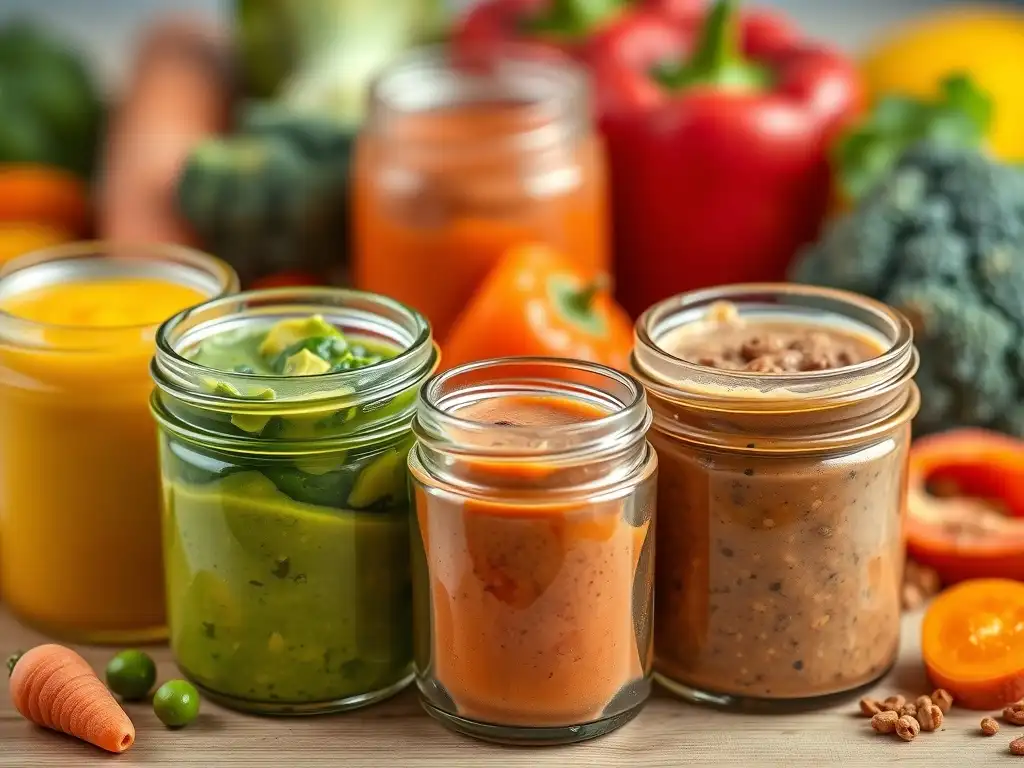
Welcome to BabyCareHub, your ultimate guide to navigating the exciting yet challenging world of parenthood. Are you a first-time parent embarking on the journey of raising a healthy and happy little one? Then you've come to the right place! We're dedicated to providing you with clear, concise, and reliable information on all aspects of baby care. But be warned: even the most well-intentioned vegetarian parents can make mistakes when introducing solids. Discover the most common pitfalls to avoid in our insightful article on vegetarian baby food mistakes— ensuring your little one thrives on a plant-based diet. Let's get started!
- Understanding Nutritional Needs in Vegetarian Baby Food
- Common Mistakes to Avoid When Preparing Vegetarian Baby Food
- Safe Food Preparation for Vegetarian Baby Food
- Creating a Balanced Vegetarian Baby Food Plan
- Addressing Concerns About Vegetarian Baby Food
- Vegetarian Baby Food: Long-Term Benefits and Considerations
-
Frequently Asked Questions
- What are some common mistakes when introducing vegetarian baby food?
- How can I ensure my vegetarian baby gets enough iron?
- My baby refuses certain vegetarian foods. What should I do?
- Are there any specific nutrients I need to be extra cautious about when raising a vegetarian baby?
- My baby is a vegetarian, but I'm worried about their growth. What should I look for?
- Final Reflection: Nurturing Little Ones with Plant-Based Power
- Unlock Your Little One's Veggie Potential!
Understanding Nutritional Needs in Vegetarian Baby Food
Introducing your little one to solid foods is an exciting milestone, and for vegetarian parents, ensuring your baby receives all the necessary nutrients is paramount. This guide focuses on common pitfalls to avoid when preparing vegetarian baby food, empowering you to make informed choices and provide your child with a healthy and balanced diet.
Navigating the world of vegetarian baby food can feel overwhelming at first, but with a little planning and understanding, you can confidently create delicious and nutritious meals that support your baby's growth and development. We'll explore essential nutrients, calorie requirements, and meal planning strategies to help you avoid common mistakes and provide your baby with the best possible start.
Successfully navigating vegetarian baby food requires careful planning and attention to detail, but the rewards of raising a healthy, thriving vegetarian baby are immeasurable. Let's delve into the specifics to equip you with the knowledge and confidence you need.
Essential Nutrients for Vegetarian Babies: Iron, Vitamin B12, and Omega-3s
Vegetarian diets, while offering many health benefits, require careful consideration to ensure sufficient intake of certain key nutrients. Infants, particularly, have higher nutritional needs due to their rapid growth. Three crucial nutrients that often require extra attention in vegetarian baby food are iron, vitamin B12, and omega-3 fatty acids.
Iron is vital for oxygen transport and preventing anemia. Excellent sources for vegetarian babies include iron-fortified cereals, pureed lentils, and spinach (introduced after 6 months). However, it's important to note that non-heme iron (found in plant-based sources) is less readily absorbed than heme iron (found in animal products). To enhance absorption, consider pairing iron-rich foods with vitamin C-rich foods like bell peppers or strawberries.
Vitamin B12 is another critical nutrient often lacking in purely vegetarian diets. B12 is essential for nerve function and red blood cell formation. Breastfed babies of vegetarian mothers may receive sufficient B12 through breast milk if the mother's intake is adequate, but supplementation may be necessary for formula-fed babies or those whose mothers have low B12 levels. Always consult your pediatrician regarding vitamin B12 supplementation.
Omega-3 fatty acids, particularly DHA and EPA, are crucial for brain development. While algae-based supplements are a good source of these essential fatty acids for vegetarian babies, flaxseed oil and walnuts can also contribute, though their conversion to DHA and EPA is less efficient. Again, consulting your pediatrician is vital to determine the appropriate supplementation strategy.
Meeting Daily Calorie Requirements on a Vegetarian Diet for Infants
Meeting your baby's daily calorie needs is crucial for healthy growth and development. Calorie requirements vary depending on the baby's age, weight, and activity level. A common mistake is underestimating the energy density of vegetarian foods. While fruits and vegetables are essential, they are often lower in calories than some animal-based products.
To ensure adequate calorie intake, focus on including calorie-dense vegetarian options such as avocados, nuts (after 1 year), seeds, legumes (pureed lentils, chickpeas), and whole grains (well-cooked and pureed). Full-fat dairy products like yogurt and cheese (introduced after 1 year) can also significantly contribute to calorie intake. Remember to monitor your baby's weight and growth regularly to assess if adjustments to their caloric intake are necessary. Consult a pediatrician or registered dietitian for personalized guidance on appropriate calorie targets for your baby.
Planning Balanced Vegetarian Meals for Baby's First Year
Planning balanced vegetarian meals for your baby's first year requires careful consideration of nutrient density and variety. A common mistake is sticking to a limited range of foods, potentially leading to nutritional deficiencies.
The first few months focus on single-ingredient purees to identify any allergies. Gradually introduce a diverse range of fruits, vegetables, legumes, and whole grains. Think colorful combinations! Orange sweet potatoes, green peas, red bell peppers, and yellow squash offer a spectrum of vitamins and minerals. Introduce new foods one at a time, waiting a few days to observe for any allergic reactions.
Creating a meal plan that covers all the necessary nutrients can be simplified by using a food tracking app or seeking advice from a registered dietitian specializing in infant nutrition. Remember, consistency is key, and a balanced approach is more important than perfection. Don't be afraid to experiment with flavors and textures, always ensuring that the food is appropriately cooked and pureed for your baby's age and developmental stage. Enjoy this journey of introducing your little one to the wonderful world of vegetarian cuisine!
Common Mistakes to Avoid When Preparing Vegetarian Baby Food
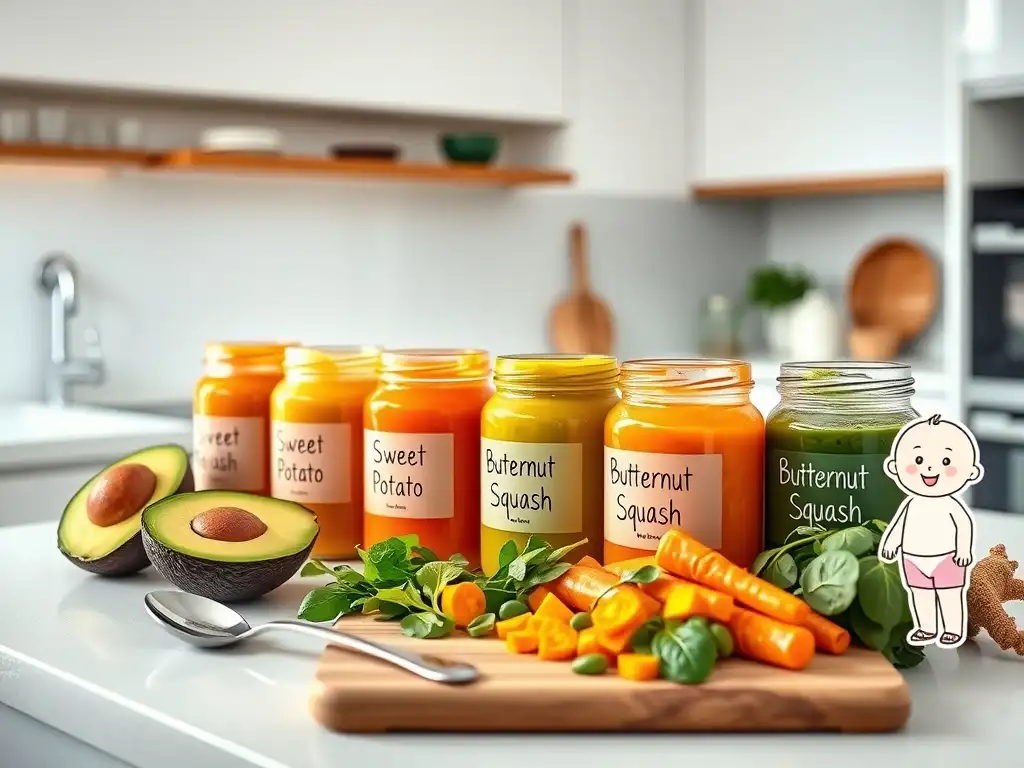
This section focuses on prevalent errors parents make when introducing vegetarian baby food, aiming to equip you with the knowledge to avoid these pitfalls and ensure your little one thrives. Navigating vegetarian baby food preparation requires careful planning to guarantee adequate nutrition. Let's delve into some crucial aspects to consider.
Iron Deficiency in Vegetarian Babies: Prevention and Detection
Iron deficiency is a significant concern for vegetarian babies. Unlike babies fed iron-rich animal products, vegetarian infants rely heavily on plant-based sources for their iron intake. However, the iron in plant-based foods (non-heme iron) is less readily absorbed by the body compared to the iron found in meat (heme iron). This means that vegetarian babies need to consume higher quantities of iron-rich foods to meet their daily requirements.
Several strategies can help prevent iron deficiency:
- Introduce iron-rich foods early: Start incorporating iron-rich foods like fortified cereals, pureed lentils, spinach (cooked to increase bioavailability), and beans into your baby's diet as early as appropriate, following your pediatrician's guidance.
- Combine iron-rich foods with Vitamin C: Vitamin C enhances the absorption of non-heme iron. Pair iron-rich foods with fruits and vegetables rich in vitamin C, such as oranges, strawberries, and bell peppers.
- Avoid foods that inhibit iron absorption: Phytates, found in grains and legumes, can hinder iron absorption. Soaking and sprouting legumes can help reduce phytate levels. Also, avoid giving large amounts of milk or dairy products close to iron-rich meals.
- Regular blood tests: Regular blood tests are crucial to monitor your baby's iron levels. Your pediatrician will advise on the frequency of these tests. Early detection allows for prompt intervention if necessary.
Signs of iron deficiency anemia can include:
- Pale skin: This is a common and easily observable symptom.
- Fatigue and lethargy: Your baby might seem unusually tired and less active than usual.
- Irritability and restlessness: Iron deficiency can lead to behavioral changes.
- Poor appetite: This is often seen alongside other symptoms.
- Developmental delays: In severe cases, iron deficiency can impact a baby's growth and development.
Remember, early detection and intervention are key. Always consult your pediatrician if you suspect your baby might have iron deficiency. They can perform blood tests and recommend the appropriate course of action, which may include iron supplements.
Insufficient Protein Intake: Recognizing the Signs and Solutions
Protein is essential for growth and development. While vegetarian diets can provide sufficient protein, it requires careful planning. Many parents unintentionally underestimate the amount of protein needed for a growing baby. Relying solely on grains and vegetables can lead to protein deficiency.
Recognizing insufficient protein intake can be challenging, as symptoms are often subtle and can overlap with other issues. However, some signs to look out for include:
- Slowed growth: This is a significant indicator, and regular monitoring of your baby's weight and height is crucial.
- Thinning hair: Protein is a key component of hair, so thinning hair can be a sign of deficiency.
- Lethargy and fatigue: Similar to iron deficiency, fatigue can also indicate insufficient protein intake.
- Increased susceptibility to infections: Protein plays a crucial role in immune function.
To ensure adequate protein intake, diversify your baby's diet. Include a variety of protein sources such as:
- Legumes: Lentils, chickpeas, and beans are excellent sources of plant-based protein.
- Tofu and tempeh: These soy-based products are good sources of protein and essential amino acids.
- Nuts and seeds (in appropriate forms and after careful age-appropriate introduction): These offer protein along with healthy fats.
- Quinoa and other grains: While not as protein-dense as legumes, they contribute to overall protein intake.
Remember, combining different plant-based protein sources helps ensure your baby receives all the essential amino acids.
Overlooking Essential Fatty Acids: Omega-3 Sources for Vegetarian Infants
Essential fatty acids, particularly omega-3s (like DHA and EPA), are crucial for brain development and overall health. While omega-3s are readily available in fatty fish, obtaining sufficient amounts on a vegetarian diet requires careful consideration. Many plant-based sources contain ALA, an omega-3 fatty acid, but the body converts ALA to DHA and EPA less efficiently.
To address this, consider the following:
- Algae-based DHA supplements: These are a direct source of DHA and are often recommended for vegetarian babies. Always consult your pediatrician before starting any supplements.
- Flaxseed oil (after careful age-appropriate introduction): Flaxseed oil contains ALA, which, although not as directly useful as DHA, still contributes to omega-3 intake. However, remember the conversion rate is less efficient.
- Walnuts (in appropriate forms and after careful age-appropriate introduction): Walnuts also contain ALA.
- Chia seeds (in appropriate forms and after careful age-appropriate introduction): Similar to flaxseeds, chia seeds contain ALA.
It's crucial to remember that introducing new foods should always be done gradually and under the guidance of a pediatrician or registered dietitian. Monitoring your baby's growth and development, along with regular check-ups, is vital to ensure they are receiving all the necessary nutrients. Addressing potential deficiencies early is key to preventing long-term health issues. Always consult your healthcare provider for personalized advice tailored to your baby's specific needs and dietary requirements.
Introducing Allergens Too Early in Vegetarian Diets
Introducing potential allergens too early can increase the risk of developing allergies in some babies. While a vegetarian diet can be perfectly healthy and nutritious, it's crucial to follow recommended guidelines for introducing common allergens. Many parents, eager to provide a diverse diet, might be tempted to introduce peanuts, eggs, dairy (even if alternatives are used), soy, wheat, fish, and shellfish very early. However, research suggests a more gradual approach is often safer. The American Academy of Pediatrics (AAP) recommends introducing potential allergens one at a time, starting around 4-6 months of age, and waiting a few days to observe for any allergic reactions before introducing another.
This allows parents to identify any potential allergies early on and take appropriate action. For example, starting with small amounts of pureed peanut butter around 6 months, observing for reactions, then moving to other allergens like egg yolks later, is a safer approach than introducing multiple allergens simultaneously. Remember, even if your family has no history of allergies, it’s still wise to follow this gradual introduction process. Ignoring this recommendation significantly increases the risk of developing allergies, particularly in babies prone to sensitivities.
Always consult your pediatrician before introducing any new foods, especially potential allergens, to your baby's diet to ensure it aligns with their individual needs and health status. Early introduction doesn't guarantee allergy prevention, but a cautious approach significantly reduces the risk. Parents should meticulously track what they feed their baby, noting any reactions, to be prepared for any future doctor's appointments. This detailed record can prove invaluable in identifying potential allergies quickly and effectively.
Ignoring Baby's Food Preferences and Textures
A common mistake is overlooking your baby's individual preferences and their developmental stage regarding food textures. While a well-balanced vegetarian diet is the goal, forcing a baby to eat foods they dislike or aren't developmentally ready for can lead to mealtime struggles and potential nutritional deficiencies. For instance, some babies might show a strong preference for certain vegetables over others, or they might reject pureed foods in favor of soft, easily-mashable options. Ignoring these cues can create negative associations with mealtimes, making it more difficult to introduce a variety of healthy vegetarian foods later on. Babies develop their ability to manage different textures gradually.
Starting with smooth purees is crucial, then gradually introducing lumps and chunks as they master chewing and swallowing. Forcing a baby who is not ready for chunky foods can lead to choking hazards and frustration. Observing your baby's reactions—both positive and negative—is paramount. If they consistently reject a particular food, it might be wise to try again in a few weeks, or try offering it in a different form or preparation.
For example, a baby who dislikes pureed carrots might readily accept soft, steamed carrot sticks. Remember, the goal is to foster a positive relationship with food, not to force them to consume anything they actively reject. Patience, flexibility, and a willingness to adapt to your baby's preferences are crucial for successful and enjoyable mealtimes. This approach ensures that your baby receives adequate nutrition while developing healthy eating habits without unnecessary stress or conflict.
Safe Food Preparation for Vegetarian Baby Food
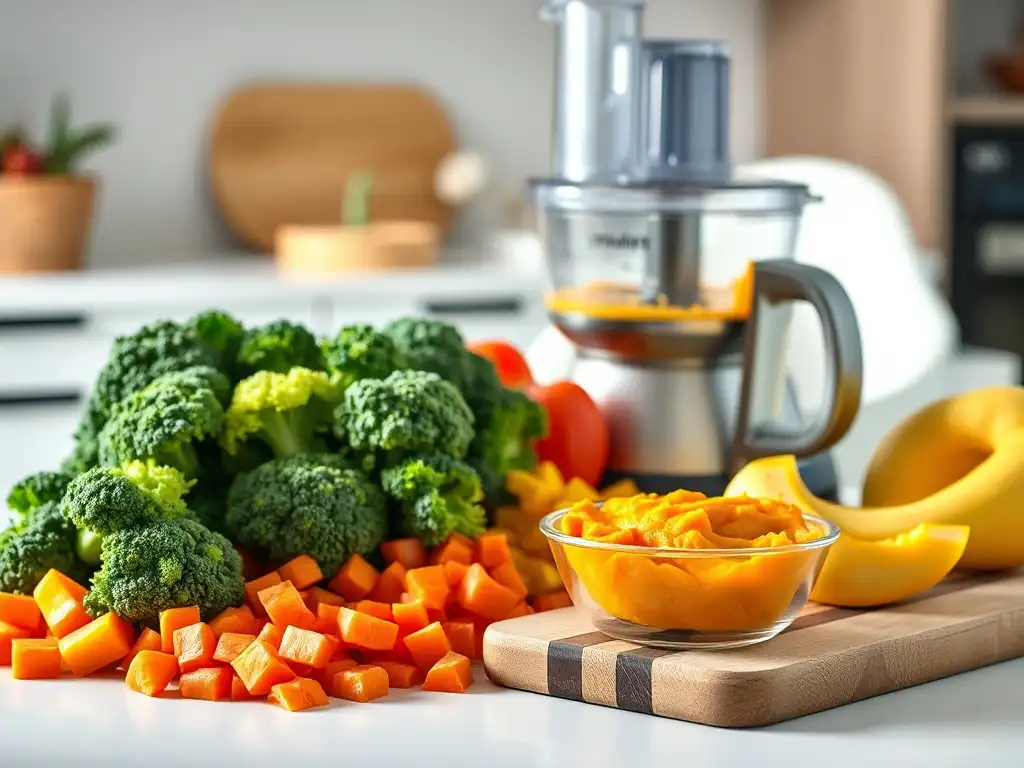
This section focuses on crucial safety measures when preparing vegetarian baby food, minimizing risks and maximizing nutritional benefits. Ignoring these steps can lead to serious health consequences for your little one. Remember, even seemingly harmless ingredients require careful handling to prevent contamination and nutrient loss. Let's delve into the specifics.
Hygiene Practices for Preventing Foodborne Illness in Vegetarian Baby Food
Maintaining impeccable hygiene is paramount when preparing vegetarian baby food. Bacteria, viruses, and parasites can easily contaminate food, leading to foodborne illnesses that are particularly dangerous for infants with developing immune systems. Here's a checklist to follow religiously:
- Wash your hands thoroughly: Before, during, and after food preparation, wash your hands vigorously with soap and warm water for at least 20 seconds. This simple act significantly reduces the risk of cross-contamination.
- Sanitize surfaces: Clean and sanitize all surfaces, including cutting boards, countertops, and utensils, with hot, soapy water followed by a food-safe disinfectant. Consider using a bleach solution (one tablespoon of bleach per gallon of water) for effective sanitization.
- Thoroughly wash produce: Fruits and vegetables should be meticulously washed under running water, scrubbing firm produce with a brush to remove dirt and pesticides. Consider using a food-safe vegetable wash to further reduce contamination.
- Separate raw and cooked foods: Always keep raw foods separate from cooked foods to prevent cross-contamination. Use separate cutting boards and utensils for raw and cooked ingredients.
- Cook food to safe internal temperatures: Ensure that all ingredients are cooked to safe internal temperatures to eliminate harmful bacteria. A food thermometer is essential for verifying proper cooking. For example, lentils should reach at least 165°F (74°C).
- Avoid cross-contamination from other foods: If preparing other meals simultaneously, take extra precautions to prevent cross-contamination from potentially hazardous foods (like raw meat or poultry) to your baby's vegetarian meal.
Proper Cooking Techniques to Preserve Nutrients in Vegetarian Baby Food
Cooking vegetarian baby food isn't just about safety; it's also about preserving valuable nutrients. Overcooking can destroy essential vitamins and minerals, diminishing the nutritional value of the food. Here are some strategies for nutrient-retention:
- Steaming: Steaming is a gentle cooking method that minimizes nutrient loss. It's ideal for delicate vegetables like broccoli and carrots.
- Boiling: Boiling is effective but can lead to some nutrient leaching into the water. Minimize this by using minimal water and utilizing the cooking liquid in soups or purees.
- Pureeing: Pureeing cooked vegetables ensures a smooth texture suitable for babies. Avoid over-processing, which can affect the texture and nutrients.
- Short cooking times: Cook food only until tender-crisp. Overcooking leads to mushy textures and reduced nutrient content. Experiment to find the optimal cooking time for different ingredients.
- Minimal water: Reduce the amount of water used during cooking to minimize nutrient loss through leaching. Consider using a steamer basket to cook vegetables without added water.
Safe Storage and Handling of Vegetarian Baby Food
Proper storage and handling are crucial for maintaining the safety and quality of your baby's food. Improper storage can lead to bacterial growth and spoilage.
- Cooling: Cool cooked food quickly. Divide larger portions into smaller containers to facilitate rapid cooling. Refrigerate within two hours of cooking.
- Refrigeration: Store cooked vegetarian baby food in airtight containers in the refrigerator for up to three days. Clearly label containers with the date of preparation.
- Freezing: For longer storage, freeze cooked baby food in ice cube trays or small freezer-safe containers. Frozen baby food can be stored for up to three months.
- Thawing: Thaw frozen baby food safely in the refrigerator. Never thaw at room temperature. Once thawed, use within 24 hours.
- Reheating: Reheat baby food thoroughly to a steaming temperature before serving. Never reheat food more than once. Discard any leftover portions after feeding.
- Serving: Always serve food at a safe temperature to avoid burns. Test the temperature on your wrist before feeding your baby.
Remember, prioritizing safety and nutrition is crucial when preparing vegetarian baby food. Following these guidelines will help you provide your baby with healthy, delicious, and safe meals. Always consult with your pediatrician or a registered dietitian for personalized advice on your baby's dietary needs.
Creating a Balanced Vegetarian Baby Food Plan
Introducing your baby to vegetarian food requires careful planning to ensure they receive all the essential nutrients. A balanced vegetarian diet for babies focuses on providing sufficient protein, iron, zinc, vitamin B12, and omega-3 fatty acids, which can sometimes be harder to obtain from a purely plant-based diet. Careful meal planning is key to avoiding deficiencies. This isn't about strict adherence to a rigid schedule, but rather a mindful approach to providing variety and nutritional completeness. Remember to always consult your pediatrician before introducing any new foods to your baby's diet.
Sample Vegetarian Meal Plans for Babies (Age-Specific)
Creating age-appropriate meal plans is crucial for successful vegetarian baby feeding. The nutritional needs of a 6-month-old differ significantly from those of a 12-month-old. Here are some examples, keeping in mind these are samples and should be adapted to your baby's individual needs and preferences:
| Age Range | Breakfast Example | Lunch Example | Dinner Example | Snacks |
|---|---|---|---|---|
| 6-8 Months | Pureed sweet potato & avocado | Pureed lentils and carrots | Pureed butternut squash and peas | Soft cooked fruits (banana, pear) |
| 9-12 Months | Oatmeal with pureed berries | Mashed chickpeas with steamed broccoli | Lentil soup with soft whole-wheat bread | Full-fat yogurt, small pieces of soft cheese |
| 12-18 Months | Scrambled tofu with spinach | Veggie pasta with tomato sauce | Vegetarian chili (mild) | Hummus with whole-wheat crackers |
Remember to introduce single ingredients one at a time, waiting 2-3 days to observe for any allergic reactions before introducing a new food. Always supervise your baby while they are eating. Portion sizes should be adjusted based on your baby's appetite and growth.
Integrating Different Food Groups in Vegetarian Baby Meals
A diverse range of food groups is essential for a well-rounded vegetarian diet. This is particularly important for babies, whose developing bodies require a wide spectrum of nutrients. To ensure balanced meals, incorporate the following:
- Legumes: Lentils, chickpeas, and beans are excellent sources of protein and fiber. Introduce them pureed initially, gradually increasing texture as your baby develops.
- Whole Grains: Brown rice, quinoa, and oats offer complex carbohydrates and fiber. Start with finely ground grains and increase coarseness as tolerated.
- Fruits & Vegetables: A wide variety of colorful fruits and vegetables provides essential vitamins and minerals. Introduce a new fruit or vegetable every few days to ensure adequate exposure and identify potential allergies.
- Healthy Fats: Avocado, nuts (finely ground or as nut butter after 12 months, always considering allergies), and seeds provide essential fatty acids. These should be introduced in moderation.
- Dairy Alternatives (if not vegan): Yogurt, cheese, and fortified plant-based milks can contribute calcium and protein. Always check labels for added sugars and ensure the product is suitable for babies.
Proper integration of these food groups helps prevent nutritional deficiencies and promotes healthy growth. Remember to consult a registered dietitian or pediatrician specializing in vegetarian diets for personalized guidance.
Seasonal Vegetarian Baby Food Ideas
Utilizing seasonal produce offers both nutritional and economic advantages. Seasonal fruits and vegetables are often richer in nutrients and taste better. Here are some ideas based on seasonal availability (adjust based on your location):
- Summer: Pureed zucchini, bell peppers (avoiding green peppers until later due to potential gas), and watermelon.
- Autumn: Butternut squash, sweet potatoes, and applesauce.
- Winter: Pureed parsnips, carrots, and broccoli.
- Spring: Pureed peas, asparagus, and strawberries.
By incorporating seasonal produce, you ensure that your baby receives the maximum nutritional benefit from each ingredient. This also provides variety, making mealtimes more enjoyable and preventing picky eating habits. Remember to always thoroughly wash and prepare all produce before feeding it to your baby. Freezing small portions of seasonal produce can help you maintain a supply throughout the year. This approach helps to minimize food waste and keeps your baby's meals fresh and exciting.
Tips for Introducing New Foods Gradually and Safely
Introducing new foods to your vegetarian baby requires a cautious and gradual approach. The key is to minimize the risk of allergic reactions and ensure your baby's digestive system can comfortably adapt. This process, often referred to as "baby-led weaning" or a more traditional pureed approach, should prioritize single-ingredient foods initially. This allows you to easily identify any potential adverse reactions.
For example, start with a single pureed vegetable like sweet potato, observing your baby for any signs of allergy (rash, swelling, vomiting, diarrhea) for 2-3 days before introducing another. If no reaction occurs, you can then introduce another single-ingredient food. This allows you to pinpoint any food allergies effectively.
Many parents find success with starting with easily digestible vegetables like carrots, butternut squash, and sweet potatoes. These are generally well-tolerated and offer a good source of vitamins and minerals. Fruits like ripe bananas or avocados can also be introduced early, though always remember to check for potential allergens in your family history. If there is a family history of allergies, consult your pediatrician before introducing common allergens like nuts, soy, or dairy alternatives.
Remember, patience is key. Some babies may readily accept new foods, while others might require multiple exposures before showing interest. Don't force your baby to eat; instead, offer small portions and allow them to explore the textures and flavors at their own pace. Offer a variety of colors and textures to encourage a wide range of nutrient intake.
The goal isn't to get them to eat large quantities, but to expose them to a diverse selection of healthy foods. Positive reinforcement and a relaxed feeding environment are crucial for a successful introduction of new foods. Avoid pressuring your baby or making mealtimes stressful.
It's also important to understand that babies' nutritional needs change as they grow. The amount and type of food will need to be adjusted as your baby develops. Always follow your pediatrician's guidance on appropriate portions and nutrient requirements. They can provide personalized recommendations based on your baby's age, weight, and overall health.
Regular check-ups are essential to ensure your baby is receiving adequate nutrition and growing properly on a vegetarian diet. This consistent monitoring helps to prevent any nutritional deficiencies and allows for timely interventions if needed. Remember, a balanced and diverse vegetarian diet, carefully introduced, can provide all the nutrients your baby needs to thrive.
Addressing Concerns About Vegetarian Baby Food
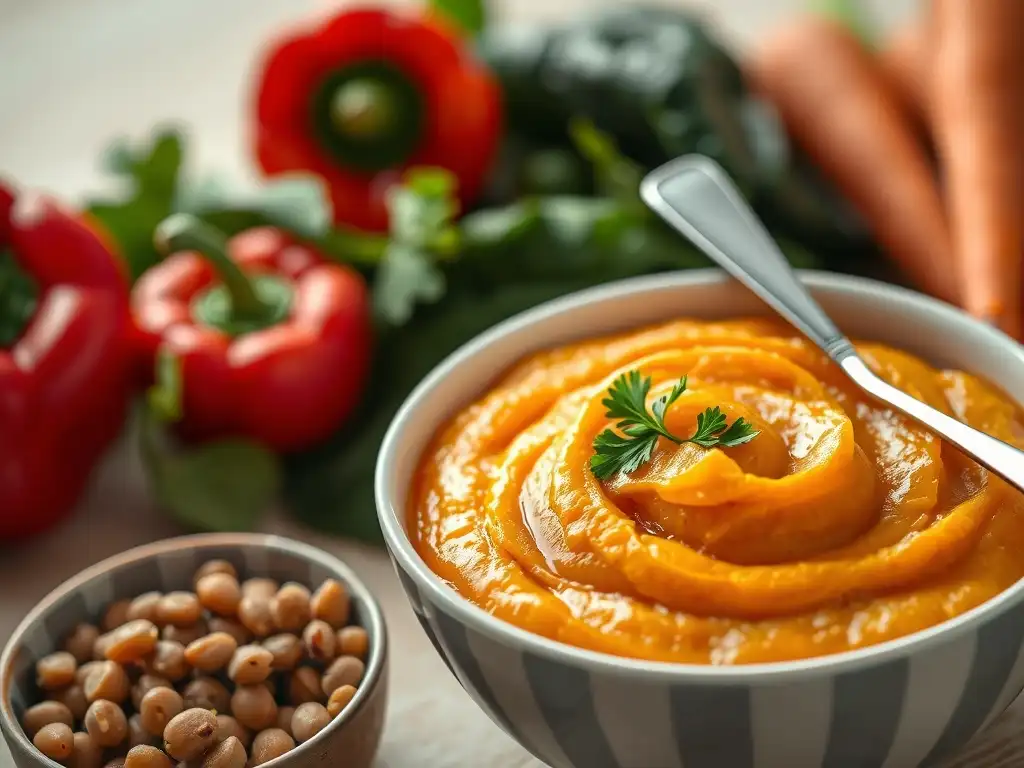
Planning a vegetarian diet for your baby can bring up many questions and concerns, especially for first-time parents. Navigating this can feel overwhelming, but with careful planning and reliable information, you can ensure your little one thrives on a plant-based diet. This section addresses common worries and offers practical solutions to help you confidently feed your baby a nutritious vegetarian diet. Understanding the potential nutritional challenges and proactively addressing them is key to successful vegetarian baby food preparation. Remember, a well-planned vegetarian diet can provide all the necessary nutrients for healthy growth and development.
Addressing Concerns from Family and Friends Regarding Vegetarian Baby Food
Family and friends, often well-intentioned, may express anxieties about a vegetarian baby food plan. They might voice concerns about sufficient protein intake, iron levels, or overall nutritional completeness. These concerns often stem from outdated information or misunderstandings about vegetarian diets. It's crucial to have open and informative conversations, providing them with evidence-based information on the benefits of a well-planned vegetarian diet for babies.
Here's a helpful approach:
- Educate, don't debate: Share reliable resources like articles from reputable pediatric organizations or websites specializing in vegetarian nutrition for babies.
- Highlight the benefits: Emphasize the potential advantages of a vegetarian diet, such as reduced risk of heart disease, type 2 diabetes, and certain cancers later in life (note: these are long-term benefits, not immediate impacts on the baby).
- Transparency is key: Be open about your choices and explain how you ensure your baby receives all necessary nutrients. Show them your meal plans and supplement strategies (if any).
- Focus on the positive: Instead of getting defensive, showcase your baby's healthy growth and development as evidence of your successful approach. Sharing photos of happy, thriving baby can be very persuasive!
Remember, your choices are valid, and a well-planned vegetarian diet is perfectly suitable for babies. Addressing concerns with patience and education can help alleviate anxieties and foster support. The key is to demonstrate that you are informed and proactive in your approach.
Consulting Healthcare Professionals about Vegetarian Baby Food Choices
Before introducing any dietary changes, particularly for infants, it is essential to consult with your pediatrician or a registered dietitian specializing in pediatric nutrition. They can assess your baby's individual needs and help you create a tailored vegetarian meal plan that meets those specific requirements. This consultation should not be overlooked; it's a crucial step in ensuring your baby's well-being.
During this consultation, be prepared to discuss:
- Your baby's current growth and development milestones.
- Your planned vegetarian meal plan, including specific ingredients and recipes.
- Any supplements you are considering using (e.g., Vitamin B12, iron, Vitamin D).
- Any family history of nutritional deficiencies or allergies.
Your healthcare professional can help identify potential nutritional gaps and recommend strategies to address them, ensuring your baby receives adequate amounts of essential nutrients like iron, zinc, calcium, and vitamin B12, which can sometimes be more challenging to obtain on a vegetarian diet. They can also address any specific concerns you may have and provide personalized advice tailored to your baby's unique circumstances. This proactive approach ensures a safe and healthy transition to a vegetarian diet.
Resources and Support for Vegetarian Parents
Raising a vegetarian baby can feel isolating at times, but plenty of resources and support networks are available to help you navigate this journey successfully. Connecting with other vegetarian parents offers invaluable peer support and the opportunity to share experiences, recipes, and tips. You can find this support through:
- Online forums and communities: Many online communities dedicated to vegetarian parenting offer a wealth of information and a supportive environment for sharing experiences and asking questions.
- Vegetarian parenting books and websites: Several excellent resources provide detailed guidance on planning a healthy vegetarian diet for babies, covering everything from meal planning to addressing common concerns.
- Registered dietitians specializing in vegetarian nutrition: These professionals can provide personalized advice and support, helping you create a well-balanced diet for your baby.
- Local support groups: Check for local vegetarian or vegan groups that may have parent-focused subgroups or events.
Remember, you are not alone. Leveraging these resources can empower you with the knowledge and confidence to provide your baby with a thriving, nutritious, and delicious vegetarian diet. This supportive network offers valuable reassurance and practical assistance throughout your baby's growth. Embrace the community and the wealth of information available to you!
Vegetarian Baby Food: Long-Term Benefits and Considerations
This section delves into the advantages and potential challenges associated with raising a vegetarian baby, focusing on long-term health and dietary adjustments. We'll explore the benefits of a plant-based diet and offer guidance on adapting your baby's meals as they grow. Understanding these aspects is crucial for ensuring your child receives optimal nutrition while enjoying a delicious and varied vegetarian diet.
Long-Term Health Benefits of a Vegetarian Diet for Children
Well-planned vegetarian diets in children are associated with numerous long-term health benefits. Studies suggest a reduced risk of obesity, type 2 diabetes, and cardiovascular disease later in life. 1 This is often attributed to higher intakes of fiber, vitamins, and minerals, and lower intakes of saturated fat and cholesterol compared to omnivorous diets. A focus on whole grains, legumes, fruits, and vegetables provides a rich source of antioxidants and phytonutrients, supporting overall health and immune function. Moreover, vegetarian children tend to have lower blood pressure and improved lipid profiles.
However, careful planning is paramount. Nutritional deficiencies can occur if a vegetarian diet isn't meticulously designed. For instance, a lack of vitamin B12, iron, zinc, and omega-3 fatty acids is a potential concern if not addressed through supplementation or strategic food choices. This highlights the importance of consulting with a pediatrician or registered dietitian specializing in pediatric nutrition to create a personalized vegetarian feeding plan.
Regular blood tests can monitor nutrient levels and ensure any deficiencies are promptly addressed. Remember, a well-balanced vegetarian diet is key to reaping these long-term health benefits. It's not just about avoiding meat; it's about actively choosing nutrient-rich alternatives.
Adapting Vegetarian Baby Food as Your Baby Grows
As your baby progresses through developmental stages, their dietary needs evolve. The smooth purees suitable for infants gradually transition to more textured foods, reflecting their growing ability to chew and swallow. The introduction of finger foods around six months marks a significant step. Think soft-cooked vegetables like carrots and sweet potatoes, ripe avocado slices, and well-cooked pasta.
Adapting vegetarian baby food involves increasing the variety and complexity of textures. You can start by incorporating finely mashed beans, lentils, and tofu into purees. As your baby gets older, you can add small pieces of soft vegetables and fruits to their meals. Consider offering a diverse range of flavors and textures.
For example, introduce different types of lentils (red, green, brown), experiment with various vegetables (broccoli, peas, spinach), and offer a selection of fruits (berries, bananas, applesauce). Variety ensures your baby receives a wide range of nutrients and develops a positive relationship with food. Always prioritize safety by ensuring foods are appropriately sized and cooked to prevent choking hazards.
Remember to pay close attention to your baby’s cues regarding food preferences and potential allergies. Introduce new foods one at a time, waiting a few days to observe for any allergic reactions before introducing another. Keep a food diary to track your baby's intake and identify any potential issues.
Transitioning to Family Meals: Incorporating Vegetarian Options
Around six months, many babies begin to transition towards family meals. This signifies a crucial step in their dietary journey, as they start experiencing the diverse flavors and textures of the family's regular meals. Incorporating vegetarian options into your family meals is a natural progression, ensuring your baby continues to receive adequate nutrition while participating in shared mealtimes.
Adapting family meals for a vegetarian baby involves careful preparation. Ensure dishes are free from added salt, sugar, and excessive spices. Focus on whole grains, legumes, vegetables, and fruits. You can create variations of family dishes that are suitable for your baby's age and developmental stage. For instance, you can puree or mash parts of a stew or curry to create a suitable consistency for your baby.
Remember, you can often adapt existing recipes to be suitable for your baby. For instance, a lentil soup can be pureed for a younger infant, while older babies can enjoy the lentils and vegetables in chunks. Similarly, a vegetable stir-fry can be adapted by finely chopping the vegetables and ensuring they are cooked thoroughly and softened.
The key is to focus on simple, nutritious ingredients and to adjust the texture and seasoning to suit your baby's needs. This approach not only ensures your baby receives balanced nutrition but also fosters a positive relationship with food, setting the stage for healthy eating habits in the future.
1 [Specific study reference pending]
Frequently Asked Questions
What are some common mistakes when introducing vegetarian baby food?
Introducing allergenic foods too early, starting with low-iron foods before diverse options, and neglecting adequate nutrient balance are common pitfalls. Ensure a varied diet to avoid deficiencies.
How can I ensure my vegetarian baby gets enough iron?
Focus on iron-rich foods like lentils, spinach (cooked), and fortified cereals. Pair these with vitamin C-rich foods to enhance iron absorption. Consult your pediatrician for guidance on supplementation if needed.
My baby refuses certain vegetarian foods. What should I do?
Persistence is key. Offer rejected foods multiple times and in different ways. Don't pressure your baby, but continue to introduce a variety of textures and flavors.
Are there any specific nutrients I need to be extra cautious about when raising a vegetarian baby?
Vitamin B12, iron, zinc, and omega-3 fatty acids require special attention. Supplementation might be necessary; consult your pediatrician or a registered dietitian to determine your baby's needs and create a tailored plan.
My baby is a vegetarian, but I'm worried about their growth. What should I look for?
Monitor your baby's weight and height percentiles regularly at well-baby checkups. Address any concerns with your pediatrician promptly. A well-planned vegetarian diet should support healthy growth, but professional monitoring is crucial.
Final Reflection: Nurturing Little Ones with Plant-Based Power
The choices we make regarding our children's nutrition profoundly impact their health and development, and nowhere is this more critical than in their first years of life. Understanding the nuances of vegetarian baby food preparation is not just a dietary preference; it's a commitment to providing optimal nourishment for a growing body and mind. The information presented in this article highlights the crucial need for careful planning and execution to avoid common pitfalls.
The journey of introducing solids to a baby, especially a vegetarian one, is a deeply personal and often challenging experience. It's a delicate balance of providing sufficient nutrients while ensuring the food is palatable and safe. This delicate dance between nutritional needs and the practicalities of feeding a tiny human is something I've personally navigated, and the anxieties and triumphs are not easily forgotten. The best things in life are simple, but not always easy.
This quote perfectly encapsulates the essence of preparing healthy and delicious vegetarian baby food.
Now, as you reflect on the information shared, consider how you can apply these lessons to your own parenting journey. Are you ready to embrace the challenge of creating nutritious and delicious vegetarian meals for your little one? Remember, every meal is an opportunity to nurture not only their physical growth but also their relationship with food. Embrace the learning process, celebrate your successes, and don't hesitate to seek support when needed. The journey of raising a healthy and happy vegetarian child is a rewarding one, filled with love, learning, and the delicious flavors of plant-based goodness.
Unlock Your Little One's Veggie Potential!
Thank you for learning about creating vegetarian baby food! We hope you found helpful information on making nutritious and delicious meals for your baby. Now, let's put that knowledge to use.
- Craft a personalized vegetarian baby food plan: Consider your baby's age and preferences when creating a weekly menu that's both exciting and nutritious. Don't be afraid to experiment with different flavors!
- Share your favorite pureed vegetable recipes (and any funny kitchen stories!) in the comments below. Let's build a supportive community of parents dedicated to healthy vegetarian eating for their babies.
- Introduce a new vegetable this week! Expand your baby's palate and introduce them to the wonderful variety of vegetables.
What exciting new vegetable will you add to your little one's menu this week?