
Vegan Baby Food for Babies with Reflux

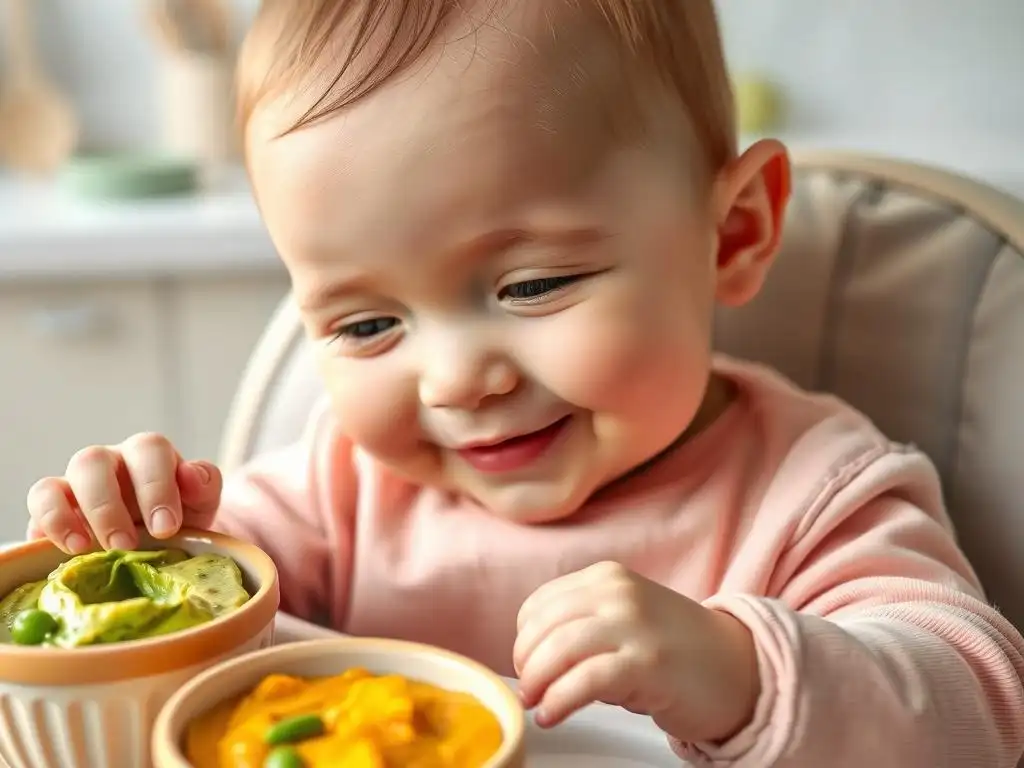
Welcome to BabyCareHub, your ultimate guide to navigating the incredible journey of parenthood! Are you a first-time parent seeking reliable advice and support? Then you've come to the right place. We're dedicated to providing comprehensive, step-by-step guidance on all aspects of baby care, from feeding and sleep to health and development. Intrigued by the challenges of baby reflux? Discover our collection of delicious and effective vegan baby reflux food recipes, designed to soothe your little one and ensure healthy growth. Explore our Feeding & Nutrition section and unlock the secrets to happy, healthy babyhood!
- Understanding Reflux in Infants and Dietary Considerations
- Vegan Baby Reflux Food Recipes: Purees and Thickened Textures
- Introducing Solids: A Gradual Approach for Babies with Reflux
- Vegan Baby Reflux Food Recipes: Advanced Stages
- Tips and Tricks for Preparing and Serving Vegan Baby Food for Reflux
- When to Consult a Pediatrician or Registered Dietitian
-
Frequently Asked Questions
- What is reflux in babies, and why might a vegan diet be helpful?
- Are there any specific vegan ingredients to avoid when making baby food for reflux?
- How can I thicken vegan baby food to help with reflux?
- What are some easy vegan reflux-friendly recipes for babies?
- When should I consult a doctor about my baby's reflux?
- Final Reflection: Nourishing Little Ones: A Vegan Approach to Reflux Relief
- Unlock Your Baby's Happy Tummy: Next Steps to Peaceful Nights
Understanding Reflux in Infants and Dietary Considerations
Infant reflux, also known as gastroesophageal reflux (GER), is a common condition where stomach contents flow back up into the esophagus. While often harmless, it can cause discomfort and distress for your little one, manifesting in symptoms like spitting up, crying, and fussiness after feeding. For first-time parents navigating the complexities of baby care, understanding reflux and its management is crucial.
This article focuses on creating a safe and effective vegan diet for babies experiencing reflux, offering recipes and nutritional guidance tailored to this specific need. We will explore the key symptoms of reflux, the role of diet in managing it, and the reasons behind choosing a vegan approach for babies with this condition.
This guide aims to empower parents with the knowledge and tools to provide their reflux-prone babies with nutritious and comforting vegan meals, contributing to their overall well-being and healthy development. Remember, always consult your pediatrician before making significant dietary changes for your baby.
Recognizing Reflux Symptoms in Your Baby
Identifying reflux in your baby is the first step towards effective management. While some spitting up is normal, excessive or forceful spitting up, frequent crying, especially after feeding, arching of the back, and difficulty sleeping can indicate a problem. Other symptoms might include irritability, poor weight gain, and even choking or gagging. The frequency and intensity of these symptoms can vary greatly between babies. It's vital to keep a detailed record of your baby's feeding times, the amount consumed, and the occurrence and severity of reflux symptoms.
This information will be invaluable when discussing your concerns with your pediatrician. They can help determine the severity of the reflux and recommend appropriate management strategies, including dietary adjustments. Remember, early identification and intervention can significantly improve your baby's comfort and quality of life. 👶
The Role of Diet in Managing Infant Reflux
Diet plays a significant role in managing infant reflux. Certain foods can exacerbate symptoms, while others can help soothe the digestive system. For babies with reflux, smaller, more frequent feedings are often recommended. The type of food is also critical; thicker, less acidic foods tend to stay down better than thin, watery ones.
This is where carefully planned vegan options can be beneficial. The right combination of fruits, vegetables, and plant-based proteins can provide the necessary nutrients while minimizing reflux triggers. However, it’s crucial to avoid foods known to be highly acidic or difficult to digest, such as citrus fruits, tomatoes, and highly processed foods.
Introducing new foods one at a time and observing your baby's reaction is essential. Keeping a food diary will help you track any correlations between specific foods and reflux episodes. This systematic approach helps you understand your baby's individual dietary needs and preferences while managing their reflux effectively.
Why Choose Vegan for Reflux-Prone Babies?
Choosing a vegan diet for a baby with reflux might seem challenging, but it offers several potential benefits. Well-planned vegan diets can be incredibly nutritious, providing a wide array of vitamins, minerals, and antioxidants crucial for healthy growth and development. Many plant-based foods are naturally low in acidity and easier to digest, potentially reducing reflux symptoms.
Furthermore, a vegan diet can be adapted to suit the specific needs of a reflux-prone baby by focusing on easily digestible foods such as well-cooked vegetables and fruits, and avoiding potential irritants. However, careful planning is essential to ensure that your baby receives all the necessary nutrients, particularly iron, vitamin B12, and vitamin D, which may require supplementation.
Working closely with a pediatrician or registered dietitian specializing in vegan nutrition for infants is highly recommended to create a safe and balanced dietary plan. A well-structured vegan diet can provide a nourishing and gentle approach to managing infant reflux, supporting your baby's healthy growth and development.
Nutritional Needs of Babies with Reflux on a Vegan Diet
Meeting the nutritional needs of a baby with reflux, especially while adhering to a vegan diet, requires careful planning and attention to detail. Infants, regardless of dietary choices, have high nutritional demands for optimal growth and development. These needs are even more critical for babies experiencing reflux, as they may have difficulty retaining nutrients due to frequent spitting up or vomiting. A vegan diet can successfully meet these needs, but it demands a thorough understanding of nutrient-dense vegan foods and careful meal planning.
Babies with reflux often benefit from smaller, more frequent feedings. This strategy can help minimize the volume of food in the stomach at any given time, reducing the likelihood of reflux episodes. For vegan babies, this means preparing smaller portions of nutrient-rich purees or offering easily digestible options multiple times a day. The key is to ensure adequate calorie and nutrient intake throughout the day, rather than relying on a few large meals.
Protein is crucial for growth and development, and vegan sources like lentils, chickpeas, tofu, and tempeh offer excellent alternatives to animal-based proteins. However, it's important to ensure these foods are well-cooked and pureed to a smooth consistency, minimizing the risk of choking and making them easier to digest. Iron deficiency is a potential concern for vegan babies, so incorporating iron-rich foods such as spinach (carefully introduced and pureed due to potential oxalates), fortified cereals, and beans is essential. Remember to consult with a pediatrician or registered dietitian to determine the appropriate iron supplementation if needed.
Another critical nutrient is vitamin B12, which is not naturally found in plant-based foods. Therefore, supplementation is almost always necessary for vegan babies. Your pediatrician can advise on the appropriate dosage and type of B12 supplement. Other vital vitamins and minerals, such as vitamin D, calcium, and zinc, also need careful consideration.
Fortified plant milks and cereals can be helpful in boosting these nutrients, but again, monitoring and potential supplementation based on individual needs are crucial. Careful monitoring of the baby's growth and development is paramount to ensure their nutritional needs are being met. Regular check-ups with the pediatrician are essential to address any concerns and make necessary adjustments to the dietary plan. Remember, the goal is to provide a balanced, nutrient-rich vegan diet that supports the baby's growth and minimizes reflux symptoms.
Vegan Baby Reflux Food Recipes: Purees and Thickened Textures
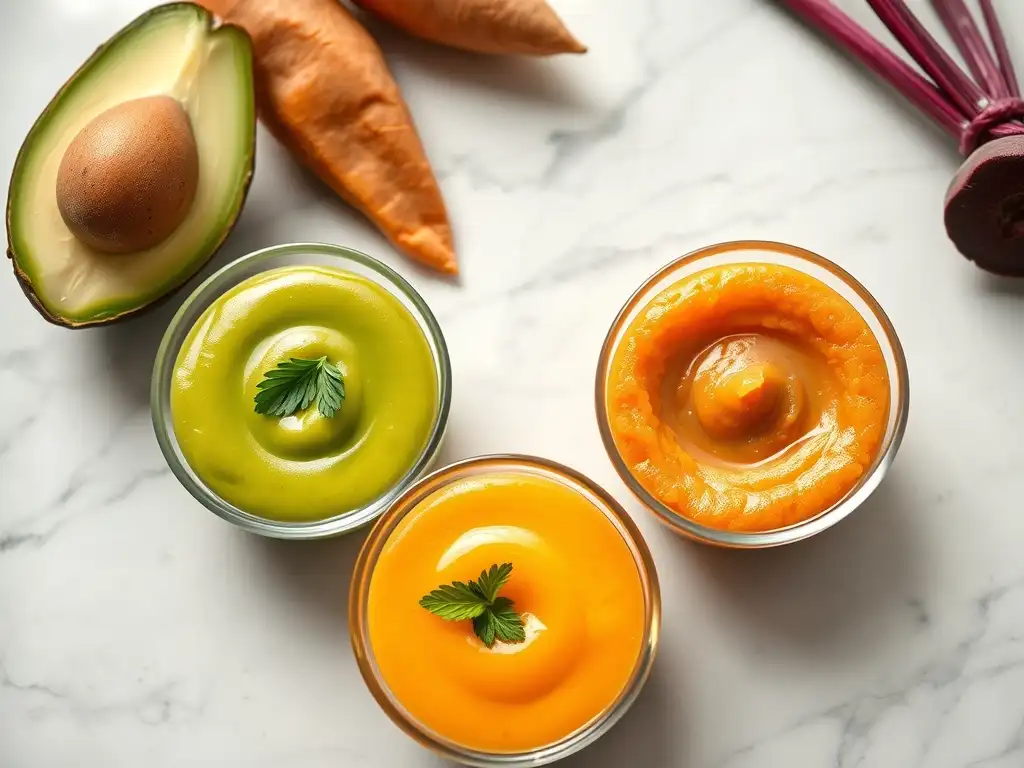
This section provides detailed recipes for vegan baby food designed to soothe reflux symptoms in infants. These recipes focus on easily digestible ingredients and thickened textures to minimize the likelihood of spitting up. Remember to always consult your pediatrician before introducing new foods to your baby's diet, especially if they have reflux. Finding the right balance and consistency is key to managing your little one's reflux, and these recipes offer a starting point for your journey towards a healthy and happy vegan baby. We emphasize using organic, high-quality ingredients whenever possible to provide your baby with the best nutrition.
Creamy Avocado and Banana Puree for Reflux
This puree is rich in healthy fats and potassium, both beneficial for babies. The creamy texture helps coat the esophagus and ease the discomfort often associated with reflux. Avocado is naturally thick, reducing the need for additional thickeners.
Avocados are a fantastic source of healthy fats, crucial for brain development. Bananas, on the other hand, offer easily digestible carbohydrates for energy and potassium, an essential electrolyte. The combination creates a naturally sweet and creamy puree perfect for soothing a sensitive tummy.
Ingredients:
- 1 ripe avocado
- ½ ripe banana
Instructions:
- Peel and pit the avocado.
- Peel the banana.
- Combine avocado and banana in a food processor or blender.
- Blend until completely smooth and creamy.
- Serve immediately or store in an airtight container in the refrigerator for up to 24 hours.
Sweet Potato and Carrot Puree for Gentle Digestion
Sweet potatoes and carrots are known for their gentle nature on the digestive system. This puree is naturally sweet and packed with vitamins and fiber, promoting healthy digestion and easing reflux symptoms. The fiber content also helps to thicken the puree naturally, contributing to a less runny consistency.
Sweet potatoes are an excellent source of Vitamin A, essential for healthy vision and immune function. Carrots also contribute to the Vitamin A content, along with other essential vitamins and minerals. This puree is not only soothing for reflux but also provides valuable nutrients for your baby's growth and development.
Ingredients:
- 1 medium sweet potato, peeled and cubed
- 1 medium carrot, peeled and chopped
Instructions:
- Steam or boil the sweet potato and carrot until tender (approximately 15-20 minutes).
- Drain well.
- Puree the cooked vegetables in a food processor or blender until smooth.
- Adjust consistency by adding a little breast milk or formula if needed, aiming for a thicker, less runny texture.
- Serve warm or cold.
Thickened Apple and Cinnamon Puree (Vegan)
This recipe utilizes apple sauce as a base, providing natural sweetness and a thicker consistency. Cinnamon adds a gentle warmth and is believed to have soothing properties for some babies. This puree is a great option for babies who are already familiar with apples and are ready for a slightly more complex flavor profile.
Apples are a good source of fiber, supporting healthy digestion. The addition of cinnamon not only enhances the flavor but can also contribute to the overall thickness of the puree. Remember to use a very small amount of cinnamon, as excessive amounts may not be suitable for infants.
Ingredients:
- ½ cup unsweetened applesauce (ensure it's vegan)
- ¼ teaspoon ground cinnamon (use sparingly)
Instructions:
- Combine applesauce and cinnamon in a small bowl.
- Mix well.
- Adjust consistency if needed by gently heating the mixture and allowing it to slightly reduce. (Heating will thicken the applesauce naturally).
- Let cool before serving to your baby.
Remember to always introduce new foods one at a time and monitor your baby for any allergic reactions. These recipes are suggestions, and you may need to adjust the ingredients and consistency based on your baby's individual needs and preferences. Enjoy experimenting and finding the perfect vegan reflux-friendly food for your little one! 👶💜
Pea and Spinach Puree with added Rice Cereal for Thicker Consistency
This puree is packed with nutrients and provides a thicker consistency ideal for babies experiencing reflux. The addition of rice cereal significantly increases the viscosity, helping to prevent the food from flowing back up the esophagus. Spinach offers iron and other vital vitamins, while peas contribute fiber and protein. Remember to always introduce new foods one at a time and monitor your baby for any allergic reactions.
The key to success with this recipe lies in the proper cooking and blending techniques. Overcooked peas can become mushy and lose their nutritional value, while undercooked spinach may be tough and difficult for your baby to digest. Aim for a vibrant green color in the spinach and a tender, but not mushy, texture in the peas. The rice cereal should be thoroughly mixed to avoid lumps, ensuring a smooth and easily digestible puree.
This recipe is easily adaptable to your baby's preferences and dietary needs. For instance, you can adjust the ratio of peas to spinach based on your baby's taste. Some babies might prefer a stronger pea flavor, while others might favor the spinach.
Experiment with different types of rice cereal; brown rice cereal offers additional nutritional benefits. Always start with a small amount and gradually increase the quantity as your baby gets used to the new food. Remember to always consult with your pediatrician before introducing any new foods into your baby's diet, especially if they have a history of allergies or other health concerns.
This puree can be a wonderful addition to a balanced vegan diet for your little one, helping to manage reflux symptoms while providing essential nutrients. Observe your baby closely after feeding for any signs of discomfort or allergic reactions. Keeping a food diary can be helpful in tracking your baby's response to different foods.
Introducing Solids: A Gradual Approach for Babies with Reflux
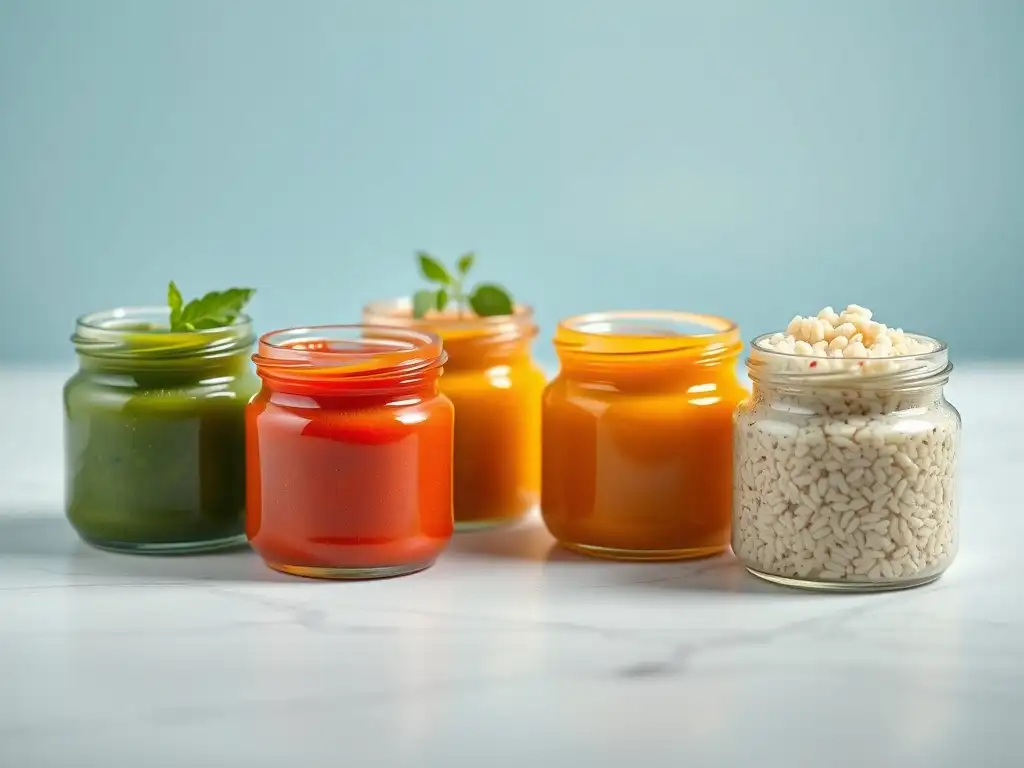
Introducing solid foods to a baby, especially one with reflux, requires a thoughtful and gradual approach. The goal is to minimize the risk of vomiting and discomfort while ensuring adequate nutrition. Remember to always consult your pediatrician before starting your baby on solids, particularly if they have reflux. They can provide personalized advice based on your baby's specific needs and health condition. This section focuses on strategies to safely and effectively introduce solids to babies experiencing reflux, emphasizing the use of vegan options. The key is patience and careful observation.
Starting with Single-Ingredient Purees
Beginning with single-ingredient purees is crucial for identifying potential allergens and observing your baby's digestive response. This allows you to pinpoint any food that might trigger reflux symptoms. Start with hypoallergenic options like sweet potato, avocado, or well-cooked carrots. These are generally well-tolerated and offer a good source of nutrients. Avoid highly acidic foods like tomatoes or citrus fruits initially, as these can exacerbate reflux. Purees should be smooth and creamy, avoiding chunky textures that might be harder to digest. The consistency should resemble a thick yogurt.
Prepare small batches to ensure freshness. For example, a single serving of sweet potato puree can be made by steaming a small sweet potato until soft, then blending it until completely smooth. You can then store it in an ice cube tray for easy portioning and freezing. Remember to always check the temperature before feeding your baby. A lukewarm temperature is ideal. Always supervise your baby while they are eating.
Introducing New Foods One at a Time
Once your baby tolerates a single-ingredient puree well (typically showing no increased reflux or allergic reactions for at least 2-3 days), you can gradually introduce other single-ingredient purees, one at a time. This "one-at-a-time" approach is vital for managing potential allergies and identifying any food sensitivities that might trigger or worsen reflux. Waiting 2-3 days between introducing new foods allows you to monitor for any adverse reactions. Keep a detailed food diary to track which foods you introduce and your baby's response. This diary will be invaluable should any issues arise.
This cautious approach allows you to identify any food sensitivities early on. For instance, you might notice increased spitting up or fussiness after introducing a specific food. This information is crucial for tailoring your baby's diet to minimize discomfort and promote healthy digestion. Remember to keep a positive and calm demeanor while feeding your baby, as stress can sometimes worsen reflux symptoms.
Monitoring for Allergic Reactions and Digestive Issues
Closely monitoring your baby for allergic reactions and digestive issues is paramount. Common signs of allergic reactions include hives, swelling, vomiting, diarrhea, or difficulty breathing. Digestive issues might manifest as increased gas, excessive crying, or changes in stool consistency. Any of these symptoms warrant immediate consultation with your pediatrician. It's crucial to act promptly if you suspect an allergic reaction.
Keep track of your baby's bowel movements and note any changes in frequency, color, or consistency. A food diary will be incredibly helpful in tracking your baby's response to different foods. Remember, each baby is unique, and what works for one might not work for another. Be patient, flexible, and don't hesitate to seek professional guidance from your pediatrician or a registered dietitian specializing in infant nutrition.
They can offer invaluable support and personalized advice tailored to your baby's specific needs and dietary preferences. The process of introducing solids should be a positive and enjoyable experience for both you and your baby. 👶
Adjusting Consistency Based on Baby's Tolerance
Introducing solids to a baby with reflux requires a delicate balance. The consistency of the food plays a crucial role in managing symptoms. Starting with extremely thin purees is often recommended. Think the consistency of well-blended applesauce, almost watery. This minimizes the risk of the food triggering reflux episodes by making it easier to digest and less likely to sit heavily in the stomach. Observe your baby carefully after each feeding. Note any signs of discomfort like spitting up, arching their back, or fussiness.
If your baby tolerates the thin puree well, you can gradually thicken the consistency over several days or weeks. This might involve adding a tiny bit of cooked, mashed sweet potato or well-cooked and pureed carrots to the puree, increasing the thickness incrementally. The key is to monitor your baby's response closely at each stage. If you notice increased reflux or discomfort, immediately revert back to the thinner consistency. Remember, every baby is different, and there's no set timeline for advancing textures. Patience is key.
Some babies with reflux may find thicker purees easier to digest than very thin ones, surprisingly. This is because thicker purees can sometimes stay in the stomach longer, reducing the frequency of reflux episodes. However, this isn't true for all babies, and it's vital to start thin and only gradually increase thickness if your baby shows no signs of distress. You might experiment with adding a small amount of cooked and mashed avocado or well-cooked and pureed butternut squash to achieve a thicker, creamier consistency.
Again, proceed slowly and observe your baby's reaction meticulously. Always prioritize their comfort and well-being above all else. Documenting your baby's response to each consistency change in a feeding diary can prove incredibly helpful in tracking their progress and identifying any potential triggers.
Don't be afraid to experiment with different fruits and vegetables to find what works best for your little one. However, remember to always introduce new foods one at a time and wait several days to observe for any allergic reactions or digestive issues before introducing another new food. This allows you to pinpoint any potential allergens or foods that might be exacerbating reflux symptoms. This careful approach to introducing solids will significantly improve the chances of a smooth transition to solid foods for your baby, even with reflux.
Vegan Baby Reflux Food Recipes: Advanced Stages
This section focuses on providing safe and nutritious vegan baby food recipes specifically designed for babies experiencing reflux. These recipes are geared towards babies in more advanced feeding stages, who are already comfortable with purees and are transitioning towards thicker textures. Remember to always consult your pediatrician before introducing new foods to your baby's diet, especially if they have reflux. The recipes below are suggestions and you should adjust them to suit your baby's individual needs and preferences. The key is to create thicker, less runny purees to minimize the likelihood of reflux.
Lentil and Vegetable Stew (thickened)
This recipe provides a good source of iron and fiber, crucial for a growing baby. The thickening agents help to create a consistency that is less likely to trigger reflux.
This lentil and vegetable stew is perfect for babies around 8 months old who are already eating pureed foods. It’s packed with nutrients and the slightly thicker consistency can help manage reflux symptoms.
Ingredients:
- 1/2 cup red lentils, rinsed
- 1 cup vegetable broth (low sodium)
- 1/4 cup finely chopped carrots
- 1/4 cup finely chopped zucchini
- 1 tablespoon cooked brown rice (for thickening)
- 1 teaspoon olive oil (optional, for added healthy fats)
Instructions:
- Combine lentils and vegetable broth in a small saucepan. Bring to a boil, then reduce heat and simmer for 20-25 minutes, or until lentils are tender.
- Add carrots and zucchini. Continue simmering for another 5-7 minutes, until vegetables are softened.
- Stir in the cooked brown rice for thickening. The amount of rice can be adjusted depending on your baby's preference for consistency.
- Carefully blend the mixture until smooth using an immersion blender or regular blender. Ensure there are no lumps.
- Add a teaspoon of olive oil (optional) for added healthy fats.
- Let cool completely before serving to your baby.
Nutritional Highlights: Rich in iron, fiber, and vitamins from the lentils and vegetables. Brown rice adds healthy carbohydrates and helps thicken the stew.
Vegan Oatmeal with Banana and Berries (thickened)
This recipe provides a naturally sweet and comforting meal, ideal for breakfast or a snack. The addition of banana helps with thickening and provides potassium.
This recipe is designed for babies who are already familiar with oatmeal and are tolerating pureed fruits. The thicker consistency minimizes the risk of reflux.
Ingredients:
- 1/4 cup rolled oats
- 1/2 cup plant-based milk (unsweetened almond or oat milk recommended)
- 1/4 mashed banana
- 1 tablespoon pureed berries (blueberries, raspberries, or strawberries)
- 1 teaspoon chia seeds (for thickening)
Instructions:
- Combine oats and plant-based milk in a small saucepan. Bring to a boil, then reduce heat and simmer for 5-7 minutes, or until oats are cooked and creamy.
- Stir in the mashed banana and pureed berries.
- Mix in the chia seeds for thickening. Allow the mixture to sit for a few minutes to let the chia seeds absorb liquid and create a thicker consistency.
- Let cool completely before serving to your baby.
Nutritional Highlights: Provides complex carbohydrates from oats, potassium from banana, and antioxidants from berries. Chia seeds add fiber and omega-3 fatty acids.
Smooth Tofu and Vegetable Puree
This recipe offers a great source of protein and calcium. The tofu adds creaminess and helps create a smooth puree. Remember to use silken tofu for the best results.
This recipe is suitable for babies around 7-9 months old who are already comfortable with pureed vegetables. The smooth texture and easily digestible ingredients minimize the chance of reflux.
Ingredients:
- 1/4 cup silken tofu, drained
- 1/4 cup cooked and pureed sweet potato
- 1/4 cup cooked and pureed green beans
- 1 tablespoon water (adjust as needed for desired consistency)
Instructions:
- Combine all ingredients in a blender or food processor.
- Blend until completely smooth and creamy. Add more water if needed to reach the desired consistency. It should be thick enough to coat a spoon but still easily pourable.
- Let cool completely before serving to your baby.
Nutritional Highlights: Excellent source of protein and calcium from tofu, vitamins and fiber from sweet potato and green beans. The smooth consistency makes it easy to digest.
Remember to always introduce new foods one at a time and monitor your baby for any allergic reactions. These recipes are guidelines; adjust quantities and ingredients based on your baby's individual needs and preferences. Always prioritize safety and consult with your pediatrician for personalized advice.
Cauliflower and Chickpea Mash
Cauliflower and chickpeas offer a fantastic combination of nutrients and textures ideal for babies experiencing reflux. Cauliflower is naturally low in acidity and high in fiber, promoting gentle digestion. Chickpeas provide valuable protein and fiber, contributing to satiety and preventing rapid emptying of the stomach, a common trigger for reflux. The mash's creamy texture is also easier on a sensitive stomach compared to chunkier foods.
This recipe is suitable for babies around 7-9 months old, once they've demonstrated they can manage pureed foods. Always introduce new foods one at a time and monitor for any allergic reactions. Remember to adjust the consistency based on your baby's developmental stage; a slightly thicker mash might be preferable for reflux.
This recipe emphasizes simplicity and ease of preparation. You can easily adjust the seasoning to suit your baby's palate, but avoid adding salt or sugar. Remember to always check the temperature before feeding your baby. The warmth should be comfortable to the touch on your inner wrist.
Ingredients:
- 1 small head of cauliflower, cut into florets
- ½ cup cooked chickpeas, drained and rinsed
- 2 tablespoons breast milk or formula (to adjust consistency)
- 1 teaspoon olive oil (optional, for added healthy fats)
Instructions:
- Steam the cauliflower florets until tender (approximately 15-20 minutes).
- Blend the steamed cauliflower, chickpeas, and breast milk/formula until smooth and creamy. Add more liquid as needed to achieve desired consistency.
- Stir in olive oil (if using).
- Serve warm. Store leftovers in an airtight container in the refrigerator for up to 24 hours.
Nutritional Benefits: This mash is rich in Vitamin C from the cauliflower, which is an antioxidant, and fiber from both cauliflower and chickpeas, which aids digestion. The chickpeas also offer plant-based protein, crucial for growth and development. The olive oil (optional) adds healthy fats important for brain development.
Remember to always consult with your pediatrician or a registered dietitian before introducing new foods to your baby's diet, especially if they have reflux or other dietary concerns. They can provide personalized advice based on your baby's specific needs and health status. This recipe is a suggestion, and individual adjustments may be necessary. Always prioritize your baby's safety and well-being.
Tips and Tricks for Preparing and Serving Vegan Baby Food for Reflux
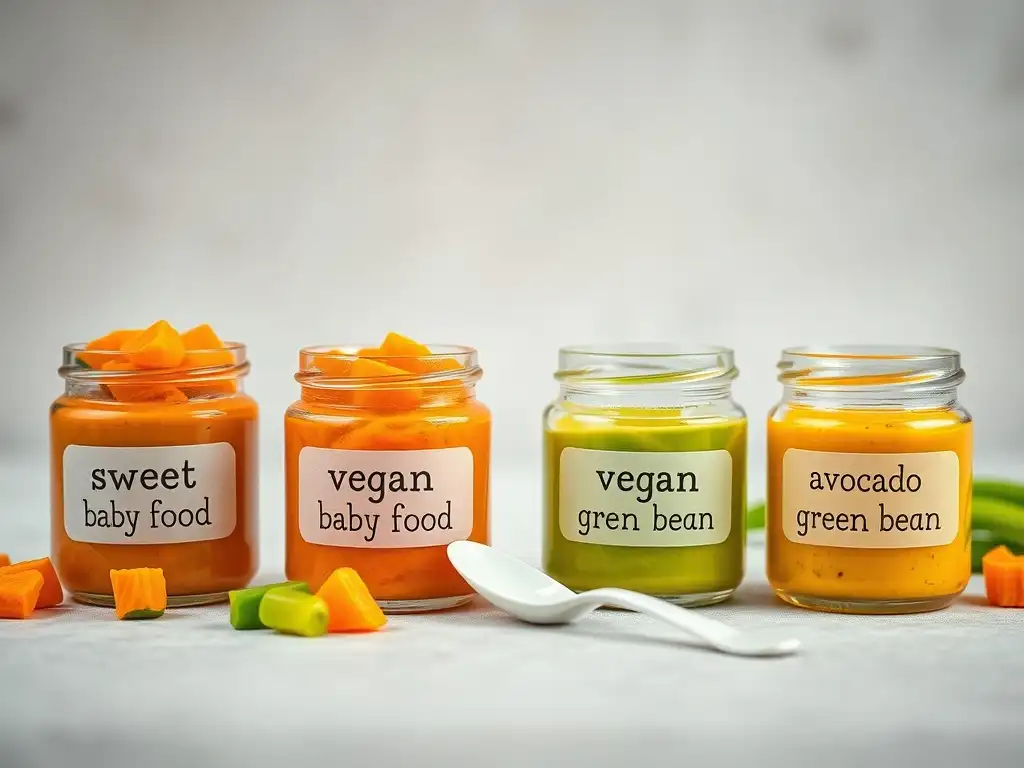
This section offers practical advice for preparing and serving vegan baby food tailored to address reflux in infants. Remember, always consult your pediatrician before making significant dietary changes for your baby, especially if they have reflux. The information below is for educational purposes and shouldn't replace professional medical advice.
Using the Right Cooking Methods for Easy Digestion
Gentle cooking methods are crucial for creating easily digestible vegan baby food for babies experiencing reflux. Harsh cooking techniques can make the food harder to digest, potentially worsening symptoms. Here's a breakdown of ideal methods:
- Steaming: Steaming vegetables and fruits preserves nutrients and creates a soft, easily digestible texture. Steamed foods are less likely to irritate a sensitive stomach. For example, steaming sweet potatoes until tender results in a naturally sweet and easily digestible puree.
- Boiling: Boiling is another gentle option, particularly effective for grains like rice and quinoa. Ensure the food is cooked thoroughly to a soft consistency. Overcooked quinoa, for instance, can create a smoother puree, minimizing the risk of choking and aiding digestion.
- Pureeing: After cooking, use a blender or food processor to create a smooth puree. Avoid chunky textures, as these can be difficult for babies with reflux to manage. A fine-mesh sieve can further refine the texture for extra smoothness.
- What to Avoid: Frying, roasting, or using excessive spices should be avoided. These methods can increase acidity and make the food harder to digest, potentially exacerbating reflux symptoms. Strong flavors can also be irritating to a baby's sensitive digestive system.
Adjusting Thickness for Optimal Reflux Management
The consistency of your baby's food plays a significant role in managing reflux. Too thin, and it may flow back up more easily; too thick, and it may be difficult to digest. Finding the right balance is key.
Here’s how to adjust thickness:
- Starting Thin: Begin with a very thin puree, gradually increasing the thickness as your baby tolerates it. You can achieve this by adding more liquid (breast milk, formula, or water) initially.
- Thickening Agents (Use Sparingly): If needed, you can slightly thicken the puree with a small amount of cooked and pureed sweet potato or banana. Avoid using commercial thickening agents unless explicitly recommended by your pediatrician.
- Observing Your Baby: Pay close attention to your baby's reactions. If they seem to be struggling with a particular consistency, adjust accordingly. Frequent, smaller meals may also be better tolerated than fewer, larger ones. This approach allows for easier digestion and reduces the volume in the stomach, minimizing the risk of reflux.
- Example: A puree of steamed carrots and zucchini, initially very thin with added breast milk, can be gradually thickened by reducing the liquid amount over several feedings.
Storage and Safety Guidelines for Homemade Baby Food
Proper storage and handling are crucial for ensuring the safety and quality of homemade vegan baby food.
- Cooling: Allow the prepared food to cool completely before storing. Hot food stored in airtight containers can create condensation, leading to bacterial growth.
- Portioning: Divide the cooled food into small, single-serving portions in ice cube trays or small containers. This prevents waste and ensures that only a fresh portion is used at each feeding.
- Freezing: Freeze the portioned food for up to three months. Clearly label each container with the date and contents.
- Thawing and Reheating: Thaw the frozen food in the refrigerator overnight. Gently reheat it in a microwave or on the stovetop, ensuring it is heated evenly and thoroughly. Always check the temperature before feeding your baby to avoid burns. Never refreeze thawed food.
- Refrigeration: Refrigerated food should be used within 24 hours. Always discard any leftover food after a feeding. Prompt disposal is critical to prevent bacterial contamination and potential health risks.
Remember, creating nutritious and safe vegan baby food requires attention to detail. These tips are intended to guide you, but always prioritize your baby's health and consult with your pediatrician for personalized advice. Careful preparation and mindful feeding practices can contribute significantly to managing your baby's reflux and ensuring they receive optimal nutrition.
Signs Your Baby is Ready for More Advanced Textures
Introducing thicker textures to your baby's diet is a crucial step in managing reflux and promoting healthy development. However, it's essential to ensure your little one is developmentally ready before making this transition. Several key indicators signal that your baby is prepared for slightly thicker purees or even finely mashed foods.
Firstly, observe your baby's ability to control their head and neck. A baby who can hold their head steady and sit upright with minimal support is better equipped to manage thicker foods and prevent choking. This typically happens around 6 months of age, but every baby develops at their own pace. Don't rush the process; wait until your baby shows consistent head and neck control.
Secondly, pay attention to your baby's swallowing reflex. Does your baby swallow smoothly and efficiently when given thinner purees? If they struggle to swallow or frequently spits up even thin purees, they may not be ready for thicker textures yet. A well-developed swallowing reflex indicates readiness for more challenging food consistencies.
Thirdly, consider your baby's interest in food. Are they showing signs of wanting more than just milk? Do they eagerly open their mouth and reach for the spoon? This keen interest in exploring new tastes and textures is a positive sign that they're ready for more advanced food options. A baby who actively participates in the feeding process will likely handle thicker foods better.
Finally, consult your pediatrician. They can provide personalized guidance based on your baby's individual development and health status. Your pediatrician can assess your baby's readiness for thicker textures and offer valuable advice on introducing them safely and effectively. Remember, each baby is unique, and there's no one-size-fits-all approach. Trust your instincts and consult your pediatrician to determine the optimal timing for introducing more advanced textures into your baby's vegan reflux diet. Early introduction of appropriate textures can significantly aid in managing reflux symptoms.
When to Consult a Pediatrician or Registered Dietitian
Navigating vegan baby food, especially for babies with reflux, requires careful planning and monitoring. While a well-planned vegan diet can be perfectly nutritious for your little one, it's crucial to understand when professional guidance is essential. Early intervention can prevent potential complications and ensure your baby thrives.
Addressing Concerns about Nutritional Deficiencies
A well-planned vegan diet can provide all the necessary nutrients for a baby, but vigilance is key. Some nutrients, like vitamin B12, vitamin D, iron, and omega-3 fatty acids, are less readily available in plant-based foods. Monitoring your baby's growth and development is crucial. Signs of potential deficiencies might include slowed growth, fatigue, pale skin, or irritability. A pediatrician can perform blood tests to assess nutrient levels and recommend appropriate supplements if needed.
Remember, early detection is key to addressing any nutritional gaps. Regular check-ups with your pediatrician are vital, especially during the first year of life when nutrient requirements are high. Keep a detailed food diary to help your pediatrician track your baby's intake and identify potential issues. Don't hesitate to express any concerns, no matter how small they may seem. Your pediatrician is there to support you and your baby's healthy development.
Managing Severe Reflux Symptoms
While dietary changes can often improve mild reflux, severe symptoms warrant immediate medical attention. Signs of severe reflux include forceful vomiting, significant weight loss, difficulty breathing, or persistent crying. These symptoms could indicate a more serious underlying condition. Your pediatrician can perform a thorough examination, potentially ordering further tests like an ultrasound or upper GI study to rule out any complications. They can also recommend medication to manage the reflux symptoms if dietary adjustments alone are insufficient.
Remember, it's always better to err on the side of caution when dealing with severe reflux. Prompt medical intervention can significantly improve your baby's comfort and well-being. Severe reflux can affect a baby's ability to gain weight and can cause significant discomfort. Professional medical advice is essential for managing these severe cases.
Seeking Personalized Dietary Advice
Creating a personalized vegan meal plan for a baby with reflux can be challenging. A registered dietitian specializing in infant nutrition and vegan diets can provide invaluable support. They can help you create a meal plan tailored to your baby's specific needs and age, ensuring adequate nutrient intake while addressing the reflux condition. A registered dietitian can also help you navigate the complexities of vegan baby food preparation and offer creative recipes that are both nutritious and easy to digest.
They can advise on appropriate food textures and introduce new foods gradually to minimize the risk of allergic reactions. Working with a registered dietitian ensures that your baby's dietary needs are met safely and effectively. They can also provide guidance on supplementing essential nutrients if needed.
Their expertise can make a significant difference in managing your baby's reflux and promoting healthy growth. Don't underestimate the value of personalized dietary advice in this context. It’s an investment in your baby's health and well-being.
Frequently Asked Questions
What is reflux in babies, and why might a vegan diet be helpful?
Reflux is when stomach contents come back up into the esophagus. A vegan diet, focusing on easily digestible foods like pureed vegetables and fruits, can sometimes help reduce symptoms by avoiding common reflux triggers found in dairy and other animal products.
Are there any specific vegan ingredients to avoid when making baby food for reflux?
Yes, highly acidic foods like tomatoes and oranges should be avoided initially. Also, gassy vegetables such as broccoli and cabbage can worsen symptoms for some babies. Introduce new foods one at a time to monitor reactions.
How can I thicken vegan baby food to help with reflux?
You can thicken purees by adding a small amount of cooked and pureed sweet potato or oatmeal. Avoid using rice cereal as it lacks nutritional value compared to other options. Always consult your pediatrician before making significant dietary changes.
What are some easy vegan reflux-friendly recipes for babies?
Simple purees of avocado, banana, and butternut squash are great starting points. You can also try combining these with cooked carrots or green beans. Remember to always ensure food is cooked thoroughly and cooled before serving.
When should I consult a doctor about my baby's reflux?
Consult your pediatrician if your baby shows signs of excessive spitting up, weight loss, irritability, or vomiting. They can help determine the severity of the reflux and recommend appropriate treatment options.
Final Reflection: Nourishing Little Ones: A Vegan Approach to Reflux Relief
The rising popularity of veganism intersects powerfully with the increasing need for effective, gentle solutions for infant reflux. Finding the right balance between nutritional needs and soothing a baby's discomfort is a challenge many parents face, and a vegan approach offers a compelling alternative for those seeking plant-based options. This exploration of vegan baby food recipes for reflux highlights the potential for both dietary diversity and symptom management.
The journey of creating gentle, nutritious meals for a baby with reflux is a deeply personal one, filled with moments of both frustration and profound satisfaction. The impact of diet on a baby's well-being is undeniable, and the ability to craft solutions tailored to individual needs is incredibly empowering. The best things in life are simple, and the simplest things are often the best for our little ones.
This sentiment resonates deeply as we consider the power of carefully chosen ingredients to alleviate suffering and promote healthy growth. The ongoing research into the connection between diet and infant reflux underscores the importance of continued exploration and innovation in this area.
You, as a parent or caregiver, now hold the knowledge to make informed choices about your baby's nutrition. Consider the recipes presented here as a starting point, a springboard for your own culinary creativity and experimentation. Don't be afraid to adapt and adjust, to listen to your baby's cues, and to celebrate the small victories along the way. Remember, every spoonful of carefully prepared food is a step towards a healthier, happier baby. Embrace the journey, and trust your intuition – you are your baby's best advocate.
Unlock Your Baby's Happy Tummy: Next Steps to Peaceful Nights
Thank you for learning about creating delicious and soothing vegan baby food for babies with reflux! We hope you found this information helpful. Now let's put this knowledge into practice.
Here are a few things you can do today:
- Try one of the recipes from this article. The sweet potato and avocado puree is a gentle and popular choice for starting out.
- Share your experiences and any recipe adaptations with other parents in our BabyCareHub community forum. This helps other families find solutions too.
- Keep track of your baby's response to the new foods. Note their digestion and overall comfort to inform future meal planning.
Ready to give your baby the gift of happy, healthy digestion? What small step will you take first?