
The Ultimate Guide to Choosing the Right Baby Bath Products
Gentle care for delicate beginnings 🛁 Discover trusted newborn bathing and skincare guidance, from safe bath routines and soothing products to tips for protecting sensitive skin, managing dryness, and choosing baby-friendly essentials. BabyCareHub helps first-time parents build confidence with practical, expert-informed advice for a clean, comfortable, and happy baby.
7 articles
Ear Care for Newborns: Gentle Cleaning Techniques
Understanding Baby's Skin pH: Choosing the Right Products
When to See a Doctor: Concerning Newborn Skin Issues
The Impact of Diet on Your Baby's Skin: What You Need to Know
Preventing Skin Infections: A Guide to Good Hygiene
Diaper Rash Demystified: Prevention and Effective Remedies
🛁 Newborn Bathing & Skincare: Gentle Care for Your Baby’s Delicate Skin
Welcome to BabyCareHub’s Newborn Bathing & Skincare subcategory, a trusted resource for first-time parents learning how to keep a newborn clean, comfortable, and protected. Discover practical guidance on newborn baths, sponge bathing, baby skincare routines, umbilical cord care, diaper-area hygiene, moisturising, and sensitive skin protection. Our step-by-step advice helps parents create calm, safe bathing experiences while supporting healthy newborn skin from the very beginning.
🧼 Newborn Bathing Basics and Safe Bathing Steps
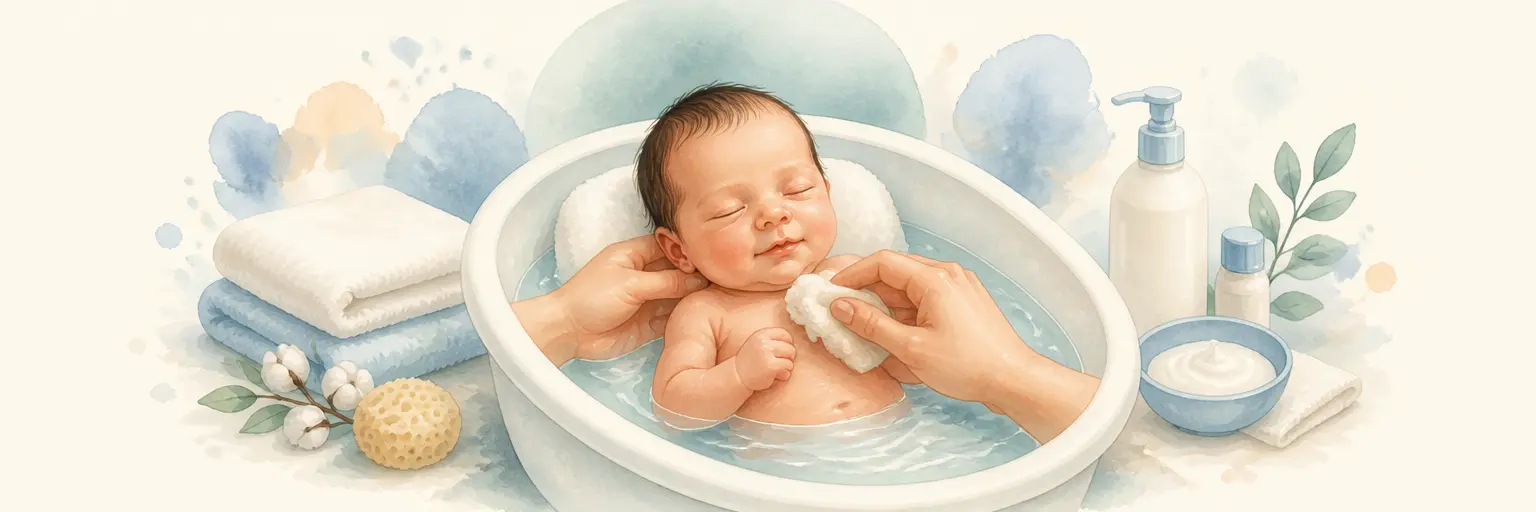
Learn how often to bathe a newborn, when to begin regular tub baths, and how to prepare everything before placing your baby in the water. Our guides explain sponge baths, water temperature, bathing duration, gentle washing techniques, and safe newborn handling in clear, parent-friendly language.
BabyCareHub also highlights essential bath safety practices, including keeping one hand on your baby at all times, checking the water temperature, and never leaving a newborn unattended. Find useful advice on baby bath tubs, soft washcloths, towels, and other newborn bathing essentials.
🌿 Newborn Skincare for Sensitive and Delicate Skin
Newborn skin is thinner and more sensitive than adult skin, so choosing simple, fragrance-free products is important. Explore information about gentle baby cleansers, hypoallergenic moisturisers, natural baby skincare, fragrance-free lotions, and sensitive skin care for newborns.
Our skincare guidance helps parents understand how to avoid common irritants, recognise dryness, and protect the skin barrier. Learn when a small amount of moisturiser may help and why using fewer products is often best for a baby’s delicate skin.
🧴 Baby Products, Ingredients, and Skincare Essentials
Choosing newborn bath products can feel overwhelming, especially for first-time parents. This section explains what to look for in baby wash, shampoo, lotion, creams, oils, bath thermometers, soft towels, and washcloths, with an emphasis on gentle ingredients and practical everyday use.
Discover how to read product labels and identify ingredients that may irritate sensitive skin. BabyCareHub encourages parents to select products designed for newborns, avoid strongly scented formulas, and introduce new products carefully to help identify possible skin reactions.
👶 Umbilical Cord, Hair, and Diaper-Area Care
Newborn hygiene includes more than bath time. Find step-by-step advice for keeping the umbilical cord stump clean and dry, washing a newborn’s hair, cleaning skin folds, and caring for the diaper area without unnecessary rubbing or irritation.
These guides explain gentle cleaning methods and help parents recognise when everyday redness or dryness may need extra attention. You will also find practical tips for preventing moisture buildup in neck folds, behind the ears, and around the diaper area.
🌸 Common Newborn Skin Concerns and Gentle Solutions
Many babies experience temporary skin changes such as dryness, peeling, baby acne, cradle cap, heat rash, or mild redness. Learn what these common newborn skin concerns may look like and which simple care steps can help keep your baby comfortable.
BabyCareHub also explains when parents should contact a healthcare professional. Seek medical advice for spreading rashes, blisters, oozing skin, fever, swelling, severe irritation, or symptoms that do not improve. Our content supports informed care but does not replace personalised medical guidance.
🛡️ Bath-Time Safety and Healthy Newborn Hygiene
Safe bathing begins with preparation. Learn how to organise supplies, secure the bathing area, prevent slips, maintain a comfortable room temperature, and keep hot water away from your baby. These recommendations are designed to make newborn bath safety easier to follow during busy routines.
Good hygiene does not require frequent bathing or harsh products. Our guides show how to clean your newborn effectively while protecting the natural skin barrier, reducing dryness, and creating a soothing routine that can support bonding and relaxation.
❓ Frequently Asked Questions About Newborn Bathing and Skincare
How often should I bathe my newborn?
Most newborns do not need a full bath every day. Two or three baths per week is often sufficient, while the face, neck folds, hands, and diaper area can be cleaned as needed. Frequent bathing may contribute to dry skin, especially when warm water or cleansers are used often.
When can a newborn have a regular tub bath?
A newborn can usually have a regular tub bath after the umbilical cord stump has fallen off and the area has healed, unless your healthcare professional advises otherwise. Until then, use a gentle sponge bath and keep the cord stump clean and dry.
What water temperature is safest for a newborn bath?
The bath water should feel warm but not hot. Test it with your wrist or elbow, and consider using a bath thermometer. Always prepare the bath before bringing your baby to the water, and never leave your newborn alone, even for a moment.
Should I use lotion or moisturiser on my newborn?
If your baby’s skin is dry, a small amount of mild, fragrance-free moisturiser may help. Choose products made for newborns and avoid heavily scented formulas. Test new products carefully and stop using them if redness, swelling, itching, or irritation appears.
When should I call a doctor about my baby’s skin?
Contact a healthcare professional if your newborn develops a rapidly spreading rash, blisters, pus, significant swelling, bleeding, fever, breathing difficulty, or severe discomfort. Medical advice is also recommended when a skin problem persists or you are uncertain about its cause.