
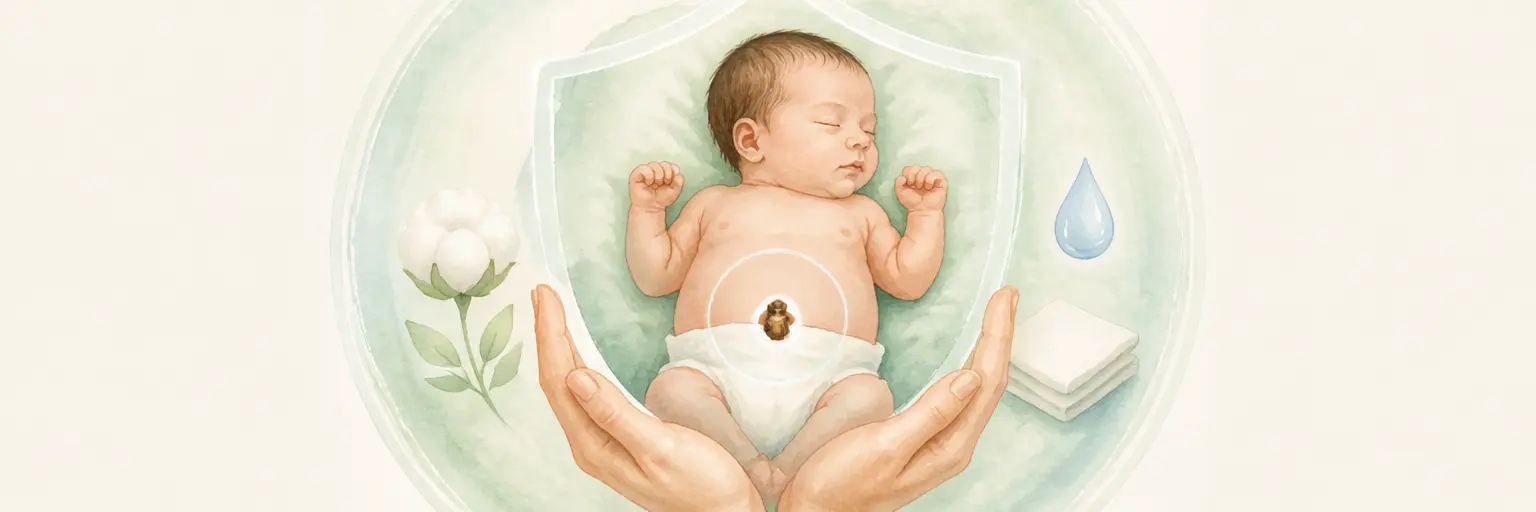
Baby's Cord Care 101: A Simple Guide for New Parents on Cleaning and Healing
Keep your baby’s umbilical cord stump clean, dry, and protected with trusted cord care and healing guidance for newborns. 👶 Learn safe cleaning practices, discover what normal healing looks like, and recognize signs of infection that may require medical advice. 💛 BabyCareHub offers clear, parent-friendly tips to support gentle newborn care and a healthy start.
5 articles
Understanding Newborn Cord Care: A Comprehensive Look at the Healing Process
Newborn Cord Care: Tips and Tricks for FirstTime Parents
Newborn Umbilical Cord Care: A Detailed Guide to Proper Cleaning and Handling
Newborn Umbilical Cord Care: A Parent's MustKnow Guide
🩹 Cord Care and Healing for Newborns
Cord Care and Healing is an essential part of newborn basics for every first-time parent. At BabyCareHub, you can find clear, practical guidance on caring for your baby’s umbilical cord stump, keeping it clean and dry, recognizing normal healing, and understanding when professional medical advice may be needed. Learn safe newborn cord care techniques, discover what to expect during umbilical cord separation, and support healthy healing with confidence.
🧼 Safe Umbilical Cord Care for Newborns
Proper umbilical cord care helps protect your newborn’s healing belly button from irritation and infection. Readers can learn why keeping the cord stump clean, dry, and exposed to air is generally recommended, along with simple steps for diaper changes, sponge baths, and clothing choices that avoid unnecessary rubbing.
This section explains how to handle the cord gently and what to avoid, including pulling, covering tightly, or applying products unless recommended by a healthcare professional. You will also find practical newborn care tips that make daily cord care easier and less stressful.
⏳ Understanding Umbilical Cord Healing and Separation
Most umbilical cord stumps gradually dry, darken, and fall off on their own during the first few weeks of life. BabyCareHub helps parents understand the typical stages of umbilical cord healing, including mild changes in color, texture, and appearance that can occur before the stump separates.
Parents can learn how to care for the belly button after the cord falls off and what minor spotting may be normal. Clear explanations help you distinguish routine healing from symptoms that require a call to your baby’s doctor or midwife.
🚨 Recognizing Umbilical Cord Infection Signs
Knowing the warning signs of an infected umbilical cord can help parents seek timely care. This subcategory covers symptoms such as spreading redness, swelling, warmth, increasing tenderness, pus-like drainage, foul odor, or bleeding that does not stop with gentle pressure.
You will also learn why newborns with fever, unusual sleepiness, poor feeding, breathing changes, or a generally unwell appearance need prompt medical assessment. When in doubt, contact a healthcare professional rather than attempting home treatment.
🛁 Bathing, Diapering, and Clothing During Cord Healing
Daily routines can be adapted to protect the umbilical cord stump while it heals. Readers will find guidance on sponge bathing, keeping the area dry, folding the diaper below the stump, and choosing loose, breathable clothing that reduces friction and moisture.
These practical newborn hygiene tips are designed to fit naturally into everyday baby care. You can learn how to check the cord during diaper changes without excessive handling and how to maintain a clean environment while following your healthcare provider’s instructions.
👶 When to Contact a Healthcare Professional
Although most cord stumps heal without complications, some symptoms should never be ignored. This section explains when to contact a pediatrician, midwife, or other qualified healthcare provider about persistent bleeding, discharge, delayed separation, worsening redness, or concerns about your baby’s behavior.
Parents can also learn about conditions that may appear after cord separation, such as an umbilical granuloma or a possible umbilical hernia. Professional evaluation is important because newborn symptoms can change quickly and should be assessed according to your baby’s age and medical history.
❓ Frequently Asked Questions About Cord Care and Healing
How should I clean my newborn’s umbilical cord stump?
Wash your hands before and after touching the area, and keep the stump clean and dry. Follow your healthcare provider’s instructions, especially if they recommend a specific cleansing method. Avoid applying alcohol, oils, powders, or herbal products unless a medical professional advises you to do so.
How long does it take for the umbilical cord to fall off?
The cord stump commonly separates within the first few weeks after birth, although timing varies between babies. It may become dry, dark, and stiff before falling off naturally. Do not pull or twist the stump, even if it is attached by only a small piece.
Is a small amount of bleeding normal after the cord falls off?
A small spot of blood or slight oozing can occur as the area finishes healing. Apply gentle pressure with clean gauze if needed. Contact your healthcare provider if bleeding continues, becomes heavy, repeatedly returns, or is accompanied by redness, swelling, drainage, or fever.
What are the signs of an infected umbilical cord?
Possible signs include redness spreading onto the surrounding skin, swelling, warmth, tenderness, pus-like discharge, a strong unpleasant odor, or increasing bleeding. A newborn who has a fever, feeds poorly, seems unusually sleepy, or appears unwell should receive prompt medical attention.
Can I give my baby a bath before the cord stump falls off?
Many healthcare professionals recommend sponge baths until the cord stump separates and the area heals. Keep the stump dry and avoid soaking it unless your baby’s healthcare provider gives different advice. Once the area is healed, normal bathing can usually resume according to professional guidance.