
Newborn Umbilical Cord Care: A Parent's MustKnow Guide

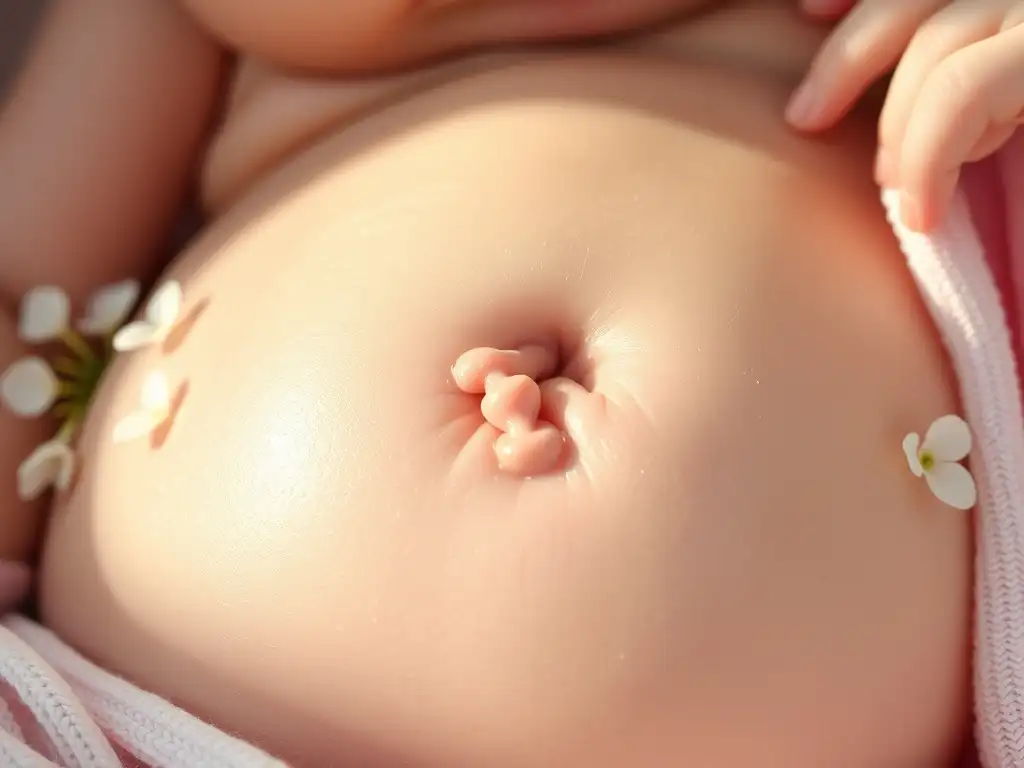
Welcome to BabyCareHub, your ultimate guide to navigating the incredible journey of parenthood! Are you a first-time parent feeling overwhelmed by the complexities of newborn care? We understand. That's why we've created this comprehensive resource, packed with practical advice and expert insights. Discover essential information on everything from feeding schedules to developmental milestones, and learn crucial techniques like properly caring for your baby's clean newborn umbilical cord. Dive in and unlock the secrets to confident parenting – your baby's well-being starts here!
- Understanding Your Baby's Umbilical Cord Stump
- Keeping Your Baby's Umbilical Cord Clean: A Step-by-Step Guide
- Identifying Problems: When to Call Your Doctor
- Maintaining Hygiene and Preventing Infection in Newborn Umbilical Cord
- Post-Separation Care: After the Cord Falls Off
- Frequently Asked Questions
- Final Reflection: The Unsung Hero of Newborn Care
- Unlock Your Newborn's Healthy Start: Simple Steps to Cord Care
Understanding Your Baby's Umbilical Cord Stump
Welcoming your newborn is an incredibly joyous occasion, filled with a mix of excitement and, let's be honest, a healthy dose of apprehension. Navigating the world of newborn care can feel overwhelming, but one crucial aspect often overlooked is umbilical cord care. This comprehensive guide will equip you with the knowledge and confidence to properly care for your baby's umbilical cord stump, ensuring its healthy healing and minimizing the risk of infection. We'll cover everything from understanding the cord stump itself to recognizing signs of a healthy healing process and identifying potential problems.
Maintaining a clean newborn umbilical cord is paramount to your baby's well-being, and this guide provides a step-by-step approach to ensure you're well-prepared. This is your ultimate resource for achieving a successful and worry-free umbilical cord healing experience. Let's dive in!
What is the umbilical cord stump?
The umbilical cord stump is the remaining portion of the umbilical cord after it's been clamped and cut at birth. It's a small, dried-up piece of tissue that connects your baby's belly button to the rest of the body. Initially, it might appear fleshy and moist, but it will gradually dry out and darken over the next few days. Think of it as a natural scab that's vital for your baby's health.
The stump is primarily composed of dried blood vessels and connective tissue. Its appearance can vary slightly from baby to baby, but the essential principles of care remain consistent. Understanding its composition helps you appreciate the importance of gentle handling and keeping it clean and dry. The umbilical cord stump usually falls off within 10-21 days after birth; however, it's crucial to maintain a vigilant approach to hygiene until its natural detachment.
The Umbilical Cord Healing Process: A Timeline
The healing process of the umbilical cord stump is a fascinating journey. Here's a typical timeline to expect:
- Days 1-3: The cord stump will appear moist and slightly swollen. It might be a bluish-gray color.
- Days 4-7: The stump begins to dry out, becoming darker in color (blackish or brownish). It will shrink in size.
- Days 7-14: The stump continues to dry and shrink, potentially becoming hard and brittle.
- Days 10-21: The umbilical cord stump typically falls off on its own. This is a completely normal process. Do not attempt to pull it off prematurely.
- Days 21-28: After the stump falls off, the area may have a small, moist spot that eventually heals completely. Slight bleeding or a small amount of yellowish discharge is sometimes observed and generally resolves quickly.
This timeline is a general guideline; some babies may experience a slightly faster or slower healing process. If you have any concerns, consult your pediatrician or healthcare provider. Remember, patience and consistent care are key during this phase.
Signs of a Healthy Umbilical Cord Stump
A healthy umbilical cord stump exhibits several key characteristics:
| Characteristic | Description |
|---|---|
| Appearance | Initially moist, then dries out and darkens (blackish or brownish) |
| Size | Gradually shrinks over time |
| Smell | Should be odorless. A foul odor could indicate infection. |
| Discharge | Minimal or no discharge. A small amount of yellowish discharge might be present briefly after the stump falls off. |
| Surrounding Skin | The skin around the stump should be clean, dry, and free from redness or swelling. |
| Temperature | The area should feel neither hot nor cold to the touch. |
Monitoring these signs regularly will help you quickly identify any potential issues. Remember, early detection is crucial in ensuring your baby's health. If you notice any deviation from these characteristics—such as persistent bleeding, foul smell, excessive discharge, redness, swelling, or increased temperature—contact your pediatrician immediately. It's always better to err on the side of caution. 🎉 Your diligence in maintaining a clean newborn umbilical cord will contribute significantly to a smooth healing process.
Keeping Your Baby's Umbilical Cord Clean: A Step-by-Step Guide

This section provides a detailed, step-by-step guide on maintaining a clean newborn umbilical cord, crucial for preventing infection and ensuring proper healing. Remember, a clean newborn umbilical cord is essential for your baby's health. We'll cover everything from preparation to best practices, helping you confidently navigate this important aspect of newborn care. Cleanliness is paramount in promoting a healthy and speedy healing process.
Preparing for Umbilical Cord Care
Before you begin cleaning your baby's umbilical cord, gather the necessary supplies. You'll need:
- Warm water (around 98.6°F or body temperature)
- Soft, clean washcloths or cotton balls
- Mild, unscented soap (optional, check with your pediatrician)
- Clean, dry towel
It's crucial to wash your hands thoroughly with soap and water before and after each cleaning. This simple step significantly reduces the risk of introducing bacteria to the delicate umbilical area. Remember, maintaining a sterile environment is key to a clean newborn umbilical cord. Consider designating a specific area for cord care to maintain a consistent, clean space.
The ideal time for cleaning is typically during your baby's bath. However, if you're not giving your baby a full bath, a spot cleaning is sufficient. Avoid submerging the umbilical area in water until the cord has fully fallen off.
What if I accidentally use hot water?
Using water that is too hot can irritate the delicate skin around the umbilical cord. If this happens, gently pat the area dry and monitor for any signs of redness, swelling, or increased discharge. Contact your pediatrician if you notice any concerning changes.
Daily Cleaning of the Newborn Umbilical Cord
Daily cleaning is vital for maintaining a clean newborn umbilical cord. Here's how to perform the cleaning:
- Gently cleanse the area: Using a clean washcloth or cotton ball dampened with warm water, gently wipe the base of the umbilical cord and the surrounding skin. Avoid scrubbing, as this can irritate the sensitive skin. If using soap (always check with your pediatrician first! ), use a tiny amount of mild, unscented soap.
- Rinse thoroughly: Ensure all soap residue is removed by rinsing the area with clean, warm water.
- Pat dry completely: Gently pat the area completely dry with a clean, soft towel. Avoid rubbing, as this can cause irritation. Leaving the area damp can encourage bacterial growth. Air drying is often preferable to using a towel.
- Observe the cord: Carefully examine the cord for any signs of infection, such as redness, swelling, pus, or a foul odor. Report any concerns immediately to your pediatrician. Early detection is crucial for timely intervention.
Remember, consistency is key. Daily cleaning helps prevent infection and promotes a healthy healing process. This consistent care contributes significantly to maintaining a clean newborn umbilical cord.
Best Practices for Clean Newborn Umbilical Cord Care
Beyond daily cleaning, several best practices contribute to optimal umbilical cord healing and maintaining a clean newborn umbilical cord:
- Keep the area dry: Avoid submerging the umbilical area in water until the cord stump falls off. Air drying is best.
- Loose clothing: Dress your baby in loose-fitting clothing to prevent friction and irritation around the umbilical cord. Tight clothing can trap moisture and increase the risk of infection.
- Avoid covering the cord: Allow the cord stump to air dry. Avoid covering it with diapers or clothing that might trap moisture. Fold the diaper down and away from the umbilical area.
- Observe for signs of infection: Monitor the umbilical cord daily for any signs of infection, such as redness, swelling, pus, or a foul odor. Contact your pediatrician immediately if you observe any of these signs.
- Hand hygiene: Always wash your hands thoroughly with soap and water before and after handling the umbilical cord. This simple step is crucial in preventing the spread of infection.
| Potential Problem | Description | Action |
|---|---|---|
| Redness and Swelling | Skin around the cord appears red and inflamed. | Contact your pediatrician immediately. |
| Pus or Foul Odor | Yellowish or greenish discharge with an unpleasant smell. | Seek immediate medical attention. |
| Bleeding | Minor bleeding from the cord stump is normal; excessive bleeding is not. | Contact your pediatrician. |
| Delayed Cord Separation | Cord stump remains attached longer than usual (2-3 weeks). | Consult your pediatrician to rule out any underlying issues. |
Maintaining a clean newborn umbilical cord is a simple yet crucial aspect of newborn care. By following these steps and observing your baby closely, you can help ensure a healthy and speedy healing process. Remember, if you have any concerns, don't hesitate to contact your pediatrician.
Recommended Cleaning Products for Newborn Umbilical Cord
Keeping your baby's umbilical cord clean is crucial for preventing infection and ensuring proper healing. However, it's equally important to use the right products to avoid irritating the delicate skin around the cord stump. Harsh chemicals or overly strong soaps can hinder the healing process and even cause inflammation.
The best approach is to keep things simple. Plain, warm water is usually all you need. Avoid using alcohol, hydrogen peroxide, or antiseptic wipes, as these can dry out the cord and delay healing. 1 Some healthcare providers may recommend a very mild, fragrance-free baby soap, but only use this sparingly and ensure you rinse the area thoroughly afterwards to prevent any soap residue from accumulating. Always prioritize gentleness; the cord stump is incredibly sensitive. If you are unsure about the best cleaning method, it's always advisable to consult your pediatrician or a healthcare professional for personalized advice tailored to your baby's specific needs. They can assess the healing process and recommend the most appropriate cleaning routine.
Remember, a clean and dry environment is key to promoting healthy umbilical cord healing. Avoid using cotton balls or swabs to clean the area, as these can leave behind fibers that may cause irritation. Instead, gently clean the area with a soft, clean cloth.
Umbilical Cord Cleaning Frequency
How often should you clean your newborn's umbilical cord? The frequency depends largely on the cleanliness of the area. A good rule of thumb is to clean the umbilical cord stump at least once a day, or more often if it appears soiled. For example, if your baby has had a bowel movement or urine has come into contact with the cord area, cleaning should be done immediately.
Regular cleaning helps prevent the buildup of bacteria and keeps the area dry, which is crucial for preventing infection. However, over-cleaning can also be detrimental. Avoid scrubbing or aggressively rubbing the cord stump. Instead, gently wipe the area with a clean, damp cloth. After cleaning, gently pat the area dry with a clean, soft towel. Avoid using harsh rubbing or forceful drying techniques.
Observe your baby's cord stump carefully. If you notice any signs of infection, such as redness, swelling, pus, or a foul odor, contact your pediatrician immediately. Early intervention is key to preventing complications. Remember, every baby heals at a different pace, so don't compare your baby's progress to others. Focus on maintaining a clean and dry environment and trust your pediatrician's guidance.
1 [Specific reference to a reputable source on umbilical cord care pending]
Identifying Problems: When to Call Your Doctor

This section focuses on crucial signs indicating potential problems with your newborn's umbilical cord stump, prompting immediate medical attention. Early identification is key to preventing complications and ensuring your baby's well-being. Remember, clean newborn umbilical cord care is paramount, but knowing when to seek professional help is equally important.
Signs of Umbilical Cord Infection
An infected umbilical cord stump is a serious concern requiring prompt medical intervention. Several telltale signs can indicate an infection. These include:
- Purulent discharge: This refers to a thick, yellowish-green or brownish pus-like discharge emanating from the cord stump. This is a significant indicator of infection and should never be ignored. The odor might also be foul-smelling.
- Increased redness and swelling: Beyond the normal slight redness around the base of the stump, significant redness extending beyond the immediate area, coupled with swelling, can signal infection. The skin around the cord may feel warm to the touch.
- Fever in the baby: A fever in your newborn, especially accompanied by other symptoms listed here, is a critical warning sign. A temperature above 100.4°F (38°C) warrants immediate medical attention.
- Foul odor: A persistently unpleasant or strong odor emanating from the cord stump is a clear indication that something is amiss and requires professional assessment.
- Baby's irritability and lethargy: If your usually alert baby becomes unusually irritable, lethargic, or feeds poorly, this could be a sign of a more serious underlying infection.
It's vital to remember that even seemingly minor changes in the umbilical cord stump's appearance can indicate a problem. Don't hesitate to contact your pediatrician if you notice anything unusual. Early diagnosis and treatment of a umbilical cord infection is crucial to prevent it from spreading. Prompt action can significantly reduce the risk of serious complications. Always err on the side of caution when it comes to your baby's health.
Recognizing Umbilical Cord Bleeding
While a small amount of dried blood or slight oozing is sometimes normal, significant bleeding from the umbilical cord stump is cause for concern. This could indicate a problem with the clotting process or an underlying issue. Factors to consider include:
- Amount of bleeding: A few drops of blood are usually not alarming, but if the bleeding is profuse or soaking through several diapers, immediate medical attention is necessary.
- Color of blood: Bright red blood suggests active bleeding, demanding immediate intervention. Darker blood might indicate older bleeding, but still warrants a doctor's check.
- Frequency of bleeding: Occasional spotting is different from persistent or recurrent bleeding. Consistent bleeding requires immediate medical evaluation.
- Baby's overall condition: Monitor your baby for signs of distress such as pallor (pale skin), lethargy, or difficulty breathing, which could indicate significant blood loss.
In case of umbilical cord bleeding, contact your pediatrician or seek immediate medical care. This is a situation that requires prompt attention to prevent complications from blood loss. Remember, documenting the amount and frequency of bleeding can be helpful information for your healthcare provider.
Delayed Umbilical Cord Stump Separation
The umbilical cord stump typically falls off within 10 to 21 days after birth. However, if it remains attached beyond three weeks, it's considered delayed separation. While not always indicative of a problem, it warrants medical evaluation to rule out underlying issues. Possible reasons for delayed separation include:
- Underlying medical conditions: Certain underlying medical conditions can affect the healing process.
- Infection: As mentioned previously, infection can impede the natural separation process.
- Poor hygiene: Inadequate cord care can sometimes prolong the separation time.
- Genetic factors: In rare cases, genetic factors might play a role.
Delay in separation doesn't automatically mean there's a serious problem, but it's important to have your pediatrician assess the situation. They can determine if any intervention is necessary and provide guidance on proper cord care to promote healthy healing. Remember, consistent and meticulous cleaning is key to a clean newborn umbilical cord and timely separation. A simple check-up can alleviate any concerns.
Maintaining Hygiene and Preventing Infection in Newborn Umbilical Cord
Maintaining a clean newborn umbilical cord is crucial for preventing infection and ensuring proper healing. This involves a delicate balance of cleanliness and avoiding unnecessary interference. The umbilical cord stump is a vulnerable area, and improper care can lead to complications. Remember, your baby's immune system is still developing, making them more susceptible to infections. Therefore, diligent cord care is paramount during the first few weeks of your baby's life.
This section will detail practical steps you can take to maintain hygiene and prevent infection. We'll cover bathing practices, appropriate clothing choices, and how to recognize signs of infection. Cleanliness is key to a healthy and speedy healing process. Let's dive into the specifics.
Bathing Your Baby with an Umbilical Cord Stump
Bathing your newborn while they have an umbilical cord stump requires a gentle approach. Avoid submerging the stump in water until it falls off naturally. Sponging is the preferred method during this period. Here's a step-by-step guide:
- Gather your supplies: You'll need a soft washcloth, warm water, mild baby soap (optional), and a clean towel.
- Prepare the area: Choose a clean, warm surface, such as a changing mat or a clean towel on a flat surface.
- Undress your baby: Gently undress your baby, leaving the umbilical cord area exposed.
- Sponge bath: Use the warm water and washcloth to gently cleanse your baby's body, avoiding the umbilical cord area. If using soap, make sure it's completely rinsed off.
- Cleanse around the cord: Gently wipe the skin around the umbilical cord stump with a clean, damp washcloth. Do not scrub or apply soap directly to the stump.
- Dry thoroughly: Pat your baby dry with a clean towel, paying attention to the area around the cord. Allow the area to air dry completely. Avoid covering the area excessively.
Remember, the goal is to keep the area clean and dry to prevent the growth of bacteria. Avoid using harsh soaps or lotions near the umbilical cord. Observe the cord stump daily for any signs of redness, swelling, or discharge.
Dressing Your Baby to Protect the Umbilical Cord Area
Choosing the right clothing for your baby during the umbilical cord healing process is essential. Loose-fitting clothing allows for air circulation, preventing moisture buildup and promoting healing. Avoid clothing that rubs against or puts pressure on the umbilical cord stump.
Here are some tips for dressing your baby:
- Loose-fitting clothing: Opt for loose-fitting onesies, shirts, and pants made from breathable fabrics like cotton.
- Diaper placement: Fold down the front of the diaper to avoid covering the umbilical cord stump. This allows for air circulation and prevents irritation.
- Avoid tight clothing: Avoid using tight-fitting clothing or outfits with tight waistbands that might put pressure on the umbilical cord.
- Check for irritation: Regularly check the umbilical cord area for any signs of redness, irritation, or chafing caused by clothing.
Following these simple guidelines will help protect the umbilical cord and ensure a healthy healing process. Remember, a clean and dry environment is key to preventing infection.
Preventing Umbilical Cord Infection
Recognizing the signs of a potential umbilical cord infection is crucial for prompt intervention. While most umbilical cords heal without complications, it's important to be vigilant. Here are some warning signs to watch out for:
| Sign | Description | Action |
|---|---|---|
| Purulent discharge | Thick, yellow or greenish pus-like drainage from the umbilical cord stump. | Contact your pediatrician immediately. |
| Redness and swelling | Redness, swelling, or warmth around the umbilical cord stump. | Contact your pediatrician immediately. |
| Foul odor | A strong, unpleasant odor emanating from the umbilical cord stump. | Contact your pediatrician immediately. |
| Bleeding | Unexpected bleeding from the umbilical cord stump. | Contact your pediatrician immediately. |
| Persistent crying | Excessive crying that may indicate discomfort or pain in the umbilical cord area. | Monitor closely and consult your pediatrician if the crying persists. |
| Fever | Your baby exhibits a fever (rectal temperature above 100.4°F or 38°C). | Contact your pediatrician immediately. |
If you notice any of these signs, contact your pediatrician immediately. Early intervention is key to preventing serious complications. Regular monitoring and prompt medical attention are crucial for ensuring the healthy healing of your baby's umbilical cord. Remember, a clean newborn umbilical cord is a healthy umbilical cord. 🧼
Umbilical Cord Separation Timeline
The umbilical cord's separation is a natural process, but understanding its timeline helps parents anticipate what to expect and identify potential issues. Generally, the umbilical cord stump dries up and falls off within 7 to 21 days after birth. However, this is just a guideline, and variations are completely normal. Some babies' cords may separate as early as 5 days, while others might take up to 3 weeks. Several factors can influence the timing, including the baby's overall health, individual genetics, and the type of cord care practiced.
A slightly longer or shorter timeframe doesn't necessarily indicate a problem, but significant delays (beyond 3 weeks) warrant a call to the pediatrician. Closely observing the umbilical cord stump for signs of infection is crucial during this period. Remember, patience and regular monitoring are key. Don't be alarmed by slight variations from the average timeline; focus on maintaining a clean and dry environment for the stump to promote healthy separation. If you have any concerns about the healing process or notice any unusual signs, always consult your pediatrician.
They can provide personalized advice and address any specific concerns you might have regarding your baby's umbilical cord. Trusting your instincts and seeking professional medical advice when needed is paramount in ensuring your baby's well-being. Keeping a detailed record of the cord's appearance and changes can be helpful for sharing with your healthcare provider during check-ups. This allows for a more informed assessment and ensures prompt attention to any potential complications. Regular monitoring and proactive communication with your pediatrician are essential components of proper newborn umbilical cord care.
Post-Separation Care: After the Cord Falls Off

Once the umbilical cord stump falls off, which typically happens between 7 to 21 days after birth, a new phase of umbilical cord care begins. While the cord itself is gone, the area where it was attached requires continued monitoring and gentle care to ensure proper healing and prevent infection. This stage is crucial for maintaining a clean newborn umbilical cord area and preventing complications. This section focuses on the crucial aspects of post-separation care, providing you with the knowledge to confidently navigate this phase.
Caring for the Umbilical Cord Stump After Separation
After the umbilical cord separates, you'll likely see a small, slightly reddish area where the cord was attached. This is a normal part of the healing process. The skin may be slightly moist and might even have a small amount of dried blood or yellowish discharge. This is usually nothing to worry about, but it's essential to keep the area clean and dry to minimize the risk of infection.
Avoid using harsh soaps or rubbing alcohol directly on the area. Gentle cleansing with plain water during bath time is usually sufficient. Pat the area dry gently with a clean, soft cloth. Avoid using cotton swabs or anything that could irritate the delicate skin. Loose-fitting clothing will help keep the area exposed to air and promote healing. Overly tight clothing can increase the risk of irritation and chafing. Observe the area daily for any signs of infection or unusual changes.
Remember, maintaining a clean newborn umbilical cord area after separation is key to preventing complications. Gentle care and regular observation are your best tools in this process.
Monitoring the Umbilical Cord Area After Separation
Regular monitoring of the umbilical cord area after separation is crucial. Daily observation allows you to detect any potential problems early on. Look for changes in the appearance of the skin, such as increased redness, swelling, unusual discharge (other than a small amount of dried blood or yellowish discharge), or a foul odor. These could be signs of infection.
Keep a close eye on your baby's overall behavior. Is your baby unusually fussy, irritable, or feeding poorly? These could also indicate an underlying issue related to the healing umbilical area. While many minor issues resolve themselves, promptly reporting any concerns to your pediatrician is paramount. Early detection and intervention can significantly minimize potential complications. Consider keeping a simple daily log noting any observations about the umbilical area and your baby's behavior. This can be helpful when discussing your observations with your doctor.
The key here is proactive monitoring. Don't hesitate to contact your healthcare provider if you have any doubts or concerns, no matter how small they may seem. Early intervention is always the best approach.
Signs of Healing and Potential Complications After Cord Separation
The umbilical area usually heals completely within a few weeks after the cord falls off. You should see the area gradually becoming smaller, drier, and less red. The skin may initially appear slightly darker than the surrounding skin, but this typically fades over time. Complete healing is marked by the area becoming smooth and indistinguishable from the surrounding skin.
However, it's crucial to be aware of potential complications. Signs of infection include increased redness, swelling, pus-like discharge with a foul odor, and excessive bleeding. Your baby might also exhibit symptoms like fever, lethargy, or poor feeding. If you notice any of these signs, immediately contact your pediatrician. Prompt treatment is essential to prevent the infection from spreading.
Remember, a clean newborn umbilical cord area is vital to healthy healing. Early detection and prompt medical attention are your best defenses against potential complications. Don't hesitate to reach out to your healthcare provider with any concerns, no matter how minor they may seem. Your peace of mind and your baby's health are paramount.
Frequently Asked Questions
How often should I clean my newborn's umbilical cord stump?
You should clean the umbilical cord stump once a day, or more often if it looks soiled. Use warm water and a soft cloth, gently wiping away any visible dirt or discharge. Avoid using alcohol or harsh cleansers.
What are the signs of an infected umbilical cord stump?
Signs of infection include pus, redness, swelling, or a foul odor coming from the stump. If you notice any of these, contact your pediatrician immediately. Prompt treatment is crucial.
How long does it take for the umbilical cord stump to fall off?
The umbilical cord stump usually falls off within 7 to 21 days after birth. However, this can vary from baby to baby. If it hasn't fallen off after three weeks, consult your doctor.
Should I cover my newborn's umbilical cord stump?
Keeping the umbilical cord stump clean and dry is key. Loosely covering it with a clean diaper is usually sufficient. Avoid tight clothing or anything that might irritate the area.
What should I do if the umbilical cord stump bleeds slightly?
A small amount of minor bleeding is sometimes normal. If bleeding is excessive or you see other signs of infection, contact your pediatrician. Close monitoring is important.
Final Reflection: The Unsung Hero of Newborn Care
The umbilical cord, that seemingly insignificant lifeline connecting mother and child, holds a significance far beyond its temporary existence. Proper umbilical cord care is not merely a routine task; it's a crucial element in ensuring a healthy start for your newborn. Neglecting this seemingly simple aspect of newborn care can lead to serious complications, highlighting the vital importance of the information presented in this guide.
The impact of proper umbilical cord hygiene extends far beyond the immediate postpartum period. It underscores the profound responsibility parents have in safeguarding their child's well-being from the very first moments of life. This responsibility, though demanding, is also incredibly rewarding. As a parent myself, I remember the anxieties surrounding this aspect of newborn care, and the relief that came with understanding the simple yet effective practices outlined in this article. The greatest gift you can give your child is your time.
This quote resonates deeply, as dedicating time to understanding and practicing proper umbilical cord care is an invaluable gift to your precious little one.
Now, consider the knowledge you've gained. Take a moment to reflect on the simple steps you can take to ensure your baby's umbilical cord heals properly. Remember the importance of observation, cleanliness, and seeking professional advice when needed. Empower yourself with this knowledge, and share it with other expectant parents. Let's work together to ensure every newborn receives the best possible start to life, free from preventable complications. Your proactive approach to umbilical cord care is a testament to your love and dedication as a parent.
Unlock Your Newborn's Healthy Start: Simple Steps to Cord Care
Thank you for learning about umbilical cord care! We hope this guide has given you the confidence to care for your baby during this crucial stage of development. Now, let's put that knowledge into practice:
- Mastering umbilical cord cleaning: Keep your baby's umbilical cord clean and dry to ensure smooth healing and prevent infection. Follow the steps outlined in this guide for best results.
- Connect with other parents: Share your experiences, tips, and questions in our online community forum. Learning from others can make this journey much easier!
- Discover more essential newborn care guides on BabyCareHub.org, covering topics such as bathing, swaddling, and soothing techniques to support your parenting journey.
Ready to confidently embrace this new chapter in your baby's life? What was the most helpful information you learned today, and what are you most excited to try?