
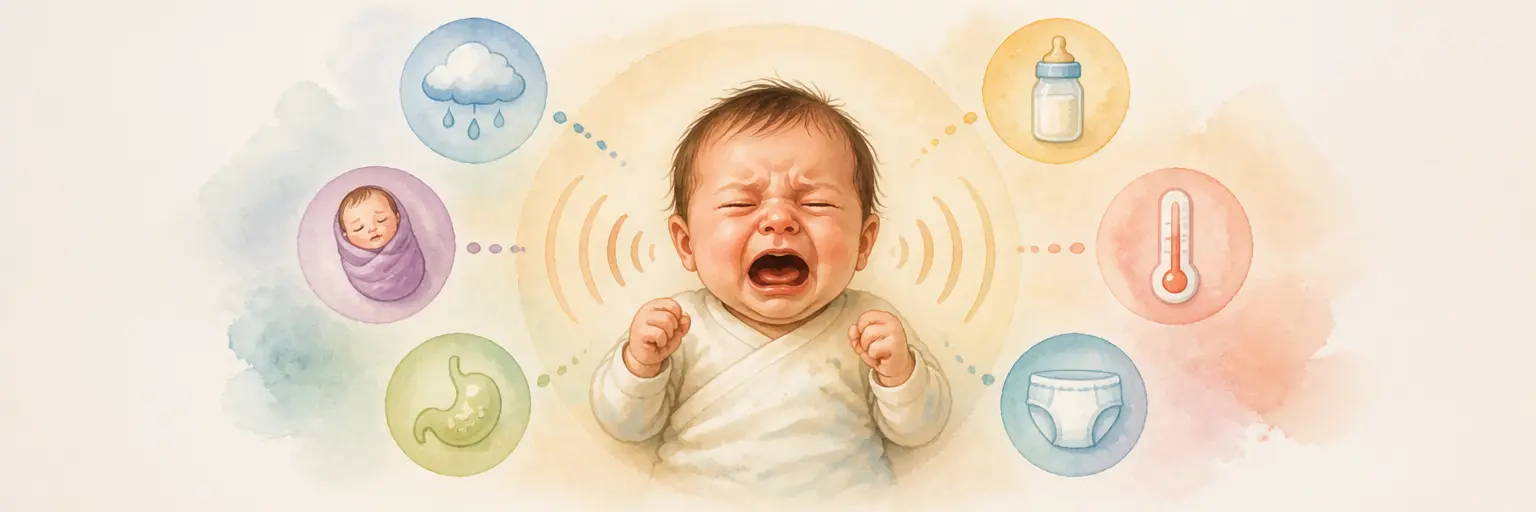
The Power of Observation: Recognizing Subtle Cues Before Your Baby Cries
Learn to understand your baby’s cries and early communication cues with confidence 👶💬. Discover what different cries, facial expressions, movements, and sounds may mean, from hunger and tiredness to discomfort or the need for comfort. With practical newborn care tips and gentle guidance, BabyCareHub helps first-time parents respond calmly, strengthen bonding, and support healthy emotional development. Decode your baby’s signals and feel more confident every step of the way.
6 articles
Decoding the Cries of a Premature Baby: What You Need to Know
Beyond Crying: Recognizing Your Baby's Early Communication Attempts
Why Is My Baby Crying? A StepbyStep Guide to Decoding Different Cry Sounds
Baby Cry Patterns: A Practical Guide to Recognizing Common Distress Signals
Baby's Body Language: How to Understand NonVerbal Communication Cues
👶 Understanding Baby Cries and Communication
Welcome to BabyCareHub’s guide to understanding baby cries and communication, a helpful newborn basics resource for first-time parents. Babies use crying, facial expressions, body movements, sounds, and eye contact to communicate their needs before they can speak. Learning to recognize these early signals can help you respond with greater confidence to hunger, tiredness, discomfort, overstimulation, and the need for comfort. Explore practical, reassuring guidance on newborn crying patterns, infant cues, baby body language, soothing techniques, and early communication development.
🍼 Recognizing Different Types of Baby Cries
Not every cry means the same thing. A hungry newborn may make short, rhythmic cries, while an overtired baby may cry intensely and become difficult to settle. Parents can learn to observe the pitch, rhythm, volume, and timing of a baby’s cry along with other signs, such as rooting, clenched fists, kicking, or turning away.
This subcategory explains common reasons babies cry, including hunger, wet diapers, tiredness, gas, temperature changes, boredom, and the need for closeness. You will also learn why crying patterns can vary from baby to baby and how to respond calmly without expecting yourself to identify every cry perfectly.
🤍 Understanding Newborn Body Language
Babies communicate long before they use words. Their facial expressions, hand movements, posture, eye contact, and body position can reveal whether they are comfortable, engaged, tired, overwhelmed, or ready to feed. Recognizing these early infant communication cues may help you meet your baby’s needs before crying begins.
Expect practical information about signals such as rooting, hand-to-mouth movements, yawning, staring, arching the back, turning the head away, and relaxed arms. Understanding newborn body language supports responsive parenting and helps create a stronger parent-baby bond.
😴 Identifying Hunger and Tiredness Cues
Many parents wait for crying before feeding or helping a baby sleep, but crying is often a later communication signal. Early hunger cues may include stirring, lip smacking, rooting, and bringing hands toward the mouth. Early tired signs can include yawning, reduced eye contact, fussiness, jerky movements, and rubbing the face.
Learn how to tell the difference between newborn hunger cues and sleep cues, especially when signs overlap. This guidance can support smoother feeding routines, more timely naps, and a calmer approach to newborn care without relying on rigid schedules.
🌙 Soothing a Crying Baby Safely
When your baby cries, simple calming strategies may help. Gentle holding, skin-to-skin contact, swaddling when appropriate, quiet singing, slow rocking, feeding when hungry, burping, and checking the diaper can all provide comfort. A calm environment may be especially useful when your baby is overstimulated.
BabyCareHub focuses on safe newborn soothing methods and realistic expectations. You will learn how to try one strategy at a time, watch your baby’s response, and stop when your baby shows signs of distress. If you feel overwhelmed, place your baby safely on their back in an empty crib and take a brief pause; never shake a baby.
👀 Building Early Parent-Baby Communication
Communication develops through everyday interactions. Talking, smiling, imitating sounds, reading aloud, singing, and responding to your baby’s expressions help establish early language and social skills. Even newborns benefit from hearing a familiar voice and experiencing warm, attentive responses.
Discover age-appropriate ways to encourage early baby communication, including face-to-face interaction, turn-taking sounds, gentle narration, and shared attention. These simple activities can strengthen attachment while supporting listening, emotional development, and future speech skills.
🚑 When Baby Crying May Need Medical Attention
Most crying is normal, but a sudden change in crying, an unusually weak or high-pitched cry, or crying that cannot be soothed may require medical advice. Parents should also pay attention to symptoms such as fever, breathing difficulty, poor feeding, repeated vomiting, unusual sleepiness, injury, or fewer wet diapers.
This section helps you recognize warning signs in a crying newborn and understand when to contact a healthcare professional. If you believe your baby is seriously unwell or having trouble breathing, seek urgent medical care immediately. Trust your instincts and speak with your pediatrician when something does not seem right.
❓ Frequently Asked Questions About Baby Cries and Communication
Why do newborn babies cry so much?
Newborns cry because crying is their main way to communicate. Common causes include hunger, tiredness, discomfort, gas, a wet diaper, temperature changes, overstimulation, or the need for physical closeness. Some babies also experience periods of increased crying during the first few months. If the crying seems unusual or occurs with concerning symptoms, contact a healthcare professional.
How can I tell if my baby is crying from hunger?
Look for early feeding cues before intense crying begins. These may include rooting, lip smacking, sucking on hands, opening the mouth, stirring, and turning toward the breast or bottle. Crying can be a late hunger cue, so responding to earlier signs may make feeding easier.
What is the best way to calm a crying baby?
Check basic needs first, including hunger, diaper changes, temperature, and the need to burp. You can then try holding your baby close, using skin-to-skin contact, gently rocking, speaking softly, or reducing noise and light. Always use safe sleep practices and never shake a baby. If you feel frustrated, place your baby safely in the crib and ask another trusted adult for help.
When should I worry about my baby’s crying?
Seek medical advice if crying is sudden, persistent, unusually high-pitched, weak, or different from your baby’s normal pattern. Contact a healthcare professional promptly if crying occurs with fever, breathing problems, poor feeding, repeated vomiting, a swollen abdomen, injury, unusual lethargy, or significantly fewer wet diapers.
How can I encourage communication before my baby talks?
Respond to your baby’s sounds and expressions, make eye contact, smile, talk, sing, read aloud, and imitate gentle coos. Pause to give your baby a chance to respond, creating early turn-taking. These everyday interactions support bonding, listening skills, social development, and future language learning.