
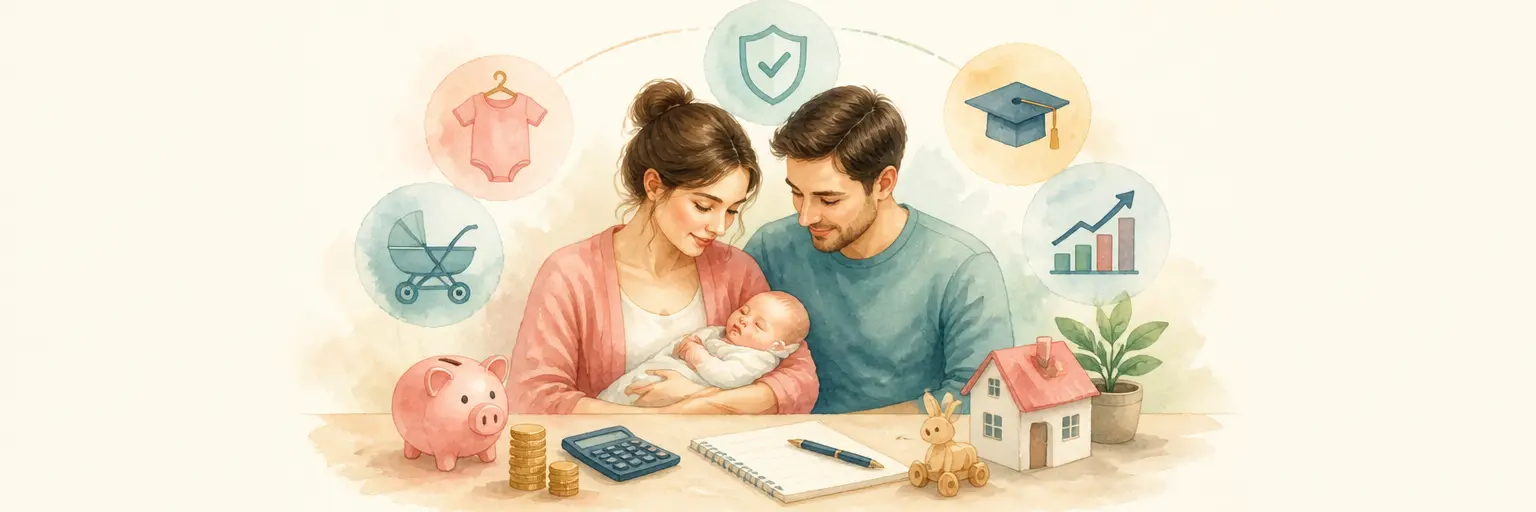
The Baby Financial Checkup: Regularly Reviewing Your Finances
Prepare confidently for your baby’s future with practical financial planning for a new baby 👶💰. Discover smart ways to budget for newborn essentials, healthcare, childcare, parental leave, education savings, and unexpected expenses. BabyCareHub offers clear, first-time-parent guidance to help you build a realistic baby budget, reduce financial stress, and create a secure foundation for your growing family.
5 articles
Preparing for Multiple Babies: Financial Planning for Twins
Baby Gear on a Dime: Saving Money on Essentials
Government Grants for Babies: Exploring Available Programs
Maternity Leave Money: How to Prepare for Reduced Income
💰 Financial Planning for a New Baby: A Practical Guide for New Parents
Preparing financially for a new baby is an important part of building a confident, secure start to family life. At BabyCareHub, this subcategory helps first-time parents understand the real costs of having a baby, create a realistic newborn budget, and plan for both immediate expenses and long-term financial needs. Explore practical guidance on baby essentials, medical costs, childcare, parental leave, insurance, savings, and household budgeting so you can make informed decisions without unnecessary stress.
🍼 Understanding the Cost of a New Baby
Newborn expenses can include hospital and healthcare bills, diapers, formula or breastfeeding supplies, clothing, a crib, car seat, stroller, and other baby essentials. This section explains how to estimate one-time purchases and recurring monthly costs while helping you separate necessities from optional products.
Readers can expect practical advice for creating a baby expense checklist, comparing prices, planning for unexpected costs, and identifying areas where families may save money. A clear overview of newborn costs makes it easier to prepare for parenthood with realistic expectations.
📊 Creating a Newborn Budget
A detailed newborn budget can help you manage household income while preparing for changing expenses. Learn how to list current bills, estimate baby-related spending, track purchases, and build a flexible monthly plan that works before and after the baby arrives.
This guidance covers budgeting for baby essentials, prioritizing urgent purchases, reducing unnecessary spending, and reviewing your plan as your baby grows. Parents can also discover simple budgeting methods, including weekly spending reviews and dedicated savings categories.
🏥 Planning for Medical and Healthcare Expenses
Pregnancy, delivery, pediatric visits, vaccinations, prescriptions, and emergency care may all affect your family finances. This section explains how to review health insurance coverage, understand deductibles and copayments, and prepare questions for your insurance provider or healthcare team.
Expect helpful information about adding a newborn to a health plan, organizing medical documents, setting aside money for healthcare, and checking eligibility for available assistance. Early healthcare planning can reduce surprises and support timely medical care for your baby.
🏠 Preparing for Childcare and Parental Leave
Childcare is often one of the largest ongoing costs for new parents. Explore how to compare daycare centers, in-home care, family support, and nanny services while considering location, hours, availability, safety, and total cost.
This section also helps parents plan for parental leave and possible changes in income. You will find strategies for calculating leave-related expenses, discussing workplace benefits, and building a financial cushion before returning to work.
🛒 Saving Money on Baby Essentials
Preparing for a baby does not require buying every product advertised to new parents. Learn how to create a prioritized baby shopping list, identify reliable secondhand items, compare brands, and use registries, coupons, sales, and community resources wisely.
Readers can also learn which products should generally be purchased new for safety reasons and which items may be safely borrowed or bought used after careful inspection. Smart baby shopping helps protect your budget without compromising comfort or safety.
💳 Building an Emergency Fund for Your Family
An emergency fund can provide valuable protection when unexpected medical bills, reduced work hours, home repairs, or urgent baby needs arise. This section explains how to choose a savings goal and start building a fund gradually, even with a limited income.
Discover practical ways to automate savings, reduce recurring expenses, and keep emergency money accessible. A dedicated financial reserve can give new parents greater confidence during the unpredictable early months of newborn care.
🎓 Long-Term Financial Planning for Your Child
Once immediate newborn expenses are organized, parents may begin thinking about longer-term goals such as life insurance, retirement savings, education funds, and estate planning. This section introduces key considerations without requiring families to make every decision at once.
Learn how to balance your child’s future needs with your own financial stability. A strong long-term plan usually begins with manageable steps, including reviewing beneficiaries, protecting household income, and setting realistic savings priorities.
❓ Frequently Asked Questions About Financial Planning for a New Baby
How much money should I save before having a baby?
There is no single amount that works for every family, but it is helpful to estimate your expected medical costs, baby purchases, parental leave income changes, and childcare expenses. Aim to create a realistic budget and save as much as possible toward an emergency fund before the baby arrives.
What are the most important baby items to budget for?
Common priorities include a safe car seat, a suitable sleep space, diapers, feeding supplies, basic clothing, healthcare costs, and transportation. Focus first on safety and daily essentials, then add optional products as your budget allows.
When should I add my newborn to health insurance?
Contact your insurance provider before delivery to learn the enrollment deadline and required documents. Many plans provide a limited period after birth to add a newborn, so completing the process promptly can help avoid coverage problems.
How can I reduce the cost of preparing for a baby?
Create a needs-based shopping list, compare prices, use reputable secondhand items when appropriate, accept practical hand-me-downs, and avoid buying products before you know whether you will use them. A baby registry can also help family and friends contribute useful essentials.
Should I prioritize an emergency fund or savings for my child’s future?
In most cases, parents should first focus on essential bills, high-priority debt, insurance, and an emergency fund. Once your household has a stable financial foundation, you can gradually add long-term savings for education or other future goals.