
Preparing for Multiple Babies: Financial Planning for Twins


Welcome to BabyCareHub, your ultimate guide to navigating the incredible journey of parenthood! Are you expecting twins and feeling overwhelmed by the financial implications? We understand. That's why we've created a detailed guide on Twins Baby Budget Planning, offering practical strategies and expert advice to help you prepare for the arrival of your little bundles of joy. Discover how to effectively manage the unique financial challenges of raising twins, ensuring you can provide them with the best possible start. Let's dive in and explore the possibilities together!
- Understanding the Unique Financial Challenges of Twins Baby Budget Planning
- Developing a Realistic Twins Baby Budget: A Step-by-Step Guide
- Exploring Financial Assistance Programs for Twins
- Long-Term Financial Planning for Twins: Investing in Their Future
- Strategies for Saving Money with Twins
- Managing Debt and Building Financial Stability with Twins
- Frequently Asked Questions
- Final Reflection: Navigating the Double Blessing: Financial Wisdom for Twin Parents
- Ready to Tackle the Finances of Having Twins?
Understanding the Unique Financial Challenges of Twins Baby Budget Planning
Welcoming twins into your life is a joyous occasion, filled with double the love and double the… expenses! While the emotional rewards are immeasurable, the financial realities of raising twins significantly differ from raising a single child. This comprehensive guide focuses on Twins baby budget planning, providing a realistic framework to navigate the unique financial challenges and ensure you're well-prepared for the arrival of your little bundles of joy.
We'll delve into the increased initial costs associated with acquiring essential baby gear, and the significantly higher ongoing expenses related to feeding, clothing, and childcare for two infants. Understanding these financial aspects early on will help alleviate stress and allow you to make informed decisions as you embark on this incredible journey of parenthood. Remember, meticulous planning is key to navigating the financial demands of raising twins, ensuring both your babies' well-being and your family's financial stability.
Let's explore the crucial aspects of creating a robust budget tailored for your twins. 🎉
Increased Initial Costs: Preparing for Double the Baby Gear
The initial investment required for twins is substantially higher than for a single baby. You'll need two of practically everything: cribs, strollers, car seats, bassinets, changing tables, high chairs, and so on. This doubles (or even triples, depending on your choices) the costs associated with acquiring essential baby gear. Consider the following:
- Double the Cribs/Bassinets: Two cribs, or bassinets, will be needed, potentially requiring investment in two separate nursery setups or creative space-saving solutions.
- Strollers and Car Seats: Investing in a double stroller and two car seats (or a double car seat) is a significant upfront expense, but crucial for safe and convenient transportation. Research different options carefully to find the best fit for your lifestyle and budget.
- Clothing: While you might find some hand-me-downs, you'll still need a considerable amount of newborn and infant clothing for two babies. Consider buying in bulk or exploring more affordable options.
- Feeding Supplies: Whether breastfeeding or formula feeding, you'll need double the bottles, pumps, sterilizers, and other feeding accessories.
To mitigate these costs, consider:
- Buying used: Look for gently used items in good condition from friends, family, or online marketplaces.
- Registering strategically: Create a baby registry that prioritizes essential items and includes a mix of new and used options.
- Seeking financial assistance: Explore potential financial aid programs or support groups offered by your community or healthcare providers. Many resources are available to families expecting multiples.
Higher Ongoing Expenses: Diapers, Formula, and Clothing Costs for Twins
Beyond the initial expenses, the ongoing costs of raising twins are considerably higher. Diapers, formula (or breastfeeding supplies), and clothing are just a few examples of expenses that will quickly accumulate.
- Diapers: Twin babies will go through a staggering number of diapers each month. Bulk buying or subscription services might offer some cost savings. Consider cloth diapers as a more environmentally friendly and potentially cost-effective long-term solution, although the initial investment is higher.
- Formula (or Breastfeeding Supplies): If formula-feeding, the cost of formula for two babies will be substantial. If breastfeeding, you might need to invest in a high-quality double electric breast pump, and potentially additional nursing supplies.
- Clothing: As twins grow, you'll need to constantly replenish their wardrobe. Consider purchasing larger sizes to get more use out of each item.
- Childcare: The cost of childcare for two infants can be astronomical. Explore different options such as family assistance, daycare centers, or in-home care, and factor these costs into your budget meticulously.
Planning for these ongoing expenses requires careful budgeting and prioritizing. Tracking your spending and setting realistic financial goals will help you manage the costs effectively and avoid unnecessary financial stress. Remember, seeking support from family, friends, or financial advisors can make a huge difference in navigating these challenges successfully. 👶👶
Developing a Realistic Twins Baby Budget: A Step-by-Step Guide
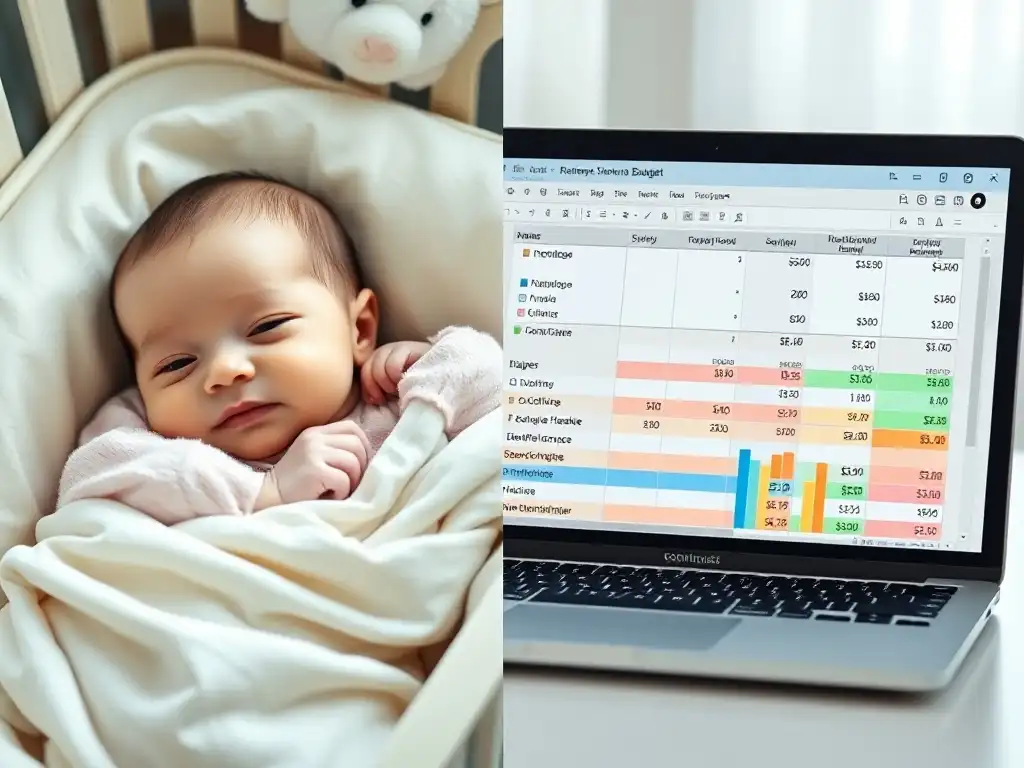
Planning a budget for twins requires a more comprehensive approach than for a single child. The expenses are essentially doubled, but not always exactly. This section provides a detailed breakdown to help you create a realistic budget and navigate the financial aspects of welcoming twins into your family. Strategic planning, careful consideration of expenses, and proactive budgeting are key to minimizing financial stress and maximizing your enjoyment of this special time. This guide focuses on "Twins baby budget planning" to help you effectively manage your resources.
Estimating Essential Expenses: A Comprehensive Twins Baby Budget Checklist
Creating a comprehensive twins baby budget checklist is crucial for effective financial planning. The expenses are significantly higher than for a single baby, so meticulous planning is essential. This checklist covers major expense categories and provides realistic estimates. Remember, these are averages and your actual costs may vary depending on your location, lifestyle, and choices.
| Expense Category | Estimated Monthly Cost (per twin) | Total Monthly Cost (both twins) | Notes |
|---|---|---|---|
| Diapers | $50 - $100 | $100 - $200 | Consider bulk buying or cloth diapering to save money. |
| Wipes | $15 - $30 | $30 - $60 | Similar to diapers, bulk buying can reduce costs. |
| Formula (if not breastfeeding) | $100 - $200 | $200 - $400 | This can vary greatly depending on the type of formula and baby's consumption. |
| Baby Food (starting at 6 months) | $50 - $100 | $100 - $200 | Costs increase as babies start eating more solid foods. |
| Clothing | $50 - $100 | $100 - $200 | Hand-me-downs or buying used clothing can significantly reduce costs. |
| Healthcare (excluding insurance) | $25 - $75 | $50 - $150 | This covers over-the-counter medications and occasional doctor visits. |
Remember to factor in unexpected costs! Having a contingency fund for unforeseen medical expenses or other emergencies is highly recommended. A good rule of thumb is to have at least 3-6 months of expenses saved.
Healthcare Costs for Twins: Insurance Coverage and Potential Expenses
Healthcare costs for twins can be substantial. Understanding your insurance coverage is paramount. Review your policy carefully to determine your co-pays, deductibles, and what services are covered. Premature birth or other complications can lead to significantly higher medical bills. Explore options such as high-deductible health plans with a health savings account (HSA) to potentially lower monthly premiums. Consider the costs associated with regular checkups, vaccinations, and potential medical emergencies. These costs can easily exceed the budget for a single child, so careful planning and understanding your insurance policy are crucial for managing expenses effectively.
Childcare Costs for Twins: Exploring Daycare, Nanny, and In-Home Care Options
Childcare for twins significantly increases expenses. Daycare costs for two infants are considerably higher than for one. Explore various options: daycare centers, in-home care, nannies, or a combination. Consider the pros and cons of each option in terms of cost, quality of care, convenience, and flexibility. Research local childcare providers and compare rates. Government subsidies or employer-sponsored childcare assistance programs may be available; investigate these options thoroughly. Finding affordable and reliable childcare for twins requires careful planning and research. This is a major expense that requires careful budgeting and consideration of all available options.
Transportation Costs: Adapting Your Vehicle or Utilizing Public Transport
Transporting twins requires careful consideration. A larger vehicle, like a minivan or SUV, might be necessary, increasing both purchase and running costs. Alternatively, assess the feasibility of using public transport, but be prepared for the logistical challenges of managing two infants on buses or trains. Consider the costs of car seats, strollers (ideally a double stroller! ), and any necessary modifications to your vehicle to accommodate twins. Factor in gas, insurance, and potential maintenance costs. This expense might be minimized through careful planning and possibly sharing carpooling with other parents.
Tracking Your Spending: Budgeting Apps and Spreadsheet Templates for Twins
Effectively tracking your spending is crucial for managing your twins' budget. Utilizing budgeting apps or creating a spreadsheet can provide a clear overview of your income and expenses. Many budgeting apps (Mint, YNAB, Personal Capital) categorize expenses automatically, simplifying tracking. A spreadsheet allows for customization and detailed analysis.
Regularly review your spending to identify areas for potential savings. Tracking expenses helps you stay on budget and identify areas where you might need to adjust your spending habits. This proactive approach ensures that you remain financially stable while caring for your twins. This detailed tracking is essential for successful "Twins baby budget planning."
Identifying Potential Savings: Utilizing Resources and Discounts for Twin Parents
Planning a budget for twins requires careful consideration, but it also presents opportunities to save money. Many resources and discounts are specifically designed to support families with multiples. Savvy parents can significantly reduce expenses by actively seeking them out. Don't underestimate the power of collective buying and strategic planning in this context.
One significant area for savings is diapers. The sheer volume needed for two babies can be daunting, but bulk buying, utilizing subscription services with discounts for larger orders, or exploring cloth diapering can drastically cut costs. Cloth diapering, while requiring an initial investment, can save a substantial amount in the long run, potentially offsetting the upfront cost within a year or less, depending on usage and washing frequency. Research different brands and styles to find the best fit for your family and budget.
Another critical aspect is baby gear. While purchasing two of everything seems unavoidable, consider borrowing or buying used items whenever possible. Many parents are happy to lend or sell gently used cribs, strollers (consider a double stroller! ), bassinets, and other equipment. Online marketplaces and local parent groups are excellent resources for finding these pre-owned items at significantly reduced prices. Remember to thoroughly inspect used items for safety before using them for your babies.
Furthermore, many retailers offer discounts or special programs for parents of multiples. Check with your local stores and online retailers to see what's available. Some stores might have loyalty programs or family discounts that can accumulate significant savings over time. Don't hesitate to inquire about potential discounts—you might be surprised by what's offered. Joining parent groups or online forums dedicated to twins can also connect you with valuable resources and exclusive deals.
Finally, consider food costs. Breastfeeding can lead to significant savings compared to formula feeding, especially for twins. However, even with breastfeeding, increased caloric intake for the mother needs to be factored into the budget. If formula feeding is necessary, look for sales and consider purchasing in bulk to save. Remember to factor in the potential need for additional nutritional supplements for yourself if you choose to breastfeed. Planning ahead and taking advantage of these opportunities can help offset the higher costs associated with raising twins. Remember, every little bit helps when managing a twins' baby budget!
Exploring Financial Assistance Programs for Twins
Having twins significantly increases the financial burden of parenthood. While the joy of welcoming two little ones is immeasurable, the costs associated with diapers, formula, clothing, and childcare can quickly become overwhelming. Fortunately, several resources are available to help families navigate these challenges. This section explores avenues for financial assistance specifically tailored to parents of twins, focusing on government programs and charitable organizations. Effective budgeting for twins requires proactive planning and leveraging these resources. Understanding your eligibility and the application processes is key to accessing this crucial support.
Government Assistance Programs: Eligibility Criteria and Application Process
Navigating the complexities of government assistance programs can feel daunting, but understanding the eligibility criteria and application process is crucial for securing much-needed financial support for your twins. Many programs offer assistance with healthcare, food, and childcare, significantly easing the financial strain. The specific programs and eligibility requirements vary by country and even by state or province. Therefore, it's essential to research the programs available in your specific location.
For example, in the United States, programs like the Special Supplemental Nutrition Program for Women, Infants, and Children (WIC) can provide significant support for families with twins. WIC offers nutritious foods and nutritional counseling to pregnant women, new mothers, and young children. Eligibility is based on income and residency requirements. The application process typically involves providing proof of income, residency, and identification.
Another important program to explore is Medicaid or CHIP (Children's Health Insurance Program). These programs provide healthcare coverage for low-income families and children. The eligibility requirements are similar to WIC, focusing on income and residency. The application process usually involves completing an application form and providing documentation verifying income, residency, and the children's birth certificates.
Remember that eligibility criteria are subject to change. It is always best to check the official websites of the relevant government agencies for the most up-to-date information and to contact them directly with any questions. Careful planning and proactive research can make a huge difference in navigating these programs and securing the necessary support. Don't hesitate to reach out to social workers or community organizations for assistance with the application process.
Charitable Organizations and Foundations Supporting Twin Families
Beyond government assistance, numerous charitable organizations and foundations specifically support families with twins. These organizations often provide financial aid, resources, and a supportive community. Their contributions can range from direct financial assistance for essential expenses like diapers and formula to providing access to support groups and educational resources.
Many of these organizations operate at a local or regional level, so it's beneficial to search online for organizations specific to your area. Some larger national or international organizations may also have programs that offer support to families with twins.
Finding these resources may require some research. A good starting point is to search online using keywords such as "twin parent support," "twin family assistance," or "charitable organizations for twins." You can also reach out to your local hospital's maternity ward or social services department for referrals. They often have connections with local organizations that could provide valuable support.
Remember to thoroughly research any organization before applying for assistance. Look for evidence of their legitimacy and understand their application process and requirements. Joining online forums or support groups for parents of twins can also be an invaluable way to discover helpful resources and connect with other families facing similar challenges. This community support can be as valuable as the financial assistance itself. The emotional and practical support offered by these groups can make a significant difference in navigating the unique demands of raising twins.
Long-Term Financial Planning for Twins: Investing in Their Future

Having twins significantly increases your family's financial responsibilities. While immediate needs like diapers and formula are substantial, long-term financial planning is crucial for securing your twins' future. This involves careful consideration of education costs, potential healthcare expenses, and overall financial security. Proactive planning now will alleviate considerable stress later and ensure your children have the opportunities they deserve. Effective twins baby budget planning requires a holistic approach, encompassing various investment strategies and risk mitigation techniques.
College Savings Plans: 529 Plans and Other Investment Options for Twins
The cost of college education is escalating rapidly. For twins, this expense is effectively doubled. Fortunately, various savings vehicles can help mitigate this burden. 529 plans are a popular choice, offering tax advantages for college savings. These plans allow contributions to grow tax-deferred, and withdrawals are tax-free when used for qualified education expenses. However, understanding the nuances of 529 plans is crucial. For instance, some states offer state-specific tax deductions or credits for contributions to their own 529 plans. Researching your state's specific plan and its benefits is highly recommended.
Beyond 529 plans, other investment options exist. Consider diversified mutual funds or ETFs that offer a mix of stocks and bonds to balance risk and potential returns. The longer your investment horizon (until college), the more you can tolerate riskier investments with higher potential growth.
Remember to consult a financial advisor to develop a personalized investment strategy that aligns with your risk tolerance and financial goals. Diversification is key to mitigating potential losses and ensuring consistent growth over the long term. Proper twins baby budget planning includes actively monitoring and adjusting these investments as your children grow and your financial situation evolves.
Life Insurance and Estate Planning: Protecting Your Family's Financial Future
The arrival of twins significantly increases the importance of life insurance and estate planning. Life insurance provides financial security for your family should something unforeseen happen to you or your partner. With two children, the financial burden of their care and education becomes exponentially greater. Term life insurance, offering coverage for a specific period, is often a cost-effective option, particularly in the early years when the financial strain is most pronounced. However, permanent life insurance, such as whole life or universal life, offers lifetime coverage and a cash value component that can be accessed for various needs.
Estate planning is equally crucial. A well-structured will ensures that your assets are distributed according to your wishes, providing for the care and education of your twins. Consider establishing trusts to manage assets for your children's benefit, ensuring that funds are used responsibly and strategically.
This includes designating guardians for your children, outlining their care arrangements, and clearly defining the allocation of assets for their long-term well-being. This proactive approach to estate planning will provide peace of mind, knowing that your family is financially protected even in the face of unexpected circumstances. Thorough twins baby budget planning should encompass both life insurance and estate planning as integral components of a comprehensive financial strategy.
Strategies for Saving Money with Twins

Having twins significantly increases the financial burden of parenthood. However, with careful planning and resourcefulness, you can mitigate these costs and create a realistic budget for your twins. This section focuses on practical strategies to help you navigate the financial challenges of raising twins and successfully manage your "twins baby budget planning."
Buying Secondhand Baby Gear: Finding Affordable Options for Twins
Buying secondhand baby gear is a fantastic way to save money, especially when you're dealing with the double expenses of twins. The initial outlay for cribs, strollers, car seats, clothing, and other essentials can be staggering. However, many gently used items are available at significantly reduced prices.
Consider these avenues for finding affordable secondhand baby gear:
- Online Marketplaces: Websites and apps dedicated to buying and selling used goods are treasure troves for parents of twins. Search for items like "twin stroller used," "double crib," or "baby clothes bundle twins." Be sure to carefully inspect items before purchasing and ask clarifying questions about the product's condition and history.
- Consignment Shops: These stores specialize in selling gently used baby items, often meticulously inspected and cleaned. They can offer a more curated selection compared to online marketplaces, but prices may be slightly higher.
- Garage Sales and Yard Sales: A classic method for finding deals, garage sales and yard sales can yield surprisingly good finds, especially during seasonal sales. Be prepared to hunt and be patient, but the rewards can be substantial.
- Family and Friends: Don't underestimate the generosity of your network! Reach out to family and friends who may have twins' gear they no longer need.
Remember to prioritize safety when buying secondhand items. Carefully inspect everything for recalls, damage, and proper functionality. A slightly used, safe item is far better than a brand-new, potentially dangerous one. With careful sourcing and inspection, you can significantly reduce your "twins baby budget planning" expenses.
Leveraging your support network is crucial for managing the financial pressures of raising twins. Family and friends can provide invaluable assistance in many ways, directly impacting your "twins baby budget planning."
Consider these ways to utilize your support system:
- Shared Childcare: If possible, arrange for family or friends to help with childcare, even on a part-time basis. This can reduce the need for expensive daycare or nanny services. This shared responsibility can also provide crucial mental and emotional support to parents.
- Meal Preparation: Ask for help with meal preparation. Preparing meals for two infants alongside your own needs is incredibly demanding. Receiving home-cooked meals from family and friends can be a huge stress reliever and save on eating out or relying on expensive meal delivery services.
- Borrowing Essentials: Beyond baby gear, borrowing items like breast pumps, baby carriers, or high chairs can save you significant costs. Create a lending library within your social circle to minimize individual expenses.
- Financial Assistance: In some cases, family and friends might be willing to offer financial assistance directly. This could be in the form of a gift, a loan, or even regular contributions to help cover expenses. Remember to communicate your needs clearly and respectfully. Open communication is key to effectively managing your "twins baby budget planning" with support from loved ones.
Creating a Realistic Spending Plan: Prioritizing Needs over Wants for Twins
Developing a detailed budget is paramount for managing the financial aspects of raising twins. This requires careful prioritization of needs versus wants. A well-structured "twins baby budget planning" system will help you stay on track and avoid unnecessary debt.
Here's a step-by-step guide to building a realistic spending plan:
- Track Your Expenses: For at least a month, meticulously track all your household expenses. This includes rent/mortgage, utilities, groceries, transportation, and any other recurring costs. This provides a baseline for your current financial situation.
- Estimate Twin-Specific Costs: Research the costs of diapers, formula (if not breastfeeding), clothing, healthcare, and other items specific to twins. Remember to double (or nearly double) many expenses compared to a single baby.
- Prioritize Needs: Categorize expenses into "needs" and "wants." Needs include essentials like food, shelter, healthcare, and diapers. Wants are items that are desirable but not essential. Focus your budget on covering needs first.
- Allocate Funds: Allocate a specific amount for each category in your budget. Be realistic and leave some room for unexpected expenses. Consider using budgeting apps or spreadsheets to help you track your spending and stay organized.
- Regularly Review and Adjust: Your budget isn't static; it needs regular review and adjustments. As your twins grow and their needs change, you may need to revise your spending plan.
Creating a realistic budget is a continuous process. By prioritizing needs, utilizing resources, and regularly reviewing your finances, you can successfully manage the financial challenges of raising twins and achieve a sustainable "twins baby budget planning" strategy.
Managing Debt and Building Financial Stability with Twins
Having twins significantly alters your financial landscape. Before the joyous arrival of your little ones, it's crucial to assess your current financial standing and strategize for the increased expenses. This involves honestly evaluating your debt, creating a realistic budget, and building a robust emergency fund. Ignoring these steps can lead to considerable stress and financial instability during a period that should be filled with joy and bonding. Successfully navigating this challenge requires proactive planning and disciplined execution. Let's explore practical strategies to achieve financial stability as you welcome your twins.
Creating a Realistic Budget: Prioritizing Needs and Wants for Twins
Creating a budget for twins requires a meticulous approach. Simply doubling a single-baby budget won't suffice; many expenses increase exponentially. Begin by listing all anticipated expenses, categorized for clarity. This includes:
- Diapers: Expect to use a significantly larger quantity of diapers than with a single baby. Consider bulk buying or subscription services to potentially save money.
- Formula or Breastfeeding Supplies: Whether breastfeeding or formula-feeding, the costs are amplified. Formula costs can be substantial, while breastfeeding requires investment in pumps, bottles, and storage solutions.
- Clothing: Twins require double the clothing, shoes, and accessories. Look for sales, hand-me-downs, or shop at budget-friendly stores.
- Healthcare: Regular checkups, vaccinations, and potential medical emergencies will cost more with two babies. Review your insurance coverage thoroughly.
- Childcare: Finding affordable childcare for two infants is a significant challenge. Explore various options, including in-home care, daycare centers, or family support.
- Gear: Cribs, strollers (possibly a double stroller! ), car seats (two! ), high chairs, and other baby gear will represent a considerable upfront investment. Consider buying used equipment in good condition to save money.
| Expense Category | Estimated Monthly Cost (USD) | Notes |
|---|---|---|
| Diapers | $150 - $250 | Varies greatly depending on brand and baby's needs. |
| Formula/Breastfeeding | $100 - $300 | Formula can be expensive; breastfeeding requires initial equipment costs. |
| Clothing | $100 - $200 | Buying used clothes can significantly reduce expenses. |
| Healthcare | $50 - $200 | Depends on insurance coverage and potential medical needs. |
| Childcare | $1000 - $3000+ | Costs vary widely by location and childcare provider. |
| Other (Gear, Activities) | $100 - $500 | This is a broad category; be specific in your budgeting. |
Remember to prioritize needs over wants. While adorable twin outfits are tempting, focusing on essential items first is crucial for responsible financial management. Regularly review and adjust your budget as needed.
Debt Consolidation Strategies: Reducing Financial Stress with Twins
The arrival of twins might exacerbate existing debt. High-interest debts, such as credit card balances, can quickly spiral out of control. Consider debt consolidation strategies to simplify payments and potentially lower interest rates. Options include:
- Balance Transfer Credit Cards: These cards offer a temporary 0% APR period, allowing you to pay down debt without accruing further interest. However, be mindful of the subsequent interest rate and fees.
- Debt Consolidation Loans: A personal loan can consolidate multiple debts into a single monthly payment, often with a lower interest rate.
- Negotiating with Creditors: Contacting your creditors directly might lead to a modified payment plan, reducing monthly burdens.
Careful planning and disciplined repayment are essential. Prioritize paying off high-interest debts first to minimize overall interest paid. Consider creating a debt repayment plan, outlining the minimum payments and extra amounts you can allocate towards debt reduction each month. The goal is to reduce your debt burden before the twins arrive, minimizing financial stress during this pivotal time.
Building an Emergency Fund: Protecting Your Family's Financial Stability with Twins
An emergency fund is paramount, especially with twins. Unexpected medical expenses, childcare disruptions, or job loss can quickly destabilize your finances. Aim for 3-6 months' worth of living expenses in a readily accessible savings account. This fund acts as a safety net, preventing you from resorting to high-interest debt during emergencies.
Start small and consistently contribute to your emergency fund. Even small, regular contributions add up over time. Automate your savings by setting up recurring transfers from your checking account to your savings account. This ensures consistent progress towards your financial security goal, even amidst the demands of caring for twins. Protecting your family’s financial well-being is an investment in their future, and a crucial step in successfully navigating the financial challenges of raising twins.
Frequently Asked Questions
How much extra will twins cost compared to one baby?
The cost of raising twins is significantly higher than one baby. Expect to roughly double your expenses, particularly in areas like diapers, formula/breastfeeding supplies, and clothing. However, some costs, like childcare, might not exactly double.
What are the biggest budget items for twin parents?
The biggest expenses typically include diapering, feeding, clothing, and childcare. Healthcare costs can also be substantial, especially during the first year. Consider budgeting for two of everything, plus extra for shared items.
Are there any ways to save money when having twins?
Yes! Consider buying used baby items (clothing, cribs, strollers), utilizing hand-me-downs from friends or family, and exploring affordable childcare options. Taking advantage of store coupons and loyalty programs can also help.
What about insurance and healthcare costs for twins?
Healthcare costs for twins can be significant. Review your insurance coverage carefully to understand your out-of-pocket expenses. Look into financial assistance programs if needed and explore cost-effective healthcare options.
How can I create a realistic budget for twins?
Start by creating a detailed list of all anticipated expenses. Use online budgeting tools or spreadsheets to track income and expenses. Remember to build in a buffer for unexpected costs. Consider consulting with a financial advisor for personalized guidance.
The arrival of twins dramatically reshapes family life, and financial preparedness is no longer a luxury but a necessity. The initial shock of doubled expenses can quickly escalate into overwhelming stress if not proactively addressed. This article has highlighted the crucial aspects of budgeting, saving, and resource allocation for parents embarking on this incredible journey.
The impact of twin births extends far beyond the immediate financial strain. It profoundly alters family dynamics, societal expectations, and even personal identity. The sheer logistical challenge of caring for two newborns simultaneously demands a level of organization and resourcefulness that few anticipate. Having twins is like having one baby who never sleeps.
This common sentiment underscores the need for careful planning, not just for the financial aspects, but also for the emotional and physical well-being of the entire family. The long-term implications, from childcare costs to educational expenses, demand a long-term strategic approach to financial management.
You, as a parent facing the prospect of welcoming twins, hold the power to shape your family's future. Take the time to carefully consider the strategies outlined in this article, adapt them to your unique circumstances, and remember that proactive planning is an investment in your family's happiness and security. Don't let the initial wave of excitement overshadow the importance of thoughtful financial preparation. Embrace the challenge, build your support network, and remember that the journey, while demanding, is ultimately filled with immeasurable joy and love.
Ready to Tackle the Finances of Having Twins?
Congratulations on your twins! We hope you found our previous information on budgeting for twins helpful. Now let's put that knowledge into practice. Here's how to get started:
- Create a personalized budget: Download our free budget template (available on the BabyCareHub homepage) and adapt it to your specific needs and expenses. This is the crucial first step to financial security.
- Connect with other parents: Joining a local support group for parents of twins is invaluable. You can share tips, resources, and emotional support, and maybe even find some gently used baby items!
- Share your insights: Help other expectant parents by sharing your most significant financial planning discoveries (or challenges!) in the comments below.
Ready to confidently manage your finances as you prepare for your twins? What's your biggest financial concern, and how do you plan to address it?