
Preventing Skin Infections: A Guide to Good Hygiene


Welcome to BabyCareHub, your ultimate guide to navigating the incredible journey of parenthood! Are you a first-time parent feeling overwhelmed by the sheer volume of information surrounding newborn care? We understand. That's why we've created this comprehensive resource. Discover the secrets to ensuring your little one thrives, starting with our essential guide on newborn baby skin hygiene and preventing those pesky infections. Dive in and unlock the confidence you need to embrace this beautiful, challenging adventure!
- Understanding Newborn Skin and its Vulnerability
- Establishing a Robust Newborn Baby Skin Hygiene Routine
- Preventing Specific Newborn Skin Infections
- When to Seek Professional Medical Advice for Newborn Skin Issues
- Frequently Asked Questions
- Final Reflection: The Enduring Legacy of Healthy Skin
- Unlock Your Baby's Radiant Skin: Take Action Now!
Understanding Newborn Skin and its Vulnerability
Newborn baby skin hygiene is paramount for preventing infections and ensuring your little one's comfort. This comprehensive guide provides essential information on maintaining optimal skin health for your newborn, focusing on practical steps to prevent common skin infections. Navigating the world of newborn care can be daunting, especially for first-time parents. A baby's skin is incredibly delicate and susceptible to various infections, making proper hygiene practices crucial from day one.
This article will equip you with the knowledge and tools to proactively protect your baby's sensitive skin, ensuring a healthy and happy start to their life. We'll explore the unique characteristics of newborn skin, common infections, and the key signs to watch out for, empowering you to take confident action in maintaining your baby's skin health. Remember, early detection and proper hygiene are your best weapons against potential skin problems.
Delicate Skin: Why Newborns are Prone to Infections
Newborn skin differs significantly from adult skin. It's thinner, more permeable, and less acidic (higher pH), making it more vulnerable to infection. The outermost layer, the stratum corneum, is still developing and lacks the full protective barrier of adult skin. This increased permeability allows irritants and pathogens to penetrate more easily, leading to a higher risk of infection. Furthermore, a newborn's immune system is immature, meaning it's less equipped to fight off bacteria and viruses.
This combination of delicate skin and an underdeveloped immune system makes newborns particularly susceptible to various skin infections. The lack of established gut flora also plays a role, impacting the overall immune response and skin health. Understanding these vulnerabilities is the first step in effectively preventing skin infections. Consider this: a minor scratch that might heal quickly on adult skin could easily become infected on a newborn's delicate epidermis.
Common Skin Infections in Newborns
Several common skin infections can affect newborns. These include:
- Diaper Rash: This is perhaps the most common skin problem, often caused by prolonged exposure to moisture and irritants in diapers. Symptoms include redness, inflammation, and sometimes small blisters.
- Eczema (Atopic Dermatitis): A chronic inflammatory skin condition characterized by dry, itchy, and inflamed skin. It often presents as red patches, especially on the face, scalp, and creases of the elbows and knees.
- Impetigo: A highly contagious bacterial infection causing sores and blisters, typically around the nose and mouth. These sores can crust over and become yellowish.
- Fungal Infections (e.g., Candidiasis): These infections, often caused by Candida albicans, can manifest as thrush (in the mouth) or diaper rash (in the diaper area). They are characterized by redness, inflammation, and sometimes a white, cheesy discharge.
- Seborrheic Dermatitis (Cradle Cap): This condition causes yellowish, scaly patches on the scalp. It is generally harmless but can be unsightly.
Understanding these common infections allows parents to better identify potential problems and seek appropriate medical advice when necessary. Early intervention is crucial in preventing complications and ensuring swift recovery.
Identifying Signs of Skin Infection in Your Baby
Recognizing the signs of a skin infection is essential for prompt treatment. While some minor skin irritations are normal, certain symptoms warrant immediate medical attention. These include:
- Persistent redness or inflammation: Redness that doesn't fade after a few hours or spreads rapidly is a cause for concern.
- Pus or discharge: The presence of pus or a yellowish discharge from sores or blisters indicates a bacterial infection.
- Fever: A fever often accompanies systemic infections and should be monitored closely.
- Irritability or fussiness: Your baby may become unusually irritable or fussy if experiencing discomfort from a skin infection.
- Blisters or sores: Multiple blisters or sores that are weeping or crusted over require medical evaluation.
- Difficulty feeding or sleeping: These symptoms can be indirect indicators of discomfort caused by a skin infection.
Remember, if you are unsure about any skin changes on your baby, it's always best to err on the side of caution and consult your pediatrician. Early diagnosis and treatment are key to preventing complications and ensuring your baby's well-being. 👶
Establishing a Robust Newborn Baby Skin Hygiene Routine
This section focuses on creating a practical and effective newborn baby skin hygiene routine to minimize the risk of skin infections. Maintaining good hygiene is paramount for your baby's health and well-being, protecting their delicate skin from irritations and infections. Remember, consistency is key! A regular routine will help you stay on top of things and prevent problems before they arise. We'll delve into specific aspects of this routine, providing you with actionable steps and helpful tips. This information will help you build confidence in caring for your baby’s skin.
Bathing Your Newborn
Bathing your newborn is a crucial element of newborn baby skin hygiene. However, it's important to avoid over-bathing, as this can strip the skin of its natural oils, leading to dryness and irritation. Aim for 2-3 baths per week, unless your baby has soiled themselves extensively. Here's a step-by-step guide:
- Prepare the area: Gather all necessary items beforehand: a soft washcloth, mild baby soap (more on choosing the right soap below), a clean towel, and fresh clothes. Ensure the room is warm and draft-free. Have everything within easy reach to minimize interruptions.
- Water temperature: Test the water temperature with your elbow before placing your baby in the bath. It should be lukewarm, not hot. A comfortable temperature is essential to avoid scalding or discomfort.
- Gentle cleansing: Use a small amount of baby wash, gently lathering the skin with your hands. Focus on the creases and folds in their skin, ensuring you thoroughly clean all areas. Avoid harsh scrubbing.
- Rinse thoroughly: Ensure all soap residue is rinsed off completely. Any leftover soap can irritate your baby's delicate skin.
- Pat dry: Gently pat your baby's skin dry with a soft towel, avoiding rubbing. Gently dab the creases and folds to prevent moisture build-up.
- Moisturize: After drying, apply a fragrance-free baby lotion or moisturizer to keep the skin hydrated and prevent dryness.
Choosing the Right Baby Wash and Soap
Selecting the appropriate baby wash and soap is vital for maintaining optimal newborn baby skin hygiene. Opt for products specifically formulated for babies, as these are less likely to cause irritation or allergic reactions. Here's what to look for:
- Hypoallergenic: Choose hypoallergenic options to minimize the risk of allergic reactions. These products are designed to be gentle on sensitive skin.
- Fragrance-free: Fragrances can be irritating to delicate skin. Avoid products with added perfumes or scents.
- pH-balanced: The pH of your baby's skin is slightly acidic. Choose a pH-balanced cleanser to maintain this natural balance and protect the skin's barrier.
- Avoid harsh chemicals: Steer clear of products containing harsh chemicals, sulfates, or parabens, as these can strip the skin of its natural oils and cause dryness and irritation.
| Feature | Recommended Choice | Unrecommended Choice |
|---|---|---|
| Soap Type | Mild, hypoallergenic, fragrance-free baby wash | Harsh, strongly scented soaps, adult body washes |
| Ingredients | Gentle cleansers, natural oils, emollients | Sulfates, parabens, artificial fragrances, dyes |
| pH Level | pH-balanced formula | Highly alkaline or acidic soaps |
Remember to always check the ingredients list before purchasing any baby wash. If you have any concerns, consult your pediatrician.
Nail Care
Maintaining clean and neatly trimmed nails is an important aspect of newborn baby skin hygiene, preventing scratches and potential infections. Newborn babies' nails can be surprisingly sharp, so regular trimming is essential. Here are some key tips:
- Timing: The best time to trim your baby's nails is when they are asleep or calm. This minimizes the risk of accidental injury.
- Tools: Use baby nail clippers or scissors specifically designed with rounded edges for safety. Avoid using adult nail clippers.
- Technique: Trim nails straight across to avoid ingrown nails. For newborns, it might be easier to gently file down any sharp edges after trimming.
- Safety First: Always ensure a firm grip on your baby's hand or foot to prevent accidental injury. If you feel uncomfortable, ask for help from a partner or family member.
- Frequency: Trim your baby's nails once or twice a week, or more often if needed. Regular maintenance will prevent long nails from scratching delicate skin.
Regular nail care is a simple yet effective way to prevent minor injuries and contribute to overall newborn baby skin hygiene. Remember, patience is key! It may take some practice to master the technique, but with time and care, you will become proficient in this essential task.
Diaper Changing Best Practices
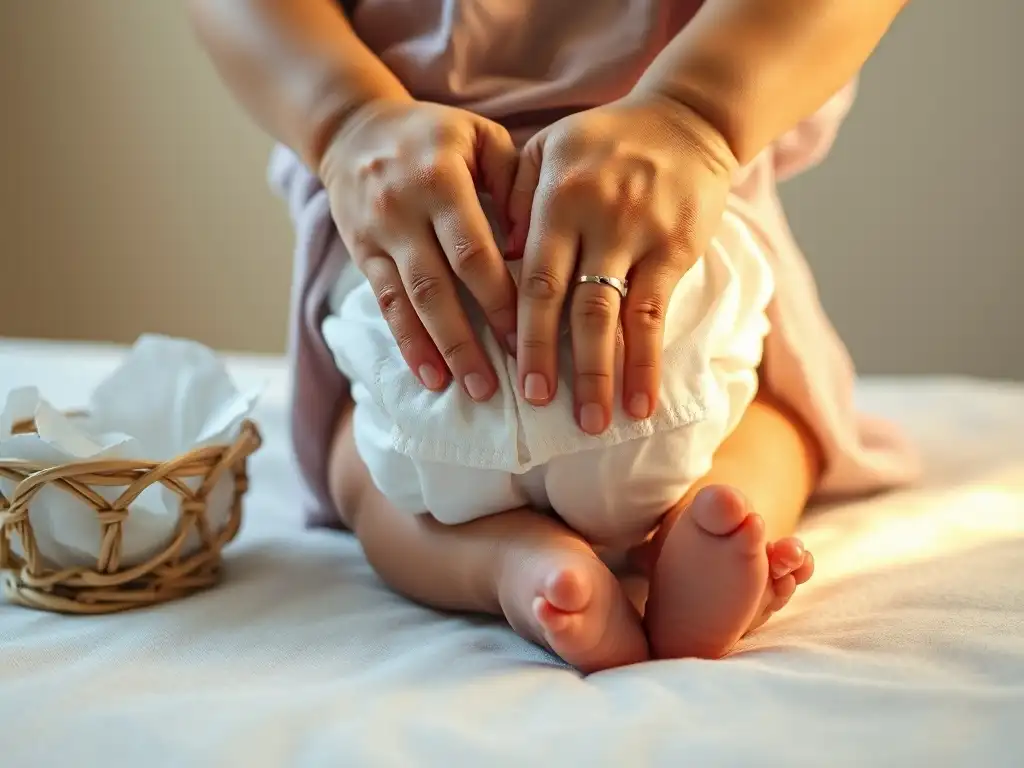
Diaper changing is a cornerstone of newborn baby skin hygiene. Frequent changes are crucial to prevent diaper rash and other skin irritations. Aim to change your baby's diaper every 2-3 hours, or immediately after a bowel movement. This prevents prolonged exposure to urine and feces, which are highly irritating to delicate newborn skin.
The changing process itself should be gentle and efficient. Always have everything you need within easy reach before you begin: clean diaper, wipes (preferably fragrance-free and hypoallergenic), diaper rash cream (if needed), and a clean surface. Lay your baby down on a soft, clean surface – a changing mat or a clean towel on the floor works well. Using one hand to support your baby's head and neck, gently remove the soiled diaper.
Clean the area thoroughly with the wipes, paying careful attention to all creases and folds. Avoid harsh scrubbing, as this can further irritate the skin. Apply diaper rash cream if necessary, focusing on any areas that appear red or irritated. Finally, fasten the new diaper securely but not too tightly, ensuring it doesn't restrict blood flow.
Remember to wash your hands thoroughly before and after each diaper change to maintain hygiene and prevent the spread of germs. Proper diaper changing significantly contributes to healthy newborn baby skin hygiene. Regularly checking for any signs of redness, irritation, or rash is crucial for early detection and treatment.
Dressing Your Baby
Choosing the right clothing for your newborn is vital for maintaining healthy skin. Opt for soft, breathable fabrics like 100% cotton. Avoid materials that are rough, scratchy, or contain harsh chemicals, as these can irritate your baby's sensitive skin. Loose-fitting clothing allows for better air circulation, preventing overheating and reducing the risk of skin irritation.
Overdressing can lead to excessive sweating, creating a moist environment that promotes bacterial growth and increases the chances of developing a rash. Pay close attention to seams and tags on clothing; these can often rub against the skin and cause discomfort or irritation. Consider turning garments inside out to minimize direct skin contact with potentially irritating seams. Regularly check your baby's clothing for any signs of soiling or dampness, and change them immediately if necessary.
This simple practice helps prevent skin problems and keeps your baby comfortable. Remember that your baby's skin is incredibly delicate, so prioritizing soft, breathable fabrics and loose-fitting clothing is a key aspect of effective newborn baby skin hygiene. Regularly washing baby clothes using a gentle, fragrance-free detergent is also recommended to prevent irritation from harsh chemicals.
Preventing Specific Newborn Skin Infections

Newborn babies have delicate skin, making them susceptible to various infections. Maintaining excellent newborn baby skin hygiene is crucial for preventing these issues. This section details specific strategies for preventing common skin infections in newborns. Remember, if you have any concerns about your baby's skin, always consult your pediatrician. Early intervention is key to managing skin problems effectively.
Preventing Diaper Rash
Diaper rash, a common irritation affecting the diaper area, is often caused by prolonged exposure to wet or soiled diapers, friction, and the action of bacteria and yeast. Preventing diaper rash involves proactive measures focused on minimizing these contributing factors.
Several key strategies can significantly reduce the risk of diaper rash:
- Frequent Diaper Changes: Aim to change your baby's diaper every 2-3 hours, or immediately after bowel movements. The quicker you address wet or soiled diapers, the less time irritants have to affect the skin.
- Gentle Cleansing: Use warm water and a soft cloth to clean your baby's bottom during diaper changes. Avoid harsh soaps or wipes, as these can strip away the skin's natural oils, leading to dryness and irritation. Consider fragrance-free, hypoallergenic wipes if necessary.
- Air Drying: Allow your baby's bottom to air dry completely before applying a fresh diaper. Air exposure helps to prevent moisture buildup, a major contributor to diaper rash.
- Barrier Creams: Applying a thin layer of a zinc oxide-based diaper rash cream can create a protective barrier against moisture and irritants. This is particularly helpful for babies prone to diaper rash.
- Proper Diaper Fit: Ensure the diaper fits properly to avoid rubbing and chafing. A diaper that is too tight can also increase irritation. Consider using different diaper brands to find the best fit for your baby.
- Dietary Considerations (Breastfed Babies): For breastfed babies, consider reviewing your diet for potential allergens that might be passed through breast milk and contributing to the rash.
A recent study showed that babies whose diapers were changed every two hours experienced a 75% lower incidence of diaper rash compared to those changed every four hours. This underscores the importance of frequent diaper changes in preventing this common skin problem. 👶
Preventing Cradle Cap
Cradle cap, also known as infant seborrheic dermatitis, is a common skin condition characterized by yellowish, scaly patches on the scalp. While the exact cause isn't fully understood, it's believed to be related to an overproduction of oil by the sebaceous glands. Prevention focuses on maintaining a clean scalp and minimizing irritation.
Here's how to minimize the risk of cradle cap:
- Gentle Scalp Cleansing: Wash your baby's hair gently with a mild baby shampoo 2-3 times a week. Avoid scrubbing vigorously, as this can worsen the condition.
- Soft-Bristled Brush: After shampooing, use a soft-bristled brush to gently remove loose scales. Be extra careful to avoid scratching the delicate scalp.
- Oil Application (Optional): In some cases, applying a small amount of mineral oil or olive oil to the scalp before shampooing can help loosen the scales and make them easier to remove. However, this should be done sparingly and only if recommended by your pediatrician.
- Avoid Harsh Products: Steer clear of harsh shampoos, conditioners, or hair products that may irritate the scalp.
While cradle cap is usually harmless and resolves on its own within a few months, these preventative measures can help minimize its severity and duration. Remember, consistency is key.
Preventing Eczema
Eczema, or atopic dermatitis, is a chronic inflammatory skin condition characterized by dry, itchy, and inflamed skin. While there's no guaranteed way to prevent eczema, minimizing triggers and maintaining healthy skin practices can significantly reduce its severity and frequency.
Strategies for reducing eczema risk include:
- Moisturizing: Regularly moisturizing your baby's skin with a fragrance-free, hypoallergenic moisturizer is crucial. This helps to maintain the skin's barrier function and prevent dryness.
- Avoiding Irritants: Identify and avoid potential irritants such as harsh soaps, detergents, and certain fabrics (e.g., wool). Opt for gentle, hypoallergenic laundry detergents and soft, breathable clothing.
- Temperature Control: Extreme temperatures, both hot and cold, can exacerbate eczema. Maintain a comfortable room temperature and dress your baby appropriately for the weather.
- Short Baths: Keep bath time short (5-10 minutes) and use lukewarm water. Avoid overly hot water, which can dry out the skin.
- Humidifier: Using a humidifier, especially during dry winter months, can help add moisture to the air and prevent skin dryness.
The prevention of eczema is often a holistic approach requiring careful attention to your baby’s environment and skincare routine. Early identification and management are crucial for better outcomes. Always consult your pediatrician for personalized advice.
Addressing Miliaria (Heat Rash)
Miliaria, commonly known as heat rash, is a very common skin irritation in newborns, especially during hot and humid weather. It occurs when sweat ducts become blocked, trapping sweat under the skin. This leads to tiny, red bumps that can be itchy and uncomfortable for your little one. The rash typically appears in areas where skin folds, such as the neck, groin, and armpits, trap heat and moisture. Newborn baby skin hygiene is particularly crucial in preventing and managing miliaria.
Several factors contribute to the development of miliaria in newborns. Overdressing is a major culprit; swaddling too tightly or dressing your baby in excessive layers can trap heat and moisture, leading to blocked sweat ducts. Similarly, high ambient temperatures and humidity create an environment ripe for heat rash development. Infants with sensitive skin are also more prone to miliaria. Understanding these factors allows parents to proactively implement preventative measures.
Effective management of miliaria focuses on keeping your baby cool and dry. Loose-fitting, breathable clothing made of natural fabrics like cotton is essential. Regular bathing with lukewarm water can help remove sweat and prevent further blockage of sweat ducts. Avoid harsh soaps and lotions, as these can irritate the already sensitive skin. Gentle patting, rather than rubbing, is crucial after bathing to prevent further irritation. In some cases, a cool compress applied to the affected area can provide soothing relief from itching.
While miliaria is usually harmless and resolves on its own as the baby cools down, persistent or worsening rashes should be evaluated by a pediatrician. In rare cases, secondary bacterial infections can occur if the rash becomes scratched or irritated. Therefore, keeping your baby's nails trimmed short is a vital aspect of newborn baby skin hygiene in these situations. Regular monitoring and prompt medical attention when necessary are key components in ensuring your baby's comfort and preventing complications. Remember, preventing miliaria relies heavily on maintaining optimal temperature and humidity and employing good newborn baby skin hygiene practices.
When to Seek Professional Medical Advice for Newborn Skin Issues
Newborn baby skin hygiene is crucial for preventing infections, but knowing when a minor irritation warrants professional attention can be challenging for first-time parents. While many skin issues resolve on their own with diligent home care, certain signs indicate the need for immediate medical evaluation. This section outlines key indicators that require prompt consultation with a pediatrician or other healthcare professional. Early intervention is critical for effective treatment and preventing complications.
Recognizing Serious Skin Infections
Recognizing a serious skin infection in your newborn can be difficult, as symptoms can sometimes be subtle. However, several warning signs should prompt immediate medical attention. These include:
- Fever: A temperature above 100.4°F (38°C) rectally is a significant cause for concern, especially when accompanied by skin changes. Fever can indicate a systemic infection, requiring prompt medical intervention.
- Extensive Redness: While some redness is normal with minor skin irritations, widespread, intense redness, particularly if spreading rapidly, suggests a more serious infection. Pay close attention to the area's size and how quickly it's expanding.
- Pus or Drainage: The presence of pus (thick, yellowish-white fluid) or other drainage from the affected area is a strong indicator of infection. This signifies the body's response to bacteria or other pathogens.
- Blisters: Clusters of blisters, especially if accompanied by fever or other symptoms, can signal a more serious infection, such as bullous impetigo or other viral infections. These require prompt medical attention.
- Lethargy or Irritability: If your baby is unusually lethargic, irritable, or feeding poorly, it could indicate a systemic infection related to a skin problem. These behavioral changes should not be ignored.
- Difficulty Breathing: This is a serious sign and requires immediate emergency medical attention. If your baby is having difficulty breathing, seek immediate medical care.
This table summarizes the key signs requiring immediate medical attention:
| Symptom | Severity | Action |
|---|---|---|
| Fever (>100.4°F) | High | Seek immediate medical attention. |
| Extensive Redness | High | Seek immediate medical attention. |
| Pus or Drainage | High | Seek immediate medical attention. |
| Blisters (clusters) | High | Seek immediate medical attention. |
| Lethargy/Irritability | Medium to High | Contact your pediatrician. |
| Difficulty Breathing | Extremely High | Call emergency services immediately. |
Remember, when in doubt, it is always best to err on the side of caution and seek professional medical advice. Early intervention can significantly improve outcomes and prevent potential complications.
Contacting Your Pediatrician
When you suspect a skin problem might require medical attention, contacting your pediatrician is the first step. Having a clear description of the symptoms, including their onset, location, and any other relevant information, is crucial for efficient diagnosis. Keep a record of the affected area's size and any changes you observe over time. This detailed information will assist your pediatrician in providing the most appropriate advice and treatment plan.
Don't hesitate to call even if you're unsure; your pediatrician's expertise is invaluable in assessing your baby's condition. They can often provide guidance over the phone, or schedule an appointment if necessary. Remember, proactive communication is key to ensuring your baby's well-being.
Importance of Early Intervention in Treating Skin Infections
Early intervention is paramount in treating newborn baby skin infections. Delaying treatment can allow the infection to spread, potentially leading to more severe complications. Early diagnosis allows for prompt initiation of appropriate treatment, minimizing the duration and severity of the infection. This not only improves your baby's comfort but also reduces the risk of long-term consequences. Prompt treatment also helps prevent secondary infections and minimizes scarring.
Trust your instincts; if something doesn't seem right, seek professional help immediately. Your proactive approach can make a significant difference in your baby's health and well-being. Remember, a healthy baby is a happy baby! 👶
Frequently Asked Questions
How often should I bathe my newborn?
You should bathe your newborn 2-3 times a week initially. Over-bathing can dry out their delicate skin. Focus on cleaning creases and areas prone to diaper rash.
What soap should I use for my newborn's bath?
Use a gentle, fragrance-free cleanser specifically designed for babies. Avoid harsh soaps and adult body washes, as these can irritate their skin.
My baby has dry skin. What can I do?
Apply a hypoallergenic moisturizing lotion after bathing to help retain moisture. Avoid using products with added fragrances or alcohol. Consider consulting your pediatrician.
How do I clean my baby's umbilical cord stump?
Keep the umbilical cord stump clean and dry. Gently wipe the area with a clean, damp cloth. Contact your doctor if you notice any signs of infection, such as redness or discharge.
What are the signs of a skin infection in a newborn?
Look out for redness, swelling, pus, or rash. If you notice any of these symptoms, consult your pediatrician immediately. Early treatment is crucial to prevent complications.
Final Reflection: The Enduring Legacy of Healthy Skin
Protecting a newborn's delicate skin is not merely a matter of hygiene; it's an act of profound love and preventative care. The seemingly simple practices discussed—consistent cleansing, careful diaper changes, and vigilant monitoring for signs of infection—are the cornerstones of a healthy start to life, significantly impacting a child's overall well-being and development. Neglecting these practices can lead to discomfort, infection, and long-term health complications, highlighting the critical importance of the information presented.
The impact of good skin hygiene extends far beyond the immediate relief of irritation or the prevention of infection. It shapes a child's early experiences, influencing their comfort levels, sleep patterns, and even their parents' confidence in their ability to care for them. This delicate balance between parent and child is profoundly impacted by the health of the newborn's skin. The skin is the largest organ of the body, and its health is fundamental to overall well-being.
This simple truth underscores the significance of the practices detailed in this guide.
Now, consider your own role in this delicate dance of care. You have the power to make a tangible difference in the lives of newborns, whether it's your own child, a grandchild, or simply a friend's baby. Take the knowledge gained here and apply it with confidence and compassion. Remember the importance of consistent, gentle care, and don't hesitate to seek professional advice if you have any concerns. By embracing these practices, you are not just preventing infections; you are actively contributing to a healthier, happier future for the next generation.
Unlock Your Baby's Radiant Skin: Take Action Now!
Thank you for learning about preventing skin infections in your baby! We hope this guide has given you the tools to keep your little one healthy and happy. Now, let's put that knowledge into practice.
- Prioritize gentle daily cleansing: Establish a consistent routine of washing your baby's skin with a mild, fragrance-free cleanser, paying particular attention to creases and folds. This is crucial for preventing infection.
- Share your knowledge: Tell other parents about these simple yet effective hygiene tips. Share your experiences in the comments below!
- Create a personalized hygiene checklist: This proactive step will help maintain a consistent and effective routine, ensuring your baby's skin stays healthy and protected.
Ready to give your baby the gift of healthy, radiant skin? What small changes will you make today to protect your baby's delicate skin?