
Diaper Rash Demystified: Prevention and Effective Remedies

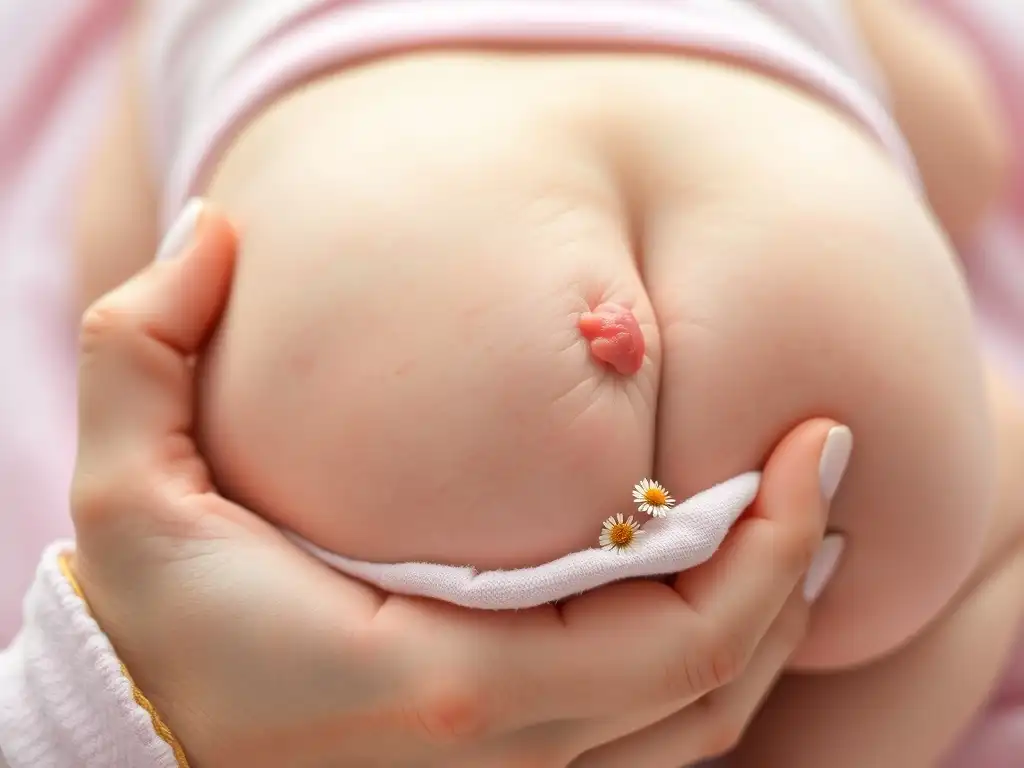
Welcome to BabyCareHub, your ultimate guide to navigating the incredible journey of parenthood! Are you overwhelmed by the challenges of newborn care? Then you've come to the right place. We're dedicated to providing first-time parents with the clear, concise, and actionable advice you need to thrive. This comprehensive resource covers everything from feeding schedules to developmental milestones, and today, we're tackling a common concern: diaper rash. Discover our expert Baby diaper rash treatment guide and learn how to prevent and effectively treat this irritating problem. Let's get started on your path to confident and joyful parenting!
- Understanding Baby Diaper Rash: Causes and Symptoms
- Preventing Diaper Rash: A Proactive Approach
- Baby Diaper Rash Treatment Guide: Effective Home Remedies
- Advanced Baby Diaper Rash Treatment: Seeking Professional Help
- Maintaining Healthy Baby Skin: Long-Term Prevention Strategies
- Baby Diaper Rash: Frequently Asked Questions (FAQ)
- Frequently Asked Questions
- Final Reflection: A Gentle Approach to Baby's Sensitive Skin
- Unlock Your Baby's Comfort: Soothe and Prevent Diaper Rash Now!
Understanding Baby Diaper Rash: Causes and Symptoms
Diaper rash, a common skin irritation affecting many infants, is a significant concern for new parents. This comprehensive guide, designed as a baby diaper rash treatment guide, will equip you with the knowledge and strategies to prevent and effectively treat diaper rash, ensuring your little one's comfort and healthy skin development. We'll explore the underlying causes, identify common irritants, and detail the symptoms ranging from mild to severe.
Learning to recognize these signs early is crucial for timely intervention and preventing complications. This guide will serve as your go-to resource, offering practical advice and empowering you to confidently navigate this common childhood ailment. Remember, while this guide offers valuable information, it's always best to consult your pediatrician for personalized advice and treatment.
Identifying Common Diaper Rash Irritants
Several factors can contribute to the development of diaper rash. Understanding these irritants is the first step in effective prevention. The most common culprits include:
- Prolonged exposure to wet or soiled diapers: Moisture trapped against the skin creates a breeding ground for bacteria and yeast, leading to irritation and inflammation. Frequent diaper changes are paramount.
- Friction from diapers: Rough or ill-fitting diapers can cause chafing and contribute to skin breakdown. Choosing soft, breathable materials is crucial.
- Certain foods in the baby's diet: While less common, certain foods, especially those introduced during the transition to solid foods, can sometimes alter the baby's stool consistency, increasing the risk of rash development.
- Irritant chemicals in diapers or wipes: Fragrances, preservatives, and other chemicals found in some diaper and wipe brands can trigger allergic reactions and exacerbate existing rashes. Opting for fragrance-free and hypoallergenic products is often recommended.
- Infections: Yeast infections (caused by Candida albicans) and bacterial infections can also manifest as diaper rash. These often present with a more severe presentation than typical diaper rash. These need specific treatments.
- Sensitivity to detergents and soaps: Residue from harsh detergents or soaps used to wash baby clothes or bedding can also irritate sensitive skin. Using fragrance-free and hypoallergenic laundry detergents is advisable.
Recognizing the Signs: Mild to Severe Diaper Rash Symptoms
Diaper rash symptoms vary in severity, ranging from mild redness to severe, painful lesions. Early identification is key to appropriate management.
- Mild Diaper Rash: Characterized by redness and slight inflammation primarily in the diaper area. The skin may appear slightly irritated, but generally, the baby doesn't show signs of discomfort beyond mild fussiness during diaper changes.
- Moderate Diaper Rash: More intense redness, with potential swelling and small bumps or blisters. The baby might show more noticeable discomfort during diaper changes, possibly crying or pulling away.
- Severe Diaper Rash: Bright red, inflamed skin with significant swelling, blisters, and possibly weeping sores. The rash may extend beyond the diaper area. The baby will likely experience significant discomfort and may have a fever. A strong, unpleasant odor may also be present, potentially indicating a secondary infection. This often requires medical intervention.
It's important to note that the appearance of the rash can be influenced by the underlying cause. For example, a yeast infection often presents with bright red, satellite lesions (small, red spots surrounding the main rash area).
When to Seek Professional Medical Advice for Baby Diaper Rash
While many diaper rashes resolve with home care, it is crucial to seek professional medical advice in certain situations:
- Severe rash: If the rash is severe, with extensive redness, swelling, blisters, or weeping sores, immediate medical attention is necessary.
- High fever: A fever accompanying the diaper rash suggests a possible infection and requires prompt diagnosis and treatment.
- No improvement after 3 days of home treatment: If home remedies haven't shown improvement within 3 days, consulting a pediatrician is essential to rule out more serious conditions.
- Unusual symptoms: If the rash is accompanied by unusual symptoms such as bleeding, pus, or significant discomfort beyond the expected fussiness during diaper changes, seek medical attention without delay.
- Spread of the rash: If the rash starts spreading beyond the diaper area, it might indicate a more serious underlying condition needing medical evaluation.
Remember, this information is for guidance only. Always consult your pediatrician for personalized advice regarding your baby's health. Early intervention and proper care can significantly reduce discomfort and prevent complications associated with diaper rash. 👶
Preventing Diaper Rash: A Proactive Approach

Preventing diaper rash is significantly easier than treating it. A proactive approach, focusing on diligent diaper changing, proper cleansing, and the right diaper choice, can drastically reduce your baby's risk of experiencing this common discomfort. This section will equip you with the knowledge and strategies to keep your little one's bottom happy and healthy. Remember, a well-executed prevention strategy is the best baby diaper rash treatment guide.
Choosing the Right Diapers: Material and Fit Considerations
The type of diaper you choose plays a crucial role in preventing diaper rash. Not all diapers are created equal! Consider these factors:
- Material: Look for diapers made from breathable materials like cotton or bamboo. These materials allow for better air circulation, keeping the skin dry and reducing the likelihood of irritation. Avoid diapers with excessive fragrances or dyes, as these can be irritating to sensitive skin. Many parents find that disposable diapers with hypoallergenic properties work well, while others prefer the eco-friendly option of reusable cloth diapers. The choice depends on your preferences and lifestyle.
- Fit: A properly fitting diaper is essential. A diaper that's too tight can restrict airflow and increase the chances of chafing, while a diaper that's too loose can lead to leakage and increased exposure to moisture. Ensure the diaper fits snugly but not constrictingly around your baby's legs and waist. Check for any red marks or indentations after changing the diaper, indicating an improper fit. Different brands offer varying sizes and fits; experimenting may be necessary to find the perfect match for your baby.
| Diaper Type | Pros | Cons |
|---|---|---|
| Disposable | Convenient, readily available | More expensive, contributes to landfill waste |
| Reusable (Cloth) | Eco-friendly, potentially cost-effective | Requires washing, potential for leaks |
| Hybrid (Cloth Inserts) | Combines features of both types | Requires some preparation and investment |
Establishing a Regular Diaper Changing Routine
Frequency is key when it comes to diaper changing. Aim to change your baby's diaper as soon as it's soiled, even if it's not completely full. Leaving a wet or soiled diaper on for extended periods significantly increases the risk of diaper rash. This is especially important during nighttime. Consider the following:
- Newborns: Newborns, due to their frequent feedings and bowel movements, might require diaper changes every 1-2 hours or even more frequently.
- Older Infants: As your baby grows, you may be able to extend the time between changes, but always remain vigilant for wetness or soiling.
- Nighttime: While it's not always practical to wake up for every diaper change during the night, try to change the diaper before bedtime and first thing in the morning. Consider using overnight diapers with higher absorbency.
The Importance of Gentle Cleansing: Techniques and Products
Gentle cleansing is paramount in preventing diaper rash. Harsh soaps and wipes can strip the skin of its natural oils, leading to dryness and irritation.
- Water: Plain warm water is often the best option. Gently wipe your baby's bottom clean with a soft cloth or cotton ball.
- Mild Cleanser: If necessary, use a fragrance-free, hypoallergenic baby wash. Avoid harsh scrubs or vigorous rubbing. Always rinse thoroughly with water.
- Wipes: If using wipes, opt for fragrance-free, alcohol-free, and hypoallergenic varieties. Avoid wipes containing preservatives or added chemicals. Consider using reusable, washable cloths instead of disposable wipes to reduce waste and skin irritation.
- Drying: Thoroughly air dry your baby's bottom before applying a fresh diaper. Allowing the skin to breathe is crucial for preventing moisture buildup. Pat gently, avoid rubbing. If using a diaper cream, apply a thin layer after ensuring the skin is completely dry.
This detailed approach to diaper rash prevention, acting as a comprehensive baby diaper rash treatment guide, empowers you to proactively protect your baby's delicate skin and minimize the chances of encountering this common issue. Remember, consistency and attention to detail are key.
Preventing Chafing and Irritation: Clothing and Movement
Choosing the right clothing plays a crucial role in preventing diaper rash. Loose-fitting, breathable fabrics like cotton are ideal. Avoid synthetic materials that trap moisture and heat, increasing the risk of irritation. Think of it like this: your baby's skin needs to breathe just as much as yours does! Opt for diapers that fit properly, but not too tightly. A diaper that's too snug can rub against the skin, leading to chafing and increased friction. Regularly check for any signs of tightness or rubbing.
Movement is also key. While newborns spend a lot of time sleeping, ensuring they have periods of tummy time (always under supervision!) can help improve air circulation around the diaper area. This prevents the build-up of moisture and reduces the chances of skin-to-skin friction.
Even simple changes in position can make a difference. For older babies, consider allowing some diaper-free time in a safe, clean environment to let the skin breathe. This is particularly beneficial during warmer months. Remember to always supervise your baby closely during diaper-free time to prevent accidents.
The goal is to keep the delicate skin of the diaper area as dry and ventilated as possible. This simple step significantly contributes to a reduced risk of diaper rash. Remember that even small adjustments in clothing and movement can have a big impact on your baby's comfort and skin health. Always prioritize comfort and breathability to minimize the risk of diaper rash.
Baby Diaper Rash Treatment Guide: Effective Home Remedies
Dealing with a baby's diaper rash can be distressing for new parents. This section provides a comprehensive guide to effective home remedies for diaper rash treatment, empowering you to manage and alleviate your little one's discomfort. Remember, while these remedies are generally safe and effective, always consult your pediatrician if the rash worsens, persists, or shows signs of infection (e.g., fever, pus).
Gentle Cleansing and Drying Techniques for Baby Diaper Rash Treatment
The cornerstone of diaper rash treatment is gentle, thorough cleansing and meticulous drying. Avoid harsh soaps and wipes, as these can irritate already sensitive skin. Opt instead for fragrance-free, hypoallergenic baby washes or simply warm water.
Here's a step-by-step approach:
- Warm Water Wash: Use lukewarm water to gently cleanse the affected area. A soft washcloth is ideal; avoid scrubbing.
- Gentle Patting: After washing, gently pat the area dry with a soft, clean towel. Avoid rubbing, which can further irritate the skin. Leave the area slightly damp to facilitate cream absorption.
- Airtime: Whenever possible, allow your baby's bottom some "airtime." Diaper-free time, even for short periods, allows the skin to breathe and heal. This is particularly beneficial during warmer weather.
- Frequency: Cleanse the area with each diaper change, paying special attention to creases and folds where moisture tends to accumulate. Consistent cleaning is key to preventing further irritation and promoting healing.
Remember, consistent, gentle cleansing is crucial in the effective treatment of baby diaper rash. Regular cleaning helps remove irritants and prevents further inflammation. Avoid using baby wipes containing alcohol or fragrances, as these can worsen the rash.
Soothing Creams and Ointments: Choosing the Right Product
Many over-the-counter creams and ointments can provide relief from diaper rash. However, choosing the right product is important. Look for products that are:
- Zinc Oxide-based: Zinc oxide creates a protective barrier against moisture and irritation. It's a common and effective ingredient in many diaper rash creams.
- Hypoallergenic and Fragrance-Free: Avoid products with fragrances or harsh chemicals, which can worsen the rash.
- Petrolatum-based: Petrolatum (petroleum jelly) helps create a protective barrier and lock in moisture. It's a simple and effective option for mild rashes.
When applying the cream or ointment, ensure a thin, even layer covers the entire affected area. Avoid applying too much, as this can trap moisture and hinder healing. Always check the product's instructions for specific application guidelines. Some parents find that applying a thin layer of breast milk can also soothe irritated skin. However, always consult your pediatrician before applying alternative remedies. The choice of cream or ointment should be guided by your baby's specific needs and the severity of the rash.
Home Remedies for Diaper Rash Relief
While over-the-counter products are effective, several home remedies can provide additional relief and support the healing process. These are best used in conjunction with proper cleansing and the application of suitable creams or ointments.
- Oatmeal Baths: Adding colloidal oatmeal to your baby's bathwater can soothe irritated skin. The oatmeal's anti-inflammatory properties can help reduce redness and itching. Make sure the water is lukewarm and avoid prolonged bath times.
- Aloe Vera: Aloe vera gel, known for its soothing and healing properties, can be applied to the affected area. However, always test a small area first to ensure your baby doesn't have an allergic reaction.
- Breast Milk: For breastfeeding mothers, applying breast milk directly to the rash can provide a soothing and protective barrier. Breast milk contains antibodies and other beneficial components that can aid in healing.
Remember that while these home remedies can be helpful, they are not a replacement for proper hygiene and the use of appropriate creams or ointments. Always monitor your baby's rash and consult your pediatrician if it doesn't improve or worsens. A proactive approach to diaper rash prevention and treatment is key to keeping your baby comfortable and healthy. This guide provides a comprehensive approach to managing diaper rash, empowering parents with the knowledge and tools needed for effective treatment. Remember, consistent care and attention to detail are crucial in preventing and managing this common problem. 👶
When Over-the-Counter Treatments Aren't Enough: Recognizing Warning Signs
While many diaper rashes respond well to home remedies and over-the-counter treatments, some situations require professional medical attention. It's crucial for parents to be vigilant and recognize warning signs that indicate a more serious issue. Ignoring these signs can lead to complications and potentially worsen the condition. Early intervention is key to effective management and preventing long-term skin damage.
One significant warning sign is the persistence of the rash despite consistent treatment. If you've diligently applied creams and ointments for several days, ensuring proper cleaning and diaper changes, yet the rash shows no improvement or even worsens, it's time to seek medical advice. This could suggest an underlying infection or a more complex skin condition requiring specialized treatment.
Another critical indicator is the presence of fever alongside the diaper rash. A fever often signifies a systemic infection, which needs prompt medical evaluation. This is particularly concerning if the baby exhibits other symptoms like lethargy, irritability, or decreased appetite. These symptoms, in combination with a persistent diaper rash, warrant an immediate visit to the pediatrician.
Furthermore, pay close attention to the severity and appearance of the rash. While mild diaper rash often presents as redness and slight inflammation, severe cases can involve blistering, weeping sores, or significant swelling. The presence of pus-filled blisters or deep, cracked skin is a clear indication of a potential infection requiring antibiotic treatment. Similarly, if the rash spreads beyond the diaper area, it could be a sign of a more widespread skin condition.
Finally, unresponsive pain or discomfort despite treatment should not be ignored. If your baby exhibits significant distress and crying related to the diaper rash area, even with topical treatments, it's essential to consult a doctor. This could indicate a severe infection or a reaction to a specific product. Remember, a baby's inability to communicate their pain effectively necessitates proactive parental observation and intervention. Trust your instincts – if something feels wrong, seek professional medical attention. Early diagnosis and appropriate medical intervention are critical in effectively managing severe diaper rash and preventing potential complications.
Advanced Baby Diaper Rash Treatment: Seeking Professional Help

Even with diligent preventative measures and home remedies, some diaper rashes may require professional medical attention. Persistent, severe, or unusual diaper rashes warrant a visit to your pediatrician. This section focuses on when to seek medical intervention and the types of treatments a pediatrician might prescribe. Recognizing the signs of a more serious issue is crucial for your baby's well-being and contributes to effective baby diaper rash treatment.
Consulting a Pediatrician: When to Seek Medical Intervention
Knowing when to consult a pediatrician about your baby's diaper rash is vital. While mild diaper rash often clears up with home care, several indicators suggest the need for professional medical intervention. These include:
- Persistent rash despite home treatment: If you've tried over-the-counter remedies for several days, and the rash shows no improvement or even worsens, it's time to see a doctor. This indicates the rash might be more complex than initially thought, requiring a different approach to baby diaper rash treatment.
- Signs of infection: Look for signs of infection such as increased redness, swelling, pus-filled blisters, fever, or irritability beyond what's typical for diaper rash discomfort. These symptoms point to a possible bacterial or fungal infection needing specific treatment.
- Unusual appearance: A diaper rash that's unusually bright red, bleeds, has unusual markings, or spreads beyond the diaper area should be evaluated by a medical professional. This might indicate a more serious underlying skin condition.
- Failure to thrive: If your baby is experiencing poor weight gain or other signs of failure to thrive alongside a persistent diaper rash, a thorough medical evaluation is essential. This could indicate an underlying health issue affecting nutrient absorption.
- Severe pain and discomfort: If your baby is exhibiting extreme fussiness, crying excessively, or showing signs of significant discomfort related to the diaper rash, immediate medical attention is warranted. This could indicate severe inflammation or infection.
Remember, early intervention is key to effective baby diaper rash treatment. Don't hesitate to contact your pediatrician if you have any concerns. Their expertise will ensure your baby receives the appropriate care and treatment.
Prescription Treatments for Severe Diaper Rash
If a pediatrician determines that a diaper rash requires prescription treatment, several options are available. These treatments are generally reserved for severe cases or those resistant to over-the-counter remedies. The choice of medication will depend on the cause and severity of the rash.
- Antibacterial ointments: For bacterial infections, a pediatrician might prescribe an antibiotic ointment to eliminate the infection and promote healing. These are typically applied directly to the affected area as directed by the physician.
- Antifungal creams: If a fungal infection (such as yeast) is suspected, an antifungal cream will be prescribed. This type of cream effectively targets the fungus responsible for the rash. Proper application is crucial for success in baby diaper rash treatment.
- Steroid creams: In cases of severe inflammation, a low-potency steroid cream might be prescribed to reduce swelling and discomfort. These creams are usually used for a short period to avoid potential side effects. Always follow the pediatrician's instructions carefully.
- Oral medications: In rare cases, oral medications might be necessary for severe infections or underlying conditions contributing to the diaper rash. This is a last resort, usually reserved for situations where topical treatments prove ineffective.
It's crucial to follow your pediatrician's instructions precisely when using any prescription medication for a diaper rash. Never exceed the recommended dosage or duration of treatment.
Understanding Potential Underlying Conditions Contributing to Diaper Rash
While improper hygiene and infrequent diaper changes are common causes of diaper rash, underlying medical conditions can also contribute. Recognizing these conditions is vital for effective and complete baby diaper rash treatment.
| Underlying Condition | Symptoms | Impact on Diaper Rash |
|---|---|---|
| Food Allergies/Intolerances | Eczema, vomiting, diarrhea, irritability | Can exacerbate rash severity and make it resistant to treatment. |
| Infections (bacterial/fungal) | Pus, blisters, bright red rash, fever | Requires specific antibiotic or antifungal treatment. |
| Diabetic Ketoacidosis | Fruity breath, excessive thirst, frequent urination | Can cause a severe, persistent diaper rash. |
| Irritant Contact Dermatitis | Redness, dryness, scaling in diaper area | Often triggered by harsh detergents or wipes. |
| Seborrheic Dermatitis | Cradle cap, scaly patches, greasy skin | Can extend beyond the diaper area. |
Understanding potential underlying conditions is crucial. If a diaper rash persists despite treatment or presents alongside other symptoms, a thorough medical evaluation is necessary to rule out these possibilities and provide appropriate baby diaper rash treatment. Early diagnosis and treatment of any underlying condition are essential for your baby's overall health and well-being. This holistic approach is key to effective and comprehensive baby diaper rash treatment.
Maintaining Healthy Baby Skin: Long-Term Prevention Strategies

Protecting your baby's delicate skin from diaper rash requires a proactive approach that goes beyond just treating outbreaks. A holistic strategy focusing on preventative measures significantly reduces the likelihood of recurring issues and contributes to overall skin health. This involves careful attention to several key areas.
Developing a Consistent Skincare Routine for Your Baby
Establishing a consistent skincare routine is paramount in preventing diaper rash. This routine should incorporate gentle cleansing and moisturizing, focusing on maintaining the skin's natural barrier. Avoid harsh soaps and wipes containing fragrances, dyes, or alcohol, as these can irritate sensitive skin. Opt for fragrance-free, hypoallergenic baby wipes or washcloths with lukewarm water for cleansing.
After each diaper change, gently pat the skin dry, avoiding harsh rubbing. Apply a thin layer of a fragrance-free, zinc oxide-based diaper rash cream or ointment to protect the skin from moisture and friction. Even without visible redness, this preventative measure strengthens the skin's barrier and minimizes the risk of irritation. Regular application, even during periods without rash, is key to long-term protection. Remember to choose a cream specifically formulated for babies’ sensitive skin.
Consider the frequency of diaper changes. Frequent changes minimize prolonged skin contact with urine and stool, both major contributors to diaper rash. Aim for changes every 2-3 hours, or more often if needed.
Monitoring for Recurring Diaper Rash: Identifying Patterns and Triggers
Even with a robust preventative routine, diaper rash can still occur. Careful monitoring is crucial to identify patterns and potential triggers. Keep a diaper rash journal, noting the frequency, severity, and location of any rash. Document the type of diaper used, the frequency of diaper changes, and any changes in your baby's diet or skincare products. This detailed record helps pinpoint potential triggers.
For example, a sudden increase in diaper rash frequency might correlate with a change in formula, the introduction of solid foods, or the use of a new brand of wipes. Similarly, tracking the location of the rash can provide valuable insights. A rash concentrated primarily in the skin folds might suggest a need for improved air circulation. By identifying patterns, you can proactively adjust your approach to prevent future outbreaks. This proactive approach is vital for effective long-term management of diaper rash.
Educating Yourself on Diaper Rash Prevention and Treatment
Continuous learning is essential for effective diaper rash management. Stay informed about the latest research and recommendations on diaper rash prevention and treatment. Consult your pediatrician or a healthcare professional for personalized advice tailored to your baby's specific needs and any underlying health conditions. They can provide guidance on appropriate skincare products and address any concerns about persistent or severe rashes.
Remember, early intervention is key. If you notice any signs of diaper rash, act promptly. Don't hesitate to seek professional medical advice if the rash worsens, doesn't improve within a few days, or shows signs of infection (such as pus, fever, or increased irritability). Armed with knowledge and a proactive approach, you can significantly reduce the likelihood and severity of diaper rash, ensuring your baby's skin remains healthy and happy. This comprehensive understanding of prevention and treatment is crucial for a successful "baby diaper rash treatment guide."
Baby Diaper Rash: Frequently Asked Questions (FAQ)
This section addresses common concerns parents have regarding diaper rash, providing clear and concise answers to frequently asked questions. We aim to equip you with the knowledge to effectively manage and prevent this common baby ailment. This information complements our comprehensive guide on baby diaper rash treatment, offering practical advice for first-time parents.
How long does it take for diaper rash to clear up?
The duration of a diaper rash depends on several factors, including the severity of the rash, the underlying cause, and the effectiveness of the treatment. Mild diaper rash, often characterized by redness and slight irritation, may clear up within a few days with diligent diaper changes and barrier cream application. However, more severe cases, involving significant redness, blistering, or even bleeding, could take longer—potentially up to a week or even two weeks for complete healing. 1
Several factors influence healing time:
- Severity: A mild rash heals faster than a severe, possibly infected, rash.
- Cause: Fungal diaper rash (caused by Candida) often takes longer to clear than a rash caused by simple irritation.
- Treatment: Prompt and appropriate treatment, including frequent diaper changes, barrier creams, and, if necessary, antifungal medication, significantly speeds up recovery.
- Hygiene: Maintaining impeccable hygiene practices around the diaper area is crucial.
It's important to monitor your baby's rash closely. If it doesn't improve within a few days, or if it worsens, consult your pediatrician. They can assess the situation, rule out secondary infections, and recommend the most appropriate treatment. Remember, patience and consistent care are key to a speedy recovery.
Can I use baby powder to treat diaper rash?
While baby powder might seem like a quick solution for diaper rash, its use is generally discouraged by pediatricians. This is because baby powder, especially talc-based powders, can pose several risks:
- Inhalation: Babies can easily inhale the powder, potentially leading to respiratory problems.
- Irritation: The powder particles can irritate the delicate skin in the diaper area, worsening the rash instead of relieving it.
- Infection: The powder can create a breeding ground for bacteria and fungi, potentially leading to secondary infections.
Instead of baby powder, opt for barrier creams designed specifically for diaper rash. These creams create a protective barrier between the baby's skin and the irritants in urine and feces. Look for creams containing zinc oxide or petroleum jelly, as these ingredients are known for their soothing and protective properties. Always check the ingredients list to ensure the product is suitable for babies' sensitive skin. Remember, prevention is better than cure; frequent diaper changes and keeping the area clean and dry are the best strategies to prevent diaper rash.
What are the long-term effects of untreated diaper rash?
While most diaper rashes resolve without long-term complications, neglecting treatment can lead to several potential issues:
- Secondary Infections: Untreated diaper rash can become infected with bacteria or fungi, leading to more severe symptoms such as increased pain, pus formation, and fever. These infections may require specific medication and could prolong the healing time.
- Skin Damage: Severe, persistent diaper rash can cause significant skin damage, including scarring and skin discoloration. This damage can be particularly concerning in infants with already sensitive skin.
- Pain and Discomfort: Diaper rash can cause significant pain and discomfort for your baby, impacting their sleep, feeding, and overall well-being. Untreated, this discomfort can lead to irritability and fussiness.
- Development of Eczema: In some cases, severe and recurrent diaper rash can contribute to the development of eczema, a chronic skin condition characterized by dry, itchy skin.
It's crucial to address diaper rash promptly and appropriately. If you notice any signs of infection or if the rash doesn't improve despite home treatment, seek medical advice immediately. Early intervention can prevent long-term complications and ensure your baby's comfort and well-being. Remember, a proactive approach to diaper rash care is vital for your baby's healthy skin development.
1 This timeframe is a general guideline and may vary. Individual experiences may differ.
Frequently Asked Questions
What causes diaper rash?
Diaper rash is often caused by prolonged exposure to wet or soiled diapers, irritating the delicate skin. Other factors include friction, allergies, and yeast infections. Proper hygiene is key to prevention.
How can I prevent diaper rash?
Frequent diaper changes are crucial. Use gentle, fragrance-free wipes and a barrier cream to protect the skin. Ensure your baby's bottom is completely dry before putting on a fresh diaper.
What are some home remedies for diaper rash?
Applying a thin layer of petroleum jelly or zinc oxide cream can soothe irritated skin. Air drying the baby's bottom is also beneficial. Severe cases may require prescription medication.
When should I see a doctor about my baby's diaper rash?
Consult a doctor if the rash is severe, doesn't improve after a few days of home treatment, or shows signs of infection (e.g., pus, fever). Blisters or bleeding also warrant immediate medical attention.
What should I avoid when treating diaper rash?
Avoid using baby wipes with harsh chemicals or fragrances. Avoid using powder, as it can irritate the skin and cause further problems. Don't use home remedies without first consulting your pediatrician, especially if the rash is severe.
Final Reflection: A Gentle Approach to Baby's Sensitive Skin
The pervasive problem of diaper rash affects millions of babies worldwide, impacting not only their comfort but also the well-being of their caregivers. Understanding the causes, implementing preventative measures, and knowing effective treatment options are crucial for ensuring a happy and healthy babyhood. This knowledge empowers parents to navigate this common challenge with confidence and ease.
The emotional toll of a diaper rash on both parent and child is often underestimated. The constant discomfort and the worry about potential complications can be incredibly stressful. It's a stark reminder of the delicate balance required to care for a newborn. The most important thing a parent can do is to be present and attentive to their child's needs.
This simple statement encapsulates the essence of effective diaper rash management – proactive care and responsive treatment. The journey of parenthood is filled with such moments, highlighting the importance of readily available, reliable information.
You, as a parent or caregiver, now possess a valuable toolset to tackle diaper rash effectively. Remember the importance of prevention – regular changes, gentle cleansing, and barrier creams are your first line of defense. But equally important is the knowledge that even with the best preventative measures, diaper rash can still occur.
Don't hesitate to seek professional advice if you're unsure or if the rash persists or worsens. Take a moment to reflect on the information presented, and empower yourself to provide the best possible care for your little one. Your proactive approach will not only alleviate discomfort but also foster a stronger bond built on trust and understanding.
Unlock Your Baby's Comfort: Soothe and Prevent Diaper Rash Now!
Thank you for learning about diaper rash prevention and treatment! We hope you feel confident in addressing this common challenge. Ready to put your knowledge into practice?
- Gentle cleansing and barrier cream are key: This is the most effective way to prevent and heal diaper rash. Always choose fragrance-free products.
- Share your diaper rash prevention tips with other parents in our BabyCareHub community forum – your experience could be invaluable to someone else!
- Experiment with different diaper brands and materials to find what best suits your baby's sensitive skin.
What small change will you make today to keep your baby's bottom happy and healthy?