
The Ultimate Guide to Choosing the Right Baby Bath Products

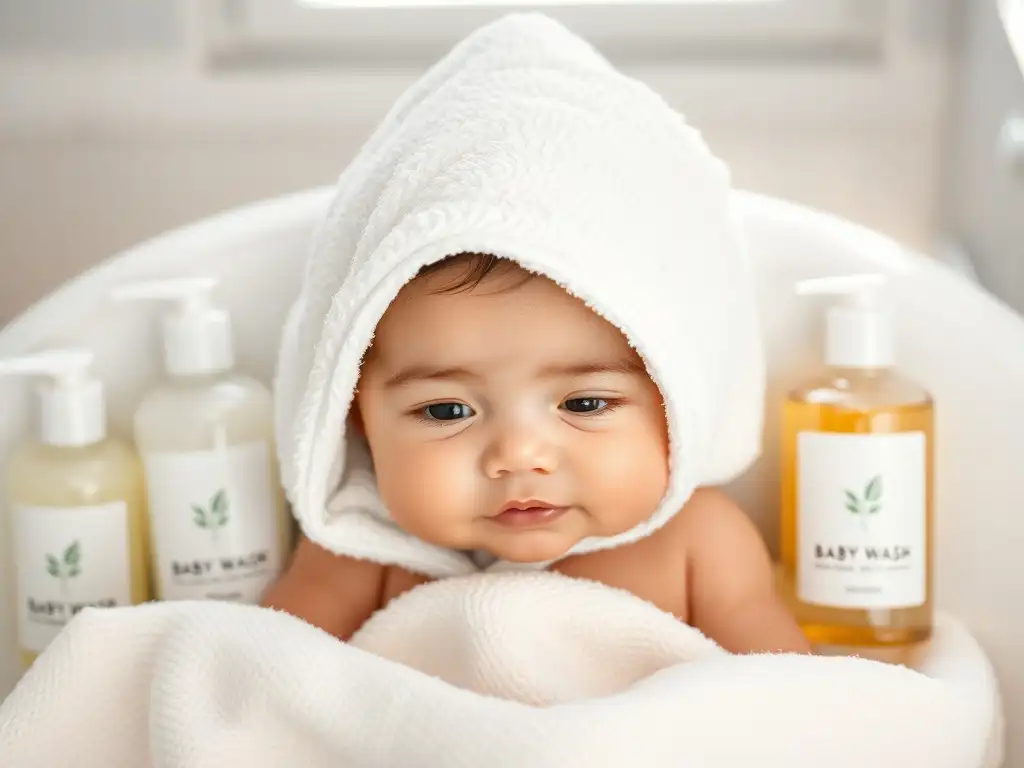
Welcome to BabyCareHub, your ultimate companion for navigating the incredible journey of parenthood! Are you ready to confidently tackle bath time with your little one? We understand the overwhelming choices when it comes to baby bath products, which is why we've created the definitive guide to selecting the best and safest options for your newborn. Discover our expert recommendations and learn how to create a soothing and enjoyable bath experience in our comprehensive Best Baby Bath Products Guide, found under the Newborn Basics section. Let's dive in!
- Understanding Your Baby's Skin
- Essential Baby Bath Product Categories
- Selecting the Best Baby Bath Products
- Step-by-Step Guide to Choosing the Right Baby Bath Products
- Maintaining Baby's Skin Health
- Frequently Asked Questions (FAQ) about Baby Bath Products
- Top Recommendations for Best Baby Bath Products in 2024
- Frequently Asked Questions
- Final Reflection: Nurturing Tiny Humans, One Gentle Wash at a Time
- Unwrap the Secrets to Happy Bath Time!
Understanding Your Baby's Skin
Choosing the right bath products for your newborn is crucial for maintaining their delicate skin's health and preventing irritation. This ultimate guide will walk you through the essential factors to consider when selecting baby bath products, ensuring your little one enjoys a comfortable and safe bath time routine. We'll explore the unique characteristics of baby skin, common skin issues, and how to identify your baby's specific skin type to make informed decisions about the best products for their needs.
This comprehensive guide aims to help you navigate the world of baby bath products with confidence, ultimately contributing to your baby's overall well-being and happiness. Remember, selecting the best baby bath products is about more than just a clean baby; it's about nurturing their skin's health and protecting them from potential irritants. This guide will equip you to make the best choices for your precious little one.
Delicate Baby Skin: Key Characteristics and Concerns
Newborn skin is significantly different from adult skin. It's thinner, more permeable, and less acidic (higher pH), making it more susceptible to dryness, irritation, and infections. The outermost layer, the stratum corneum, is not fully developed at birth, leaving it vulnerable. Several key concerns exist:
- Dryness: A common issue, often exacerbated by frequent bathing or harsh soaps. Dry skin can lead to discomfort and even cracking, increasing the risk of infection.
- Eczema (Atopic Dermatitis): A chronic inflammatory skin condition characterized by dry, itchy, and inflamed patches. Choosing gentle, hypoallergenic products is crucial for managing eczema.
- Irritant Contact Dermatitis: This occurs when the skin reacts to a substance in a bath product, causing redness, itching, and rash. Fragrances, dyes, and certain preservatives are common culprits.
- Sensitivity: Many babies have sensitive skin that reacts easily to harsh chemicals or strong fragrances. Opting for fragrance-free and hypoallergenic products is essential.
Babies' skin also has a unique microbiome, a complex ecosystem of bacteria, fungi, and other microorganisms that play a vital role in skin health. Disrupting this delicate balance with harsh chemicals can lead to various skin problems. Therefore, choosing gentle and natural products is paramount. Remember, a baby's skin is a sensitive indicator of their overall health. Any significant changes or persistent issues warrant a visit to your pediatrician.
Common Skin Issues in Babies
Several common skin issues affect newborns and babies, many of which can be exacerbated by inappropriate bath products. Understanding these conditions helps parents make informed choices about skincare:
- Cradle Cap (Seborrheic Dermatitis): This condition appears as yellowish, scaly patches on the scalp. Gentle cleansing and moisturizing are crucial for management. Avoid harsh scrubbing.
- Diaper Rash: While not directly related to bath products, choosing gentle cleansers can help prevent irritation in the diaper area.
- Heat Rash (Miliaria): Small, red bumps caused by trapped sweat. Keeping the baby cool and using gentle cleansers can help alleviate symptoms. Avoid occlusive products.
- Baby Acne (Neonatal Acne): Small pimples that often appear on the face. Gentle cleansing is usually sufficient; avoid harsh scrubbing or picking.
It’s important to note that while many skin issues are relatively benign, persistent or worsening conditions necessitate consultation with a pediatrician or dermatologist. They can accurately diagnose the problem and recommend the most appropriate treatment plan. Self-treating can sometimes worsen the condition.
Identifying Your Baby's Skin Type
Before selecting baby bath products, understanding your baby's skin type is key. While not always easily categorized, observing your baby's skin can provide valuable insights:
| Skin Type | Characteristics | Product Recommendations |
|---|---|---|
| Normal | Smooth, soft, evenly toned, no dryness or irritation | Gentle, fragrance-free cleansers and moisturizers |
| Dry | Rough, flaky, itchy, possibly cracked | Rich, moisturizing cleansers and creams; avoid harsh soaps |
| Sensitive | Easily irritated, prone to redness and rashes | Hypoallergenic, fragrance-free, and clinically tested products |
| Eczema-Prone | Dry, itchy, inflamed patches | Products specifically formulated for eczema-prone skin |
Observing your baby's skin after bath time is crucial. Look for any signs of dryness, redness, or irritation. If you notice any concerning changes, consult your pediatrician. Remember, choosing the right bath products is an ongoing process that may require adjustments as your baby grows and their skin changes.
Essential Baby Bath Product Categories
Choosing the right baby bath products is crucial for maintaining your little one's delicate skin. This section dives deep into the essential categories, providing insights to guide your selection and ensure your baby's bath time is both safe and enjoyable. We'll explore the key features to look for, helping you navigate the overwhelming array of options available and become confident in making informed choices for your baby's skincare routine. This guide aims to help you find the best baby bath products for your precious little one.
Gentle Baby Wash
A gentle baby wash is the cornerstone of your baby's bath routine. Avoid harsh soaps and detergents that can strip away essential oils, leading to dryness and irritation. Look for products specifically formulated for babies, clearly labeled "hypoallergenic" or "fragrance-free." These terms indicate a reduced risk of allergic reactions. Many parents find that washes with natural ingredients, such as oat extracts or chamomile, are particularly soothing for sensitive skin.
The best baby wash will be tear-free, meaning it won't sting your baby's eyes if it gets in. This is a critical safety feature, making bath time less stressful for both parent and child. Consider the wash's consistency; a creamy, lightly lathering formula is generally preferable to a harsh, overly bubbly one. Pay attention to the ingredient list; avoid products containing sulfates (like sodium lauryl sulfate), parabens, and phthalates, as these are potential irritants.
Remember, a little goes a long way. Use a small amount of wash and focus on gently cleansing your baby's skin, paying particular attention to creases and folds. Always rinse thoroughly to prevent any residue from irritating the skin. Regularly check for any signs of allergic reaction, such as redness, rash, or itching, and discontinue use if any issues arise. Choosing the right baby wash is a key step in establishing a healthy skincare routine.
Moisturizing Baby Lotion
After bath time, moisturizing is key to maintaining your baby's skin's hydration. A good baby lotion should be thick enough to provide a protective barrier but not so thick that it feels greasy or leaves a heavy residue. Look for lotions that contain hydrating ingredients like shea butter, cocoa butter, or glycerin. These natural emollients help to lock in moisture and soothe dry, irritated skin.
The best baby lotions will also be fragrance-free or very lightly scented, minimizing the risk of allergic reactions. Avoid lotions containing artificial colors or fragrances, as these can be irritating to sensitive baby skin. Always apply lotion immediately after bathing while the skin is still damp to maximize its effectiveness. Gently massage the lotion into your baby's skin, focusing on areas prone to dryness, such as the elbows, knees, and ankles.
Consider the lotion's absorption rate. A lotion that absorbs quickly will leave your baby's skin feeling soft and smooth without a sticky or greasy feeling. This is particularly important in warmer months or in humid climates. Regular application of a good moisturizing lotion will help prevent dryness, cracking, and irritation, keeping your baby's skin healthy and happy. Pay close attention to the ingredients and choose a lotion that aligns with your baby's unique needs.
Baby Shampoo
Similar to baby wash, baby shampoo should be incredibly gentle and tear-free. The scalp is particularly sensitive, so choosing a product designed for baby's delicate hair is crucial. Look for shampoos specifically formulated for babies, often labeled as "tear-free" or "no-more-tears." These products are designed to minimize irritation around the eyes.
The best baby shampoos will have a mild, non-irritating formula, often featuring natural ingredients. Avoid shampoos containing harsh chemicals, such as sulfates or strong fragrances. A small amount of shampoo is usually sufficient; lather gently and rinse thoroughly to remove any residue. Over-washing can strip the scalp of its natural oils, leading to dryness and irritation.
Frequent shampooing isn't necessary for babies; once or twice a week is usually enough, unless your baby has particularly oily hair or scalp. Observe your baby’s scalp for any signs of dryness, flaking, or irritation. If you notice any problems, consult with your pediatrician. Choosing the right baby shampoo contributes to the overall health and well-being of your baby's scalp and hair. Remember, a gentle approach is always best when it comes to your baby's delicate skin and hair.
Baby Oil
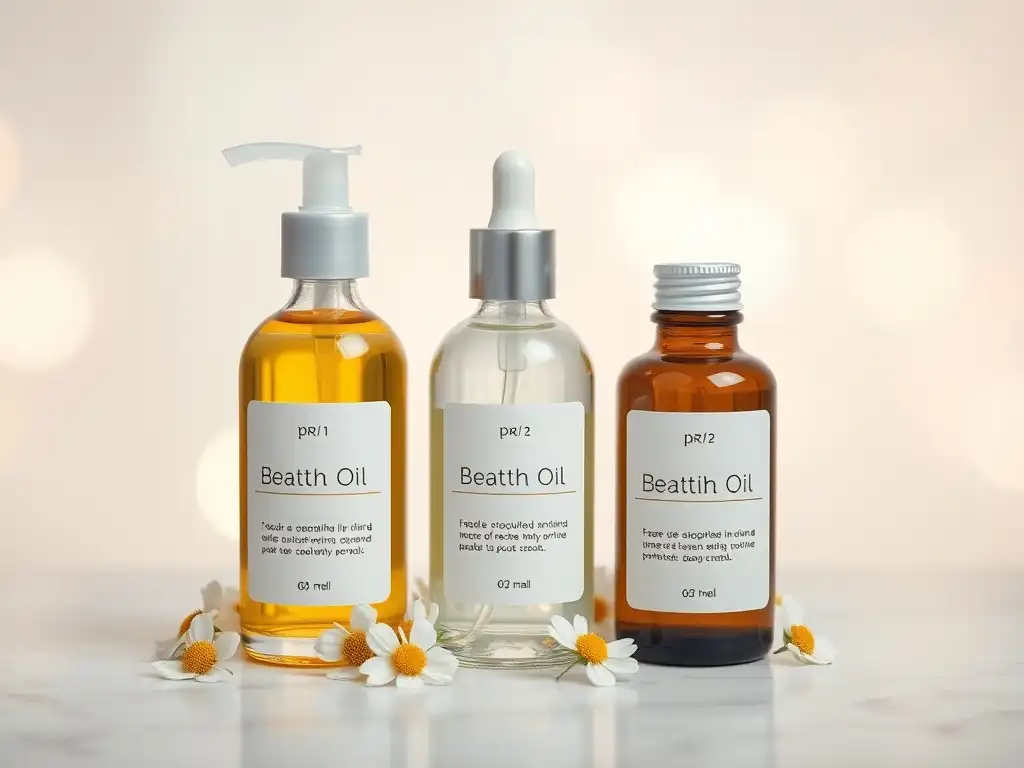
Baby oil is a staple in many baby skincare routines, offering a range of benefits beyond simple lubrication. It's primarily used to moisturize a baby's delicate skin, particularly after bath time when the skin is most susceptible to dryness. The oil creates a protective barrier, locking in moisture and preventing water loss. This is especially crucial for newborns, whose skin is thinner and more prone to irritation than adult skin. Many parents find baby oil helpful in preventing diaper rash by creating a protective layer against chafing and moisture.
Choosing a baby oil requires careful consideration. Look for products that are specifically formulated for babies, indicating hypoallergenic and fragrance-free options. These are less likely to trigger allergic reactions or irritate sensitive skin. Mineral oil-based baby oils are common and generally considered safe, but some parents prefer natural alternatives such as jojoba or almond oil. However, it's crucial to check for any potential allergies before using these alternative oils for the first time.
Always perform a patch test on a small area of skin before applying the oil liberally. This helps identify any potential adverse reactions early on. Remember to consult your pediatrician if you have concerns about a particular oil or notice any unusual skin reactions. The right baby oil can contribute significantly to maintaining your baby's soft, healthy skin, making bath time a truly enjoyable experience.
Baby Powder
Baby powder, traditionally used to absorb excess moisture and prevent diaper rash, has faced scrutiny in recent years due to concerns about talc. While talc-based powders were once commonplace, many manufacturers have shifted towards cornstarch-based alternatives. Cornstarch offers similar absorbency properties without the potential health concerns associated with talc. The main benefit of baby powder remains its ability to absorb moisture, making it useful in preventing diaper rash, particularly in warm and humid climates. It also helps keep the baby's skin feeling dry and comfortable.
However, the use of baby powder, even cornstarch-based, requires caution. Avoid inhaling the powder, as it can irritate the lungs. Apply the powder sparingly and gently, ensuring it doesn't get into the baby's eyes, nose, or mouth. Some parents prefer to skip baby powder altogether, opting for other methods of preventing diaper rash, such as frequent diaper changes and the use of diaper rash creams.
The decision to use baby powder is ultimately a personal one, but understanding its benefits and potential risks is essential for informed decision-making. Always choose cornstarch-based baby powder over talc-based options and follow the manufacturer's instructions carefully for safe and effective use. Remember that other methods, such as diligent diaper changes and barrier creams, are equally effective in preventing diaper rash and might be preferred by some parents for their safety and ease of use.
Selecting the Best Baby Bath Products
This section delves into the crucial aspects of selecting baby bath products, ensuring your little one's delicate skin receives the gentlest and most effective care. Choosing the right products is paramount for maintaining your baby's skin health and preventing irritation. This guide focuses on helping you navigate the myriad of options available, empowering you to make informed decisions. We’ll examine key factors to consider when building your baby's bath time essentials. Remember, a proactive approach to skincare is a crucial element of overall baby wellness.
Ingredient Analysis
Analyzing the ingredient list is the cornerstone of selecting safe and effective baby bath products. Avoid products containing harsh chemicals, artificial fragrances, and dyes. Look for products with simple, recognizable ingredients. Here's a breakdown of what to look for and what to avoid:
- Ingredients to Look For:
- Oatmeal: Soothes irritated skin and possesses anti-inflammatory properties.
- Aloe Vera: Known for its soothing and moisturizing qualities.
- Chamomile: Gentle and calming, often used to alleviate skin redness.
- Calendula: Possesses anti-inflammatory and antiseptic properties.
- Glycerin: A natural humectant, drawing moisture into the skin.
- Ingredients to Avoid:
- Sulfates (SLS/SLES): Harsh detergents that can strip the skin of its natural oils, leading to dryness and irritation.
- Parabens: Preservatives linked to potential hormonal disruption.
- Phthalates: Chemicals used to soften plastics, but potentially harmful to skin.
- Artificial Fragrances: Can trigger allergies and sensitivities in delicate baby skin.
- Formaldehyde: A known carcinogen and irritant.
The following table summarizes the key ingredients and their benefits/risks:
| Ingredient | Benefit | Risk |
|---|---|---|
| Oatmeal | Soothes, anti-inflammatory | Generally safe, rare allergies possible |
| Aloe Vera | Soothing, moisturizing | Rarely causes irritation |
| Chamomile | Calming, anti-inflammatory | Possible allergy in sensitive individuals |
| Calendula | Anti-inflammatory, antiseptic | Rarely causes irritation |
| Glycerin | Moisturizing, humectant | Generally safe |
| Sulfates (SLS/SLES) | Cleaning power | Drying, irritating |
| Parabens | Preservation | Potential hormonal disruption |
| Phthalates | Increased product flexibility | Potential skin irritation, other health concerns |
| Artificial Fragrances | Pleasant scent | Allergy risk, skin irritation |
| Formaldehyde | Preservation | Carcinogen, irritant |
Always check the ingredient list carefully before purchasing any baby bath product. Reading labels thoroughly is the best way to ensure you're providing your baby with the safest and most effective care.
Hypoallergenic and Fragrance-Free Options
For babies with sensitive skin or a family history of allergies, hypoallergenic and fragrance-free options are crucial. These products are formulated to minimize the risk of allergic reactions and skin irritation. Look for products explicitly labeled as "hypoallergenic" and "fragrance-free." Remember that even "fragrance-free" products might contain trace amounts of fragrance from other ingredients, so carefully reading the full ingredient list remains important.
Some brands specialize in products specifically designed for sensitive skin, offering a range of options, including washes, lotions, and creams. Choosing these products can significantly reduce the chance of experiencing adverse reactions. The absence of artificial scents minimizes the risk of triggering allergic reactions and skin irritation, crucial for protecting your baby's delicate skin barrier.
Choosing Products for Specific Skin Conditions
Different skin conditions require different approaches to bathing and skincare. For example:
- Eczema: Babies with eczema benefit from products formulated with gentle cleansers and moisturizing ingredients like colloidal oatmeal and ceramides. Avoid harsh soaps and fragrances. Look for products specifically designed for eczema-prone skin.
- Dry Skin: Moisturizing is key for dry skin. Choose products that contain emollients and humectants to help retain moisture. Apply a moisturizer immediately after bathing while the skin is still damp.
- Diaper Rash: Gentle cleansing is important for diaper rash. Avoid harsh scrubbing and use a mild, fragrance-free cleanser. Allow the area to air dry thoroughly. Consult a pediatrician if the rash persists or worsens.
Remember that if your baby develops any unusual skin reactions, such as persistent redness, rash, or itching, consult your pediatrician immediately. They can diagnose the underlying cause and recommend the appropriate treatment. Early intervention is key to managing any skin condition effectively. Always prioritize your baby's comfort and health. A proactive approach to skincare is essential for ensuring your baby's overall well-being.
Dermatologist-Recommended Brands and Products
Choosing baby bath products can feel overwhelming, but seeking dermatologist recommendations can significantly simplify the process. Many dermatologists advocate for brands that prioritize gentle, hypoallergenic formulas. These often feature minimal ingredients, avoiding harsh chemicals like sulfates, parabens, and artificial fragrances that can irritate delicate newborn skin. Look for products specifically labeled as "hypoallergenic," "fragrance-free," or "dermatologist-tested." Remember, even "natural" products can cause reactions, so always patch test a small area before full application.
Several well-known brands frequently receive positive feedback from dermatologists. These brands often undergo rigorous testing to ensure their products are safe and effective for sensitive skin. While specific brand names cannot be mentioned here to avoid bias, researching brands with a strong reputation for gentle baby products and looking for those endorsed by dermatological organizations can be helpful. Pay attention to reviews, not just from parents, but also from professionals involved in skincare.
A product's reputation within the dermatological community speaks volumes about its safety and efficacy. Remember that a brand's reputation can shift over time, so staying current with professional recommendations is vital. Finally, consider your budget, as some dermatologist-recommended brands are more expensive than others. Prioritize finding a product that aligns with both your budget and your baby's sensitive skin needs.
Reading Product Labels
Understanding baby bath product labels is crucial for making informed choices. Product labels aren't merely decorative; they're a wealth of information about the product's composition and potential effects on your baby's skin. Pay close attention to the ingredient list, which usually appears in descending order by weight. The ingredients listed first are present in the highest concentrations. Look for familiar, easily pronounceable ingredients and be wary of long chemical names you don't recognize. A shorter, simpler ingredient list often indicates a gentler formulation.
Beyond the ingredient list, look for claims such as "hypoallergenic," "fragrance-free," "tear-free," and "pH-balanced." These claims indicate specific product characteristics. "Hypoallergenic" suggests the product is less likely to cause allergic reactions, although no product can guarantee it completely. "Fragrance-free" means the product doesn't contain artificial fragrances, which are common irritants. "Tear-free" is particularly important for shampoos and wash products used near the eyes.
"pH-balanced" refers to the product's acidity level, which should ideally be close to the skin's natural pH to minimize irritation. Always check the expiration date on the product. Using expired products can introduce bacteria or reduce efficacy, potentially harming your baby's skin. Finally, remember to always consult a pediatrician or dermatologist if you have any concerns about a specific product or ingredient. They can provide personalized advice based on your baby's unique needs and skin sensitivities.
Step-by-Step Guide to Choosing the Right Baby Bath Products
This section provides a detailed, step-by-step approach to selecting the best baby bath products for your little one. Remember, a newborn's skin is delicate and requires gentle care. Choosing the right products is crucial for maintaining their skin's health and preventing irritation. This guide will help you navigate the overwhelming world of baby bath products and make informed decisions. We'll focus on finding the best baby bath products for your individual needs.
Step 1: Assessing Your Baby's Skin Needs
Before diving into product research, understanding your baby's unique skin needs is paramount. Newborn skin is incredibly sensitive, prone to dryness, and easily irritated. Observe your baby's skin closely for any signs of dryness, redness, rashes, or eczema.
Some babies may have particularly sensitive skin, requiring hypoallergenic and fragrance-free products. Others might have normal skin that tolerates a wider range of products. Keeping a daily record of any skin reactions can be invaluable when choosing products.
Consider these factors:
- Skin Type: Is your baby's skin dry, normal, or oily? Dry skin needs extra hydration, while oily skin might benefit from gentler cleansers.
- Existing Conditions: Does your baby have eczema, psoriasis, or other skin conditions? Products specifically formulated for these conditions are crucial. Consult with your pediatrician for recommendations.
- Allergies: Are there any known allergies in your family history? Opt for hypoallergenic products to minimize the risk of allergic reactions. Look for products explicitly labeled "hypoallergenic" and "fragrance-free."
- Age: The needs of a newborn might differ from those of a six-month-old. Certain products may be more suitable for specific age groups.
Step 2: Researching Different Baby Bath Products
Once you've assessed your baby's skin, begin researching different baby bath products. The market is saturated with options, ranging from basic cleansers to specialized lotions and creams. Understanding the different product categories is essential.
Here's a breakdown of common baby bath product types:
- Baby Wash/Cleanser: These are designed for gentle cleansing and should be free of harsh chemicals and fragrances. Look for tear-free formulas.
- Baby Shampoo: Similar to baby wash, but formulated for the scalp and hair. Again, tear-free is key.
- Baby Lotion/Moisturizer: Essential for hydrating dry skin and preventing dryness. Look for ingredients like shea butter, cocoa butter, or ceramides.
- Baby Oil: Can be used to moisturize the skin and help prevent dryness, especially in dry climates.
- Baby Powder: Used to absorb moisture and prevent diaper rash. Choose talc-free options for safety.
Remember to prioritize products specifically designed for babies. Avoid adult products, as these can be too harsh for delicate skin.
Step 3: Comparing Ingredients and Formulations
This step is crucial for making informed decisions. Carefully examine the ingredient lists of different products. Prioritize products with simple, recognizable ingredients and avoid those containing potentially irritating substances.
Here are some ingredients to look for and avoid:
| Ingredient Category | Look For | Avoid |
|---|---|---|
| Moisturizers | Shea butter, cocoa butter, ceramides | Mineral oil, petroleum-based ingredients |
| Cleansers | Gentle surfactants, oat extracts | Sulfates (SLS, SLES), parabens |
| Preservatives | Natural preservatives (e.g., Vitamin E) | Parabens, formaldehyde-releasing agents |
| Fragrances | Fragrance-free | Artificial fragrances |
Pay attention to product certifications, such as those indicating hypoallergenic or dermatologist-tested formulations. These certifications can provide an extra layer of assurance. Reading reviews from other parents can also provide valuable insights. Ultimately, the best baby bath products guide is your careful consideration of your baby's needs and a thorough product analysis. 🧴👶
Step 4: Checking for Certifications and Reviews
Choosing baby bath products requires a keen eye for safety and efficacy. Before adding a product to your cart, meticulously check for relevant certifications. Look for seals of approval from organizations like the [Organization Name Pending - Specific organization certifying baby product safety] or similar bodies in your region. These certifications indicate that the product has met specific safety and quality standards, minimizing the risk of allergic reactions or skin irritation. Don't just rely on a single certification; a product boasting multiple certifications from different reputable organizations is a stronger indicator of quality and safety.
Furthermore, delve into online reviews. Sites like Amazon, specialized baby product review websites, and even social media platforms can offer valuable insights from other parents. Pay close attention to both positive and negative feedback. Look for recurring themes in the reviews.
For example, consistent mentions of a product's effectiveness in soothing eczema or its gentle fragrance are positive signs. Conversely, repeated complaints about strong, irritating scents or allergic reactions should raise a red flag. Remember that individual experiences can vary, but a preponderance of negative reviews warrants caution.
Consider the number of reviews as well; a product with only a handful of reviews, even if all are positive, might not be as reliable an indicator as a product with hundreds or thousands of reviews. Always prioritize products with a strong track record and demonstrably positive user experiences. Reading reviews allows you to gauge the product's real-world performance and identify potential issues before purchasing.
Step 5: Making Your Selection and Trying It Out
With your research complete and your shortlist compiled, it's time to make your selection. Consider your baby's specific needs and your personal preferences. Do you prioritize organic ingredients? Is a hypoallergenic formula crucial for your baby's sensitive skin? Does the scent matter to you? Carefully weigh these factors against your budget and the information gathered from your research. Remember that the "best" baby bath product is subjective and depends on your baby's individual needs and your family's preferences.
Once you've made a purchase, start with a small amount of the product during your baby's first bath with it. This allows you to carefully monitor their reaction. Observe their skin for any redness, rash, or irritation. Pay attention to their behavior; any signs of discomfort should prompt you to discontinue use immediately and consult your pediatrician. Even products with excellent reviews can cause unexpected reactions in some babies. A patch test on a small area of skin before a full bath might be advisable for particularly sensitive babies. This careful introductory approach ensures that you can identify and address any potential issues promptly. If your baby tolerates the product well and you're satisfied with its effectiveness, you can continue using it as part of your baby's bath routine. Remember, adapting your choice based on your baby's specific needs is key to ensuring a safe and comfortable bath time experience.
Maintaining Baby's Skin Health
This section focuses on preserving your baby's delicate skin after bath time and throughout their daily life. We'll explore post-bath routines, the impact of diet, and how to identify and treat common skin irritations. Remember, a healthy diet and consistent skincare are crucial for maintaining your baby's overall well-being. This guide will help you navigate the best baby bath products guide for your little one.
Post-Bath Routine
Following a bath, your baby's skin is particularly vulnerable. A gentle and effective post-bath routine is key to preventing dryness and irritation. Avoid harsh rubbing; instead, pat your baby's skin dry with a soft, absorbent towel. Immediately after drying, apply a baby-specific moisturizer. Look for fragrance-free, hypoallergenic options containing ingredients like shea butter or oat extract. These ingredients are known for their soothing and moisturizing properties. Avoid products containing harsh chemicals or artificial fragrances, as these can irritate sensitive skin.
A good post-bath routine should be consistent. Consider establishing a calming bedtime routine that includes a warm bath followed by moisturizing and gentle massage. This not only benefits your baby's skin but also promotes relaxation and better sleep. Remember, consistency is key when it comes to maintaining healthy, hydrated skin. This is a crucial aspect of any best baby bath products guide.
Dietary Factors Affecting Skin Health
While topical care is essential, what your baby consumes also significantly impacts their skin health. Breast milk is naturally rich in nutrients that support healthy skin development. For formula-fed babies, ensure you choose a high-quality formula that meets their nutritional needs. Introducing solid foods should be done gradually and thoughtfully, paying attention to any potential allergic reactions that might manifest as skin rashes or irritation.
Keep a food diary to track your baby's diet and any changes in their skin condition. Common food allergens, such as dairy, soy, eggs, and nuts, can trigger eczema or other skin problems in susceptible infants. If you suspect a food allergy, consult your pediatrician immediately. They can provide guidance on managing potential allergens and ensuring your baby receives adequate nutrition while protecting their delicate skin. This is an often-overlooked aspect of the best baby bath products guide.
Identifying and Addressing Skin Irritation
Recognizing and addressing skin irritation promptly is vital. Common issues include diaper rash, eczema, and heat rash. Diaper rash typically presents as redness and inflammation in the diaper area. Eczema, or atopic dermatitis, is characterized by dry, itchy, and inflamed patches of skin. Heat rash appears as small, red bumps, often clustered together, usually in areas where sweat accumulates.
| Skin Irritation | Symptoms | Treatment |
|---|---|---|
| Diaper Rash | Redness, inflammation in diaper area | Apply diaper rash cream; ensure frequent diaper changes; allow air exposure |
| Eczema (Atopic Dermatitis) | Dry, itchy, inflamed skin patches | Use a hypoallergenic moisturizer; avoid harsh soaps; consult a pediatrician |
| Heat Rash | Small, red bumps, often clustered together | Keep baby cool; dress in loose, breathable clothing; allow skin to air dry |
If you notice any unusual skin changes, such as persistent redness, swelling, or blistering, consult your pediatrician immediately. Early intervention is crucial in managing skin problems and preventing complications. Remember, a proactive approach to skin health is paramount, and this should be a cornerstone of your best baby bath products guide. Don't hesitate to seek professional advice when necessary. 👶
When to Consult a Pediatrician
Knowing when to seek professional medical advice is crucial for maintaining your baby's skin health. While many minor skin irritations can be managed at home with gentle care, certain signs warrant immediate attention from a pediatrician. Don't hesitate to contact your doctor if you notice any of the following:
- Persistent rashes or irritation: A mild rash that doesn't improve after a few days of gentle cleansing and moisturizing might indicate an underlying issue requiring medical intervention. For example, a rash that spreads rapidly, is accompanied by fever, or shows signs of infection (increased redness, swelling, pus) needs professional evaluation.
- Unusual skin discoloration: Changes in skin color, such as widespread redness, paleness, or bluish discoloration, should be reported immediately. These could be indicators of underlying health problems requiring prompt medical attention. Similarly, the appearance of new moles or changes in existing ones necessitate a pediatrician's assessment.
- Excessive dryness or scaling: While some dryness is normal, particularly in newborns, excessive dryness accompanied by significant scaling or cracking can point towards conditions like eczema or other skin disorders. A pediatrician can diagnose the cause and recommend appropriate treatment.
- Infections: Any signs of infection, such as pus-filled blisters, weeping sores, or significant inflammation, require immediate medical attention. Delaying treatment can lead to complications and potentially more serious health issues. This includes suspected fungal infections, which can present as red, scaly patches, often in the diaper area.
- Allergic reactions: If you suspect your baby is experiencing an allergic reaction to a skincare product or food, contact your pediatrician immediately. Symptoms can range from mild rashes to more severe reactions like difficulty breathing or swelling. Accurate diagnosis and prompt treatment are essential in these situations.
- Persistent itching: Intense and persistent itching, particularly if it interferes with your baby's sleep or causes distress, needs medical evaluation. It could be a symptom of various skin conditions or allergies that require specific treatment. Observing your baby's behavior and noting any scratching or irritability can help you determine when to seek professional help.
Remember, it's always better to err on the side of caution. If you have any concerns about your baby's skin, don't hesitate to contact your pediatrician. Early intervention can often prevent minor problems from escalating into more serious issues. A proactive approach to skin health will contribute to your baby's overall well-being and comfort. Early detection and treatment are key to managing many skin conditions effectively. 👶
Frequently Asked Questions (FAQ) about Baby Bath Products
This section addresses common queries regarding baby bath products, helping you navigate the choices and make informed decisions for your little one's delicate skin. Choosing the right products is crucial for maintaining your baby's skin health and preventing irritation. This guide focuses on providing practical advice and evidence-based recommendations to ensure your baby's bath time is a happy and healthy experience.
Best Baby Bath Products for Sensitive Skin?
Babies, especially newborns, often have sensitive skin prone to dryness, irritation, and eczema. Selecting the right baby bath products is paramount for minimizing these risks. Look for products specifically labeled as "hypoallergenic," "fragrance-free," and "for sensitive skin." These products typically contain fewer ingredients, reducing the chance of allergic reactions.
Avoid products with harsh chemicals like sulfates (SLS and SLES), parabens, and artificial fragrances. These ingredients can strip the skin of its natural oils, leading to dryness and irritation. Instead, opt for products with gentle, natural cleansers like oat extracts or coconut-derived cleansers.
Consider using a moisturizing baby wash and a separate, fragrance-free moisturizer after bathing. This double approach helps to lock in hydration and protect the skin's barrier function. Always test a small amount of any new product on a small area of your baby's skin before applying it to their entire body to check for any adverse reactions. Remember to always follow the product instructions carefully. 💧
Some parents find that using lukewarm water and a soft washcloth is sufficient for cleaning their baby’s skin, especially in the early weeks. This minimizes the use of any products and reduces the risk of irritation. Remember that less is often more when it comes to baby skincare.
Are Natural Baby Bath Products Always Better?
While "natural" sounds appealing, it's crucial to understand that "natural" doesn't automatically equate to "safe" or "better" for your baby's delicate skin. The term "natural" is not strictly regulated, meaning products labeled as such can still contain ingredients that may cause irritation or allergic reactions in some babies. Always check the ingredient list carefully, regardless of whether the product is labeled "natural" or not. 🌿
For example, some essential oils, often touted as natural, can be irritating to a baby's skin. Similarly, certain plant extracts, while naturally derived, might trigger allergic reactions. Therefore, focusing on hypoallergenic and fragrance-free products, regardless of whether they are marketed as "natural," is a safer approach. Look for products with clearly listed ingredients and certifications from reputable organizations. This provides more transparency and assurance about the product’s safety and quality.
Ultimately, the "best" baby bath product is the one that works best for your baby's individual skin type. Pay close attention to your baby's skin's reaction to any product and don't hesitate to switch if you notice any signs of redness, dryness, or irritation.
How Often Should I Bathe My Baby?
Newborns don't require daily baths. In fact, over-bathing can strip their skin of essential oils, leading to dryness and irritation. Two to three baths per week are usually sufficient, especially during the first few months. Focus on cleaning areas prone to soiling, such as the diaper area and creases in the skin. 🧼
As your baby becomes more mobile and gets messier, you may need to increase the frequency of baths. However, even then, daily bathing isn't necessary unless your baby is exceptionally dirty or sweaty. Always use lukewarm water and avoid hot water, which can dry out your baby's skin. Pay attention to your baby's cues; if their skin appears dry or irritated, reduce the frequency of bathing.
Remember to always supervise your baby closely during bath time, even for a few seconds, to prevent any accidents. A safe and comfortable bath time routine will contribute significantly to a happy and healthy baby. 👶
What Should I Do If My Baby Develops a Rash?
A rash on your baby's delicate skin can be alarming, but many rashes are easily treated. The first step is observation. Note the location, appearance (redness, bumps, blisters, etc. ), and whether it seems itchy or painful to your baby. Is it localized or widespread? Did you introduce a new product recently? These details are crucial for diagnosis.
If the rash is mild, like a few small red spots, and your baby doesn't seem distressed, you might simply monitor it for a day or two. Ensure you're using gentle, fragrance-free baby wash and lotions, and avoid harsh soaps or detergents on their clothing. Frequent diaper changes are also important to prevent irritation. Keeping the affected area clean and dry is key.
However, if the rash is severe, spreading rapidly, accompanied by fever, or causing your baby significant discomfort (crying, fussiness, difficulty sleeping), seek medical attention immediately. Some rashes can indicate an allergic reaction, infection, or other underlying condition requiring professional diagnosis and treatment. Your pediatrician can assess the situation and recommend appropriate treatment, potentially including topical creams or oral medication. Don't hesitate to contact them, even if you're unsure.
Early intervention is always best when it comes to your baby's health. Remember to always document the timeline of the rash's appearance and any changes you observe. This information will be invaluable to your pediatrician. Pictures can also be helpful.
How Can I Prevent Dry Skin in My Baby?
A baby's skin is incredibly sensitive and prone to dryness, especially in colder climates or during drier seasons. Preventing dry skin involves a multi-pronged approach focusing on hydration and gentle care. The key is to maintain a balance—avoiding overly drying practices while ensuring cleanliness.
Firstly, limit bath time. Prolonged exposure to water can strip the skin of its natural oils. Aim for short, lukewarm baths (no more than 5-10 minutes) two to three times a week. Avoid using excessively hot water, which can further exacerbate dryness. Use only mild, fragrance-free baby wash, avoiding harsh soaps or adult detergents. Consider using a wash formulated for sensitive skin or those specifically designed to hydrate.
Secondly, moisturize immediately after bathing. While the skin is still slightly damp, apply a generous amount of fragrance-free baby lotion or cream. This helps to lock in moisture and prevent dryness. Look for lotions containing ingredients like shea butter, ceramides, or colloidal oatmeal, known for their moisturizing and soothing properties. Gently massage the lotion into your baby's skin, focusing on areas prone to dryness, such as the cheeks, elbows, and knees.
Thirdly, humidity matters. Dry air can worsen dry skin. Using a humidifier, especially during winter months, can help add moisture to the air and prevent your baby's skin from drying out. Regularly cleaning the humidifier is crucial to prevent the growth of mold and bacteria.
Finally, dress your baby appropriately. Avoid overdressing your baby, as this can trap sweat and lead to irritation. Choose soft, breathable fabrics like cotton that allow for proper air circulation. Pay close attention to your baby's cues – if they seem too warm or uncomfortable, adjust their clothing accordingly. Regularly checking your baby's skin for signs of dryness and addressing them promptly is paramount for preventing more serious issues. Remember, a proactive approach is the best way to ensure your little one's skin stays healthy and hydrated.
Top Recommendations for Best Baby Bath Products in 2024
Finding the right baby bath products can feel overwhelming for first-time parents. This section provides curated recommendations for 2024, focusing on gentle, effective, and hypoallergenic options to ensure your little one's delicate skin stays healthy and happy. We've considered factors like ingredient lists, dermatological testing, and parent reviews to bring you the best of the best in baby bath time essentials.
Remember, always check the labels and consult your pediatrician if you have any concerns about your baby's skin. This guide helps you navigate the world of baby bath products, making the experience safe and enjoyable for both you and your baby. Choosing the right products is a crucial step in providing optimal newborn care.
Top Picks for Gentle Baby Wash
Selecting a gentle baby wash is paramount. Harsh chemicals can irritate a baby's sensitive skin, leading to dryness, redness, and discomfort. Here are some top picks for 2024, prioritizing hypoallergenic and fragrance-free formulas:
- Option 1: This brand boasts a clinically-proven hypoallergenic formula, free from dyes, parabens, and sulfates. It's specifically designed to be mild enough for even the most sensitive skin. Parent reviews consistently praise its effectiveness in cleansing without drying. Many parents appreciate its mild, almost unnoticeable scent.
- Option 2: Known for its plant-based ingredients and commitment to sustainability, this baby wash is a popular choice among eco-conscious parents. It's free from harsh chemicals and features soothing botanical extracts. While slightly more expensive than some options, the high-quality ingredients and commitment to environmental responsibility make it a worthwhile investment for many.
- Option 3: This budget-friendly option provides a fantastic balance of affordability and effectiveness. While it may contain a few more ingredients than the premium options, it still maintains a gentle formulation suitable for most babies. It's a great choice for parents looking for a reliable and cost-effective solution.
| Product | Key Features | Price Range | Parent Rating (Average) |
|---|---|---|---|
| Option 1 | Hypoallergenic, Fragrance-Free, Sulfate-Free | $$$ | 4.8/5 |
| Option 2 | Plant-Based, Sustainable, Soothing Extracts | 4.7/5 | |
| Option 3 | Budget-Friendly, Gentle Formula | $$ | 4.5/5 |
Choosing the right baby wash is crucial for maintaining your baby's delicate skin health. Consider your budget and your baby's specific needs when making your selection. Remember to always perform a patch test before applying any new product to a large area of your baby's skin.
Top Picks for Moisturizing Baby Lotion
Maintaining your baby's skin hydration is just as important as cleansing. Dry skin can be itchy and uncomfortable, leading to potential skin problems. Here are some top choices for moisturizing baby lotions in 2024:
- Option 1: This lotion is enriched with natural oils and butters, providing deep hydration without feeling greasy. Its quick-absorbing formula makes it ideal for daily use. Many parents appreciate its ability to soothe dry, irritated skin.
- Option 2: Formulated with ceramides, this lotion helps repair the skin's natural barrier, locking in moisture and protecting against dryness. It's particularly effective for babies with eczema-prone skin.
- Option 3: This budget-friendly lotion offers decent hydration without breaking the bank. While it might not be as luxurious as some higher-end options, it still provides adequate moisture for daily use.
The best baby lotion will depend on your baby's individual skin type and needs. Consider factors like fragrance, ingredients, and absorption rate when making your selection. Always check the label for any potential allergens and consult your pediatrician if you have any questions. 👶🧴
Top Picks for Tear-Free Baby Shampoo
A tear-free baby shampoo is a must-have for bath time. Harsh shampoos can sting the eyes, making bath time a stressful experience for both you and your baby. Here are our top recommendations for 2024:
- Option 1: This shampoo is specifically formulated to be gentle on the eyes and scalp. Its mild cleansing properties effectively remove dirt and cradle cap without irritation. Many parents find it leaves their baby's hair soft and manageable.
- Option 2: This naturally-derived shampoo is free from harsh chemicals and artificial fragrances. Its gentle formula is suitable for even the most sensitive scalps. It's a great choice for eco-conscious parents looking for a plant-based option.
- Option 3: This affordable shampoo offers a reliable and effective way to clean your baby's hair without causing tears. It's a great option for parents on a budget who still want a quality product.
Choosing a tear-free shampoo is essential for a positive bath time experience. Prioritize gentle formulas that are free from harsh chemicals and irritants. Remember to always test a small amount on your baby's skin before applying it to their entire body. A happy bath time is a crucial part of a healthy routine!
Top Picks for Soothing Baby Oil
Choosing the right baby oil can make bath time a truly relaxing experience for both you and your little one. The best baby oils are gentle, hypoallergenic, and formulated to moisturize delicate skin without causing irritation. Look for oils that are free from harsh chemicals, fragrances, and dyes. Many parents find that a simple, fragrance-free oil is best, especially for newborns with sensitive skin. Overly perfumed oils can sometimes trigger allergies or skin reactions.
One crucial aspect to consider is the oil's source and purity. Opt for oils derived from natural sources, like pure almond oil or olive oil, known for their emollient properties. These oils are rich in vitamins and fatty acids that help nourish and protect the baby's skin barrier. Avoid oils that contain mineral oil, as these can potentially clog pores and interfere with the skin's natural ability to breathe.
When applying baby oil, remember less is more. A small amount goes a long way. Gently massage the oil onto your baby's skin after their bath while their skin is still slightly damp. This helps lock in moisture and prevents dryness. Pay special attention to areas prone to dryness, such as elbows, knees, and ankles. Always ensure the oil is at room temperature before applying to avoid shocking your baby's sensitive skin.
Several brands consistently receive high praise for their baby oils. [Specific brand names and product descriptions pending]. While specific product recommendations require further research to ensure current market availability and top ratings, the key is to prioritize natural ingredients, hypoallergenic formulations, and fragrance-free options for the most sensitive skin.
Remember to always check the ingredient list before purchasing to ensure it aligns with your baby's needs and your personal preferences. Always perform a patch test on a small area of skin before applying the oil all over your baby's body to check for any allergic reactions. This small precaution can prevent potential skin irritations.
Frequently Asked Questions
What are the essential baby bath products I need?
At a minimum, you'll need a gentle baby wash, a soft washcloth or sponge, and a baby bathtub (or a clean sink). Avoid harsh soaps and opt for products specifically designed for sensitive skin.
What kind of baby wash is best for my newborn's delicate skin?
Look for a hypoallergenic and fragrance-free baby wash. Tear-free formulas are also crucial to minimize irritation around the eyes. Always check the ingredients list for potentially harmful chemicals.
How often should I bathe my baby?
Bathing your baby 2-3 times a week is usually sufficient, especially during the first few months. Over-bathing can dry out their skin. Focus on cleaning the creases and diaper area daily.
Are baby bath toys necessary?
While not essential, baby bath toys can make bath time more fun and engaging for your baby. Choose toys made of safe, non-toxic materials that are easy to clean.
What should I do if my baby gets irritated skin after bathing?
If your baby develops a rash or irritation, discontinue use of any new products immediately. Consult your pediatrician to rule out any allergies or infections. Switch to a completely fragrance-free and hypoallergenic wash.
Final Reflection: Nurturing Tiny Humans, One Gentle Wash at a Time
The choices we make for our little ones' delicate skin have a profound and lasting impact, shaping their comfort and overall well-being. Selecting the right baby bath products isn't just about cleanliness; it's about creating a foundation of healthy skin and a positive sensory experience from the very beginning. This journey of parenthood, filled with countless decisions, begins with the simple act of bath time.
The influence of gentle, natural products extends far beyond the immediate moment of cleansing. It's about creating a mindful routine that fosters a sense of calm and connection between parent and child. This seemingly small act becomes a ritual, a moment of quiet intimacy in the whirlwind of new parenthood. The most important thing a father can do for his children is to love their mother.
– Theodore Hesburgh. While not directly about bath products, this quote speaks to the importance of creating a nurturing environment, starting with the smallest details. The careful selection of products contributes to this overall atmosphere of love and care.
Now, consider your own approach to bath time. What kind of experience are you creating for your little one? Are you prioritizing gentle, natural ingredients? Take a moment to reflect on the power you hold in shaping your child's early experiences. Choose wisely, not just for today, but for the healthy, happy skin and positive memories you're building for years to come. Let the simple act of bath time be a testament to your love and commitment to their well-being.
Unwrap the Secrets to Happy Bath Time!
Thanks for exploring the world of baby bath products with us! You've gained valuable knowledge to make bath time a blissful experience for your little one. Ready to put your new skills into practice?
- Craft your perfect bath-time routine: Begin by choosing products that suit your baby's sensitive skin and create a personalized schedule. This allows you to tailor bath time to your baby's unique needs.
- Share your favorite products: Do you have a beloved baby wash or lotion you highly recommend? Share your insights in the comments below! Let's build a supportive community of parents who share their secrets to happy bath time.
- Explore our other baby care guides: Discover more helpful advice and tips on everything from soothing diaper rash to establishing effective nighttime routines – we've got you covered!
What's one small adjustment you'll make to your baby's bath routine based on what you've learned today?