
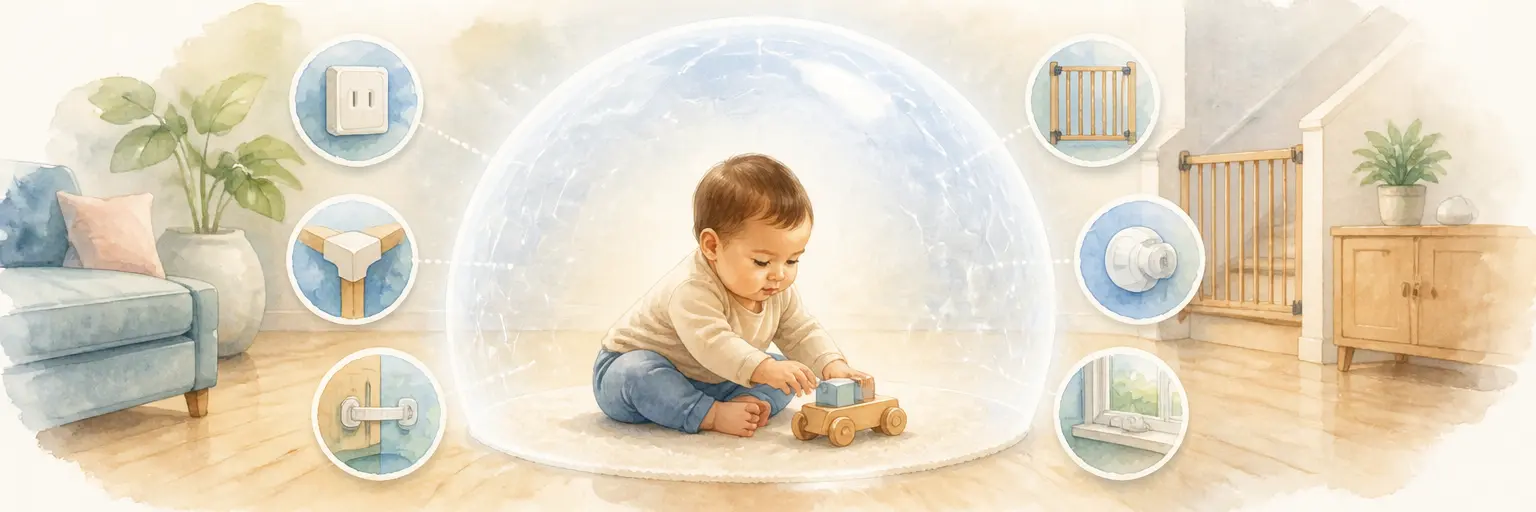
Baby Gates: The Unsung Heroes of Childproofing
Keep your little explorer safe at home with practical baby safety tips and trusted solutions from BabyCareHub. Discover simple ways to create a secure environment, reduce household hazards, and support your baby’s growing curiosity with confidence. From everyday childproofing guidance to reliable protection for high-risk areas, learn how to make every room safer for your newborn or toddler. 🏡👶✨
26 articles
Baby Gate Safety Checks: A Simple Routine to Follow
Tips for Using Cabinet Locks Effectively: A Guide for Busy Parents
Babyproofing Cabinets: A Journey of Discovery for New Parents
Baby Gate Maintenance: Keeping Your Gate Secure and Functional
No More Ouchies: Top Corner Guard Materials for Baby's Safety
Baby's Safety First: Choosing NonToxic Corner Guard Materials
Top 5 Cabinet Safety Products Every Parent Should Know
Baby Gate Alternatives: Creative Solutions for Unique Home Layouts
Retractable Baby Gates: SpaceSaving Solutions for Modern Homes
Peace of Mind: Choosing Corner Guards That Match Your Home Decor
Babyproofing Cabinets: Troubleshooting Common Problems
Unseen Hazards: Identifying Risky Areas for Baby Corner Safety
Creating a safe home for your baby is one of the most important responsibilities for new parents. As babies grow more mobile, everyday household features such as stairs, cabinets, sharp furniture corners, and hard edges can become potential hazards. BabyCareHub offers practical guidance on baby-proofing your home with reliable safety products, simple installation tips, and age-appropriate recommendations.
Explore expert advice on choosing and using baby gates, cabinet locks, corner protectors, and edge guards. These essential baby safety solutions can help reduce falls, prevent access to dangerous items, and create a more secure environment for crawling babies, curious toddlers, and growing children.
🚪 Baby Gates for a Secure Home Environment
Discover how baby gates can help restrict access to stairs, kitchens, bathrooms, fireplaces, and other areas that may not be safe for infants. This subcategory explains the differences between pressure-mounted and hardware-mounted baby gates, helping parents choose the right option for doorways, staircases, and high-traffic areas.
Readers can also expect guidance on measuring openings, checking gate height, selecting secure locking mechanisms, and installing gates correctly. Learn how to maintain a reliable barrier without creating new risks, while choosing durable baby gates that support everyday family routines.
🔒 Cabinet Safety Solutions for Curious Babies
Babies and toddlers naturally explore their surroundings, making kitchen cabinets, bathroom cupboards, and drawers important areas to secure. Learn about childproof cabinet locks, sliding latches, magnetic locks, adhesive solutions, and other cabinet safety products designed to prevent access to cleaning supplies, medicines, sharp objects, and fragile items.
This section provides practical tips for identifying high-risk storage areas and selecting locks that match your cabinet style. Parents can also learn why dangerous substances should always be stored out of reach, even when a childproof latch is installed, creating multiple layers of protection for a safer home.
🛡️ Protecting Your Baby with Corner and Edge Safety Guards
Sharp furniture corners and hard edges can cause painful bumps or injuries when babies begin crawling, pulling up, and walking. Explore how corner protectors and edge guards can help soften the impact of tables, countertops, shelves, television stands, and other household furniture.
Find advice on choosing guards with strong adhesive, secure fitting, non-toxic materials, and suitable coverage for different furniture shapes. This subcategory also highlights the importance of checking safety guards regularly, replacing loose or damaged protectors, and combining them with active supervision and broader baby-proofing practices.
❓ Frequently Asked Questions About Baby Safety at Home
What areas of the home should be baby-proofed first?
Begin with areas your baby can reach, including stairs, kitchens, bathrooms, nurseries, and living rooms. Focus first on hazards such as open stairways, electrical outlets, cleaning products, medicines, sharp furniture edges, cords, and small objects that may cause choking.
Are pressure-mounted baby gates safe for stairs?
Pressure-mounted gates are generally best for doorways and areas where a fall is not possible. For the top of stairs, choose a hardware-mounted baby gate designed specifically for stair safety, as it provides a more secure and permanent installation.
Do cabinet locks prevent every household danger?
No. Cabinet locks are an important layer of protection, but they should not replace safe storage habits. Keep medicines, chemicals, knives, and other dangerous items in locked storage and, whenever possible, placed well beyond your child’s reach.
When should parents install corner and edge protectors?
Install corner and edge guards before your baby becomes mobile, ideally during the crawling or pulling-up stage. Inspect them regularly to ensure they remain firmly attached and are not loose enough to become a choking hazard.
How often should baby safety products be checked?
Inspect baby gates, cabinet locks, and furniture guards regularly, especially after moving furniture, cleaning, or making home repairs. Replace products that are cracked, loose, damaged, or no longer suitable for your child’s size, strength, or developmental stage.